How to Care for Tomato Clownfish: Tank Size, Diet, and Compatibility

How to Care for Tomato Clownfish: Tank Size, Diet, and Compatibility

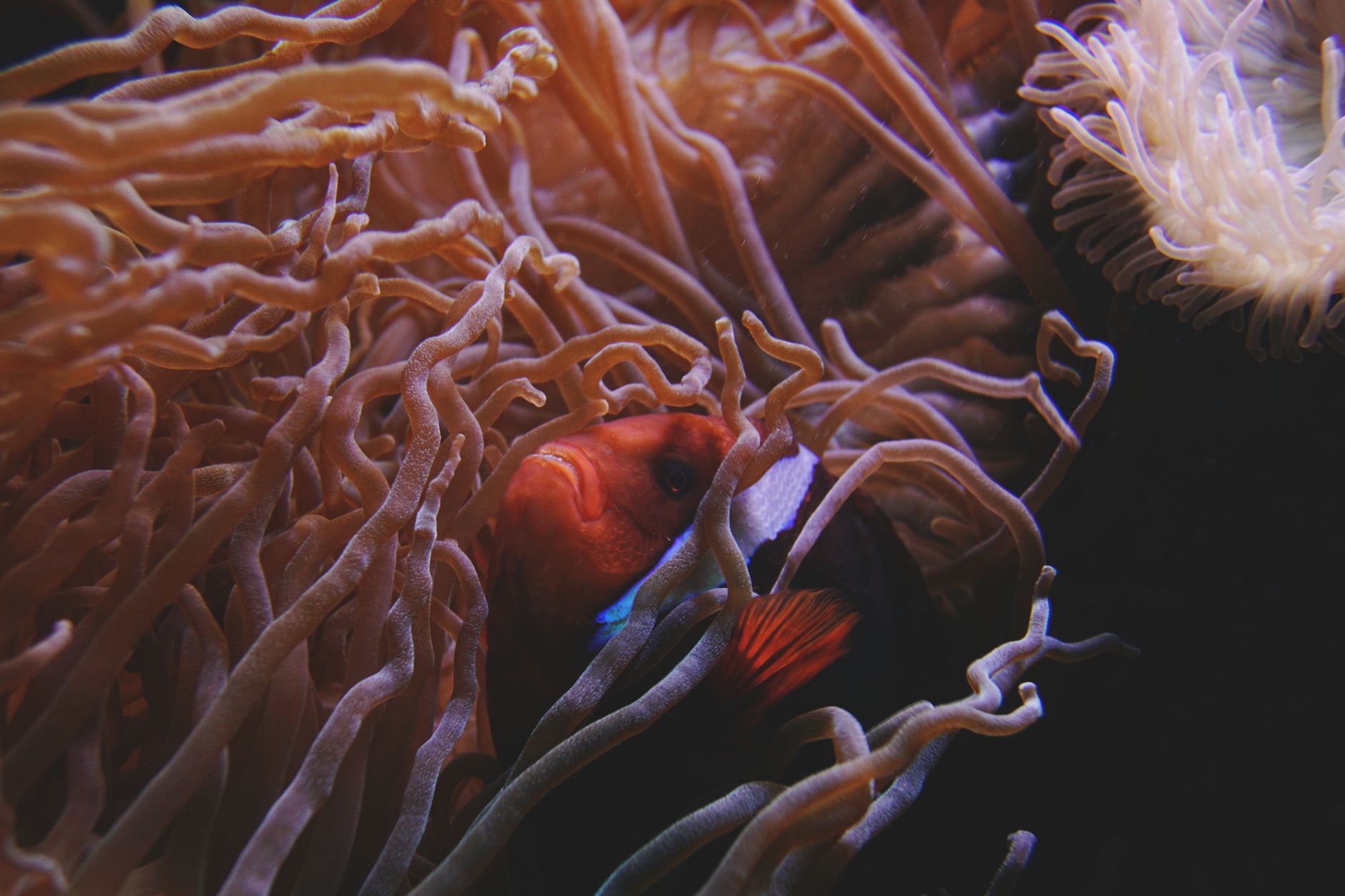
Quick Answer: Tomato clownfish need at least a 30-gallon tank, stable water between 72 and 78 degrees Fahrenheit, pH 8.1 to 8.4, and specific gravity 1.020 to 1.025. Feed a varied omnivore diet and choose tank mates that can handle territorial behavior. Quarantine new fish and maintain steady parameters. Tomato clownfish (Amphiprion frenatus) are one of the most striking clownfish species in the marine hobby. They show a deep red to tomato orange body, a single white head bar, and a bold personality. This is not the same fish as the common orange clown. If you want a gentler starter clown, read the ocellaris clownfish care guide. Tomato clowns grow larger and act more territorial. That means you need a clear plan for tank size, tank mates, and feeding before you buy one. ...
August 15, 2026 · 12 min · Jarrod Gravison
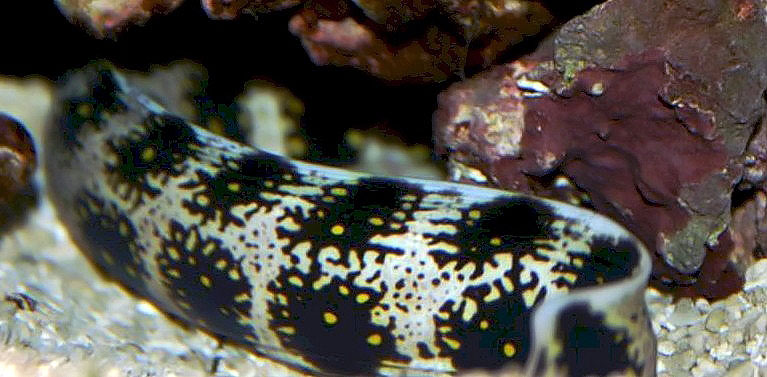
Echidna nebulosa snowflake moray eel

How to Care for Snowflake Moray Eels: Tank, Diet, Compatibility

Quick Answer: A snowflake moray eel needs at least a 75-gallon tank with a tight lid, stable saltwater at 72-78°F, pH 8.1-8.4, and specific gravity 1.020-1.025. Feed thawed shrimp, squid, or silversides two to three times per week. Keep only large fish that cannot be swallowed and avoid crustaceans. Snowflake moray eels (Echidna nebulosa) are one of the most recognizable marine eels in the aquarium trade. Their cream and brown bodies are covered with black and yellow markings that look like snowflakes. Many aquarists buy them for that pattern. But these are not small, low-maintenance fish. They can reach 24 to 39 inches in captivity depending on the individual. You need a real plan for tank size and long-term care. Before you bring one home, make sure your saltwater system is fully cycled. Cycling a fish tank prepares the biological filtration an eel needs. ...

August 15, 2026 · 12 min · Jarrod Gravison
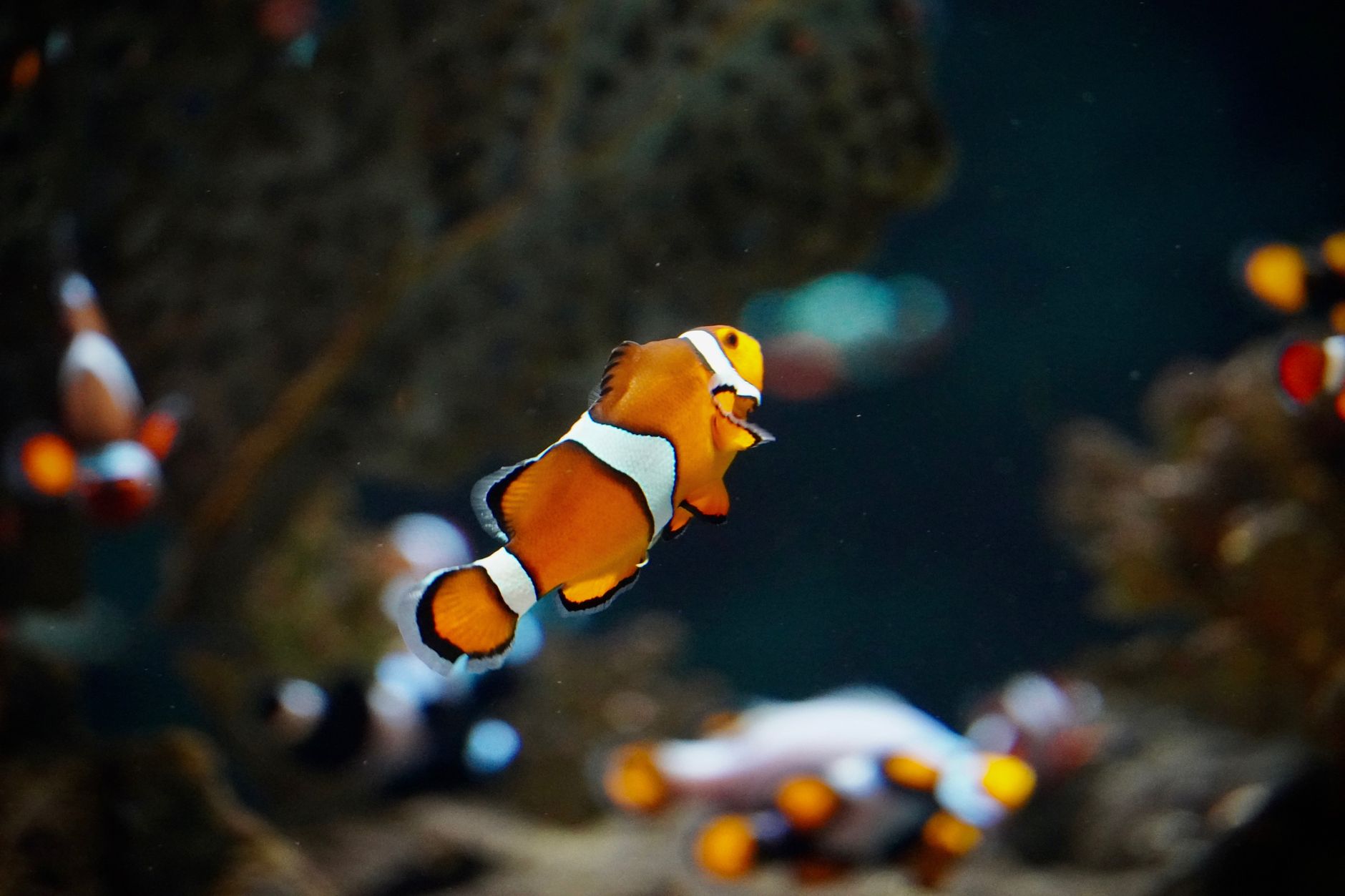
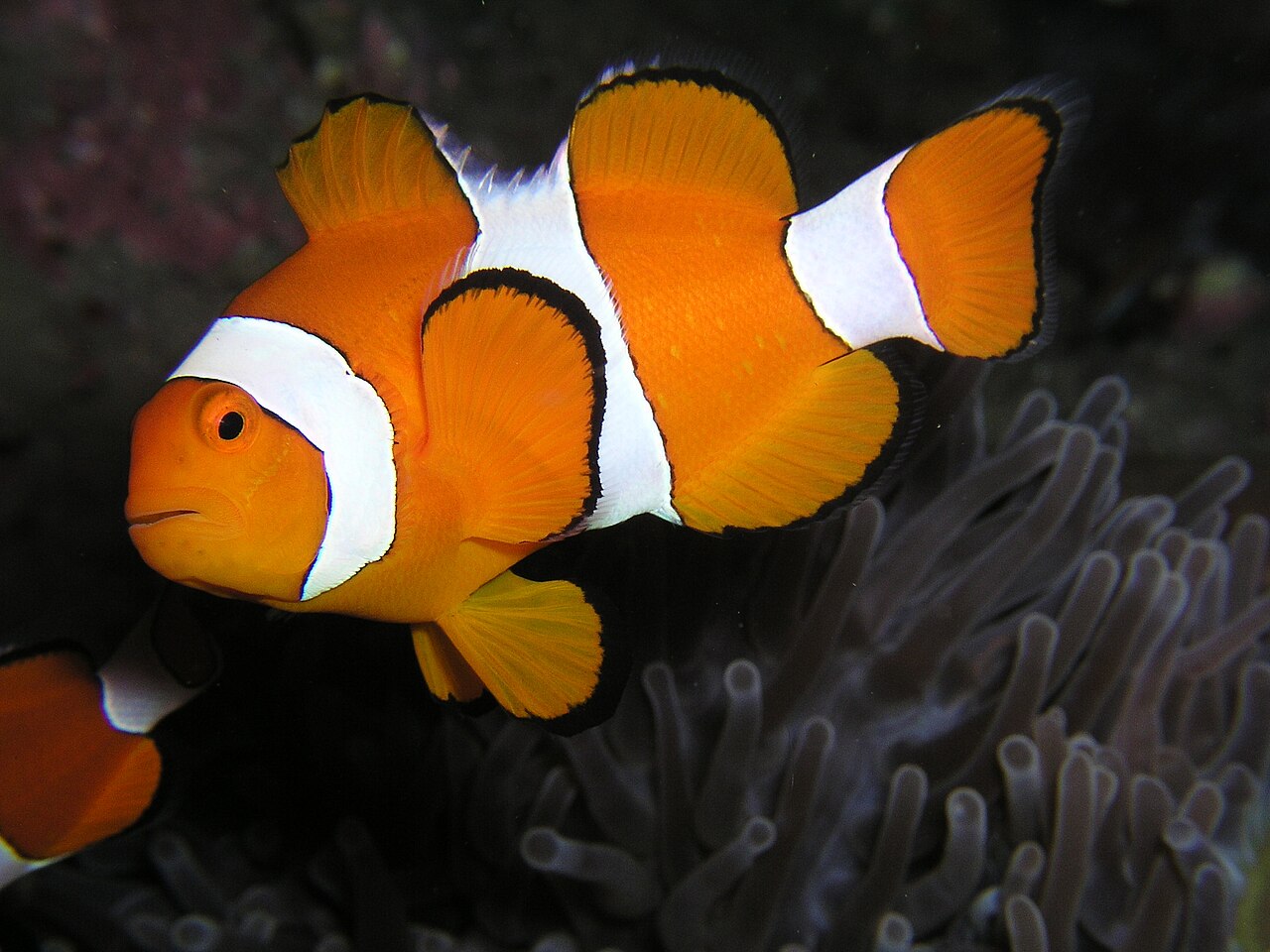
Amphiprion ocellaris

How to Care for Snowflake Clownfish: Tank, Diet, and Compatibility

Quick Answer: Snowflake clownfish are a designer variant of the ocellaris clownfish. Keep one or a pair in at least 20 gallons, at 75-80°F and pH 8.0-8.4. Feed a mix of quality marine pellets, frozen foods, and occasional algae. They are reef safe and peaceful, but do not mix with other clownfish species unless the tank is large. Snowflake clownfish are a captive-bred color morph of the common ocellaris clownfish (Amphiprion ocellaris). They show white bars with irregular, snowflake-like patterns instead of clean stripes. This makes every fish look a little different. Many saltwater keepers use them as a beginner-friendly centerpiece in a nano or small reef tank. If you have kept common clownfish, you can apply the same care principles. For background on the base species, read the ocellaris clownfish care guide. ...

August 15, 2026 · 12 min · Jarrod Gravison
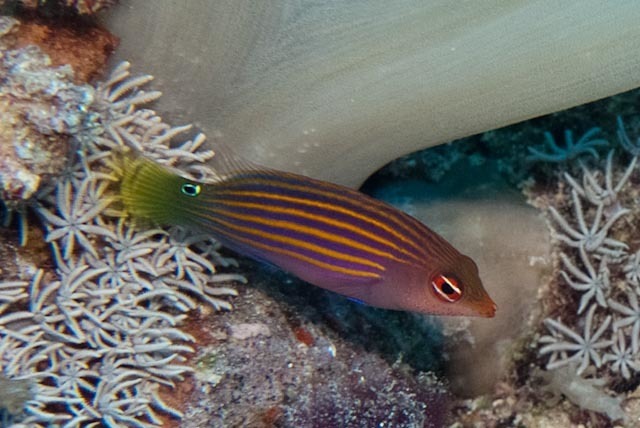
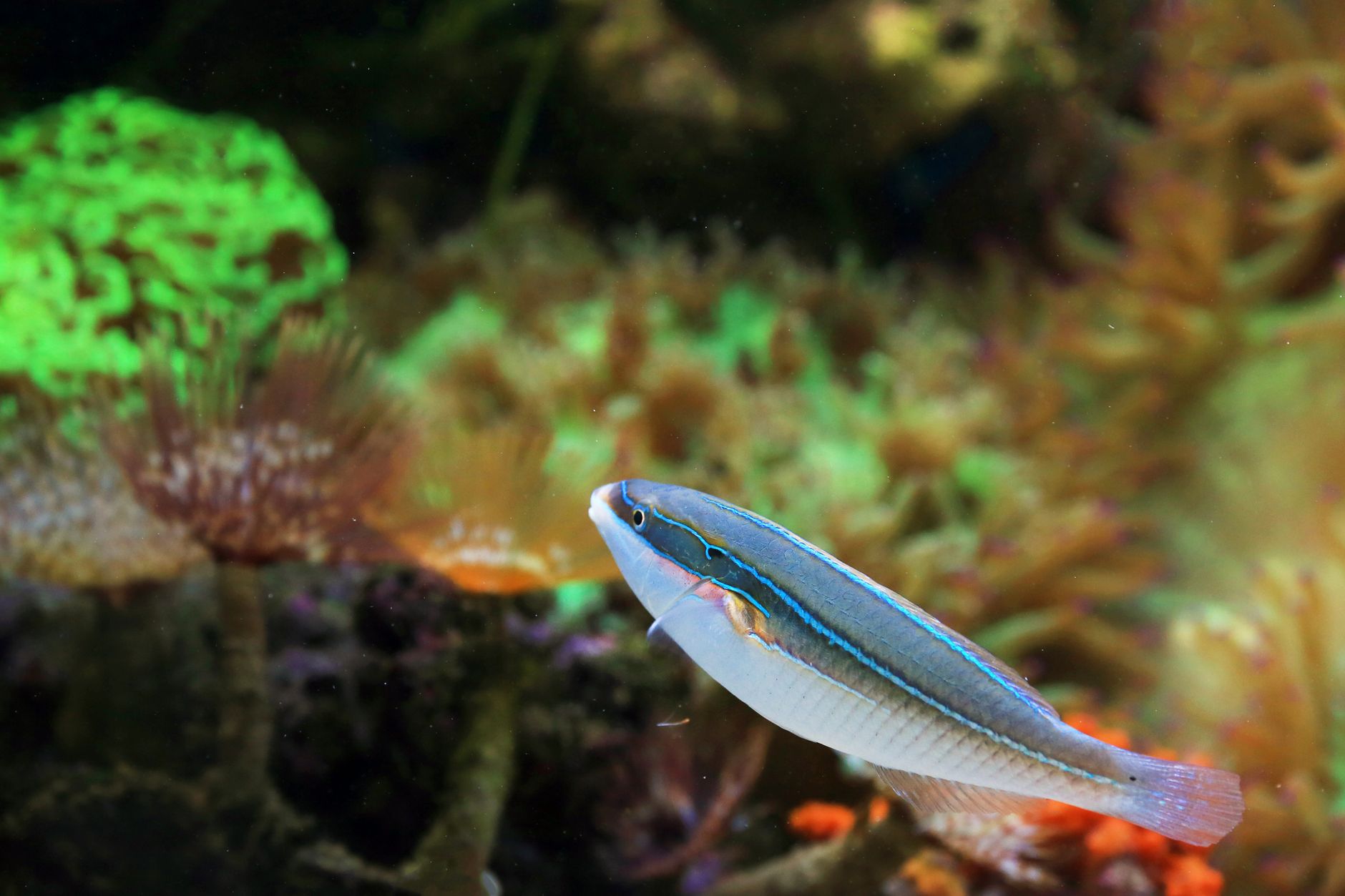
Pseudocheilinus hexataenia sixline wrasse

How to Care for a Six Line Wrasse: Tank, Diet, and Compatibility

Quick Answer: A six line wrasse needs a 30-gallon or larger tank with live rock, stable saltwater parameters, and a tight lid. Keep water at 72-78°F, pH 8.1-8.4, and salinity 1.020-1.025. Feed meaty foods twice daily. Add this fish last because it can bully timid tank mates. The six line wrasse, known scientifically as Pseudocheilinus hexataenia, is a small but bold reef fish from the Indo-Pacific. It stays around 3 inches long, making it a common choice for 30-gallon saltwater tanks. The fish is easy to recognize by its bright blue and orange stripes. Still, its bold personality can surprise keepers who expect a shy little wrasse. This care guide covers tank size, diet, compatibility, and daily maintenance so you can keep one healthy in 2026. It is not a beginner starter fish, but it can thrive with careful planning. ...

August 15, 2026 · 13 min · Jarrod Gravison
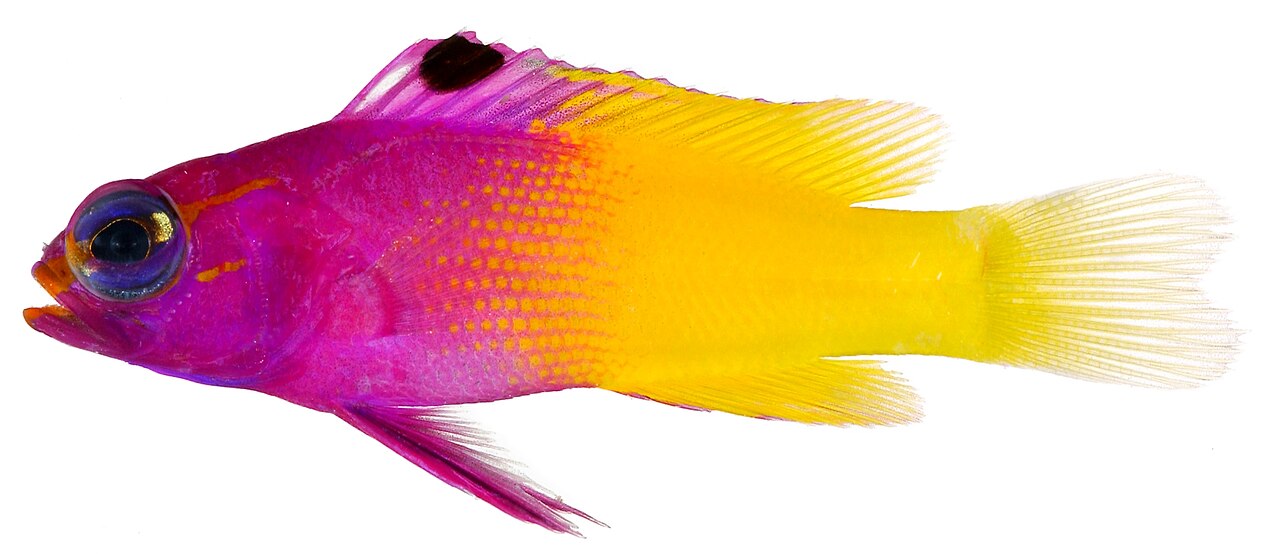
Gramma loreto royal gramma

How to Care for Royal Gramma: Tank Size, Diet, Compatibility

Quick Answer: Royal gramma (Gramma loreto) is a hardy reef-safe basslet that needs at least a 30-gallon tank, stable water temperature of 72 to 78 degrees Fahrenheit, pH 8.1 to 8.4, and a varied meaty diet. It gets along with peaceful tankmates but can be territorial toward similar basslets. Provide rockwork and stable water quality for long-term health. The royal gramma (Gramma loreto) is one of the most striking beginner saltwater fish you can buy. Its front half is vivid purple and its back half is bright yellow. That color split makes it easy to identify. Most royal grammas stay under 3 inches long. They are hardy, reef safe, and full of personality. Still, they are not a fish you can drop into any tank. They need stable water and enough rockwork. According to LiveAquaria, this species adapts well to captivity when given proper cover and a peaceful environment. For new saltwater keepers, this is one of the best fish for beginners. ...

August 15, 2026 · 11 min · Jarrod Gravison
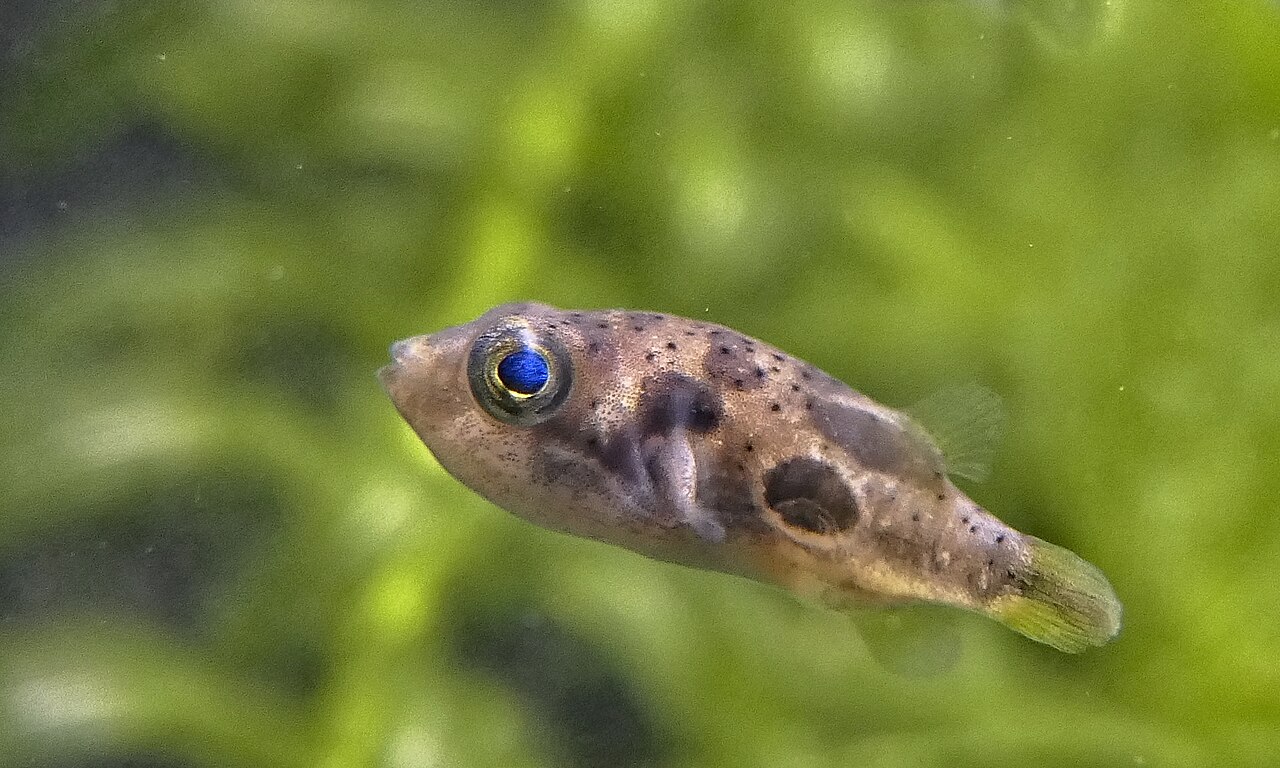
Carinotetraodon travancoricus dwarf pufferfish

How to Care for Pea Puffers: Tank Size, Diet, and Compatibility

Quick Answer: Keep pea puffers in at least 10 gallons for one fish, with a pH of 7.0-7.8 and a temperature of 76-82°F. Feed small live or frozen foods like snails, bloodworms, and brine shrimp. Avoid slow, long-finned tank mates. A heavily planted species-only tank is the safest choice for these tiny, territorial puffers. Pea puffers (Carinotetraodon travancoricus) are some of the smallest freshwater puffers in the hobby. Adult fish usually stay around 1 inch long, but their personality is much bigger. They are curious, interactive, and surprisingly territorial. Many new keepers assume a tiny fish can live in a tiny bowl, but that leads to stress and poor water quality. Before you bring one home, understand how to cycle a tank properly. The aquarium nitrogen cycle explained walks through the biological process that keeps fish safe. ...

August 15, 2026 · 14 min · Jarrod Gravison
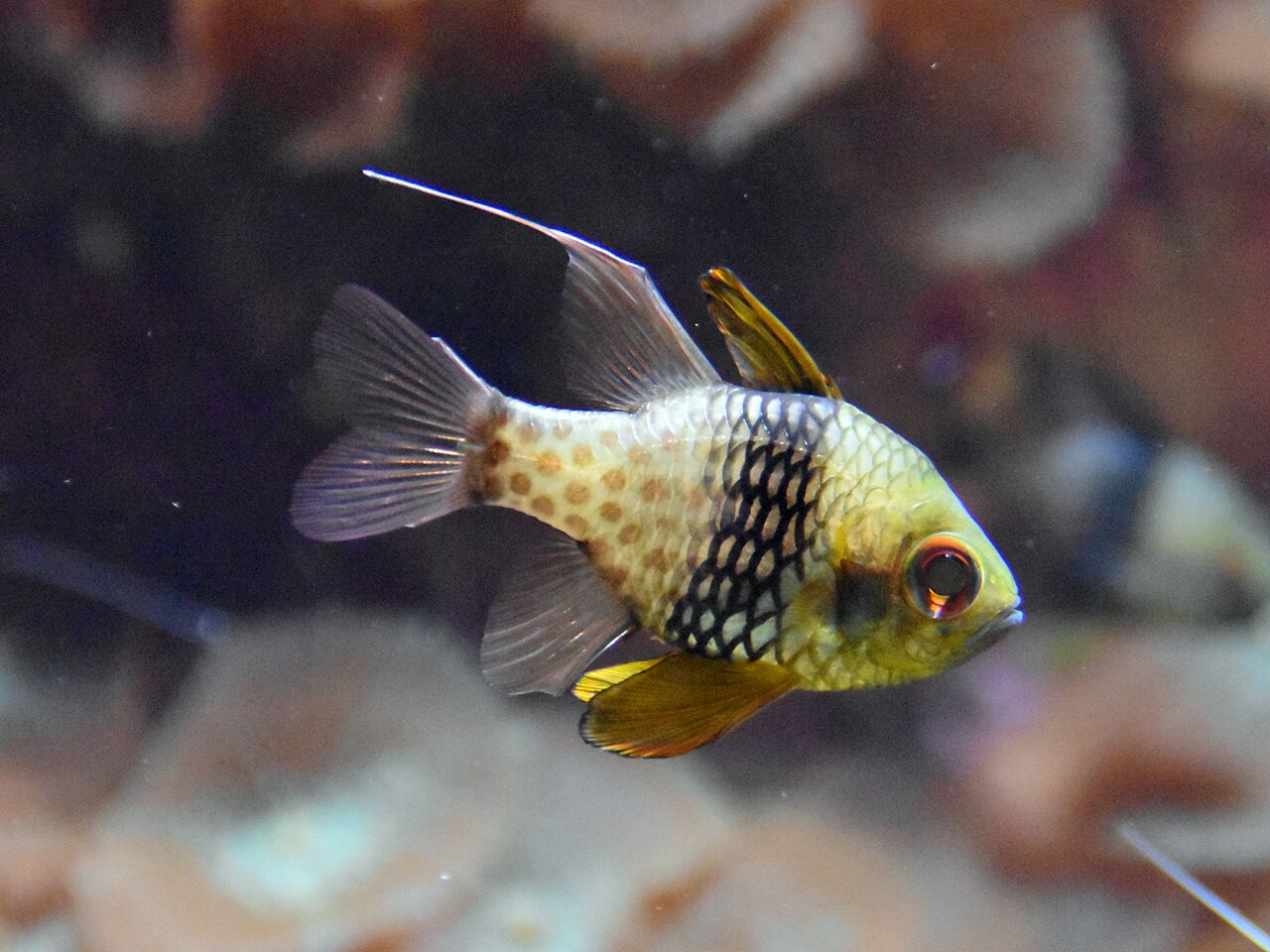
Sphaeramia nematoptera pajama cardinalfish

How to Care for Pajama Cardinalfish: Tank, Diet, and Mates

Quick Answer: Pajama cardinalfish need at least a 30-gallon tank, stable tropical marine parameters, and a mixed meaty diet. Keep temperature between 72 and 78 degrees Fahrenheit, pH between 8.1 and 8.4, and salinity between 1.020 and 1.025. They are peaceful, reef-safe fish best kept singly, in a bonded pair, or in a small group with calm tank mates. The pajama cardinalfish, sometimes called the spotted cardinalfish, is one of the most underrated saltwater fish for home aquariums. It has a peaceful temperament, stays small, and adapts well to reef tanks. That makes it a strong choice if you are moving beyond basic beginner fish but still want a hardy, low-stress animal. Unlike many marine species, it does not demand a massive system or an advanced feeding routine. For a close relative, see the Bangaii cardinalfish care guide to compare care needs. ...

August 15, 2026 · 13 min · Jarrod Gravison
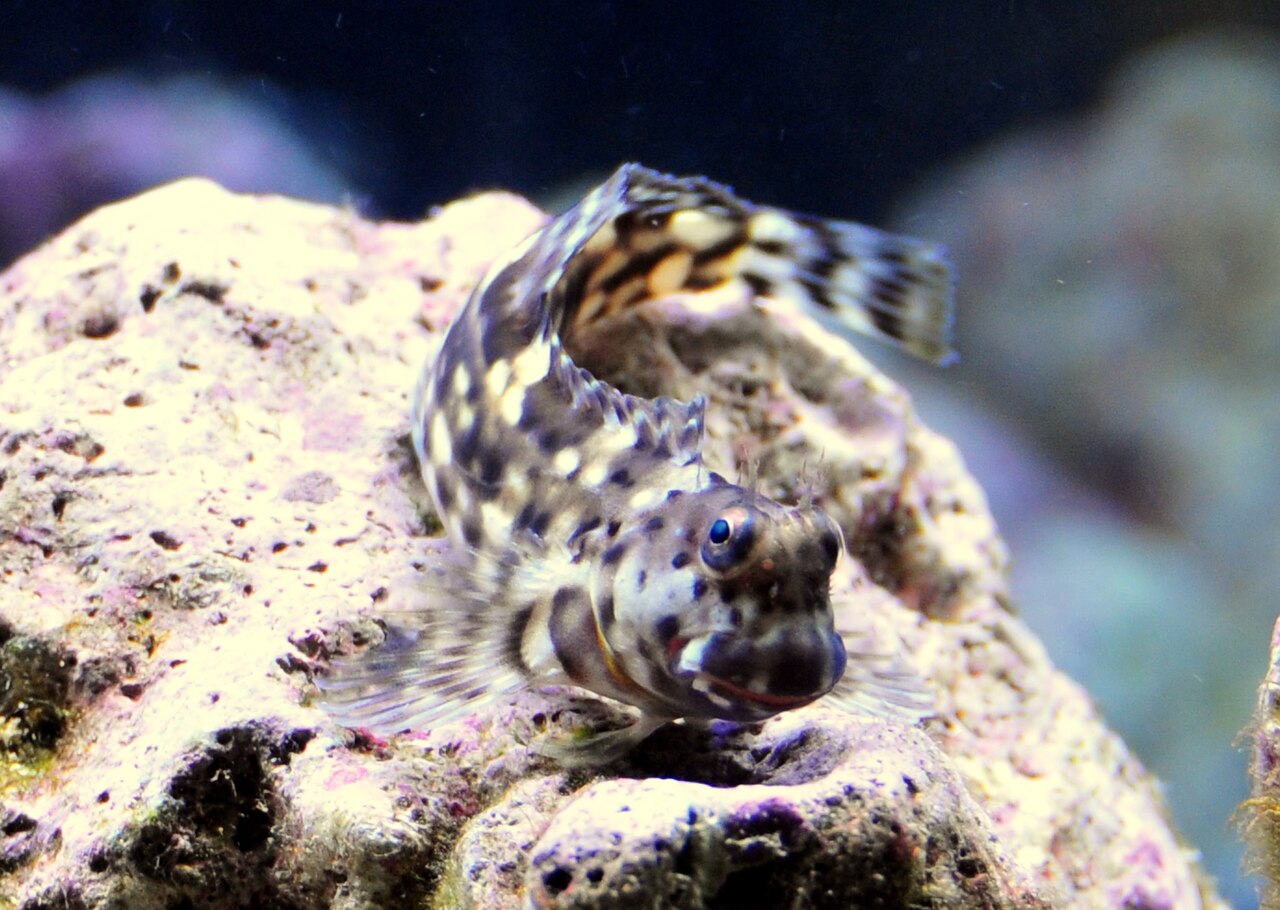
Ecsenius midas

How to Care for a Midas Blenny: Tank Size, Diet, and Compatibility

Quick Answer: A Midas Blenny needs at least a 30-gallon tank with live rock caves, a secure lid, and stable saltwater parameters. Feed a varied omnivorous diet of marine flakes, pellets, frozen mysis, and brine shrimp. Keep one per tank unless mated. Choose peaceful tank mates and perform regular water changes. The Midas Blenny (Ecsenius midas) is one of the best saltwater fish for aquarists who want personality without a huge tank. This golden-yellow fish swims with a curious eel-like motion and often perches on rockwork. Before you bring one home, you need to understand its care requirements. A stable, mature aquarium matters more than any single piece of gear. If you are new to marine setups, review the aquarium nitrogen cycle explained before adding any fish. The nitrogen cycle, live rock, and water changes are the foundation of success. ...

August 15, 2026 · 14 min · Jarrod Gravison
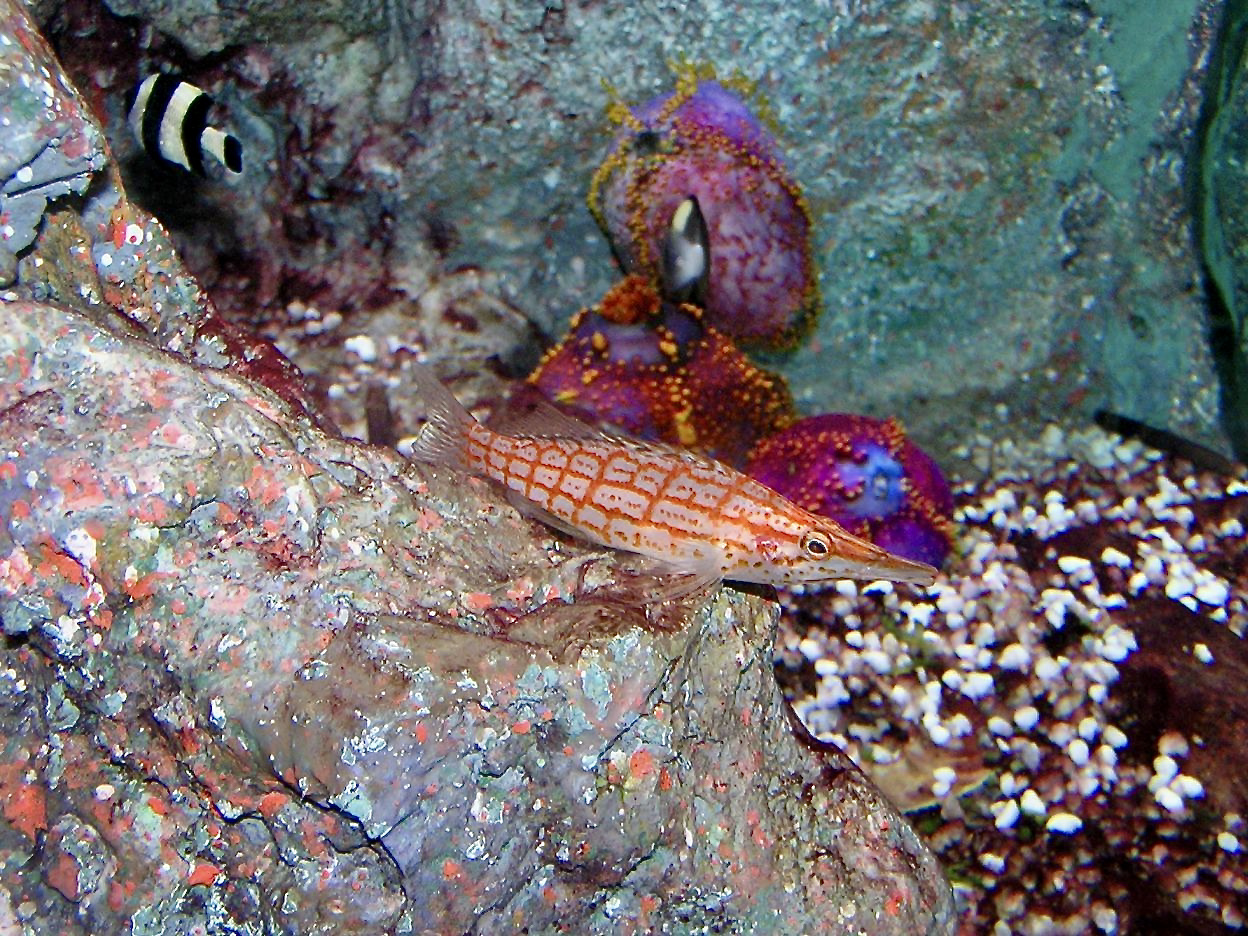
Oxycirrhites typus longnose hawkfish

How to Care for Longnose Hawkfish: Tank Size, Diet, and Compatibility

Quick Answer: Keep one longnose hawkfish in a 30-gallon or larger saltwater tank with live rock, a temperature of 72-78°F, and pH 8.1-8.4. Feed meaty foods like mysis shrimp and chopped seafood, avoid small crustaceans and tiny fish, and provide secure rockwork. This hardy fish does best in established reef or fish-only systems. The longnose hawkfish (Oxycirrhites typus) looks like a cross between a hawk and a hovering chess piece. It has a needle-like snout, a white body, and red crosshatch markings that make it one of the most recognizable saltwater fish in the hobby. Unlike many fish that swim constantly, longnose hawkfish spend most of their time perched on rockwork or coral. They watch the tank with big eyes and dart out to grab food. If you have kept a flame hawkfish care guide you will recognize the behavior, but the longnose is longer, slimmer, and often more outgoing once settled. ...

August 15, 2026 · 11 min · Jarrod Gravison
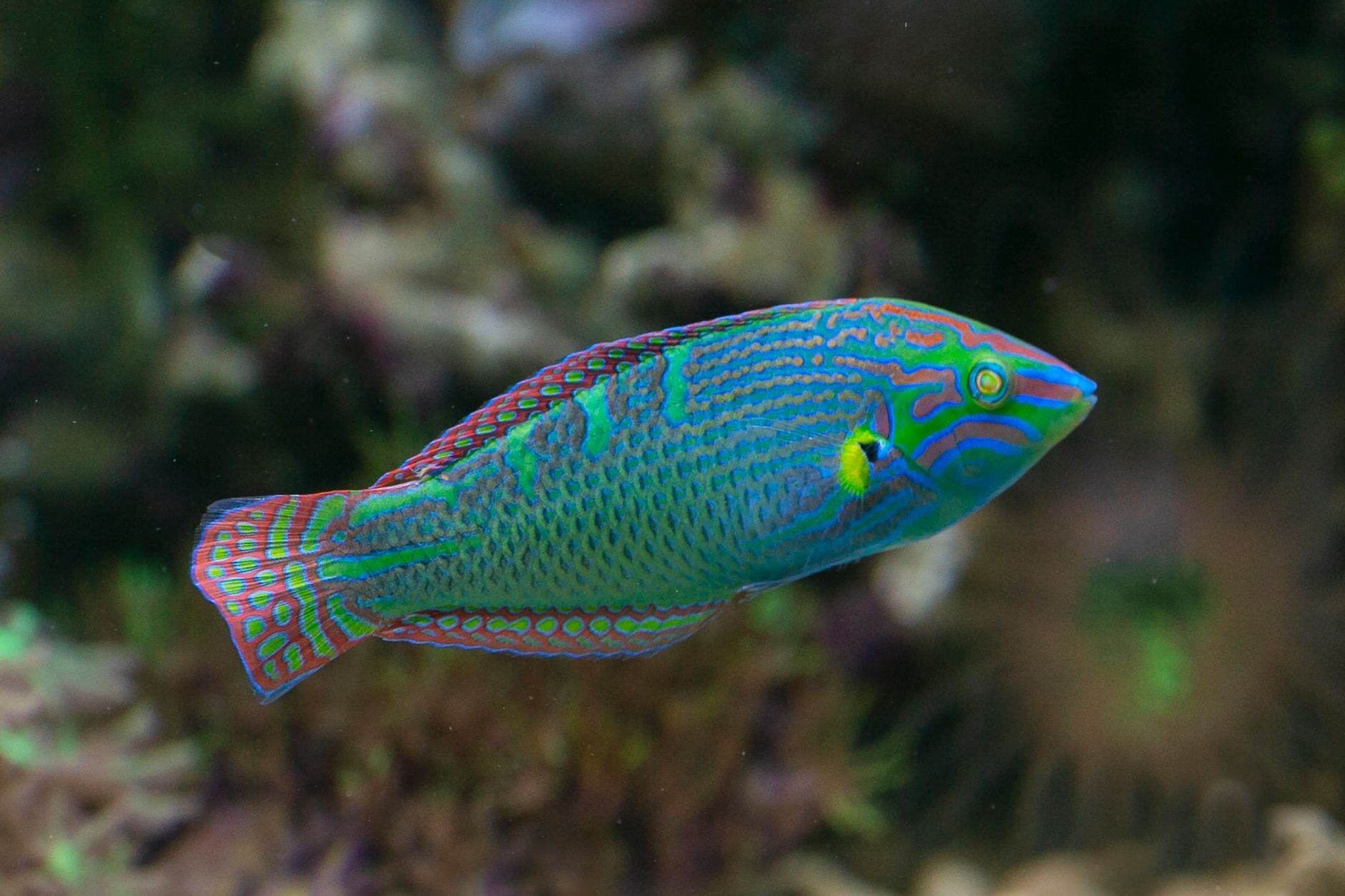
How to Care for Flasher Wrasse: Tank Size, Diet, and Compatibility

How to Care for Flasher Wrasse: Tank Size, Diet, and Compatibility

Quick Answer: Flasher wrasse need at least a 55-gallon tank with a secure lid, stable water at 72-78°F and pH 8.1-8.4, and a varied meaty diet. They are peaceful reef-safe fish but will jump and need calm tank mates. Flasher wrasse are some of the most colorful fish you can add to a saltwater aquarium. These small, peaceful fish come from the Indo-Pacific and are known for the males’ dramatic color flashes during courtship. They stay relatively small, usually between 3 and 4 inches, which makes them a good fit for many reef tanks. Still, they have specific needs. Before adding one, make sure your tank is fully cycled. A stable biological filter is the foundation of flasher wrasse health. Review the aquarium nitrogen cycle explained to understand how ammonia and nitrite are controlled. ...

August 15, 2026 · 13 min · Jarrod Gravison
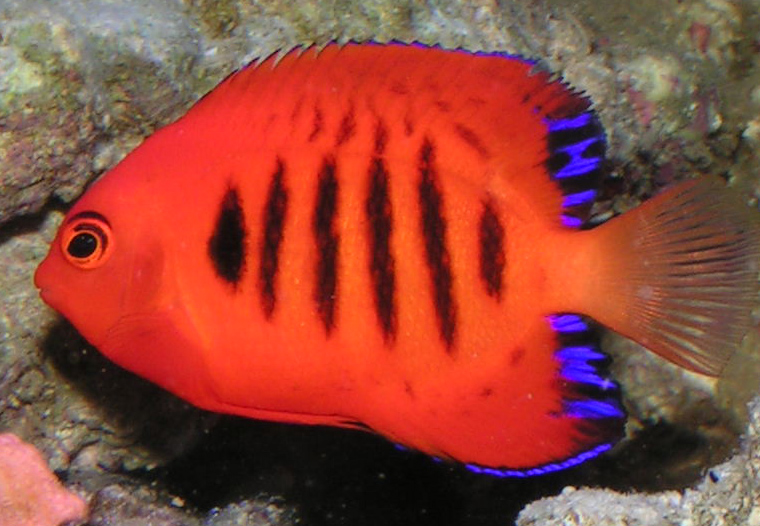
Centropyge loriculus flame angelfish

How to Care for Flame Angelfish: Tank, Diet, and Compatibility

Quick Answer: Flame angelfish need at least a 70-gallon tank, stable 72-78°F water, pH 8.1-8.4, and a varied omnivorous diet. They can be reef safe with caution but may nip at corals and clams. Choose peaceful tank mates, provide live rock, and quarantine new arrivals. With good care they live 5-7 years. The flame angelfish (Centropyge loricula) is one of the most popular dwarf angelfish in the saltwater hobby. Its bright orange-red body and vertical black bars make it a standout in any reef or fish-only tank. Many keepers compare it to the coral beauty angelfish because both stay small and add intense color. But the flame angelfish has its own needs, especially when it comes to tank size and feeding. This guide covers everything from setup to long-term health. ...

August 15, 2026 · 14 min · Jarrod Gravison
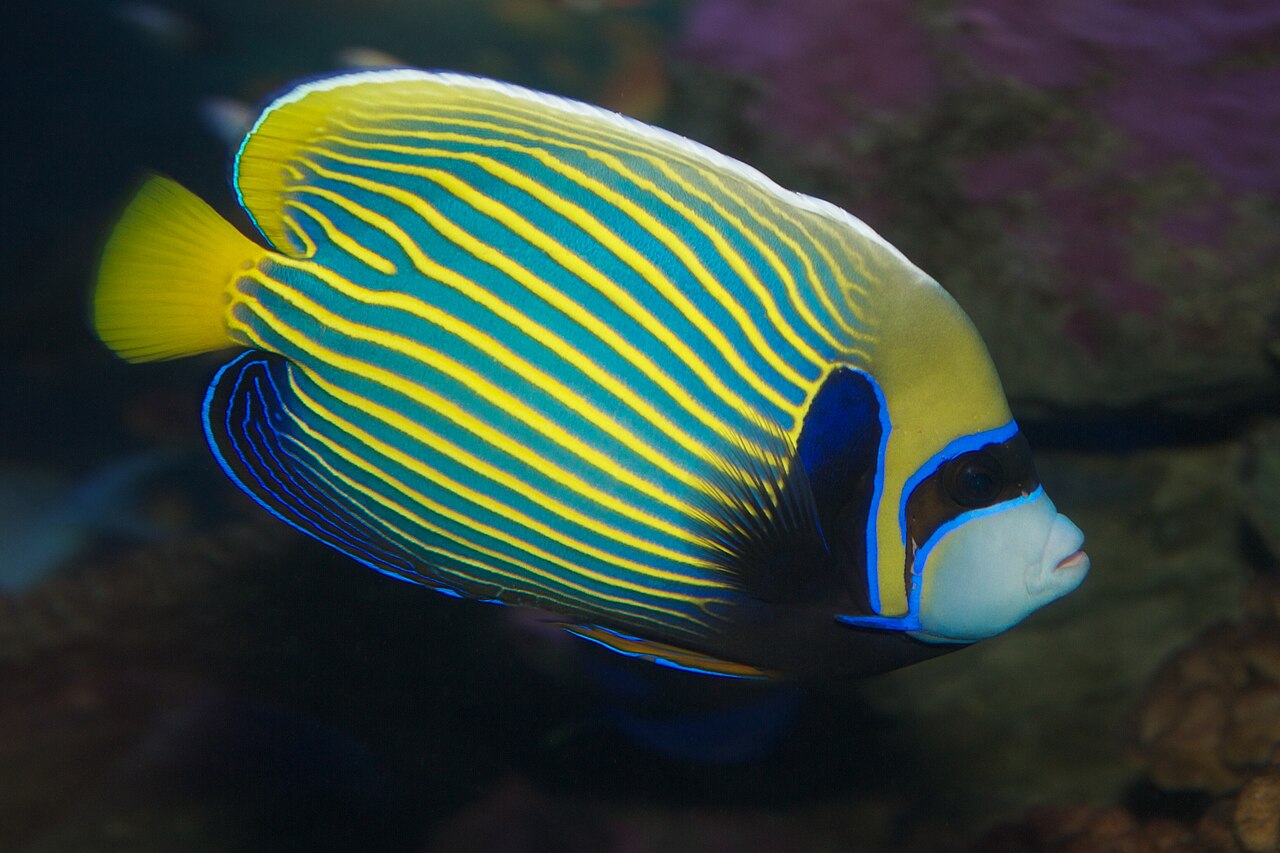
Pomacanthus imperator emperor angelfish

How to Care for Emperor Angelfish: Tank Size, Diet, and Compatibility

Quick Answer: Emperor angelfish need a mature marine system of at least 125 gallons, with 180 gallons being better for adults. Keep water at 72 to 78 degrees Fahrenheit, pH 8.1 to 8.4, and specific gravity 1.020 to 1.025. Feed a mixed diet rich in sponge and algae. They grow to 15 inches and are semi-aggressive, so choose tank mates carefully. The emperor angelfish is one of the most recognizable saltwater fish in the trade. Juveniles wear bold blue and white spirals that look completely different from the adult’s yellow and blue horizontal stripes with a dark mask around the eyes. That color change is dramatic, but so are the fish’s care requirements. If you want a smaller and more forgiving marine angelfish, start with our coral beauty angelfish care guide. If you are set on an emperor, you need a large tank, a mature system, and a long-term plan. ...

August 15, 2026 · 13 min · Jarrod Gravison
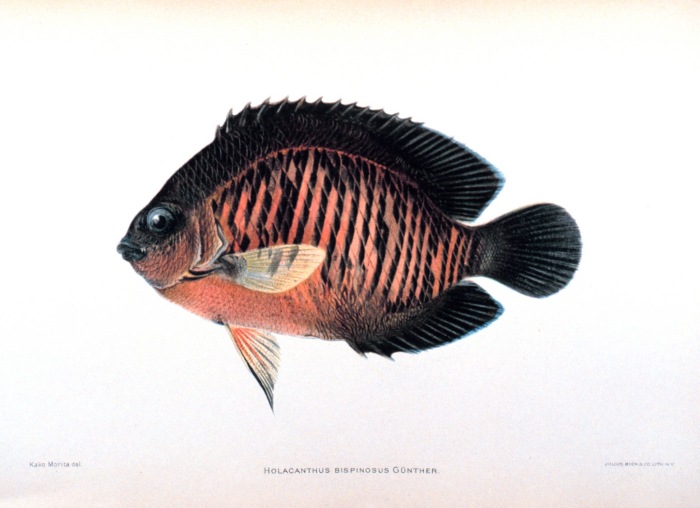
Centropyge bispinosa

How to Care for Coral Beauty Angelfish: Tank Size, Diet and Compatibility

Quick Answer: Coral Beauty Angelfish need at least a 70-gallon tank, stable saltwater with a temperature of 72-78°F, pH 8.1-8.4, and specific gravity 1.020-1.025. Feed a varied omnivore diet of algae, sponge-based foods, and meaty items. They are semi-reef safe and may nip LPS corals. Keep with peaceful tankmates and provide live rock for grazing. Coral Beauty Angelfish, Centropyge bispinosa, is one of the most popular dwarf angelfish in the saltwater hobby. Its deep blue body, orange-red sides, and yellow-orange banding make it stand out in any reef or fish-only tank. Compared with the showier flame angelfish, the coral beauty is often slightly hardier and more affordable. Still, this fish is not a beginner species. It needs stable water, rockwork, and careful tankmate planning. ...

August 15, 2026 · 12 min · Jarrod Gravison
How to Care for Ocellaris Clownfish: Tank, Diet, Compatibility (2026)

How to Care for Ocellaris Clownfish: Tank, Diet, Compatibility (2026)

Quick Answer: Ocellaris clownfish need at least a 20-gallon tank with stable salinity between 1.020 and 1.025, temperature near 78°F, and pH 8.1 to 8.4. Feed a varied marine diet twice daily. Keep them with peaceful tank mates. Cycle the tank fully before adding fish, and do weekly water changes. Ocellaris clownfish (Amphiprion ocellaris) are among the most popular marine fish in the aquarium hobby. They are hardy, active, and full of personality. Many saltwater keepers choose them as a first marine fish because they tolerate a wider range of conditions than many other species. Still, they need a properly cycled tank and stable water. This 2026 guide covers tank size, water parameters, diet, compatibility, and maintenance. Follow these steps to give your clownfish a long, healthy life. ...

August 15, 2026 · 12 min · Jarrod Gravison
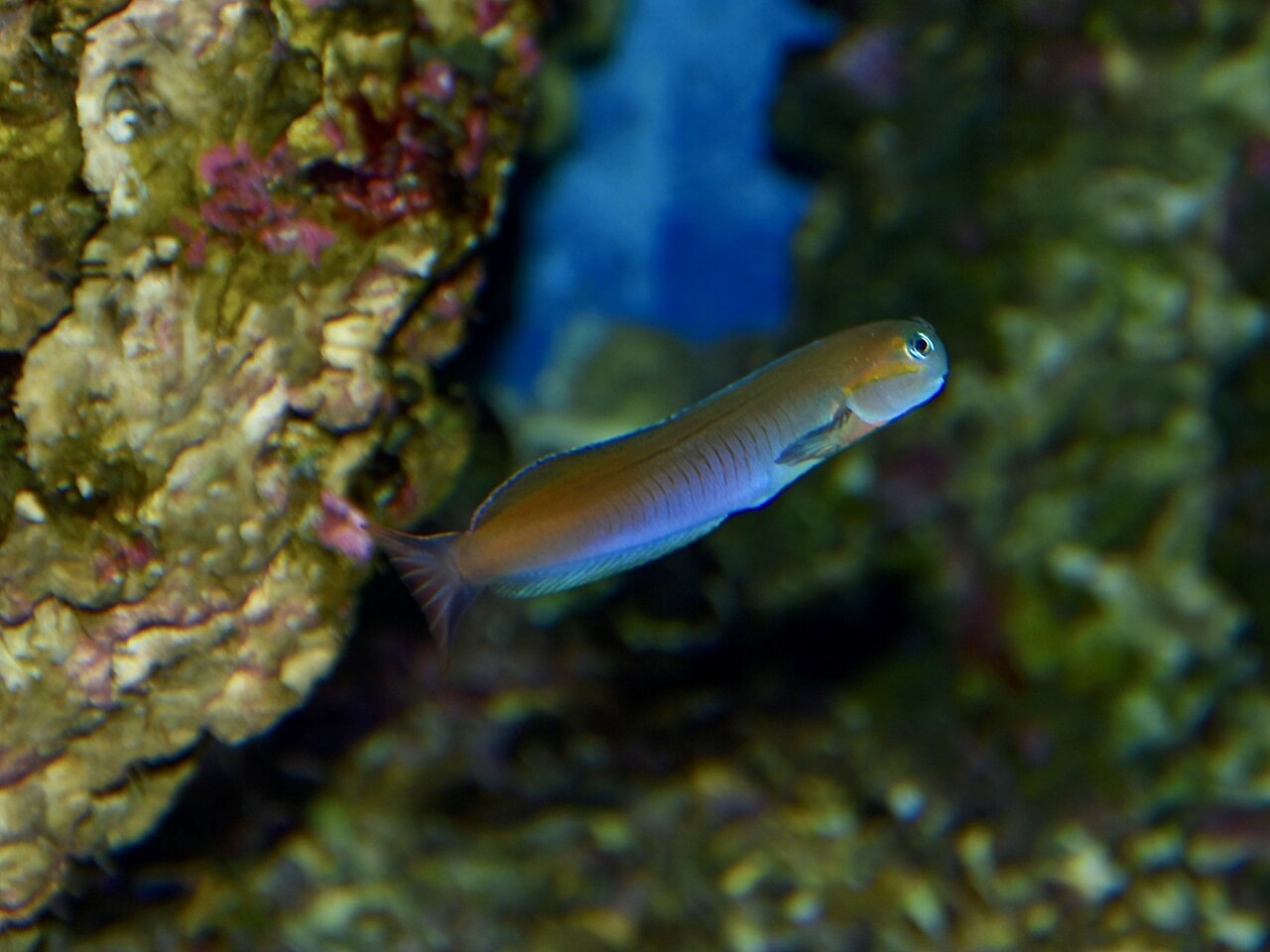
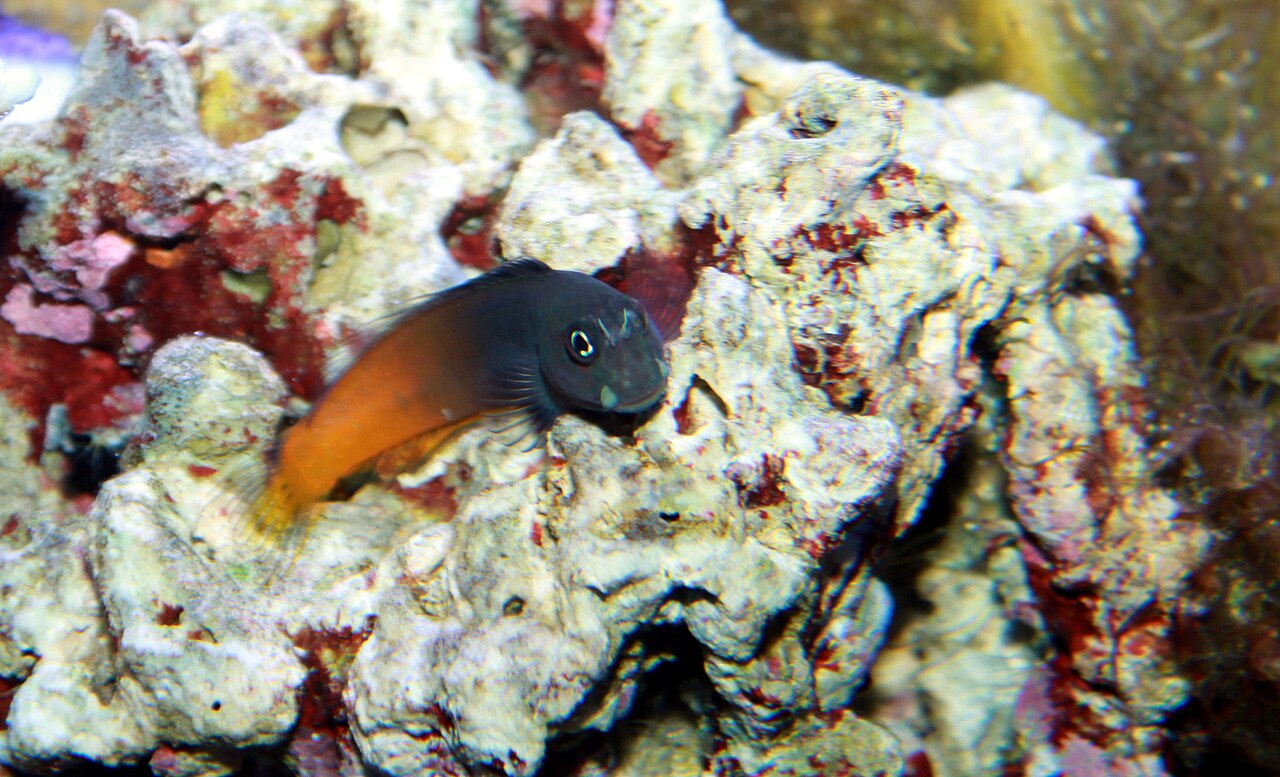
Ecsenius bicolor bicolor blenny

How to Care for a Bi-Color Blenny: Tank, Diet, and Compatibility

Quick Answer: A bi-color blenny needs at least a 30-gallon established saltwater aquarium with stable water parameters of 72-78°F and pH 8.1-8.4. Feed it a varied diet of marine algae and meaty foods, and give it plenty of live rock hiding spots. Avoid housing it with aggressive fish that may outcompete it. The bi-color blenny (Ecsenius bicolor) is a small saltwater fish that brings personality to a reef or fish-only tank. Its front half is dark blue to brown, while the rear half is bright yellow to orange. That two-tone look makes it easy to spot. Still, this fish needs more than a splashy appearance. It asks for a stable home with plenty of rockwork and a well-managed diet. ...

August 15, 2026 · 14 min · Jarrod Gravison
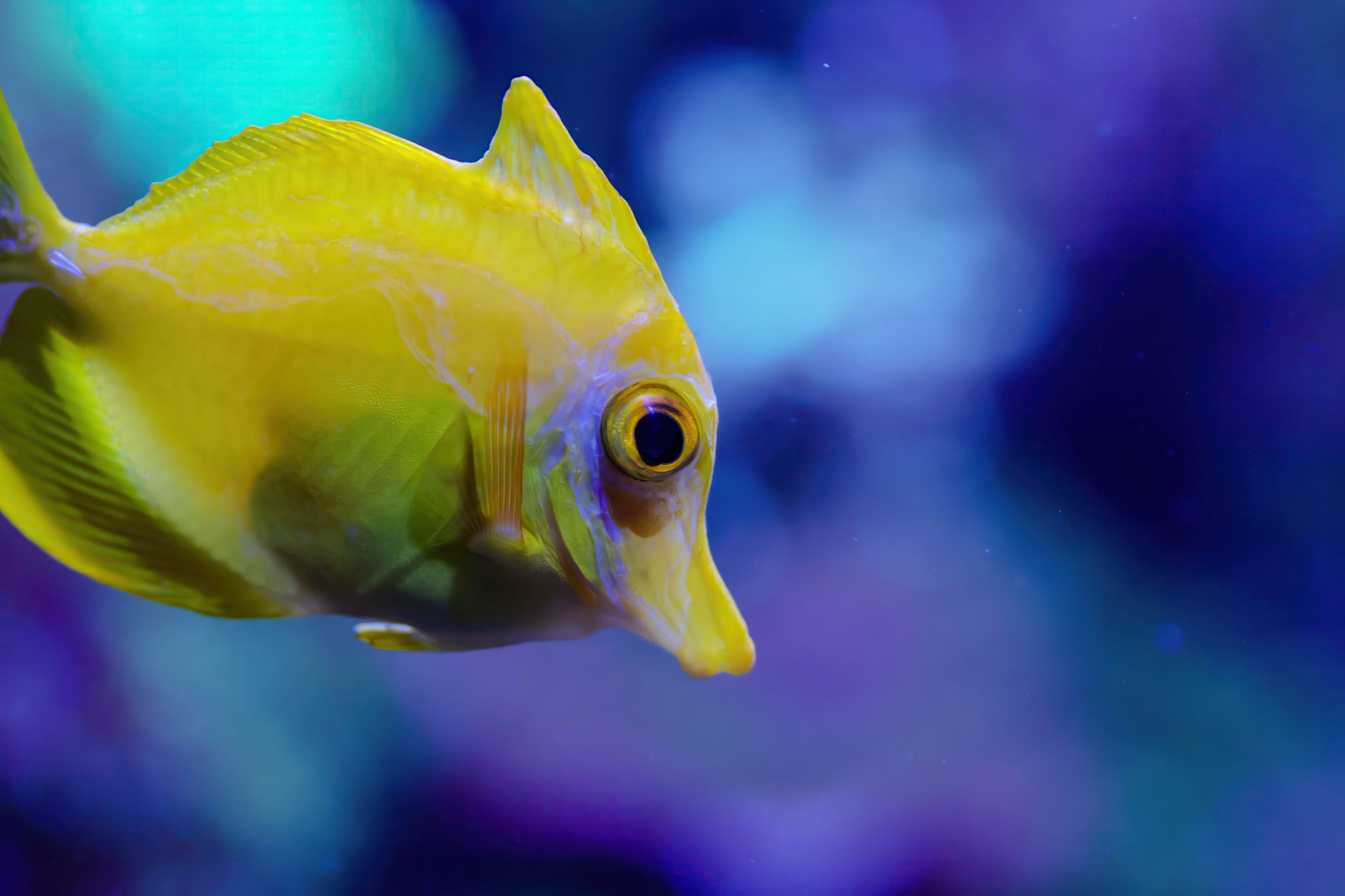
How to Care for Yellow Tangs: Tank Size, Diet, and Compatibility

How to Care for Yellow Tangs: Tank Size, Diet, and Compatibility

Quick Answer: Yellow tangs need a 125-gallon or larger tank, stable saltwater conditions (72-78°F, pH 8.1-8.4), and a mostly algae-based diet. They grow to about 8 inches and can be aggressive with other tangs. Quarantine and a mature tank help them settle in. Yellow tangs are one of the most recognizable saltwater fish in the hobby. Their bright yellow body and active swimming make them a favorite for large reef tanks. But caring for a yellow tang goes beyond dropping in flakes. These fish need room, clean water, and a diet built around algae. This guide walks through tank size, water chemistry, feeding, and compatibility so you can keep one healthy for a decade or more. ...

August 15, 2026 · 11 min · Jarrod Gravison
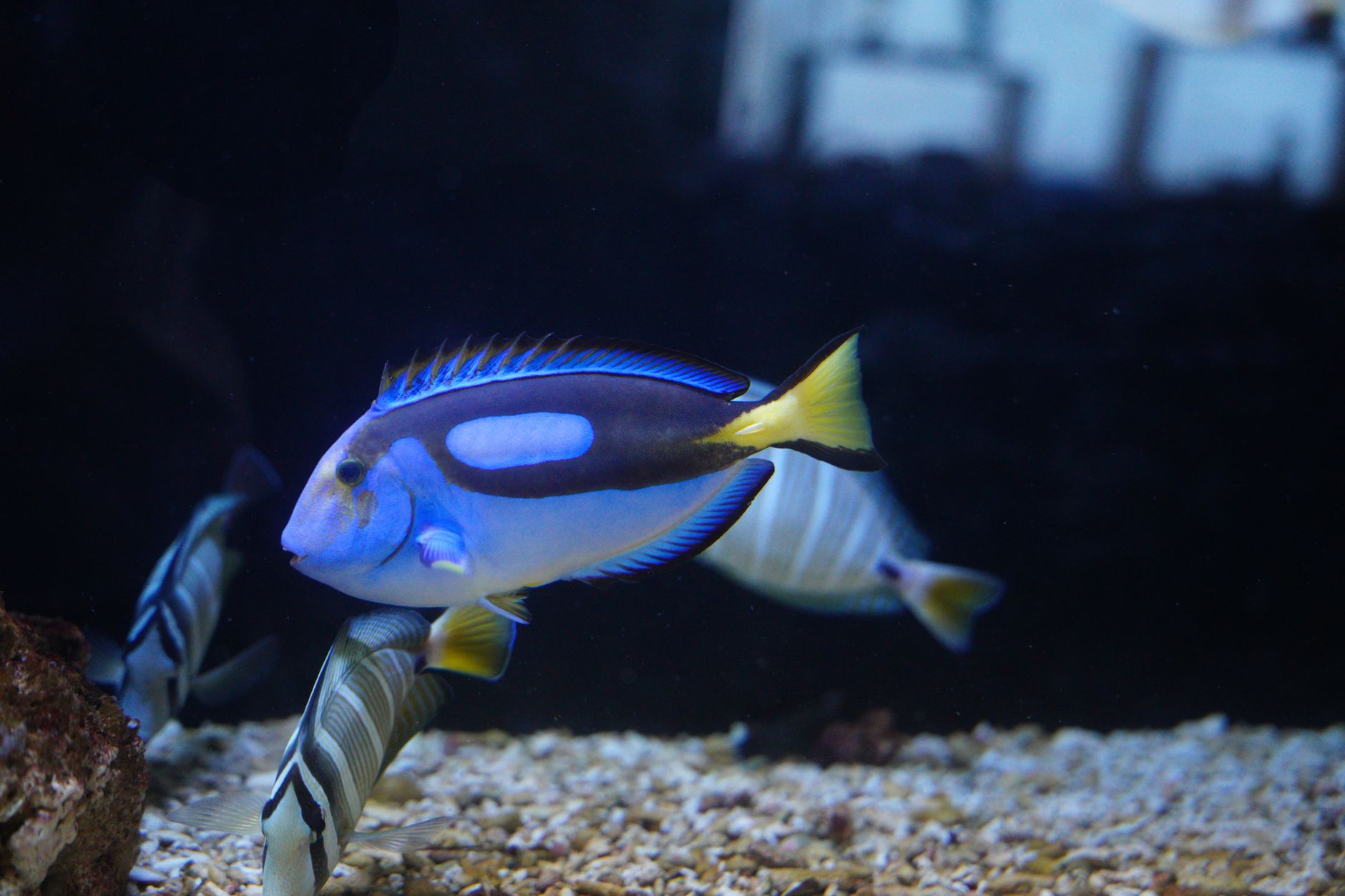
How to Care for a Powder Blue Tang: Tank, Diet, Compatibility (2026)

How to Care for a Powder Blue Tang: Tank, Diet, Compatibility (2026)

Quick Answer: Powder blue tangs need a minimum 125-gallon tank, stable water parameters, and a varied algae-based diet. They are active swimmers, prone to ich, and can be aggressive with similar tangs. With proper quarantine, water quality, and feeding, they thrive in a mature reef or fish-only system. The powder blue tang, scientifically known as Acanthurus leucosternon, is one of the most striking fish in the marine aquarium hobby. Its vivid sky-blue body, bold yellow dorsal fin, and white face make it a centerpiece species. But this beauty comes with a demanding nature. Unlike the more forgiving blue tang care guide, the powder blue tang is considered an advanced-level fish. It requires a very large tank, impeccable water quality, and a dedicated owner who understands its aggressive tendencies and disease susceptibility. This guide will walk you through everything you need to know for successful long-term care in 2026. ...

August 15, 2026 · 15 min · Jarrod Gravison
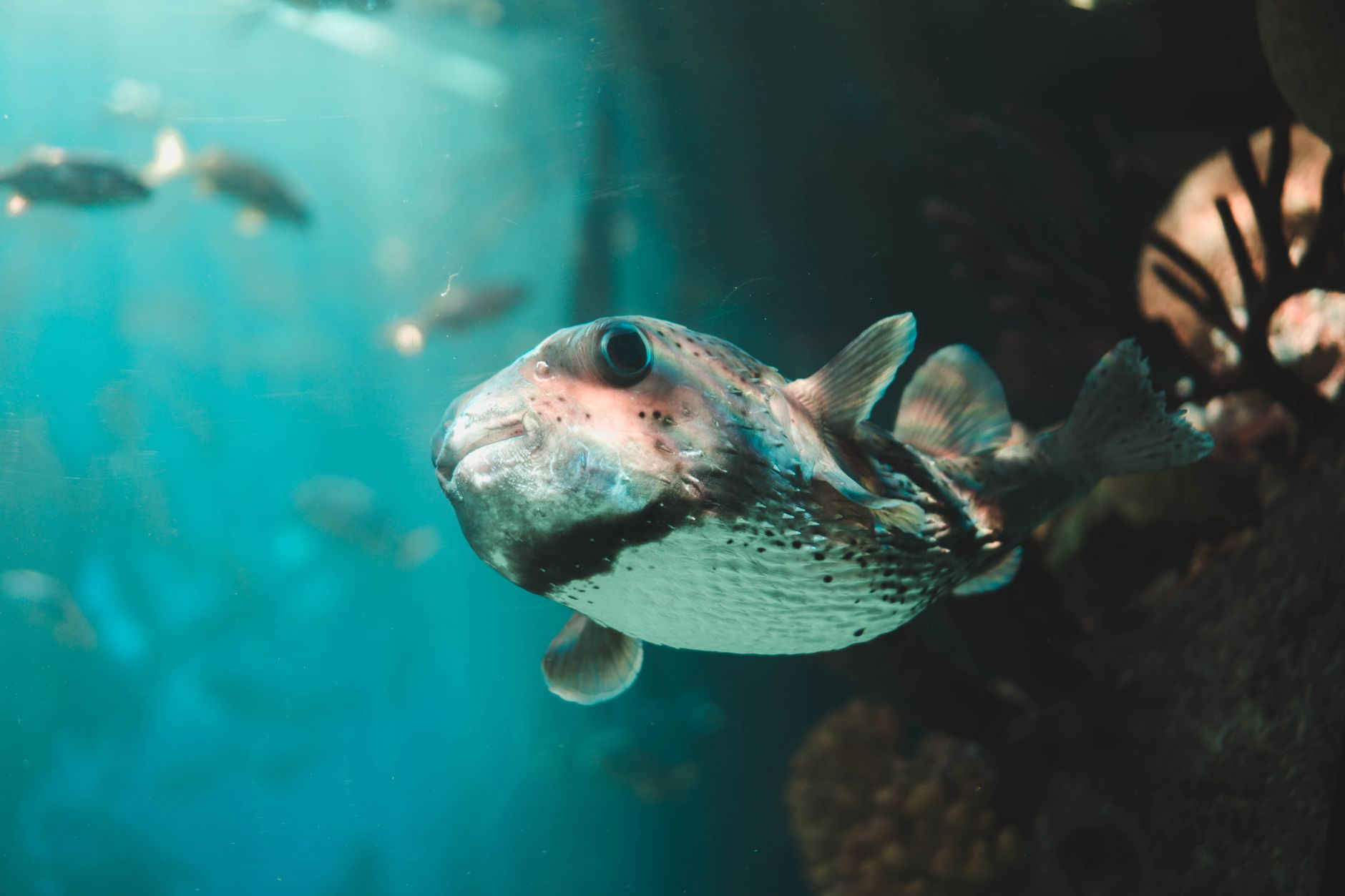
How to Care for Porcupine Pufferfish: Tank Size and Diet

How to Care for Porcupine Pufferfish: Tank Size and Diet

Quick Answer: Porcupine puffers need at least a 180-gallon marine tank with stable parameters: 72-78°F, pH 8.1-8.4, and salinity 1.020-1.025. Feed a hard-shelled diet of clams, shrimp, and snails two or three times daily as juveniles. Use oversized filtration and regular water changes to manage waste. Porcupine pufferfish (Diodon holocanthus) are some of the most personable marine fish in the aquarium hobby. They learn to recognize keepers, beg for food, and even spit water at feeding time. But they are not a beginner species. These puffers grow large, eat constantly, and create a serious amount of waste. Before you bring one home, you need to understand the space, filtration, and feeding demands. A mature biofilter is also critical, so review our aquarium nitrogen cycle explained guide before you set up. ...

August 15, 2026 · 18 min · Jarrod Gravison
How to Care for Leopard Wrasse: Tank Size, Diet, and Compatibility

How to Care for Leopard Wrasse: Tank Size, Diet, and Compatibility

Quick Answer: Leopard wrasse need a 75-gallon or larger tank with fine sand, stable water, and peaceful tank mates. Feed small meaty foods several times a day and be prepared for a picky eater. Quarantine is essential. They are reef safe with caution but may eat small snails. The leopard wrasse (Macropharyngodon meleagris) is one of the most beautiful and interesting fish you can add to a saltwater aquarium. Its intricate pattern of blue, green, and orange spots on a white or cream body makes it a showpiece. But this beauty comes with a reputation for being challenging, especially when it comes to feeding. Before you bring one home, you need to understand what this fish requires. A thorough understanding of the aquarium nitrogen cycle is essential, but leopard wrasse care goes far beyond cycling a tank. ...

August 15, 2026 · 16 min · Jarrod Gravison
Salarias fasciatus lawnmower blenny

How to Care for a Lawnmower Blenny: Tank, Diet, Compatibility

Quick Answer: A lawnmower blenny needs at least a 30-gallon tank with plenty of live rock algae, stable water at 72-78°F and pH 8.1-8.4, and a peaceful community. Feed algae-based foods and occasional meaty treats. It may nip at corals if underfed. A lawnmower blenny, also called the algae blenny or sailfin blenny, is one of the most entertaining and useful fish for a saltwater aquarium. It earns its name by constantly scraping algae off rocks and glass with its comb-like teeth. That constant grazing makes it a top choice for aquarists who struggle with green film algae or hair algae. Before you bring one home, you need to understand its specific care needs. This guide covers tank setup, diet, compatibility, and long-term health. ...

August 15, 2026 · 14 min · Jarrod Gravison
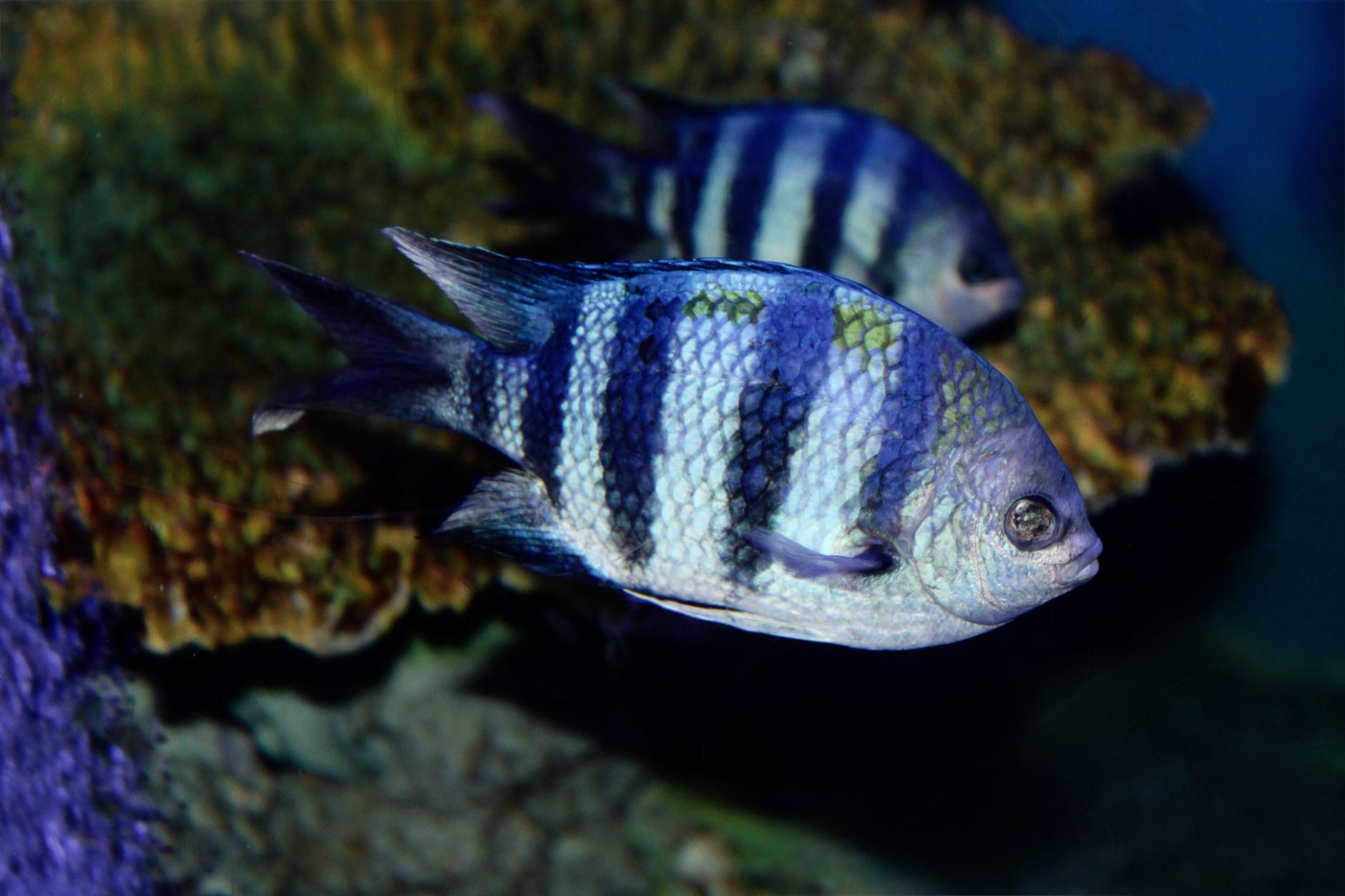
How to Care for Kupang Damselfish: Tank Size, Diet, and Compatibility

How to Care for Kupang Damselfish: Tank Size, Diet, and Compatibility

Quick Answer: Kupang damselfish need at least a 30-gallon tank with plenty of rockwork. Keep water at 72-78°F, pH 8.1-8.4, and salinity 1.020-1.025. Feed a varied diet of marine flakes, pellets, and frozen foods. Choose tank mates carefully because these fish can be territorial. Kupang damselfish are a lesser known but hardy choice for saltwater aquariums. They come from the Indo-Pacific region and stay small, usually around 3 inches. Many hobbyists overlook them for more colorful options. But their active behavior and manageable size make them worth a look. This guide covers tank size, diet, compatibility, and water care. You will learn how to keep these fish healthy and reduce common problems. Before adding any saltwater fish, understand the nitrogen cycle. See our aquarium nitrogen cycle explained guide. ...

August 15, 2026 · 11 min · Jarrod Gravison
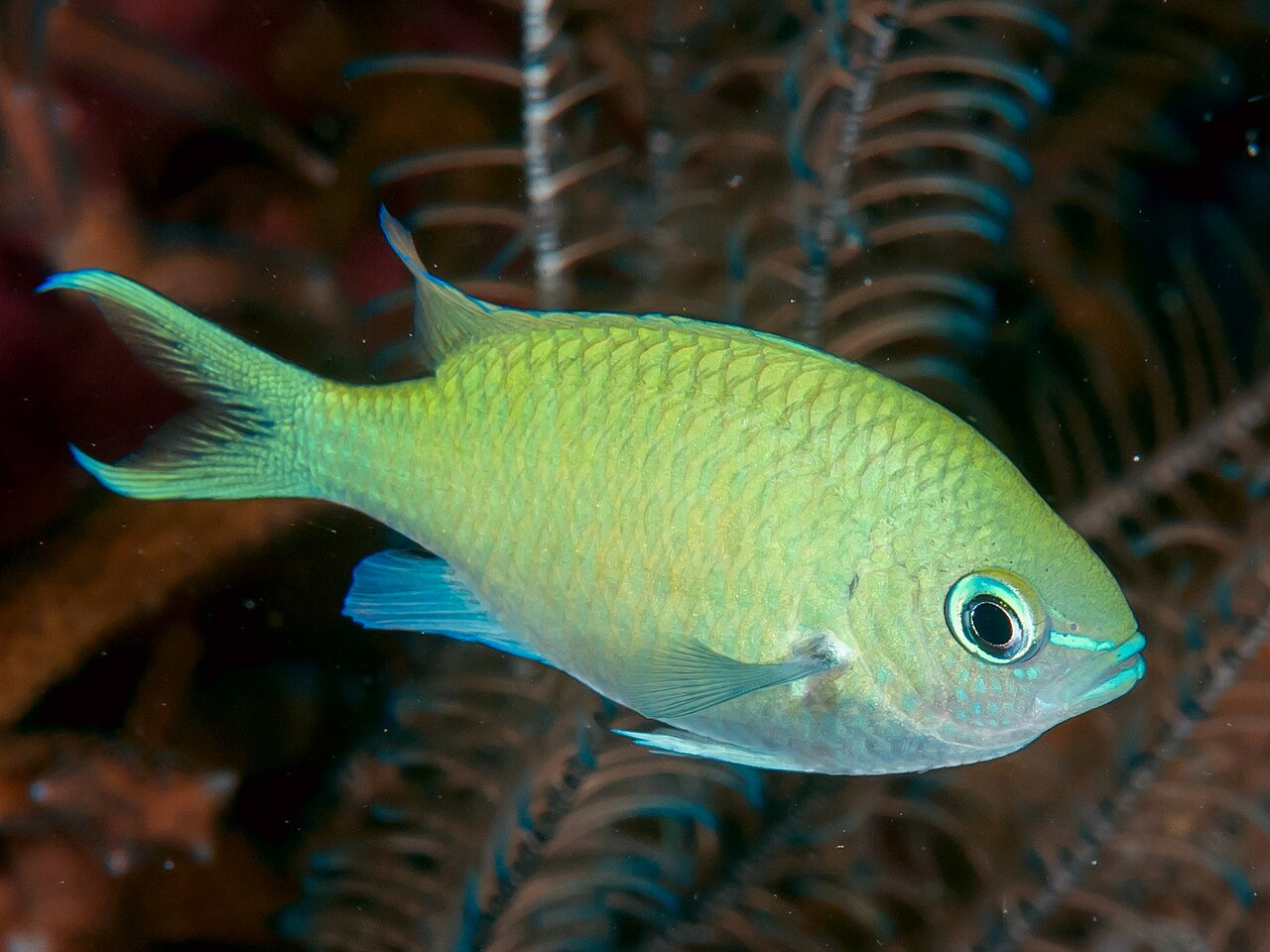
Chromis viridis green chromis

How to Care for Green Chromis: Tank Size, Diet, and Compatibility

Quick Answer: Green chromis need a 30-gallon or larger tank, stable water with a temperature of 72-78°F, a pH of 8.1-8.4, and a specific gravity of 1.020-1.025. Keep them in groups of five or more, feed a varied diet of meaty and herbivore foods, and choose peaceful tank mates. Green chromis are one of the most approachable saltwater fish for new keepers. Their blue-green shimmer, peaceful nature, and hardiness make them popular in community tanks. They stay small, usually around 3 inches, and they tolerate a range of conditions better than many other marine species. If you have a cycled tank and want a schooling fish that brings constant motion, green chromis deserve a close look. They are not, however, a zero-care fish. You still need to manage water quality and choose tank mates carefully. Before you add them, read through this guide so you know what to expect from day one. ...

August 15, 2026 · 16 min · Jarrod Gravison
How to Care for Firefish Goby: Tank Size, Diet, and Compatibility

How to Care for Firefish Goby: Tank Size, Diet, and Compatibility

Quick Answer: Firefish gobies need at least a 20-gallon tank, a tight lid, and stable water between 72-78°F with pH 8.1-8.4. Feed them meaty frozen foods and pellets two to three times daily. Keep them with peaceful tank mates only. The firefish goby, also called the fire dartfish, is one of the most popular saltwater fish for reef and nano aquariums. Its bright red, orange, and yellow body stands out against live rock and sand. This fish is peaceful, hardy, and easy to feed once it settles in. That said, first time keepers often underestimate its jumping habit and need for calm tank mates. This guide explains how to care for firefish goby with the right tank size, diet, and compatibility. If you are new to saltwater, start with our best fish for beginners guide. ...

August 15, 2026 · 13 min · Jarrod Gravison
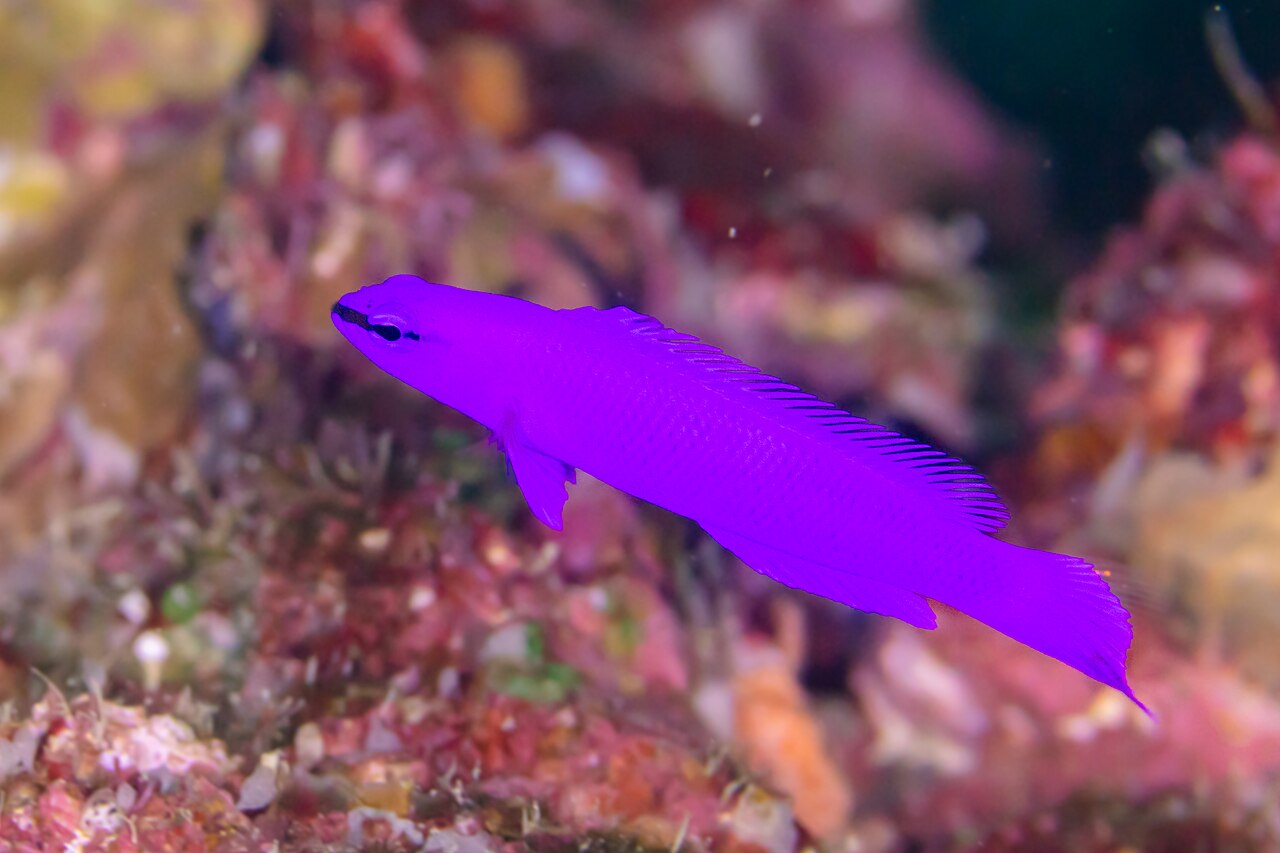
Pseudochromis fridmani orchid dottyback

How to Care for an Orchid Dottyback: Tank, Diet, Compatibility

Quick Answer: Keep an orchid dottyback in a 30-gallon or larger saltwater tank with rockwork, stable salinity at 1.020-1.025, and temperature 72-78°F. Feed a varied meaty diet daily and choose semi-aggressive tank mates. These colorful fish are hardy but need established water and hiding spots. The orchid dottyback (Pseudochromis fridmani) is one of the most eye-catching fish you can add to a saltwater aquarium. Its deep magenta to violet body seems to glow under reef lighting, and that color is the main reason this Red Sea native is so popular. But before you bring one home, you need to understand its behavior. This guide walks through tank setup, feeding, and compatibility so your fish stays healthy. A solid grasp of the aquarium nitrogen cycle also helps, because this fish needs stable, cycled water. ...

August 15, 2026 · 12 min · Jarrod Gravison