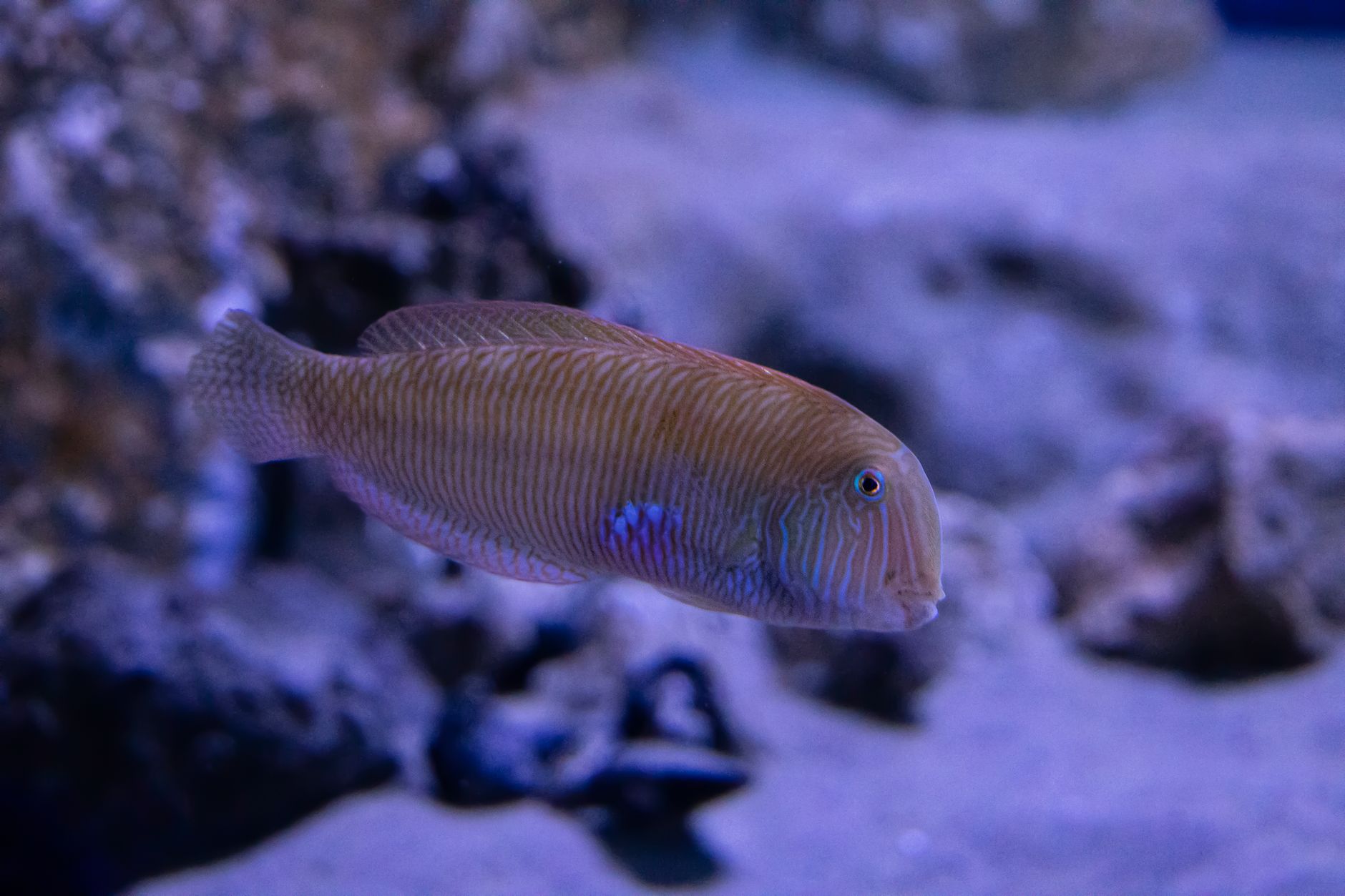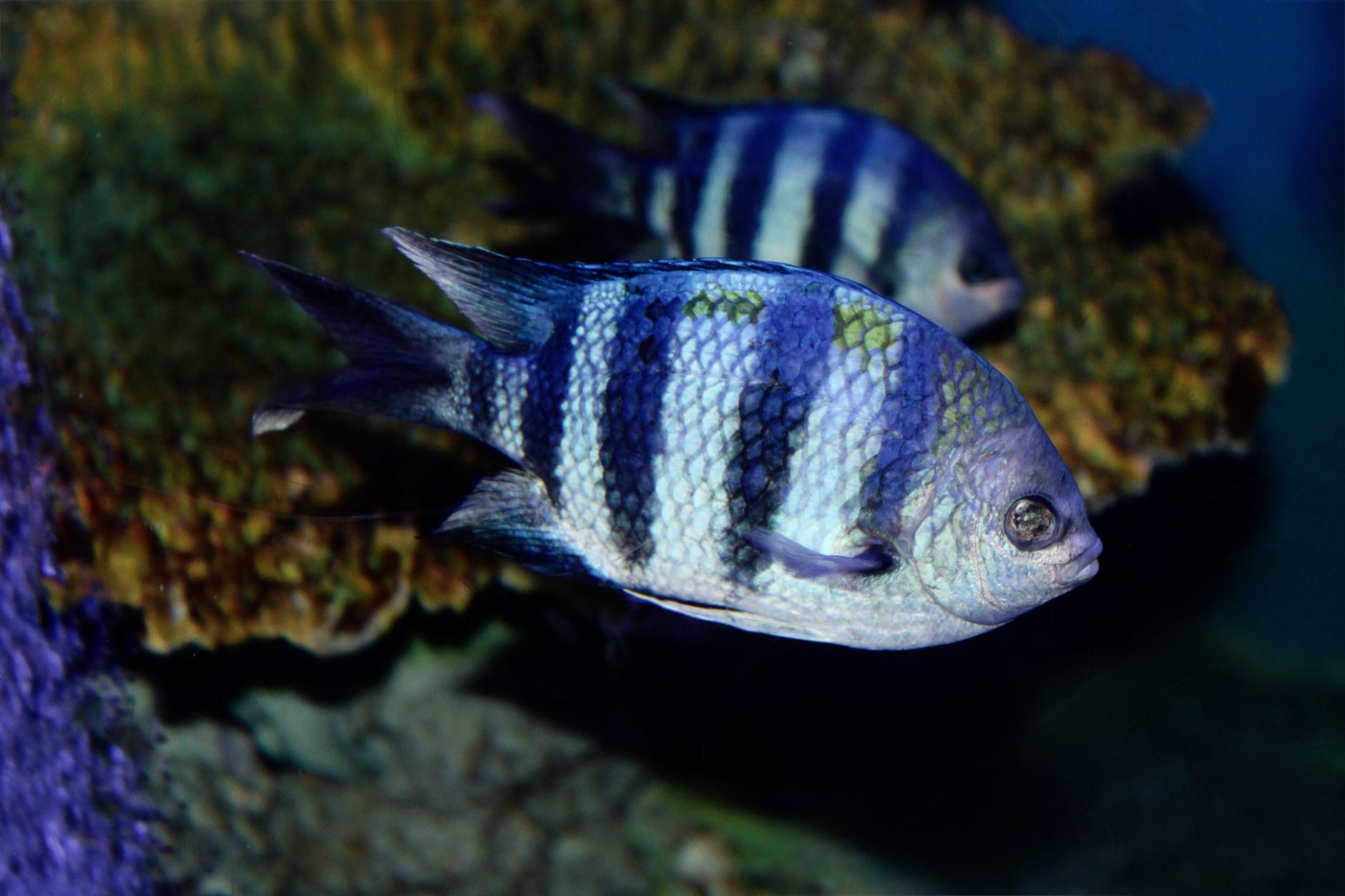
Kupang damselfish are a lesser known but hardy choice for saltwater aquariums. They come from the Indo-Pacific region and stay small, usually around 3 inches. Many hobbyists overlook them for more colorful options. But their active behavior and manageable size make them worth a look. This guide covers tank size, diet, compatibility, and water care. You will learn how to keep these fish healthy and reduce common problems. Before adding any saltwater fish, understand the nitrogen cycle. See our aquarium nitrogen cycle explained guide.
The Kupang damselfish is often sold as a beginner marine fish. It tolerates a range of conditions better than many tangs or angelfish. Still, it has specific needs. A too small tank leads to aggression. Poor water quality invites disease. The right setup makes a big difference. Think of this as a step by step plan for long term success.
You do not need a massive reef system. A 30 gallon tank can work for a single Kupang damselfish. That said, they need stable salinity, good filtration, and rockwork. I will explain each care step below. I will also point out common mistakes.
What You’ll Need
- 30 gallon or larger saltwater aquarium
- Heater and thermometer
- Aquarium filter and powerhead
- Live rock or dry rock
- Marine salt mix and refractometer
- Water test kit
- Varied marine foods
How Do You Care for Kupang Damselfish?
- Set Up a Tank of at Least 30 Gallons with Rockwork
Start with a 30 gallon tank for one Kupang damselfish. These fish stay around 3 inches long, but they are territorial. A smaller tank forces them into constant stress. They may chase tank mates or pace the glass. A 40 gallon breeder tank gives even more swimming room. If you plan to keep a pair, use at least 55 gallons. The extra length helps create separate territories.
Add plenty of rockwork before any fish goes in. Live rock or dry rock both work. Build caves, overhangs, and small crevices. Each fish needs a place to retreat. Arrange rocks so they are stable. You can use aquarium-safe epoxy or zip ties. This setup mimics the rubble zones where Kupang damsels live in the wild.
Filtration matters here. These fish produce moderate waste. Use a quality hang-on-back filter or a canister filter rated for your tank size. You can compare options in our best aquarium filters guide. Add a powerhead for water movement. Kupang damsels like moderate to high flow. Good flow also keeps detritus from settling.
Heating is the last major piece. Keep the water between 72 and 78 degrees Fahrenheit. A reliable heater with a thermostat helps. I like using a heater rated for slightly larger than the tank volume. Check the Eheim Jager aquarium heater on Amazon. Place it near water flow for even heat distribution. Then let everything run for a day before moving on.

- Keep Salinity, Temperature, and pH Stable
Kupang damselfish accept a range of saltwater conditions. Still, stability matters more than hitting one perfect number. Aim for a specific gravity between 1.020 and 1.025. Use a refractometer to measure salinity. Hydrometers can work, but they need frequent cleaning. Most hobbyists find refractometers more accurate.
Temperature should stay between 72 and 78 degrees Fahrenheit. Sudden swings weaken the fish. Test the water with a reliable kit every week. The API Saltwater Master Test Kit on Amazon measures pH, ammonia, nitrite, and nitrate. pH should stay between 8.1 and 8.4.
Ammonia and nitrite must read zero. Nitrate should stay below 20 ppm in a fish only system. If nitrate climbs, increase water changes or reduce feeding. Aqueon’s saltwater care guidance reminds keepers that small, frequent water changes prevent many problems. You can review their resources at Aqueon.
Remember that evaporation raises salinity. Top off with fresh reverse osmosis or dechlorinated water daily. Do not top off with saltwater. Salt does not evaporate. A simple mark on the tank helps you see the normal water level. Top off slowly to avoid shocking the fish.
- Cycle the Tank Before Adding Your Damselfish
Never add a Kupang damselfish to an uncycled tank. The nitrogen cycle must be fully established. Ammonia and nitrite spikes burn gills and cause death. A fishless cycle is easiest and safest. You can use pure ammonia or a bacterial starter. Our how to cycle a fish tank guide walks through the process step by step.
During the cycle, test ammonia, nitrite, and nitrate every other day. You should see ammonia spike first. Then nitrite rises. Finally nitrate appears while ammonia and nitrite fall to zero. This process often takes four to six weeks. Do not rush it. Adding fish too early leads to new tank syndrome.
Kupang damselfish are sometimes sold as starter fish to cycle a tank. That is bad advice. Modern fishless cycling is more humane and reliable. The fish do not need to suffer through ammonia exposure. A cycled tank also lets you add your damselfish with confidence. Your biological filter will handle its waste from day one.
Once the cycle completes, do a large water change to lower nitrate. Then acclimate the fish slowly. Float the bag for 15 minutes. Drip acclimate for 30 to 45 minutes. This reduces shock from differences in salinity and pH. Quick acclimation can kill saltwater fish.

- Feed a Varied Marine Diet
Kupang damselfish are omnivores. They eat zooplankton, algae, and small crustaceans in the wild. In captivity they accept almost anything. Start with a high quality marine pellet or flake. Look for foods with whole fish meal, spirulina, and vitamins. Feed small amounts two to three times per day.
Frozen foods add variety and color. Offer mysis shrimp, brine shrimp, and chopped krill. Rinse frozen cubes before feeding to remove excess phosphate. You can also offer marine algae sheets on a clip. Some individuals pick at hair algae in the tank. This natural grazing helps keep rockwork clean.
A varied diet strengthens the immune system. It also reduces aggression linked to hunger. A well fed damselfish is less likely to chase tank mates over food. Still, portion control matters. Feed only what the fish can eat in two minutes. Leftover food breaks down and raises nitrate.
For a reliable staple, many keepers use New Life Spectrum marine formulas. You can Check the New Life Spectrum marine fish food on Amazon. Rotate this with frozen foods throughout the week. This approach keeps the fish active and brightly colored.
- Choose Tank Mates That Can Handle a Territorial Fish
Kupang damselfish are semi-aggressive. They are not as mean as domino damsels, but they will defend a territory. Small peaceful fish like firefish or small gobies get bullied. Avoid housing them with timid species. Instead choose fish that can hold their own. Clownfish, dottybacks, and some wrasses work in larger tanks.
For a community tank, bigger is better. A 55 gallon or 75 gallon tank spreads out territories. Each fish needs a defined area. The damselfish may claim one rock pile. Other fish can claim the other side. See our clownfish ocellaris care guide for one compatible option.
Avoid mixing multiple Kupang damsels unless the tank is very large. Two may fight constantly. If you want a small group, add at least five to spread aggression. Still, a single specimen is the easiest path for most hobbyists. Watch for chasing during the first week.
Also think about invertebrates. Kupang damsels generally leave most snails and hermit crabs alone. They may pick at small ornamental shrimp. Large cleaner shrimp usually do fine. If you keep a reef tank, use caution with small polyp stony corals. Some individuals nip at coral polyps.

- Perform Regular Water Changes and Filter Maintenance
Water changes are the backbone of damselfish care. Change 10 to 20 percent of the water every two weeks. For heavily stocked tanks, do 20 percent weekly. Use a gravel vacuum to remove uneaten food and waste from the sand. Our guide on how often to change aquarium water explains scheduling in detail.
Mix new saltwater at least 24 hours before the change. Use a powerhead and heater to match temperature and salinity. Never add dry salt directly to the display tank. Un-dissolved salt burns fish gills. A refractometer helps you match salinity to within 0.001 specific gravity.
Clean mechanical filter media every few weeks. Rinse sponges and filter socks in old tank water, not tap water. Tap water chlorine kills beneficial bacteria. Replace chemical media like carbon every month. A clogged filter reduces flow and traps organic waste.
Watch for salt creep around the rim and equipment. Wipe it down with a damp cloth. Salt creep can damage electrical connections. It also raises salinity as it crusts. Keeping the tank clean reduces long term problems. Your damselfish will stay more active in a clean environment.
- Watch for Disease and Territorial Behavior
Kupang damselfish are hardy, but they still get sick. Marine ich shows as white spots on the body and fins. Fish may scratch against rocks. Marine velvet looks like a fine gold dust. Both diseases spread fast in warm tanks. Our how to treat ich in an aquarium guide covers treatment options.
The best treatment is prevention. Quarantine all new fish for four to six weeks before adding them to the display. Use a separate 10 or 20 gallon quarantine tank. This catches diseases before they spread. It also lets new fish recover from shipping stress.
Observe your damselfish daily. A healthy fish swims actively and eats with interest. Hiding all the time or refusing food is a warning sign. Check for rapid breathing, torn fins, or faded color. Water quality problems often show up as behavior changes before physical symptoms.
Territorial aggression can also cause stress. If one fish constantly chases another, you may need to rehome one. Adding more rockwork sometimes helps. But in a small tank, separation is better. A stressed damselfish is more likely to get sick. Your goal is a calm, well fed fish.
Red Flags & Warnings
- 🚨 Do not keep a Kupang damselfish in a tank smaller than 30 gallons. The fish will become stressed and aggressive.
- 🚨 Avoid housing them with small peaceful fish like firefish, dartfish, or small gobies. These fish get bullied.
- 🚨 Never skip quarantine for new fish. Kupang damsels can carry marine ich or velvet without showing symptoms.
- 🚨 Do not overfeed. Uneaten food breaks down into ammonia and nitrate, which harm your fish.
- 🚨 Secure the tank lid. Kupang damselfish may jump when startled.
- 🚨 Do not mix two Kupang damsels in a small tank. Their fighting often ends in injury.
Frequently Asked Questions
Are Kupang damselfish reef safe?
They can be reef safe with caution. Some individuals nip at small polyp stony corals or bother small ornamental shrimp. Larger corals and most invertebrates usually do fine. Watch your fish closely after adding it to a reef.
What is the minimum tank size for a Kupang damselfish?
A single Kupang damselfish needs at least a 30 gallon tank. A 40 gallon breeder tank gives more usable footprint. If you keep more than one, use at least 55 gallons. More space reduces territorial fighting.
Can Kupang damselfish live with clownfish?
Yes, in a tank of 40 gallons or more. Both fish can be territorial, so provide separate rockwork territories. Introduce them at the same time or add the damselfish last. Watch for chasing during the first week.
What do Kupang damselfish eat?
They are omnivores. Offer marine pellets or flakes daily, plus frozen mysis, brine shrimp, and chopped krill. Algae sheets are also beneficial. Feed small portions two to three times per day.
How long do Kupang damselfish live?
With proper care, they often live five to eight years in captivity. Stable water quality and a varied diet support long life. Avoid aggressive tank mates that cause chronic stress.
Are Kupang damselfish aggressive?
They are semi-aggressive. They defend a territory but are less aggressive than many other damselfish species. A single specimen in a properly sized tank usually behaves well. Still, avoid very peaceful tank mates.
What Should You Remember?
- Minimum tank size: 30 gallons for one fish, larger for groups.
- Water parameters: Keep salinity 1.020-1.025, pH 8.1-8.4, temperature 72-78°F.
- Habitat: Provide rockwork with caves and moderate to high water flow.
- Diet: Feed marine pellets, frozen mysis, and algae two to three times daily.
- Compatibility: Avoid small peaceful fish. Choose semi-aggressive tank mates.
- Maintenance: Change 10-20 percent of water every two weeks and test weekly.
- Quarantine: Isolate new fish for four to six weeks before adding to the display.
This article is for general information only and is not a substitute for professional veterinary or aquarium specialist advice. Always research the specific needs of your fish and consult an expert before making care decisions.