How to Care for Clown Triggerfish: Tank Size, Diet, Compatibility

How to Care for Clown Triggerfish: Tank Size, Diet, Compatibility

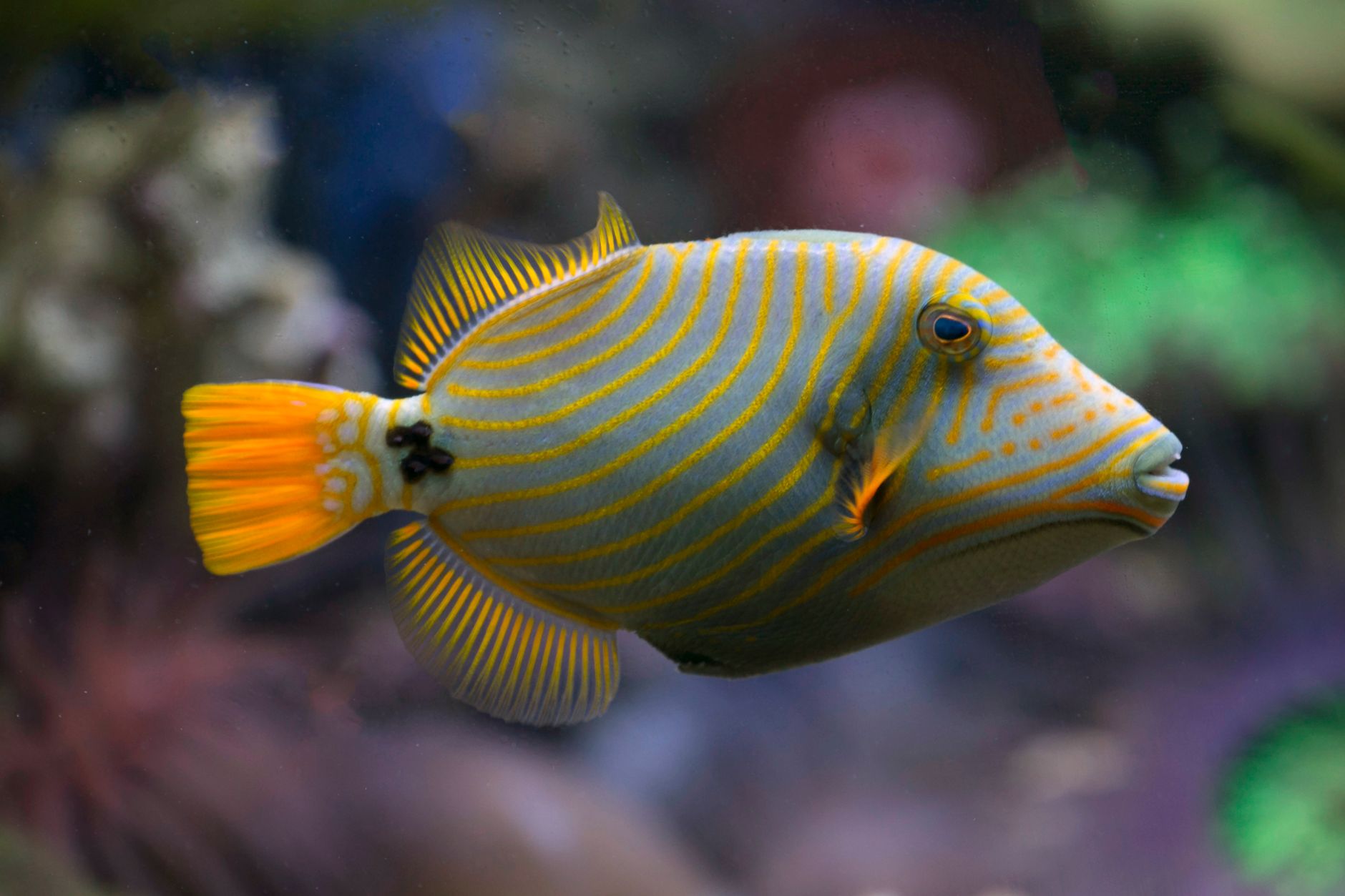
Quick Answer: Clown triggerfish require a 180-gallon or larger tank with stable water: 72-78°F, pH 8.1-8.4, and specific gravity 1.020-1.025. Feed a varied meaty diet. Choose tank mates carefully because this fish is aggressive and can damage equipment. Provide rockwork and strong filtration. Clown triggerfish (Balistoides conspicillum) are among the most recognizable marine fish. Their black body, white spots, and yellow saddle markings make them a centerpiece in large saltwater displays. But this species is demanding. It reaches roughly 20 inches in the wild, though most aquarium specimens stay 12 to 18 inches. If you want a smaller, easier marine fish, consider the Ocellaris clownfish instead. For keepers ready for a big, aggressive fish, proper planning matters more than anything. ...
August 15, 2026 · 11 min · Jarrod Gravison
How to Care for Cleaner Wrasse: Tank, Diet, Compatibility

How to Care for Cleaner Wrasse: Tank, Diet, Compatibility

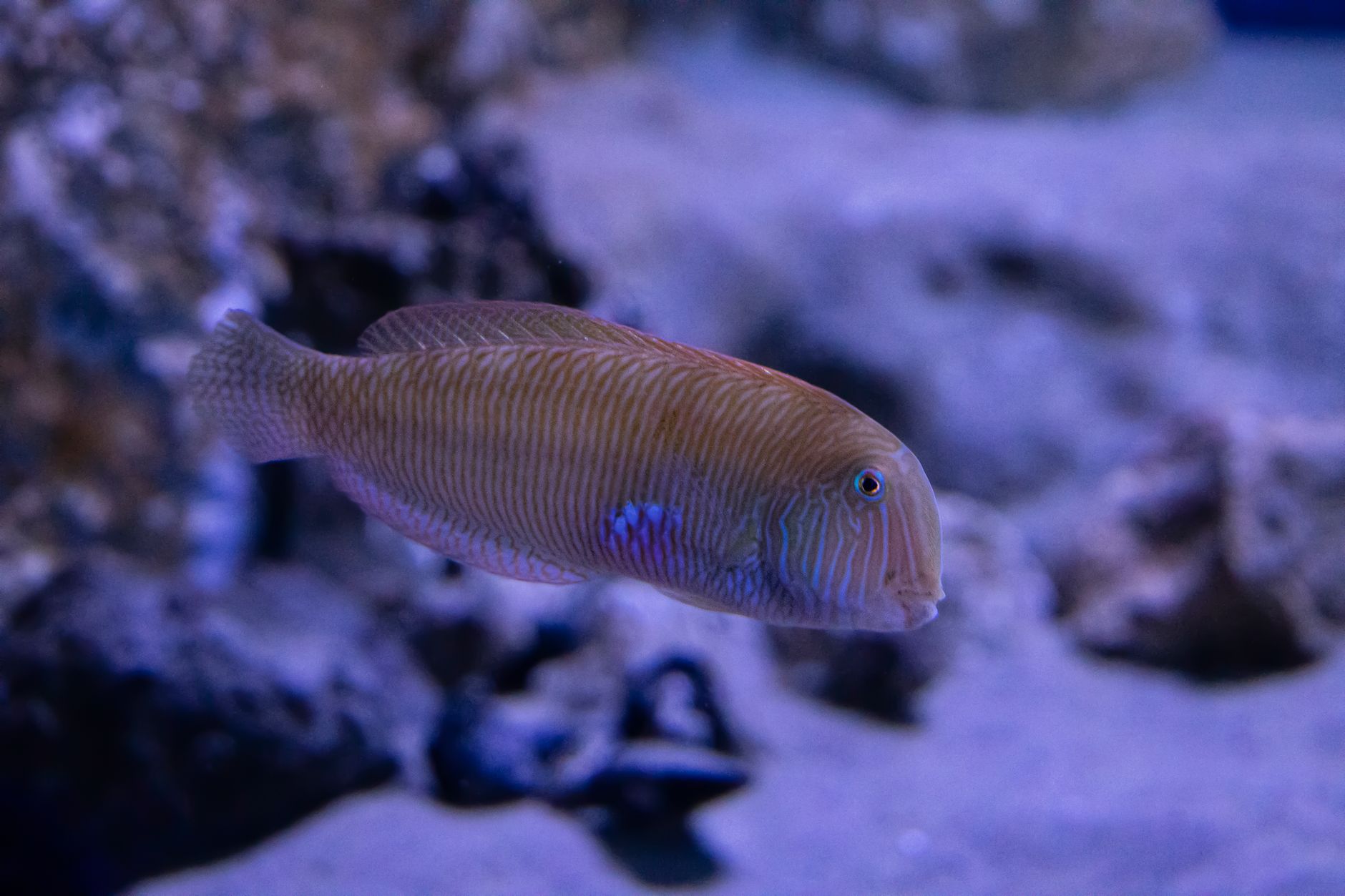
Quick Answer: Cleaner wrasse need a mature saltwater tank of at least 75 gallons, stable water at 76-80°F, pH 8.1-8.4, and specific gravity 1.023-1.025. They require a varied meaty diet and peaceful tank mates. Wild-caught cleaner wrasse often refuse prepared foods, so they are best for experienced aquarists with a well-stocked, mature reef system. Cleaner wrasse, Labroides dimidiatus, is one of the most recognizable saltwater fish on the reef. It earns its name by setting up cleaning stations where larger fish stop to have dead skin, mucus, and external parasites removed. That behavior is fascinating to watch, but it also creates a major feeding challenge in home aquariums. Many wild-caught cleaner wrasse arrive stressed and refuse frozen or dry foods. If you plan to keep one, start with a stable aquarium nitrogen cycle and realistic expectations. ...

August 15, 2026 · 12 min · Jarrod Gravison
How to Care for a Blue Tang: Tank Size, Diet, and Compatibility

How to Care for a Blue Tang: Tank Size, Diet, and Compatibility

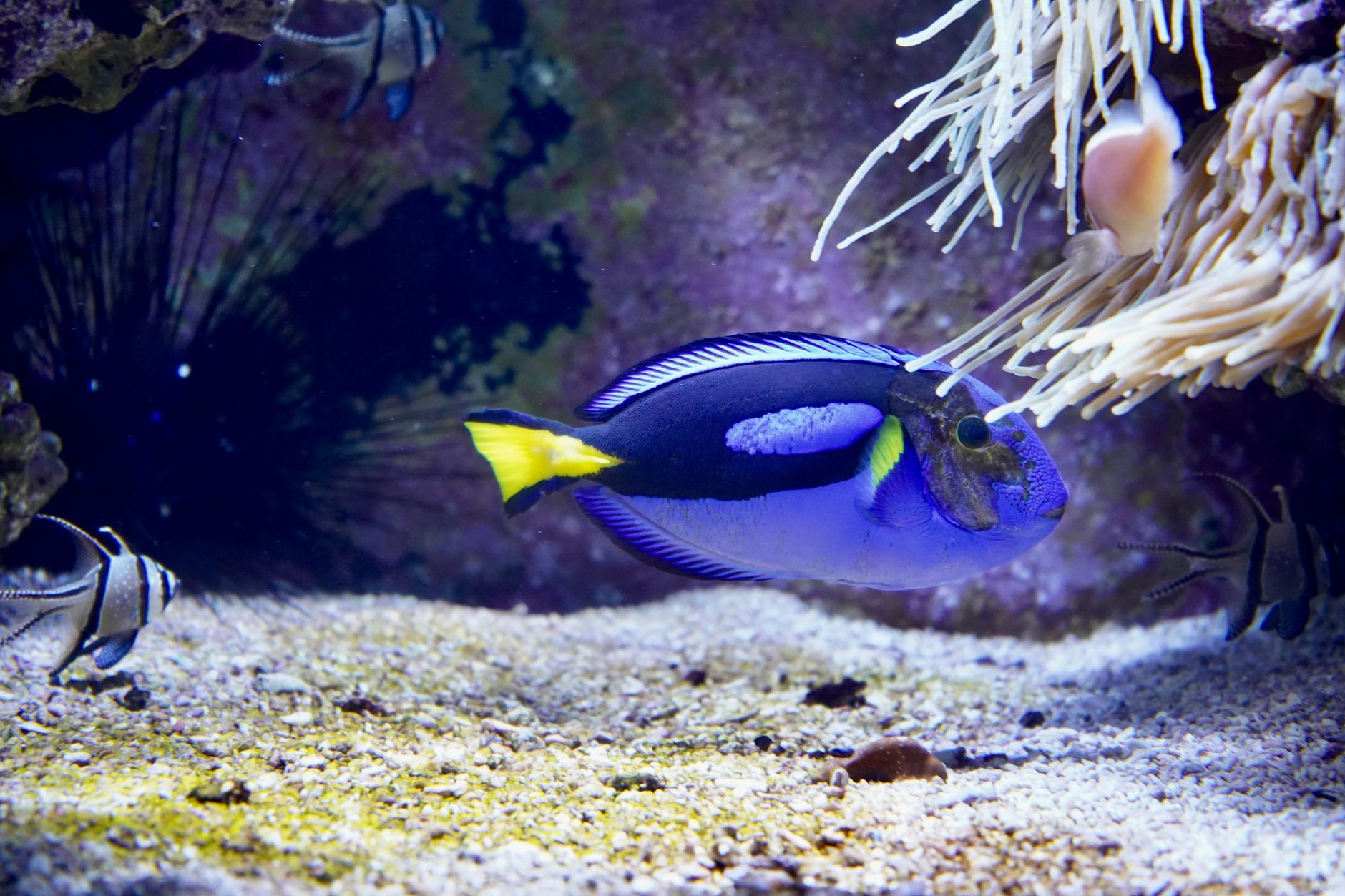
Quick Answer: A blue tang needs at least a 180-gallon tank, stable water with a pH of 8.1 to 8.4 and temperature of 72 to 78 degrees Fahrenheit, and a marine algae diet. Provide strong flow, excellent filtration, and choose peaceful tank mates. Quarantine every new fish to reduce ich risk. The blue tang (Paracanthurus hepatus) is one of the most recognized marine fish in the hobby. Hobbyists know it as the palette surgeonfish or the Dory fish. It has a bright blue body, bold black markings, and a yellow tail. That beauty comes with real care demands. A blue tang is not a beginner saltwater fish. It grows large, swims constantly, and needs stable water chemistry. Before you bring one home, plan for a big tank and a long term commitment. This fish can live 20 years or more with excellent care. This guide covers tank size, diet, compatibility, and daily care. ...

August 15, 2026 · 16 min · Jarrod Gravison
How to Care for Bangaii Cardinalfish: Tank Size, Diet, Compatibility

How to Care for Bangaii Cardinalfish: Tank Size, Diet, Compatibility

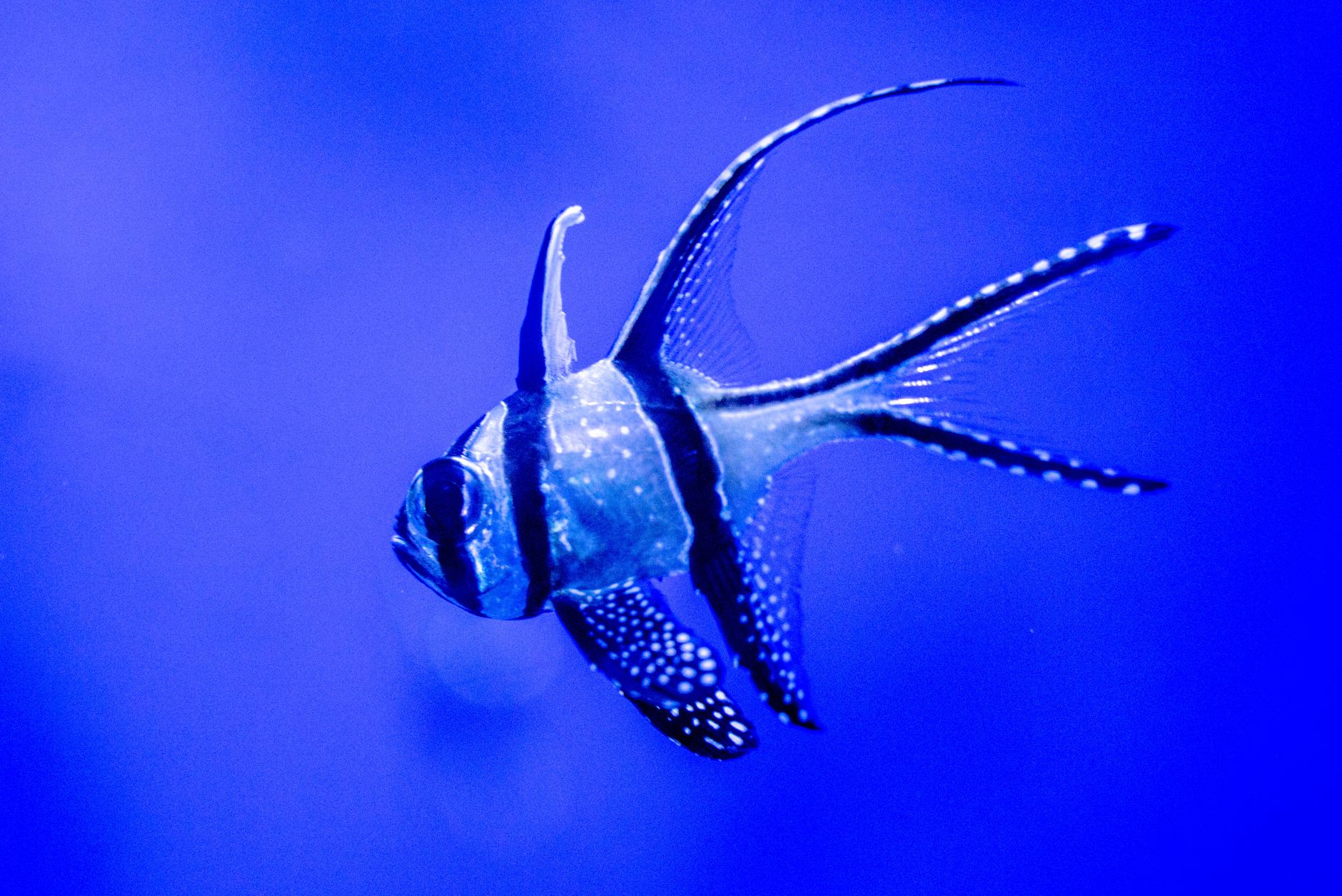
Quick Answer: Bangaii cardinalfish need a 30-gallon or larger tank, stable 78-80°F water, pH 8.1-8.4, and a peaceful community. Feed meaty foods like Mysis shrimp and marine pellets once or twice daily. They are reef safe and do best in pairs or small calm groups. Avoid aggressive tankmates. The Bangaii cardinalfish (Pterapogon kauderni) is one of the most recognizable saltwater fish in the hobby. Its black stripes, tall fins, and slow hovering motion make it a favorite for reef tanks and peaceful fish-only displays. Adult Bangaii cardinalfish reach about 3 inches in length, so they do not need a massive aquarium. Still, they require very stable water conditions and a carefully planned community. This guide will walk through the proper tank size, diet, and compatible tankmates for this beautiful species. ...

August 15, 2026 · 14 min · Jarrod Gravison
How to Care for Lyretail Anthias: Tank Size, Diet, Compatibility

How to Care for Lyretail Anthias: Tank Size, Diet, Compatibility

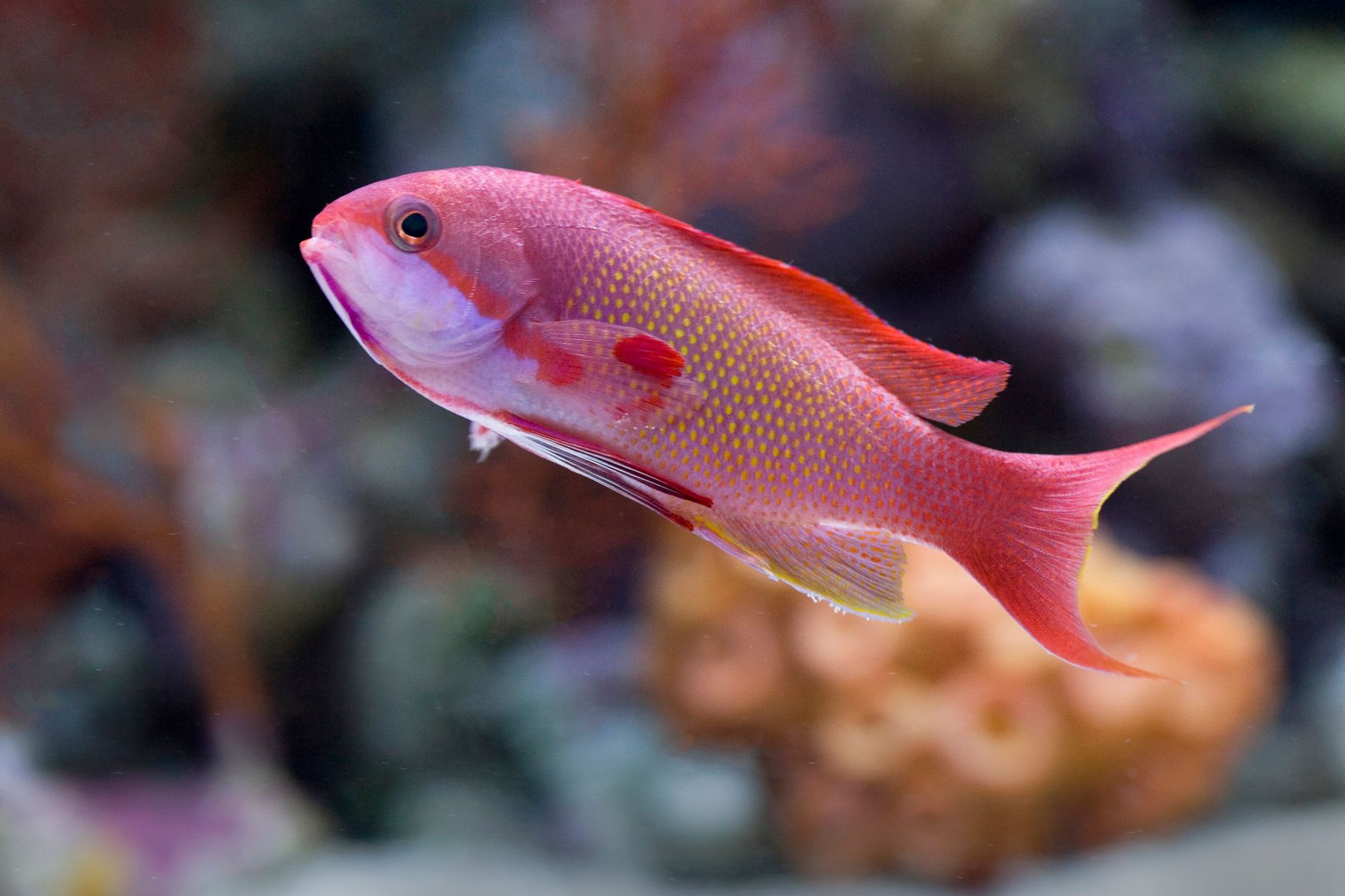
Quick Answer: Lyretail Anthias need at least a 125-gallon tank with one male and several females. Keep temperature 72-78°F, pH 8.1-8.4, and salinity 1.020-1.025. Feed 3-5 small meals daily with varied frozen food. They are reef safe but need a secure lid and a 4-week quarantine. Lyretail Anthias, Pseudanthias squamipinnis, are among the most colorful and active fish you can add to a large saltwater aquarium. The males show vivid pink, orange, and purple hues with a dramatic lyre-shaped tail. Females are typically orange to gold. They are not beginner fish, but they reward experienced keepers with constant motion and social behavior. Before buying one, understand that their needs differ from common clownfish or green chromis. ...

August 15, 2026 · 12 min · Jarrod Gravison
Pterophyllum scalare angelfish

How to Care for Angelfish: Tank Size, Diet, and Compatibility

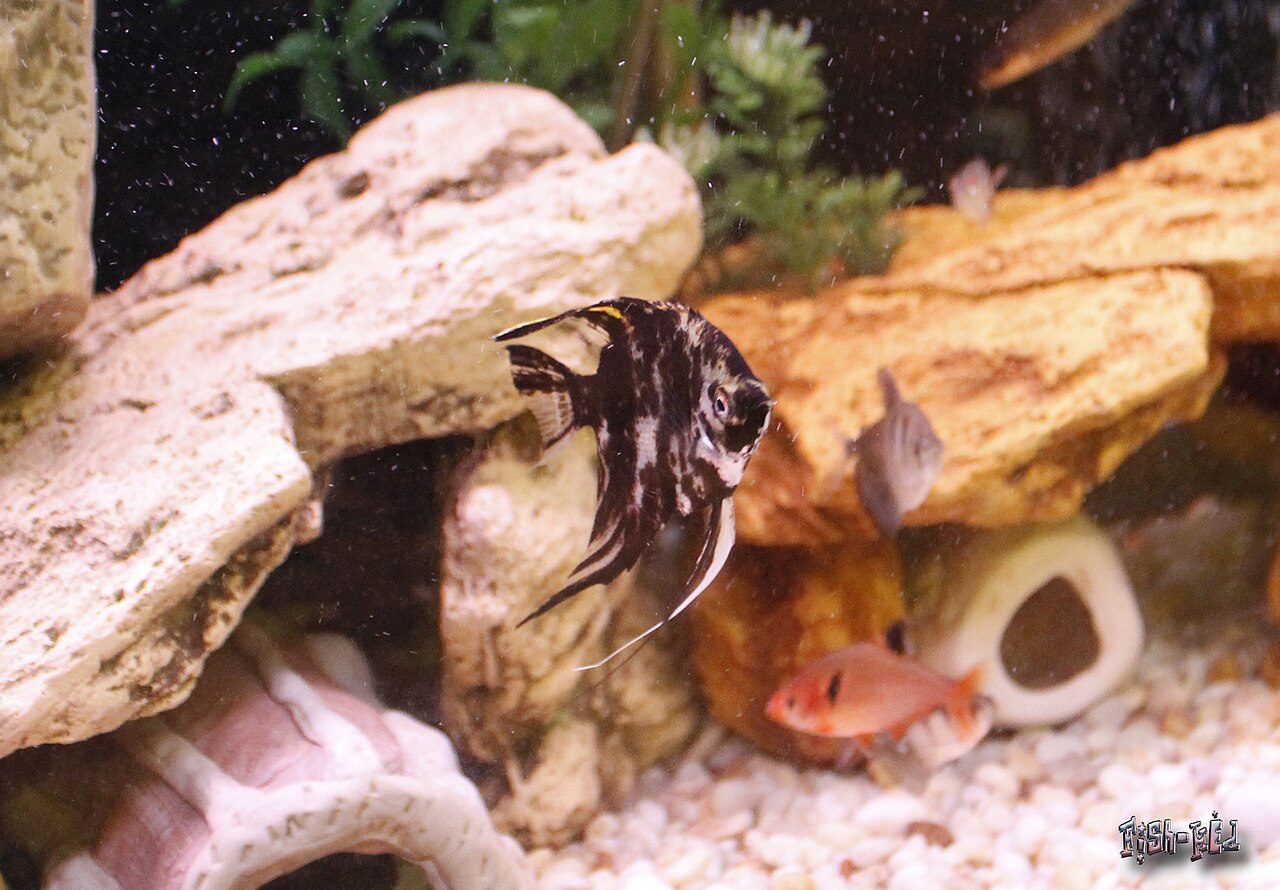
Quick Answer: Care for angelfish by providing at least a 20-gallon tank for a pair, keeping water at 78 to 82 degrees Fahrenheit with a pH of 6.5 to 7.5, feeding a varied omnivore diet, and choosing peaceful tank mates. Cycle the tank first, change 20 to 30 percent of water weekly, and watch for aggression. Angelfish are one of the most recognizable freshwater fish in the hobby. Their tall, triangular bodies and long trailing fins make them stand out in any planted tank. Still, new keepers often underestimate how much space and attention these cichlids need. A pair may look small at the store, but adult angelfish can grow up to 6 inches long and 8 inches tall. Before you bring one home, you need to plan the right environment from day one. Proper care begins with understanding the aquarium nitrogen cycle explained so your tank can handle their waste. ...

August 15, 2026 · 12 min · Jarrod Gravison
Synchiropus splendidus mandarinfish

How to Care for Mandarin Fish: Tank Size, Diet, and Compatibility (2026)

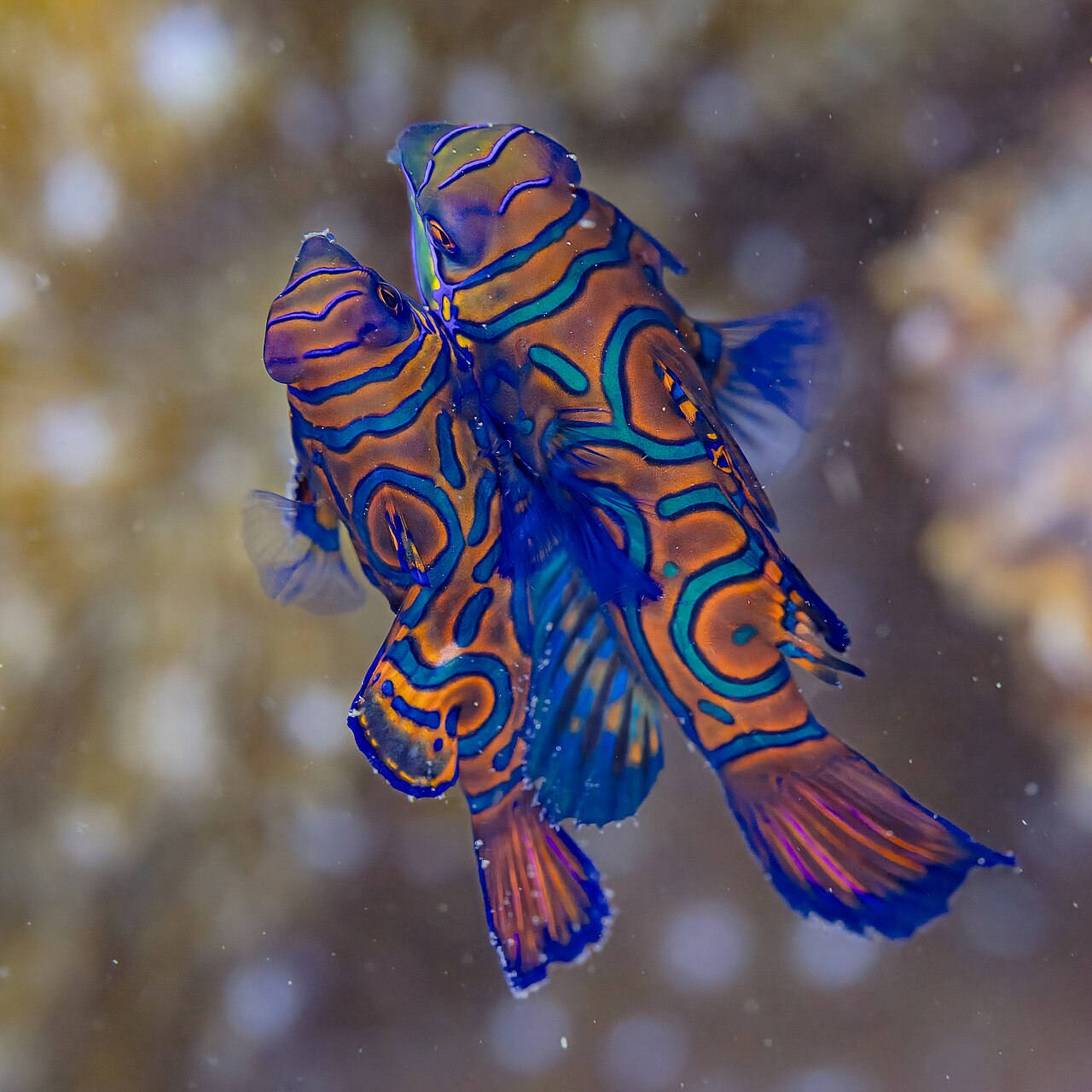
Quick Answer: Mandarin fish need an established tank of at least 75 gallons with a mature copepod population. Keep water at 76-80°F and pH 8.1-8.4. Feed live pods and enriched brine shrimp. Choose peaceful tank mates. Without a refugium and steady live food, this fish will starve. The mandarin fish (Synchiropus splendidus), often called the mandarin dragonet or mandarin goby, is one of the most colorful fish in the saltwater hobby. Its swirling blue, orange, and green patterns stop people mid-stride at aquarium stores. That beauty comes with a strict care requirement. You cannot treat this fish like a typical community fish. A successful mandarin starts weeks or months before you bring one home. ...

August 14, 2026 · 11 min · Jarrod Gravison
How to Care for Flame Hawkfish: Tank Size, Diet, and Compatibility

How to Care for Flame Hawkfish: Tank Size, Diet, and Compatibility

Quick Answer: Flame hawkfish need at least a 30-gallon tank with a secure lid, 72-78°F water, pH 8.1-8.4, and specific gravity 1.020-1.025. Feed them meaty foods like mysis shrimp once or twice daily. Keep them with larger peaceful fish and be cautious with small ornamental shrimp. The flame hawkfish (Neocirrhites armatus) is one of the most recognizable small saltwater fish in the trade. It has a bright red body, a dark stripe through the eye, and dark markings along the dorsal fin. That bold look is why many reef keepers want one. But this fish is more than color. It spends much of its day perched on rockwork, watching the tank like a small hawk. If you are considering a flame hawkfish, you need to understand its behaviors before you buy. For a comparison with a similar species, see our longnose hawkfish care guide. ...

August 14, 2026 · 11 min · Jarrod Gravison
How to Care for Green Spotted Puffer Fish (2026 Guide)

How to Care for Green Spotted Puffer Fish (2026 Guide)

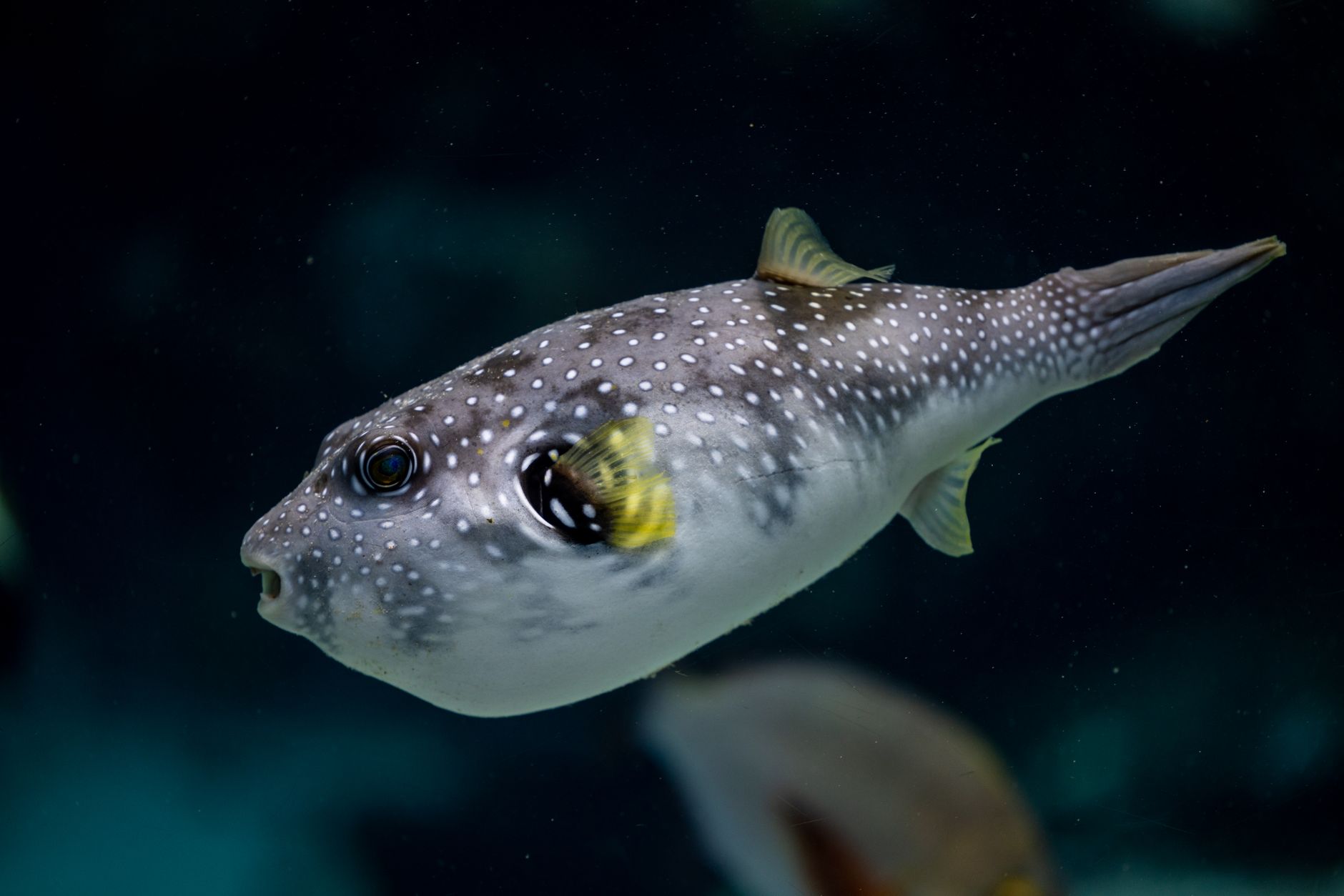
Quick Answer: A green spotted puffer needs at least 30 gallons, brackish water with marine salt, 78-82°F, pH 7.5-8.5, and a shell-heavy meat diet to trim ever-growing teeth. These active, aggressive fish usually do best alone. Start at low salinity and raise it slowly as the fish grows. Green spotted puffers (Dichotomyctere nigroviridis, formerly Tetraodon nigroviridis) look adorable with their bright green spots and expressive eyes. But they are not beginner fish, despite often being sold as freshwater puffers. This guide walks through the exact setup, feeding, and compatibility choices that keep one thriving in 2026. Aqueon lists a 30-gallon minimum, which is a helpful starting point but not the final answer for most keepers. ...

August 14, 2026 · 11 min · Jarrod Gravison