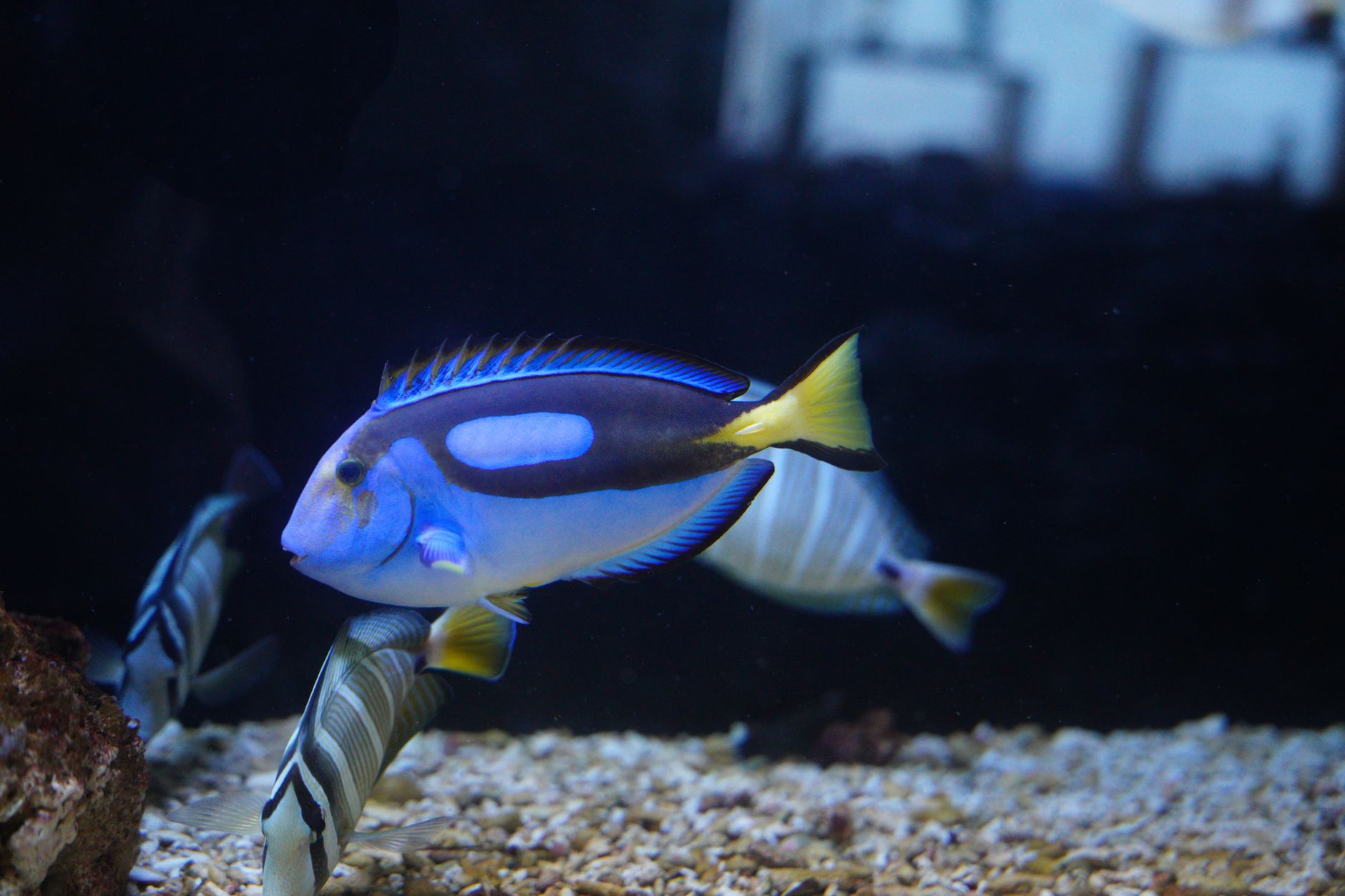
The powder blue tang, scientifically known as Acanthurus leucosternon, is one of the most striking fish in the marine aquarium hobby. Its vivid sky-blue body, bold yellow dorsal fin, and white face make it a centerpiece species. But this beauty comes with a demanding nature. Unlike the more forgiving blue tang care guide, the powder blue tang is considered an advanced-level fish. It requires a very large tank, impeccable water quality, and a dedicated owner who understands its aggressive tendencies and disease susceptibility. This guide will walk you through everything you need to know for successful long-term care in 2026.
According to Aqueon, stable water parameters are the single most important factor for keeping tangs healthy. Powder blue tangs are especially sensitive to fluctuations in temperature, pH, and salinity. For this species, you will need a minimum tank size of 125 gallons, though 180 gallons or more is strongly recommended. The ideal temperature range is 72 to 78 degrees Fahrenheit, and pH should stay between 8.1 and 8.4. These specific data points are not negotiable if you want your tang to thrive rather than merely survive.
Diet is another critical piece of the puzzle. Powder blue tangs are herbivores that graze constantly on algae in the wild. In captivity, they need a steady supply of marine-based seaweed and spirulina. Feeding them only flakes or meaty foods leads to malnutrition and digestive issues. Compatibility is equally challenging. These tangs will pick fights with other tangs and even similarly shaped fish. You must choose tank mates carefully, often opting for peaceful species like clownfish ocellaris care guide or cleaner wrasses that can help with parasite control.
This article breaks down the entire care process into eight actionable steps. From setting up a large enough tank to managing disease outbreaks, each step explains what to do, why it matters, and common mistakes to avoid. By the end, you will have a clear roadmap for keeping a powder blue tang healthy and active for years. The journey is not easy, but for experienced hobbyists who love a challenge, the reward is a breathtaking fish that becomes the star of the aquarium.
What You’ll Need
- Aquarium of at least 125 gallons
- Protein skimmer rated for double tank volume
- Powerheads for strong water flow
- Reliable digital aquarium heater
- High-quality liquid saltwater test kit
- Nori seaweed sheets and feeding clip
- Quarantine tank with sponge filter and heater
- UV sterilizer (optional but recommended)
How Do You Care for a Powder Blue Tang?
- Set Up a Large Tank with Open Swimming Space
Start with a tank that holds at least 125 gallons of water. Powder blue tangs are open-water swimmers that patrol the entire length of an aquarium constantly. A 125-gallon tank measuring six feet long is the absolute minimum, but a 180-gallon or 220-gallon tank is far better. These fish need room to dart, turn, and establish a territory without feeling cramped. A smaller tank leads to chronic stress, suppressed immune function, and increased aggression toward tank mates.
When designing the aquascape, leave large open lanes for swimming. Use live rock or dry rock to create caves and hiding spots along the back and sides, but do not clutter the middle. Powder blue tangs are active during the day and need that open space to burn energy. A good rule is to keep at least two thirds of the water column free from rockwork. This also allows you to observe the fish easily and catch it if needed for treatment.
Filtration is crucial because these fish produce a heavy bioload. Use a high-quality sump with a protein skimmer rated for at least double your tank volume. Check out the best aquarium filters 2026 for options that handle large marine systems. A powerful skimmer removes dissolved organic waste before it breaks down into ammonia. Combine that with strong water flow from powerheads to simulate the tang’s natural reef environment. For heating, a reliable digital heater like those in best aquarium heaters 2026 will keep temperature swings to a minimum. Consider a Check the aquarium heater on Amazon if you need a backup.

- Cycle the Tank Before Adding the Tang
A powder blue tang should never be the first fish in a new aquarium. The biological filter must be fully established before this sensitive species enters. Cycling builds the beneficial bacteria that convert ammonia into nitrite and then nitrate. Without a completed cycle, the tang will suffer ammonia burns and likely die within days. Follow the steps in how to cycle a fish tank to establish a stable bacterial colony. A fishless cycle using pure ammonia or a bacterial starter is the safest method.
Monitor the cycle with a liquid test kit. You need to see ammonia and nitrite both spike and then drop to zero. Only when nitrate begins to rise is the cycle complete. This process can take four to eight weeks, so plan ahead. Rushing this step is the number one mistake new tang keepers make. The aquarium nitrogen cycle explained guide provides a deeper look at why patience here saves you from disaster later.
Once the cycle is complete, add a hardy clean-up crew or a few peaceful fish like green chromis to keep the biofilter active. Wait another two to three weeks before introducing the powder blue tang. This gradual approach allows the bacterial population to adjust to the new bioload. It also gives you time to fine-tune water temperature and flow without risking the tang’s health.
- Maintain Stable Water Parameters with Regular Testing
Powder blue tangs demand consistency. Sudden shifts in salinity, temperature, or pH can trigger stress and disease. Test the water at least twice per week using a reliable saltwater test kit. The key parameters to lock in are: temperature 72 to 78 degrees Fahrenheit, pH 8.1 to 8.4, salinity 1.020 to 1.025 specific gravity, ammonia 0 ppm, nitrite 0 ppm, and nitrate below 20 ppm. Keeping nitrate low requires regular water changes and good mechanical filtration. Refer to how often to change aquarium water for a schedule that works for large tang systems.
Perform 10 to 20 percent water changes every one to two weeks. Use a high-quality reef salt mix and reverse osmosis deionized water. Mix the saltwater at least 24 hours in advance to let it stabilize and match temperature. When adding new water, do it slowly to avoid shocking the tang. A drip or slow pump method works best. Sudden temperature changes of more than two degrees can weaken the fish’s slime coat and open the door to parasites.
Keep a log of your test results. Over time, you will see patterns that help you catch problems early. If nitrate creeps above 20 ppm, increase water change frequency or reduce feeding. If pH drifts below 8.0, check alkalinity and adjust with a buffer. Stability is more important than hitting a perfect number. The fish adapts to a narrow range as long as that range does not swing wildly. According to Aqueon, consistency in these parameters is the foundation of long-term tang health.
- Provide a Varied Herbivore Diet with Nori and Spirulina
In the wild, powder blue tangs graze on filamentous algae all day long. Their digestive system is built for a high-fiber, plant-based diet. In captivity, you must replicate that with marine seaweed sheets, also called nori. Clip a sheet of nori to the glass or a feeding rock every morning. Replace it once or twice a day as it gets consumed. This allows the tang to graze naturally, which reduces stress and prevents aggression caused by hunger.
Supplement the nori with high-quality spirulina flakes or pellets. Choose a brand that lists spirulina or marine algae as the first ingredient. Feed two to three small meals per day rather than one large feeding. This mimics the constant grazing behavior and keeps the tang from gorging. Occasionally offer meaty foods like mysis shrimp or enriched brine shrimp, but keep these to less than 20 percent of the total diet. Too much protein can lead to bloat and fatty liver disease. A good Check the algae sheets on Amazon will keep your tang well fed.
Avoid overfeeding because leftover food breaks down and spikes nitrate. Use a feeding clip to prevent the nori from dissolving into a mess. If the tang does not eat at first, try soaking the nori in garlic extract to stimulate appetite. For comparison, the yellow tang care guide shows a similar herbivorous feeding pattern. The key is variety and consistency. A tang that eats well every day is far more resistant to disease and stress.

- Choose Compatible Tank Mates Carefully
Powder blue tangs are territorial and will not tolerate other tangs of similar body shape. Never keep two powder blue tangs together unless you have a tank of 300 gallons or more with multiple feeding stations. Even then, fighting is likely. Avoid other tangs like yellow tangs, sailfin tangs, or hippo tangs in the same system. The risk of aggression and stress-related disease is too high. Instead, focus on peaceful community fish that occupy different areas of the tank.
Good tank mates include clownfish, gobies, blennies, cardinalfish, and wrasses that are not overly aggressive. The clownfish ocellaris care guide describes a species that generally coexists well with tangs. Cleaner wrasses can also be beneficial because they pick parasites off the tang, though they are sensitive and need a mature tank. Avoid large predatory fish like triggers, groupers, or lionfish that might harass or eat the tang. Refer to the cleaner wrasse care guide for tips on keeping a helpful cleaner species.
Introduce the powder blue tang last or near the end of stocking. This gives more peaceful fish a chance to establish territories first. When adding the tang, rearrange some rockwork to disrupt existing territories. This reduces immediate aggression from established fish. Watch closely for the first 48 hours. If the tang is constantly chased or starts hiding and refusing food, you may need to remove the aggressor or use a tank divider temporarily.
- Quarantine and Acclimate the New Tang Properly
Never add a powder blue tang directly to your display tank. These fish are notorious for carrying marine ich and other parasites. A quarantine tank of 20 to 40 gallons is essential. Set it up with a simple sponge filter, heater, and PVC pipe for hiding. Observe the tang for four to six weeks. During this time, you can treat prophylactically for common parasites if needed. The how to treat ich in aquarium article explains safe treatment options. Many experienced hobbyists also recommend a freshwater dip or a formalin bath before quarantine, but only if you know what you are doing.
After quarantine, acclimate the tang slowly to the display tank’s water. Float the bag for 15 minutes to match temperature. Then drip acclimate for at least 45 to 60 minutes. Add water from the display tank to the bag or a bucket at a rate of two to three drips per second. This gradual process prevents osmotic shock. Once the bag water has doubled, use a net to transfer the fish. Never pour quarantine tank water into your display.
Keep the display tank lights dim for the first day after introduction. This reduces stress and lets the tang find a hiding spot. Offer a small piece of nori on a clip near its hiding area. Do not chase or net the fish during this settling period. A calm, slow introduction dramatically improves the tang’s chances of a smooth transition.
- Watch for Disease and Treat Early
Powder blue tangs are highly susceptible to marine ich, velvet, and lateral line erosion. Early detection is everything. Inspect your tang daily for white spots, rapid breathing, clamped fins, or flashing against rocks. Ich appears as tiny white dots on the body and fins. Velvet gives a dusty gold sheen. Lateral line erosion shows as pitting along the head and lateral line. Any of these signs requires immediate action. The how to treat ich in aquarium guide covers the most effective treatments.
For ich or velvet, move the fish to a hospital tank and treat with copper-based medication or hyposalinity. Never use copper in a display tank with invertebrates or live rock. Treatment usually takes four to six weeks. During treatment, maintain perfect water quality and feed garlic-soaked food to boost appetite. Lateral line erosion is often caused by poor diet or stray voltage. Check your heater and pump for electrical leaks, and increase nori and vitamin supplementation.
Prevention is better than cure. Keep a stable temperature, avoid overcrowding, and quarantine all new additions. A UV sterilizer on the display tank can also help reduce free-swimming parasites. If you use a UV sterilizer, make sure it is properly sized and maintained. Regularly replace the bulb according to the manufacturer’s instructions. A Check the UV sterilizer on Amazon can be a worthwhile investment for tang keepers.

- Provide Ongoing Daily Care and Observation
A powder blue tang is not a set-it-and-forget-it fish. Daily observation is your best tool. Spend five minutes each morning checking the tang’s breathing rate, color, and appetite. A healthy tang swims actively, grazes on algae, and has a clear eye and full belly. If the fish hides for more than a day, refuses food, or breathes heavily, investigate immediately. Check water parameters, temperature, and equipment function. Most tang problems start with a small stressor that goes unnoticed.
Stick to a consistent routine. Feed nori at the same time each day. Top off evaporated water with fresh, not salt, water. Test salinity weekly and adjust if needed. Clean the protein skimmer cup every other day. Change filter socks as needed. These small tasks add up to a stable environment that prevents disease before it starts. Use the best aquarium filters 2026 reference if you need to upgrade your mechanical filtration for a heavy bioload.
Watch for aggressive behavior toward tank mates. Even with careful planning, a powder blue tang may suddenly decide a certain fish is a rival. If aggression escalates, be prepared to rehome one of the fish or rearrange rockwork to break territories. Over time, you will learn your tang’s personality and spot subtle changes that signal trouble. With patience and consistency, your powder blue tang can live a long, healthy life as the crown jewel of your marine aquarium.
Red Flags & Warnings
- 🚨 Never place a powder blue tang in a tank smaller than 125 gallons. Chronic stress from cramped conditions leads to aggression and disease.
- 🚨 Do not skip quarantine. These fish carry marine ich at high rates, and introducing one directly to a display tank can infect every fish you own.
- 🚨 Avoid mixing powder blue tangs with other tangs of similar body shape. Fights can be fatal within hours.
- 🚨 Do not feed a diet heavy in meaty foods. Excessive protein causes digestive problems and shortens lifespan.
- 🚨 Never treat the main display tank with copper-based medications. Copper kills invertebrates, live rock bacteria, and corals.
- 🚨 Do not let temperature swing more than two degrees in a day. Sudden changes trigger ich outbreaks in powder blue tangs.
Frequently Asked Questions
What is the minimum tank size for a powder blue tang?
The absolute minimum recommended tank size is 125 gallons. A larger tank of 180 gallons or more is even better because these fish swim constantly and need lots of open water. A smaller tank leads to stress, aggression, and poor health.
Are powder blue tangs reef safe?
Yes, powder blue tangs are generally reef safe. They will not eat corals or most invertebrates, but they may graze on algae growing on live rock. However, they can accidentally knock over small frags due to their active swimming.
What do powder blue tangs eat?
Powder blue tangs are strict herbivores in the wild. In captivity, they need a mix of dried seaweed or nori sheets, spirulina flakes, and occasional meaty foods like mysis shrimp. Feed them small amounts two to three times per day.
How do I treat ich on a powder blue tang?
Ich is very common in powder blue tangs. The best treatment is to move the fish to a quarantine tank and treat with copper-based medication or hyposalinity. Never treat the main display tank because copper can harm invertebrates and live rock.
Can I keep two powder blue tangs together?
It is not recommended unless you have an extremely large tank of 300 gallons or more. Powder blue tangs are highly territorial and will fight with other tangs, especially those with a similar body shape. It is safer to keep only one powder blue tang per tank.
How long do powder blue tangs live?
With excellent care, a powder blue tang can live 10 to 15 years in captivity. Poor water quality, stress, or chronic disease can shorten that lifespan significantly. Stable parameters and a varied diet are crucial for longevity.
What Should You Remember?
- Tank size: Provide at least 125 gallons with plenty of open swimming space.
- Water quality: Keep ammonia and nitrite at zero and nitrate below 20 ppm.
- Diet: Offer nori and spirulina daily, with occasional meaty supplements.
- Compatibility: Never mix with other tangs of similar shape unless the tank is huge.
- Quarantine: Always quarantine new powder blue tangs for four to six weeks.
- Disease prevention: Watch for ich and treat in a separate hospital tank.
- Observation: Check behavior, breathing, and appetite every single day.
This article is for general information only and is not a substitute for professional veterinary or aquarium specialist advice. Always research the specific needs of your fish and consult an expert before making care decisions.