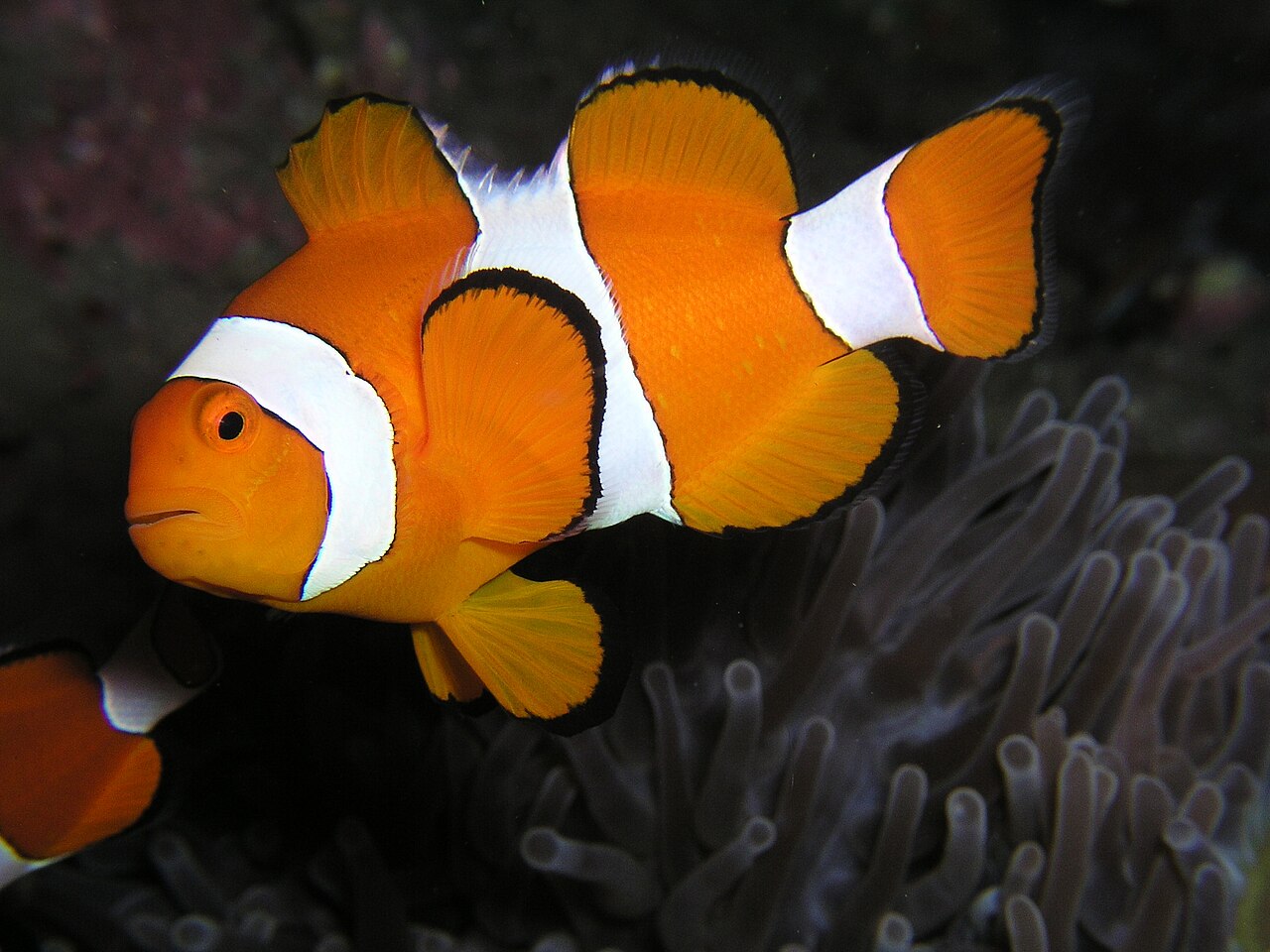
Snowflake clownfish are a captive-bred color morph of the common ocellaris clownfish (Amphiprion ocellaris). They show white bars with irregular, snowflake-like patterns instead of clean stripes. This makes every fish look a little different. Many saltwater keepers use them as a beginner-friendly centerpiece in a nano or small reef tank. If you have kept common clownfish, you can apply the same care principles. For background on the base species, read the ocellaris clownfish care guide.
The good news is that snowflake clownfish are not harder than standard ocellaris. They stay small, usually around 3 inches, and they tolerate a range of aquarium conditions. Still, you need stable salinity, clean water, and a proper tank size. LiveAquaria lists ocellaris clownfish as one of the most durable marine species for beginners. The snowflake morph shares that same hardiness.
This guide walks through everything from tank size to diet and tank mates. I will also cover water parameters, maintenance, and common health issues. You will learn how to avoid the most common mistakes that new clownfish keepers make. By the end, you can set up a tank that keeps a snowflake pair healthy for years.
You do not need an oversized system to succeed. But you do need to respect the same biological rules as any saltwater tank. Before adding fish, you should understand the aquarium nitrogen cycle. That process is what keeps ammonia and nitrite from poisoning your fish.
What You’ll Need
- 20-gallon or larger aquarium with lid
- Heater and thermometer
- Saltwater filter or powerhead
- Live rock and sand
- Marine salt mix and RO/DI water
- Liquid test kit for ammonia, nitrite, nitrate, and pH
- Quarantine tank with basic filter and heater
How Do You Care for Snowflake Clownfish?
- Choose a 20-gallon or larger tank with rock and sand
Start with at least a 20-gallon tank for a single snowflake clownfish. A 30-gallon tank is even better if you plan to keep a pair. These fish stay around 3 inches long, but they need room to swim and claim territory. Aqueon lists the standard ocellaris clownfish as a 20-gallon minimum species. The snowflake morph has the same adult size and activity level. A larger water volume also helps you keep salinity and temperature stable. Small tanks swing fast, and clownfish do not handle sudden swings well.
Pick a long, shallow tank over a tall column when you can. Clownfish swim in short bursts through the water column but mostly stay near their chosen territory. You also need room for live rock and an open sandbed. Live rock gives the fish hiding spots and helps filter the water. Arrange the rock so it cannot topple. Leave at least a few open swimming lanes near the front glass.
Place the tank away from windows, vents, and heat sources. Use a sturdy stand rated for the full weight of water, rock, and sand. A 20-gallon setup can weigh over 200 pounds. Add a tight-fitting lid or mesh screen because clownfish can jump when startled. Plan your equipment before you fill the tank. You need a heater, a powerhead for flow, and a quality saltwater filter.

- Cycle the tank completely before introducing fish
Cycle the tank before you bring home any snowflake clownfish. A new saltwater tank needs beneficial bacteria to process fish waste. Fishless cycling is the safest method and avoids harming live fish. You can start with pure ammonia or a commercial bacteria additive. The process can take two to six weeks. Test the water often and be patient. For a full walkthrough, read how to cycle a fish tank.
Use a quality liquid test kit or marine-specific test strips. You need to track ammonia, nitrite, and nitrate. At first, ammonia will rise and then fall as bacteria grow. Nitrite will spike next and then drop. The tank is cycled when ammonia and nitrite read zero and nitrate is present. If nitrate climbs above 20 ppm before fish go in, do a partial water change. A Check a saltwater test kit on Amazon makes this much easier.
Do not rush this step. Adding fish before cycling means they sit in ammonia and nitrite. Those compounds burn gills and lower immunity. Even hardy clownfish can die from new tank syndrome. If you already have an established tank, you can seed the new filter with mature media. That can speed the cycle, but it still needs testing. Once the cycle is stable, you can slowly add your clownfish.
- Keep water parameters close to natural reef values
Keep water parameters close to natural reef values. Aim for a temperature between 75 and 80 degrees Fahrenheit (24 to 27 degrees Celsius). Specific gravity should stay between 1.020 and 1.025. The pH should remain between 8.0 and 8.4. Alkalinity is best kept between 8 and 12 dKH. Test these values weekly at first. Stability matters more than hitting one perfect number.
Use a reliable heater with a thermostat and check the temperature daily. If the room runs cold, choose a slightly oversized heater but not so large that it can cook the tank. A good heater prevents fast drops at night. The best aquarium heaters guide can help you pick one. Check a reliable aquarium heater on Amazon before you buy. I also recommend a digital thermometer.
Top off evaporation with fresh RO/DI water every day or use an auto top off system. Salt does not evaporate, so do not top off with saltwater. If you let salinity creep up, your clownfish will stress. Mix new saltwater at least 24 hours before water changes. Test the new water against the tank water. This is one of the simplest ways to avoid shocking your fish.

- Select peaceful reef tank mates that respect clownfish territory
Snowflake clownfish are peaceful enough for many community reef tanks, but they do defend a small territory. Choose small, nonaggressive fish that will not compete for the same spot. Good tank mates include gobies, blennies, cardinalfish, and some wrasses. The royal gramma care guide explains why that species works well with clowns. Both fish stay small and occupy different zones.
Do not add other clownfish species unless your tank is at least 75 gallons. Mated pairs will attack intruders. Even in larger tanks, different clownfish species often fight. Avoid large predators like lionfish, triggers, and large angelfish. They can eat or harass a 3-inch clownfish. Also avoid fish that look similar to clownfish if your snowflake is already territorial.
Cleaner shrimp, snails, and small hermit crabs are safe additions. Snowflake clownfish do not usually bother these invertebrates. The fish may even share a rock with a shrimp. Corals are generally safe too. Snowflake clownfish will sometimes nip at nuisance algae but rarely damage coral tissue. Quarantine every new tank mate for two to four weeks before adding it to the display.
- Feed small portions of quality marine foods every day
Feed your snowflake clownfish a varied diet. Start with a high quality marine pellet or flake as the daily staple. Add frozen mysis shrimp, brine shrimp, and chopped seafood a few times per week. You can also offer foods with added spirulina or algae. Variety keeps the immune system strong and the color bright. Check a marine fish food on Amazon to find suitable options.
Feed small portions two to three times per day. Give only what the fish can eat in one to two minutes. Overfeeding is a common cause of high nitrate and algae problems. Remove uneaten food with a net or siphon if it sits on the sand. Clownfish are eager eaters, so they will usually come to the surface. Watch for the dominant fish taking all the food. If you keep a pair, feed at two spots.
Juvenile snowflake clownfish can be fed slightly more often. Adults may do fine with twice daily feedings. Skip one day per week to let the digestive system clear if you want. Some keepers soak dry food in a liquid vitamin supplement. That is optional, but it can support color and healing. Always store fish food in a cool, dry place and replace it after six months.

- Change water every two weeks to keep nitrate low
Change 10 to 20 percent of the water every one to two weeks. This keeps nitrate and dissolved organics in check. Use freshly mixed saltwater at the same temperature and salinity as the display. Siphon detritus from bare areas and lightly vacuum the sand if needed. Do not disturb deep sand beds aggressively. For more on scheduling, see how often to change aquarium water.
Rinse mechanical filter media in old tank water, never tap water. Chlorine kills the bacteria on bio media. Replace chemical media like carbon on a regular schedule. Clean the glass and powerheads to keep flow high. Check the heater and return pump during each maintenance session. Small equipment failures often show early signs.
Keep a simple log of temperature, salinity, nitrate, and any new additions. The log helps you spot slow drifts before they harm the fish. If algae grows fast, reduce feeding and increase water changes. If pH drops, check aeration and surface flow. Maintenance should take under an hour on a small tank. Make it a routine, and your clownfish will reward you with steady health.
- Watch for stress and treat common illnesses early
Watch your snowflake clownfish every day. A healthy fish swims with purpose and eats without hesitation. Signs of trouble include clamped fins, rapid gill movement, scratching on rock, white specks, or faded color. Clownfish may also breathe heavily if water quality is poor. Test water first whenever you see odd behavior. Many issues start with ammonia or nitrite spikes.
Marine ich and Brooklynella are the two biggest protozoan concerns for clownfish. Captive-bred snowflake clownfish are less likely to arrive with Brooklynella than wild imports. Still, any new fish can bring disease. A quarantine tank is your first line of defense. If you see white spots, do not simply raise the temperature. Marine ich requires different management than freshwater ich. Treat in a separate hospital tank whenever possible.
Copper-based medications can work in a fish-only hospital tank. Never use copper in a display with live rock, corals, or invertebrates. Follow the product instructions exactly. Some medications are not safe for clownfish fry or for systems with ammonia binders. If you are unsure, contact a saltwater fish specialist. Early action almost always improves the outcome.
- Add anemones or breed only after the tank is mature
You do not need an anemone to keep snowflake clownfish healthy. In fact, many clownfish live long lives without a host anemone. They may host in corals, powerheads, or a corner of the tank. Anemones are demanding animals that need intense light and very stable water. If you want one later, wait until the tank has matured for six to twelve months. A bubble tip anemone is the easiest choice for clownfish.
Lighting is the biggest roadblock for anemone keepers. Choose a LED fixture that can support photosynthetic organisms. The best aquarium lighting guide explains output and mounting options. Anemones also need strong flow but not so much that they cannot settle. Test alkalinity and calcium before adding corals or anemones. A mature tank handles the small shifts these animals demand.
Breeding snowflake clownfish is possible if you want a challenge. A bonded pair will clean a flat rock or tile and lay eggs. The male tends the nest while the female guards the area. Raising larvae requires rotifers, tiny live foods, and separate rearing tanks. Most hobbyists simply enjoy the pair bond. Focus on stable care first, and advanced projects become easier.
Red Flags & Warnings
- 🚨 Do not add fish to an uncycled tank. Ammonia and nitrite spike quickly and burn gills.
- 🚨 Never use copper or harsh medications in a display tank with corals, live rock, or invertebrates.
- 🚨 Avoid mixing snowflake clownfish with other clownfish species in tanks under 75 gallons.
- 🚨 Do not feed only one type of dry food. Nutritional gaps cause color loss and weak immunity.
- 🚨 Skip the anemone until the tank is at least six months old and the lighting is proven.
- 🚨 Always quarantine new fish for two to four weeks even if they look healthy.
Frequently Asked Questions
What size tank does a snowflake clownfish need?
A 20-gallon tank is the minimum for a single snowflake clownfish. Use at least 30 gallons for a pair. These fish only grow to about 3 inches, but larger water volume stays more stable and gives them territory.
Are snowflake clownfish reef safe?
Yes. They do not eat corals or sessile invertebrates. Snowflake clownfish may occasionally pick at algae or detritus near their territory, but they are widely considered reef safe.
Can snowflake clownfish live with other clownfish?
In most home tanks, no. A bonded pair can live together, but adding another clownfish species often leads to fighting. Only very large systems of 75 gallons or more might support separate clownfish territories.
What do snowflake clownfish eat?
They accept marine pellets, flakes, frozen mysis shrimp, brine shrimp, and chopped seafood. Feed small portions two to three times daily. A varied diet keeps color and immunity strong.
Do snowflake clownfish need an anemone?
No. Snowflake clownfish thrive without one. They will often host in corals, rockwork, or even equipment. An anemone can be added later only if the tank is mature and your lighting is strong enough.
How long do snowflake clownfish live?
With proper care, snowflake clownfish can live 10 to 20 years. That lifespan is similar to standard ocellaris clownfish. Stable water, good food, and quarantine are the biggest factors.
What Should You Remember?
- Tank size: Start with at least 20 gallons for a single snowflake clownfish and 30 gallons for a pair.
- Water parameters: Keep temperature at 75-80°F, pH 8.0-8.4, and salinity at 1.020-1.025.
- Diet: Feed a mix of marine pellets and frozen foods two to three times daily in small amounts.
- Tank mates: Choose peaceful reef fish and avoid other clownfish species in smaller tanks.
- Maintenance: Change 10-20% of water every one to two weeks and test parameters consistently.
- Quarantine: Isolate all new fish for two to four weeks before adding them to your display.
- Anemone: It is optional, not required, and should only be added to a mature, stable tank.
This article is for general information only and is not a substitute for professional veterinary or aquarium specialist advice. Always research the specific needs of your fish and consult an expert before making care decisions.