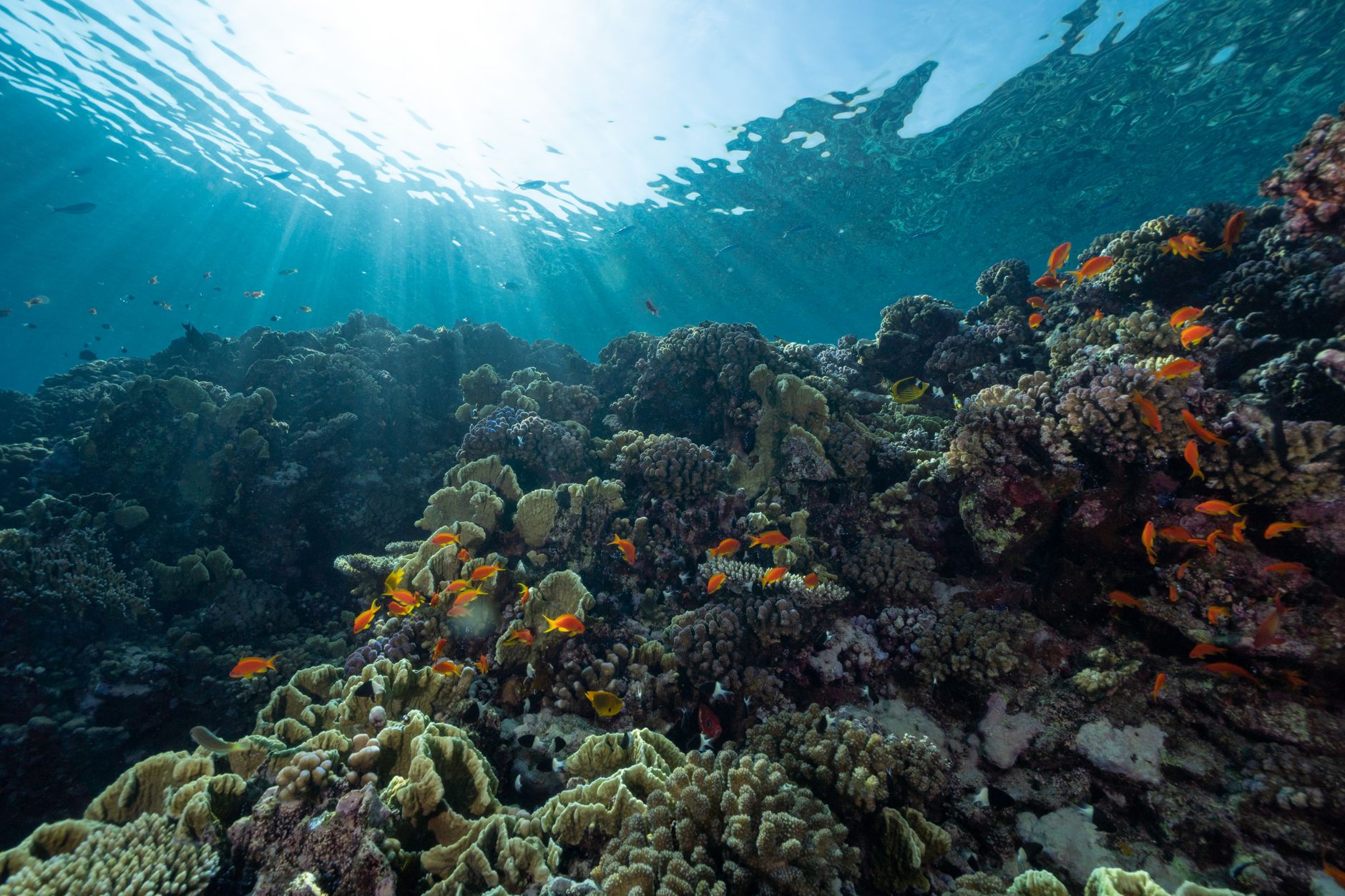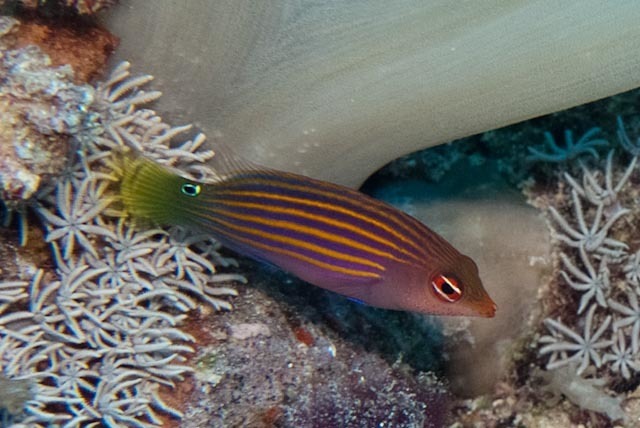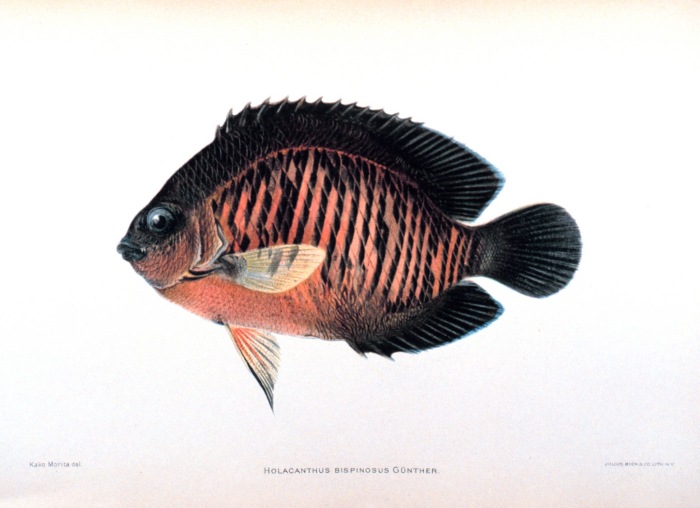
Coral Beauty Angelfish, Centropyge bispinosa, is one of the most popular dwarf angelfish in the saltwater hobby. Its deep blue body, orange-red sides, and yellow-orange banding make it stand out in any reef or fish-only tank. Compared with the showier flame angelfish, the coral beauty is often slightly hardier and more affordable. Still, this fish is not a beginner species. It needs stable water, rockwork, and careful tankmate planning.
Hobbyists often choose this fish for a 70-gallon or larger display. The adult size usually stays around 4 inches or 10 cm. That manageable size makes it a better fit for mid-sized marine aquariums than larger angelfish like the emperor angelfish. But size alone does not make it easy. Coral Beauty Angelfish are active grazers that pick at live rock all day. They also defend small territories and can become assertive with timid fish.
This guide covers tank size, diet, compatibility, water parameters, and day-to-day care. We also cover common mistakes that lead to stress and disease. Aqueon notes that marine angelfish need clean, stable water and a varied diet to thrive. We will include specific numbers and setup tips so you can keep this fish healthy for years. You should also understand the nitrogen cycle before adding any fish.
Before you bring one home, plan for a mature biological filter. A fully cycled tank prevents ammonia and nitrite spikes. Coral Beauty Angelfish are sensitive to poor water quality, especially during the first weeks after introduction. Take your time with setup and quarantine. The payoff is a fish that becomes a bold, colorful centerpiece and interacts with the aquascape all day.
What You’ll Need
- 70-gallon or larger marine aquarium with tight lid
- Live rock and aragonite sand
- Protein skimmer and marine filter
- Adjustable aquarium heater
- Marine LED light
- Saltwater test kit
- Refractometer or hydrometer
- Quarantine tank with sponge filter
- Marine angelfish pellets and frozen food
How Do You Care for Coral Beauty Angelfish?
- Set Up a 70-Gallon or Larger Marine Aquarium
Coral Beauty Angelfish need at least a 70-gallon tank, which is about 265 liters. A 90-gallon tank is even better because it gives the fish more swimming room and lets you add more live rock. Adult coral beauties usually reach about 4 inches or 10 cm, but they are very active grazers. A cramped tank increases stress, aggression, and the chance of disease.
Choose a tank with a sturdy stand and a tight-fitting lid. Dwarf angelfish can jump when startled or chased. A mesh or glass top also slows evaporation and helps keep the specific gravity stable. Place the tank away from direct sunlight to avoid algae blooms and rapid temperature swings.
Equip the tank with a reliable heater, a good protein skimmer, and enough live rock. The rock provides hiding places, territories, and surfaces for natural algae growth. It also forms the backbone of the biological filter. If you are comparing gear, look at best aquarium filters for guidance on sump and canister options.
A quality protein skimmer is especially useful for saltwater systems. It removes dissolved waste before it breaks down into nitrates. You can check the protein skimmer on Amazon to compare models that fit your tank size. Avoid undersized equipment. Coral Beauty Angelfish produce more waste than many invertebrates, and consistent filtration keeps them healthy.

- Match Stable Saltwater Parameters
Keep the specific gravity between 1.020 and 1.025. Temperature should stay between 72 and 78 degrees Fahrenheit, or 22 to 26 degrees Celsius. The pH should remain in the range of 8.1 to 8.4. Alkalinity should measure around 8 to 12 dKH. These are standard reef tank parameters, and the coral beauty does best when they stay steady.
Sudden shifts hurt more than slightly imperfect numbers. Saltwater fish struggle with rapid temperature or salinity changes. A good heater and an auto top-off system can reduce those swings. Test the water weekly with a reliable saltwater test kit. You can check the saltwater test kit on Amazon to find one that covers ammonia, nitrite, nitrate, pH, alkalinity, and phosphate.
Use RO/DI water for mixing fresh saltwater. Tap water often contains phosphates, silicates, and chlorine that fuel algae problems. Mix the salt to the correct specific gravity a day before a water change. Let it circulate and reach tank temperature before adding it.
Stable parameters also reduce stress after you introduce the fish. A stressed Coral Beauty Angelfish may hide, refuse food, or show faded colors. The next step explains how to cycle the tank and prepare the live rock before the fish arrives. Do not skip that process.
- Cycle the Tank and Add Live Rock Before the Fish
Never add a Coral Beauty Angelfish to an uncycled tank. Ammonia and nitrite are toxic even at low levels. The tank must be fully cycled and able to process waste. If you are new to this process, follow the steps in how to cycle a fish tank. A fishless cycle is safer because it does not expose any animal to ammonia.
Live rock is the main biological filter in most marine displays. It hosts beneficial bacteria that convert ammonia to nitrite and then to nitrate. Add fully cured live rock or dry rock that you cycle yourself. You should also provide plenty of crevices and caves. Coral Beauty Angelfish dart into these spaces when they feel threatened.
Test the water every few days during the cycle. The cycle is complete when ammonia and nitrite stay at zero and nitrate is below 20 ppm. At that point you can do a large water change to lower nitrates before adding fish. Do not rush this step. A stalled cycle is the most common cause of new tank losses.
A mature tank with a month or two of stable operation works even better. It allows microfauna, algae, and bacterial films to grow on the rock. The coral beauty will graze on these foods. That natural grazing helps the fish settle in and reduces the chance it will pick at corals.
- Quarantine and Drip Acclimate Your New Angelfish
Quarantine every new Coral Beauty Angelfish for 2 to 4 weeks. Use a separate 20-gallon or larger quarantine tank with a simple sponge filter, heater, and PVC fittings for cover. This step prevents marine ich, velvet, and flukes from entering your display. LiveAquaria also recommends quarantine as a standard practice for new marine fish.
Observe the fish daily in quarantine. Look for white spots, rapid breathing, clamped fins, or refusal to eat. Treat only if symptoms appear. Do not use copper in a tank with live rock or invertebrates. A quarantine tank lets you safely use medications if needed.
After quarantine, drip acclimate the fish to the display water. Float the bag for 15 minutes to match temperature. Then use airline tubing to drip display water into a clean bucket with the fish. Adjust the drip to about 2 to 4 drops per second. This slowly matches salinity and pH, which reduces shock.
Acclimate for 45 to 60 minutes, then gently net the fish into the display. Keep the display lights dim for the first few hours. Do not pour bag water into the tank. Bag water can carry ammonia and possible pathogens. A calm introduction gives the coral beauty the best chance to explore and feed within a day or two.

- Feed a Varied Omnivore Diet Twice Daily
Coral Beauty Angelfish are omnivores. In the wild they graze on algae, sponge material, small crustaceans, and other tiny foods. In captivity they need a mix of plant matter and meaty items. Offer high-quality marine angelfish pellets as a staple. Then rotate in frozen mysis shrimp, spirulina brine shrimp, and chopped marine seafood.
You should also provide algae-based foods. Nori sheets clipped to the glass or a veggie clip work well. Some keepers offer sponge-based angelfish foods, which mimic the natural diet of dwarf angels. You can check marine angelfish food on Amazon to compare pellet and frozen options.
Feed small portions two to three times per day. Only add what the fish can eat in about two minutes. Overfeeding causes nitrate and phosphate spikes, which lead to algae problems. If the fish is new and not eating, try live or frozen brine shrimp to trigger a feeding response.
A varied diet supports color and immune health. It also keeps the fish busy. A well-fed Coral Beauty Angelfish is less likely to nip at corals and clams. Still, you should watch individual behavior. Even with good feeding, some specimens will pick at certain corals.
- Select Peaceful Tankmates and Avoid Aggression
Coral Beauty Angelfish do best with peaceful to semi-aggressive tankmates of similar size. Good choices include clownfish, cardinalfish, blennies, gobies, chromis, and certain wrasses. For example, an ocellaris clownfish care guide shows why clownfish make a solid tankmate in a similar-sized tank. Tangs can also work in larger systems.
Avoid housing two dwarf angelfish together unless the tank is 125 gallons or larger and heavily aquascaped. Even then, aggression can happen. If you want multiple angelfish, choose different genera and introduce them at the same time. Watch for chasing, torn fins, or one fish hiding constantly.
This fish may be semi-reef safe. It can nip at large-polyp stony corals, clam mantles, zoanthids, and some soft corals. It will not eat corals directly in most cases, but repeated nipping stresses them. Keep it with SPS corals and robust soft corals if you want a safer reef setup.
Add the Coral Beauty Angelfish last or after more peaceful fish. This helps reduce territorial aggression. Provide plenty of visual breaks with live rock. If aggression starts, rearrange the rockwork to reset territories. A fish that finds its own cave is less likely to bully tankmates.

- Monitor Health, Water Changes, and Long-Term Behavior
Perform a 10 to 20 percent water change every one to two weeks. Regular changes remove nitrate and replenish trace elements. Follow the schedule in how often to change aquarium water if you are unsure. Consistency matters more than the exact percentage.
Watch for signs of poor health. Marine ich appears as small white spots on the fins and body. Flukes can cause cloudy eyes or rapid breathing. If you see symptoms, move the fish to a quarantine tank and follow a proven treatment. The guide on how to treat ich in aquarium explains safe options for saltwater fish.
Check the fish’s body condition weekly. A healthy Coral Beauty Angelfish has a slightly rounded belly and clear eyes. Faded colors or notched fins can indicate stress, poor diet, or aggression. Head and lateral line erosion can appear if water quality drops or the diet lacks vitamins.
Keep a record of water test results and behavior changes. Early action prevents most serious problems. With stable conditions and a varied diet, this fish can live for 5 to 10 years. It will become one of the most active and colorful fish in your saltwater display.
Red Flags & Warnings
- 🚨 Do not add two Coral Beauty Angelfish to a tank under 125 gallons. They will likely fight without enough space and rockwork.
- 🚨 Avoid copper-based medications in a display tank with live rock, corals, or invertebrates. Copper is toxic to many marine animals and adsorbs to rock and sand.
- 🚨 Expect individual variation in reef safety. Some Coral Beauty Angelfish nip at LPS corals, clams, and zoanthids, while others leave them alone.
- 🚨 Never skip quarantine. Marine ich and velvet can spread quickly and kill an entire tank of fish.
- 🚨 Keep a tight-fitting lid on the aquarium. Coral Beauty Angelfish may jump when startled or chased.
- 🚨 Avoid overfeeding frozen food without rinsing it first. Excess liquid and food waste can spike ammonia and nitrate.
Frequently Asked Questions
Are Coral Beauty Angelfish reef safe?
They are considered semi-reef safe. Many keepers keep them in reef tanks with SPS corals, but some individuals nip at LPS corals, clams, and zoanthids. Watch each fish closely. Provide plenty of live rock and macroalgae to distract them from corals.
What size tank does a Coral Beauty Angelfish need?
A single adult needs at least 70 gallons or 265 liters. A 90-gallon or larger tank is better because it gives more swimming room and territory. Juveniles may start in smaller quarantine tanks but should be moved to the display quickly.
Can you keep more than one Coral Beauty Angelfish?
It is risky to keep more than one. They often fight unless the tank is 125 gallons or larger and heavily aquascaped. Add them at the same time and watch for aggression. Most hobbyists keep just one per tank.
What do Coral Beauty Angelfish eat?
They eat a mix of marine algae, sponges, and small meaty foods. Offer marine angelfish pellets, mysis shrimp, spirulina flakes, and nori sheets. Feed small portions two to three times per day for best health.
How long do Coral Beauty Angelfish live?
With good care they often live 5 to 10 years in captivity. Stable water quality, a varied diet, and low stress help them reach the upper end of that range. In poor conditions their lifespan drops sharply.
Are Coral Beauty Angelfish aggressive?
They are semi-aggressive. They may chase smaller peaceful fish, especially in cramped tanks. Provide rockwork breaks in the line of sight and choose tankmates of similar size and temperament.
What Should You Remember?
- Tank size: Provide at least 70 gallons, ideally 90 or more, for one Coral Beauty Angelfish.
- Water parameters: Keep specific gravity 1.020-1.025, temperature 72-78°F, and pH 8.1-8.4.
- Diet: Feed an omnivore mix of algae, sponge-based foods, and meaty items twice daily.
- Reef safety: Treat as semi-reef safe because they may nip LPS corals and clam mantles.
- Quarantine: Always quarantine new arrivals for 2 to 4 weeks before adding them to the display.
- Tankmates: House with peaceful community fish, and avoid other dwarf angels unless the tank is very large.
This article is for general information only and is not a substitute for professional veterinary or aquarium specialist advice. Always research the specific needs of your fish and consult an expert before making care decisions.