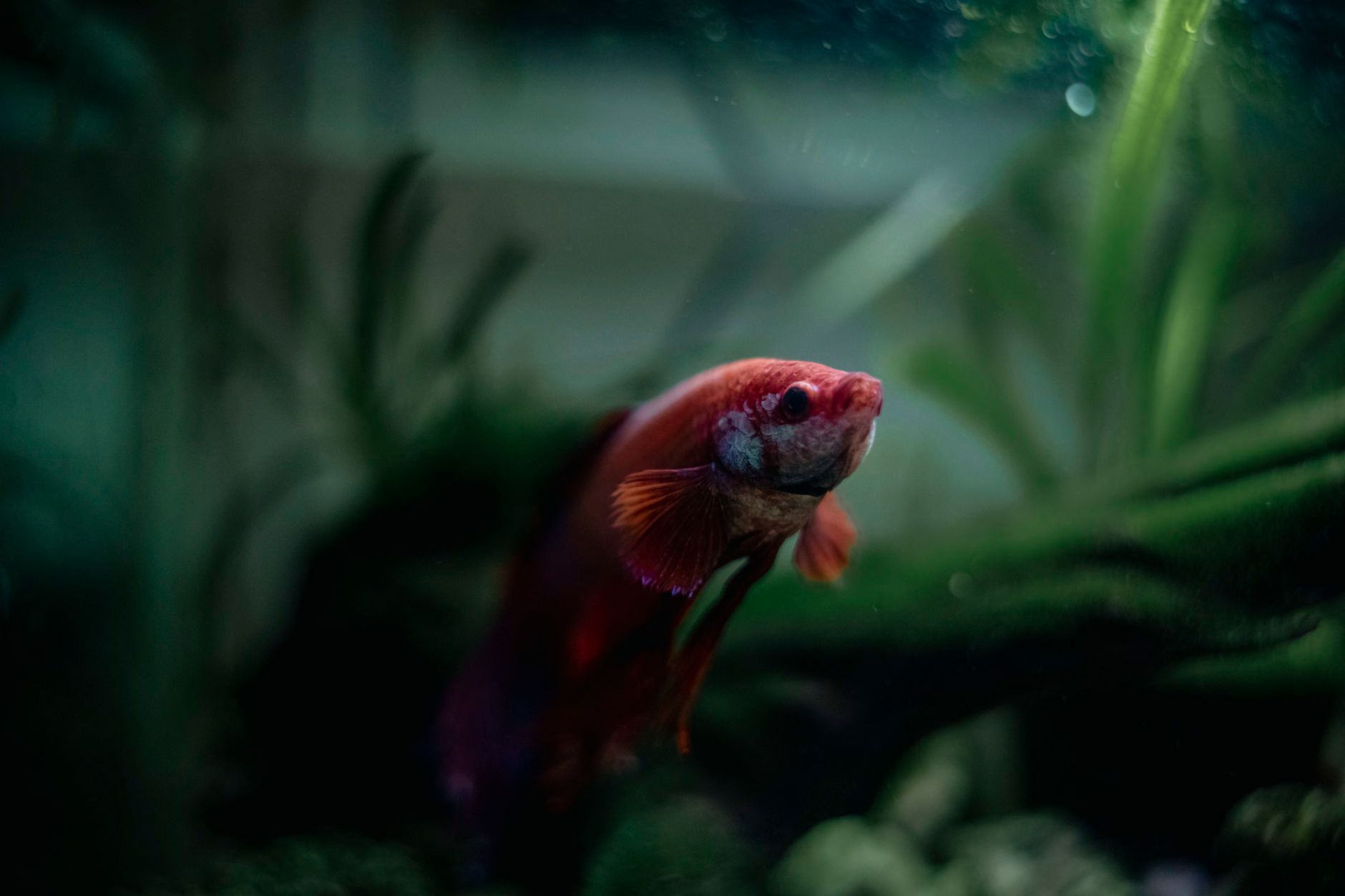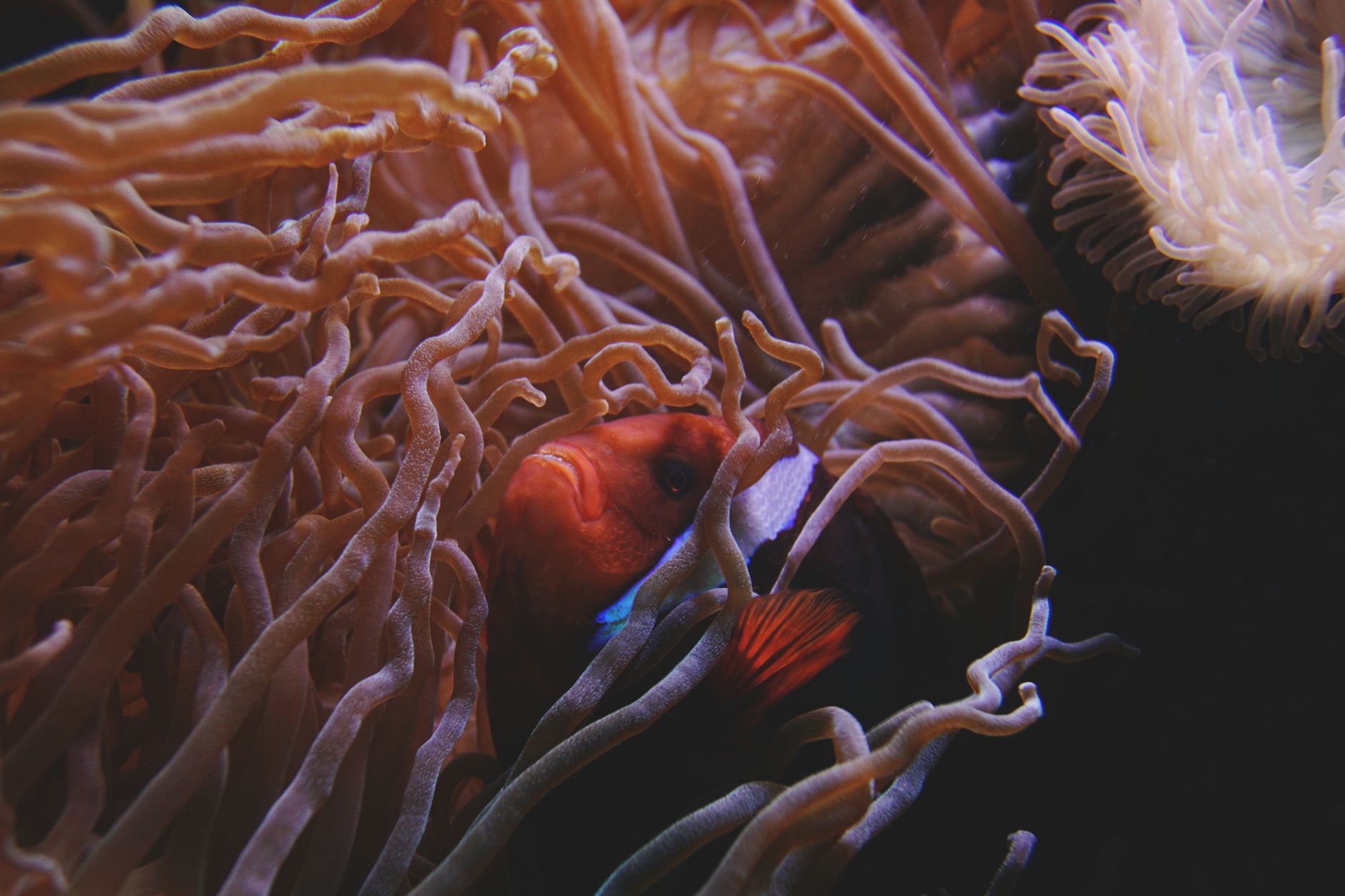
Tomato clownfish (Amphiprion frenatus) are one of the most striking clownfish species in the marine hobby. They show a deep red to tomato orange body, a single white head bar, and a bold personality. This is not the same fish as the common orange clown. If you want a gentler starter clown, read the ocellaris clownfish care guide. Tomato clowns grow larger and act more territorial. That means you need a clear plan for tank size, tank mates, and feeding before you buy one.
Tomato clownfish reach about 5 inches in length as adults. They need a tank of at least 30 gallons, though a 55-gallon or larger system works better for a pair. Water temperature should stay between 72 and 78 degrees Fahrenheit. The pH should remain in the 8.1 to 8.4 range. Specific gravity belongs between 1.020 and 1.025. These numbers come from widely used marine species profiles, and they mirror the guidance from Aqueon on keeping marine clownfish in stable conditions.
Success with tomato clownfish depends on a mature, cycled aquarium. Saltwater tanks rely on biological filtration to process ammonia and nitrite. A rushed setup can lead to losses. Before adding a tomato clown, learn the basics in the aquarium nitrogen cycle explained guide. This will help you understand why live rock and beneficial bacteria matter.
This 2026 care guide walks through eight clear steps. You will learn how to set up the tank, hold stable water parameters, choose filtration and flow, build rockwork, feed correctly, pick compatible fish, quarantine new arrivals, and maintain the system. Along the way, we point to gear like best aquarium heaters 2026 and tools that make the job easier.
What You’ll Need
- 30-gallon or larger saltwater aquarium
- Live rock or dry rock
- Marine salt mix
- Refractometer or hydrometer
- Heater and thermometer
- Protein skimmer
- Circulation pump
- Saltwater test kit
- Quarantine tank
How Do You Care for Tomato Clownfish?
- Set Up a 30-Gallon or Larger Saltwater Aquarium
Start with tank size. A single tomato clownfish can live in a 30-gallon tank, but a pair needs at least 55 gallons. Tomato clowns reach about 5 inches and become territorial. In a smaller tank, they will chase and bite other fish. A 55-gallon or 75-gallon setup gives you more rockwork and more room for compatible tank mates. Plan for a long, wide tank rather than a tall narrow one.
Next, cycle the aquarium before adding fish. A new marine tank goes through ammonia and nitrite spikes. Tomato clownfish are hardy compared with some species, but no fish should be exposed to ammonia. Set up live rock, sand, heater, and filtration, then follow a fishless cycling method. The how to cycle a fish tank guide explains how to dose ammonia and test for nitrite and nitrate. This mature biological filter is the foundation of tomato clownfish care.
Finally, arrange the rock and equipment. Leave open swimming space in the front and build caves in the back. Tomato clowns like to claim a territory. Use stable rock structures that will not collapse if the fish digs in the sand. Place the heater near flowing water and install a thermometer on the opposite side. According to Aqueon, stable marine conditions come from good setup choices early. One setup mistake later becomes a daily headache.

- Keep Water Parameters Stable
Tomato clownfish accept a range of conditions, but stability matters more than chasing one perfect number. Keep the water temperature between 72 and 78 degrees Fahrenheit. Maintain salinity at a specific gravity of 1.020 to 1.025. Keep pH between 8.1 and 8.4. Alkalinity usually does best between 8 and 12 dKH. Sudden shifts in these values stress the fish and open the door to disease.
Use a reliable heater and thermometer. Heaters fail, and rooms change temperature overnight. A quality heater with a separate controller gives you a safety margin. You can compare options in the best aquarium heaters 2026 guide. For smaller saltwater tanks, Check the Eheim Jager Aquarium Heater on Amazon. It is a common choice for steady heat. Check the temperature daily and calibrate your thermometer every few months.
Test water weekly. Use a saltwater test kit to monitor ammonia, nitrite, nitrate, pH, and alkalinity. New tanks need more frequent testing during the first eight weeks. Once the tank matures, weekly tests catch problems before fish show symptoms. Mix new saltwater at least 24 hours before a water change. This lets the salt dissolve fully and the water reach tank temperature.
- Choose the Right Filtration and Flow
Tomato clownfish need clean water, but marine filtration works differently from freshwater. Live rock provides the main biological surface for nitrifying bacteria. A protein skimmer removes organic waste before it breaks down into nitrate. For a 30-gallon tank, a hang-on-back skimmer works. Larger systems may use a sump with a skimmer and filter socks. Extra mechanical filtration helps remove floating debris.
Add a circulation pump for flow. Tomato clowns live on reefs with steady water movement. Aim for 10 to 20 times the tank volume in flow per hour. A 55-gallon tank should have 550 to 1,100 gallons per hour of total circulation. This keeps detritus suspended and delivers oxygen to the fish. The best aquarium filters 2026 guide covers filtration and flow options. For direct in-tank flow, Check the Hydor Koralia Nano Circulation Pump on Amazon. Place one pump near the surface and another lower in the tank.
Do not point a strong jet directly at the fish. Tomato clowns can handle moderate flow, but they need resting spots. Adjust pump angles so some areas have lower current. If you keep corals, match the flow to their needs too. A steady gyre or alternating flow is better than a harsh narrow stream.

- Add Suitable Rockwork and Hiding Places
Tomato clownfish are territorial fish. They need a clear home base. Build caves, overhangs, and tunnels out of live rock or dry rock. The fish will sleep and retreat in these spots. They also use flat rock surfaces near their territory. A tank with one big open space may stress a tomato clown because it feels exposed.
Make the rockwork stable. Tomato clowns do not dig as much as some damsels, but they can rearrange sand near their spot. Wedge rocks together or use reef-safe epoxy. Test the structure by pressing on it. If it moves, it is not safe. The live rock also adds biological filtration. The bacteria on and inside the rock convert ammonia to nitrite and then nitrate. For a deeper explanation, read the aquarium nitrogen cycle explained guide.
Many keepers ask about anemones. Tomato clownfish will host in bubble tip anemones and some other species. But an anemone is not required. Anemones need intense lighting and stable conditions. They can wander into powerheads and die. If this is your first saltwater tank, skip the anemone. The tomato clown will accept a terracotta pot, a barnacle cluster, or even a powerhead corner as its host.

- Feed a Varied Omnivore Diet
Tomato clownfish are omnivores. In the wild, they eat small crustaceans, plankton, algae, and leftover food from their host anemone. In captivity, a varied diet keeps their color deep and their immune system strong. Offer frozen mysis shrimp, chopped krill, marine fish flakes, and high quality pellets. A little nori or spirulina flake adds plant matter.
Feed small portions two to three times per day. Only give what the fish can eat in about two minutes. Tomato clowns are aggressive eaters, so they will rush food. Overfeeding leads to nitrate buildup and algae. If you keep other fish, watch that slower tank mates get enough food. The feeding approach is similar to the ocellaris clownfish care guide, but tomato clowns often need slightly larger food pieces as adults.
Soak frozen food in a vitamin supplement once or twice a week. This can help prevent nutritional deficiencies. Avoid feeding only brine shrimp, which is low in nutrition. Rotate between four or five food types. If your fish ignores a new food, try again the next day. Tomato clowns learn fast and rarely stay picky for long.
- Choose Tank Mates Carefully
Tomato clowns are semi-aggressive. They often act peaceful alone, but they will defend their area. A mated pair can claim up to half of a 55-gallon tank. Choose tank mates that are too large or too quick to be bullied. Good options include tangs, dwarf angelfish, larger dottybacks, and some wrasses. For example, the yellow tang care guide describes a fish that usually holds its own.
Do not add another clownfish species to a small tank. Tomato clowns will fight ocellaris, percula, and other clown species. Even in larger tanks, mixed clownfish pairs often fail. The same warning applies to very peaceful fish like firefish or small gobies. They may hide constantly and stop eating. LiveAquaria notes that tomato clownfish become more territorial as they mature. Plan tank mates around that adult behavior.
Introduce the tomato clown last if possible. This gives other fish time to establish their own hiding spots. Still, every fish has a personality. Some tomato clowns tolerate tank mates well. Others become bullies. Keep a tank divider or a backup plan ready. If aggression becomes constant, you may need to move one fish.
- Quarantine and Observe New Fish
Quarantine every new fish, including tomato clownfish. A separate 10 to 20 gallon quarantine tank protects your display from marine ich, velvet, and flukes. Keep the new fish in quarantine for at least four weeks. Six weeks is safer. During that time, observe for white spots, rapid breathing, torn fins, or refusal to eat.
Tomato clowns are hardy, but they can carry disease without showing symptoms right away. Use a quarantine tank with a simple sponge filter, heater, and PVC pipe for hiding. Do not treat with medication unless you see a specific problem. If symptoms appear, use targeted treatment. The how to treat ich in aquarium guide explains the life cycle of ich and why treatment must continue after spots disappear.
Acclimate the fish slowly after quarantine. Drip acclimate over 30 to 60 minutes. Match temperature first, then slowly mix display water into the container. Net the fish and place it into the tank. Turn the lights down for a few hours. This reduces stress and gives the tomato clown time to find a hiding spot.
- Perform Consistent Maintenance and Watch for Disease
Change 10 to 20 percent of the water every two weeks. Use new saltwater mixed to the same salinity and temperature as the tank. Regular water changes remove nitrate, phosphate, and dissolved organics. They also replenish trace elements. The how often to change aquarium water guide covers a schedule that fits your tank size and stocking level.
Test the water every week. Ammonia and nitrite should stay at zero. Nitrate should remain below 20 ppm in a fish-only tank and below 10 ppm if you keep corals. Check pH, alkalinity, and salinity at the same time. A saltwater test kit makes this routine. Check the API Saltwater Master Test Kit on Amazon. It covers the main parameters in one box.
Watch behavior during feeding. A healthy tomato clown swims out to eat and has clear eyes and fins. Loss of appetite, clamped fins, or labored breathing are early signs of stress or disease. Catch problems early. Move sick fish to quarantine before treating the whole display. Keep a log of water test results. Patterns tell you when a tank is drifting off balance before the fish show it.
Red Flags & Warnings
- 🚨 Do not add a tomato clownfish to an uncycled tank. Ammonia and nitrite will burn the gills and can kill the fish within days.
- 🚨 Do not house a tomato clown with smaller clownfish species. They may fight to the death in a 30 or 55-gallon tank.
- 🚨 Avoid unstable salinity. Top off with freshwater daily, because salt does not evaporate with water.
- 🚨 Do not place an anemone in a new tank. It can move into a powerhead and crash the tank.
- 🚨 Quarantine all new fish. Skipping quarantine can bring marine ich or velvet into the display and infect every fish.
- 🚨 Do not feed only one food. A brine shrimp only diet lacks nutrients and fades color.
Frequently Asked Questions
How big do tomato clownfish get?
Tomato clownfish reach about 5 inches in length. Some females grow slightly larger, especially in roomy tanks. Their adult size makes a 30-gallon minimum tank important.
What size tank does a tomato clownfish need?
A single tomato clownfish needs at least a 30-gallon tank. A pair should have 55 gallons or more. Larger tanks reduce territorial aggression and allow better tank mate choices.
Can tomato clownfish live with ocellaris clownfish?
It is not recommended. Tomato clowns are more aggressive and may attack ocellaris clowns. Mixed clownfish species usually fight unless the tank is very large.
Are tomato clownfish reef safe?
Yes. Tomato clownfish do not eat corals and are generally reef safe. They may move sand near their territory but usually ignore corals and invertebrates.
What do tomato clownfish eat?
They eat meaty foods and some algae. Offer mysis shrimp, krill, marine pellets, flakes, and nori. Feed small portions two to three times daily.
How long do tomato clownfish live?
Tomato clownfish can live 10 to 15 years with good care. Stable water, a varied diet, and low stress support a long lifespan.
What Should You Remember?
- Tank size: Provide at least 30 gallons for one tomato clown and 55 gallons for a pair.
- Water parameters: Keep temperature at 72 to 78 degrees Fahrenheit, pH at 8.1 to 8.4, and salinity at 1.020 to 1.025.
- Territorial behavior: Add tomato clownfish last and avoid other clownfish species.
- Diet: Feed a variety of meaty foods and algae two to three times per day.
- Rockwork: Build caves and hiding spots before introducing the fish.
- Maintenance: Change 10 to 20 percent of the water every two weeks and test weekly.
This article is for general information only and is not a substitute for professional veterinary or aquarium specialist advice. Always research the specific needs of your fish and consult an expert before making care decisions.