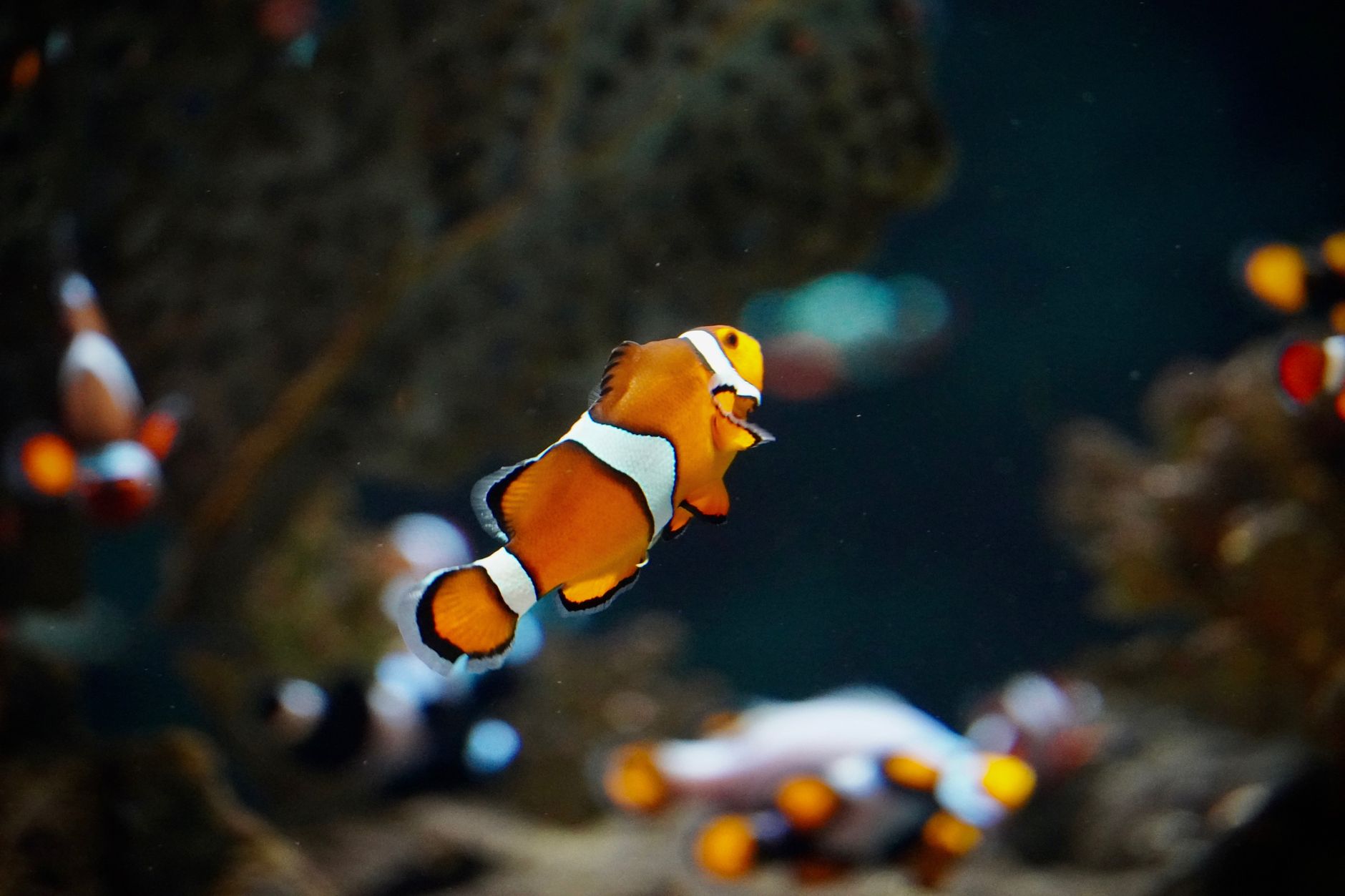
Ocellaris clownfish (Amphiprion ocellaris) are among the most popular marine fish in the aquarium hobby. They are hardy, active, and full of personality. Many saltwater keepers choose them as a first marine fish because they tolerate a wider range of conditions than many other species. Still, they need a properly cycled tank and stable water. This 2026 guide covers tank size, water parameters, diet, compatibility, and maintenance. Follow these steps to give your clownfish a long, healthy life.
The Ocellaris clownfish is often confused with the true Percula clownfish. They look similar, but Ocellaris clownfish are usually a bit less aggressive and easier to keep. They grow to about 3 inches in length, so they do not need a massive tank. Still, a stable environment matters more than tank size alone. Before buying one, read about the aquarium nitrogen cycle explained. This is the most common beginner mistake, and it can kill your fish in days.
Good water quality is the foundation of clownfish care. Clownfish need stable salinity, temperature, and pH. They also need a varied diet and compatible tank mates. Many people think clownfish need an anemone, but that is not true. In fact, Ocellaris clownfish thrive without one in a well-run tank. This article gives you specific numbers and practical advice. You will learn how to avoid common pitfalls and keep your fish healthy.
If you are new to saltwater, do not be intimidated. Ocellaris clownfish are forgiving compared with tangs or angelfish. Still, you must cycle the tank and monitor water chemistry. This guide follows current best practices from trusted sources like Aquarium Co-Op and combines them with hands-on experience. Let’s start with the right tank and equipment.
What You’ll Need
- 20-gallon or larger aquarium
- Aquarium heater
- Filter and powerhead
- Marine salt mix
- Refractometer or hydrometer
- Saltwater test kit
- Live rock and sand
- LED lighting
How Do You Care for Ocellaris Clownfish?
- Choose at least a 20-gallon tank with proper filtration
Choose a tank of at least 20 gallons for a single Ocellaris clownfish. A 30-gallon tank is better for a bonded pair. Clownfish stay small, about 3 inches as adults, but they produce waste like any fish. A larger water volume keeps ammonia and nitrate levels more stable. A 20-gallon long tank provides more swimming length than a tall tank. This makes it a better choice for clownfish that prefer horizontal space.
Filtration is next. A hang-on-back filter or canister filter works well. Add live rock to boost biological filtration. Live rock hosts beneficial bacteria that break down waste. You can also add a small powerhead for gentle to moderate flow. Clownfish do not need a strong current, but water movement prevents dead spots. If you want to compare filter options, see best aquarium filters 2026.
Heating and lighting matter too. Set the heater to 78°F, which is within the ideal range of 77°F to 80°F. A reliable heater prevents temperature swings that stress fish. You can check the Check the Eheim Jager Aquarium Heater on Amazon for a durable option. Standard LED lighting works unless you plan to keep corals. If you add corals later, upgrade to a reef-capable light.

- Set up the tank and cycle it fully before adding fish
Fill the tank with saltwater mixed to a specific gravity between 1.020 and 1.025. Use a quality marine salt mix and reverse osmosis deionized water. Rinse the sand before adding it, and arrange live rock to create hiding spots. Install the heater, filter, and powerhead. Run the full system for at least 24 hours before adding any ammonia source. This gives you time to check for leaks and temperature stability.
Cycling is not optional. You must establish a colony of beneficial bacteria that convert ammonia into nitrite and then nitrate. One method is fishless cycling, where you add a small amount of pure ammonia or fish food daily. Test the water every day. You will see ammonia spike, then nitrite spike, and finally nitrate rise. Only when ammonia and nitrite read 0 ppm is the tank safe. Learn the full process in how to cycle a fish tank.
Use a reliable test kit to track the cycle. Liquid test kits are more accurate than test strips for saltwater. You can get the Check the API Saltwater Master Test Kit on Amazon. During the cycle, do not add clownfish. Even hardy fish can die from ammonia burns. Patience here pays off with a stable tank.
- Keep water parameters stable with weekly testing
Once the tank is cycled, keep water parameters rock steady. Ocellaris clownfish tolerate small fluctuations, but large swings cause stress. Target a temperature of 78°F, specific gravity between 1.020 and 1.025, and pH between 8.1 and 8.4. Alkalinity should stay between 8 and 12 dKH. Ammonia and nitrite must always be 0 ppm. Nitrate should remain below 20 ppm, ideally under 10 ppm.
Test the water weekly. Salinity can rise as water evaporates, because salt stays behind. Top off with freshwater daily or every other day. Do not top off with saltwater, or salinity will creep up. A refractometer gives more accurate salinity readings than a hydrometer. Keep a log of your numbers. That makes it easier to spot trends before they become problems.
Aqueon recommends stable water conditions for clownfish and other marine fish. Follow that advice by doing regular partial water changes. A 10 to 20 percent water change every one to two weeks removes dissolved waste and replenishes trace elements. Use how often to change aquarium water to set a schedule that fits your tank. Siphon detritus from the sand and clean the glass during each change.
- Feed a varied marine diet twice a day
Ocellaris clownfish are omnivores. In the wild, they eat plankton, small crustaceans, and algae. In captivity, offer a varied marine diet. High-quality marine pellets or flakes form a good base. Frozen mysis shrimp, brine shrimp, and chopped krill add protein. A small amount of spirulina or marine algae provides plant matter. Feed small portions twice a day.
Variety prevents nutritional deficiencies and boosts color. Rotate between pellets, frozen food, and occasional live food if available. You can use Check the New Life Spectrum Marine Fish Food on Amazon as a daily staple. It is made for marine fish and contains ingredients that support immune health. Do not feed only one type of food for months.
Overfeeding is a common mistake. Clownfish have small stomachs. Feed only what they can eat in two minutes. Uneaten food decays and fuels ammonia, nitrite, and algae. If your fish look bloated or you see leftover food, reduce the portion. A feeding ring can help keep floating food in one spot. Remove any leftovers with a net or siphon.

- Choose peaceful tank mates and avoid aggressive species
Ocellaris clownfish are generally peaceful, but they can become territorial. They do best with other small, non-aggressive fish. Good tank mates include royal grammas, firefish gobies, blennies, cardinalfish, and small wrasses. Royal gramma care guide explains how to keep one of the best companions for clownfish. Avoid large, aggressive species that see clownfish as food or rivals.
Do not keep more than one pair of clownfish in a small tank. Two females will fight, sometimes to the death. If you want a pair, buy two juveniles and let one become male and one become female. Clownfish are protandrous hermaphrodites, meaning the dominant fish becomes female. A bonded pair usually gets along well, but they may still chase other fish near their territory.
Invertebrates are usually safe. Cleaner shrimp, snails, and hermit crabs help control algae and leftover food. Corals are also safe with Ocellaris clownfish, though clownfish may try to host in certain corals like torch or hammer corals. This can irritate the coral. Choose hardy corals if you want a reef tank. An anemone is not required, and beginners should wait at least six months before adding one.

- Acclimate new clownfish slowly to avoid shock
Acclimation is critical. Never pour a new fish directly from the bag into your tank. The sudden change in temperature and salinity can shock the fish. Float the sealed bag in the tank for 15 minutes to equalize temperature. Then open the bag and slowly drip tank water into it over 30 to 60 minutes. This allows the clownfish to adjust to your water chemistry gradually.
Use a piece of airline tubing with a loose knot to create a slow drip. Aim for a drip rate of about two to four drops per second. After an hour, the water volume in the bag should roughly double. Use a net to transfer the clownfish into the tank. Do not dump the bag water into your tank. Store water can contain ammonia, pathogens, or medications.
Turn off the aquarium lights during acclimation and for a few hours after. This reduces stress. Watch the fish for rapid breathing, clamped fins, or hiding. Some shyness is normal for the first day or two. Offer food the next day. If you have other fish, keep an eye out for aggression during the first week.
- Perform weekly water changes and equipment checks
Routine maintenance keeps your tank healthy. Perform a 10 to 15 percent water change every week. Use a gravel vacuum to remove detritus from the sand bed. Wipe down the glass with an algae scraper. Clean the filter intake sponge monthly in old tank water, never tap water. This preserves beneficial bacteria.
Check all equipment weekly. Make sure the heater light is on and the temperature is stable. Verify that the filter and powerhead are running. Test salinity after topping off. Inspect the tank for signs of salt creep around the rim and equipment. Wipe it away before it corrodes fixtures or affects water chemistry.
Keep a simple maintenance log. Record water test results, water changes, and feeding changes. This helps you spot problems early. If nitrate begins to climb, increase water change frequency or reduce feeding. Consistent small changes are better than occasional large overhauls. Your clownfish will reward you with active swimming and good color.
- Monitor for marine ich and stress signs
Watch for common saltwater diseases. Marine ich, or Cryptocaryon irritans, shows up as tiny white spots on the body and fins. Brooklynella, also called clownfish disease, causes excessive slime and rapid breathing. Both are serious but treatable if caught early. Isolate any sick fish in a separate hospital tank. Treat with copper or formalin-based medications only in that hospital tank.
Stress is the biggest trigger for disease. Poor water quality, temperature swings, aggression, and overcrowding all weaken a clownfish’s immune system. Keep parameters stable and choose tank mates carefully. Quarantine all new fish for two to four weeks before adding them to the display tank. This prevents introducing parasites. Use how to treat ich in aquarium as a reference for treatment.
If you see signs of illness, act fast. Move the fish to quarantine and match the water parameters. Do not medicate the display tank if it contains invertebrates or live rock. Many medications kill beneficial bacteria and corals. Follow the medication instructions exactly. After treatment, observe the fish for another week before returning it to the display.
Red Flags & Warnings
- 🚨 Never add clownfish to an uncycled tank. Ammonia and nitrite spikes can kill them within days, even if the water looks clear.
- 🚨 Do not use tap water for saltwater mixing unless it is dechlorinated and tested. Chlorine and heavy metals harm fish and beneficial bacteria.
- 🚨 Avoid aggressive tank mates like large triggerfish, eels, or big angelfish. They may harass or eat your clownfish.
- 🚨 Do not assume your clownfish needs an anemone. Ocellaris clownfish thrive without one, and anemones need strong lighting and mature water.
- 🚨 Quarantine every new fish before adding it to your display. A single infected fish can wipe out your whole tank.
- 🚨 Do not overfeed. Uneaten food rots and causes ammonia spikes, algae blooms, and poor water quality.
Frequently Asked Questions
Do Ocellaris clownfish need an anemone?
No. Ocellaris clownfish do not need an anemone in captivity. They will thrive without one as long as water quality and diet are good. If you want an anemone, wait until your tank is at least six months mature and you have strong reef lighting.
How big do Ocellaris clownfish get?
Ocellaris clownfish typically grow to about 3 inches in length. Some larger females may reach 3.5 inches. A 20-gallon tank is enough for one, but a 30-gallon tank is better for a bonded pair.
What do Ocellaris clownfish eat?
They eat a varied omnivorous diet. Offer high-quality marine pellets or flakes daily, plus frozen mysis shrimp, brine shrimp, and spirulina. Feed small portions twice a day and remove uneaten food.
Can I keep two Ocellaris clownfish together?
Yes. A bonded pair usually does well in a tank of 30 gallons or more. Add two juveniles at the same time and let them establish a hierarchy. Avoid keeping more than two unless you have a very large tank.
Are Ocellaris clownfish good for beginners?
Yes, they are one of the best beginner saltwater fish. They are hardy, adapt well to captive diets, and tolerate minor water parameter changes. Still, beginners must cycle the tank and maintain stable water quality.
What size tank do Ocellaris clownfish need?
A 20-gallon tank is the minimum for one Ocellaris clownfish. A 30-gallon tank works better for a pair. Larger tanks are easier to keep stable and allow more tank mate options.
What Should You Remember?
- Tank size: Use at least 20 gallons for one clownfish, or 30 gallons for a pair.
- Water parameters: Keep temperature near 78°F, salinity 1.020-1.025, and pH 8.1-8.4.
- Cycling: Fully cycle the tank before adding any clownfish. Ammonia and nitrite must read 0 ppm.
- Diet: Feed a varied marine diet twice daily with pellets and frozen foods.
- Compatibility: Choose small, peaceful tank mates like royal grammas and firefish gobies.
- Maintenance: Do 10-15% weekly water changes and test water every week.
- Quarantine: Always quarantine new fish for 2-4 weeks to prevent disease.
This article is for general information only and is not a substitute for professional veterinary or aquarium specialist advice. Always research the specific needs of your fish and consult an expert before making care decisions.