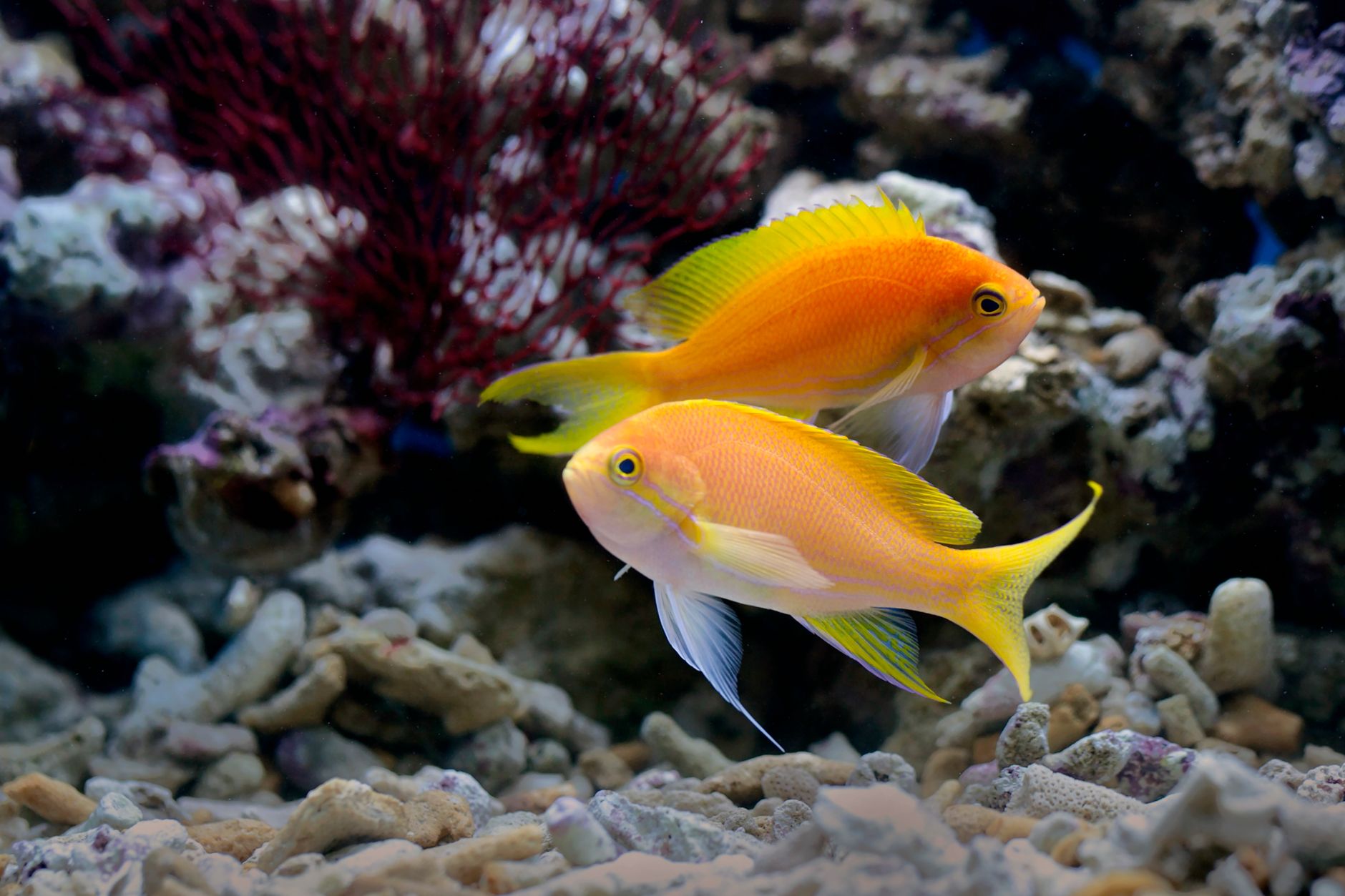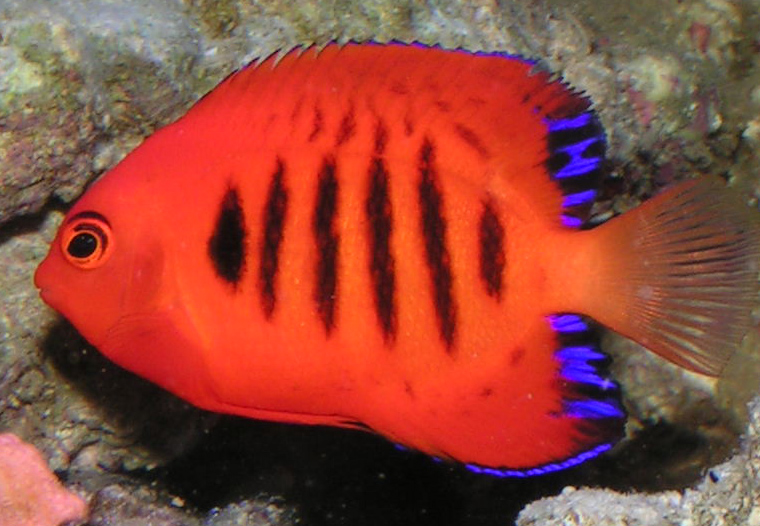
The flame angelfish (Centropyge loricula) is one of the most popular dwarf angelfish in the saltwater hobby. Its bright orange-red body and vertical black bars make it a standout in any reef or fish-only tank. Many keepers compare it to the coral beauty angelfish because both stay small and add intense color. But the flame angelfish has its own needs, especially when it comes to tank size and feeding. This guide covers everything from setup to long-term health.
Flame angelfish are native to the Pacific Ocean, from the Great Barrier Reef to the Marshall Islands. They reach an adult size of about 4 inches, but they need much more room than that suggests. A 70-gallon tank is the practical minimum for one adult. They are active grazers that spend the day picking at live rock for small crustaceans and algae. Before bringing one home, your tank should be fully cycled. You can review the aquarium nitrogen cycle if you need a refresher.
Water quality is critical for this species. Keep temperature between 72 and 78 degrees Fahrenheit, pH from 8.1 to 8.4, and specific gravity from 1.023 to 1.025. These numbers should stay stable, not swing. Flame angelfish are not the hardest saltwater fish, but they are not a beginner fish either. Sudden parameter shifts can lead to stress and disease. A reliable heater and regular testing are essential. You can see current gear options in our best aquarium heaters guide.
According to species profiles on LiveAquaria, flame angelfish do best in a mature tank with plenty of live rock. They are omnivores that need both meaty and algae-based foods. In terms of compatibility, they are generally peaceful but can become territorial with similar-looking fish. This guide will walk you through each step. You will learn how to set up the tank, choose tank mates, feed properly, and spot problems early.
How Do You Care for Flame Angelfish?
- Set Up a 70-Gallon or Larger Tank with Live Rock
Start with a tank of at least 70 gallons for a single flame angelfish. A 75-gallon tank is a good standard size. Even though this fish stays under 4 inches long, it is an active grazer that needs horizontal swimming space. A small tank causes stress, stunted growth, and aggression. If you plan to keep a pair or several peaceful tank mates, use a 90-gallon or larger system. The extra water volume also helps keep nitrate levels lower between water changes.
Add plenty of live rock. Flame angelfish use rockwork to hide, sleep, and graze on microalgae and tiny invertebrates. Arrange the rock to create caves, overhangs, and open swimming lanes. This layout reduces territorial conflicts and gives the fish a natural routine. A 1 to 2 inch sand bed is fine. Use dry rock or cured live rock from a trusted source. Avoid adding uncured rock to a stocked tank because it can cause ammonia spikes.
Cycle the tank completely before adding the fish. You can review how to cycle a fish tank for a step-by-step method. A cycled tank converts ammonia to nitrite and then to nitrate. Flame angelfish are sensitive to ammonia and nitrite. Test the water with a reliable saltwater kit such as the API Saltwater Master Test Kit. Ammonia and nitrite should read zero. Nitrate should be below 20 ppm before you add the angelfish.
Install a strong protein skimmer and good flow. Flame angelfish do not need extreme current, but moderate flow helps keep dissolved oxygen high. A hang-on-back or sump filter rated for a larger tank works well. You can compare options in our best aquarium filters guide. Keeping the water clean before the fish arrives makes the transition much easier. A mature tank with some algae and copepods is even better.

- Maintain Stable Saltwater Parameters and Water Quality
Flame angelfish tolerate a fairly standard reef temperature range. Keep the water between 72 and 78 degrees Fahrenheit. More important than the exact number is stability. A reliable heater with a controller prevents overnight drops and daytime spikes. If you need a new heater, check our best aquarium heaters roundup. Use a digital thermometer and check it daily. Sudden temperature changes are a common cause of ich and other stress-related issues.
Aim for pH between 8.1 and 8.4, alkalinity between 8 and 12 dKH, and salinity at 1.023 to 1.025 specific gravity. Calcium and magnesium are less critical for fish-only tanks, but they matter if you keep corals. Use a high-quality marine salt mix and mix it to the correct salinity before water changes. You can check the Instant Ocean Sea Salt on Amazon if you need a reliable option. Match new water to the display tank in temperature and salinity.
Test ammonia, nitrite, and nitrate weekly at first. Once the tank matures, you can test every two weeks. Ammonia and nitrite should stay at zero. Nitrate should remain under 20 ppm for a fish-only tank and under 10 ppm for a reef tank. If nitrate climbs, step up your water change schedule. You can see how often to perform changes in our water change guide. Consistency is more useful than chasing perfect numbers.
Use reverse osmosis deionized water for mixing saltwater if your tap water has high phosphate or silicate. Tap water can fuel nuisance algae and stress corals. A rodi unit is a good long-term investment. Keep a log of your test results. That log helps you spot trends before they become emergencies. Flame angelfish can live many years if water chemistry does not swing.

- Choose Compatible Tank Mates Carefully
Flame angelfish are semi-aggressive. They are peaceful with most fish that do not look like them, but they can chase small, shy fish. Good tank mates include clownfish, cardinalfish, royal grammas, blennies, and peaceful wrasses. Avoid housing them with large, aggressive fish like triggers, large puffers, or groupers. Those fish may bully or eat the angelfish. You can read about a close relative in our coral beauty angelfish care guide to see similar compatibility needs.
Do not keep two flame angelfish together unless you have a very large tank and an established male-female pair. Two males will fight. Even a male and female may not pair off in an aquarium. If you want multiple dwarf angels, choose different species and provide lots of rockwork. Still, that is a risk. A better plan is one dwarf angelfish per tank. This single-fish rule prevents most serious aggression problems.
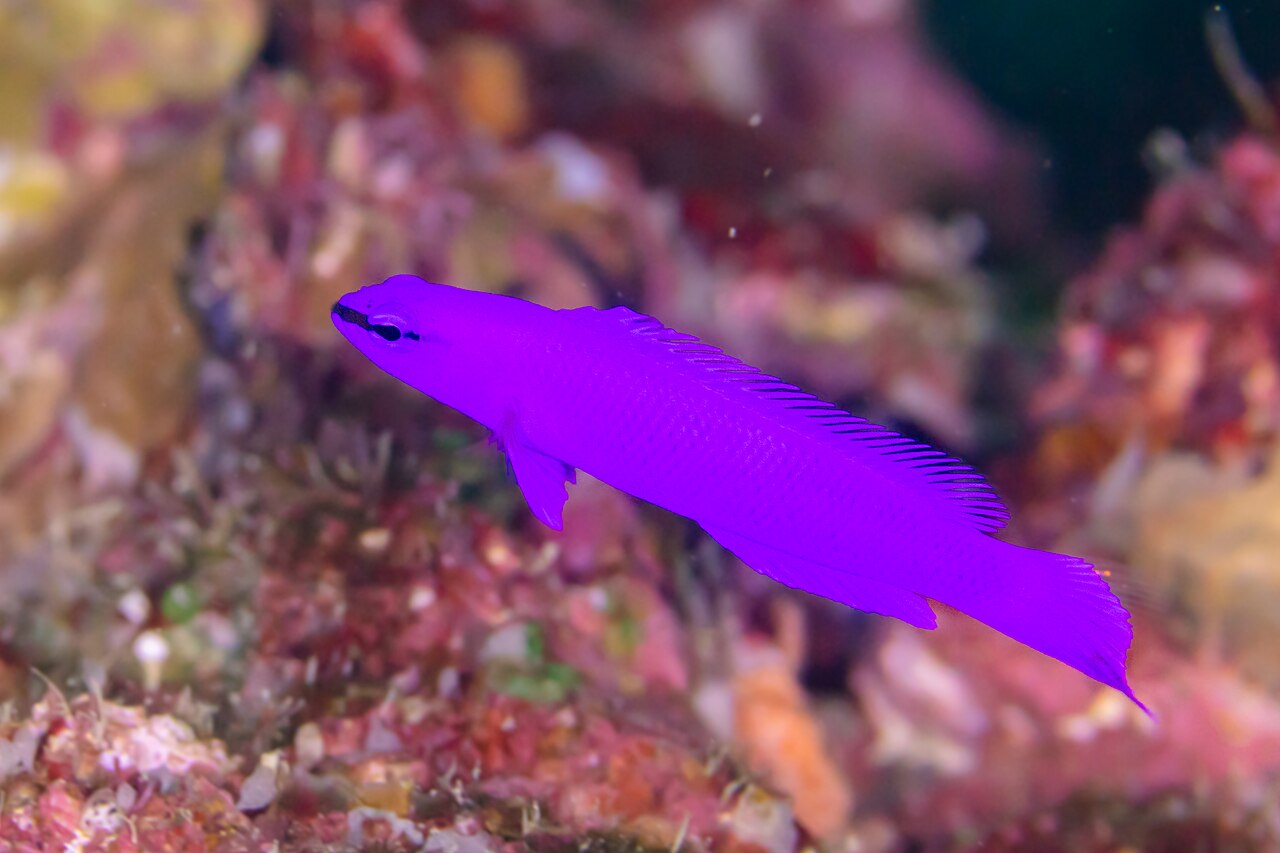
Flame angelfish can be kept with many peaceful community fish. Good examples include ocellaris clownfish, royal grammas, and bangaii cardinalfish. These fish occupy different levels of the tank and do not usually compete for the same hiding spots. Avoid slow, long-finned fish like small seahorses or pipefish. The angelfish may outcompete them for food. Also avoid dottybacks and some damsels if your tank is under 100 gallons because they can be territorial.
Add the flame angelfish last if possible. This reduces the chance that it claims the whole tank as its territory. When adding new fish later, rearrange some rockwork to break up established territories. Watch the tank closely for the first 48 hours. Some chasing is normal, but constant attacks or a fish hiding without eating is not. Have a plan to separate fish if needed.
- Feed a Varied Omnivorous Diet
Flame angelfish are omnivores. In the wild they graze on algae, small crustaceans, and sponge material. In captivity they need a mix of meaty and plant-based foods. Offer high-quality marine flakes or pellets daily. Omega One Marine Flakes are a good staple for many keepers. Choose a formula with whole fish and kelp listed near the top. Avoid foods with lots of fillers or artificial colors.
Feed small amounts two to three times per day. Only offer what the fish can eat in about two minutes. This grazing schedule matches their natural behavior. Soak pellets in a vitamin supplement once or twice a week. You can also feed frozen mysis shrimp, brine shrimp, and finely chopped seafood. Nori or dried seaweed sheets clipped to the glass provide the algae portion. A varied diet keeps colors bright and supports immune health.
If you have a reef tank, target feed the angelfish to reduce coral nipping. A well-fed flame angelfish is less likely to sample corals and clams. Still, hunger is not the only reason they nip. Some individuals simply develop a taste for certain polyps. Feed at the same time each day. This helps the fish feel secure and reduces stress around feeding time. Remove uneaten food after a few minutes to protect water quality.
Do not rely on live rock alone to feed your angelfish. A new tank will not have enough natural growth for a large omnivore. Even a mature tank may not supply enough food. Supplement with prepared foods every day. You can culture copepods in a refugium as an extra treat. These small pods give the fish a natural foraging activity. They also help keep the tank’s microfauna stable.
- Acclimate and Quarantine Every New Fish
Flame angelfish are often collected from the wild. They can arrive stressed or carrying parasites. A quarantine tank is the best way to protect your display. Set up a simple 10 to 20 gallon tank with a sponge filter, heater, and some PVC pipe for hiding. Do not use live rock in quarantine because many treatments can kill it. The Aquarium Co-Op quarantine method is a good reference. It focuses on observation and targeted treatment instead of routine medication.
Acclimate the fish slowly. Float the bag in the quarantine tank for 15 minutes. Then drip acclimate for 30 to 60 minutes. This method slowly matches the bag water to your tank water. Use airline tubing with a knot or valve to control the drip. After acclimation, move the fish into quarantine without pouring bag water into the tank. Bag water often contains ammonia and potential pathogens.
Observe the fish in quarantine for at least two to four weeks. Look for white spots, rapid breathing, red streaks, or a refusal to eat. Ich is a common saltwater disease that shows up after the stress of shipping. Keep the quarantine tank clean with small, frequent water changes. Feed the fish well during this period. A fish that eats in quarantine has a much better chance in the display.
Only move the fish to the display tank after the quarantine period ends and the fish is healthy. Use a net or container rather than your hands. Never release fish from quarantine if you used medication that is not safe for invertebrates. This is critical in a reef tank. Once in the display, dim the lights for the first few hours. This reduces stress and gives the fish time to explore the rockwork.
- Provide Plenty of Hiding Spots and Visual Barriers
Flame angelfish need secure hiding places. They are bold once settled but will hide when stressed. Use rock structures with multiple caves and crevices. Each fish should have a spot where it can disappear completely. This is especially important in a community tank. A fish that cannot hide may become stressed and stop eating. It may also become more aggressive because it feels exposed.
Arrange rockwork so there is no direct line of sight across the entire tank. Visual barriers break up territories. This reduces chasing between the angelfish and other semi-aggressive species. You can use tall rock formations, arches, or even reef-safe artificial decorations. Make sure the rock is stable. A collapsing rock stack can injure fish and break the glass.
Include open swimming space in the front and middle of the tank. Flame angelfish like to dart between rockwork and open water. If the tank is too crowded with rock, the fish may stay hidden too often. Aim for a balance. Many keepers use about 1 to 1.5 pounds of live rock per gallon, but the actual amount depends on the rock density. Leave enough room for the fish to turn around and swim freely.
Live rock is more than decoration. It provides a surface for beneficial bacteria and small crustaceans. The angelfish will pick at this growth all day. This behavior keeps the fish busy and reduces aggression. If you use dry rock, it will take time to develop this coating. You can speed it up with bottled bacteria and regular feeding. The rock becomes a living part of the tank over time.
- Watch for Stress, Aggression, and Disease
A healthy flame angelfish is active, alert, and has bright colors. It should swim in and out of rockwork and eat with interest. Watch for clamped fins, rapid gill movement, or pale coloration. These can be early signs of stress or disease. Weight loss is another red flag. If the fish eats but still looks thin, it may have internal parasites. In some cases, a fish will stop eating altogether.
Common saltwater diseases include marine ich, velvet, and bacterial infections. Ich appears as small white dots on the body and fins. Velvet often causes a dusty gold or gray coating and fast breathing. Bacterial infections may cause red streaks, cloudy eyes, or frayed fins. If you notice these signs, act quickly. Move the fish to a treatment tank if possible. You can read more about treating ich in a saltwater aquarium.
Aggression is another common problem. A flame angelfish may chase new tank mates or be chased by established fish. Some aggression is normal for the first day or two. If it continues, you may need to rearrange rockwork or remove a fish. Adding a new fish at night can help reduce immediate aggression. Use an acclimation box for the new fish so tank mates can see it without contact.
Water quality problems often look like disease. Before adding medication, test ammonia, nitrite, and nitrate. A water change can fix many early issues. Keep a quarantine tank ready for emergencies. Quick action saves fish. Maintain a regular observation routine. Ten minutes a day spent watching your fish can catch problems long before they become serious. That habit is one of the best parts of responsible fishkeeping.

Red Flags & Warnings
- 🚨 Do not keep a flame angelfish in a tank smaller than 70 gallons. A cramped tank leads to stress, aggression, and poor health.
- 🚨 Avoid housing two flame angelfish together unless you have a very large system and an established pair. Two males will fight until one dies.
- 🚨 Do not assume flame angelfish are fully reef safe. Some individuals nip at LPS corals, zoanthids, and clams.
- 🚨 Never skip quarantine. Wild-caught flame angelfish often carry parasites that can infect your whole display.
- 🚨 Do not use copper-based medications in a reef tank or with invertebrates. Copper can kill corals, shrimp, and snails.
- 🚨 Avoid sudden changes in temperature, salinity, or pH. Rapid shifts trigger ich and stress-related deaths.
Frequently Asked Questions
Are flame angelfish reef safe?
Flame angelfish are reef safe with caution. Many individuals leave corals alone, but some nip at LPS polyps, zoanthids, and clam mantles. Keep them well fed and monitor your corals. Have a backup plan if nipping starts.
What size tank does a flame angelfish need?
A single flame angelfish needs at least a 70-gallon tank. A 75-gallon tank or larger is better. If you keep one with other fish, choose a 90-gallon or larger system to reduce aggression and maintain water quality.
What do flame angelfish eat?
Flame angelfish eat a mix of meaty and algae-based foods. Offer marine flakes or pellets, frozen mysis shrimp, brine shrimp, and nori sheets. Feed small portions two to three times daily.
Can you keep two flame angelfish together?
It is not recommended for most home aquariums. Two flame angelfish will often fight unless they are an established male-female pair in a very large tank. A single specimen is safer.
How long do flame angelfish live?
With proper care, flame angelfish can live 5 to 7 years in a home aquarium. Some may live longer in very stable systems. Stable water parameters and a varied diet are key.
Are flame angelfish good for beginners?
They are better suited for intermediate saltwater keepers. They need a mature, stable tank and are sensitive to poor water quality. Beginners should first master cycling, water changes, and basic saltwater chemistry.
What Should You Remember?
- Tank size: Provide at least 70 gallons for one flame angelfish, with more room for tank mates.
- Water parameters: Keep temperature at 72-78°F, pH 8.1-8.4, and salinity 1.023-1.025.
- Diet: Feed marine flakes, pellets, frozen foods, and algae sheets two to three times daily.
- Compatibility: Choose peaceful tank mates and avoid other dwarf angelfish unless very experienced.
- Quarantine: Observe every new flame angelfish in a separate tank for two to four weeks.
- Reef caution: Expect possible coral nipping, especially with LPS corals and clams.
- Observation: Watch daily for spots, aggression, and refusal to eat to catch problems early.
This article is for general information only and is not a substitute for professional veterinary or aquarium specialist advice. Always research the specific needs of your fish and consult an expert before making care decisions.