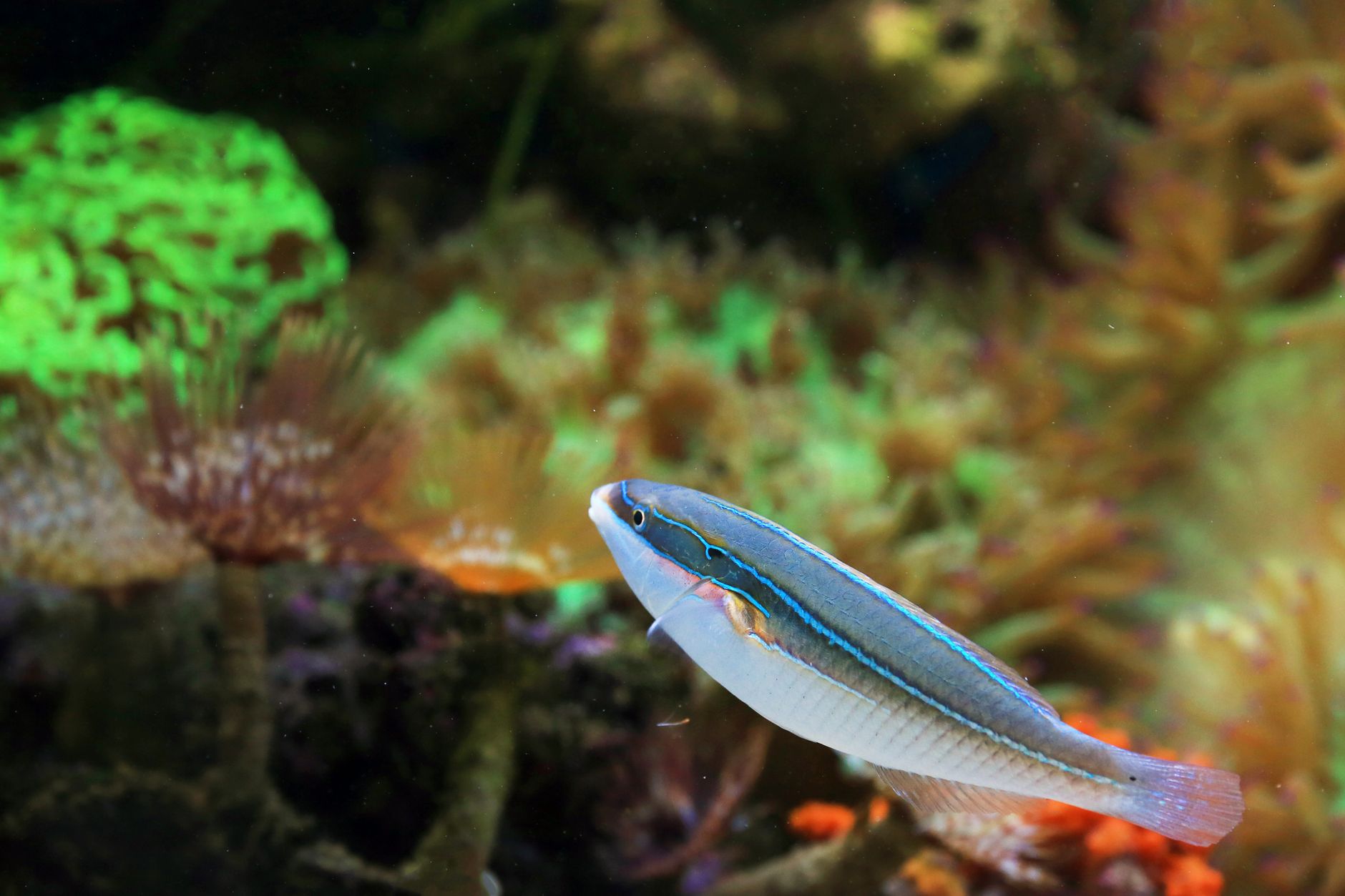
Flasher wrasse are some of the most colorful fish you can add to a saltwater aquarium. These small, peaceful fish come from the Indo-Pacific and are known for the males’ dramatic color flashes during courtship. They stay relatively small, usually between 3 and 4 inches, which makes them a good fit for many reef tanks. Still, they have specific needs. Before adding one, make sure your tank is fully cycled. A stable biological filter is the foundation of flasher wrasse health. Review the aquarium nitrogen cycle explained to understand how ammonia and nitrite are controlled.
The first thing to plan is security. Flasher wrasse are exceptional jumpers. A tight-fitting mesh lid or screen top is not optional, even on a large tank. They also need open swimming areas and rockwork to retreat into. Hobbyists often ask about temperament. These fish are peaceful and will not compete well with aggressive tank mates. Aquarium Co-Op suggests matching species with similar activity levels and feeding habits to reduce stress. For flasher wrasse, that means calm tank mates and plenty of cover.
This guide covers everything from tank size and water parameters to diet and compatibility. You will learn how to set up a flasher wrasse-friendly environment and avoid common mistakes. The species is not the most demanding wrasse, but it still needs consistent care. If you are building a new system from scratch, check out best beginner fish tanks for equipment and setup advice. A well-planned tank makes all the difference.
Flasher wrasse care is manageable for intermediate aquarists who can keep stable parameters. They are hardy once established but sensitive to sudden swings in temperature, salinity, and pH. The steps below walk through tank setup, water quality, feeding, and long-term maintenance. Each section builds on the next. With the right approach, your flasher wrasse can live five years or more and become the centerpiece of your reef.
What You’ll Need
- 55-gallon or larger aquarium
- secure mesh lid or screen top
- protein skimmer
- reliable heater and thermometer
- refractometer
- quarantine tank with sponge filter
- frozen mysis shrimp and marine pellets
How Do You Care for Flasher Wrasse?
- Choose a 55-gallon tank with a secure mesh top
Flasher wrasse are small but active swimmers. A single adult reaches about 3 to 4 inches, but the fish spends much of its day darting through open water. A 55-gallon tank is the practical minimum for one flasher wrasse. If you plan to keep a male with several females, a 75-gallon tank gives the group enough space and reduces territorial stress. LiveAquaria lists a 55-gallon minimum for these wrasses, and most experienced keepers agree. Choose a tank with a longer footprint rather than a tall column so the fish can swim horizontally.
Aquascaping matters more than most people expect. Arrange live rock in stacked formations with caves, arches, and overhangs. Flasher wrasse use these hiding spots to feel secure and to sleep. At the same time, leave a large open area near the front or middle of the tank. These fish need room to display and chase. Avoid overcrowding the rockwork. The fish should be able to retreat but not be forced into constant hiding. A fine sand substrate is not required, but a soft bottom can help if the wrasse dives down when startled.
A secure top is non-negotiable. Flasher wrasse are known for launching themselves through any small gap. Use a frame with 1/4-inch mesh screening or a tight-fitting glass lid. Make sure there are no openings around power cords or return lines. If you are setting up a new tank, how to cycle a fish tank will help you establish the biological filter before adding any wrasse. A stressed or newly introduced flasher wrasse is much more likely to jump, especially when the lights first turn on or off.
Skipping the proper tank size or cover often ends badly. A cramped tank makes flasher wrasse more aggressive toward each other and more vulnerable to bullying. An open top almost guarantees a carpet-surfing incident. Plan the tank from the start with swimming space, rockwork, and a secure lid. This step lays the foundation for everything else.

- Keep water parameters stable at 72-78°F and pH 8.1-8.4
Flasher wrasse come from tropical Indo-Pacific reefs where conditions are stable. In the aquarium, aim for a temperature between 72 and 78 degrees Fahrenheit, a pH of 8.1 to 8.4, and a specific gravity between 1.020 and 1.025. These numbers are not extreme, but the fish will suffer if they swing. Alkalinity should stay between 8 and 12 dKH. Stable parameters are more important than chasing perfect values. Use a reliable thermometer and test regularly.
Invest in a good heater and keep it on a controller if possible. Flasher wrasse do not tolerate sudden temperature drops or spikes. A quality heater prevents nighttime cooling or equipment failure. See best aquarium heaters 2026 for options that work well in saltwater tanks. Pair the heater with a separate thermometer, not just the built-in dial. That way you catch drift before it becomes a problem.
Salinity stability is just as important as temperature. Evaporation raises salinity between water changes. An auto top-off system adds fresh water slowly to keep levels steady. Check the auto top off system on Amazon to reduce daily manual top-offs. Use a refractometer to check salinity weekly. Top off with reverse osmosis or dechlorinated freshwater, never saltwater.
Test ammonia, nitrite, nitrate, pH, and alkalinity each week. New tanks tend to drift until the biological filter matures. If you notice pH dropping, check alkalinity and consider a water change. Keeping parameters stable reduces stress and allows the flasher wrasse to display its best color.
- Feed a varied meaty diet two to three times per day
Flasher wrasse are carnivorous and need a diet built around meaty marine foods. In the wild they feed on zooplankton, small crustaceans, and other tiny prey. In the aquarium, offer frozen mysis shrimp, brine shrimp, chopped krill, and finely chopped seafood. High-quality marine pellets and flakes can supplement frozen foods. Variety is the key. A mix of frozen, freeze-dried, and pellet foods prevents nutritional gaps.
Feed small amounts two to three times per day rather than one large meal. Flasher wrasse have high metabolisms and do best with frequent feedings. Each portion should be eaten within a minute or two. If food falls to the bottom and rots, you are overfeeding. Check the frozen mysis shrimp on Amazon for a staple food that most flasher wrasse readily accept. Thaw frozen food in tank water before feeding.
Some newly introduced flasher wrasse may be shy about eating. Try live brine shrimp or live blackworms to stimulate a feeding response. Once the fish is eating, mix in frozen and prepared foods. Adding a vitamin supplement or amino acid soak can improve color and immune health. Avoid feeding only flake food. These wrasses need animal protein to thrive.
Watch each individual at feeding time. Aggressive tank mates may outcompete flasher wrasse. If you see the wrasse hanging back, target feed with a baster or feeding tube. Consistent feeding also helps them settle in and reduces stress-related hiding.

- Choose peaceful reef-safe tank mates
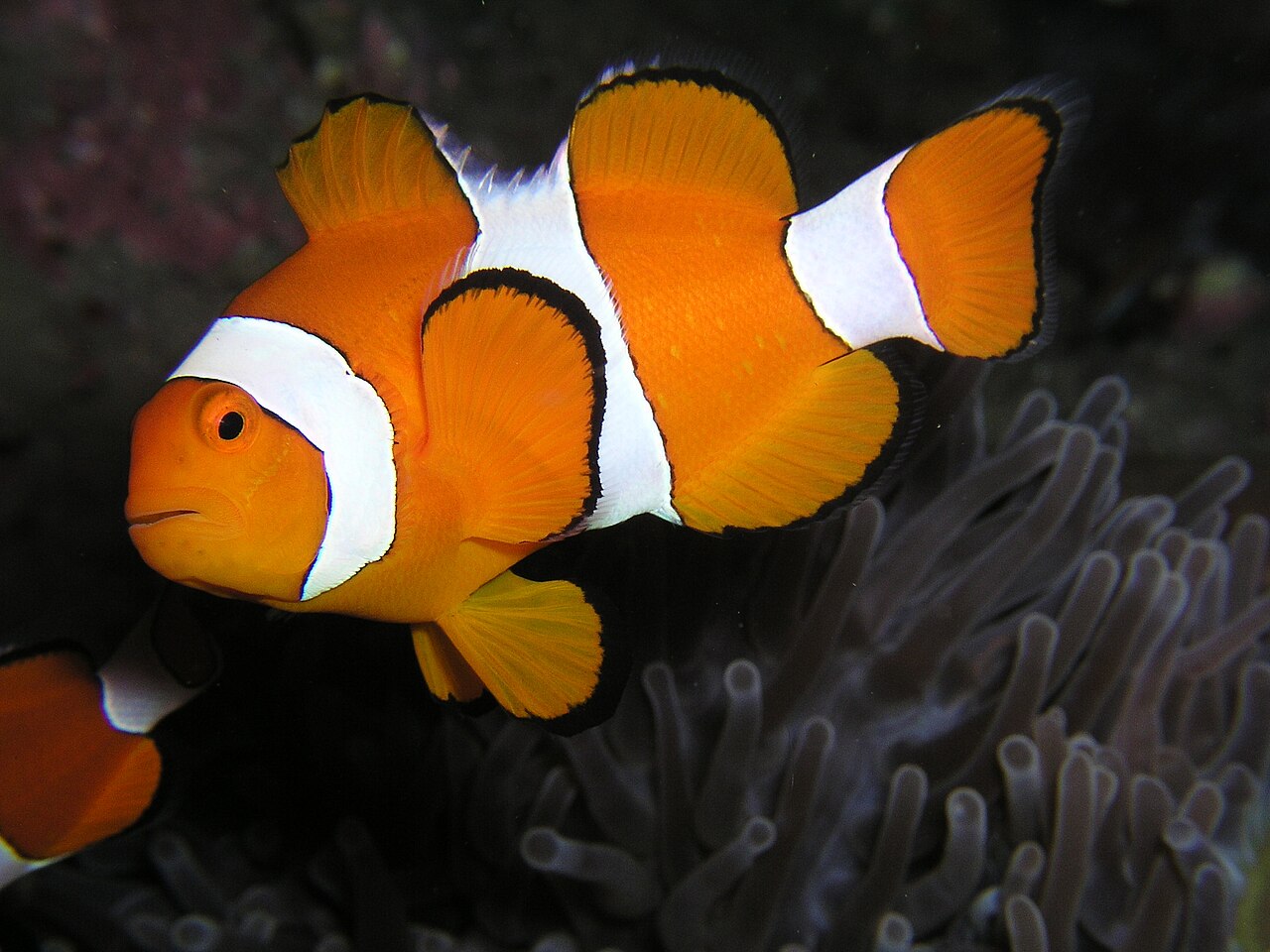
Flasher wrasse belong in a peaceful community tank. Good tank mates include small clownfish, gobies, blennies, cardinalfish, firefish, and smaller fairy wrasses. These species share a calm temperament and are less likely to bully the wrasse. For example, clownfish ocellaris care guide describes a species that can coexist well with flasher wrasse in a properly sized tank. Avoid fish that chase or outcompete them.
Some wrasses and dottybacks are too aggressive. A six-line wrasse care guide explains that six-line wrasses can become territorial and harass similar-shaped fish. Large dottybacks, triggers, and some hawkfish can also view flasher wrasse as a target. If you want multiple wrasses, choose peaceful species and introduce them carefully. In general, a flasher wrasse should not share a tank with fast, aggressive feeders that dominate the water column.
Flasher wrasse are considered reef safe. They do not nip at corals, anemones, or larger invertebrates. Some individuals may eat tiny ornamental shrimp or very small crabs, but most leave them alone. Still, if you keep rare or delicate shrimp, observe the fish after introduction. Live rock with microfauna can provide natural foraging opportunities.
When keeping more than one flasher wrasse, stock one male with two to four females. Multiple males will fight in all but the largest systems. A male in the presence of females will flash more often, showing the brilliant colors that give the group its name. Add all group members at the same time or add females before the male.
- Quarantine new fish and acclimate slowly
Every new flasher wrasse should go through quarantine. Use a 10- or 20-gallon tank with a simple sponge filter and PVC pipe for hiding. Observe the fish for at least two to four weeks. This period lets you watch for signs of marine ich, velvet, flukes, or bacterial infection. Treat in quarantine if needed, where medications will not harm your main display.
Acclimation is critical because flasher wrasse are sensitive to rapid shifts. Float the bag for 15 minutes to match temperature. Then use airline tubing to drip tank water into the bag or a bucket at about two to four drops per second. Continue for 45 to 60 minutes until the water volume has roughly tripled. This slow process matches salinity, pH, and temperature without shock.
After drip acclimation, net the fish out and release it into the quarantine tank or display with lights dimmed. Do not pour shipping water into your system. Keep the lights low for the first day. A flasher wrasse that is scared may hide for a day or two. Offer small, tempting foods once it appears calm. If you are treating or observing disease, see how to treat ich in aquarium for a detailed plan.
Quarantine may feel like extra work, but it protects your established fish. It also gives a timid flasher wrasse time to start eating before facing competition. This step greatly improves long-term survival.
- Perform weekly water changes and maintain equipment
Consistent maintenance keeps water quality high. Change 10 to 20 percent of the water each week, depending on bioload. This removes dissolved organics and restores trace elements. If you are unsure about a schedule, how often to change aquarium water offers practical guidance. Match new saltwater to the tank temperature and salinity before adding it.
A protein skimmer is highly recommended. Flasher wrasse contribute to the bioload, and skimmable waste can fuel algae or nitrate problems. Check the protein skimmer on Amazon for a compact model that fits your sump or hang-on-back setup. Clean the skimmer cup regularly. Also inspect the return pump, heater, and mesh lid for salt creep or damage.
Keep nitrate below 10 ppm and phosphate below 0.05 ppm if possible. Some nitrate is normal, but rising levels signal a need for more frequent water changes or filtration. Test weekly until you learn the tank’s rhythm. Flasher wrasse will tolerate small fluctuations, but long-term elevated nutrients can lead to stress and disease.
Finally, remember the lid. After every water change, check that the mesh top is seated properly. A disturbed lid is a common cause of escapes. If you run an auto top-off system, make sure the sensor is clean and working. Stable water and secure equipment are central to flasher wrasse care.
- Monitor behavior and treat common health problems early
Healthy flasher wrasse are active, alert, and colorful. Males should periodically flare their fins and flash bright blues, reds, and yellows. If a fish hides constantly, breathes rapidly, or loses color, investigate. White spots, clamped fins, or flashing against rocks can indicate parasites. Velvet often appears as a fine gold dust. These signs require quick action.
Marine ich, velvet, and flukes are the most common health issues. Flasher wrasse are not especially disease-prone, but stress from poor water or aggression makes them vulnerable. If you spot symptoms, move the fish to a quarantine tank for treatment. Copper-based medications work for ich and velvet, but never dose copper in a reef tank with invertebrates. A freshwater dip can provide temporary relief, but it is not a cure.
Nutrition also plays a role in disease resistance. A varied meaty diet with vitamin supplements supports the immune system. Keep water parameters stable and reduce aggression. Sometimes adding more rockwork or removing a bully solves the problem. If the fish is being outcompeted for food, target feed while others eat.
Catching disease early is much easier than treating an advanced infection. Observe your flasher wrasse every day, especially around feeding time. The fish’s behavior tells you a lot about tank conditions. With quick response and proper care, most flasher wrasse recover well and return to normal flashing behavior.

Red Flags & Warnings
- 🚨 Never skip a secure mesh lid. Flasher wrasse are powerful jumpers and will escape through even small gaps.
- 🚨 Avoid aggressive tank mates such as large dottybacks, triggers, or territorial six-line wrasses.
- 🚨 Do not keep multiple male flasher wrasse in a tank smaller than 125 gallons.
- 🚨 Quarantine every new fish for at least two to four weeks before adding it to the display.
- 🚨 Keep salinity stable with an auto top-off system and weekly testing. Sudden swings can stress fish.
- 🚨 Never feed only plant-based flake food to flasher wrasse. They need meaty marine proteins.
Frequently Asked Questions
What size tank do flasher wrasse need?
A 55-gallon tank is the minimum for one flasher wrasse. A 75-gallon or larger is better if you want a small group with one male and several females.
Are flasher wrasse reef safe?
Yes, flasher wrasse are generally reef safe. They do not nip at corals or anemones, but some may eat very small ornamental shrimp or tiny crabs.
What do flasher wrasse eat?
They need a varied carnivorous diet. Feed frozen mysis shrimp, brine shrimp, chopped krill, and quality marine pellets two to three times per day.
Can flasher wrasse live with clownfish?
Yes, peaceful species like clownfish make good tank mates. Avoid aggressive fish that chase or outcompete the wrasse for food.
How many flasher wrasse can I keep together?
Keep one male with two to four females in a tank of 75 gallons or more. Multiple males will fight unless the system is very large.
Why is my flasher wrasse hiding and not eating?
Hiding and appetite loss usually come from stress caused by acclimation, aggression, or poor water quality. Check parameters, reduce disturbances, and offer live food to entice it.
What Should You Remember?
- Tank size: Provide at least 55 gallons with a secure mesh top.
- Water quality: Keep temperature at 72-78°F and pH at 8.1-8.4.
- Diet: Feed meaty marine foods two to three times per day.
- Tank mates: Choose peaceful, reef-safe fish only.
- Quarantine: Isolate all new flasher wrasse before display introduction.
- Maintenance: Perform weekly water changes and test parameters regularly.
- Observation: Watch for jumping, hiding, and color loss as stress signs.
This article is for general information only and is not a substitute for professional veterinary or aquarium specialist advice. Always research the specific needs of your fish and consult an expert before making care decisions.