How to Keep Rummy Nose Tetras: Tank Size, Diet, and Compatibility

How to Keep Rummy Nose Tetras: Tank Size, Diet, and Compatibility

Quick Answer: Rummy nose tetras need a 20-gallon long tank, a group of six or more, and water kept at 74 to 82 degrees Fahrenheit with a pH of 5.5 to 7.0. Feed small flakes or micro pellets daily plus live or frozen foods twice weekly. Keep them with peaceful tank mates only, and watch their red noses for signs of stress. Rummy nose tetras are small, peaceful characins from South America. Their bright red head and striped black-and-white tail make them a favorite. They school tightly and bring movement to planted tanks. But they are not the easiest starter fish. You need stable water and enough space. In this guide, you will learn how to choose the right tank, feed them correctly, and pick compatible tank mates. They are often compared with cardinal tetras and neon tetras, but their needs are specific and worth understanding before you buy. ...
August 15, 2026 · 15 min · Jarrod Gravison
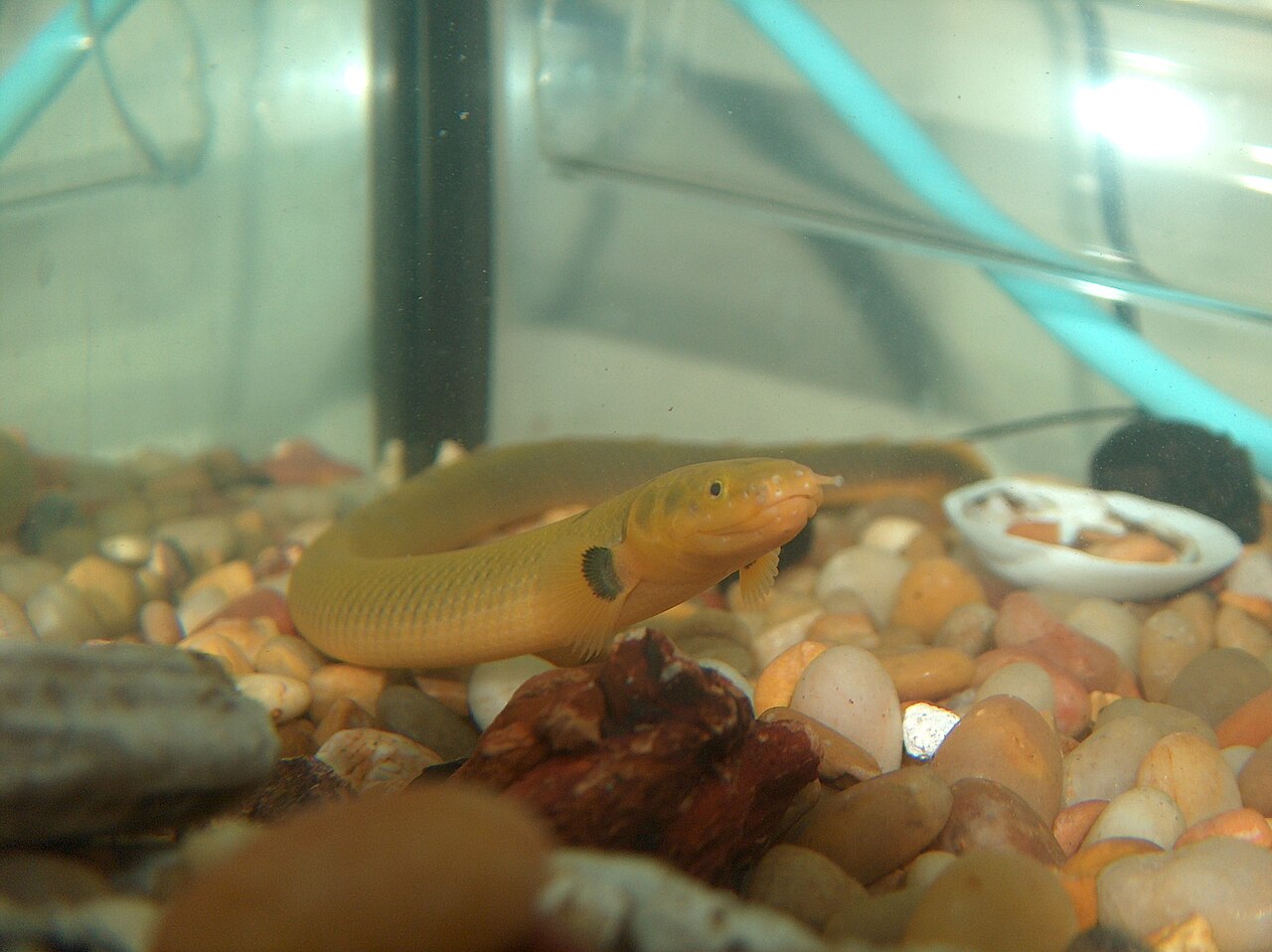
Erpetoichthys calabaricus ropefish

How to Care for Rope Fish: Tank Size, Diet, and Compatibility (2026)

Quick Answer: Rope fish need a 55-gallon or larger tank with a tight-fitting lid and soft sand. Keep water at 72-82°F, pH 6.5-8.0. Feed meaty frozen foods and sinking pellets. Keep them with peaceful tank mates and in groups of three or more. Rope fish, also called reedfish or Erpetoichthys calabaricus, are long, slender oddballs from slow-moving freshwater habitats in West and Central Africa. They are not true eels, but they look like them. A full-grown rope fish can reach 15 to 20 inches in length. That length surprises many new keepers. The fish needs a long tank, not a tall one. Before you buy one, it helps to understand how the aquarium nitrogen cycle explained affects your setup. ...

August 15, 2026 · 13 min · Jarrod Gravison
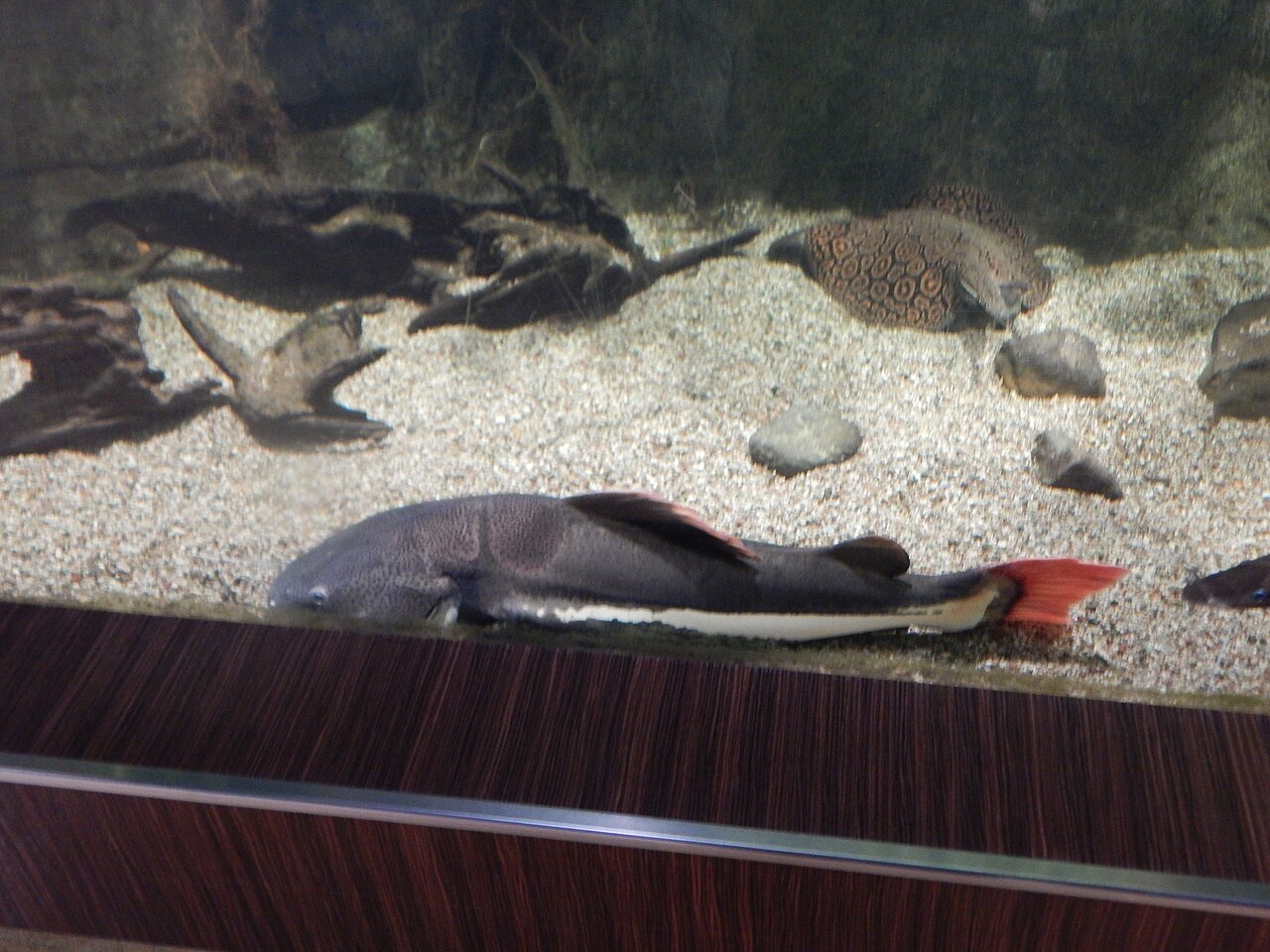
Phractocephalus hemioliopterus redtail catfish

How to Care for Redtail Catfish: Tank Size, Diet, Compatibility (2026)

Quick Answer: Redtail catfish need a 1,000-gallon or larger aquarium or indoor pond as adults, water at 75-82°F and pH 6.0-7.5, and a protein-heavy diet. They eat smaller tank mates, so keep them solo or with very large, fast fish. Expect frequent large water changes. Redtail catfish (Phractocephalus hemioliopterus) look adorable as 2-inch juveniles in a dealer tank, but they grow into one of the largest freshwater fish available to hobbyists. A full-grown redtail can reach 3 to 4 feet long and weigh over 80 pounds. This guide explains what that growth means for your tank, your filter, and your stocking choices. Do not buy one before you read every section carefully. ...

August 15, 2026 · 11 min · Jarrod Gravison
How to Care for Ram Cichlids: Tank Size, Diet, and Compatibility (2026)

How to Care for Ram Cichlids: Tank Size, Diet, and Compatibility (2026)

Quick Answer: Ram cichlids need a mature 20-gallon or larger tank with soft, acidic water between 78°F and 85°F and a pH of 5.0 to 7.0. Feed them small frozen, live, and pellet foods. Keep them in pairs with peaceful tank mates. They are sensitive fish, so stable water quality matters more than exact readings. Ram cichlids (Mikrogeophagus ramirezi) are among the most colorful dwarf cichlids in the freshwater hobby. Their electric blue spots, gold heads, and black eye stripes make them a favorite for planted tanks. Many new keepers try them after keeping hardier fish like neon tetras or guppies. Still, rams are not beginner fish. They demand stable water and low nitrates. This guide explains the care routine I use for long-term success. ...

August 15, 2026 · 15 min · Jarrod Gravison
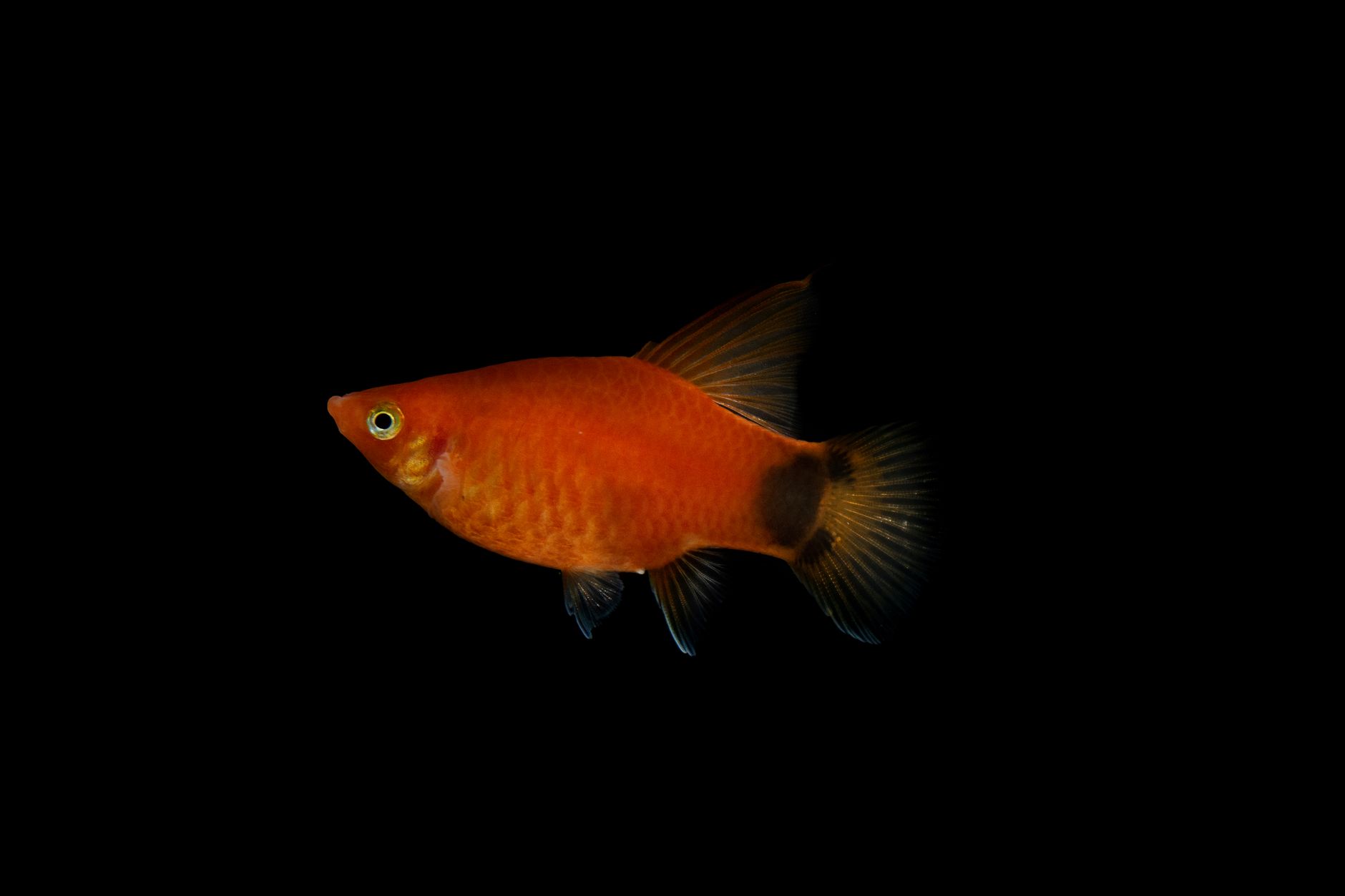
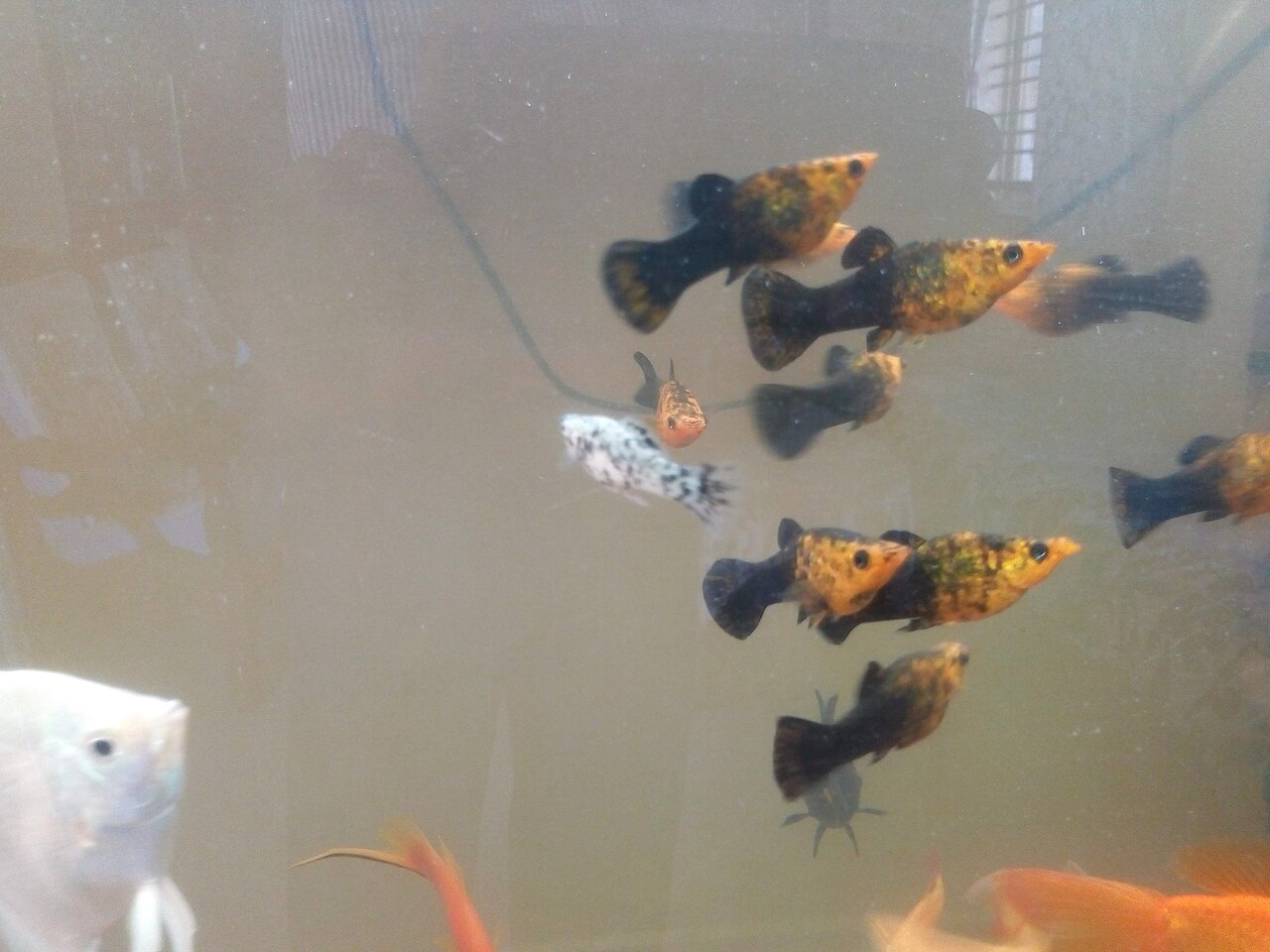
How to Care for Platy Fish: Tank Size, Diet, and Compatibility

How to Care for Platy Fish: Tank Size, Diet, and Compatibility

Quick Answer: Platies need a 10-gallon or larger tank kept at 70-77°F with pH 7.0-8.2. Feed them a varied diet of quality flakes, blanched vegetables, and small live or frozen foods. Keep them in groups of five or more with peaceful tank mates. Stable water and regular maintenance matter more than perfect numbers. Platies are among the most forgiving freshwater fish in the hobby, which is why they show up on nearly every best fish for beginners list. The common platy, Xiphophorus maculatus, reaches about 2 to 3 inches as an adult. They come from warm, slow-moving waters in Central America. Their small size and peaceful temperament make them a great fit for community tanks. But forgiving does not mean no care is required. ...

August 15, 2026 · 12 min · Jarrod Gravison
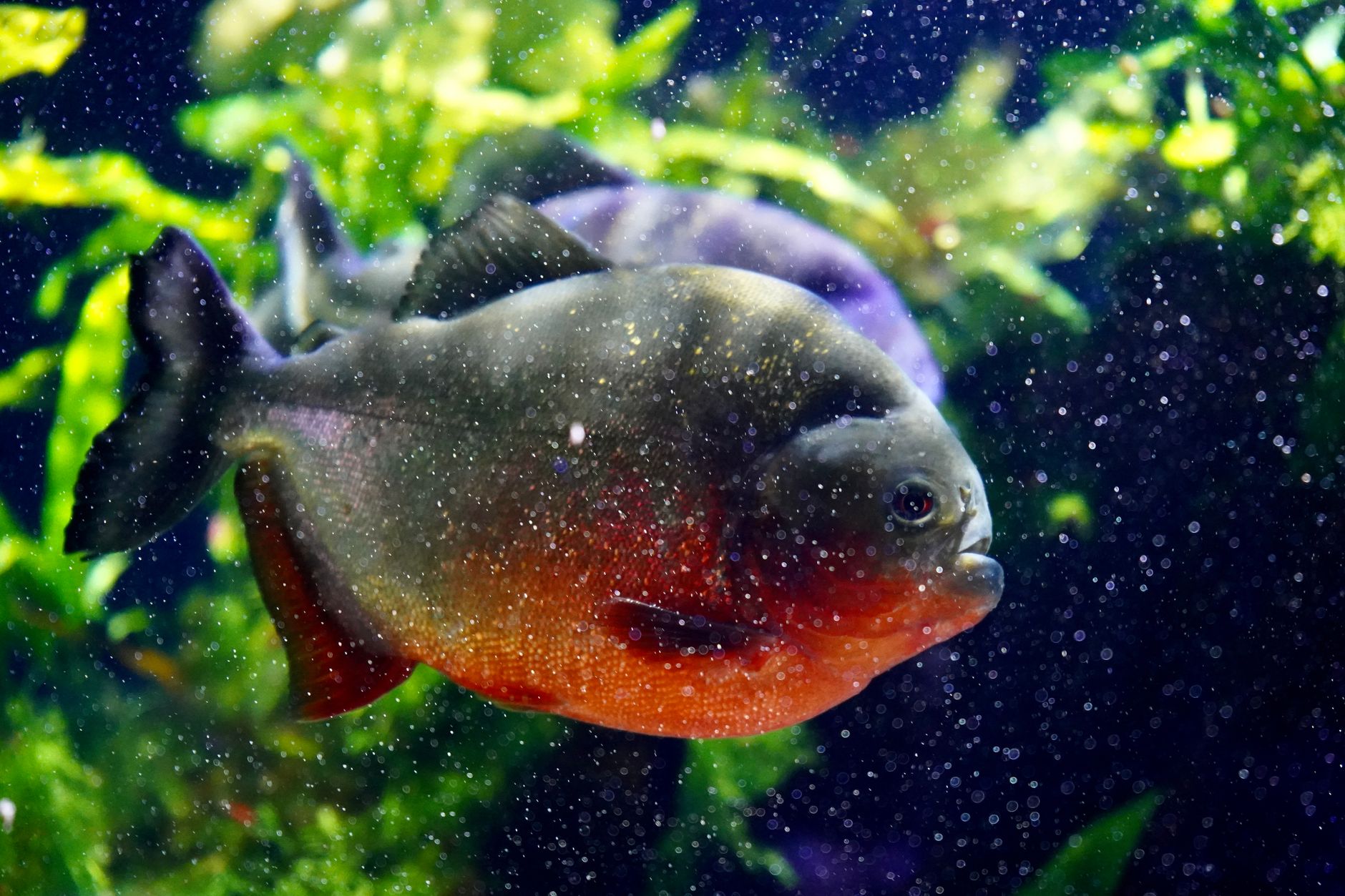
How to Care for Red-Bellied Piranhas: Tank Size, Diet, Compatibility

How to Care for Red-Bellied Piranhas: Tank Size, Diet, Compatibility

Quick Answer: Red-bellied piranhas need a 75-gallon or larger tank for a group of four, water temperature of 78-82°F, pH 6.0-7.5, and a varied meaty diet. They are nervous schooling fish best kept in a species-only setup. Skip community fish and use a secure lid. Red-bellied piranhas (Pygocentrus nattereri) are often misunderstood. They are not the man-eating monsters from movies. In an aquarium, they are shy, nervous schooling fish. But they do grow large and need a serious setup. This guide covers tank size, diet, and compatibility. Before you add water, you need to understand the aquarium nitrogen cycle. A healthy cycle is the foundation for any piranha tank. ...

August 15, 2026 · 13 min · Jarrod Gravison
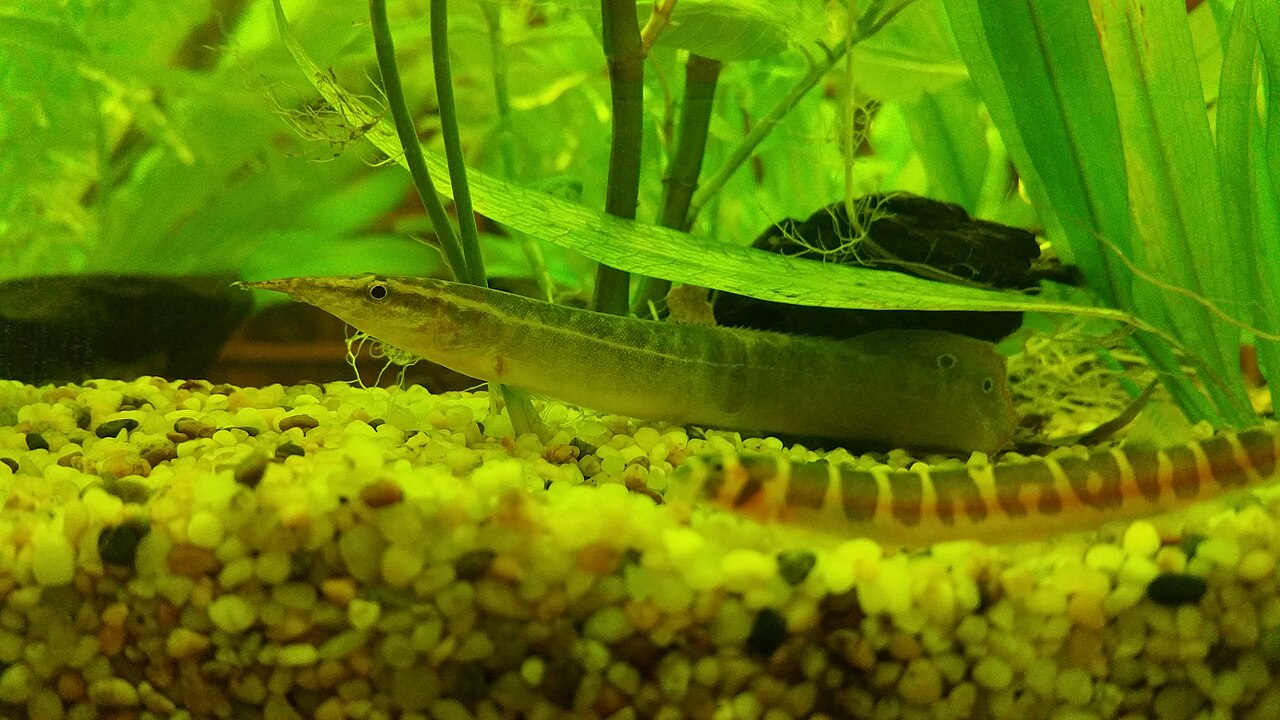
Macrognathus siamensis peacock eel

How to Care for Peacock Eels: Tank Size, Diet, and Compatibility

Quick Answer: A peacock eel needs at least a 55-gallon tank with soft sand, stable water at 75-82°F, pH 6.5-7.5, and a tight lid. Feed meaty frozen or live foods at night and keep it with peaceful tank mates. This shy spiny eel can reach 12 inches and lives best in a quiet, well-planted setup. Peacock eels, known scientifically as Macrognathus siamensis, are not true eels. They belong to the spiny eel family from slow-moving waters in Southeast Asia. Hobbyists love their intricate eye spots, long snout, and unusual swimming style. They stay smaller than many other spiny eels, but they still require a spacious tank and careful setup. This guide explains tank size, diet, compatibility, and daily care. If you plan to keep one, start here before you buy. The right environment prevents stress and disease. ...

August 15, 2026 · 13 min · Jarrod Gravison
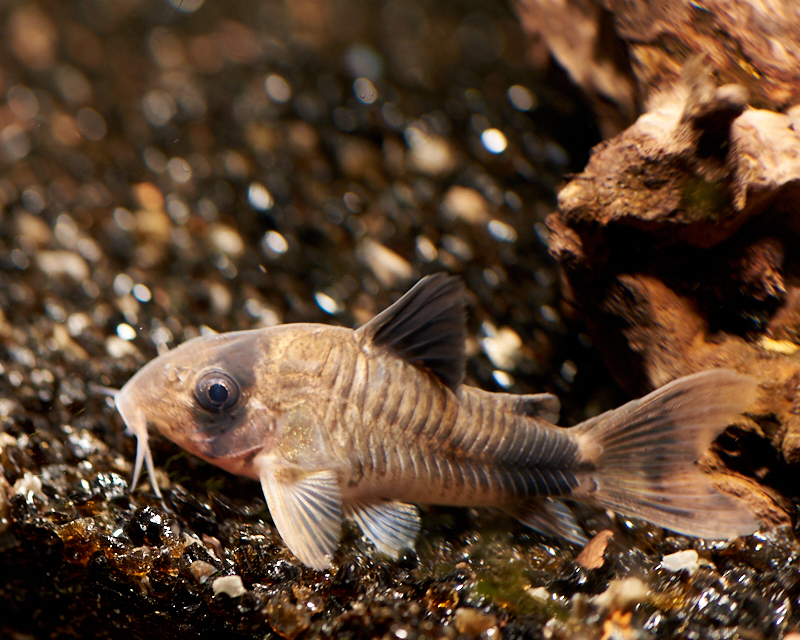
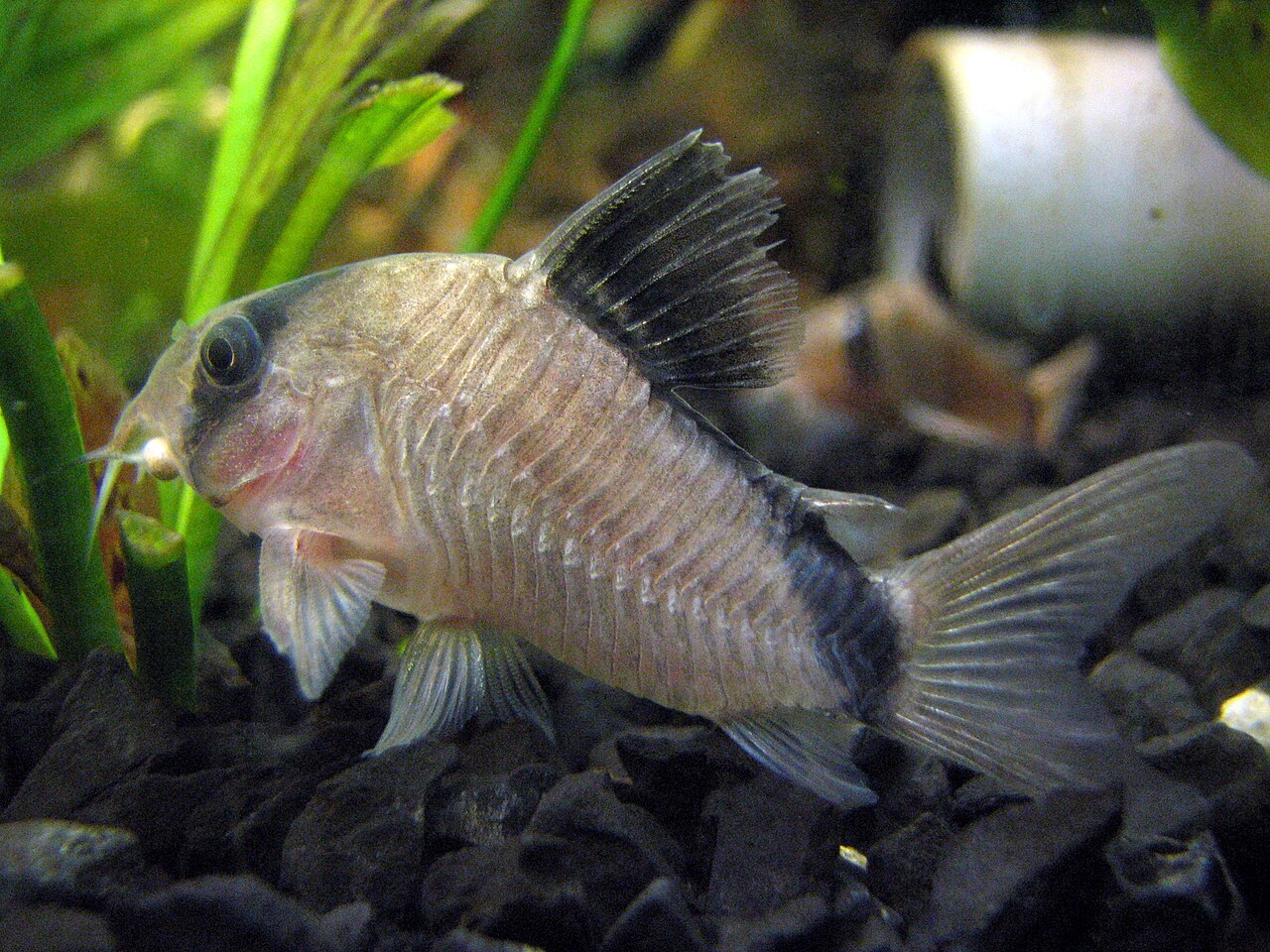
Corydoras panda panda corydoras

How to Care for Panda Corydoras: Tank Size, Diet, and Compatibility

Quick Answer: Keep panda corydoras in a 20-gallon long tank or larger, in a group of at least six. Maintain 72 to 77 degrees Fahrenheit and a pH of 6.0 to 7.5. Feed sinking pellets, frozen foods, and occasional live foods. Choose small, peaceful tank mates. Panda corydoras are one of the easiest ways to add movement to the bottom of a peaceful community tank. These small catfish come from the upper Amazon basin in Peru. They have a pale pink or cream body with a bold black band over each eye, a black dorsal fin patch, and a black spot at the tail base. Most adults stay right around 2 inches long. Because they are social, they do best in groups. If you have kept other cory species, you already know the basics. If not, this corydoras catfish care guide is a good starting point. ...

August 15, 2026 · 11 min · Jarrod Gravison
Otocinclus

How to Care for Otocinclus Catfish: Tank Size, Diet, and Compatibility

Quick Answer: Otocinclus catfish need a mature, planted tank of at least 10 gallons for a group of six or more. Keep water between 72-79°F, pH 6.5-7.5, and zero ammonia and nitrite. Feed biofilm, blanched vegetables, and algae wafers. Choose peaceful tankmates and acclimate slowly. Otocinclus catfish are tiny, peaceful algae eaters that many aquarists add to planted tanks. These fish stay under two inches long and spend their days grazing on surfaces. But they are not beginner fish. They have a reputation for dying shortly after purchase. That happens because most new tanks do not have enough biofilm for them to eat. This guide fixes that by covering tank setup, diet, water parameters, and compatibility. If you want a planted tank that works for otos, start with the right plants. Check this best aquarium plants for beginners guide before you stock the tank. ...

August 15, 2026 · 15 min · Jarrod Gravison
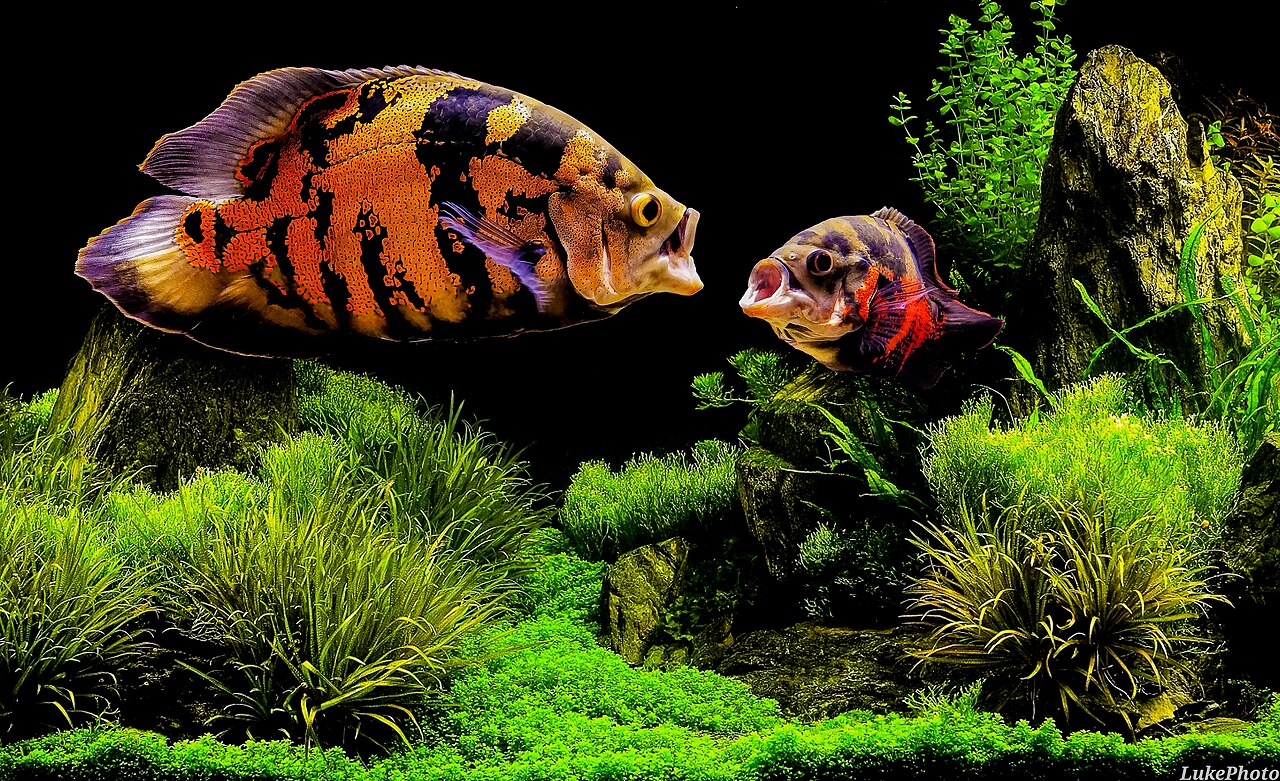
Astronotus ocellatus oscar fish

How to Care for Oscar Fish: Tank Size, Diet, and Compatibility

Quick Answer: Oscar fish need at least a 75-gallon tank for one adult, with 125 gallons for a pair. Keep water at 74-81°F and pH 6.0-8.0. Feed a varied carnivorous diet, avoid small tank mates, and provide strong filtration. With proper care, Oscars live 10-15 years and reach 12-14 inches. Oscars are one of the most interactive freshwater fish you can keep. They recognize owners, beg for food, and watch you from across the room. But these South American cichlids grow from a cute two-inch juvenile to a 12-inch adult in about a year. That rapid growth shocks many new owners. According to aquarium fishkeeping statistics, cichlid keepers consistently report tank size as a top reason for rehoming large fish. The first rule is simple: never buy an Oscar on impulse. ...

August 15, 2026 · 13 min · Jarrod Gravison
Poecilia sphenops molly

How to Care for Mollies: Tank Size, Diet, and Compatibility (2026)

Quick Answer: Mollies need at least a 20-gallon tank for a small group, water temperatures from 75 to 82 degrees Fahrenheit (24 to 28 degrees Celsius), and a pH of 7.5 to 8.5. They prefer hard, alkaline water and a varied omnivore diet. Keep them with peaceful, similarly sized fish and never in soft, acidic conditions. Mollies are one of the most recognizable freshwater fish in the hobby. They are active, personable livebearers that come in black, dalmatian, balloon, sailfin, and golden color forms. Many beginners pick them because they seem hardy and easy, but they have specific care requirements that are often overlooked. If you are new to fishkeeping, mollies can be a good starter fish, but only when you match their hard water and space needs. Start by reviewing our best fish for beginners guide to see how mollies compare with other beginner-friendly species. ...

August 15, 2026 · 12 min · Jarrod Gravison
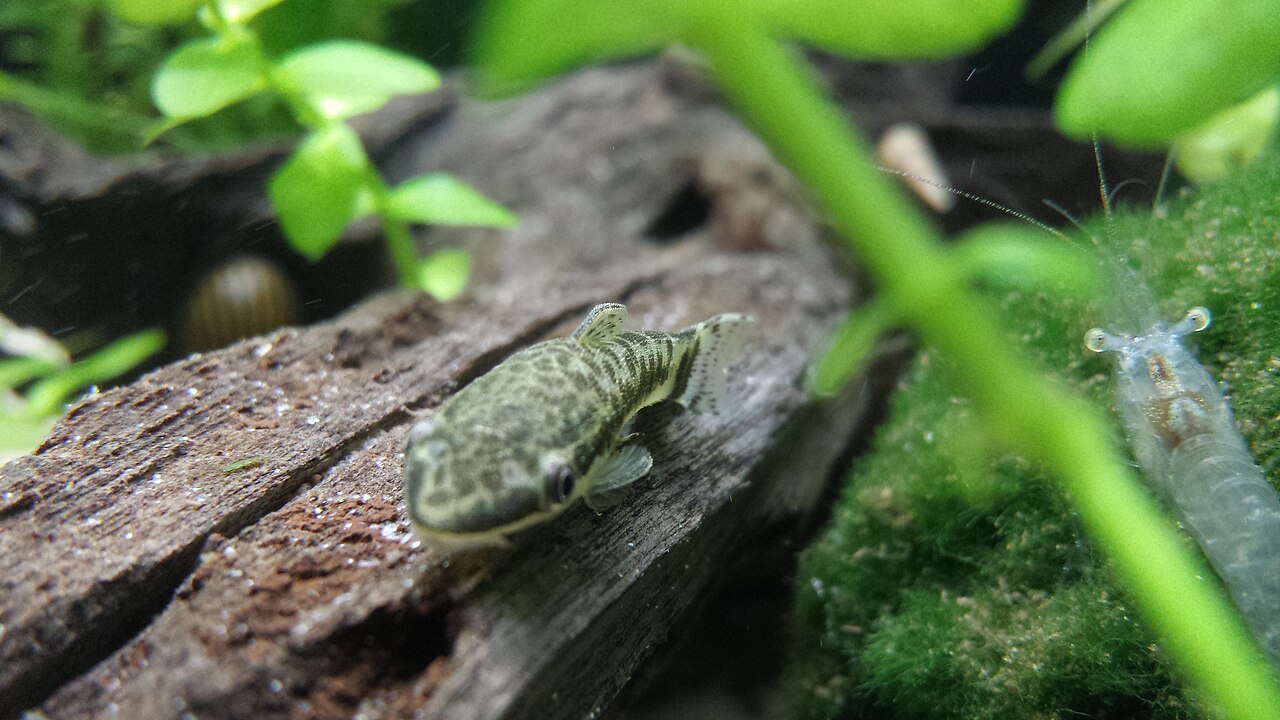
How to Care for Kuhli Loaches: Tank Size, Diet, and Compatibility Guide

How to Care for Kuhli Loaches: Tank Size, Diet, and Compatibility Guide

Quick Answer: Kuhli loaches need a 20-gallon long tank minimum, water temperature 73-86°F (23-30°C), pH 6.0-7.5, and soft to moderate hardness. They are peaceful bottom dwellers that thrive in groups of 5 or more with plenty of hiding spots. Feed them sinking pellets, frozen foods, and occasional live treats. The kuhli loach is one of the most entertaining freshwater fish you can keep. Its eel-like body, striped pattern, and constant wiggling make it a favorite for planted community tanks. Still, many new fishkeepers make the mistake of treating kuhli loaches like typical bottom feeders. They are not. These fish need specific tank conditions, soft substrate, and a secure group to show their true personality. Before you bring a group home, you need to understand how to set up the aquarium correctly. Learn the basics in our guide to beginner fish tanks. ...

August 15, 2026 · 12 min · Jarrod Gravison
How to Care for a Jack Dempsey Cichlid: Tank, Diet, and Mates

How to Care for a Jack Dempsey Cichlid: Tank, Diet, and Mates

Quick Answer: Keep one Jack Dempsey in at least 55 gallons, or a pair in 75 gallons. Maintain 78-82°F and pH 7.0-8.0. Feed high-quality cichlid pellets, frozen foods, and occasional veg. Choose tough tank mates like large Central American cichlids, and watch aggression closely. The Jack Dempsey cichlid is one of the most striking freshwater fish you can keep in a large aquarium. Wild fish come from slow-moving waters in Mexico and Central America, where they hunt small fish and invertebrates. In a home tank, these cichlids show off electric blue speckles, a heavy body, and a serious personality. Most adults reach 10 inches, so this is not a fish for a small setup. If you have kept smaller cichlids like the firemouth cichlid, you already know the basics, but a Jack Dempsey needs more space and more careful planning. ...

August 15, 2026 · 15 min · Jarrod Gravison
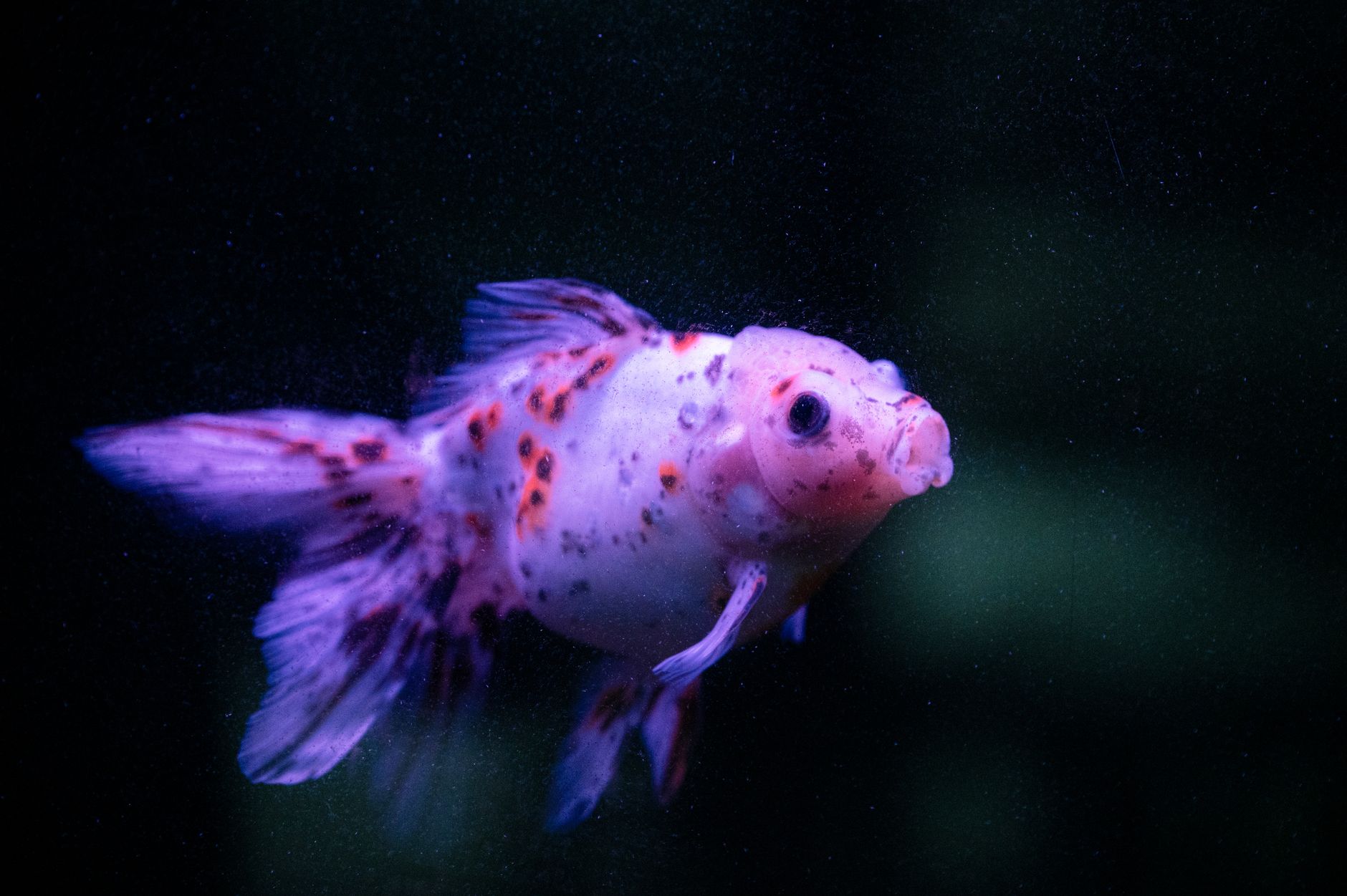
Carassius auratus goldfish

How to Care for Goldfish: Tank Size, Diet, and Compatibility

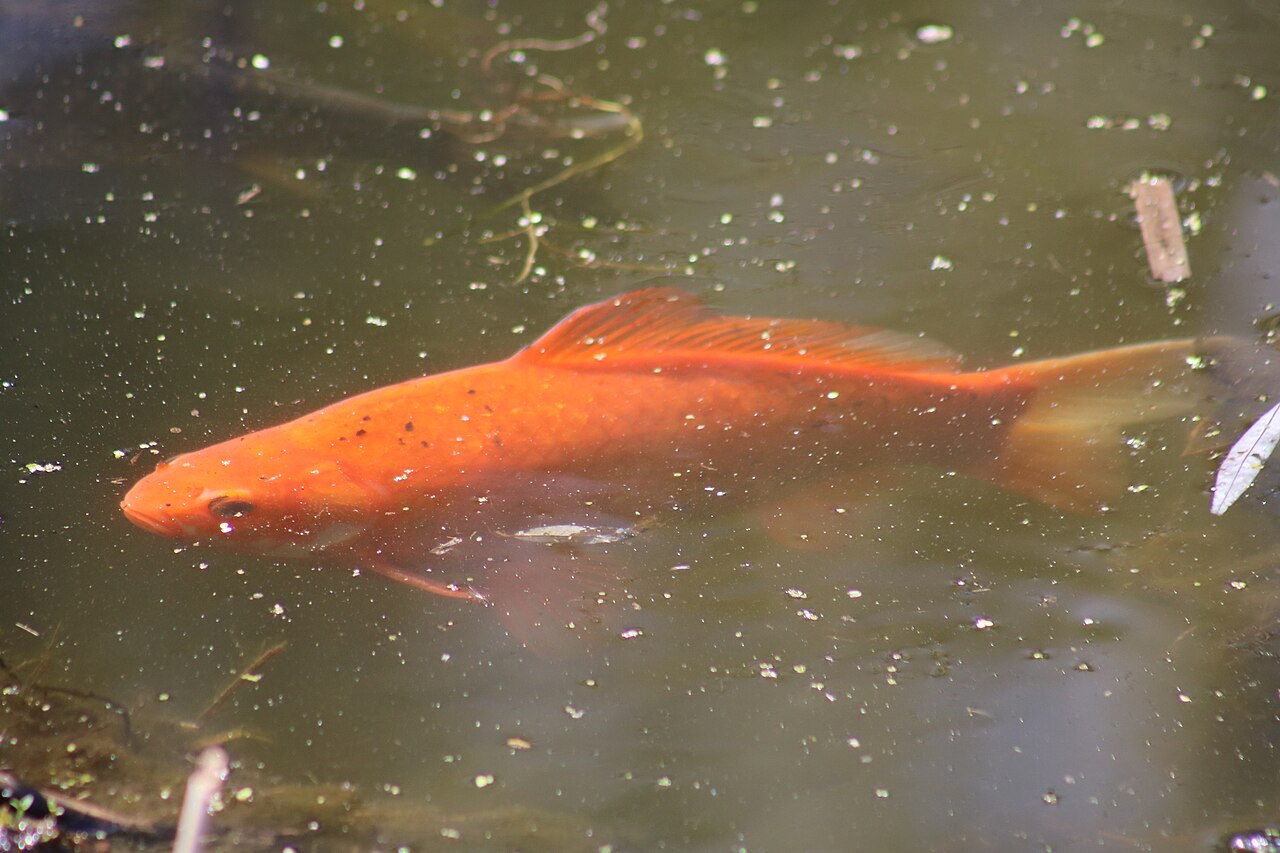
Quick Answer: Goldfish need a tank of at least 20 gallons for one fancy goldfish, with 10 more gallons per additional fish. Keep water between 65 and 75 degrees Fahrenheit and pH between 7.0 and 8.4. Feed a varied diet of sinking pellets and vegetables. Choose coldwater tank mates carefully. Goldfish are often sold as beginner fish, but their care is more demanding than many people expect. They produce a large amount of waste and can grow far beyond the size of a bowl. In this guide, I will walk through the actual tank size, diet, and compatibility needs that keep goldfish healthy. The right setup matters more than most new keepers realize. A bowl is never the right home, no matter what the label shows. Start with the fish, not the myth. ...

August 15, 2026 · 12 min · Jarrod Gravison
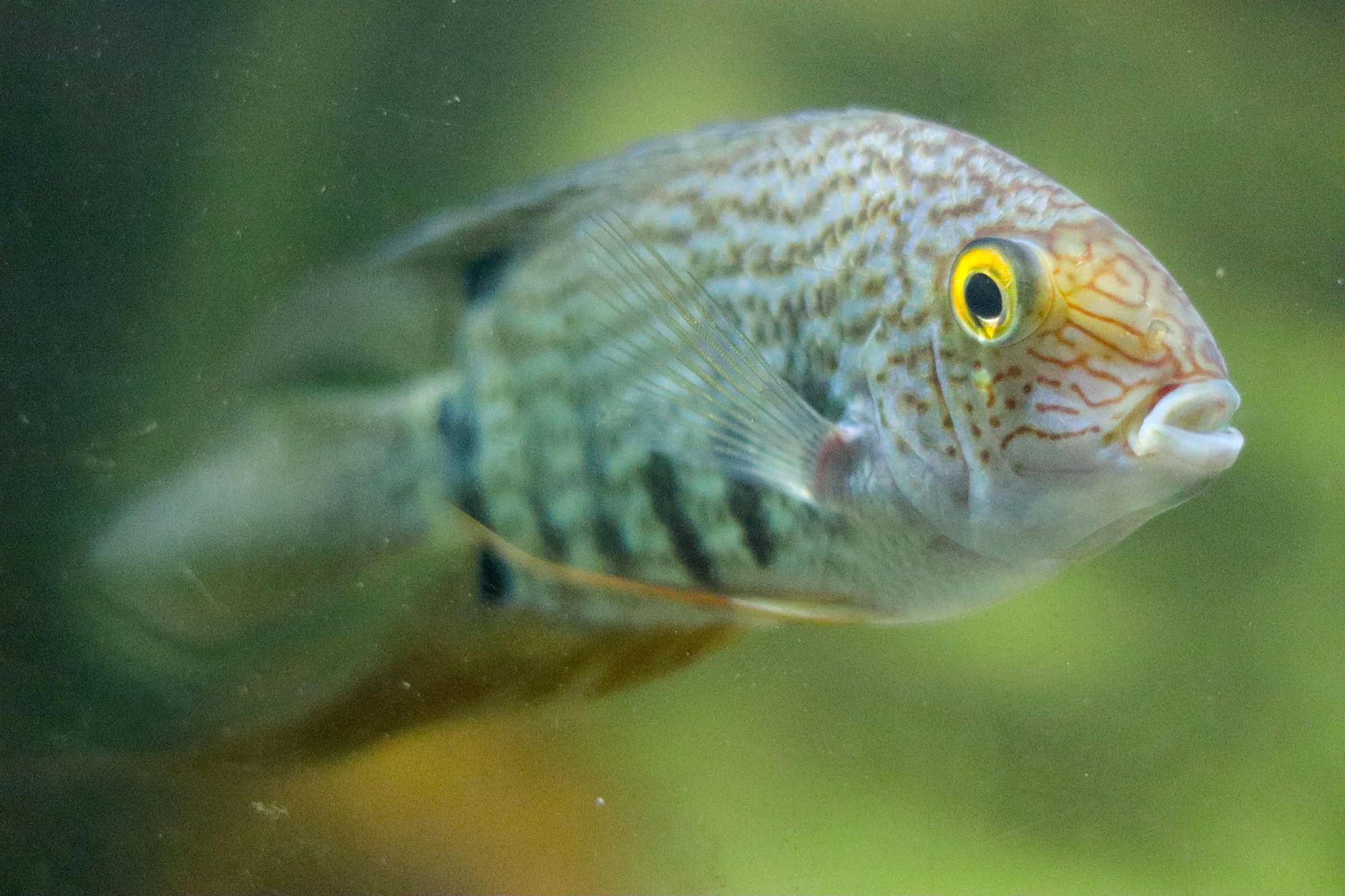
How to Care for Flowerhorn Cichlids: Tank, Diet, and Compatibility

How to Care for Flowerhorn Cichlids: Tank, Diet, and Compatibility

Quick Answer: Keep one flowerhorn in at least 75 gallons with water at 80-84°F (27-29°C) and pH 7.0-7.8. Feed high-protein cichlid pellets and meaty frozen foods. Use a strong canister filter and change 25-50% of water weekly. Flowerhorns are aggressive, so a solo tank is the safest choice. Flowerhorn cichlids are hybrid fish bred by hobbyists for their intense color, large size, and the prominent nuchal hump on the head. They do not exist in the wild and were created from several Central American cichlid species. Because of their aggressive nature and heavy bioload, flowerhorns are not beginner fish. Before bringing one home, make sure you understand the nitrogen cycle and have a mature filter ready. A flowerhorn will quickly suffer in an uncycled tank, so read up on aquarium nitrogen cycle first. ...

August 15, 2026 · 13 min · Jarrod Gravison
Phenacogrammus interruptus congo tetra

How to Care for Congo Tetras: Tank Size, Diet, Compatibility (2026)

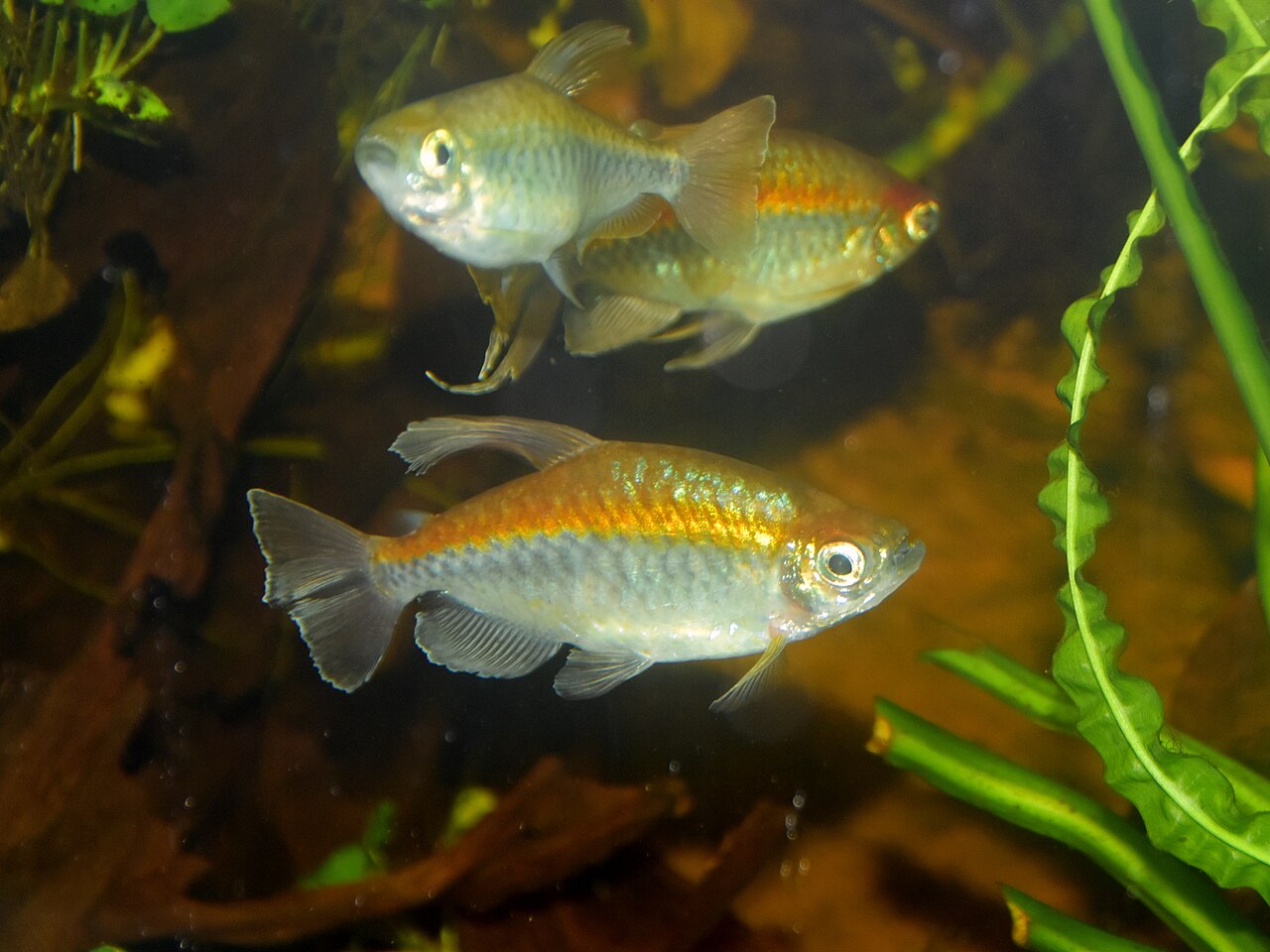
Quick Answer: Congo tetras need a 30-gallon or larger tank, soft acidic to neutral water between 73-82°F and pH 6.0-7.5, and a school of at least 6-8. Feed them a varied diet of quality flakes, pellets, frozen and live foods. Keep them with peaceful tankmates only. Congo tetras (Phenacogrammus interruptus) are among the most colorful freshwater fish from Africa. Adult males can reach about 3 inches and grow long, flowing dorsal and caudal fin extensions that shimmer with blue, orange, and yellow. Females stay closer to 2.5 inches and show more silver tones. Their size and active swimming style set them apart from smaller tetras like cardinal tetras. If you want a display fish that moves constantly and lights up a planted tank, this species is a strong pick. ...

August 15, 2026 · 11 min · Jarrod Gravison
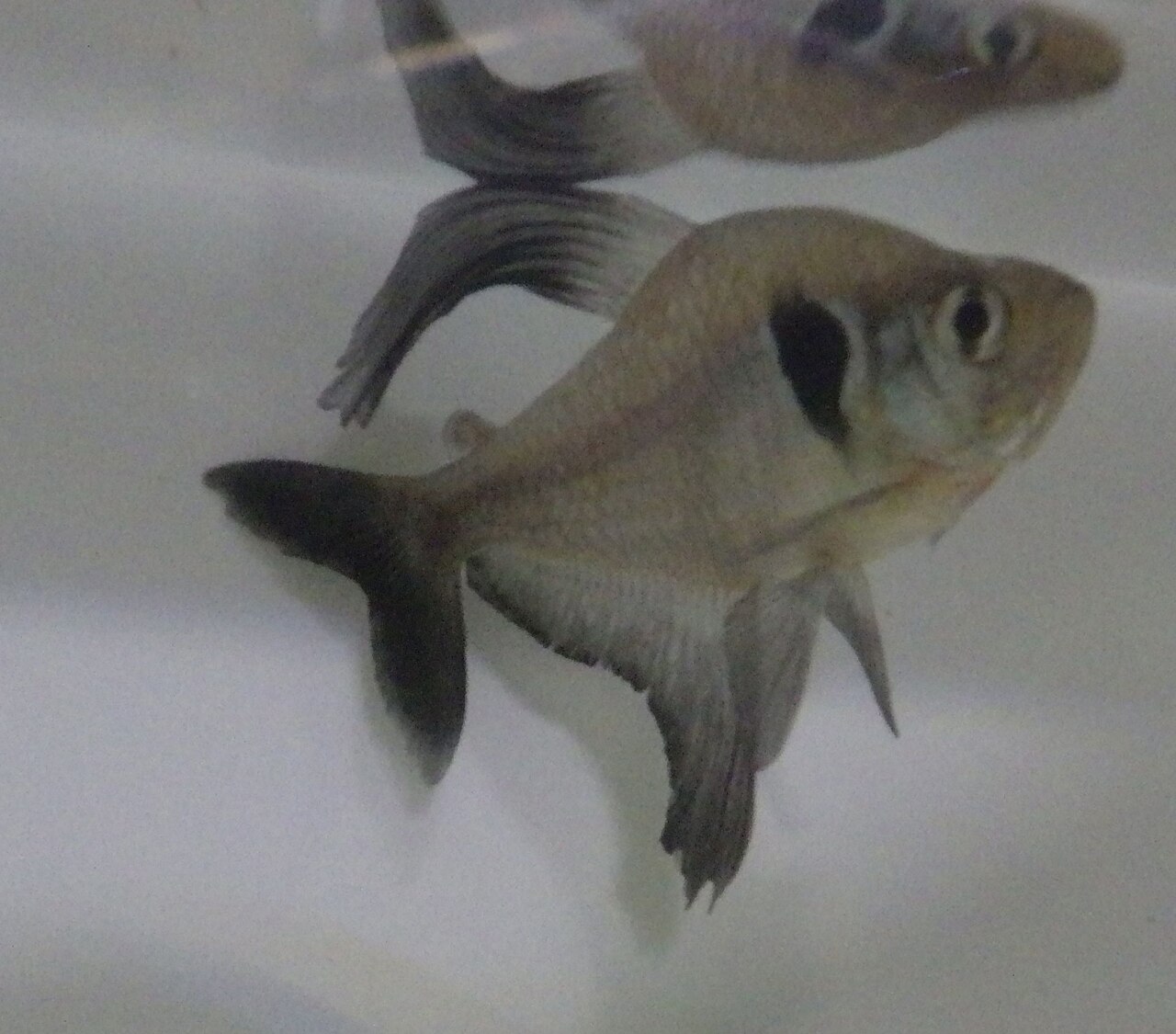
Hyphessobrycon megalopterus black phantom tetra

How to Care for Black Phantom Tetras: Tank, Diet, and Tank Mates

Quick Answer: Black phantom tetras need a 20-gallon or larger tank, a temperature of 72 to 82°F, and a pH of 6.0 to 7.5. Keep them in a group of six or more. Feed small, varied foods two or three times per day. Choose peaceful tank mates and stable water conditions. Black phantom tetras (Hyphessobrycon megalopterus) come from slow-moving streams and tributaries in South America. They are known for their oval-shaped body, dark patch behind the gills, and subtle red to black fin colors. Many keepers choose them because they are slightly hardier than neon tetras and tolerate a wider range of water conditions. Still, they need a properly sized tank, stable water, and the right social group to show their best behavior. This guide walks through each part of their care, from setup to common health problems. ...

August 15, 2026 · 13 min · Jarrod Gravison
Corydoras catfish

How to Care for Corydoras Catfish: Tank, Diet, and Compatibility

Quick Answer: Corydoras catfish need a 20-gallon long tank or larger, fine sand substrate, stable water between 72 and 78 degrees Fahrenheit, and a varied sinking diet. Keep them in groups of six or more with peaceful tank mates. Regular water changes and careful acclimation help them thrive. Corydoras catfish are beloved freshwater bottom dwellers that bring constant activity to a community tank. They are peaceful, hardy, and full of personality, which makes them a top choice for beginners. If you are new to the hobby, they often appear on lists like the best fish for beginners. Still, corys have specific needs that many new keepers overlook. This guide covers tank size, diet, water quality, and compatibility so you can set up a proper home from day one. ...

August 15, 2026 · 13 min · Jarrod Gravison
How to Care for Apistogramma: Tank Size, Diet, and Compatibility

How to Care for Apistogramma: Tank Size, Diet, and Compatibility

Quick Answer: Apistogramma are small South American dwarf cichlids that need a 20-gallon long tank for a pair, warm soft acidic water (78-84°F, pH 6.0-7.0), and a varied diet of quality pellets, frozen foods, and live foods. Keep them with peaceful small fish and provide caves and plants. Apistogramma are some of the most colorful and behaviorally interesting dwarf cichlids in the freshwater hobby. Many aquarists shorten the name to apistos, and the fish come from slow-moving streams and pools across South America. Their small adult size and complex social habits make them a favorite for planted tanks. If you have kept ram cichlids or other dwarf cichlids, you already understand the appeal. Apistogramma can be a bit more demanding than typical community fish, but the effort pays off with bright colors and fascinating behaviors. ...

August 15, 2026 · 12 min · Jarrod Gravison
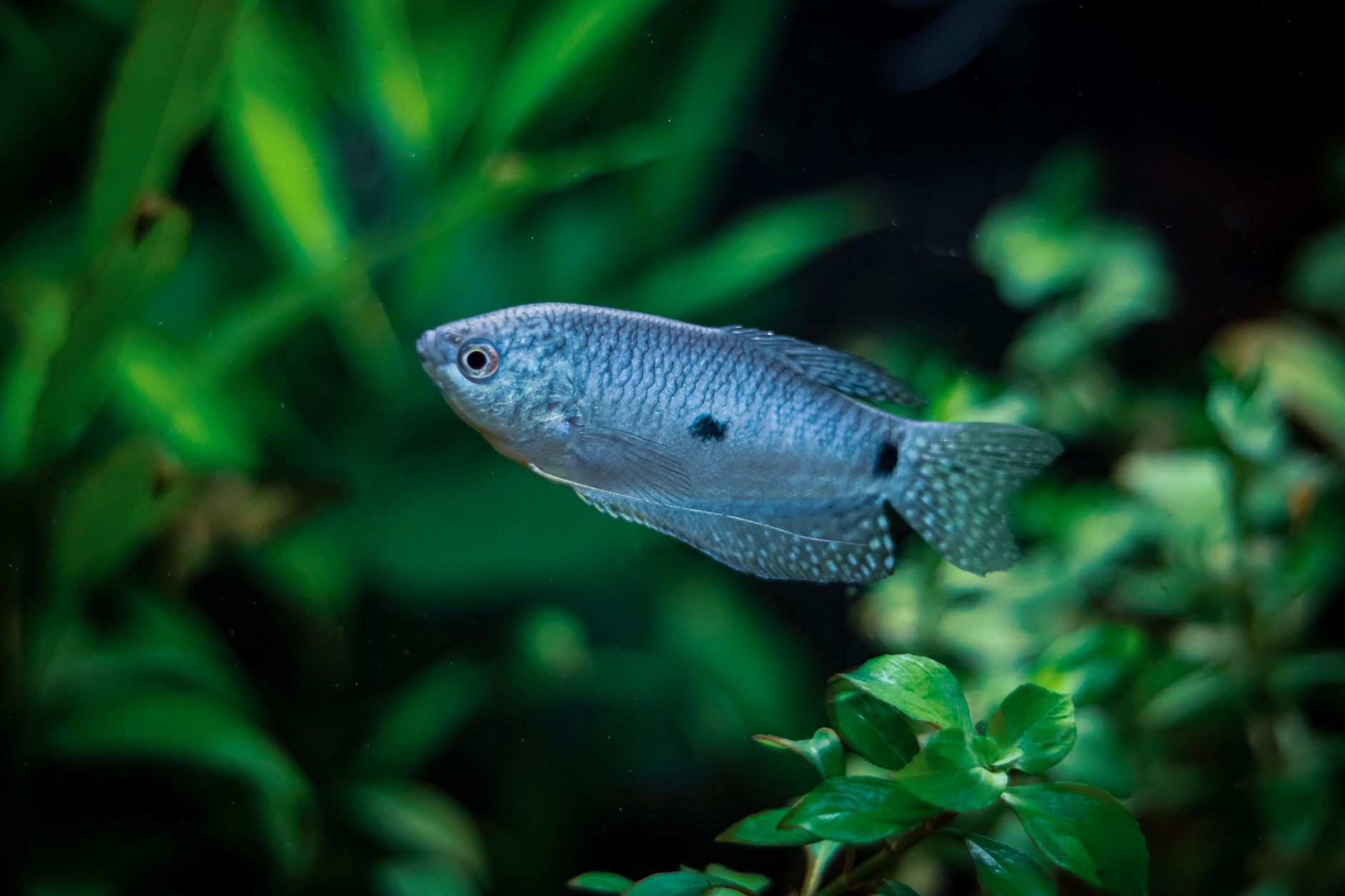
How to Care for Pearl Gouramis: Tank Size, Diet, and Compatibility (2026)

How to Care for Pearl Gouramis: Tank Size, Diet, and Compatibility (2026)

Quick Answer: Keep pearl gouramis in a 20-gallon or larger planted tank at 77 to 82 degrees Fahrenheit with pH 6.5 to 8.0. Feed a varied diet of high-quality flakes, pellets, and frozen or live foods. Choose peaceful tank mates and provide floating plants, driftwood, and slow water flow. Regular water changes and stable parameters keep these 4 to 5 inch labyrinth fish healthy. Pearl gouramis are one of the most beautiful and peaceful labyrinth fish for a freshwater community tank. Adult fish reach 4 to 5 inches, and their pearl-like spots and orange throat make them a centerpiece. Many fishkeepers choose them over smaller or more aggressive gouramis because of their calm temperament. But they need specific care to thrive. This guide covers tank size, diet, compatibility, and maintenance. Aqueon offers reliable care sheets that match the advice here. ...

August 15, 2026 · 15 min · Jarrod Gravison
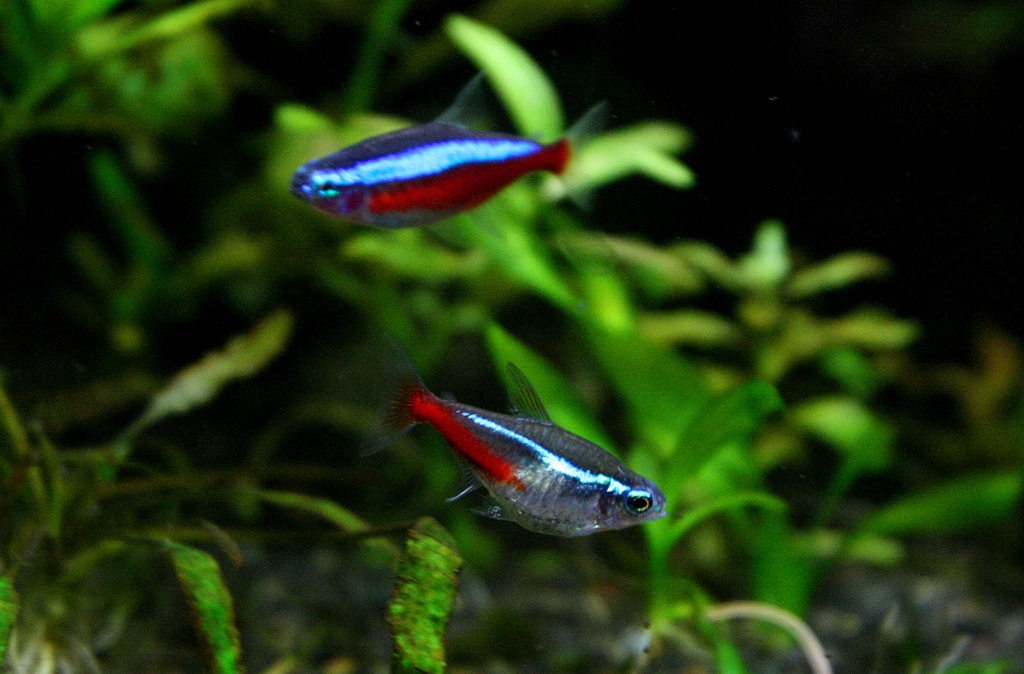
Paracheirodon innesi neon tetra

How to Care for Neon Tetras: Tank Size, Diet, and Compatibility

Quick Answer: Neon tetras thrive in a 10-gallon or larger tank with stable water parameters: 70-81°F, pH 6.0-7.0, and soft to moderately hard water. Feed them a varied diet of quality flakes, micro pellets, and frozen or live foods. Keep them in a school of at least six to reduce stress, and choose peaceful tank mates. Neon tetras are among the most popular freshwater fish for home aquariums. Their electric blue stripe and red tail make them instantly recognizable. Many beginners choose them because they are small, peaceful, and relatively easy to care for. If you are new to fishkeeping, neon tetras often appear on lists of the best fish for beginners. That said, they do have specific needs. They are not disposable fish. They require a stable, cycled tank and proper water chemistry to thrive. ...

August 15, 2026 · 14 min · Jarrod Gravison
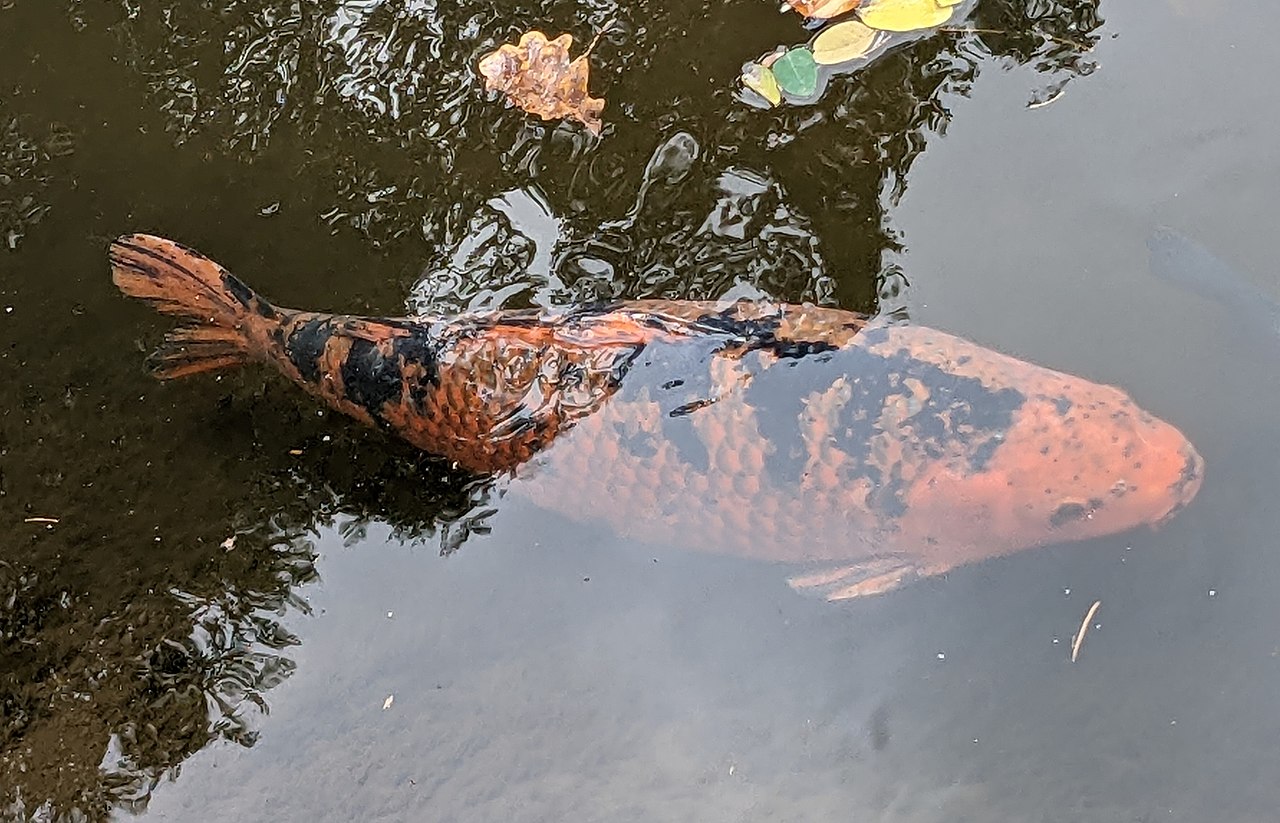
Cyprinus carpio koi

How to Care for Koi: Tank Size, Diet, and Compatibility (2026)

Quick Answer: Koi need much more space than most aquariums provide. Plan for at least 100 gallons for one juvenile and 250 to 500 gallons per adult. Keep water at 59 to 77 degrees Fahrenheit with pH between 7.0 and 8.5. Feed high-quality koi pellets and choose large, peaceful tank mates or keep them alone. Koi are one of the most misunderstood fish in the hobby. They arrive at pet stores as colorful, three-inch juveniles, and many keepers assume they will stay small. That assumption fails fast. Common koi reach 24 to 36 inches in a few years. Some grow even larger in big ponds. If you plan to keep koi in an aquarium, you need an honest look at their adult size before you buy. This guide will help you avoid a stressful rehoming situation and set up a proper indoor koi system. ...

August 15, 2026 · 14 min · Jarrod Gravison
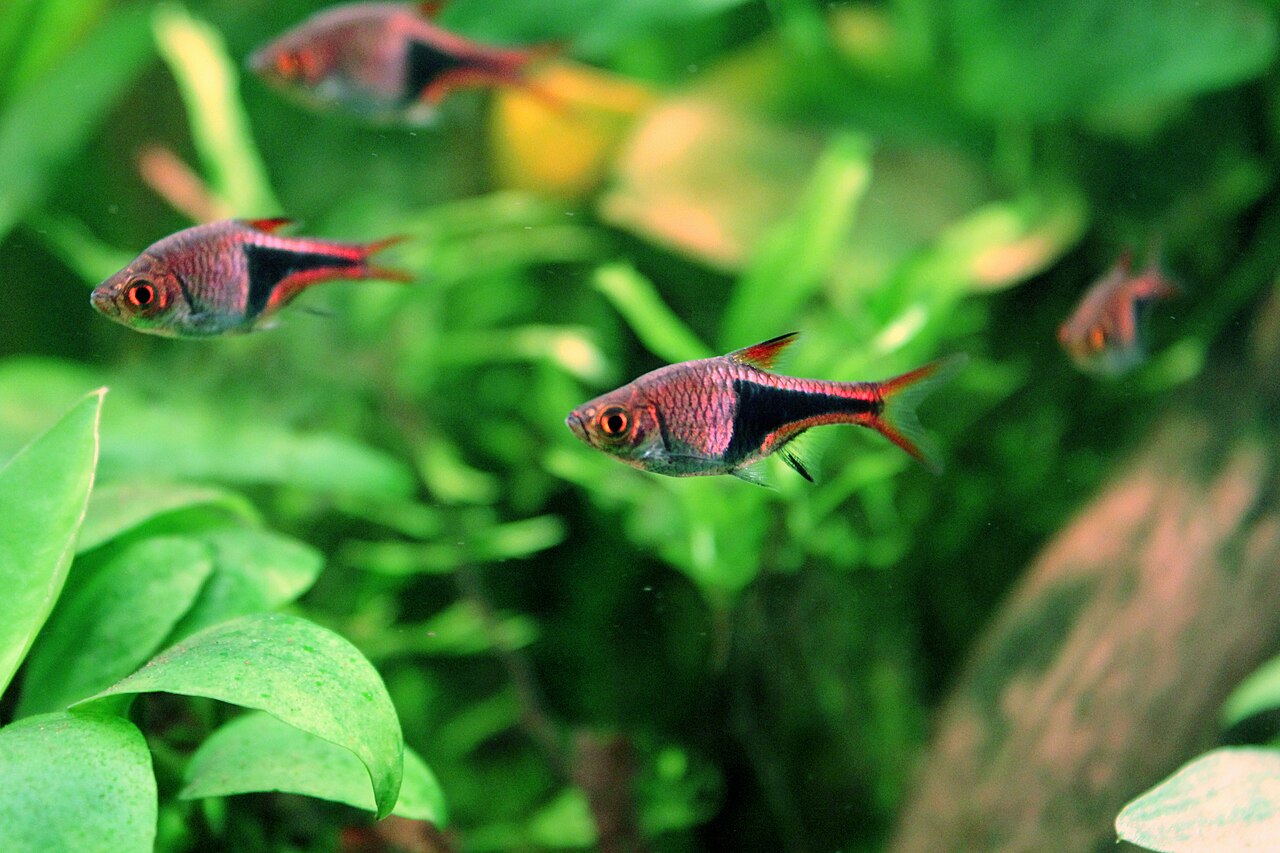
Trigonostigma heteromorpha harlequin rasbora

How to Care for Harlequin Rasboras: Tank, Diet, Compatibility

Quick Answer: Harlequin Rasboras need a 10-gallon or larger planted tank at 72 to 79 degrees Fahrenheit and pH 6.0 to 7.5. Keep at least 8 together, feed small varied foods, and house them with peaceful tank mates like tetras, corydoras, and dwarf gouramis. Harlequin Rasboras (Trigonostigma heteromorpha) are among the most popular schooling fish in the freshwater hobby. They stay small, show a distinctive black triangular patch, and add constant motion to the middle and upper levels of a planted tank. They are often recommended for beginners, but they still need a properly set up aquarium. A school can live for five years or more when water conditions stay stable. If you are comparing first setups, our best beginner fish tanks guide can help you choose the right foundation. ...

August 15, 2026 · 12 min · Jarrod Gravison
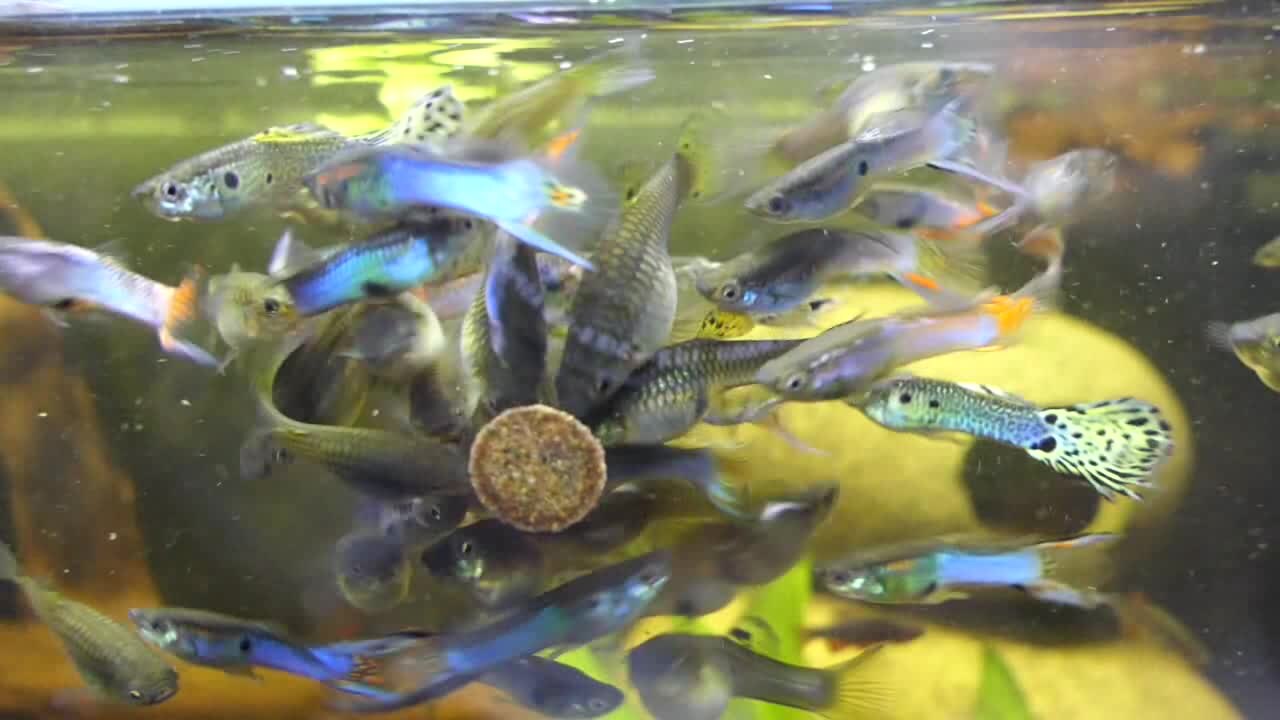
Poecilia reticulata guppy

How to Care for Guppies: Tank Size, Diet, and Compatibility (2026)

Quick Answer: Guppies need a 10-gallon or larger tank, water at 74-82°F, and a pH of 6.8-7.8. Feed them a varied diet of flakes, pellets, and frozen foods. Keep them in groups with peaceful tank mates. Maintain water quality through a cycled filter and regular partial water changes. Guppies are among the most recognizable freshwater fish in the hobby. Their bright tails, active swimming, and beginner-friendly reputation make them a top choice for new tanks. But caring for guppies well takes more than adding them to a bowl. You need the right tank size, stable water parameters, and a proper diet. This guide from AquariumLab walks through the full 2026 care process. We will also point you toward trusted resources such as Aqueon and Aquarium Co-Op. Guppies can live for two to three years when kept correctly. ...

August 15, 2026 · 11 min · Jarrod Gravison