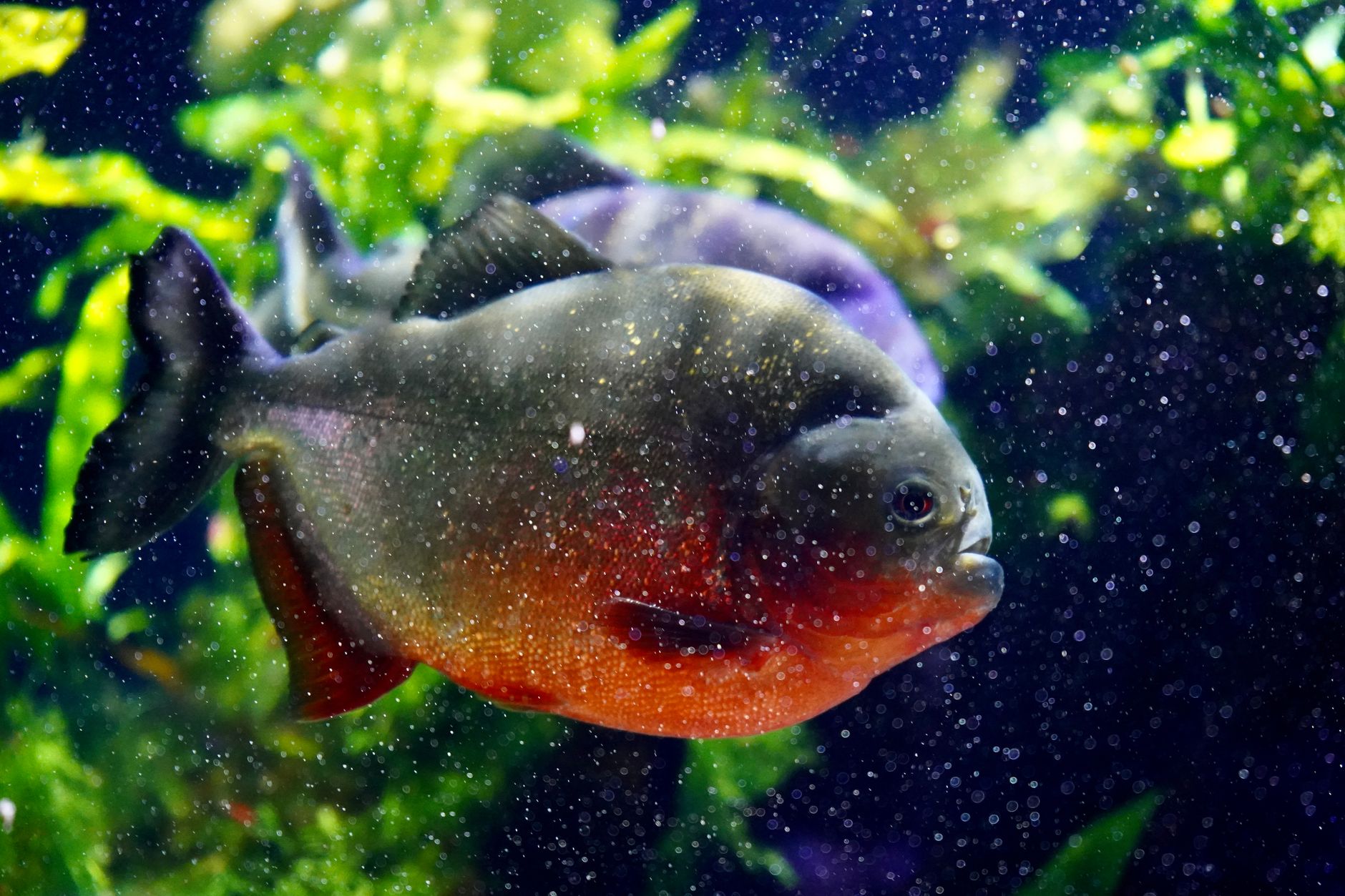
Red-bellied piranhas (Pygocentrus nattereri) are often misunderstood. They are not the man-eating monsters from movies. In an aquarium, they are shy, nervous schooling fish. But they do grow large and need a serious setup. This guide covers tank size, diet, and compatibility. Before you add water, you need to understand the aquarium nitrogen cycle. A healthy cycle is the foundation for any piranha tank.
Most new keepers buy a baby red-bellied piranha at two inches long. That fish will reach 12 to 14 inches in about three years. It also needs company. Keeping one alone often leads to stress, hiding, and refusing food. A group of four needs at least 75 gallons. That is not a beginner tank. Plan for a long-lived predator that produces heavy waste.
This article follows current best practices from trusted sources. You can compare this species with other large fish in our oscar care guide. Oscar fish are less skittish but still need big tanks. Piranhas are not community fish. If you want a planted community, see our best beginner fish tanks. That said, piranhas can be rewarding for advanced keepers who enjoy a species-only display.
We will walk through every step, from legal checks to choosing tank mates. I will also point out common mistakes that kill piranhas. The key is planning ahead. According to Seriously Fish, this species has specific needs that many stores fail to explain. I also recommend Aquarium Co-Op for general fishkeeping advice. With the right setup, red-bellied piranhas can thrive for over a decade.
What You’ll Need
- 75-gallon or larger aquarium with secure lid
- High-capacity canister filter
- Heater and thermometer
- API Freshwater Master Test Kit
- Large fish net
- Frozen silversides, krill, and market shrimp
- Water conditioner like Seachem Prime
How Do You Care for Red-Bellied Piranhas?
- Check your local laws and plan for a long-lived predator
Red-bellied piranhas are banned or restricted in many U.S. states and other countries. Before you buy equipment or fish, call your state fish and wildlife agency. Some local laws change without notice. Do not rely on online forum posts alone. You are legally responsible for possession. In some places, even transporting a piranha across state lines is illegal.
These fish live 10 to 15 years with proper care. That is a longer commitment than most people expect. You need a stable home and a plan for vacations and moves. A 12-inch adult can bite through heater cords, nets, and even thin glass. Are you prepared for that kind of animal? If not, consider a more typical community fish.
Budgeting matters too. A proper 75-gallon setup with a canister filter, heater, and decor often costs several hundred dollars. Cheap equipment fails quickly with large predatory fish. A heater that breaks can kill the whole tank. According to Aquarium Co-Op, buying quality gear upfront saves money and fish lives. For a detailed list of reliable filters, read our best aquarium filters guide.
Once you confirm legality, find a reputable source. Captive-bred red-bellied piranhas are hardier than wild-caught fish. Ask the seller about their quarantine process. A healthy fish is less likely to bring disease into your tank. This step connects directly to the next one, because you need a fully set up and cycled tank waiting at home.
- Set up a 75-gallon tank with strong filtration and hiding places
A 75-gallon tank is the minimum for a small group of four adult red-bellied piranhas. Some experienced keepers prefer 100 gallons or more. These fish reach 12 to 14 inches and produce heavy waste. A single adult can survive in a 55-gallon tank for a while, but it will not thrive. Since they are schooling fish, a group is strongly recommended.
Choose a long tank rather than a tall one. Swimming space matters more than height. Add driftwood, large rocks, and tough live plants. Piranhas may uproot delicate plants, so use anubias or java fern attached to wood. Hiding places reduce stress and aggression. A bare tank makes them feel exposed and jumpy.
Filtration needs to be powerful. Piranhas are messy eaters, and leftover food decays fast. A canister filter rated for at least twice the tank volume is a good start. Many keepers run two filters for redundancy. A Fluval FX6 canister filter works well on a 75-gallon piranha tank. Strong flow also keeps oxygen levels high.
Use a secure, heavy lid. Piranhas can jump when startled, and a missing lid leads to dried fish on the floor. Add a heater rated for the tank size and protect it with a guard. Place the heater where the fish cannot smash into it during feeding frenzies. This setup step connects to cycling, because the tank must be running before fish arrive.

- Cycle the tank completely before adding piranhas
Piranhas are sensitive to ammonia and nitrite, just like any fish. A fishless cycle is the safest method. Add a pure ammonia source and test daily. You want ammonia and nitrite to spike, then drop to zero while nitrate rises. Full cycling takes four to eight weeks. Never rush this step, even if the store tells you the fish are hardy.
If you do not understand the nitrogen cycle, review our aquarium nitrogen cycle guide. It explains how beneficial bacteria convert waste into less toxic nitrate. Piranhas produce a lot of waste, so a strong biological filter is critical. Without a mature cycle, new fish often die within days from ammonia poisoning.
Use a liquid test kit, not test strips, for accuracy. The API Freshwater Master Test Kit is a reliable choice for ammonia, nitrite, and nitrate testing. Test every day during cycling. When ammonia and nitrite read zero for several days in a row and nitrate is present, the tank is ready.
During the cycle, you can add live plants and decor. Beneficial bacteria colonize surfaces. Do not use soap or harsh chemicals on anything that goes in the tank. Rinse all items with warm water only. Before adding fish, perform a large water change to lower nitrate below 20 ppm. This step directly protects the fish you introduce in step 4.
- Introduce a group of at least four red-bellied piranhas
Red-bellied piranhas are naturally schooling fish. Groups of four to six are easier to keep than a single fish. A lone piranha often hides, refuses food, and may become neurotic. In a group, they feel secure and display more natural behavior. But groups require a bigger tank. Four fish need at least 75 gallons, while six need 100 to 125 gallons.
Add all fish at the same time if possible. This reduces territorial disputes. Juvenile piranhas may nip fins, but that usually settles within days. Float the sealed bag for 15 minutes, then drip acclimate for 30 to 45 minutes. Never dump store water into your tank. Use a net to transfer each fish gently.
After release, leave the lights off for several hours. Piranhas are shy at first and will hide behind wood or plants. Do not feed for the first 24 hours. This gives them time to adjust without adding waste. Watch for severe bullying, like one fish constantly chased or missing scales. In most cases, the group settles within a week.
Quarantine is ideal if you already have piranhas. A separate 20-gallon hospital tank can prevent disease spread. New fish may carry parasites or bacterial infections. Treat only if you see symptoms. This step connects to maintaining water quality, because stressed fish produce more waste and are prone to illness.

- Maintain warm, soft-to-neutral water conditions
Red-bellied piranhas prefer warm water between 78 and 82 degrees Fahrenheit. A reliable heater keeps the temperature stable. Large swings stress the fish and trigger disease. Use a digital thermometer to check daily. In summer, you may need a fan or chiller if the room gets hot.
Aim for a pH between 6.0 and 7.5. They tolerate a range, but stable pH matters more than the exact number. Hardness should be moderate, around 5 to 15 dGH. If your tap water is very hard or alkaline, consider mixing with reverse osmosis water. Test weekly for pH, ammonia, nitrite, and nitrate. You can read about pH adjustments in our how to lower pH in an aquarium.
Water changes are the main tool for stable conditions. Change 30 to 50 percent of the water each week. Use a gravel vacuum to remove uneaten food and waste from the bottom. Treat tap water with a conditioner like Seachem Prime. This removes chlorine and detoxifies ammonia.
Do not over-clean the tank. You want to keep the beneficial bacteria alive. Rinse filter media in old tank water, not tap water. Replace mechanical media only when it falls apart. A mature tank with stable parameters keeps piranhas healthy. This step transitions to feeding, because leftover food is the main cause of poor water quality.
- Feed a varied meaty diet without overfeeding
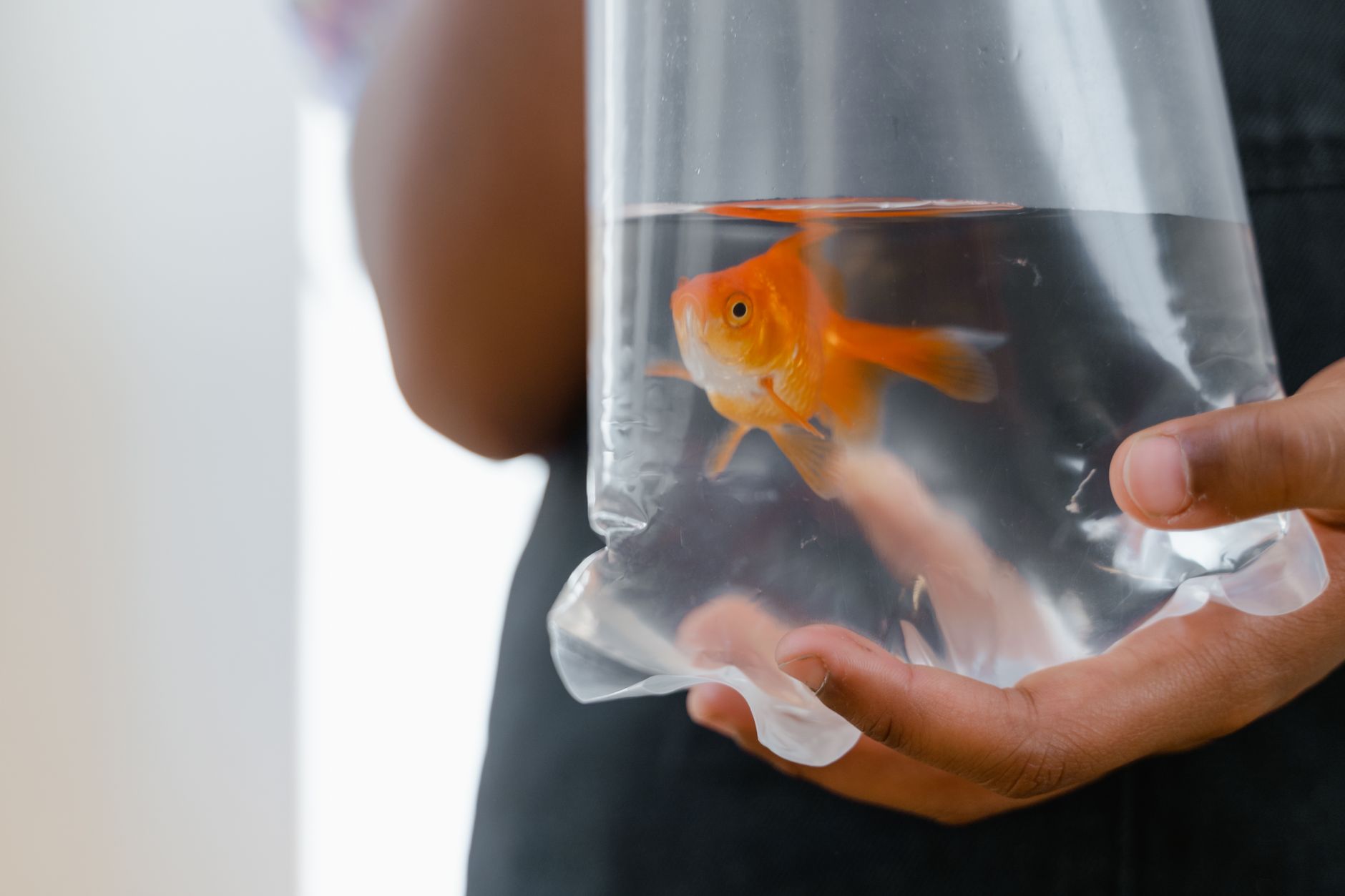
Red-bellied piranhas are opportunistic carnivores. In the wild, they eat fish, insects, crustaceans, and some plant matter. In captivity, feed a mix of frozen silversides, krill, market shrimp, earthworms, and occasional pellets. Avoid feeder goldfish and minnows. They carry disease and lack proper nutrition.
Feed juveniles once or twice a day. Adults do well with one feeding every other day. Offer only what they eat in two minutes. Piranhas are not voracious hunters in aquariums. They often wait for food to sink. Remove uneaten food after 10 minutes. Overfeeding is the fastest way to foul the water.
Use feeding tongs or a turkey baster to place food. This keeps your fingers safe and reduces splash. Piranhas can bite, especially when food is present. Do not hand-feed. Thaw frozen food in a cup of tank water before feeding. Never feed raw meat from the grocery store regularly. It contains fats and hormones that harm fish.
Variety prevents nutritional deficiencies. You can soak pellets in a vitamin supplement once a week. Piranhas may accept high-quality carnivore pellets, but many refuse dry food. If yours eat pellets, use them as part of the rotation. For more on feeding large fish, see our oscar care guide.

- Perform large weekly water changes and monitor aggression
Weekly maintenance is not optional. Piranhas create a lot of ammonia. Even with strong filtration, nitrate climbs quickly. Change 40 to 50 percent of the water each week. Use a siphon to clean the substrate. Pay attention to dead spots under driftwood where waste collects.
Watch for aggression during feeding and after lights change. Piranhas may chase each other, but serious fights leave wounds. If one fish is constantly hiding or losing weight, it may need to be moved. A hospital tank can serve as a timeout. Rearranging decorations can also break up territories.
Test the water before each change. If nitrate is above 40 ppm, increase water change volume or frequency. If ammonia or nitrite appears, your cycle has stalled. Check for dead fish or rotting food. You can reference our how often to change aquarium water guide for a schedule.
Keep a log of temperature, pH, ammonia, nitrite, and nitrate. This helps you spot trends. A sudden pH drop can indicate too much waste. A temperature swing can explain a fish that stops eating. Consistent monitoring separates successful keepers from frustrated ones. This step ties into choosing tank mates, because stress and aggression rise in a crowded or dirty tank.
- Choose tank mates with extreme caution or skip them
Most experts recommend a species-only tank for red-bellied piranhas. They may eat or injure any fish small enough to fit in their mouths. Large, aggressive tank mates can stress them. Even fast fish like danios may survive for a while, but it is a gamble. If you want a community, pick another species.
Some keepers have kept adult piranhas with large armored catfish or large silver dollars. This still carries risk. The piranhas may nip fins, or the catfish may suck on the piranha’s slime coat. Tank size must be very large, 150 gallons or more. A crowded tank increases aggression and disease.
If you insist on tank mates, choose very large, fast, and tough species. Some options include a full-grown common pleco or a group of large silver dollars. But even these can become targets. Introduce tank mates while piranhas are young and monitor closely. Have a backup plan to separate them.
For most hobbyists, the joy of a piranha group is enough. A species-only tank lets you focus on natural behavior. If you want a planted community, check our best beginner fish tanks for alternatives. This final step reinforces the core message: piranhas are not community fish. Plan accordingly.
Red Flags & Warnings
- 🚨 Never buy a red-bellied piranha without confirming local laws. Possession can lead to fines and confiscation.
- 🚨 Do not keep a single piranha in a tank under 40 gallons. It will be stressed and may become aggressive or refuse food.
- 🚨 Never feed live feeder fish from unknown sources. They can introduce parasites and disease.
- 🚨 Do not put your hands in the tank during feeding. Piranhas can bite, and sudden movements trigger strikes.
- 🚨 Never use a net with large holes to catch a piranha. Their teeth and spines can tangle, causing injury.
- 🚨 Do not mix red-bellied piranhas with small or slow community fish. Expect losses.
Frequently Asked Questions
What size tank do red-bellied piranhas need?
A 75-gallon tank is the minimum for a group of four. A single adult can survive in a 55-gallon tank, but it will not thrive. Larger groups need 100 gallons or more because these fish reach 12 inches and produce heavy waste.
Can I keep a single red-bellied piranha?
You can, but it is not recommended. Solitary piranhas often hide, refuse food, and become skittish. A group of at least four feels safer and shows more natural behavior.
What do red-bellied piranhas eat?
Feed a varied meaty diet including frozen silversides, krill, market shrimp, earthworms, and high-quality carnivore pellets. Avoid live feeder fish because they carry disease and lack nutrition.
How often should I feed red-bellied piranhas?
Juveniles need food once or twice daily, while adults do well with one feeding every other day. Offer only what they eat in two minutes and remove leftovers to protect water quality.
Are red-bellied piranhas aggressive toward humans?
In aquariums, they are more cautious than aggressive. They usually hide from people and only bite when threatened or during feeding. Still, never hand-feed and keep a secure lid.
Can red-bellied piranhas live with other fish?
It is risky. Small fish become food, and large fish can stress them. A species-only tank is the safest choice. Some advanced keepers try large armored tank mates in very big tanks, but separation may be needed.
What Should You Remember?
- Minimum tank size: Provide at least 75 gallons for a group of four red-bellied piranhas.
- Schooling needs: Keep them in groups of at least four to reduce stress and hiding.
- Water parameters: Maintain 78-82°F and pH 6.0-7.5 with large weekly water changes.
- Diet variety: Offer frozen meats and quality pellets, not live feeder fish.
- Species-only setup: Avoid community fish; piranhas are predators.
- Secure lid: Use a heavy lid and keep hands out during feeding.
This article is for general information only and is not a substitute for professional veterinary or aquarium specialist advice. Always research the specific needs of your fish and consult an expert before making care decisions.