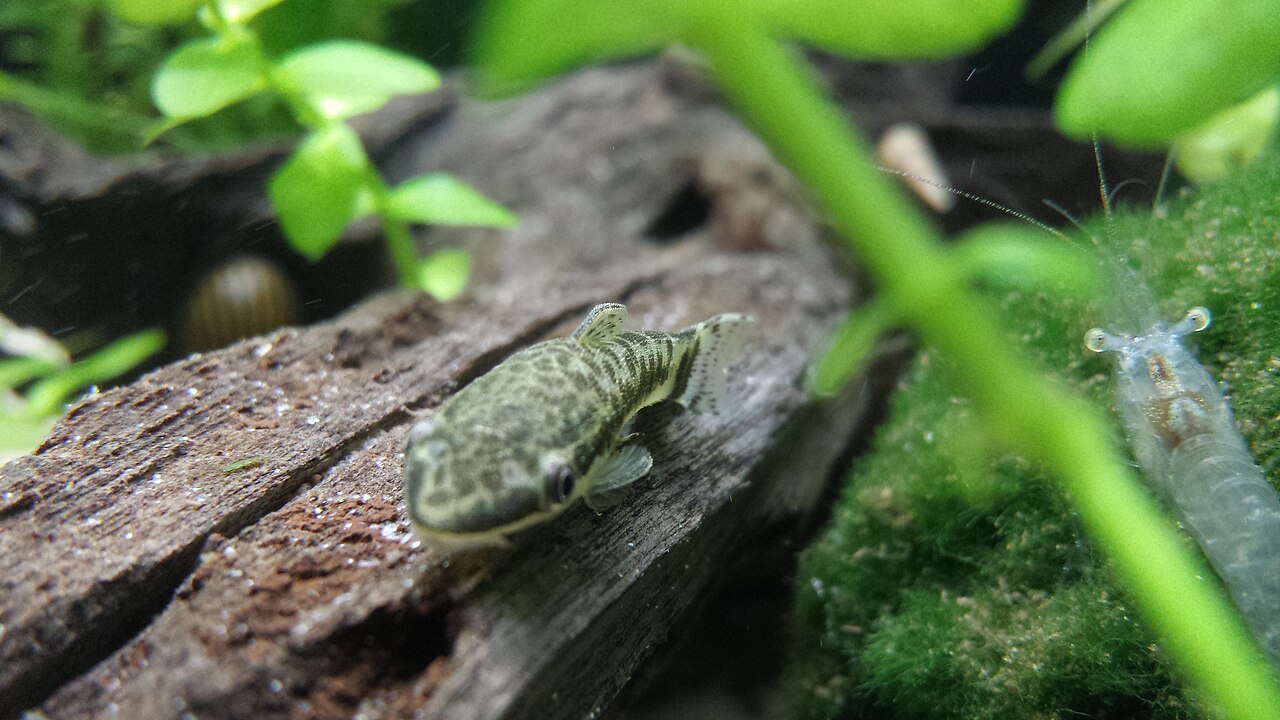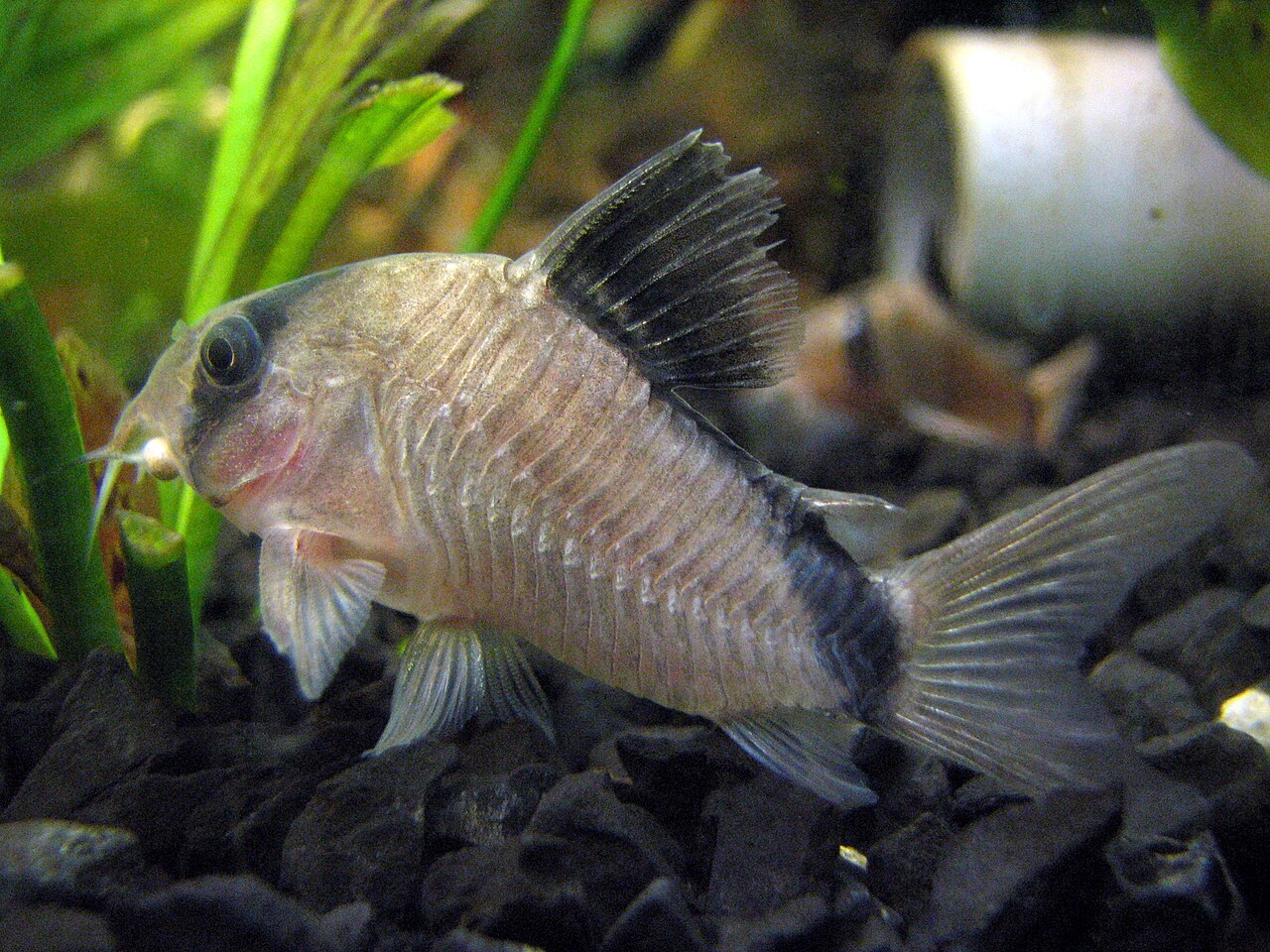
Corydoras catfish are beloved freshwater bottom dwellers that bring constant activity to a community tank. They are peaceful, hardy, and full of personality, which makes them a top choice for beginners. If you are new to the hobby, they often appear on lists like the best fish for beginners. Still, corys have specific needs that many new keepers overlook. This guide covers tank size, diet, water quality, and compatibility so you can set up a proper home from day one.
One common mistake is treating corydoras as simple scavengers that live on leftovers. They need dedicated sinking foods, clean substrate, and stable water conditions. Poor care leads to damaged barbels, stress, and disease. A properly cycled tank is essential before adding any cory because they are sensitive to ammonia and nitrite. Once the tank is ready, these small catfish reward you with playful group behavior and endless bottom foraging.
There are dozens of corydoras species available in the hobby, including bronze, peppered, panda, and sterbai corys. Most share similar care requirements, but wild caught species can be more demanding than tank raised strains. This guide focuses on general care for the most common species. The same basics apply whether you keep a group of six or a larger community setup. Pay attention to adult size, because some species grow larger than expected.
In the steps below, you will learn how to choose the right tank, set up safe substrate, maintain water parameters, feed a proper diet, pick compatible tank mates, acclimate new fish, and perform ongoing maintenance. We also cover common mistakes and answer the questions beginners ask most. Use this guide alongside trusted resources like Aqueon and Aquarium Co-Op. By the end, you will have a clear plan for keeping healthy, active corydoras for years.
What You’ll Need
- 20-gallon long aquarium
- Fine sand substrate
- Heater and thermometer
- Gentle filter (hang-on-back or sponge)
- API Freshwater Master Test Kit
- Sinking pellets or wafers
- Quarantine tank
How Do You Care for Corydoras Catfish?
- Choose the Right Tank Size and Setup
Start with a 20-gallon long tank for a group of six corydoras. A larger footprint matters more than height because these fish spend most of their time on the bottom. A 10-gallon tank is too small for most species. Adult corys range from about 1 to 4 inches depending on the species. A 20-gallon long gives them enough floor space to forage and move as a group. If you want more than eight corys, move up to a 30 or 40 gallon tank.
Choose a tank with a secure lid. Corydoras sometimes dart to the surface to gulp air. They do not jump often, but they can accidentally launch themselves out of an open tank. A lid also reduces evaporation and keeps dust out. For beginners, check the best beginner fish tanks for reliable options. The tank should sit on a level, sturdy stand that can hold the full weight.
Filtration should be gentle to moderate. Corydoras do not like strong currents because they live in slow moving streams and tributaries. A hang-on-back filter or a sponge filter works well. Add a heater even if your room stays warm. Sudden temperature swings stress corys and can lead to disease. Set the heater to maintain a stable range between 72 and 78 degrees Fahrenheit.
Plan the tank before you buy fish. Corydoras need a cycled filter, soft substrate, and hiding spots. Rushing this step causes new tank syndrome. A planted setup with driftwood and smooth rocks helps them feel secure. Once the tank is in place, cycle it before adding any corydoras. This first step connects directly to substrate choice in the next section.

- Set Up Soft Sandy Substrate and Hiding Spots
Use fine sand or very smooth, rounded gravel no larger than 1 to 2 millimeters. Corydoras spend hours sifting through the substrate with their barbels. Sharp gravel or rough crushed coral wears down those barbels and can cause infections. Pool filter sand or aquarium sand made for freshwater tanks works well. Avoid play sand unless you rinse it thoroughly. A depth of 1 to 2 inches is enough.
Add hiding spots with driftwood, caves, and live plants. Corydoras rest in shaded areas during the day and become more active at dawn and dusk. Plants like Java fern, Anubias, and Amazon sword provide cover and help keep water clean. You can find easy options in the best aquarium plants for beginners guide. Arrange decor so there is still open sand for foraging.
Smooth river rocks and small caves create safe retreats. Avoid decorations with sharp edges or narrow openings where fish could get stuck. Driftwood also releases tannins that slightly soften water, which many corydoras appreciate. Boil or soak driftwood before adding it to prevent excessive tannins. The goal is a natural looking bottom zone with plenty of sight breaks.
Keep the front of the tank open so you can watch your corys feed and interact. A heavily cluttered bottom makes it hard to observe health problems. Sand is easy to clean if you hover a siphon just above the surface. This step sets the stage for stable water quality, which matters more than any decor choice. Next, focus on water parameters.

- Maintain Stable Water Parameters
Corydoras tolerate a range of conditions, but stability matters more than exact numbers. Aim for a temperature of 72 to 78 degrees Fahrenheit. Keep pH between 6.0 and 8.0. Avoid abrupt changes. According to Aqueon, most corydoras species prefer slightly acidic to neutral water. Test your tap water before choosing a species, because wild caught corys may need softer, more acidic water than tank raised strains.
Cycle the tank fully before adding corydoras. The nitrogen cycle converts toxic ammonia into nitrite and then into less harmful nitrate. You can learn the step by step process in the how to cycle a fish tank guide. Corydoras are sensitive to ammonia and nitrite. Any reading above zero can burn their gills and cause rapid breathing or death. Use a liquid test kit to monitor ammonia, nitrite, and nitrate.
Keep nitrate below 20 ppm with weekly water changes. Many aquarists use the API Freshwater Master Test Kit because it gives reliable readings for pH, ammonia, nitrite, and nitrate. Check the API Freshwater Master Test Kit on Amazon. Test after water changes and whenever fish act unusual. If pH drifts, do not chase a perfect number. Small, gradual adjustments are safer than large chemical swings.
Use a heater and thermometer together. Even a quality heater can fail, so check the temperature daily at first. Corydoras can survive brief cool spells, but sudden drops and rises weaken their immune system. If your tap water has chloramine, treat it with a water conditioner before adding it to the tank. Consistent parameters help prevent stress and disease. The next step covers their diet, which also affects water quality.
- Feed a Varied Bottom Feeder Diet
Corydoras are omnivores that forage for insect larvae, small crustaceans, and plant matter in the wild. In the aquarium, they need sinking foods that reach the bottom. Do not rely on flakes that float at the surface. Offer high quality sinking pellets or wafers every day. A good option is Hikari sinking wafers, which hold their shape and soften slowly. Check the Hikari sinking wafers on Amazon.
Rotate foods to provide balanced nutrition. Feed a staple sinking pellet or wafer on most days. A couple of times per week, offer frozen or live foods like bloodworms, brine shrimp, or daphnia. Blanched zucchini or cucumber slices can be added occasionally, but remove uneaten vegetables after 24 hours. Variety supports good color, growth, and breeding behavior.
Feed corydoras once or twice a day in small amounts. They are slow eaters and need time to find food. A good rule is to feed only what they can clean up in two to three minutes. Uneaten food rots and raises ammonia. If you keep other bottom dwellers, like otocinclus or small plecos, increase portions carefully and observe competition.
Watch their bellies. Healthy corydoras have slightly rounded bellies, not sunken or bloated. If some fish never reach the food, target feed with sinking pellets near their hiding spots. You can also feed after lights out when corys are more active. Good feeding habits keep the tank cleaner and reduce waste. The next step is choosing tank mates that will not outcompete them for food.
- Choose Compatible Tank Mates
Corydoras are peaceful community fish. They do best with small, non-aggressive species that share similar water needs. Good tank mates include tetras, rasboras, dwarf gouramis, and small livebearers. Avoid large cichlids, aggressive barbs, and fin nippers. A calm tank reduces stress and lets corys forage during the day. The otocinclus catfish care guide shows another gentle bottom dweller that can coexist with corys.
Keep corydoras in groups of at least six of the same species. They are social fish that feel safer and act more naturally in a group. A single corydoras may hide constantly and stop eating. If you want multiple cory species, keep six of each when space allows. A 20-gallon long can hold a group of six to eight, but more is better in a larger tank.
Avoid keeping corydoras with fish that pick at the bottom or steal food. Large goldfish, common plecos, and some loaches can outcompete them. Also avoid any fish that sees corys as a meal. Even peaceful angelfish may harass small corys if the tank is too small. Use the adult size of every fish in your stocking plan.
Invertebrates like snails and shrimp can work, but large shrimp may steal food. Corydoras rarely bother adult shrimp, though they may eat tiny shrimplets. Provide multiple feeding spots to reduce competition. Think about the bottom zone, middle zone, and top zone when stocking. A balanced community prevents territorial stress. The next step covers how to introduce your corys without shock.

- Introduce and Acclimate Corydoras Safely
Quarantine new corydoras for two to four weeks before adding them to your display tank. A simple 10-gallon quarantine tank with a sponge filter and heater works. This lets you watch for signs of parasites, fungus, or bacterial infections. Treat any issues before they enter the main tank. Quarantine also gives new fish time to recover from shipping stress.
Acclimate corydoras slowly to your tank water. Float the sealed bag in the tank for 15 to 20 minutes to equalize temperature. Then add small amounts of tank water to the bag every five minutes for 30 to 45 minutes. Use a clean cup and never pour bag water into the tank. Bag water can contain ammonia and pathogens from the store.
Dim the lights during introduction. Bright light can startle new fish and cause them to dart. Turn off tank lights and keep the room calm for a few hours. Gently net the corys from the bag and release them near the bottom. Do not feed them for the first 12 to 24 hours. They need time to settle.
Watch for signs of stress during the first week. Rapid breathing, clamped fins, or hiding all day can indicate trouble. If water parameters are stable, most corys begin exploring within a day or two. Keep the tank covered during this period. Once they settle, you can return to your normal feeding and lighting schedule. The final step is routine maintenance.
- Perform Ongoing Maintenance and Health Checks
Change 25 to 30 percent of the water every week. Use a gravel vacuum or siphon to remove waste from the sand surface. Do not dig deep into sand because it can release trapped gas pockets. Corydoras produce a fair amount of waste, so consistent water changes keep nitrate low. This routine is also the best way to prevent disease before it starts.
Test water every week or every other week. Record ammonia, nitrite, nitrate, pH, and temperature in a simple log. If you notice a change, find the cause. Overfeeding, dead plant leaves, or a clogged filter can raise ammonia. A regular schedule helps you spot problems early. Always treat tap water with a dechlorinator before adding it.
Observe your corydoras daily. Healthy corys are active, have clear eyes, and hold their barbels intact. Watch for red or white patches, frayed fins, rapid gill movement, or loss of appetite. These can signal stress or infection. Early treatment is always easier than waiting. If you see white spots, read about how to treat ich in aquarium fish before dosing medication.
Avoid sudden changes to the tank. When you clean the filter, rinse media in old tank water, not tap water. Replace mechanical media gradually. Keep the heater and filter running at all times. Stable, clean water is the foundation of corydoras health. With proper care, many cory species live five years or more. Follow these steps and your bottom dwellers will thrive.
Red Flags & Warnings
- 🚨 Do not keep corydoras on sharp gravel. Rough substrate damages their barbels and leads to infections.
- 🚨 Avoid aquarium salt as a general treatment. Corydoras are scaleless and sensitive to salt, so use medications carefully.
- 🚨 Never add corys to an uncycled tank. Ammonia and nitrite spikes can burn their gills and kill them quickly.
- 🚨 Keep them away from aggressive or fin-nipping fish. Stress from chasing can cause disease and hiding.
- 🚨 Do not rely on leftover food to feed your corys. They need targeted sinking meals or they will slowly starve.
- 🚨 Quarantine new corydoras for at least two weeks. New fish can carry parasites or bacterial infections into your display tank.
Frequently Asked Questions
How many corydoras should be kept together?
Keep at least six of the same species. Corydoras are social and become stressed when kept alone or in pairs. A group of six or more encourages natural foraging and schooling behavior. In larger tanks, bigger groups are even better.
What size tank do corydoras catfish need?
A 20-gallon long tank is the minimum for a small group of six standard sized corydoras. Larger species or bigger groups need a 30 or 40 gallon tank. The long footprint matters more than height because these fish live on the bottom.
What do corydoras catfish eat?
Feed a varied diet of sinking pellets, wafers, frozen bloodworms, brine shrimp, and daphnia. Offer food once or twice per day and remove uneaten portions after a few minutes. Do not rely only on leftover flakes.
Can corydoras live with bettas?
Yes, in a tank of 20 gallons or more with hiding spots. Watch for aggression because some bettas chase tank mates. A heavily planted setup with soft sand usually works well.
Why do corydoras swim to the surface for air?
Corydoras can absorb oxygen through their gut and occasionally gulp air at the surface. This is normal from time to time. If it happens constantly, check water quality and dissolved oxygen levels.
Do corydoras need sand?
Sand is strongly recommended. It lets them sift naturally without damaging their barbels. Very smooth, small rounded gravel can work, but fine sand is safer and closer to their natural habitat.
What Should You Remember?
- Group size: Keep at least six corydoras of the same species so they feel secure and stay active.
- Tank size: Use a 20-gallon long tank or larger to provide enough bottom space for a group.
- Substrate: Choose fine sand over sharp gravel to protect their barbels from injury and infection.
- Water stability: Maintain 72 to 78 degrees Fahrenheit and keep ammonia and nitrite at zero.
- Diet: Offer sinking pellets and frozen foods to prevent malnutrition and keep the tank clean.
- Tank mates: Stick to peaceful community fish that will not outcompete corys for food.
This article is for general information only and is not a substitute for professional veterinary or aquarium specialist advice. Always research the specific needs of your fish and consult an expert before making care decisions.