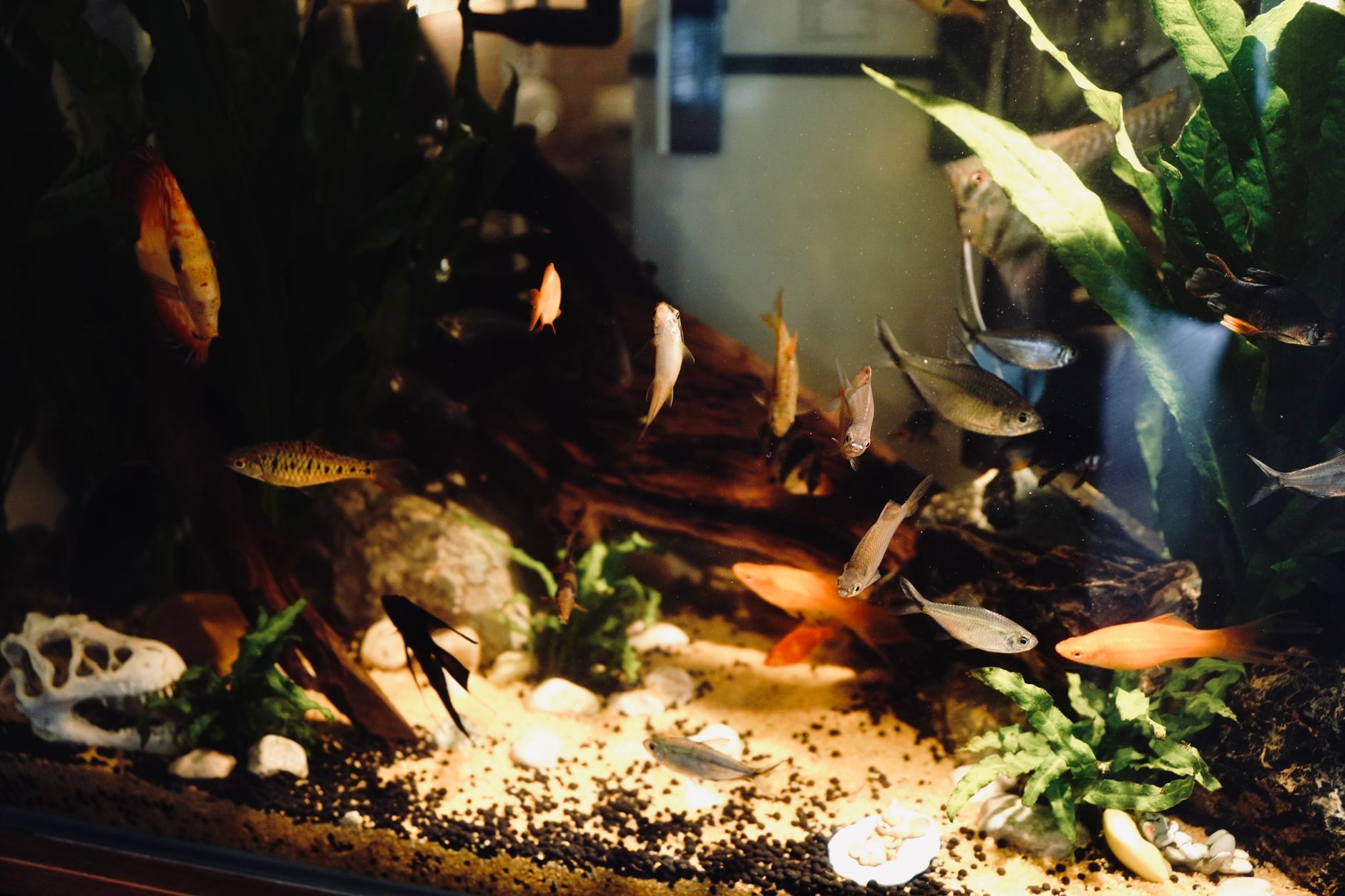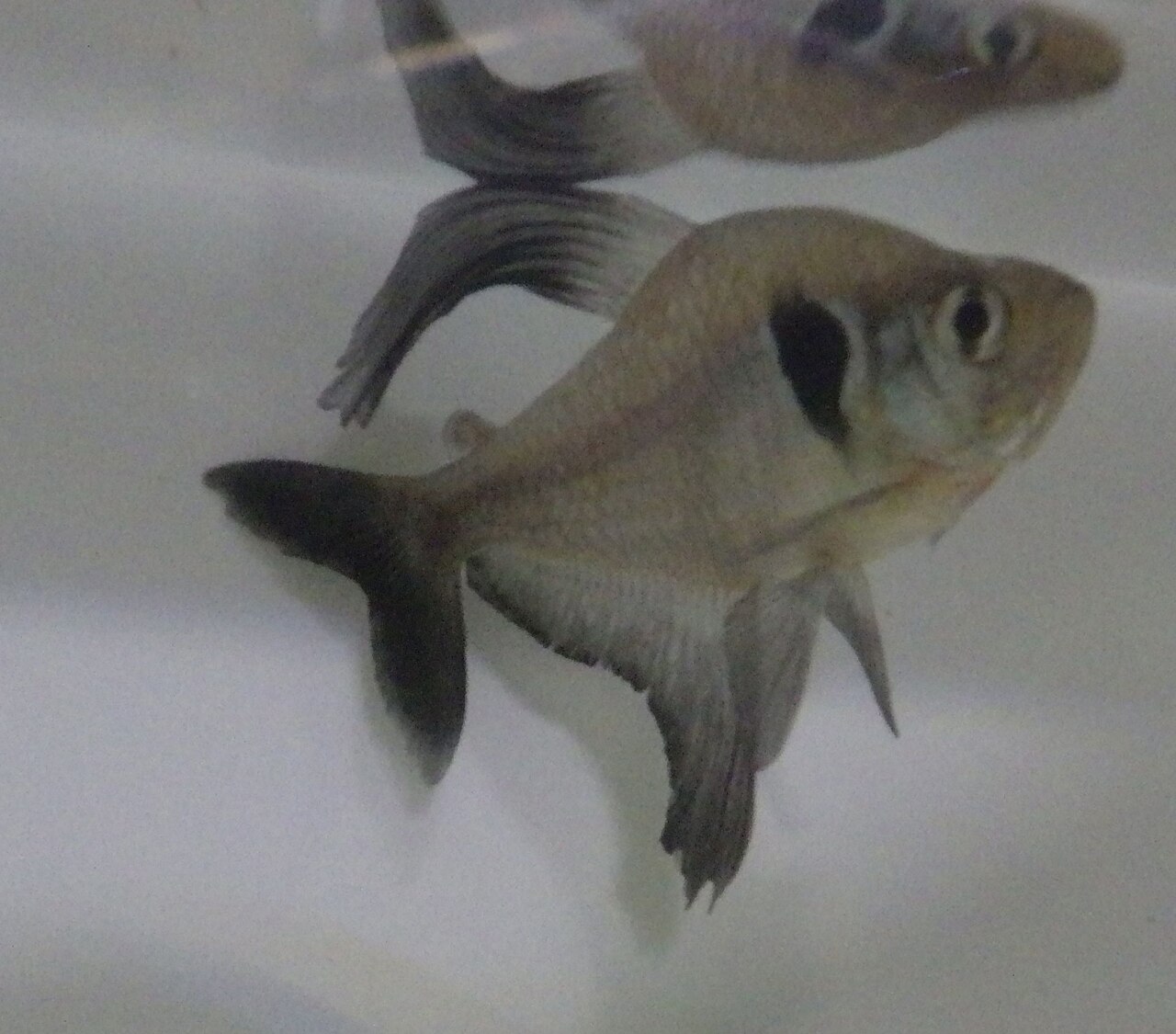
Black phantom tetras (Hyphessobrycon megalopterus) come from slow-moving streams and tributaries in South America. They are known for their oval-shaped body, dark patch behind the gills, and subtle red to black fin colors. Many keepers choose them because they are slightly hardier than neon tetras and tolerate a wider range of water conditions. Still, they need a properly sized tank, stable water, and the right social group to show their best behavior. This guide walks through each part of their care, from setup to common health problems.
If you have kept neon tetras, you already understand the basics of schooling fish. Black phantom tetras share that need for a group, but they are a little more direct with each other through chasing and fin displays. The aquarium nitrogen cycle matters just as much here as it does for any tropical fish. Before you buy the fish, plan for an established filter and a tank that can handle the bioload. A little setup time prevents most early losses.
These tetras are not picky eaters. They accept flakes, micro pellets, and frozen foods. The bigger challenge is not overfeeding and keeping nitrates low. They show their best color when the tank has live plants, driftwood, and dim lighting. A calm setup reduces stress and encourages natural social behavior instead of constant hiding. These conditions are easy to create but easy to overlook in a rush.
By the end of this guide, you will know the ideal tank size, water parameters, foods, and tank mates. You will also learn which warning signs matter most and how to avoid new-keeper mistakes. With good care, black phantom tetras can live for five years or more in a home aquarium. The reward is a lively, peaceful school that becomes a centerpiece in a planted community tank.
What You’ll Need
- 20-gallon long aquarium
- Adjustable heater and thermometer
- Sponge filter or hang-on-back filter
- Freshwater test kit
- Live plants and driftwood
- Gravel vacuum and water conditioner
How Do You Care for Black Phantom Tetras?
- Set up a planted 20-gallon tank with dim light
A 20-gallon long tank is the minimum I recommend for a school of six to eight black phantom tetras. They reach about 1.75 to 2.25 inches as adults, but they need horizontal swimming room. A long tank is better than a tall one because these fish move back and forth in the middle and upper levels. In smaller tanks, waste builds up quickly and the school has less space to sort out its social order.
Use fine gravel or sand as the substrate. Add driftwood, Indian almond leaves, and plenty of live plants. Plants like Java fern, Anubias, and Cryptocoryne provide cover and help keep nitrate levels lower. If live plants feel intimidating, start with easy species from the best aquarium plants for beginners. Floating plants also dim the light, which black phantoms prefer.
Leave open swimming space in the front of the tank. These tetras hover around plants and driftwood, then dart into open water during feeding. A cluttered tank can trap them in corners. Arrange tall plants along the back and sides instead of filling the middle with hardscape.
Set the heater to the target range before adding fish. A reliable adjustable heater prevents temperature swings. Use a thermometer to confirm the reading. Temperature stability matters more than hitting an exact number every day. You will tie this setup to water chemistry in the next step.

- Maintain stable water parameters with regular testing
Black phantom tetras do best at 72 to 82°F (22 to 28°C). Many keepers target 76 to 78°F. The pH should stay between 6.0 and 7.5. Soft to moderately hard water is fine, with general hardness around 4 to 15 dGH. These ranges are wider than those for some other South American tetras, which makes black phantoms forgiving for newcomers. Still, avoid sudden swings. Aqueon reminds keepers to check ammonia, nitrite, and nitrate regularly.
Use a liquid test kit to monitor the water. Check the freshwater test kit on Amazon. Test strips are convenient but less precise for ammonia and low-range pH. You want zero ammonia, zero nitrite, and nitrate under 20 ppm. A cycled tank handles the nitrogen waste, but regular water changes still matter. For help with the cycle, see how to cycle a fish tank.
Change 25 to 30 percent of the water every week. Use a gravel vacuum to remove uneaten food and waste from the substrate. Treat tap water with a conditioner before adding it. Match the new water temperature to the tank to avoid shocking the fish. If your tap water pH is above 7.8, consider mixing in reverse osmosis water or using botanicals to lower it slowly.
A reliable heater keeps the temperature steady. Place it near the filter outflow so warm water circulates evenly. Use a thermometer on the opposite side of the tank. If the room runs cold at night, size the heater appropriately. Check adjustable aquarium heaters on Amazon.
- Cycle the aquarium fully before you add fish
Never put black phantom tetras into an uncycled aquarium. Fish waste releases ammonia, which is toxic at any measurable level. Beneficial bacteria convert ammonia to nitrite and then to nitrate. This process is called the nitrogen cycle. If you have not cycled a tank before, review the nitrogen cycle fish tank guide.
You can cycle with fish food, pure ammonia, or a bottled bacteria starter. Add a small amount of ammonia source, then test daily. Ammonia will rise, then fall while nitrite rises. When both ammonia and nitrite read zero after adding ammonia, the tank is cycled. This process can take two to eight weeks. Do not rush it.
Some shops sell pre-cycled filter media or live bacteria. These products can speed up the process but do not replace testing. Add a few drops of ammonia and wait 24 hours to confirm the bacteria can handle it. If the readings stay at zero, the tank is safe for a small first group of fish.
Introduce fish slowly. Even a cycled tank needs time to adjust to a new bioload. Add the black phantoms first if you plan to keep a community. Wait at least two weeks before adding other species. This avoids ammonia spikes and lets the school settle in.
- Feed a varied diet with small foods
Black phantom tetras have small mouths and short digestive tracts. Feed them two or three small meals per day instead of one big feeding. Give only what they can eat in about 90 seconds. A high-quality micro pellet or crushed flake can be the base. Add frozen or live foods to mimic their natural diet of insects, larvae, and small crustaceans.
Good options include baby brine shrimp, daphnia, cyclops, and bloodworms. Offer bloodworms as a treat once or twice a week because they are rich. Moina and daphnia are easier to digest. A varied diet supports color and immune health. Check Fluval Bug Bites tropical fish food on Amazon for a protein-rich dry option.
Soak freeze-dried foods briefly before feeding if your tetras gulp air at the surface. Overfeeding is a common mistake. Uneaten food breaks down and fuels algae, ammonia, and cloudy water. If you see food on the substrate after two minutes, you fed too much. Use a turkey baster or small siphon to remove leftovers.
A weekly fast day is optional but can help prevent bloat. On that day, skip processed foods and offer a small amount of live or frozen daphnia if you want. Black phantoms rarely refuse food. Their constant searching behavior is normal and does not mean they are starving.

- Choose peaceful tank mates that match their energy
Black phantom tetras are generally peaceful, but males spar with each other through short chases and fin displays. They do best with other small South American fish. Good choices include neon tetras, cardinal tetras, rummy-nose tetras, and harlequin rasboras. For bottom-level action, add corydoras catfish. See the corydoras catfish care guide to choose a compatible species.
Avoid fin-nipping species like tiger barbs and large aggressive cichlids. Black phantoms have somewhat long, flowing fins. Fish that chase or bite fins will stress them. Dwarf cichlids like apistogrammas or rams can work in a larger planted tank with clear territories. Research each species before adding one.
Do not keep them with very small shrimp fry if you want shrimp to breed. Adult black phantoms may eat tiny baby shrimp. Larger Amano shrimp and adult cherry shrimp usually do fine. A heavily planted tank gives shrimp cover. Good plant cover also helps tetras feel safe around mid-level tank mates.
Keep the school larger when you mix species. Eight black phantoms plus eight other tetras creates a stronger sense of security. A bigger school reduces the chance of any single fish being singled out. Always quarantine new fish before adding them to the main aquarium. This protects the entire community from disease.

- Introduce the school and watch their social behavior
Start with at least six black phantom tetras. More is better. In small groups of two or three, dominant fish pick on the same tank mates repeatedly. With six or eight fish, chases are spread out and harmless. Add the whole group at once rather than one fish at a time.
Males display by circling each other and flaring their fins. Their dark black markings and red-tinted fins become more obvious. Females are lighter, with a more rounded body and often a red to orange anal fin. This sparring is normal and rarely causes damage. It can look rough, but it is not true aggression.
Provide sight breaks with plants and driftwood. If one male is constantly cornered, rearrange the decor to break up territories. Adding another female or two can also balance the group. A ratio of one male to two or three females reduces constant chasing.
After the fish settle in, they should come to the front at feeding time. If they hide for days, check water parameters and tank mates. Loud rooms, bright lights, and heavy foot traffic can also make them nervous. Keep the tank in a calm area and give them time.
- Condition adults and try breeding them
Black phantom tetras are egg scatterers. They can spawn in a community tank, but most eggs and fry get eaten. To raise more fish, use a separate 10-gallon breeding tank. Add a spawning mop or fine-leaved plants like Java moss. Use a bare bottom or a mesh grid so eggs can drop away from the parents.
Condition a pair or small group with live and frozen foods. Feed baby brine shrimp, daphnia, and blackworms for a week. Slightly soft, acidic water with a temperature near 80°F often triggers spawning. The female scatters eggs, and the male fertilizes them. Remove the adults after spawning to prevent egg eating.
Eggs hatch in about one to two days. The tiny fry need infusoria or liquid fry food for the first week. After that, offer microworms and newly hatched brine shrimp. Small daily water changes help keep the fry tank clean. Avoid fast flow that can exhaust the tiny fish.
Breeding is optional and adds work. Many keepers simply enjoy watching the spawning behavior in the display tank. If you want to try, start simple. A clean matured sponge filter works well in the fry tank. Aquarium Co-Op has helpful advice on setups for small fish breeding.
- Prevent and respond to common diseases
Black phantom tetras can develop ich, fin rot, and bacterial infections when stressed or kept in poor water. Ich shows as white spots on the body and fins. Fish may flash against objects or breathe rapidly. The best response is slowly raising the temperature to 82°F and using a medication designed for freshwater ich. For more on treatment, see how to treat ich in aquarium.
Fin rot appears as ragged, discolored fin edges. It often follows physical damage from chasing or poor water quality. Remove the affected fish to a hospital tank if possible. Use a broad-spectrum antibiotic or antibacterial remedy according to the label. Keep the hospital tank bare and dimly lit to reduce stress.
Prevention beats treatment. Maintain zero ammonia and nitrite, keep nitrate under 20 ppm, and perform weekly water changes. Quarantine all new fish for two to four weeks in a separate tank. Use separate nets and siphons for quarantine and display tanks to avoid spreading disease.
Do not add medications to a planted display tank unless needed. Some treatments harm plants and invertebrates. Read labels before treating. If you catch problems early, black phantoms usually recover well. A stable environment keeps their immune systems strong.
Red Flags & Warnings
- 🚨 Do not keep a single black phantom tetra. A lonely fish hides, loses color, and may become aggressive.
- 🚨 Avoid boisterous or large tank mates. Fin nippers like tiger barbs will shred the long fins of black phantoms.
- 🚨 Do not add fish to an uncycled tank. Ammonia and nitrite spikes can kill tetras quickly.
- 🚨 Keep a tight-fitting lid. Black phantoms can jump when startled or during spawning chases.
- 🚨 Do not overfeed. Leftover food rots and causes ammonia, cloudy water, and bloat.
- 🚨 Quarantine every new fish. A single sick fish can spread disease through the school.
Frequently Asked Questions
How many black phantom tetras should I keep together?
Keep at least six, but eight to ten is better. A larger group spreads out chasing behavior and helps the fish feel secure. In a 20-gallon long tank, a group of eight is a good starting point.
What size tank do black phantom tetras need?
A 20-gallon long tank is the minimum for a small school. Adult fish reach about 1.75 to 2.25 inches, but they are active swimmers. A tank with a 30-inch or longer footprint gives them room to move.
Are black phantom tetras fin nippers?
They are not known as serious fin nippers. Males may chase each other and flare, but they rarely damage tank mates. Avoid keeping them with slow, long-finned fish like male bettas to be safe.
Can black phantom tetras live with bettas?
It can work in a 20-gallon or larger planted tank, but it is not always a good match. Some bettas are too aggressive and may attack tetras. A better choice is to keep them with other peaceful schooling fish.
What water temperature and pH do black phantom tetras need?
Keep the temperature between 72 and 82°F, with 76 to 78°F as a good target. The pH should stay between 6.0 and 7.5. Soft to moderately hard water is acceptable, but avoid sudden changes.
How can I tell male and female black phantom tetras apart?
Males have longer, darker fins and a more slender body. Females are rounder and often show a red or orange tint in the anal fin and lower body. The difference is easiest to see once fish reach adult size.
What Should You Remember?
- School size: Keep at least six to eight black phantom tetras to spread chasing and reduce stress.
- Tank size: Use a 20-gallon long tank or larger with open swimming room.
- Water parameters: Maintain 72 to 82°F and a pH of 6.0 to 7.5.
- Diet: Feed small, varied foods two or three times per day.
- Tank mates: Choose peaceful South American fish and avoid fin nippers.
- Maintenance: Change 25 to 30 percent of the water weekly and test regularly.
- Quarantine: Isolate all new fish for two to four weeks before adding them.
This article is for general information only and is not a substitute for professional veterinary or aquarium specialist advice. Always research the specific needs of your fish and consult an expert before making care decisions.