Goldfish are often sold as beginner fish, but their care is more demanding than many people expect. They produce a large amount of waste and can grow far beyond the size of a bowl. In this guide, I will walk through the actual tank size, diet, and compatibility needs that keep goldfish healthy. The right setup matters more than most new keepers realize. A bowl is never the right home, no matter what the label shows. Start with the fish, not the myth.
The Aqueon care resources recommend treating goldfish as coldwater fish with specific space and filtration requirements. This guide aligns with those standards and adds practical advice from years of fishkeeping. You will need a cycled tank, a strong filter, and a feeding plan that changes as the fish grows. If you already keep other fish, check the compatibility section before adding goldfish. Goldfish tank size guide explains space needs in detail.
Goldfish are not tropical fish. They do best in unheated aquariums, and their metabolism slows in cool water. That changes how often you feed and clean. Many problems come from keeping them too warm or too crowded. The nitrogen cycle is the first thing to understand before you bring a fish home, because ammonia control determines long-term health. A stable, cool environment prevents much of the stress that leads to disease.
This guide is a step-by-step plan. Each step explains a core part of goldfish care, from choosing the right tank to preventing common diseases. I will flag serious mistakes in the warnings section and answer the most common questions at the end. Use this as your 2026 care reference, not a quick sales pitch. By the end, you will have a clear care plan for a healthy goldfish tank.
What You’ll Need
- Aquarium test kit
- Water conditioner
- Gravel vacuum or siphon
- Filter rated for twice tank volume
- Thermometer
How Do You Care for Goldfish?
- Start with a 20-Gallon Tank for One Goldfish
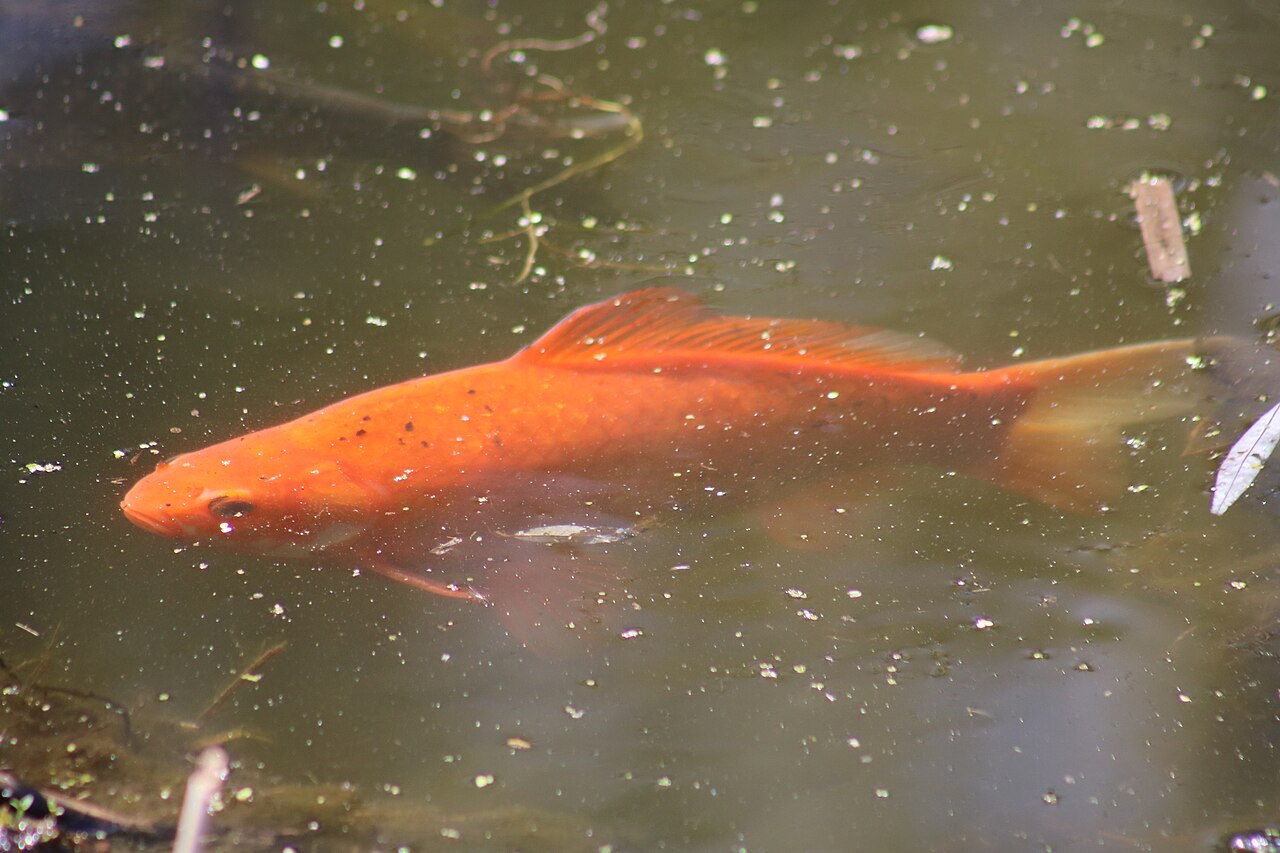
Goldfish bowls are one of the most common mistakes in fishkeeping. A single fancy goldfish can grow to 6 to 8 inches, and common or comet goldfish often reach 12 inches or more. A bowl cannot hold enough water volume or surface area to support that adult size. Start with at least 20 gallons for one fancy goldfish. For common or comet goldfish, use 30 gallons for the first fish. Add 10 to 15 gallons for each additional goldfish. The best beginner fish tanks list options that can handle this bioload.
The reason tank size matters so much is waste production. Goldfish release a lot of ammonia through their gills and waste. A larger volume of water dilutes that ammonia between water changes. A long, shallow tank is better than a tall, narrow one because it provides more swimming space and better gas exchange at the surface. A 40-gallon breeder tank is a much better long-term home for two fancy goldfish than a 29-gallon standard tank.
Do not rely on a small tank with extra water changes to compensate. Goldfish are active and social, and cramped conditions lead to stress, stunted growth, and illness. Choose the biggest tank your space and budget allow. If you are upgrading later, plan for the adult size now to avoid rehoming the fish.

- Use a Filter Rated for Twice Your Tank Volume
Filtration is not optional for goldfish. Their constant foraging stirs up debris, and their waste output is high. A hang-on-back filter or canister filter rated for at least twice the tank volume is a good starting point. For a 40-gallon goldfish tank, look for a filter rated for 80 gallons or more. The best aquarium filters guide compares models with strong mechanical and biological filtration.
Substrate choice also affects tank cleanliness. Avoid large gravel. Goldfish constantly sift through the substrate looking for food, and they can swallow pieces that get stuck in their mouths or digestive tract. Use fine sand or keep the tank bare bottom. Bare bottom tanks are easier to clean and let you see waste immediately. Fine sand is more natural and safe if you use a thin layer.
Keep decorations smooth and minimal. Goldfish have delicate fins and scales. Driftwood with sharp edges or rough plastic plants can tear fins. If you add live plants, choose tough species like anubias or java fern attached to rocks, but expect goldfish to nibble them. The goal is a setup that is easy to clean and has no swallowing hazards. This step prepares the tank for the next critical phase: cycling.
- Cycle the Tank Completely Before Adding Goldfish
Goldfish are sensitive to ammonia and nitrite, so a fishless cycle is the safest way to prepare the tank. Cycling means growing nitrifying bacteria that convert ammonia into nitrite and then into nitrate. Use a pure ammonia source or fish food to feed the bacteria for several weeks. The how to cycle a fish tank guide walks through the full process. Do not add goldfish during this time.
You need a reliable water test kit to track the cycle. Check the API Freshwater Master Test Kit on Amazon. Test daily until ammonia and nitrite both read zero, even after adding an ammonia source. Only then is the tank safe for fish. New tank syndrome happens when fish are added before the bacteria are established, causing gill damage and death.
Some keepers try to cycle with hardy goldfish, but this is not necessary and causes suffering. Fishless cycling is faster, cheaper, and more humane. While the tank cycles, you can plan your goldfish stock and quarantine setup. A fully cycled filter is the foundation for every other care step in this guide.
- Keep Water Cool, Hard, and Slightly Alkaline
Goldfish are coldwater fish. The ideal temperature range is 65 to 75 degrees Fahrenheit, which is usually room temperature in most homes. Keep a thermometer in the tank and avoid placing it near windows, radiators, or air conditioners. The pH should stay between 7.0 and 8.4, and moderate to hard water is fine. Rapid changes in pH or temperature cause more harm than an off value.
Tap water contains chlorine or chloramine, so always use a water conditioner during water changes. Check the Seachem Prime water conditioner on Amazon. It detoxifies ammonia, nitrite, and nitrate while removing chlorine. Aquarium Co-Op also emphasizes stable parameters over chasing a perfect number. Test your tap water before using it, because some sources have high ammonia or extreme pH.
Do not chase pH with chemicals. Goldfish adapt to a pH between 7.0 and 8.4 as long as it stays consistent. If you need to lower pH, use natural methods like driftwood or peat, but do so slowly. The main job is keeping temperature steady and ammonia, nitrite, and nitrate under control. This step connects directly to the weekly maintenance routine later.

- Feed a Sinking Pellet and Vegetable Diet
Goldfish do not have a true stomach, so they digest food quickly and benefit from small, frequent meals. Feed a high-quality sinking pellet as the staple. Floating flakes often cause goldfish to gulp air at the surface, which can lead to swim bladder problems. Check the Hikari sinking goldfish pellets on Amazon. Feed two to three small portions per day, only what they can eat in two minutes.
Variety keeps goldfish healthy. Offer blanched, shelled peas once or twice a week to aid digestion. Zucchini, spinach, and bloodworms are good occasional treats. Avoid overfeeding, because uneaten food breaks down into ammonia. A good rule is to fast goldfish one day per week to let their digestive tract clear.
Watch how your goldfish eat. If a fish floats upside down after meals, reduce portion size and feed sinking foods only. Diet affects water quality and overall health more than any other daily habit. The next step is matching tank mates to the feeding style of goldfish, since they are messy eaters.
- Keep Goldfish with Similar Coldwater Tank Mates
Goldfish are social and should be kept with at least one other goldfish. The best tank mates for a fancy goldfish are other fancy goldfish of similar size and swimming ability. Single-tailed goldfish like commons and comets are faster and often outcompete fancy varieties for food, so keep those groups separate. This reduces stress and injury.
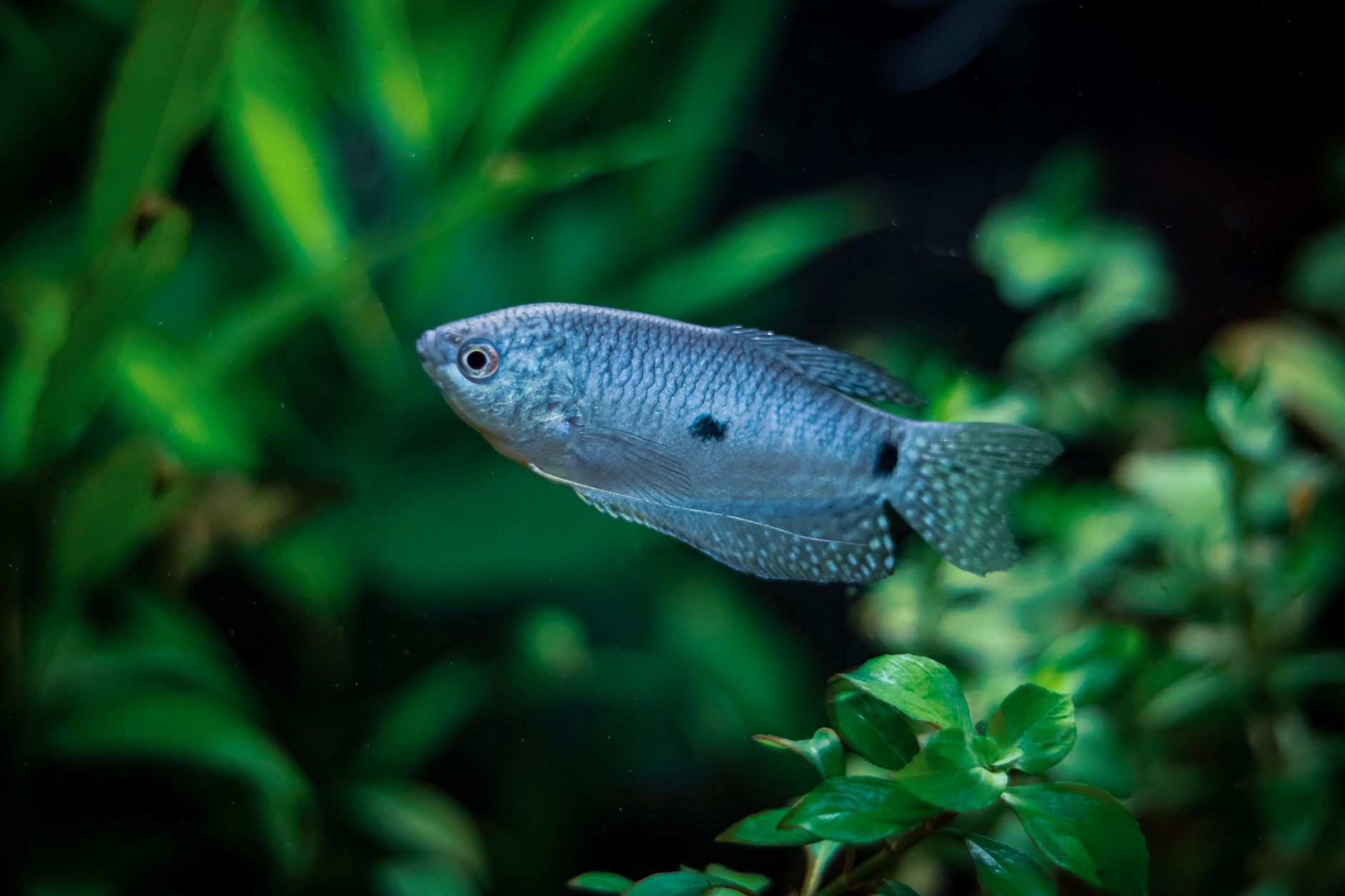
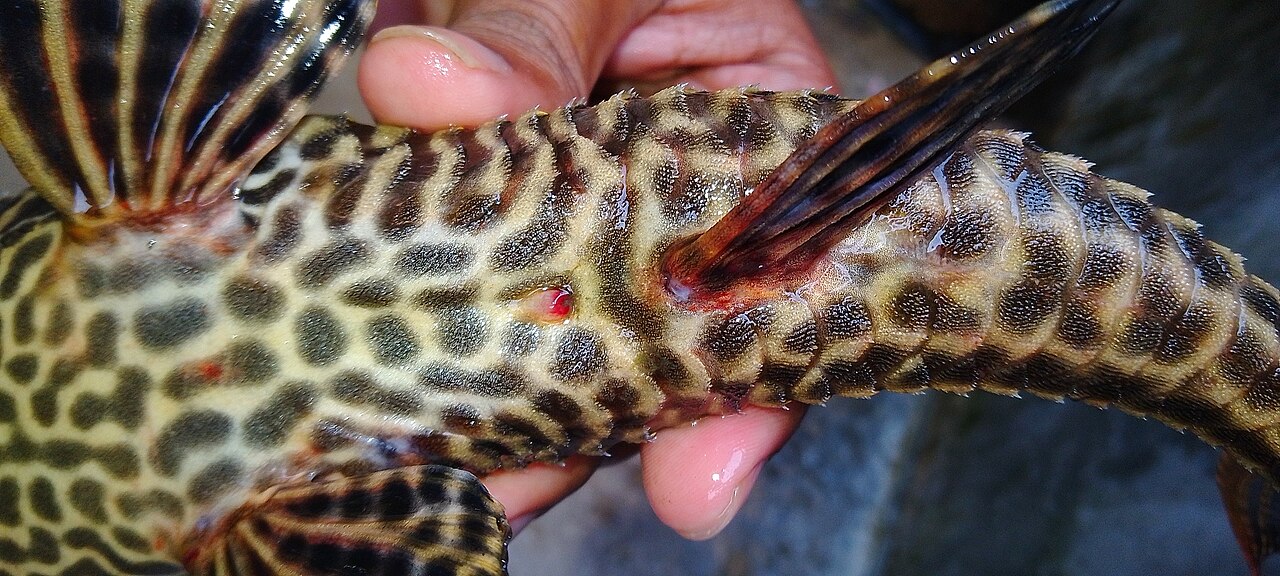
Most tropical fish are not compatible. They need warmer temperatures and may nip goldfish fins. Small fish like neon tetras can be eaten or harassed as goldfish grow. Common plecos and some catfish may suck the slime coat off slow-moving goldfish. Do not trust the idea that algae eaters will clean up after goldfish.
If you have a very large, heavily filtered tank, you can consider white cloud mountain minnows or dojo loaches as cool-water companions. Still, every addition increases bioload. For most keepers, a species-only goldfish tank is the easiest and safest option. Plan your tank around the goldfish first, and treat any extra fish as a risk to manage.
- Change 25 to 30 Percent of the Water Every Week
Weekly water changes are non-negotiable for goldfish. Remove 25 to 30 percent of the water with a gravel vacuum or siphon. Vacuum the bottom thoroughly to remove solid waste and uneaten food. Replace the water with dechlorinated tap water that is close to the tank temperature. The how often to change aquarium water guide goes deeper into schedules.
Test the water before each change. Ammonia and nitrite should be zero, and nitrate should stay under 40 ppm, ideally under 20 ppm. If nitrate is higher, increase the size or frequency of water changes. Rinse filter media in old tank water, never tap water, because chlorine kills beneficial bacteria. Replace mechanical media when it falls apart, but leave biological media alone.
Consistency matters more than perfection. A stable weekly routine prevents waste from building up and keeps your goldfish active. This step also gives you a chance to inspect fish for early signs of illness. The final step covers what to look for and how to respond.

- Watch for Swim Bladder Issues, Ich, and Fin Rot
Goldfish are prone to swim bladder disorder, which shows up as floating, sinking, or swimming sideways. It is often caused by overfeeding or gulping air. Treat it by fasting the fish for 24 to 48 hours, then feeding a deshelled, blanched pea. If the problem continues, check water quality and switch to sinking food only.
Ich appears as small white spots on the fins and body. Goldfish can develop ich after sudden temperature drops or stress. Treat it early with aquarium salt or an ich medication, and raise the temperature slightly only if safe for goldfish. The how to treat ich in an aquarium guide has a full treatment plan. Fin rot is usually a sign of poor water quality, so start with large water changes.
Prevention is easier than treatment. Quarantine all new fish for two to four weeks before adding them to the main tank. Do not share nets or equipment between tanks without drying them. If you see a sick fish, move it to a hospital tank so you can treat it without exposing others. Healthy goldfish are the result of every step before this one.
Red Flags & Warnings
- 🚨 Never keep a goldfish in a bowl. Even a 1-gallon bowl cannot support the bioload, and most goldfish die within months from ammonia poisoning.
- 🚨 Do not mix single-tailed and fancy goldfish. Single-tailed varieties swim faster and outcompete fancies for food.
- 🚨 Avoid gravel substrate. Goldfish swallow gravel while foraging, which can cause impaction or choking.
- 🚨 Do not add goldfish to an uncycled tank. Ammonia and nitrite spikes will burn gills and cause death.
- 🚨 Never use hot water to adjust tank temperature quickly. Sudden temperature swings stress goldfish and can trigger ich.
- 🚨 Do not keep goldfish with tropical fish. Their temperature needs are incompatible, and tropical fish often nip goldfish fins.
Frequently Asked Questions
How big of a tank do goldfish really need?
One fancy goldfish needs at least 20 gallons, and each additional fancy needs about 10 more gallons. Common and comet goldfish need 30 gallons for the first fish and more as they grow, since they can exceed 12 inches.
Can goldfish live in a bowl?
No. Bowls are too small, lack filtration, and cause ammonia buildup. A bowl is not a stable environment and will shorten a goldfish’s life.
What temperature should a goldfish tank be?
Keep the water between 65 and 75 degrees Fahrenheit. Room temperature is usually fine, but avoid placing the tank near heaters or direct sunlight.
How often should I feed goldfish?
Feed small portions twice a day, only as much as they can eat in two minutes. Include vegetables like blanched peas once or twice a week.
Can goldfish live with bettas or tropical fish?
No. Bettas and most tropical fish need warmer water, and goldfish produce waste that can overwhelm a tropical setup. Temperature and aggression conflicts make them poor tank mates.
Do goldfish need a heater?
Most goldfish do not need a heater in a normal home. Use a thermometer to keep the tank between 65 and 75 degrees Fahrenheit, and avoid rapid temperature changes.
What Should You Remember?
- Tank size: Start with 20 gallons for one fancy goldfish and add 10 gallons per extra fancy.
- Water quality: Cycle the tank fully and change 25 to 30 percent weekly.
- Diet: Feed sinking pellets, limit floating food, and add blanched vegetables.
- Compatibility: Keep goldfish with other goldfish or similar coldwater fish only.
- Maintenance: Rinse filter media in tank water, never tap water.
- Observation: Quarantine new fish and treat illness early.
This article is for general information only and is not a substitute for professional veterinary or aquarium specialist advice. Always research the specific needs of your fish and consult an expert before making care decisions.