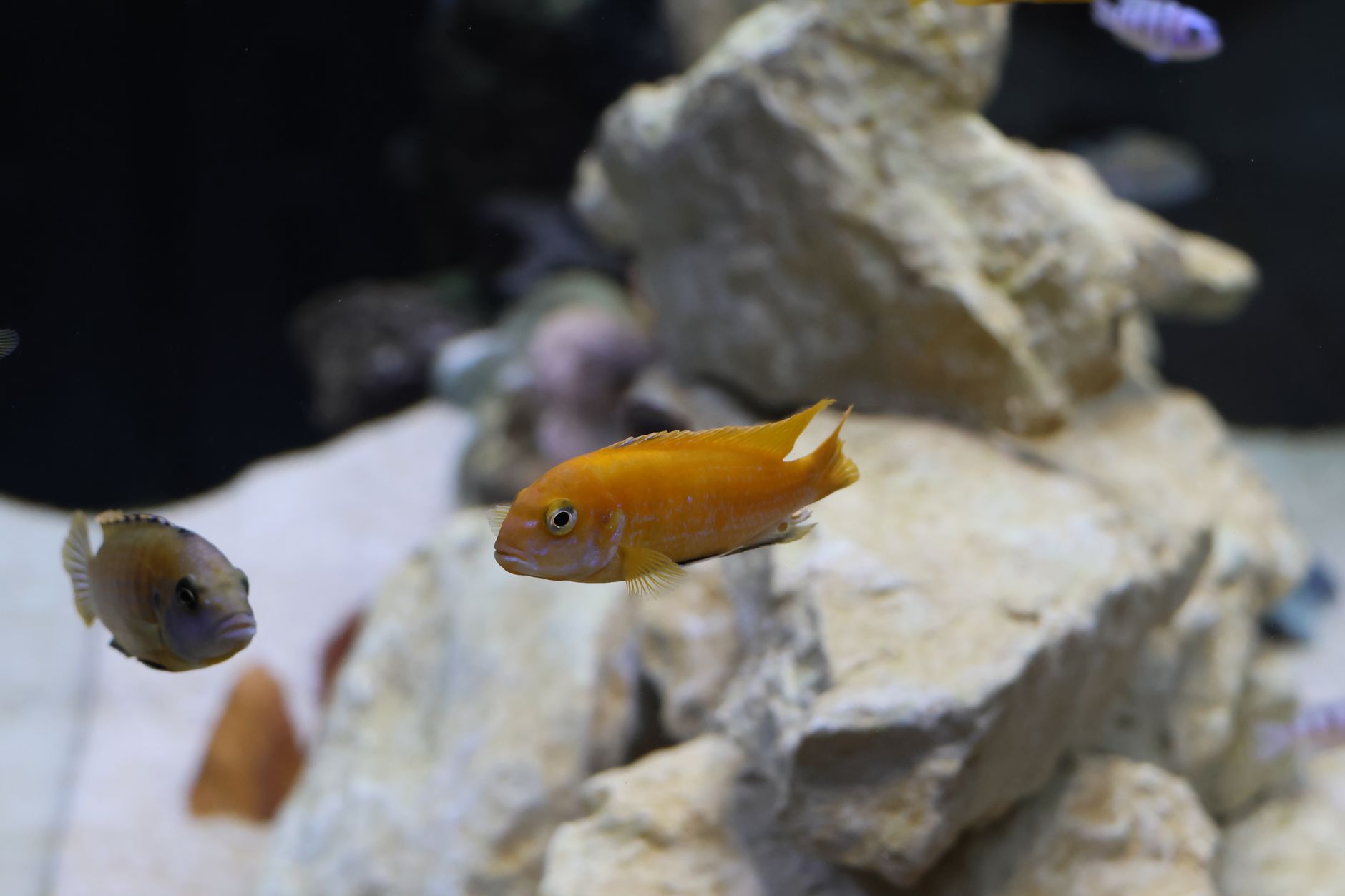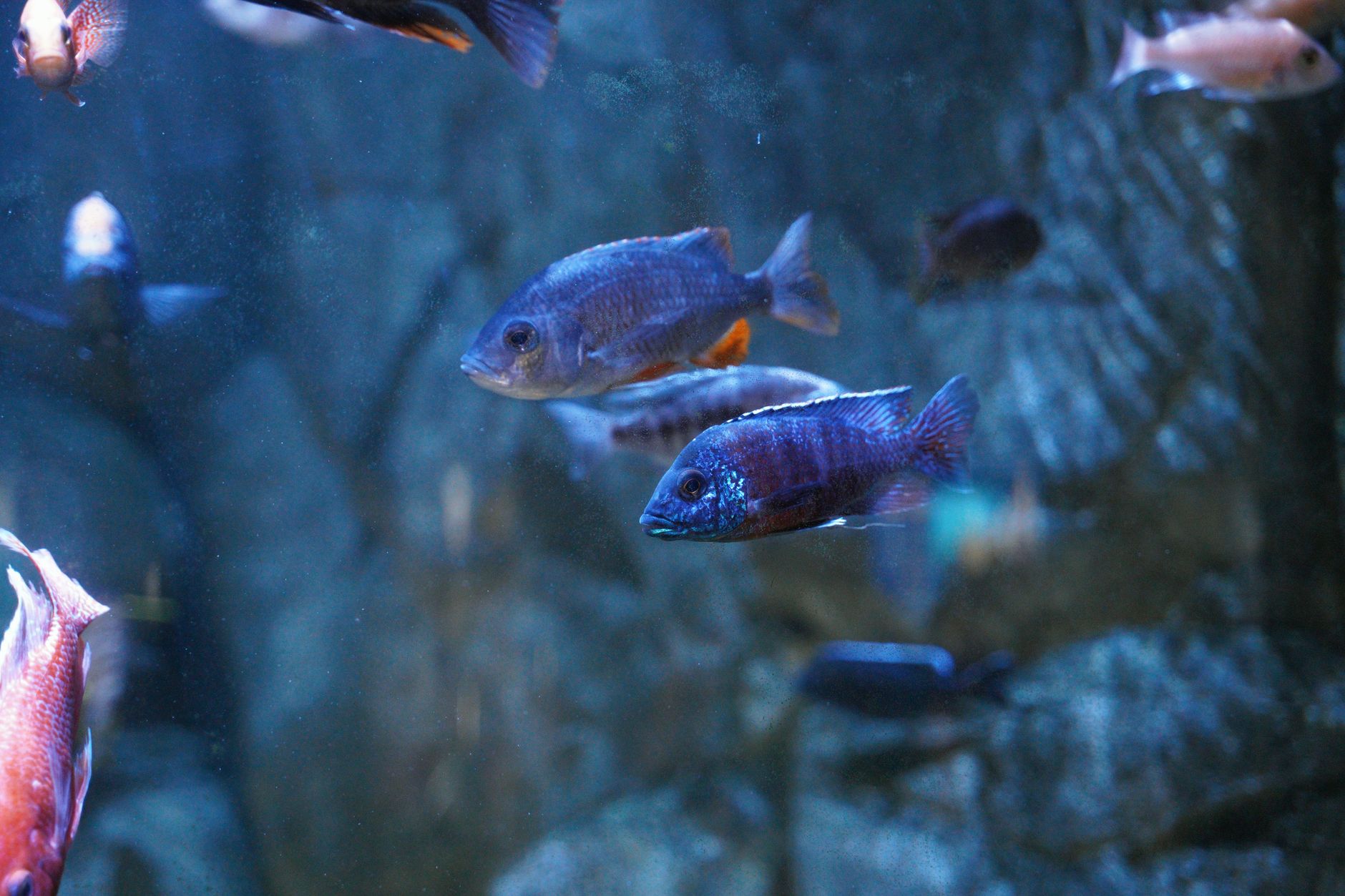
Apistogramma are some of the most colorful and behaviorally interesting dwarf cichlids in the freshwater hobby. Many aquarists shorten the name to apistos, and the fish come from slow-moving streams and pools across South America. Their small adult size and complex social habits make them a favorite for planted tanks. If you have kept ram cichlids or other dwarf cichlids, you already understand the appeal. Apistogramma can be a bit more demanding than typical community fish, but the effort pays off with bright colors and fascinating behaviors.
The first thing to know is that Apistogramma need stable, specific water conditions. They come from soft, acidic, warm habitats, and they do not tolerate ammonia or nitrite spikes. A 20-gallon long tank is a common starting point for a single pair, though a larger footprint is better for a community. Aim for a water temperature between 78 and 84 degrees Fahrenheit and a pH between 6.0 and 7.0. Before adding any Apistogramma, make sure your tank has completed the nitrogen cycle. These fish are sensitive to poor water quality.
Feeding Apistogramma is not difficult once you understand their natural diet. They are micropredators that pick at small crustaceans, insect larvae, and other tiny foods. A high-quality flake or micro pellet can serve as the base, but you should add frozen and live foods regularly. Good choices include baby brine shrimp, daphnia, and blackworms. Some prepared foods include vegetable matter, which helps balance their nutrition. A varied diet supports color, growth, and breeding condition. You can pair them with peaceful bottom dwellers like corydoras catfish, but avoid aggressive or fin-nipping tank mates.
Setting up the tank properly makes a big difference in how confident and active your Apistogramma will be. These fish like lots of cover, caves, and leaf litter. Live plants, driftwood, and coconut caves help them feel secure and create natural territory boundaries. If you are new to planted tanks, start with easy species like Java fern and Anubias. In this guide, I will walk through tank size, water chemistry, diet, compatible tank mates, and routine care. The goal is to help your Apistogramma settle in and thrive for years.
What You’ll Need
- 20-gallon long aquarium
- Adjustable heater
- Sponge or hang-on-back filter
- API Freshwater Master Test Kit
- Sand or fine gravel substrate
- Driftwood and caves
How Do You Care for Apistogramma?
- Set Up a Properly Sized Apistogramma Tank
Set up a tank that gives Apistogramma enough floor space and stable heating before you bring fish home. A 20-gallon long tank is the standard starting size for a single pair, but a 30- or 40-gallon tank works better for a small group or a community setup. Adult Apistogramma usually stay between 2 and 3.5 inches long depending on the species, so they do not need a huge tank by volume. The key is footprint, not height, because these fish spend most of their time near the bottom. A longer tank gives each fish a territory and helps prevent constant chasing.
Choose gentle filtration because Apistogramma come from slow-moving waters. A sponge filter or a hang-on-back filter with adjustable flow works well. Strong current will push these small cichlids around and make them hide constantly. Heat is just as important. Use a reliable heater to keep the water between 78 and 84 degrees Fahrenheit. I like the Eheim Jager Aquarium Heater because it holds temperature well in smaller tanks. You can also check the best aquarium heaters for small tanks for more options.
Before adding fish, cycle the tank fully. Apistogramma are sensitive to ammonia and nitrite, and an uncycled tank will cause stress or death. Use a liquid test kit to confirm zero ammonia and nitrite, with some nitrate present. Once the cycle is stable, you can move on to fine-tuning the water chemistry. That step matters as much as tank size for these South American dwarf cichlids.

- Dial In Soft, Acidic Water Conditions
Apistogramma need warm, soft, and acidic water. Aim for a temperature range of 78 to 84 degrees Fahrenheit, a pH between 6.0 and 7.0, and low general hardness, ideally between 2 and 8 dGH. These numbers reflect the slow blackwater streams they come from in South America. Aqueon notes that many dwarf cichlids show their best color and breeding behavior when water is kept within their natural range. If your tap water is hard and alkaline, you will need to adjust it.
The easiest way to lower pH and hardness is to use natural materials. Driftwood, Indian almond leaves, and peat can release tannins and organic acids. For more precise changes, use reverse osmosis water or a commercial pH-lowering product made for aquarium use. You can learn more in this guide on how to lower pH in an aquarium. I keep a API Freshwater Master Test Kit on hand and test the water every few days, especially after water changes.
Stability is more important than hitting a perfect number. Sudden pH swings are worse than a slightly higher pH that stays steady. If you use tap water, age it and adjust it before adding to the tank. Small, frequent water changes with pre-treated water will keep the chemistry stable. Once your water is in the right range, the next step is to build a natural layout that makes Apistogramma feel secure.
- Create a Natural Layout with Plants, Caves, and Leaf Litter
Apistogramma are territorial fish that need visual barriers and hiding spots. Driftwood, rocks, and coconut caves create territories and break lines of sight. I use at least two or three caves per Apistogramma, even for a single pair. This gives the female a place to retreat and the male a defined territory. Without enough structure, one fish may constantly chase the other or hide all day.
Live plants also help. Java fern, Anubias, and Amazon sword are good choices because they tolerate soft water and low to moderate light. You can find more easy options in this guide to best aquarium plants for beginners. Floating plants like frogbit or water lettuce dim the light and make Apistogramma more confident. A sand or fine gravel substrate is safest for their barbels and lets them sift for food naturally.
Add leaf litter for a more natural biotope. Indian almond leaves and dried oak leaves release tannins and create microhabitats for tiny foods. The leaves also stain the water slightly, which many Apistogramma come from. Arrange caves and plants so each fish has its own area. This layout work directly supports the next step: feeding a varied diet without competition.

- Feed a Varied, High-Quality Diet
Apistogramma are micropredators that eat small insects, crustaceans, and larvae in the wild. A high-quality micro pellet or flake designed for small cichlids should be the staple. But dry food alone is not enough. I feed frozen daphnia, baby brine shrimp, and cyclops several times a week. Aquarium Co-Op recommends rotating foods so fish get a full range of nutrients. Live foods like blackworms or mosquito larvae can trigger spawning and improve color.
Feed small amounts once or twice a day, only what the fish can eat in about two minutes. Apistogramma have small stomachs and can bloat if they eat too much. A fasting day once a week helps their digestion. Use sinking foods if you have bottom-dwelling Apistogramma that ignore floating flakes. Target feeding near a cave helps shy fish get enough food before faster tank mates eat it all.
Watch each fish during feeding. A dominant male may push a female away from food, so drop food in multiple spots. If you keep Apistogramma with tetras or other fast feeders, add food after lights out or use a feeding tube. Good nutrition sets up the next step: choosing tank mates that will not outcompete or stress your Apistogramma.
- Choose Compatible Tank Mates
Choose small, peaceful tank mates that live in the same soft, warm water conditions. Good options include small tetras like neon tetra, cardinal tetra, and rummy nose tetra. Pencilfish and hatchetfish work for the upper levels. For the bottom, corydoras catfish and Otocinclus are safe and do not compete for caves. Avoid large, aggressive, or fin-nipping fish like many barbs and large cichlids.
Stocking order matters. Add dither fish like small tetras first, let the tank settle, and then introduce Apistogramma. Dither fish swimming in the open tell Apistogramma that it is safe to come out. A single male with one or more females often works, but only keep multiple males if the tank is large enough, usually 40 gallons or more with broken sight lines.
Be careful with other dwarf cichlids. Apistogramma can sometimes live with Bolivian rams in a large tank, but mixing two territorial cichlid species in a small space invites fights. It is safer to keep Apistogramma as the only cichlids. Once the stocking is set, the next step is regular maintenance to keep water quality high.

- Maintain Water Quality with a Routine
Apistogramma are sensitive to poor water quality, so a regular maintenance routine is essential. Perform weekly water changes of 25 to 30 percent using dechlorinated water that matches the tank temperature. Vacuum the substrate gently, especially in open areas where food and waste collect. Do not disturb caves and planted areas too aggressively, because Apistogramma may be hiding or breeding there.
Test the water weekly for ammonia, nitrite, and nitrate. Ammonia and nitrite should always read zero. Keep nitrate below 20 parts per million if possible. A reliable filter helps, and I have used the AquaClear Power Filter on smaller Apistogramma tanks with good results. Rinse mechanical media in old tank water instead of tap water to preserve beneficial bacteria.
Observe your fish during water changes. Healthy Apistogramma are active, curious, and show good color. Clamped fins, rapid breathing, or hiding all day can signal stress or poor water quality. If you notice these signs, test the water immediately and increase aeration. Consistent maintenance keeps the tank stable and prepares your pair for breeding behavior.
- Watch for Breeding and Territorial Behavior
Apistogramma are cave spawners, and a mature pair will often breed without much extra effort if conditions are right. The female typically chooses a cave or a tight space under driftwood, lays eggs, and guards them. The male patrols the territory. Once the female disappears into a cave, it is best to leave her alone. Disturbing the cave can cause her to eat her eggs or abandon the fry.
After the eggs hatch, the female leads the fry around the tank for several weeks. The fry can eat infusoria, microworms, and newly hatched baby brine shrimp. In a community tank, many fry will be eaten by other fish. If you want to raise a larger number, use a separate breeding or grow-out tank. Move the female and fry together, or carefully siphon the fry once they are free-swimming.
Breeding increases aggression. A male may chase other tank mates away from the territory, and a stressed female may turn on the male if she has no retreat. Provide extra caves and sight breaks. In a very small tank, you may need to remove the male or separate the pair after spawning. Breeding is rewarding, but it requires observation and sometimes quick action.
Red Flags & Warnings
- 🚨 Do not keep two male Apistogramma in a tank smaller than 40 gallons. Males will fight over territory and one will be killed or stressed.
- 🚨 Avoid hard, alkaline water. Apistogramma kept in high pH or high GH water often lose color and become sick.
- 🚨 Never add Apistogramma to an uncycled tank. Ammonia and nitrite spikes are deadly to these small cichlids.
- 🚨 Do not feed only dry flakes. A lack of frozen or live foods can lead to poor health, faded color, and failed spawning.
- 🚨 Be careful with tank mates that nip fins or outcompete for food. Fast or aggressive fish will stress Apistogramma and prevent them from eating.
- 🚨 Do not disturb a breeding cave. If you move decorations or clean near the cave, the female may eat her eggs or abandon the fry.
Frequently Asked Questions
What size tank do Apistogramma need?
A 20-gallon long tank is the minimum for a single pair. If you plan to keep more than one female or add tank mates, use a 30- to 40-gallon tank with a larger footprint.
Are Apistogramma good for beginners?
They are not the easiest fish, but a beginner who can maintain soft, acidic water will do fine. You need to stay on top of water changes and provide a varied diet.
What do Apistogramma eat?
Apistogramma eat small live and frozen foods like baby brine shrimp, daphnia, and blackworms. They also accept high-quality micro pellets and flakes. A varied diet keeps them healthy.
Can Apistogramma live in a community tank?
Yes, with peaceful small tank mates like tetras, corydoras, and pencilfish. Avoid large or aggressive fish. Provide plenty of caves and visual barriers to reduce stress.
How can I tell male and female Apistogramma apart?
Males are larger and more colorful with longer fins. Females are smaller, often yellow when breeding, and have shorter fins. The exact pattern depends on the species.
Do Apistogramma need soft water?
They strongly prefer soft, acidic water. A pH between 6.0 and 7.0 and low hardness are ideal. You can lower pH with driftwood, catappa leaves, or reverse osmosis water.
What Should You Remember?
- Tank size: Use a 20-gallon long tank for a pair; use 30+ gallons for groups or community setups.
- Water parameters: Keep temperature 78-84°F, pH 6.0-7.0, and low hardness for healthy Apistogramma.
- Diet: Feed a mix of micro pellets, frozen daphnia, brine shrimp, and occasional live foods.
- Tank mates: Choose small peaceful fish like tetras and corydoras; avoid aggressive or fin-nipping species.
- Aquascaping: Provide caves, driftwood, plants, and leaf litter to create territories and reduce aggression.
- Maintenance: Perform weekly 25-30% water changes and test water regularly to keep nitrates low.
- Breeding: A mature pair will spawn in a cave; do not disturb the cave and be ready for fry.
This article is for general information only and is not a substitute for professional veterinary or aquarium specialist advice. Always research the specific needs of your fish and consult an expert before making care decisions.