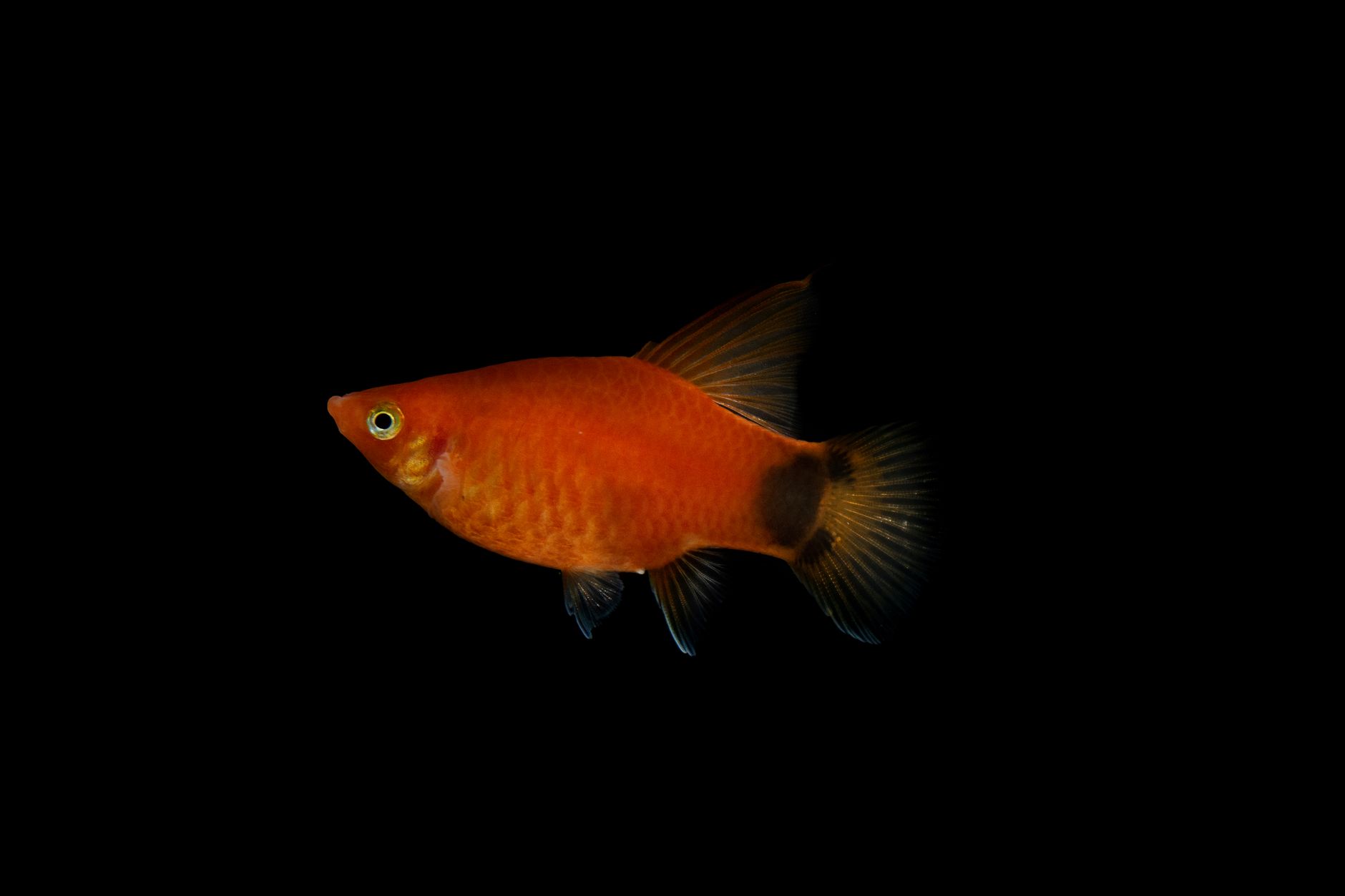
Platies are among the most forgiving freshwater fish in the hobby, which is why they show up on nearly every best fish for beginners list. The common platy, Xiphophorus maculatus, reaches about 2 to 3 inches as an adult. They come from warm, slow-moving waters in Central America. Their small size and peaceful temperament make them a great fit for community tanks. But forgiving does not mean no care is required.
The real appeal of platies is their hardiness when conditions are stable. They tolerate a wider range of water chemistry than many other tropical fish. That said, they still react badly to ammonia spikes and sudden temperature changes. Before buying platies, it helps to understand the aquarium nitrogen cycle. A cycled tank is the foundation for long-term health.
This guide covers tank size, setup, diet, compatibility, and common health problems. I have kept platies in planted community tanks for years, and the advice here reflects what works in practice. According to Aqueon, platies do well in tanks of 10 gallons or more with a stable heater. That guidance lines up with my experience.
By the end, you will know exactly how to set up a platy tank, feed a balanced diet, choose safe tank mates, and spot trouble early. Platies are active, colorful, and easy to breed, but cutting corners on cycling or water changes causes most problems. Follow the steps below and you will have a thriving group.
What You’ll Need
- 10-gallon or larger aquarium
- Aquarium heater with adjustable thermostat
- Hang-on-back or sponge filter
- Liquid water test kit
- Dechlorinator
- High-quality tropical fish flake food
- Live plants and hiding spots
How Do You Care for Platy Fish?
- Choose the Right Tank Size and Group Size
A 10-gallon tank is the smallest setup I recommend for platies. A single platy can survive in less, but these fish are social and need company. A standard 10-gallon supports a small group of four to five adults. If you want more color variety or plan on breeding, start with a 20-gallon long. More water volume dilutes waste and keeps parameters steady. Check best beginner fish tanks for reliable starter options.
Stocking matters more than footprint. Platies are active swimmers, but they do not need a huge footprint like zebra danios. A 20-gallon long gives better horizontal swimming space than a 20-gallon tall. For every additional adult platy, add about 2 gallons of water. A 10-gallon with five platies, a small cleanup crew, and live plants is workable, but a 20-gallon is far easier.
Keep platies in groups with at least two females per male. Males constantly court females, and a lone female can become stressed. A group of five or more spreads out that attention. If you do not want fry, keep only males, but watch for mild chasing. I prefer a mixed group because the interactions are more natural.
Do not start with just one platy. A lone platy often hides, loses color, and eats poorly. This step connects to setup and cycling because the tank size and group number determine how much filtration and how many water changes you will need.

- Set Up the Aquarium with Heat and Filtration
Platies need warm, filtered water. Install a reliable aquarium heater set to 72 to 78 degrees Fahrenheit. I keep my platy tanks at 74 to 76 degrees. A heater with an adjustable thermostat is better than a preset unit because you can respond to seasonal temperature shifts. Place the heater near the filter outflow so warm water circulates evenly.
Filtration should turn over the tank volume at least four times per hour. For a 20-gallon tank, that means a filter rated for 80 gallons per hour or more. A hang-on-back or sponge filter works well. Sponge filters are ideal for breeding tanks because they do not suck up fry. See best aquarium filters 2026 for options that fit small and medium tanks.
Lighting is less critical, but platies look better under a full-spectrum light. Live plants such as java fern and anubias benefit from moderate light. A timer keeps the photoperiod at 8 to 10 hours, which reduces algae. Avoid placing the tank in direct sunlight because temperature swings can happen quickly.
Substrate can be sand or fine gravel. Platies often pick at the bottom, so smooth substrate protects their mouths. Add hiding spots with driftwood, rocks, or dense plants. Males chase females during breeding, and hiding places give everyone a break.

- Cycle the Tank Before Adding Platies
Never add platies to an uncycled tank. Fish waste releases ammonia, and beneficial bacteria need time to process it. A fishless cycle takes about four to six weeks. The process is explained step by step in how to cycle a fish tank. Start the cycle before you buy fish. It is easier and more humane than cycling with fish.
Use a liquid test kit to track ammonia, nitrite, and nitrate. You can add bottled bacteria to speed things up, but it is not a substitute for time. When ammonia and nitrite stay at 0 ppm and nitrate reads between 5 and 20 ppm, the tank is ready. Test every day during the cycle and record the numbers.
Platies are hardy, but that does not make them immune to ammonia burns. Adding fish too early often causes clamped fins, red gills, and sudden deaths. I always quarantine new platies in a separate small tank for two weeks. That step catches disease before it enters the display tank.
If you are upgrading an existing tank, transfer filter media or substrate to seed the new filter. This can shorten the cycle to a week or two. Just keep the media wet and at tank temperature during the move.
- Keep Water Parameters Stable
Platies tolerate a pH range from 7.0 to 8.2, but stability matters more than a specific number. They prefer moderately hard water with a general hardness of 10 to 28 dGH. Soft, acidic water weakens them over time. If your tap water is very soft, add crushed coral or a mineral supplement. Before chasing numbers, test your tap water and let it sit for 24 hours.
Temperature should stay between 70 and 77 degrees Fahrenheit. I have kept platies as low as 68 for short periods, but 72 to 76 is safer. Sudden changes of more than a couple degrees cause stress and open the door for ich. Use a heater controller or at least a reliable thermometer. According to Seriously Fish, platies prefer pH 7.0 to 8.2 and moderately hard water.
Water changes prevent nitrate buildup. Change 25 to 30 percent of the water weekly. A water test kit tells you if you need to change more often. High nitrates above 40 ppm suppress immune function. For more on scheduling, see how often to change aquarium water.
Match new water temperature and treat it with a dechlorinator before adding it to the tank. Pour slowly to avoid stirring up substrate. If your pH drifts between water changes, test your tap water after aeration. Some water supplies release dissolved gases that change pH over time.
- Feed a Varied Platy Diet
Platies are omnivores that graze constantly. A high-quality flake or micro pellet should form the base. Look for a food with vegetable matter and protein. I feed a small pinch twice a day, only what they can eat in 90 seconds. Overfeeding pollutes the water and causes bloat.
Add variety with blanched zucchini, spinach, peas, and cucumber. Platies also enjoy small live or frozen foods like daphnia, brine shrimp, and bloodworms. These treats bring out color and encourage natural foraging behavior. For a reliable staple, check the flake food on Amazon.
Skip one feeding day per week. Fasting gives their digestive systems a rest. Platies have short digestive tracts and eat constantly in the wild, but aquarium fish do not need constant food. A fast day also forces them to graze on algae and biofilm, which keeps the tank cleaner.
Feed fry differently. Newborn platies need powdered fry food or crushed flakes several times per day. A separate fry container or dense floating plants can keep fry safe while feeding. Be careful not to overfeed the breeding tank.
- Choose Compatible Tank Mates
Platies are peaceful community fish. They mix well with other livebearers, small tetras, rasboras, corydoras, and peaceful dwarf cichlids. Avoid fin nippers like tiger barbs or aggressive cichlids. Good examples include fish from the guppy care guide, mollies, and small schooling species.
Tank size still matters. A 10-gallon with platies has limited room for tank mates. In a 20-gallon or larger, you can add a school of neon tetras or a group of corydoras. Platies occupy the middle and top levels mostly, so bottom dwellers help use the lower space. Swordtails share similar needs and make another livebearer option.
Avoid long-finned tank mates that might be nipped, but platies themselves are not fin nippers. Bettas can work with platies in a larger, heavily planted tank, but the betta may see bright platy colors as a threat. Watch for chasing and separate if needed. I have kept female bettas with platies, but male bettas are hit or miss.
Shrimp and snails are safe with adult platies. Platies may eat baby shrimp, but adult cherry shrimp usually survive in a planted tank. A small cleanup crew helps with algae and leftover food. This keeps maintenance down and adds movement at the bottom.
- Recognize and Treat Common Platy Health Issues
Platies are prone to ich, especially after temperature drops or transport stress. Ich looks like white salt-like spots on fins and body. Raise the temperature gradually to 80 degrees and treat with an ich medication. Remove carbon from the filter during treatment. Clean water and stable heat help the fish recover.
Fin rot appears as ragged or discolored fins. It usually follows poor water quality or injury. Fix the water first, then use an antibacterial treatment if needed. Clean water often clears early fin rot without medication. Test your water before adding anything.
Bloat and wasting disease can be harder to treat. Overfeeding causes constipation and a swollen belly. Fast the fish for a day, then offer a shelled pea. Internal parasites cause sunken bellies despite a good appetite. A medicated food works for some cases, but diagnosis is tricky.
Prevention beats treatment. Quarantine new fish, avoid sudden parameter shifts, and do not overstock. Platies that live in stable, clean water rarely get sick. Keep a test kit on hand and observe your fish daily for changes in behavior or appetite.

- Breed Platies Successfully (Optional)
Platies are livebearers. Females give birth to free-swimming fry every 30 to 60 days. If you keep males and females together, expect babies. A heavily planted tank with java moss or floating plants gives fry hiding places. Easy beginner plants provide cover and improve water quality.
Gestation lasts about 28 days. A dark gravid spot near the anal fin becomes visible as the female develops fry. She may hide and eat less before giving birth. You can move her to a separate breeding tank, but moving stresses her. I prefer to leave the female in the main tank and let plants provide cover.
Fry eat crushed flakes, powdered fry food, and infusoria. Feed small amounts three times a day. Remove uneaten food with a turkey baster. Grow-out tanks need frequent small water changes. Overcrowding stunts growth and causes aggression.
You will need a plan for the fry. A single female can produce 20 to 50 fry at a time. Local fish stores may take them, or you can keep them in a larger grow-out tank. Do not rely on predation to control numbers unless you accept that some fry will survive anyway.
Red Flags & Warnings
- 🚨 Do not add platies to an uncycled tank. Ammonia and nitrite spikes can kill them within days, even though adults look hardy.
- 🚨 Never keep a single platy alone. They are social fish and become stressed, hide, and may refuse food without companions.
- 🚨 Avoid pairing platies with fin nippers like tiger barbs or aggressive cichlids. Chasing and nipped fins lead to infection.
- 🚨 Do not skip quarantine. New fish can introduce ich, velvet, or internal parasites that spread quickly in a community tank.
- 🚨 Overfeeding causes bloat and foul water. Feed only what platies eat in 90 seconds and skip one day per week.
- 🚨 Sudden temperature changes trigger ich and stress. Use a reliable heater and match new water temperature during changes.
Frequently Asked Questions
How many platies can I keep in a 10-gallon tank?
A 10-gallon tank can hold four to five adult platies if filtration is good and you perform weekly water changes. Add more swimming space if you want tank mates or plan to breed. Overstocking leads to nitrate buildup and stress.
Can platies live with bettas?
It depends on the betta. In a 20-gallon or larger heavily planted tank, a calm betta may ignore platies, but bright colors and movement can trigger aggression. Watch for chasing and be ready to separate them.
What do platy fish eat?
Platies eat a varied omnivorous diet. Offer high-quality flakes or micro pellets as a staple, plus blanched vegetables like zucchini and occasional live or frozen daphnia, brine shrimp, or bloodworms.
Do platies need a heater?
Yes, platies need stable temperatures between 70 and 77 degrees Fahrenheit. A reliable heater with a thermostat prevents sudden drops that cause stress and disease, especially in cooler homes.
How often do platies have babies?
Female platies can give birth every 30 to 60 days once mature. They are livebearers and can store sperm, so a single mating can produce several batches of fry.
Are platies good beginner fish?
Yes, platies are one of the best beginner fish. They tolerate a range of water conditions, eat readily, and breed easily. Just be prepared for fry if you keep males and females together.
What Should You Remember?
- Tank size: Start with a 10-gallon tank for a small group, but a 20-gallon long is easier and gives room for fry.
- Group size: Keep at least five platies with two females per male to reduce stress.
- Water parameters: Maintain 70-77°F and pH 7.0-8.2, with weekly 25-30 percent water changes.
- Diet: Feed a varied diet of flakes, blanched vegetables, and small live or frozen foods.
- Compatibility: Choose peaceful tank mates like guppies, mollies, corydoras, and small tetras.
- Breeding: Expect fry every month if males and females are together, and provide plant cover or a grow-out plan.
This article is for general information only and is not a substitute for professional veterinary or aquarium specialist advice. Always research the specific needs of your fish and consult an expert before making care decisions.