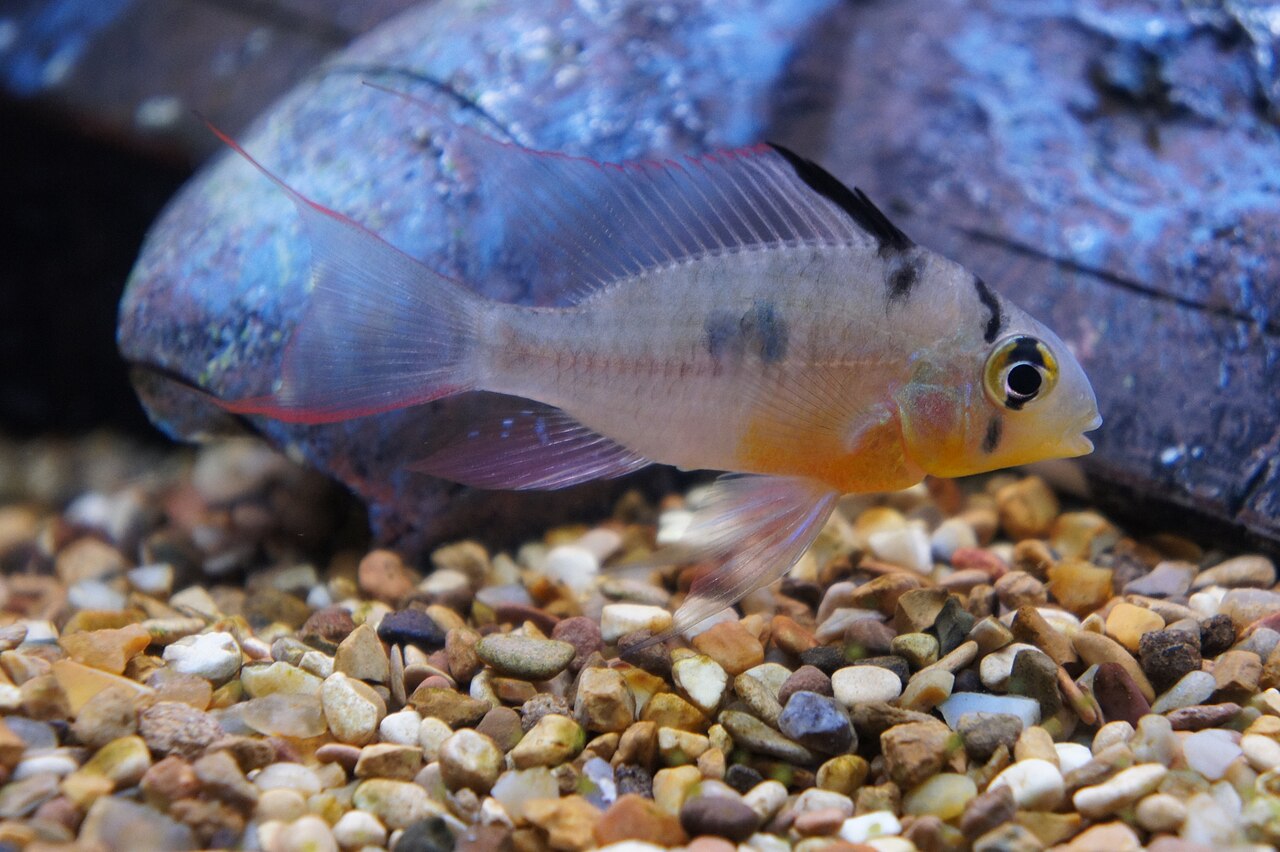
Thorichthys meeki firemouth cichlid

How to Care for Firemouth Cichlids: Tank Size, Diet, and Compatibility

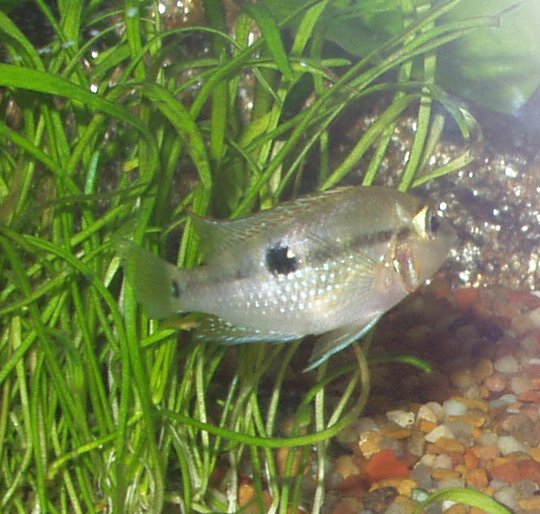
Quick Answer: Firemouth cichlids need a 40-gallon or larger tank for a pair, water at 75-82°F with pH 6.5-8.0, and a varied diet of cichlid pellets plus frozen foods. Choose medium-sized tank mates, add visual barriers, and change 25-30% of the water weekly. Cycle the tank fully before adding fish. Firemouth cichlids (Thorichthys meeki) are one of the most recognizable Central American cichlids in the hobby. They get their name from the bright red coloring on the throat and lower jaw. Adults usually reach 5 to 6 inches in length, with males growing larger and showing longer fin extensions. That makes them a manageable cichlid for keepers who want personality without a monster fish. Still, they need a proper setup, stable water, and a thoughtful stocking plan. ...
August 15, 2026 · 11 min · Jarrod Gravison
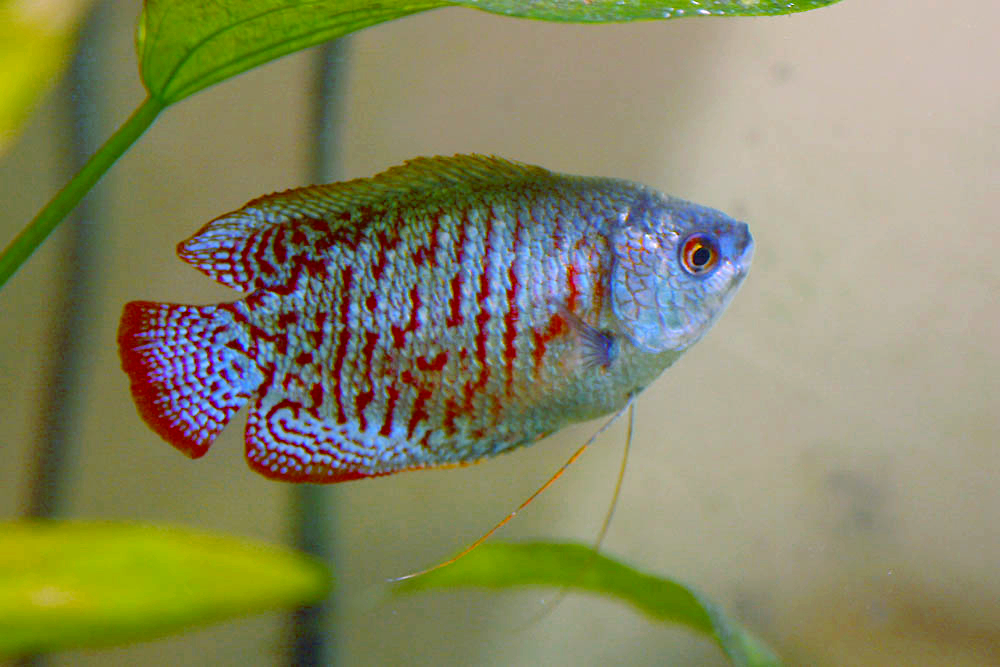
Trichogaster lalius dwarf gourami

How to Care for Dwarf Gourami: Tank Size, Diet, and Compatibility

Quick Answer: Keep dwarf gouramis in a 10-gallon or larger tank with stable water between 72°F and 82°F and a pH of 6.0 to 7.5. Feed a varied diet of quality flakes, pellets, and frozen or live foods. Choose peaceful tank mates like small tetras, rasboras, and corydoras, and avoid fin nippers or aggressive species. Dwarf gouramis (Trichogaster lalius) are popular freshwater fish known for vivid colors, small adult size, and relatively peaceful nature. They grow to about 2 to 3 inches, which makes them suitable for nano and community tanks. But they need more than a tiny bowl. To keep them healthy, you must understand their specific tank size, diet, and social behavior. If you are new to fishkeeping, review best fish for beginners before you choose a first species. This guide is a complete care walkthrough. ...

August 15, 2026 · 11 min · Jarrod Gravison
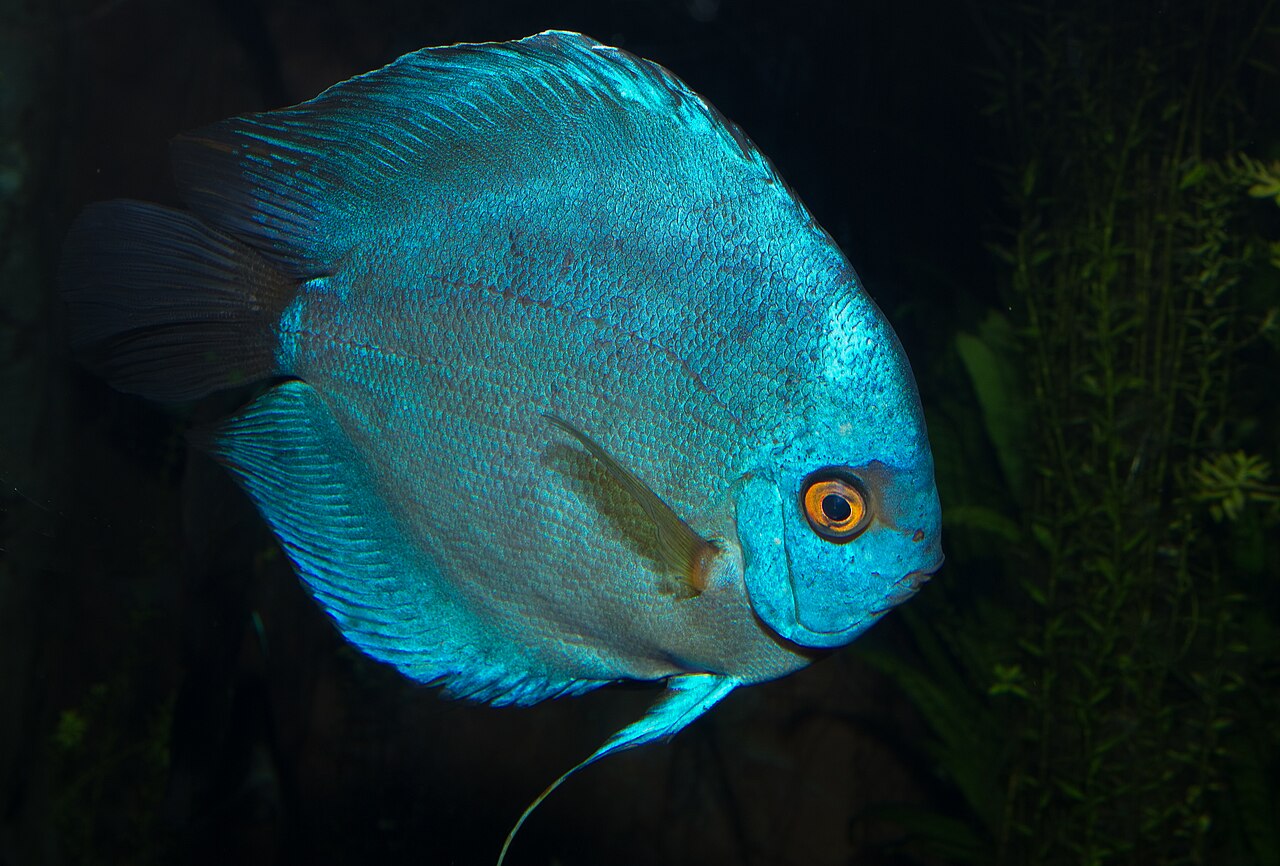
Symphysodon discus fish

How to Care for Discus Fish: Tank, Diet, Compatibility

Quick Answer: Keep discus in a 55-gallon or larger heated tank at 82-86°F with soft, acidic water (pH 6.0-7.0). Feed a varied high-protein diet and keep them with calm, warm-water tank mates. Daily observation and large weekly water changes are essential for long-term health. Discus fish are often called the kings of the freshwater aquarium, and for good reason. Their round, compressed bodies and bold colors make them a centerpiece in any display. Still, they have a reputation for being demanding. The truth is that discus care is predictable when you understand their needs. This guide walks through tank size, water chemistry, diet, and tank mate compatibility so you can keep these cichlids healthy. Before bringing any discus home, review the aquarium nitrogen cycle explained so you understand the biological foundation of a stable tank. ...

August 15, 2026 · 17 min · Jarrod Gravison
How to Care for Convict Cichlids: Tank Size, Diet, and Compatibility

How to Care for Convict Cichlids: Tank Size, Diet, and Compatibility

Quick Answer: Keep convict cichlids in at least a 20-gallon long tank with a temperature of 75 to 79 degrees Fahrenheit and a pH of 6.5 to 8.0. Feed them a varied omnivore diet of pellets, frozen foods, and vegetables. Choose hardy tank mates. They breed easily, so plan for fry. Convict cichlids (Amatitlania nigrofasciata) are among the toughest, most beginner-friendly cichlids in the freshwater hobby. They get their common name from the dark vertical bars on a pale gray or blue body. Males reach about 4 to 6 inches, while females stay closer to 3 to 4 inches. Despite their small size, they have big personalities and strong territorial instincts. Many keepers start with them because they tolerate beginner mistakes well. If you want a fish that is active, easy to feed, and simple to breed, this species is a solid pick. Check out our best fish for beginners list to see how they compare. ...

August 15, 2026 · 15 min · Jarrod Gravison
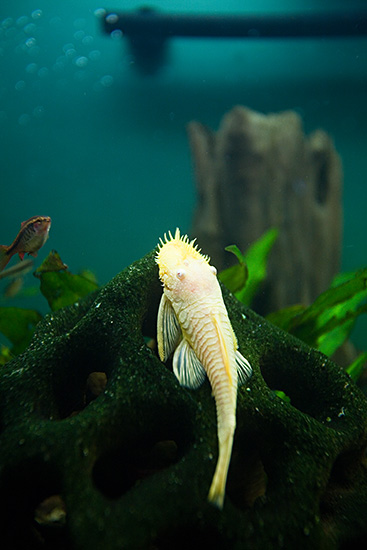
Hypostomus plecostomus common pleco

How to Care for Common Plecos: Tank Size, Diet, and Compatibility

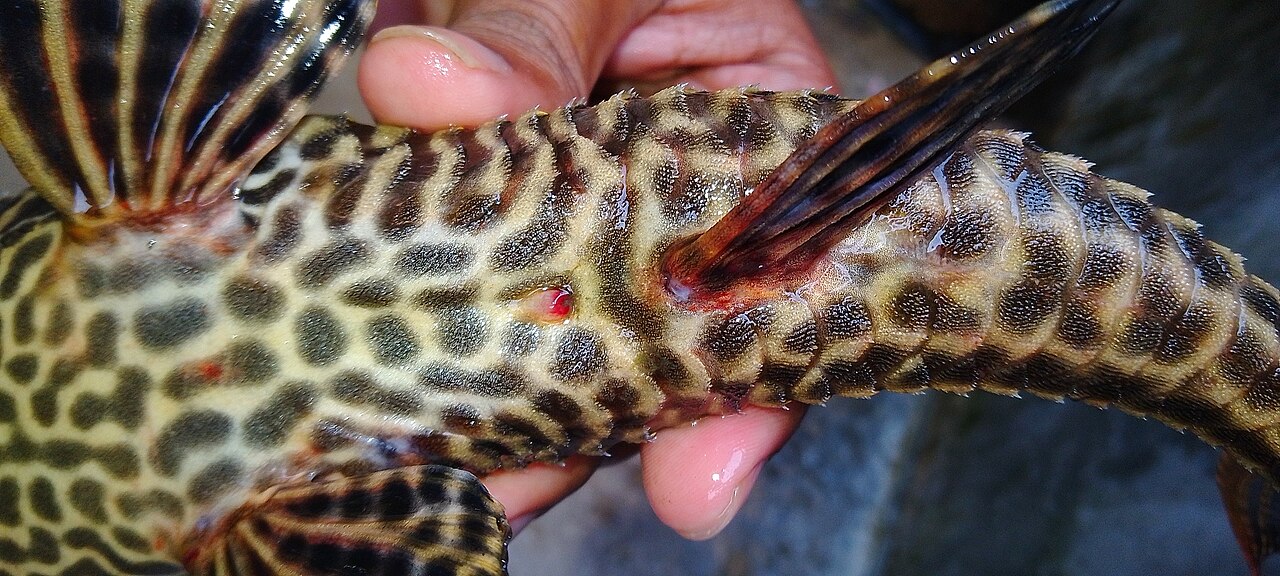
Quick Answer: Common plecos need at least 150 gallons as adults, a varied diet with driftwood and algae wafers, and water between 72 and 86 degrees Fahrenheit with pH 6.5 to 7.5. They grow up to 24 inches and can live 10 to 15 years, so plan a large tank and avoid small tank mates they may outcompete. Common plecos are one of the most misunderstood fish in the freshwater hobby. They start as small, algae-eating juveniles, but they quickly become 18 to 24 inch waste machines. Many fishkeepers buy them to clean algae in small tanks without knowing their adult needs. This guide covers tank size, diet, and compatibility so you can keep a common pleco healthy for 10 to 15 years. Before adding any large fish, make sure you understand the aquarium nitrogen cycle because plecos produce a heavy bioload. ...

August 15, 2026 · 13 min · Jarrod Gravison
Puntius titteya cherry barb

How to Care for Cherry Barbs: Tank, Diet, Compatibility

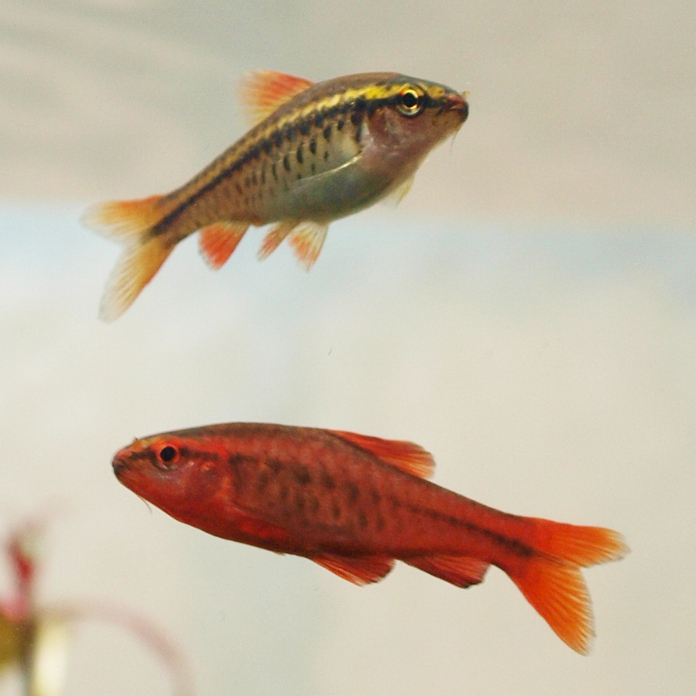
Quick Answer: Cherry barbs are calm schooling fish. Keep at least six in a planted 20-gallon tank. Aim for 72 to 79 degrees Fahrenheit, pH 6.0 to 7.5, and soft to moderately hard water. Feed small high quality foods. Choose peaceful tank mates. Perform weekly water changes. Cherry barbs are one of the most underrated freshwater fish for community tanks. They stay small, rarely bother other fish, and the males turn a brilliant red when they are comfortable. Unlike some bright fish that hide all day, cherry barbs stay visible and active. Their calm nature makes them a solid choice for many beginners. If you want a colorful schooling fish that will not tear up plants or chase tank mates, this species deserves a closer look. See our best fish for beginners guide for other easy options. ...

August 15, 2026 · 12 min · Jarrod Gravison
Paracheirodon axelrodi cardinal tetra

How to Care for Cardinal Tetras: Tank Size, Diet, and Compatibility

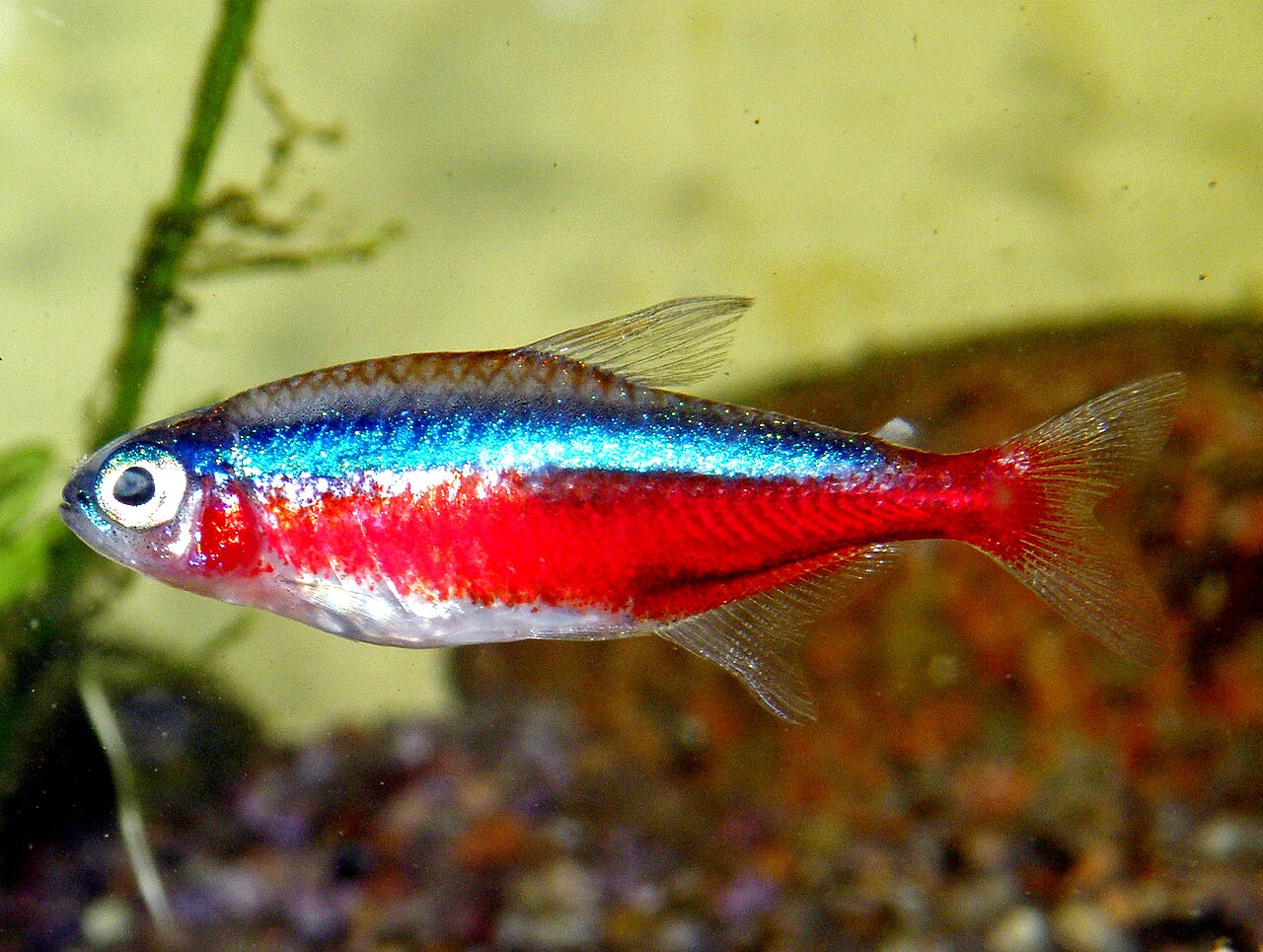
Quick Answer: Cardinal tetras thrive in a well-planted 20-gallon tank with soft, acidic water at 73-81°F and pH 4.6-6.2. Feed them small high-quality flakes, micro pellets, and live or frozen foods. Keep them in schools of eight or more with peaceful tankmates like other small tetras, rasboras, and dwarf cichlids. Avoid aggressive or large fish. Cardinal tetras (Paracheirodon axelrodi) are among the most recognizable freshwater fish in the hobby. Their vivid blue stripe and full red lower body create a moving ribbon of color in a planted aquarium. Many aquarists confuse them with neon tetras, but cardinals have a longer red band that extends across most of the lower body. This guide covers tank size, diet, water conditions, and compatible tankmates. If you are new to schooling fish, check the neon tetra care guide for a close comparison before you decide. ...

August 15, 2026 · 10 min · Jarrod Gravison
Ancistrus bristlenose pleco

How to Care for Bristlenose Plecos: Tank Size, Diet, Compatibility

Quick Answer: Bristlenose Plecos need at least a 20 to 30 gallon tank, water between 72 and 80 degrees Fahrenheit, pH 6.5 to 7.5, and a varied diet of algae, vegetables, and sinking foods. They are peaceful community fish but require driftwood and hiding spots. Keep only one male per tank unless the aquarium is 40 gallons or larger. Bristlenose Plecos are a favorite among freshwater aquarists because they stay small, eat algae, and handle community tanks well. Unlike its giant cousin, the common pleco care guide species, which can outgrow a 55-gallon tank, the Bristlenose reaches only 4 to 6 inches. That manageable adult size makes it a better fit for home aquariums. Still, this fish is not a no-maintenance cleanup crew. It needs specific water conditions, proper food, and a tank that meets its territorial needs. Many new keepers learn that the hard way when their pleco develops stress or health problems. ...

August 15, 2026 · 13 min · Jarrod Gravison
Mikrogeophagus altispinosus Bolivian ram

How to Care for Bolivian Rams: Tank Size, Diet, and Compatibility

Quick Answer: Bolivian rams need a tank of at least 20 gallons, water between 73 and 79 degrees Fahrenheit, and pH from 6.0 to 7.5. Feed them sinking pellets, frozen bloodworms, and blanched vegetables. Keep them with peaceful tetras, corydoras, and rasboras. Provide sand, plants, and driftwood for hiding. Bolivian rams (Mikrogeophagus altispinosus) are peaceful dwarf cichlids from South America. They stay small, reach about 3 inches, and show subtle color that deepens when they settle in. Many keepers pass them by in store tanks because they look washed out under bright lights. Once home in a planted aquarium, they display pink bellies, blue spangling, and red fin edges. Compared with German blue rams, this species is more forgiving and easier for beginners. If you want a close relative, check the ram cichlid care guide for more options. ...

August 15, 2026 · 12 min · Jarrod Gravison
How to Care for African Dwarf Frogs: Tank Size, Diet, Compatibility

How to Care for African Dwarf Frogs: Tank Size, Diet, Compatibility

Quick Answer: African dwarf frogs need a 10-gallon or larger tank, water kept at 72-78°F, and a pH between 6.5 and 7.8. Feed sinking protein-rich foods two to three times weekly. Keep them with peaceful nano fish or in a species-only tank. Avoid aggressive or fin-nipping species. African dwarf frogs are small, fully aquatic amphibians that bring quiet activity to a freshwater tank. They grow to about 1.5 to 2.5 inches and can live five years or more with proper care. Many new keepers think they can survive in a tiny bowl. The truth is they need stable water and a cycled tank. Before bringing one home, learn the basics of the aquarium nitrogen cycle explained. A cycled tank prevents toxic ammonia spikes that can kill frogs quickly. ...

August 15, 2026 · 11 min · Jarrod Gravison
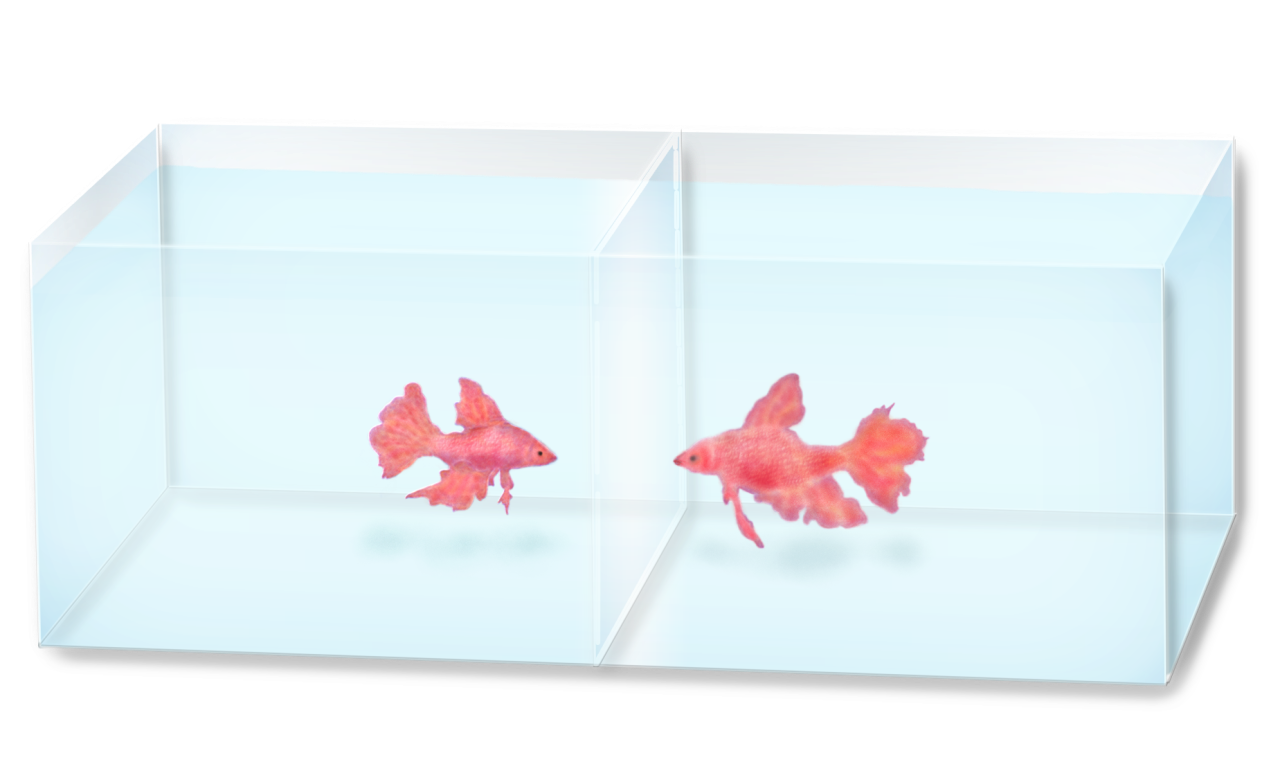
Betta splendens betta fish

How to Care for Betta Fish: Tank Size, Diet, and Compatibility

Quick Answer: Betta fish need at least a 5-gallon heated and filtered tank with water kept between 78-80°F (25.5-26.7°C). Feed small high-protein meals daily and choose peaceful tank mates like snails or small, calm fish. Avoid bowls, overfeeding, and aggressive or fin-nipping species. Betta fish, also called Siamese fighting fish, are among the most popular freshwater species in the aquarium hobby. Their bright colors and flowing fins draw new fishkeepers in. Still, many bettas suffer in tiny bowls and unheated tanks because common advice misses what they actually need. A betta is a tropical fish with specific space, temperature, and diet requirements. Getting the basics right from the start prevents most of the health problems these fish develop. Use these steps before you bring a betta home. ...

August 15, 2026 · 13 min · Jarrod Gravison
How to Care for Silver Dollar Fish: Tank, Diet, Compatibility

How to Care for Silver Dollar Fish: Tank, Diet, Compatibility

Quick Answer: Silver dollars need a 75-gallon tank for a school of five or more. Keep water at 75-82°F with pH 6.0-7.5. Feed mostly plant-based foods like spirulina flakes and blanched zucchini. Choose peaceful, similarly sized tank mates. Provide strong filtration and open swimming space. Silver dollars are one of the most recognizable freshwater fish in the aquarium hobby. Their round, metallic bodies and schooling behavior make them a striking addition to large community tanks. Many fishkeepers buy them as small juveniles without realizing how big they get. This guide covers tank size, diet, and compatibility details you need before you bring them home. Understanding their adult needs will save you from costly setup mistakes and stressed fish. ...

August 14, 2026 · 11 min · Jarrod Gravison
How to Care for Electric Yellow Cichlids: Tank, Diet, Compatibility

How to Care for Electric Yellow Cichlids: Tank, Diet, Compatibility

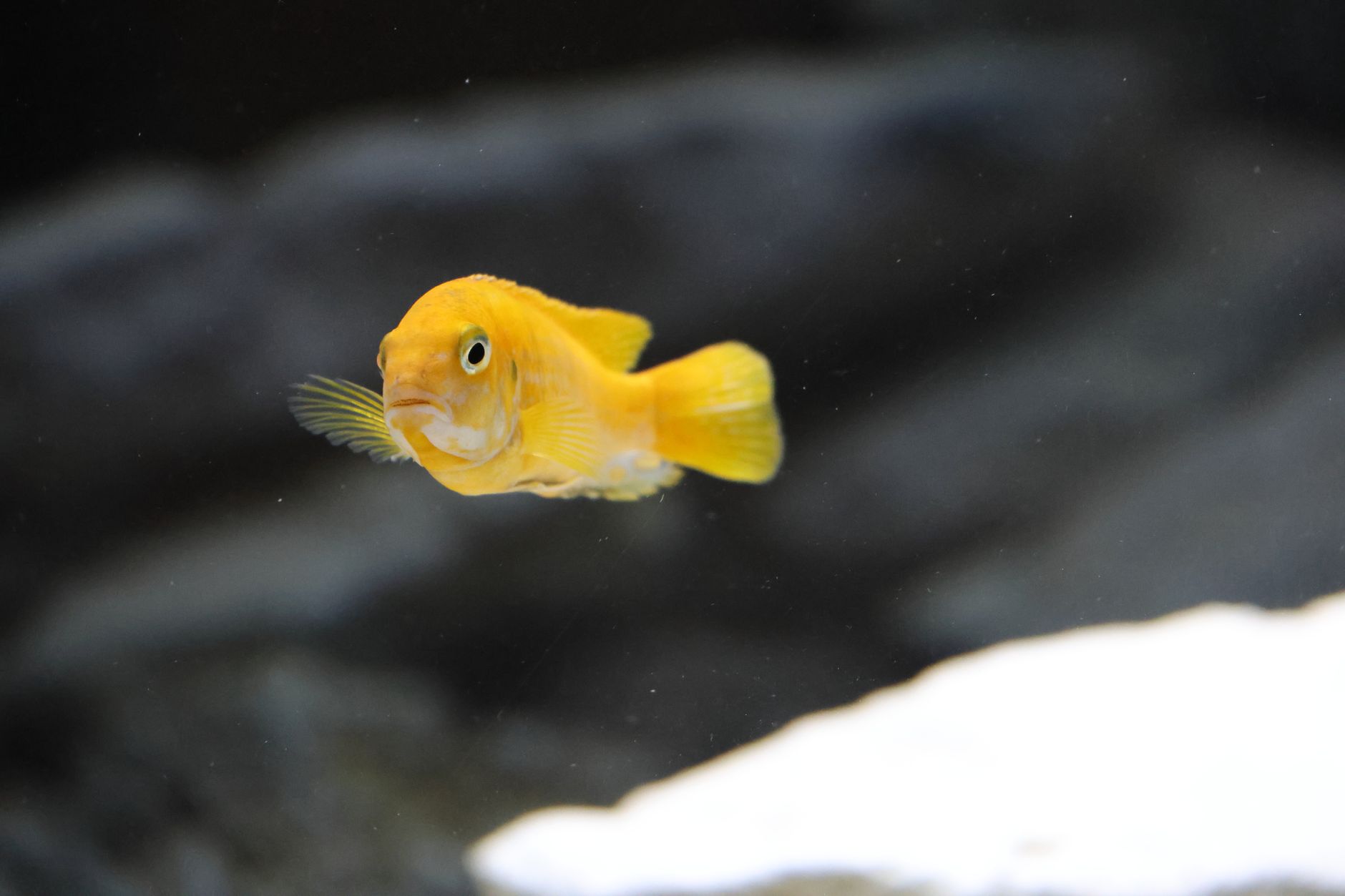
Quick Answer: Electric yellow cichlids need a 55-gallon or larger tank, 76-82°F water, pH 7.8-8.6, and a diet with plant matter and some protein. Keep them with other mbuna or peaceful African cichlids, not with small community fish. They reach 4-5 inches and need rockwork. Electric yellow cichlids are one of the most recognizable mbuna from Lake Malawi. Their scientific name is Labidochromis caeruleus, but most fishkeepers call them yellow labs. They have bright yellow bodies and black dorsal fin accents. They are relatively peaceful for mbuna, but they still need proper space and structure. According to Aquarium Co-Op, mbuna cichlids do best in groups with lots of rockwork. This guide covers how to set up the right tank. If you are comparing species, see the peacock cichlid care guide for another Malawi option. ...

August 14, 2026 · 11 min · Jarrod Gravison
Chromobotia macracanthus clown loach

How to Care for Clown Loaches: Tank Size, Diet, and Compatibility (2026)

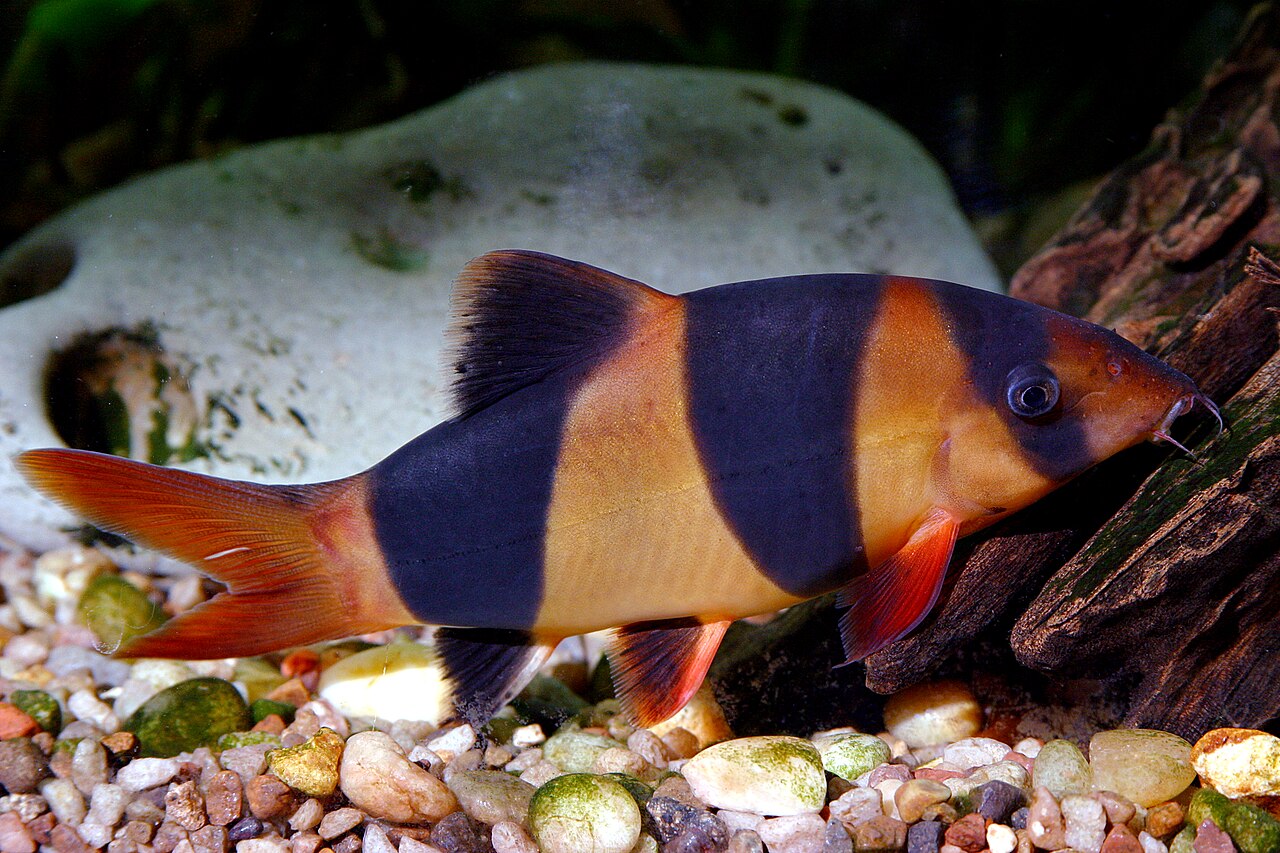
Quick Answer: Clown loaches need a 75-gallon or larger tank for a group of at least five. Keep water at 75-86°F with pH 6.0-7.5. Feed them sinking wafers, frozen foods, and snails. They grow to 12 inches and live over 10 years. Clown loaches are among the most recognizable freshwater fish in the hobby. Their bright orange bodies and bold black bands make them stand out in any tank. Despite their popularity, many fishkeepers misunderstand their needs. These fish grow large, live a long time, and demand stable water quality. If you are researching this species before buying, you are already ahead of most new owners. This guide focuses on practical clown loach care for 2026. ...

August 14, 2026 · 12 min · Jarrod Gravison