Koi are one of the most misunderstood fish in the hobby. They arrive at pet stores as colorful, three-inch juveniles, and many keepers assume they will stay small. That assumption fails fast. Common koi reach 24 to 36 inches in a few years. Some grow even larger in big ponds. If you plan to keep koi in an aquarium, you need an honest look at their adult size before you buy. This guide will help you avoid a stressful rehoming situation and set up a proper indoor koi system.
Koi are coldwater pond fish, not tropical aquarium fish. They produce a huge amount of waste for their size. Still, many keepers successfully raise juvenile koi inside spacious aquariums or indoor ponds before moving them outdoors. The key is to match their needs from day one. You need strong filtration, frequent water changes, and a clear plan for growth. If you have kept goldfish before, you already know how messy large coldwater fish can be. Koi take that waste load to a much higher level.
This article covers tank size, water quality, diet, and compatibility in detail. It also includes red flags and answers to common questions. You will learn why a 55-gallon tank is a temporary home at best and why your filter must turn over the tank volume several times per hour. The information follows current hobby guidance and refers to reliable sources like Aqueon. Read on before you buy your first koi or upgrade an indoor pond.
What You’ll Need
- Large aquarium or indoor pond (100+ gallons for juveniles)
- Heavy-duty canister or pond filter
- Air pump and air stone
- Water test kit for ammonia, nitrite, nitrate, pH
- Dechlorinator
- High-quality koi pellets
How Do You Care for Koi?
- Research Koi Adult Size and Long-Term Space Needs
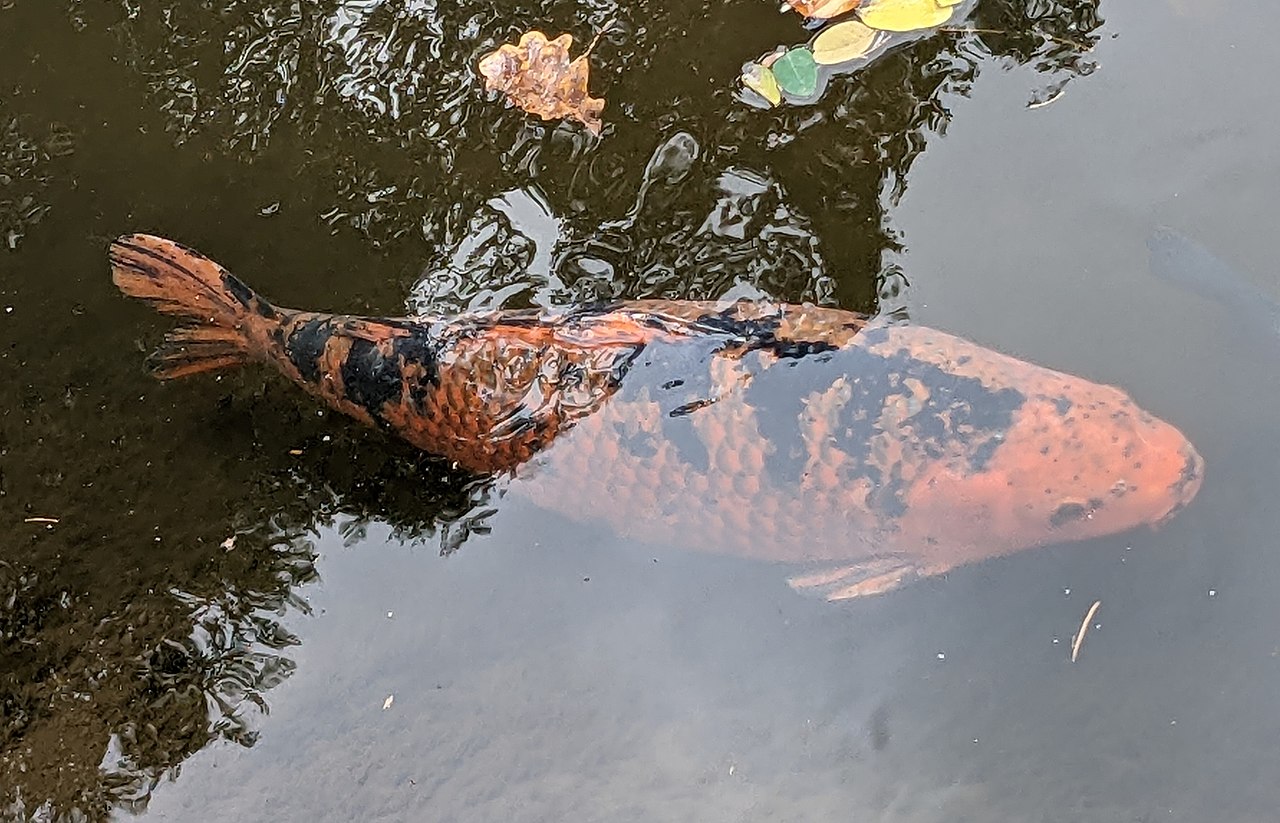
Most koi varieties sold in stores are descendants of common carp. They have been selectively bred for color and pattern, but their growth potential remains huge. A healthy koi can reach 24 inches within three to five years. Many hobby koi top 30 inches. Some jumbo koi exceed 36 inches in large, well-maintained ponds. This means a cute five-inch fish is not a permanent resident for a standard tank. You must plan for its adult length and weight from the start. The minimum tank size debate starts with a simple question. How long do you plan to keep the fish indoors? A single small koi under 12 inches can survive in a 100-gallon tank for a short period. The catch is that growth and water quality decline quickly in tight quarters. Most experienced keepers recommend at least 250 gallons per adult koi in a dedicated indoor setup. Outdoor ponds should offer 500 gallons or more per adult. If you cannot provide that, consider a different species such as fancy goldfish instead of koi. Space affects more than swimming room. Koi release ammonia constantly through their gills and waste. In a small tank, even a powerful filter struggles to keep up. The fish also need room to turn, explore, and display natural feeding behavior. A cramped koi may become stressed, lose color, or develop fin damage. Before you set up a tank, measure your available floor space and consider stock tanks, indoor ponds, or large acrylic aquariums. This step connects directly to filtration in Step 3 because waste output scales with body size.

- Set Up a Tank or Indoor Pond of the Right Size
Once you understand koi growth, choose a container that gives you a safety margin. For one young koi, a 100-gallon aquarium is the smallest usable home. A 150-gallon stock tank is better. For two juvenile koi, start with 300 gallons or more. This rule comes from real waste management, not from guesswork. A 40-gallon breeder tank will not work for more than a few weeks. The fish may survive, but it will not thrive. According to Aqueon, koi are best kept in large ponds with excellent filtration and ample aeration. They are not well suited to small aquariums long term. If you must keep koi indoors, choose a wide, shallow container with a large surface area. Stock tanks and rubber-lined indoor ponds often work better than tall glass aquariums. A 300-gallon stock tank can hold one or two adult koi for a while. Just remember that adult koi need more room as they grow and as you feed them heavily in warm weather. Common mistakes include using an aquarium that is too tall and too narrow. Koi swim side to side, not up and down. A six-foot-long, 24-inch-deep tank gives them more usable horizontal space than a tall 90-gallon column tank. You also need a sturdy floor because water weighs about 8.34 pounds per gallon. A 300-gallon setup weighs over 2,500 pounds. Before filling, check that the floor can support the weight. Choose an area away from direct sunlight to reduce algae and temperature swings.
- Install Heavy-Duty Filtration and Aeration
Koi produce more waste than most tropical fish of the same size. Your filter must move and process a lot of water. Aim for a filter rated for at least three times the total tank volume per hour. For a 100-gallon indoor koi tank, choose a filter with a flow rate of 300 gallons per hour or more. Better yet, run two filters so you can clean one while the other keeps the biological colony intact. The best aquarium filters for koi include large canisters, sumps, and pond-style pressure filters. Biological filtration matters more than mechanical clarity. Beneficial bacteria convert ammonia into nitrite and then nitrate. This is the same nitrogen cycle that runs every healthy aquarium. In a koi tank, the bacteria need generous media surface area. Ceramic rings, bio balls, and foam blocks all work well. Do not replace all filter media at once. Rinse media in removed tank water to avoid killing the bacteria. Mechanical pads can be replaced or rinsed more often. Aeration is not optional. Koi need high dissolved oxygen, especially in warm water. Add a powerful air pump and a large air stone or sponge filter. Surface agitation also helps oxygen exchange and prevents biofilm buildup. If you run a canister filter, point the spray bar upward to create surface movement. Check aquarium air pumps on Amazon if you need a quiet high-output option. Good aeration also supports the beneficial bacteria that keep your water safe.

- Cycle the Tank and Stabilize Water Parameters
Never add koi to an uncycled tank. The waste they produce will spike ammonia and burn their gills. You can cycle the tank with pure ammonia or with a few hardy fish, but fish-in cycling is risky for koi. A fishless cycle is safer and faster when done correctly. Learn the exact steps in this guide on how to cycle a fish tank. Once the cycle is complete, you should see zero ammonia, zero nitrite, and measurable nitrate within 24 hours. Water parameters for koi should stay stable. Aim for a temperature between 59 and 77 degrees Fahrenheit. Koi tolerate cooler water, but sudden changes stress them. The ideal pH falls between 7.0 and 8.5. They adapt to that range better than acidic water. Nitrate should stay below 40 ppm. If nitrate climbs, your water changes are too small or too infrequent. A reliable liquid test kit is the best tool for tracking these numbers. Check the API Freshwater Master Test Kit on Amazon. Koi do not need a heater unless your indoor room gets extremely cold in winter. They are coldwater fish and can handle temperatures down to 35 degrees Fahrenheit in deep ponds. The risk indoors is overheating, not chilling. A warm room above 77 degrees reduces oxygen and speeds up their metabolism. That increases waste and stress. Use a thermometer and keep the tank away from heat vents or sunny windows. Stable temperature matters more than hitting one perfect number.
- Feed a Varied, Seasonal Koi Diet
Koi are omnivores. They need a high-quality pellet as the base of their diet. In water above 65 degrees Fahrenheit, feed a growth formula with 32 to 36 percent protein. In cooler water between 50 and 65 degrees, switch to a wheat germ food that is easier to digest. Below 50 degrees, stop feeding entirely. Their metabolism slows so much that food can rot in the gut. Check koi pellets on Amazon for a variety of seasonal formulas. Feed small portions two to three times per day in warm weather. Only give as much as the fish can eat in two to three minutes. Uneaten food becomes ammonia and cloudy water. Koi are opportunistic eaters and will beg constantly. Do not give in to the begging. Overfeeding causes more health problems than underfeeding. You can supplement pellets with blanched peas, lettuce, spinach, and occasional bloodworms or earthworms. These extras add fiber and variety. Seasonal changes matter even for indoor koi. If your tank temperature rises above 70 degrees, growth food works well. If the tank sits at 60 degrees because it is in a cool garage, offer wheat germ pellets once every other day. Watch the fish. If they stop coming to the surface or spit food out, reduce portions. A consistent feeding schedule also trains koi to recognize you, which makes health checks easier.
- Choose Tank Mates Carefully or Keep Koi Alone
Koi are peaceful fish, but their size and waste output limit good tank mates. The best option for most indoor keepers is a species-only koi tank or an indoor pond. If you want companions, choose large coldwater fish that can handle the same water conditions. Single-tailed goldfish often work well because they share temperature and pH needs. Fancy goldfish are slower and can be outcompeted for food, so avoid them in a koi setup. Never mix koi with small tropical fish. Neon tetras, guppies, and small rasboras will be eaten or stressed by the koi’s constant movement. Aggressive cichlids should also be avoided because they may bite koi fins. Common plecos are sometimes added for algae, but they can develop a taste for a koi’s slime coat. If you add a pleco, provide driftwood and watch for damage. Larger weather loaches and some large goldfish can work, but every addition increases waste. Quarantine any new fish for at least four weeks before adding it to a koi tank. Koi are prone to parasites like flukes and ich. A new tank mate can bring disease into a healthy setup. Use a separate quarantine tub with its own filter. While in quarantine, treat preventively only if you see symptoms. This step protects the investment you made in filtration and water quality. When in doubt, keep the koi alone. A single healthy koi in a large tank looks better than a crowded mixed tank.
- Maintain Water Quality with Weekly Water Changes
Water changes are the most reliable way to keep nitrate and dissolved organics low. For a koi tank, change 20 to 30 percent of the water every week. Larger tanks can sometimes go 10 to 14 days with 50 percent changes, but weekly is safer. Use a gravel vacuum to remove solid waste from the bottom. Koi produce long stringy feces that can hide behind decorations. Vacuum those spots every time. This guide on how often to change aquarium water explains the reasons in depth. Always treat tap water with a dechlorinator before adding it to the tank. Chlorine and chloramine kill beneficial bacteria and irritate fish gills. Temperature matching is also important. Adding very cold water to a warm tank can stress koi and trigger white spot disease. Use a floating thermometer and mix the new water to within a few degrees of the tank. Fill slowly or use a pump to avoid stirring up debris. Clean the filter on a rotating schedule. If you have two filters, clean one every two weeks. Rinse mechanical media in removed tank water, not tap water. Replace fine filter pads when they fall apart. Do not scrub all surfaces at once. The goal is to reduce sludge without crashing the biological filter. After each water change, test the water the next day. That tells you if your maintenance schedule matches the koi’s waste output.

- Monitor Health and Watch for Koi Diseases
Koi hide illness until it becomes serious. Spend a few minutes each day watching them swim and eat. Healthy koi hold their fins open and move with purpose. Sick koi may clamp their fins, flash against surfaces, or sit on the bottom. Any of those signs tells you to test water first. Most koi health problems start with poor water quality. If ammonia or nitrite is present, fix that before reaching for medication. Common koi issues include parasites, bacterial ulcers, and fungal infections. White spots on the fins or body are often ich. Treating ich in an aquarium can be done with heat and aquarium salt, but koi tanks are large. Always read the medication label before dosing. Remove carbon from the filter if the medication requires it. For ulcers and sores, clean water and a broad-spectrum antibacterial treatment may be needed. Consult an aquatic vet for serious cases. Quarantine is your best defense. Any new fish, plants, or even equipment that came from another pond should be isolated. A 40-gallon quarantine tub works for small koi. Observe the new arrival for four weeks. Only then move it to the main tank. This practice prevents most outbreaks. Keep a basic fish first aid kit on hand: water test kit, dechlorinator, aquarium salt, and a broad-spectrum medication. Quick action saves koi lives.
Red Flags & Warnings
- 🚨 Never keep adult koi in a tank under 100 gallons. Small tanks poison koi with ammonia and restrict growth.
- 🚨 Do not feed koi below 50 degrees Fahrenheit. Food can rot in their gut because metabolism slows.
- 🚨 Always use a secure lid or net. Koi jump when spooked or during water changes.
- 🚨 Avoid sharp decorations and rough rocks. Koi have delicate barbels and can injure their sides.
- 🚨 Never mix koi with small tropical fish. Koi will eat whatever fits in their mouth.
- 🚨 Quarantine every new fish for four weeks. One sick addition can infect your entire indoor pond.
Frequently Asked Questions
Can koi live in a 55-gallon tank?
A 55-gallon tank is only a very temporary nursery for a small juvenile koi. Koi grow fast and produce heavy waste. Within months the fish will need 100 gallons or much more. Long term, a 55-gallon tank is not suitable for koi.
What is the minimum tank size for one koi?
For one young koi under 12 inches, use at least 100 gallons. For an adult koi, plan for 250 to 500 gallons in a dedicated indoor setup. Outdoor ponds should offer 500 gallons or more per adult.
Can koi live with goldfish?
Yes, single-tailed goldfish often share similar coldwater requirements. Avoid fancy goldfish because they are slower and may lose food. Both species create a large bioload, so increase filtration accordingly.
How often should I feed koi?
Feed two to three times per day in water above 65 degrees Fahrenheit. In cooler water between 50 and 65 degrees, feed wheat germ once per day or every other day. Stop feeding below 50 degrees.
Do koi need a heater in an aquarium?
No, koi are coldwater fish and do best between 59 and 77 degrees Fahrenheit. A heater is not needed unless the room gets extremely cold. Avoid water above 77 degrees because oxygen drops and stress rises.
How fast do koi grow?
Koi grow quickly when given space and good food. A juvenile can reach 12 inches in the first year or two. Most koi reach 24 to 36 inches within three to five years in a large pond.
What Should You Remember?
- Minimum tank size: One juvenile koi needs at least 100 gallons. Adults need 250 to 500 gallons each.
- Filtration: Use a filter rated for at least three times the tank volume per hour.
- Water parameters: Keep temperature between 59 and 77 degrees Fahrenheit and pH between 7.0 and 8.5.
- Diet: Feed high-protein pellets above 65 degrees and wheat germ food between 50 and 65 degrees.
- Compatibility: Keep koi alone or with large coldwater fish like single-tailed goldfish.
- Maintenance: Perform 20 to 30 percent weekly water changes and vacuum debris.
- Long-term plan: Expect koi to reach 24 to 36 inches and prepare a pond or very large indoor setup.
This article is for general information only and is not a substitute for professional veterinary or aquarium specialist advice. Always research the specific needs of your fish and consult an expert before making care decisions.