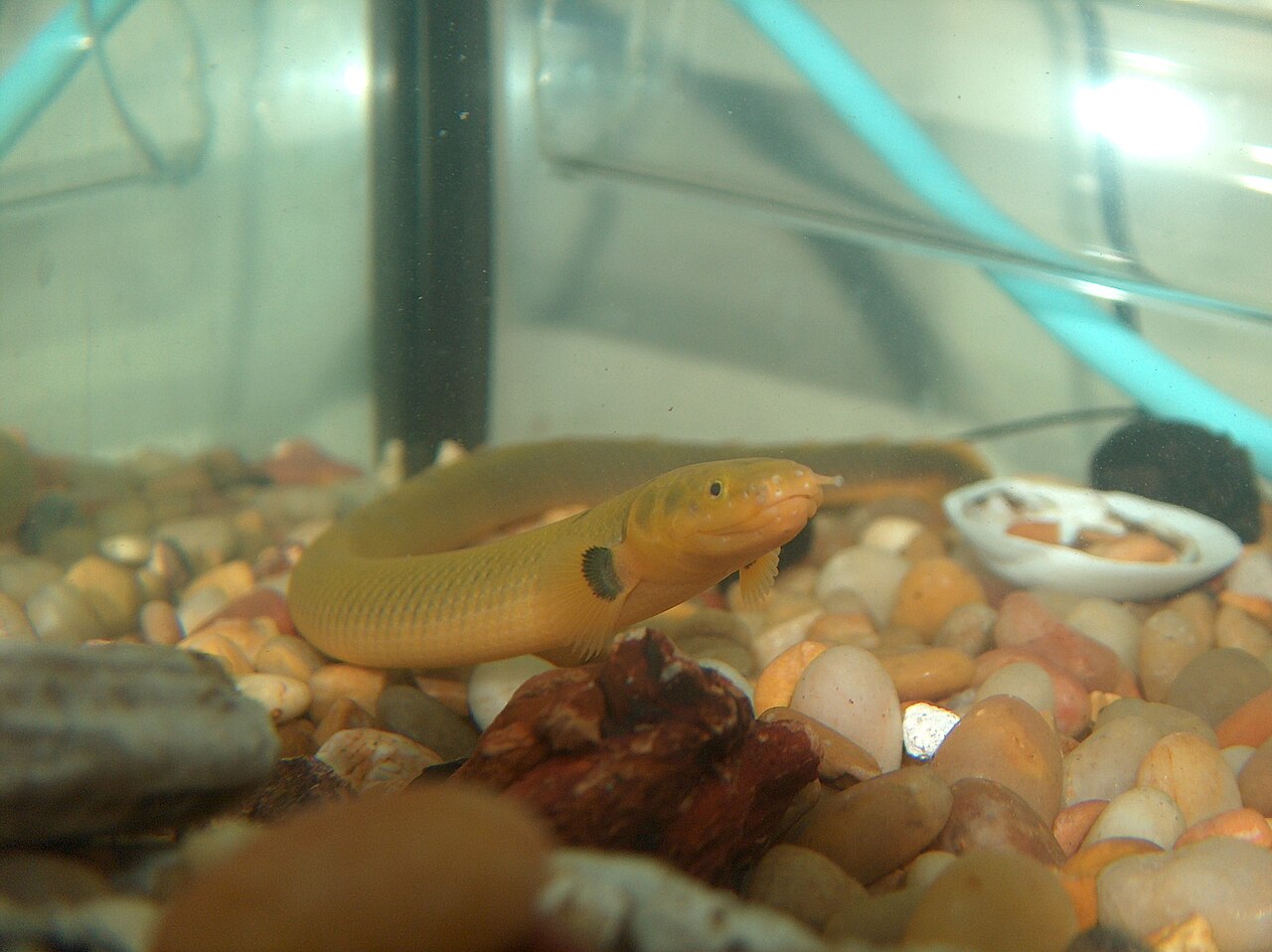
Rope fish, also called reedfish or Erpetoichthys calabaricus, are long, slender oddballs from slow-moving freshwater habitats in West and Central Africa. They are not true eels, but they look like them. A full-grown rope fish can reach 15 to 20 inches in length. That length surprises many new keepers. The fish needs a long tank, not a tall one. Before you buy one, it helps to understand how the aquarium nitrogen cycle explained affects your setup.
The rope fish moves through the water with a calm, snake-like motion. It uses its sense of smell to search for food. These fish are nocturnal, so they hide during the day and become active after lights out. Still, they learn feeding schedules over time. Some keepers see them out at dusk. That behavior makes them a fun centerpiece fish for a peaceful community tank. They rest in odd positions and often drape over plants or driftwood.
This guide covers every part of rope fish care. You will learn about tank size, water parameters, feeding, and safe tank mates. You will also see warnings that prevent common mistakes. The most important rule is simple. Do not underestimate how good these fish are at escaping. Even a small gap in the lid can lead to a fish on the floor.
Rope fish are long-lived. They can live 15 to 20 years with proper care. They are not for a small desktop tank. This fish needs stable water and consistent feeding. In return, it brings a prehistoric look that few other freshwater fish can match. Plan carefully before adding one to your aquarium.
What You’ll Need
- 55-gallon or larger aquarium
- Tight-fitting lid with no gaps
- Soft sand substrate
- Aquarium heater
- Canister or hang-on-back filter
- Liquid water test kit
- Frozen and sinking carnivore foods
- Driftwood and live plants
How Do You Care for Rope Fish?
- Know the rope fish profile and plan for a long-lived oddball
Start by learning what rope fish are and what they need. The species is Erpetoichthys calabaricus. It comes from soft, slow-moving rivers and streams in West and Central Africa. Adults often reach 15 to 20 inches, though 15 to 16 inches is common in home aquariums. They have thick scales and long bodies that allow them to squeeze through very small gaps. This is why a secure lid matters from day one.
Their common names include reedfish and snakefish. They are not true eels. They belong to the bichir family, which also includes fish like the dinosaur bichir and Senegal bichir. Rope fish breathe air using a modified swim bladder. That means they can survive out of water briefly. It also means they will jump or climb if a tank has any opening. According to Seriously Fish, this species spends much of its time near soft substrates and hidden cover.
Plan for a long commitment. Rope fish can live 15 to 20 years when kept in a stable environment. Aquarium fishkeeping statistics 2026 show that more keepers are choosing larger oddball setups. That trend makes sense. These fish reward patient owners. You should also decide early whether you can keep a group of three or more. Rope fish are social and hide less with companions.
- Choose a 55-gallon or larger tank and lock down the lid
Tank size is the first major decision. A single rope fish needs at least a 55-gallon tank. A group of three or four does better in a 75-gallon or larger aquarium. Floor space matters more than height because rope fish swim along the bottom and midwater. A tank with a footprint of 48 inches by 18 inches is a good starting point. Small tanks force these long fish into unnatural turns and stress them.
The lid is non-negotiable. Rope fish are famous escape artists. They can push up a loose glass lid or slip through a filter cutout. Use a heavy, tight-fitting lid and cover every gap with mesh or filter foam. Aquarium Co-Op recommends checking lid gaps on any tank that holds escape-prone fish. Some keepers use glass canopy lids with plastic clips. Others add egg crate over open sections. The rule is simple. If a pencil can fit through, a rope fish can too.
Filtration should be strong enough for the bioload but not too powerful. Rope fish do not like fast currents. A canister filter with a spray bar works well. The best aquarium filters 2026 guide covers options that keep water clean without pushing the fish around. If you need a reliable canister, check the Fluval FX4 canister filter on Amazon. It works well on 75-gallon setups. For a 55-gallon tank, a smaller canister or a quality hang-on-back filter is fine.

- Set up soft sand, shady cover, and gentle decor
Rope fish spend a lot of time on the bottom. Soft sand is the safest substrate. Coarse gravel can scrape their skin and make them prone to infection. Pool filter sand or fine aquarium sand works well. Avoid sharp lava rock or crushed coral. A thin sand layer of one to two inches is enough. Rope fish like to burrow slightly under driftwood or rocks.
Give them places to hide. Driftwood, smooth rocks, and dense plants create shaded rest spots. Rope fish feel safer when they can escape bright light. Floating plants like water sprite or frogbit help dim the tank. You can also use Java fern and Anubias, which attach to wood and need low light. The best aquarium plants for beginners guide lists easy plants that do not need strong lighting. Make sure any rocks are stable so they cannot fall on a hiding fish.
Keep water movement low to moderate. Rope fish are not built for strong currents. Aim the filter output against the glass or use a spray bar to spread the flow. The tank should have open sand areas for swimming and covered areas for resting. This mix reduces stress and encourages normal activity. A dark background can also help shy rope fish settle in.
- Dial in water parameters and test regularly
Rope fish are adaptable but do best in stable water. Keep the temperature between 72 and 82 degrees Fahrenheit. A range of 75 to 80 degrees is ideal for most home tanks. pH can range from 6.5 to 8.0. Hardness between 5 and 25 dGH is fine. The key is avoiding sudden swings. Use a reliable heater and place it near water flow for even heat distribution. The best aquarium heaters 2026 article can help you size a heater for your tank. A quality heater like the Eheim Jager works well. Check the Eheim Jager aquarium heater on Amazon.
Ammonia and nitrite must stay at zero. Nitrate should stay below 20 ppm if possible. Buy a liquid test kit and check the water weekly. I use the API Freshwater Master Test Kit on Amazon for these readings. Test strips can work for quick checks, but liquid kits are more accurate. If you have not cycled your tank yet, do not add rope fish. Rope fish are sensitive to poor water quality despite their tough looks.
Water changes matter. Change 25 to 30 percent of the water every week. Vacuum the sand lightly to remove leftovers without disturbing the whole substrate. Rope fish can be messy eaters because they tear at meaty foods. Rinse filter media in old tank water, not tap water. This keeps beneficial bacteria alive. A stable schedule prevents the pH and temperature swings that weaken rope fish.

- Feed a meaty, varied diet and target feed at night
Rope fish are carnivores. In the wild, they eat small fish, worms, insect larvae, and crustaceans. In the aquarium, offer a mix of frozen bloodworms, blackworms, mysis shrimp, and chopped tilapia or silversides. Sinking carnivore pellets should be part of the rotation. Good nutrition keeps their colors strong and their bodies thick. Avoid goldfish or cheap feeder fish because they carry disease and offer poor nutrition.
Feed them when they are most active. Rope fish come out at night, but they can learn a late evening feeding routine. Drop food near their hiding spots so they do not have to compete with fast tank mates. A turkey baster or long feeding tongs can place food directly in front of them. Remove uneaten food after 30 minutes. Leftover meaty foods foul the water quickly.
Do not overfeed. Feed adult rope fish once a day or every other day. Juveniles can eat once or twice a day in smaller amounts. Watch their body condition. A healthy rope fish has a rounded but not bloated belly. If it becomes thin, increase feeding frequency. If it ignores food for a day, do not panic. These fish sometimes skip meals, especially after a water change.
- Pick peaceful tank mates and avoid small or nippy fish
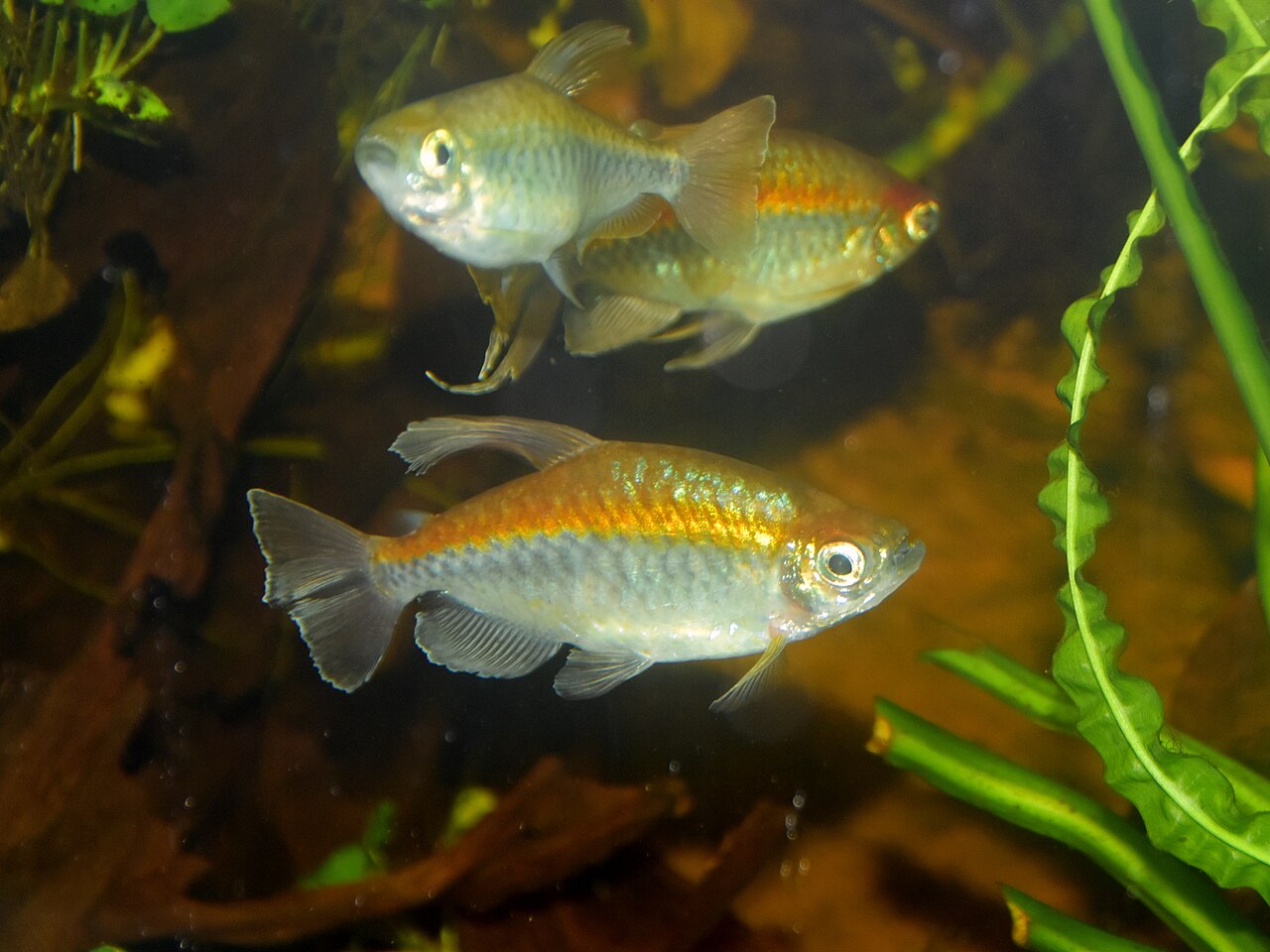
Rope fish are peaceful but predatory toward small fish. Any fish small enough to fit in their mouth can become food. Avoid neon tetras, small rasboras, guppies, and shrimp. Good tank mates are medium to large peaceful fish. Congo tetras, silver dollars, clown loaches, peaceful cichlids like severums, and larger barbs can work. The corydoras catfish care guide is useful because corydoras stay near the bottom and are generally ignored by rope fish. Still, choose larger corydoras species to be safe.
Avoid aggressive or nippy species. Cichlids like Jack Dempseys, Oscars, or red devils may injure or intimidate rope fish. Fast nippers like tiger barbs can annoy their long fins and bodies. Slow-moving rope fish often hide constantly when housed with aggressive fish. That stress leads to illness and refusal to eat. A peaceful community is the best choice.
Think about competition for food. Rope fish are not fast at feeding time. If tank mates eat everything before food reaches the bottom, the rope fish will starve slowly. Choose tank mates that are not hypercompetitive. You can also feed after lights out when rope fish are active and other fish are resting. This is one of the most important compatibility tips for this species.

- Quarantine and acclimate rope fish the right way
Never add a new rope fish directly to your display tank. Quarantine all new fish for two to four weeks. A simple 20-gallon quarantine tank works for young rope fish. Watch for signs of ich, fungus, or external parasites. Treat problems before they enter the main tank. This protects your existing fish and gives the newcomer time to settle. If you have not cycled the quarantine tank, use a mature sponge filter from your display setup.
Acclimate slowly. Rope fish can react badly to sudden changes in temperature or pH. Float the bag for 15 minutes to equalize temperature. Then drip acclimate over 30 to 45 minutes. Add tank water to the container a little at a time. Do not pour shipping water into your aquarium. Net the fish gently or use a container to transfer it. Rope fish can wriggle out of nets, so keep a lid on the bucket.
Release them after lights out. This gives new rope fish hours of darkness to explore without stress. If you are adding more than one, add them at the same time. Rope fish feel safer in groups of three or more. Once released, do not feed for the first 12 to 24 hours. The fish need time to find hiding spots. The how to cycle a fish tank guide will help if you are still setting up your aquarium. Make sure the tank is fully cycled before any new arrivals.
- Monitor health, escapes, and long-term behavior
Check the fish daily. Rope fish can hide illness until it becomes serious. Look for white spots, red streaks, faded color, or ragged fins. Ich is common in stressed new arrivals. If you see white spots, raise the temperature gradually and use a medication safe for scaleless fish. Rope fish are sensitive to many medications. Avoid full doses of copper and salt unless the label says it is safe for scaleless fish.
Injuries are another concern. Rope fish can scrape themselves on sharp decor or heater guards. Use a heater guard if the heater sits low in the tank. Smooth any rough edges on driftwood. If a fish jumps and you find it on the floor, place it back in the tank immediately. Rope fish can survive out of water for a while, but they need clean water and a stress-free recovery. Check for lid gaps after every maintenance session.
Watch feeding behavior over time. A rope fish that hides for weeks may not be getting enough food. Target feed it from a baster. If a tank mate bullies it, consider rehoming one of the fish. Rope fish also like to rest in odd positions. They may drape over plants or wedge into tight spots. That is normal behavior unless the fish shows signs of injury or gasping. A healthy rope fish is active at night, has clear eyes, and takes food regularly.
Red Flags & Warnings
- 🚨 Never leave even a small gap in the lid. Rope fish can climb out through filter cutouts and survive for a short time on the floor.
- 🚨 Do not keep rope fish with nippy or aggressive fish. Stress from bullying can cause them to stop eating and become ill.
- 🚨 Avoid rough gravel or sharp decor. Their long bodies scrape easily, and open wounds can lead to infection.
- 🚨 Do not add rope fish to an uncycled tank. Ammonia and nitrite burns can kill them quickly.
- 🚨 Be careful with medications. Rope fish are scaleless fish and can react badly to copper-based treatments or full doses of salt.
- 🚨 Target feed your rope fish. Fast tank mates often eat all the food before it reaches the bottom.
Frequently Asked Questions
Are rope fish actually eels?
No, rope fish are not true eels. They belong to the bichir family and have the scientific name Erpetoichthys calabaricus. They are also called reedfish or snakefish because of their long, slender bodies.
What size tank do rope fish need?
A single rope fish needs at least a 55-gallon tank. A group of three or more does better in a 75-gallon or larger aquarium. Floor space matters more than height because rope fish swim along the bottom and midwater.
What do rope fish eat?
Rope fish are carnivores and eat meaty foods. Offer frozen bloodworms, blackworms, mysis shrimp, chopped tilapia, and sinking carnivore pellets. Feed them once a day or every other day, and target feed near their hiding spots.
Can rope fish live with small fish?
It is not safe to keep rope fish with very small fish. Any fish small enough to fit in their mouth can become food. Avoid neon tetras, small rasboras, guppies, and shrimp. Choose medium to large peaceful tank mates instead.
Do rope fish need a lid?
Yes, a tight-fitting lid is mandatory. Rope fish are serious escape artists and can squeeze through small gaps. Cover every opening with mesh or filter foam, and use a heavy glass canopy or lid clips.
How long do rope fish live?
With proper care, rope fish can live 15 to 20 years. They need stable water conditions, a stress-free environment, and consistent feeding. That long lifespan makes them a long-term commitment.
What Should You Remember?
- Tank size: Choose a 55-gallon or larger tank with a long footprint.
- Lid: A tight, escape-proof lid is non-negotiable for rope fish.
- Water parameters: Keep 72-82°F, pH 6.5-8.0, zero ammonia, and zero nitrite.
- Diet: Feed meaty frozen foods and sinking carnivore pellets.
- Tank mates: Use peaceful, medium to large fish only.
- Group size: Keep at least three rope fish together.
- Maintenance: Test water weekly and check for escape routes.
This article is for general information only and is not a substitute for professional veterinary or aquarium specialist advice. Always research the specific needs of your fish and consult an expert before making care decisions.