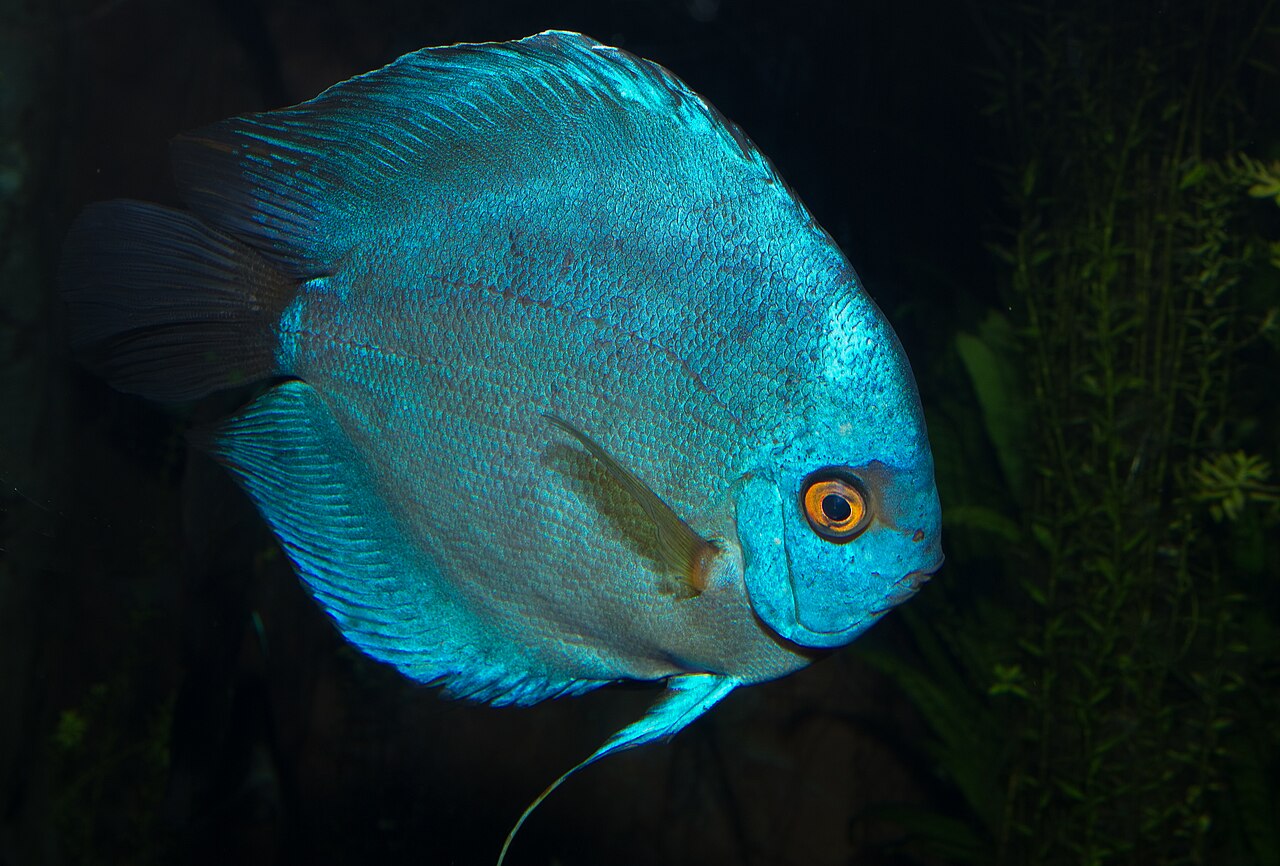
Discus fish are often called the kings of the freshwater aquarium, and for good reason. Their round, compressed bodies and bold colors make them a centerpiece in any display. Still, they have a reputation for being demanding. The truth is that discus care is predictable when you understand their needs. This guide walks through tank size, water chemistry, diet, and tank mate compatibility so you can keep these cichlids healthy. Before bringing any discus home, review the aquarium nitrogen cycle explained so you understand the biological foundation of a stable tank.
Discus are not beginner fish in the traditional sense, but they are not impossible either. They come from warm, soft, acidic waters in the Amazon basin, and they do best when those conditions are copied closely. Water quality is the main thing that separates healthy discus from stressed ones. A well-maintained discus tank is not harder than other planted tanks. It just requires more frequent water changes and careful stocking. The reward is a group of fish that display social behaviors and color changes you rarely see in hardier species.
One common mistake is buying discus before the tank is fully cycled and stable. Another is keeping the water too cool or too hard. Discus evolved in blackwater habitats with very low mineral content. They can adapt to some local tap water, but sudden swings in pH or temperature will weaken their immune systems. This guide includes exact target ranges for temperature, pH, and water hardness, plus practical advice from Aqueon and Aquarium Co-Op where helpful.
We will cover the setup from the first empty tank to the week-to-week routine. You will learn what size tank works, how to prepare water, what to feed, and which fish can live with discus without causing stress. We also flag the most common errors that lead to stunted growth or disease. By the end, you should be able to build a stable environment and enjoy discus for years, not just weeks.
What You’ll Need
- 55 to 75 gallon aquarium with sturdy stand
- Canister filter and sponge filter
- Reliable heater and digital thermometer
- Liquid water test kit
- Gravel vacuum and water change hose
- Dechlorinator and water aging container
How Do You Care for Discus Fish?
- Choose a Tank Size That Reduces Stress
Discus need space. A single adult discus can reach 6 to 8 inches in diameter, and they do not do well alone. These fish are schooling cichlids that form social hierarchies, so keeping at least five or six adults is the standard advice. That group size means you need a tank that can handle the bioload and give each fish enough territory. A 55-gallon tank is the minimum for a group of five juvenile or adult discus, but many experienced keepers prefer a 75-gallon or larger system. If you start with small juveniles in a small tank, you will be upgrading within months, which adds stress and cost.
Housing discus in a tank that is too small is one of the fastest ways to stunt their growth. Stunting can happen even if water quality is perfect. The fish produce hormones that suppress growth in crowded conditions. That is why discus raised in overcrowded breeding operations often fail to reach full size. When you choose a larger tank from the start, you dilute those hormones and give the fish room to swim. A 75-gallon tank with a 48-inch footprint is a solid middle ground for a group of six adult discus.
The shape of the tank matters too. Discus are tall, laterally compressed fish, so they prefer tanks with height. A standard 55-gallon is 21 inches tall, which works, but a 75-gallon with a 24-inch height is even better. More vertical space allows them to display and form pairs without constantly bumping into hardscape. Avoid very long, shallow tanks because discus feel exposed when there is little height above them. Also choose a sturdy stand that can support the weight of a large filled aquarium.
Filtration is part of tank size planning. Discus need stable water with low ammonia and nitrite. A quality canister filter rated for at least twice the tank volume is a good choice. For example, a Fluval FX4 can handle a 75-gallon discus setup while providing gentle but effective turnover. Review options in our best aquarium filters guide before buying. You can also add a sponge filter for biological filtration and aeration. Just remember that high flow is not necessary. Discus come from slow-moving waters and will not appreciate a strong current. Aim for calm return flow.
- Dial in Discus Water Parameters Before Adding Fish
Discus are warm-water fish. Set the heater to maintain a stable 84 degrees Fahrenheit, with an acceptable range of 82 to 86 degrees. Most tropical community fish prefer cooler water, which is one reason discus do not mix with every species. Temperatures below 80 degrees slow their metabolism and suppress appetite. A reliable heater with an external thermostat or a quality submersible unit is essential. Use a digital thermometer to confirm the actual water temperature at the far end of the tank, not just near the heater. The Eheim Jager heater is a dependable option for holding these warmer temperatures.
Water chemistry is equally important. Discus prefer soft, acidic water with a pH between 6.0 and 7.0. The ideal general hardness is below 4 dGH, and carbonate hardness should be low enough to allow the pH to stay stable. If your tap water is hard and alkaline, do not chase pH with chemicals that cause rapid swings. Instead, consider using reverse osmosis water cut with a small amount of tap water to reach stable parameters. According to Aqueon, keeping discus in water outside their preferred range can lead to chronic stress and increased susceptibility to disease. Test your source water before you buy the fish.
Stability beats perfection. A pH of 7.2 that stays constant is better than a pH that bounces between 6.5 and 7.0. Discus can adapt to slightly alkaline water if they are raised in it, but sudden changes from water changes or chemical additives are dangerous. If you need to adjust pH, do it gradually in a separate aging barrel before adding water to the tank. Our guide on how to lower pH in an aquarium explains safe methods that do not shock the fish. Avoid using pH-down products directly in the display tank whenever possible.
Aging and pre-treating water helps. Fill a dedicated bin with tap water, add a dechlorinator, and let it sit for 24 hours with a heater and a small pump. This releases dissolved gases and stabilizes temperature. Some keepers add Indian almond leaves or alder cones to the aging bin to naturally tint the water and add tannins. Discus do not need blackwater, but tannins can help mimic their natural habitat and reduce stress. Always match the temperature and pH of new water to the tank before doing a water change.

- Cycle the Aquarium Completely and Let It Mature
Never add discus to an uncycled tank. The nitrogen cycle must be fully established before these sensitive fish go in. That means ammonia and nitrite stay at 0 ppm, and nitrate is kept below 20 ppm through regular water changes. Use a liquid test kit, not test strips, because accuracy matters with discus. The API Freshwater Master Test Kit is a common choice and gives clear readings for ammonia, nitrite, nitrate, and pH. Check the API Freshwater Master Test Kit on Amazon.
You can cycle with ammonia drops or with a few hardy fish, but for discus, fishless cycling is safer. Fishless cycling avoids exposing any animal to toxic ammonia or nitrite. Add a source of ammonia, seed the tank with beneficial bacteria, and wait until the bacteria can convert 2 ppm of ammonia to nitrate within 24 hours. Our step-by-step guide on how to cycle a fish tank walks through the process. Do not rush it. A cycled tank that has been stable for an extra two or three weeks is much safer than one that just finished cycling yesterday.
A mature tank has more than just bacteria in the filter. Biofilm, microfauna, and stable dissolved organics help discus settle in. New tanks often have slight swings in pH and oxygen levels. If you can, let the tank run with plants and a clean-up crew for a month before adding discus. Some aquarists add fast-growing stem plants to help absorb ammonia and nitrate during the maturing phase. Just keep the temperature at 84 degrees while the tank matures so the beneficial bacteria are already adapted to discus conditions.
Quarantine is a separate but related step. Even after the display tank is cycled, new discus should go through a quarantine protocol. A 20-gallon or larger quarantine tank lets you observe fish for at least four weeks before they join the display. This prevents internal parasites and external infections from spreading. During quarantine, keep the water parameters identical to the display. This is also a good time to train new discus to accept prepared foods while they are alone and easy to observe.
- Design a Discus-Safe Aquascape with Open Swimming Space
Discus feel safest in a tank with structure, but they also need open water to swim and feed. The best layout combines a sandy or fine gravel substrate with driftwood and a few broad-leafed plants. Avoid sharp decorations that can tear fins. Use smooth river rock and sand that will not scratch their bodies when they sift through it. A bare-bottom tank is easier to clean, especially in a quarantine or grow-out setup, but many display keepers prefer a thin sand layer for a more natural look.
Plants that tolerate high temperatures work best. Amazon swords, anubias, java fern, and cryptocoryne species are good choices. They do not need intense lighting and can handle 84 degrees. If you want floating plants, use water lettuce or frogbit to diffuse the light. Discus do not like bright, open lighting. Dim or shaded areas help them feel secure. You can also add Indian almond leaves to create a natural amber tint. The best aquarium plants for beginners guide includes several low-light options that work in discus tanks.
Driftwood serves two purposes. It provides hiding spots and releases tannins that soften water and lower pH slightly. Choose pieces with smooth branches and no sharp points. Boil or soak the wood before adding it so it sinks and does not cloud the water. When arranging hardscape, leave a clear zone in the front and middle of the tank. Discus often swim in loose groups across open areas. If the tank is too crowded with wood and rocks, they will hide more and may refuse food.
Lighting should be moderate. A basic LED fixture with adjustable intensity is all you need. Some discus keepers run the lights for only six to eight hours per day to reduce stress and algae. When you introduce the fish, keep the lights off or very dim for the first day. This helps them settle. Add smooth caves or large-leafed plants near the sides so that individual fish can retreat. A well-designed aquascape supports the social hierarchy without forcing constant visible competition.

- Feed a High-Protein, Varied Discus Diet
Discus are omnivores that lean heavily toward protein. In the wild they graze on small crustaceans, insect larvae, and plant matter. In the aquarium, they need a varied diet that includes high-quality prepared foods, frozen foods, and some fresh options. Start with a discus-specific pellet or granule that contains at least 45 to 50 percent protein. Many quality commercial foods work well once the fish accept them. A sinking pellet is often better than floating food because discus feed at midwater and on the substrate.
Feed multiple small meals each day. Juvenile discus grow quickly and should eat three to five times daily. Adult discus can be fed two to three times daily. Overfeeding is a common cause of water quality problems, so offer only what the fish can eat in two to three minutes. Remove uneaten food after feeding. A turkey baster works well for spot-cleaning leftovers. Keeping the water clean after heavy feeding is one of the main challenges of discus husbandry.
Frozen foods should be part of the rotation. Bloodworms, brine shrimp, mysis shrimp, and beef heart mix are all common discus foods. Beef heart is controversial because it is not a natural food and can foul water quickly, but many breeders use it to promote growth. If you use beef heart, buy a commercial mix rather than making your own untested blend. Rinse frozen foods before feeding to reduce phosphates. Avoid feeding tubifex worms from questionable sources because they can carry pathogens.
Some discus refuse new foods at first. They may have been raised on a single food at the breeder. To switch them, mix a small amount of the new food with the old food and increase the ratio over a week. Garlic extract can stimulate appetite. Live blackworms are another option for tempting picky eaters, but quarantine live foods before feeding. A varied diet improves color, growth, and immune function better than any single food.
- Select Compatible Tank Mates Carefully
Choosing tank mates for discus is less about temperament and more about temperature. Discus need 82 to 86 degrees, which is too warm for many common community fish. Good options include cardinal tetras, rummy nose tetras, sterbai corydoras, and some peaceful dwarf cichlids like rams. These fish tolerate the same warm, soft water and are not aggressive enough to compete with discus. Avoid fish that are fast or nippy, such as tiger barbs and most danios, because they will outcompete discus for food and may nip their fins.
Small tetras make excellent dither fish. Cardinal tetras and rummy nose tetras school tightly and signal to discus that the open water is safe. If you want a lower-maintenance schooling fish, look at our cardinal tetra care guide and rummy nose tetra care guide for water parameter details. Keep these schools large, with at least eight to twelve individuals, so they behave naturally. Small groups hide and add to the stress instead of reducing it.
Corydoras catfish work if you choose heat-tolerant species. Sterbai corydoras and some other species can handle discus temperatures while cleaning up food from the substrate. Avoid common bronze or peppered corys, which prefer cooler water. Also avoid large plecos. Common plecos can grow big and may develop a taste for the slime coat of discus at night. If you want an algae eater, a bristlenose pleco is a safer choice, but even they need driftwood and vegetable matter. See our bristlenose pleco care guide for details.
Angelfish and discus are often kept together because they are both South American cichlids, but the combination can bring problems. Angelfish are faster and more aggressive at feeding, and they can carry pathogens that affect discus. If you do keep them together, use a larger tank with visual barriers. Also avoid any fish that will nip long fins. Your angelfish care guide covers compatibility and tank size requirements. In general, the best discus tank mates are peaceful, warm-water species that stay small enough to not threaten adult discus.
- Maintain Water Quality with Large Weekly Water Changes
Discus are sensitive to dissolved organic waste, so water changes are non-negotiable. Most successful discus keepers change 30 to 50 percent of the water every week. Some breeders change 50 to 75 percent several times a week for juveniles. The exact amount depends on stocking density, feeding frequency, and filtration. Use a gravel vacuum to remove uneaten food and waste from the substrate. Match the replacement water temperature and pH to the tank to avoid shocking the fish. The Aquarium Co-Op team recommends testing nitrate before and after water changes to learn your tank’s weekly nitrate buildup.
Large water changes keep nitrate below 20 ppm and reduce the hormones that can stunt growth. They also remove some parasites and bacteria before they reach problematic levels. If you have a planted tank, do not skip water changes just because plants use nitrate. Discus produce a lot of waste, and plants alone rarely keep up. The routine should be predictable. Same day, same amount, same water source. This consistency is more important than the exact percentage.
Filter maintenance fits into the same schedule. Rinse mechanical media in old tank water every two to four weeks. Do not replace all biological media at once, and never wash it under tap water because chlorine kills beneficial bacteria. If you use a canister filter, keep a pre-filter sponge on the intake. It protects small fish and makes cleaning easier. Our guide on how often to change aquarium water breaks down maintenance for different setups.
Watch the fish during and after water changes. Discus should continue to swim calmly and show interest in food within a few minutes. If they clamp their fins, turn dark, or hide after a water change, the temperature or water chemistry probably does not match. Check the parameters and correct them before the next change. A water change pump or a hose system makes large changes easier, but always add dechlorinator to the tank or new water before adding tap water. This final routine is what keeps discus thriving for years.

Red Flags & Warnings
- 🚨 Do not buy discus before your tank is fully cycled and stable for at least two weeks. Ammonia spikes kill discus faster than most fish.
- 🚨 Never mix discus with cool-water community fish like goldfish or zebra danios. Temperature differences cause chronic stress and disease.
- 🚨 Avoid sudden pH changes. If you need to lower pH, adjust new water in a separate container before adding it to the tank.
- 🚨 Do not skip quarantine. New discus can introduce internal parasites or gill flukes that spread quickly in warm water.
- 🚨 Watch for signs of stress: dark body color, clamped fins, heavy breathing, or refusal to eat. These signal water quality or social problems.
Frequently Asked Questions
What size tank do discus need?
A 55-gallon tank is the minimum for a group of five or six adult discus, but a 75-gallon tank is better. Discus reach 6 to 8 inches and need space to form social groups and reduce hormone buildup. Overcrowding stunts growth and increases aggression.
What temperature should a discus tank be?
Keep discus at 82 to 86 degrees Fahrenheit, with 84 degrees as a target. Use a reliable heater and a digital thermometer. Temperatures below 80 degrees weaken their immune system and reduce appetite.
What pH is best for discus?
Discus prefer soft, acidic water with a pH between 6.0 and 7.0 and low general hardness. Stability matters more than hitting an exact number. Sudden pH swings are more harmful than a constant pH of 7.2.
Can discus live with angelfish?
Yes, but with caution. Both are cichlids and can share a large tank, but angelfish are faster at feeding and may carry diseases that affect discus. A 75-gallon or larger tank with visual barriers reduces conflict.
How often should I feed discus?
Feed juvenile discus three to five times daily and adults two to three times daily. Offer small portions that are eaten in two to three minutes. Remove uneaten food to protect water quality.
How often should I change discus tank water?
Change 30 to 50 percent weekly at a minimum. Juveniles and heavily stocked tanks may need 50 to 75 percent several times per week. Match temperature and pH of new water to the tank.
What Should You Remember?
- Tank size: Give adult discus at least a 55-gallon tank, with 75 gallons preferred for a group of six.
- Water temperature: Hold the tank at 82 to 86 degrees Fahrenheit with a reliable heater and digital thermometer.
- Water chemistry: Keep pH between 6.0 and 7.0 with soft water, and avoid sudden parameter swings.
- Diet: Feed a varied high-protein diet with multiple small meals each day, and remove uneaten food quickly.
- Tank mates: Choose warm-water, peaceful species such as cardinal tetras, rummy nose tetras, and sterbai corydoras.
- Maintenance: Perform large weekly water changes of 30 to 50 percent and service filters with old tank water only.
This article is for general information only and is not a substitute for professional veterinary or aquarium specialist advice. Always research the specific needs of your fish and consult an expert before making care decisions.