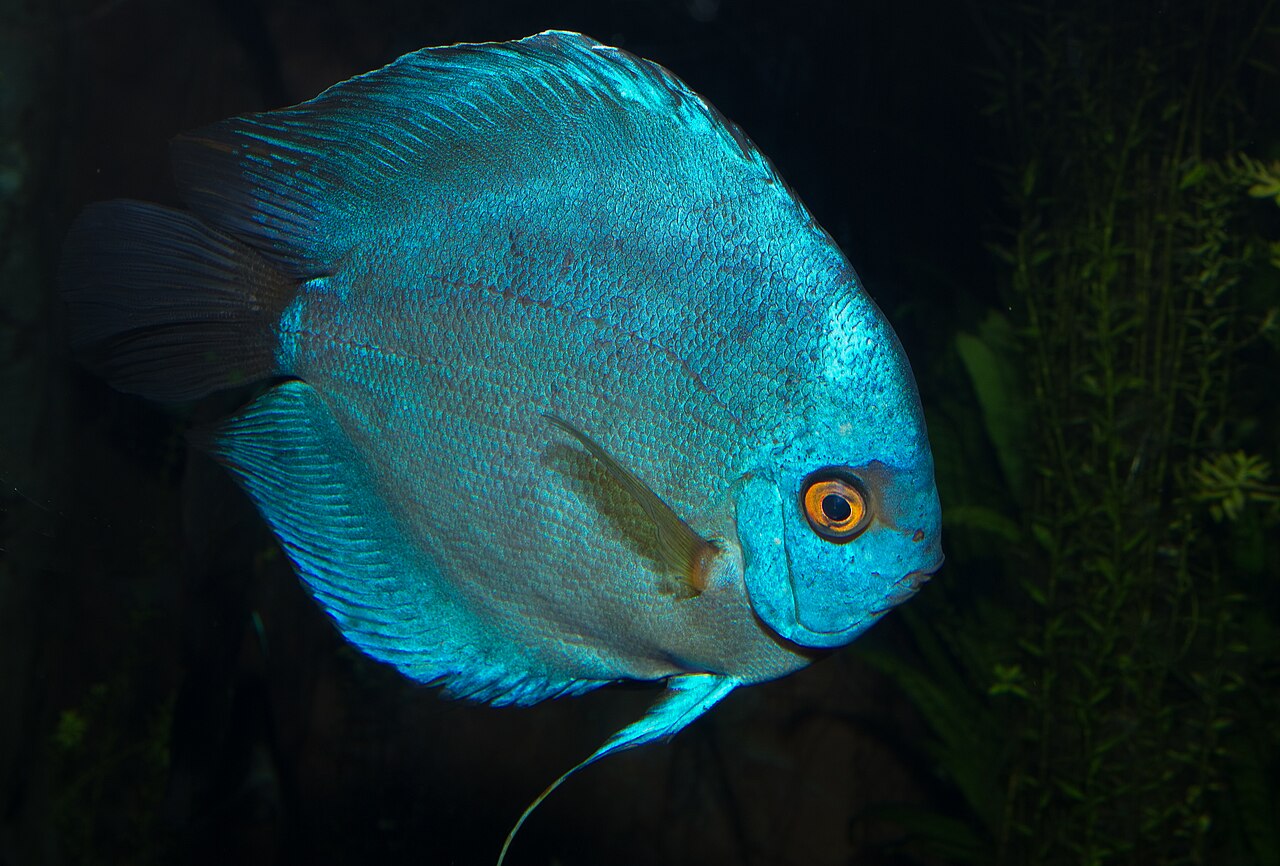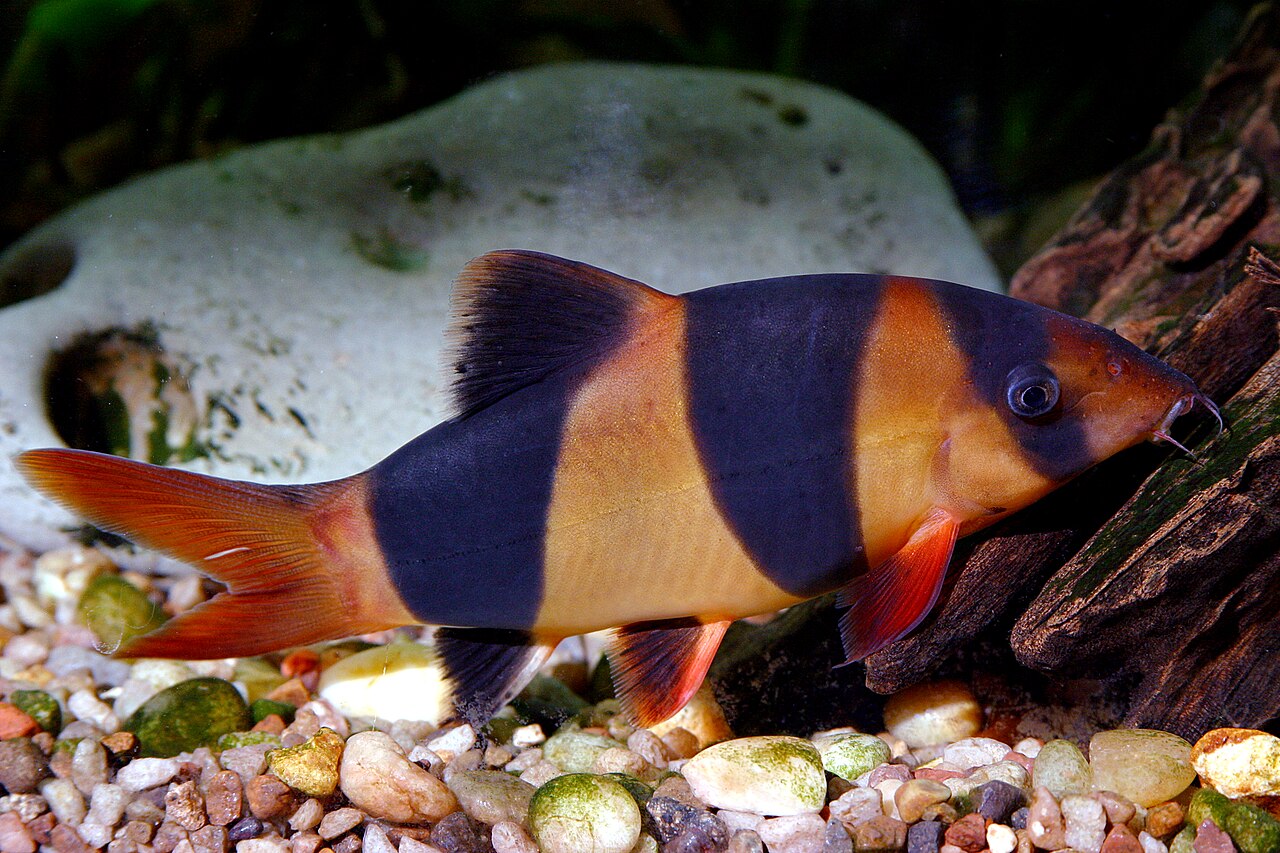
Clown loaches are among the most recognizable freshwater fish in the hobby. Their bright orange bodies and bold black bands make them stand out in any tank. Despite their popularity, many fishkeepers misunderstand their needs. These fish grow large, live a long time, and demand stable water quality. If you are researching this species before buying, you are already ahead of most new owners. This guide focuses on practical clown loach care for 2026.
The first thing to understand is that clown loaches are not a small, easy community fish. Pet stores often sell them as tiny 1-inch juveniles. Those little fish can reach 10 to 12 inches within a few years. They also need to be kept in groups of at least five. A single loach becomes shy and stressed. According to Aqueon, clown loaches require a spacious aquarium and excellent filtration. Plan for a large tank before you bring them home.
This guide walks through tank sizing, water parameters, diet, compatibility, and disease prevention. Each step explains what to do and why it matters. You will also find links to deeper care guides throughout the article. Start by reviewing aquarium fishkeeping statistics 2026 if you want context on how many hobbyists keep freshwater fish. Then follow the steps in order.
One more note before you start. Clown loaches are freshwater fish, not saltwater. They come from rivers in Borneo and Sumatra. If you have never kept a large tropical tank, this species will require more work than a betta or guppy. Still, their playful behavior and long lifespan make them worth the effort. Use this guide as your reference for setup, feeding, and ongoing care.
What You’ll Need
- 75-gallon or larger aquarium
- Canister filter rated for 120+ gallons
- Heater with thermostat
- Thermometer
- API Freshwater Master Test Kit
- Sinking wafers and frozen foods
- Fine sand or smooth gravel
- Driftwood and hiding spots
How Do You Care for Clown Loaches?
- Choose a large tank from day one.
Clown loaches grow far larger than most people expect. Adults commonly reach 10 to 12 inches in home aquariums. A 20-gallon tank might work for the first few months, but it becomes dangerous very fast. Plan for the adult size now. A 75-gallon tank is the minimum for a small group. A 125-gallon or longer tank is better for a full adult group.
Clown loaches are social fish. They form hierarchies and need the company of their own kind. Keep at least five individuals together. A group of five adult clown loaches produces a heavy bioload. Smaller tanks quickly accumulate nitrate and stress the fish. Stressed clown loaches hide, stop eating, and fall sick.
Long tanks beat tall tanks for this species. Clown loaches spend most of their time near the bottom. They need horizontal swimming room and open sand areas. A standard 75-gallon tank measures 48 inches long. That length supports their cruising behavior. A 6-foot tank is even better for adults.
Start with the largest tank you can afford. Moving a grown clown loach from a small tank is stressful for you and the fish. The extra water volume also stabilizes temperature and chemistry. If you are new to larger setups, review best beginner fish tanks before buying.
- Cycle the tank and lock in stable water parameters.
Clown loaches are sensitive to ammonia and nitrite. Never add them to a brand-new tank. Cycle the tank first. A fishless cycle is the safest method. Add a small amount of ammonia and test daily until beneficial bacteria convert it into nitrate. You can learn the process in our aquarium nitrogen cycle guide.
Target water parameters matter. Clown loaches thrive at 75 to 86 degrees Fahrenheit. The pH should stay between 6.0 and 7.5. Hardness can range from 5 to 12 dGH. Keep ammonia and nitrite at zero. Nitrate should stay below 20 ppm with regular water changes. A reliable test kit helps you track all of these values. Check the API Freshwater Master Test Kit on Amazon.
Test the water before adding fish. Fill the tank, add dechlorinator, and run the filter and heater for at least 24 hours. Then test for chlorine, ammonia, nitrite, and nitrate. Add fish only after ammonia and nitrite read zero. Do not trust cloudiness or smell alone. Liquid test kits are more accurate than test strips.
Acclimate clown loaches slowly. Float the bag for 15 minutes. Then drip acclimate or add small amounts of tank water every 10 minutes. This prevents shock from pH or temperature shifts. Stable parameters matter more than chasing a perfect number.
- Set up a soft substrate and plenty of hiding places.
Clown loaches have sensitive barbels and skin. Sharp gravel can cut their mouths and lead to infection. Use fine sand or smooth, rounded gravel. Sand is the best choice. It allows natural digging and snuffling behavior. The substrate layer should be 1 to 2 inches deep.
Add driftwood and caves. Clown loaches need dark hiding spots to feel safe. Malaysian driftwood, mopani wood, and smooth rock caves work well. A group of five needs at least three or four separate hiding areas. Without cover, they stay stressed and may refuse food. Live plants like Java fern and Anubias attach to driftwood and need low light. Check best aquarium plants for beginners for options.
Arrange the decor before filling the tank. Leave open sand at the front for swimming and feeding. Place wood and rocks along the back and sides. Make sure every fish can find a cave but still see open space. Rinse all substrate and decor first. Cloudy water from unrinsed sand can stress fish.
Lighting should be moderate. Clown loaches come from shaded streams. Bright light can make them hide all day. Use floating plants or dimmable lights to create shaded areas. Add a dark background to the tank. This helps the loaches feel secure and brings out their orange and black colors.

- Install heavy-duty filtration and a reliable heater.
Clown loaches are messy eaters and produce a lot of waste. A group of five adult loaches puts a serious load on the filter. Choose a canister filter rated for at least twice the tank volume. For a 75-gallon tank, use a filter rated for 120 gallons or more. A Fluval FX4 or similar canister filter works well. Check the Fluval FX4 on Amazon.
Add extra circulation. Clown loaches appreciate moderate current. Position the filter outlet to push water along the bottom. A powerhead can help in larger tanks. Strong flow keeps debris suspended so the filter can remove it. Avoid blasting the entire tank. Leave quiet areas behind decor where loaches can rest.
Heating is just as important. Clown loaches come from warm tropical rivers. Use a quality heater with a thermostat. For a 75-gallon tank, 250 to 300 watts is common. Place the heater near the filter outflow to distribute warm water. Use two smaller heaters in larger tanks for redundancy. If one fails, the other keeps the tank stable. See best aquarium heaters for reliable models. Most experienced keepers, including Aquarium Co-Op, recommend oversized filtration for large fish like loaches.
Keep a thermometer at each end of the tank. Check temperature daily during the first month. Sudden drops below 75 degrees can trigger ich. A stable 80 degrees Fahrenheit works well for most clown loach tanks. Avoid placing the tank near windows or air vents. Drafts cause temperature swings that stress the fish.
- Feed a varied diet with sinking foods and occasional meaty treats.
Clown loaches are omnivores. In the wild they eat insects, crustaceans, plant matter, and small snails. In the aquarium they need a varied diet. Use high-quality sinking wafers or pellets as the staple. Sinking foods reach the bottom where loaches feed. Flakes rarely make it down in a busy tank.
Offer frozen or live foods two to three times per week. Bloodworms, brine shrimp, mysis shrimp, and blackworms are excellent. Clown loaches also eat snails and will hunt pest snails. Blast frozen cubes in a small cup of tank water before feeding. Never dump frozen food straight into the tank.
Add blanched vegetables once or twice a week. Zucchini, cucumber, and shelled peas are good options. Slice them thin and blanch them in boiling water for 30 seconds. Remove uneaten vegetables after 24 hours. This keeps the water clean. Check Hikari sinking wafers on Amazon for a solid staple food.
Feed small amounts two or three times per day. Only offer what the group can eat in three minutes. Clown loaches are slow but determined eaters. Overfeeding leads to nitrate spikes and obesity. Skip one feeding day per week to let their digestive systems rest.

- Change water weekly and test for nitrate.
Water changes are not optional with clown loaches. They need clean, stable water. Change 25 to 30 percent of the water every week. Use a gravel vacuum to remove waste from the sand. Do not skip a week if nitrate climbs above 20 ppm.
Test the water before each change. Check ammonia, nitrite, nitrate, and pH. Record the results. If nitrate is above 40 ppm, increase the frequency or volume of water changes. You can also add fast-growing plants to consume nitrate. How often to change aquarium water explains a simple schedule.
Use a dechlorinator every time. Chlorine and chloramine kill beneficial bacteria. Dose the new water before adding it to the tank. Match the temperature of the new water to the tank. A difference of more than a few degrees can shock the fish. Add new water slowly with a pump or a plate to avoid stirring the sand.
Clean the filter media in old tank water, never tap water. Rinse sponges and bio media gently every month or when flow slows. Replace chemical media according to the manufacturer. Keep beneficial bacteria alive in the filter. Do not replace all media at once.
- Pick peaceful, similarly sized tank mates.
Clown loaches are peaceful but they can annoy shy fish. They are active, playful, and sometimes boisterous. Choose tank mates that tolerate movement. Avoid aggressive fish that will bully them. Also avoid tiny fish that an adult loach may eat.
Good tank mates include larger tetras, barbs, rainbowfish, and peaceful cichlids. Tiger barbs, cherry barbs, and giant danios work in large groups. Many keepers pair clown loaches with yoyo loaches or tiger barbs because they share similar water needs. Avoid slow-moving fish with long fins, like bettas or fancy guppies. Clown loaches may nip fins out of curiosity.
Do not keep clown loaches with large aggressive species. Oscars, jaguar cichlids, and redtail catfish can eat or injure them. Small shrimp and tiny fish are at risk. Neon tetras may become food once the loaches grow. If you keep smaller fish, make sure they are large enough to avoid being eaten.
Introduce all tank mates carefully. Rearrange decor before adding new fish to break old territories. Feed the existing group first so they are less likely to chase newcomers. Monitor for the first 48 hours. Have a backup plan if aggression appears.
- Quarantine new fish and stay ahead of ich.
Clown loaches are highly prone to ich. Stress, temperature swings, and poor water quality often trigger outbreaks. New fish commonly bring parasites into a display tank. Quarantine every new fish for at least 2 to 4 weeks in a separate tank.
Set up a simple quarantine tank with a sponge filter, heater, and hiding places. Observe the new fish daily for white spots, clamped fins, or rapid breathing. Treat issues in quarantine instead of the main tank. Do not use copper-based medications on clown loaches. They are scaleless and sensitive to many treatments. How to treat ich in an aquarium offers safe options.
During quarantine, keep the water clean and warm. A temperature around 82°F can speed up the ich life cycle. Add aeration because warmer water holds less oxygen. Follow medication instructions carefully. Use half doses for scaleless fish unless the label says otherwise.
After quarantine, acclimate the new loaches to the main tank slowly. Feed garlic-soaked food for the first week to boost appetite. Watch the group for aggression and normal feeding behavior. If any fish develops white spots, act immediately. Early treatment is the difference between a minor issue and a tank-wide outbreak.
Red Flags & Warnings
- 🚨 Do not keep a single clown loach. They need groups of at least five or they become stressed and hide.
- 🚨 Never use sharp gravel or rough decor. Clown loaches have delicate barbels and skin.
- 🚨 Do not add clown loaches to an uncycled tank. Ammonia and nitrite spikes can kill them quickly.
- 🚨 Avoid tiny tank mates like neon tetras. Adult clown loaches may eat small fish, especially at night.
- 🚨 Do not assume a 20-gallon tank is fine for juveniles. They grow fast and need 75 gallons or more.
- 🚨 Quarantine all new fish for 2-4 weeks. Clown loaches are prone to ich and carry parasites.
Frequently Asked Questions
What size tank do clown loaches need?
A 75-gallon tank is the practical minimum for a group of five juveniles. A 125-gallon or larger tank is better for adults. These fish reach 12 inches and need horizontal swimming room.
Are clown loaches good for beginners?
They are not ideal for brand-new fishkeepers. They need stable water, large tanks, and groups. Beginners often keep them in small tanks and lose them to stress or ammonia.
Can clown loaches live with cichlids?
Some peaceful South American cichlids like angelfish or rams can work in very large tanks. Avoid aggressive African cichlids. Watch for fin nipping and competition for food.
What do clown loaches eat?
They are omnivores. Feed sinking wafers, frozen bloodworms, brine shrimp, blanched zucchini, and snails. Offer small meals two to three times per day.
Do clown loaches eat snails?
Yes, they are excellent snail eaters. They use their pointed snouts to pull snails from shells. Still, do not rely on them to solve a serious snail infestation.
How long do clown loaches live?
With good care they often live 10 to 15 years. Some well-kept specimens reach 20 years. Plan for a long-term commitment before buying them.
What Should You Remember?
- Tank size: Provide at least 75 gallons for a group of five clown loaches.
- Group size: Keep five or more to reduce stress and encourage natural behavior.
- Water quality: Maintain 75-86°F, pH 6.0-7.5, and zero ammonia and nitrite.
- Diet: Feed varied sinking foods, frozen meaty foods, and vegetables.
- Compatibility: Choose peaceful, similarly sized tank mates and avoid tiny fish.
- Health: Quarantine new arrivals and watch for ich after stress or temperature swings.
- Longevity: Expect a 10-15 year commitment with proper care.
This article is for general information only and is not a substitute for professional veterinary or aquarium specialist advice. Always research the specific needs of your fish and consult an expert before making care decisions.