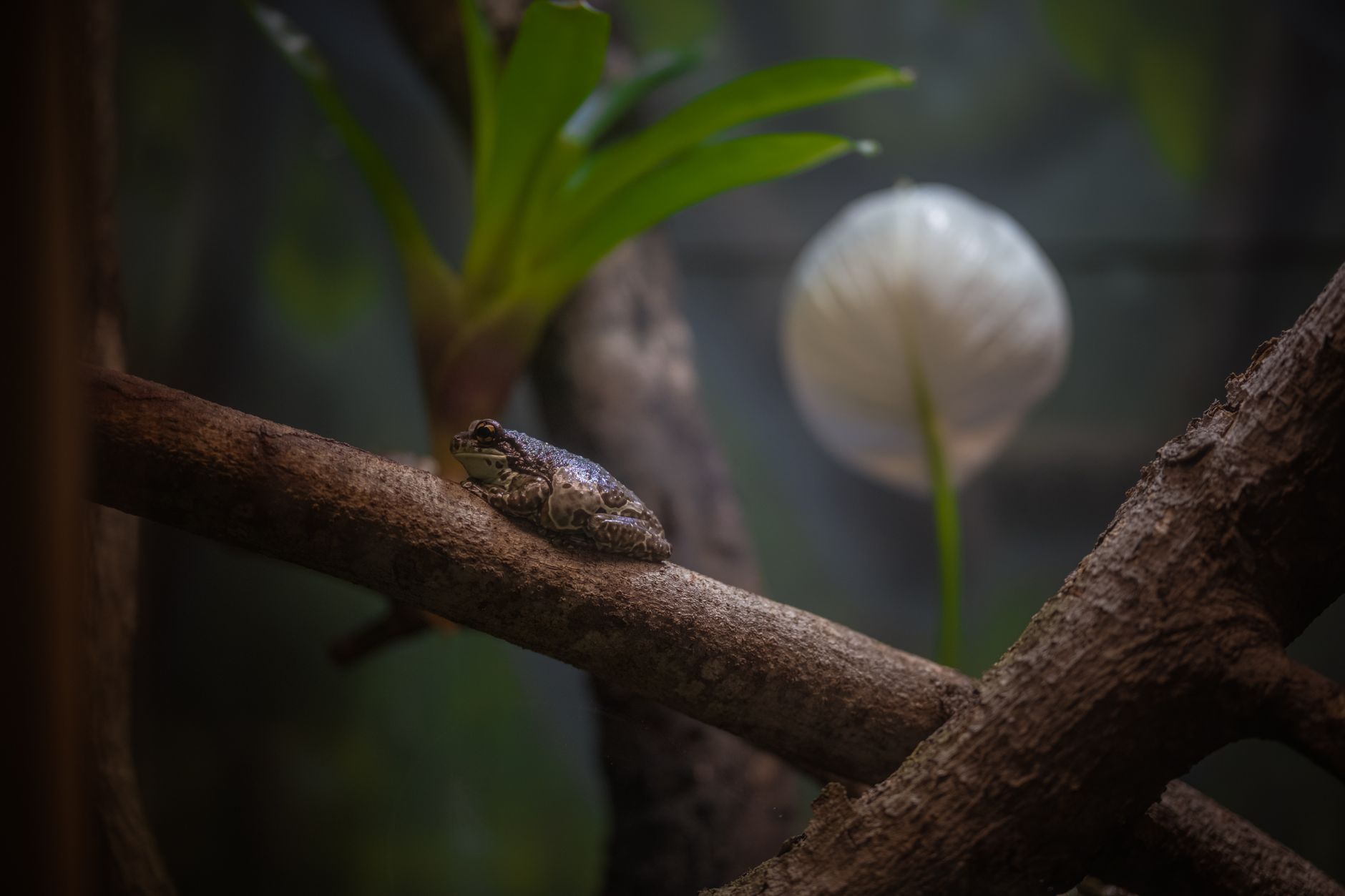
African dwarf frogs are small, fully aquatic amphibians that bring quiet activity to a freshwater tank. They grow to about 1.5 to 2.5 inches and can live five years or more with proper care. Many new keepers think they can survive in a tiny bowl. The truth is they need stable water and a cycled tank. Before bringing one home, learn the basics of the aquarium nitrogen cycle explained. A cycled tank prevents toxic ammonia spikes that can kill frogs quickly.
There is also confusion between African dwarf frogs and African clawed frogs. African dwarf frogs stay small and peaceful. Clawed frogs grow much larger and will eat small fish. This guide covers African dwarf frog care, including tank size, diet, and compatibility. You will also find gear recommendations and safe tank mate ideas. A well planned setup makes these frogs easy to keep and fun to watch.
Water quality matters more than tank size alone. A 10-gallon tank is a good starting point for a small group. You need a gentle filter, a reliable heater, and a liquid test kit. According to Aqueon, African dwarf frogs do best in a mature aquarium with stable parameters. This article will walk you through each step from setup to long term care.
In the wild, African dwarf frogs live in slow moving streams and ponds in Central Africa. Replicating that environment reduces stress. You can keep them alone or with peaceful fish. The main challenge is making sure they get enough food. This guide shares full steps, warnings, and FAQs to help you succeed.
What You’ll Need
- 10-gallon aquarium
- Gentle sponge filter or adjustable hang-on-back filter
- Adjustable aquarium heater
- Thermometer
- Liquid water test kit
- Sinking frog pellets and frozen foods
- Aquarium siphon or gravel vacuum
- Water conditioner
- Hiding caves and broad leaf plants
How Do You Care for African Dwarf Frogs?
- Start with a 10-Gallon Tank and Gentle Filtration
A 10-gallon tank is the minimum for two to three African dwarf frogs. A larger tank is easier to keep stable because waste is diluted. Add roughly five gallons per additional frog. Overstocking leads to waste buildup and stress. A standard 10-gallon aquarium fits on a sturdy stand and gives frogs room to swim.
Filtration should be gentle. These frogs are weak swimmers and can get trapped against strong intakes. A sponge filter or a hang-on-back filter with adjustable flow works well. If you need a filter, check the best aquarium filters 2026 list for reliable options. Sponge filters provide biological filtration without creating strong currents.
Avoid deep tanks that make surface access difficult. African dwarf frogs breathe air and must reach the surface. Keep water depth around 12 to 15 inches if possible. Add broad leaf plants or floating plants to give resting spots near the top. This helps them breathe without exhausting themselves.
Cycle the tank before adding frogs. A fully cycled tank has zero ammonia and zero nitrite. This protects frogs from chemical burns and long term stress. Use a liquid test kit to confirm the cycle before introducing them. A mature tank with stable parameters is the first step to healthy frogs.

- Maintain Stable Water Parameters and Warm Temperatures
African dwarf frogs need warm, stable water. Keep the temperature between 72 and 78°F (22 to 26°C). Sudden temperature swings weaken their immune systems. Use an adjustable heater with a thermostat. The best aquarium heaters 2026 list includes reliable options for 10-gallon tanks.
pH should stay between 6.5 and 7.8. They tolerate a range but prefer neutral to slightly acidic water. Test pH weekly with a liquid kit. Avoid chasing perfect numbers. Stability matters more than a specific reading. Rapid pH changes are harder on frogs than a slightly off target value.
Ammonia and nitrite must stay at zero. Nitrate should stay below 20 ppm. Regular water changes keep nitrate low. Aqueon notes that frogs absorb water through their skin, so poor water quality harms them quickly. You can review Aqueon for more freshwater care basics.
Add a thermometer to monitor daily. Even in warm rooms, temperatures can drop at night. A reliable heater prevents that. If the room gets cold in winter, choose a heater rated for the tank volume plus one size up. This gives you a buffer on cold nights.
Use dechlorinated water for all changes. Chlorine and chloramine burn frog skin. Use a quality water conditioner every time. Let the new water match the tank temperature before adding it. Pour slowly to avoid stressing the frogs.
- Use Safe Substrate and Plenty of Hiding Spots
Choose substrate carefully. Large, smooth gravel that is too big to swallow works. Bare bottom tanks are also easy to clean. Avoid small gravel and sharp sand. African dwarf frogs often lunge at food and can suck up substrate. Ingested gravel can cause impaction, which is a medical emergency.
Fine sand can be used if you feed in a dish. But frogs may still swallow sand during messy feeding. Bare bottom is the safest choice for beginners. If you want plants, attach them to driftwood or use potted plants. This keeps the bottom clean and reduces swallowing risks.
Provide hiding spots like caves, coconut huts, and dense plants. Frogs feel secure when they can hide. Java fern and anubias are good low light plants. Live plants also help absorb nitrate and add oxygen. They create a more natural environment without demanding much light.
Add resting spots near the surface. Broad leaves or floating plants allow frogs to rest while breathing. Frogbit and water sprite work well. Make sure floaters do not completely block the surface. Frogs still need clear access to air.
Keep decor free of sharp edges. Frog skin is delicate. Sand down any rough plastic or ceramic edges before placing them in the tank. A gentle environment reduces cuts and infections. Safe decor is as important as safe water.

- Feed a Protein-Rich Sinking Diet on a Schedule
African dwarf frogs are carnivores. They need a varied, protein-rich diet. Offer sinking pellets designed for aquatic frogs. A good option is Check the Zoo Med aquatic frog and tadpole food on Amazon. These pellets sink quickly and hold their shape in water.
Supplement with frozen or live foods. Bloodworms, brine shrimp, daphnia, and blackworms are great. Feed frozen foods after thawing them in tank water. Do not feed freeze-dried foods as a staple. They can cause bloating if fed dry and may lack moisture.
Feed adult frogs two to three times per week. Juveniles may need food daily. Offer only what they can eat in about five minutes. Remove uneaten food after feeding. Overfeeding causes obesity and ammonia spikes. A clean tank is easier to maintain when food does not rot.
Target feeding helps shy frogs get enough food. Use a turkey baster or long feeding tongs. Place food near the frog’s mouth. In community tanks, other fish often eat the food first. Watch to make sure every frog eats. This prevents slow starvation in a group setting.
Fast them one day per week if they look overweight. Frogs have slow metabolisms. A healthy frog has a slightly rounded belly but not a swollen body. Adjust portions based on body condition. Consistent feeding is more important than frequent feeding.

- Choose Peaceful Tank Mates Carefully
Compatibility is one of the biggest problems with African dwarf frogs. They are peaceful but slow. Fast or aggressive fish steal food and stress them. Good tank mates include small tetras, rasboras, corydoras catfish, and snails. You can read the corydoras catfish care guide to see if they fit your tank.
Avoid large or nippy fish. Barbs, many cichlids, and male bettas can injure frogs. If you keep a betta, monitor closely. The betta fish care guide explains betta behavior and tank needs. Some bettas ignore frogs, but others attack them.
Do not house African dwarf frogs with African clawed frogs. Clawed frogs grow much larger and will eat African dwarf frogs. Also avoid aggressive bottom dwellers. They compete for the same territory. Choose tank mates that use the upper water column.
Keep frogs in groups of at least two or three. They are social and do better with company. A 10-gallon tank can hold three frogs with a few small fish. Do not overcrowd. More animals mean more waste and more stress.
Always quarantine new arrivals for two to four weeks. This prevents spreading disease. Watch for signs of fungus, redness, or lethargy before adding them to the main tank. A separate quarantine tank is a small investment that protects the whole setup.
- Monitor Health and Prevent Common Frog Diseases
African dwarf frogs can suffer from bacterial infections, fungal infections, and chytrid fungus. Watch for cloudy eyes, red patches, fuzzy white growth, or bloating. Lethargy and loss of appetite are early warning signs. Catching problems early gives treatment the best chance.
Bloat is a common issue. It can be caused by overfeeding, constipation, or an internal infection. A frog that looks puffed up for more than a day needs attention. Move it to a clean hospital tank with shallow water. Reduce feeding and consult an aquatic veterinarian if it persists.
Skin shedding is normal if it happens occasionally. But frequent shedding or stuck shed can signal poor water quality. Check ammonia, nitrite, and pH. Do a water change if parameters are off. A stable environment prevents many skin problems.
Never use medications with copper or those unsafe for amphibians. Some fish medications are toxic to frogs. Read labels carefully. Products containing praziquantel may be safer for some parasites but always confirm with a vet before use.
Keep a log of water tests and frog behavior. This helps spot patterns. If one frog gets sick, others may be at risk. Use a reliable test kit. Check the API Freshwater Master Test Kit on Amazon gives accurate readings for ammonia, nitrite, nitrate, and pH.
- Perform Weekly Maintenance and Water Changes
Regular maintenance keeps African dwarf frogs healthy. Change 20 to 25 percent of the water every week. Use a gravel vacuum or siphon to remove waste from the bottom. Old food and frog waste break down into ammonia. Weekly changes keep nitrate below 20 ppm and reduce stress.
Keep the filter media clean but do not replace it all at once. Rinse sponge or media in old tank water, not tap water. This preserves beneficial bacteria. A cycled tank depends on those bacteria to process waste. See how often to change aquarium water for a full schedule.
Clean the glass and check equipment each week. Make sure the heater and filter are working. Wipe away algae with an aquarium-safe pad. Do not use soap or household cleaners. Soap residue is deadly to amphibians.
Trim dead plant leaves and remove uneaten food. Decomposing material adds unnecessary waste. Keep the substrate clean, especially in bare bottom tanks. A turkey baster works well for spot cleaning hard to reach spots.
Test water monthly or whenever frogs look stressed. Keep ammonia and nitrite at zero. If nitrate rises above 20 ppm, do an extra water change. Preventive care is easier than treating a sick frog. A simple routine keeps your frogs active and feeding well.
Red Flags & Warnings
- 🚨 Never use strong currents or deep tanks without surface resting spots. African dwarf frogs must reach the surface to breathe.
- 🚨 Avoid housing African dwarf frogs with large, aggressive, or fin-nipping fish. Slow frogs are easy targets for injury.
- 🚨 Do not use sharp gravel or small gravel that frogs can swallow. Ingested substrate can cause impaction and death.
- 🚨 Quarantine new frogs and live plants for two to four weeks. This reduces the risk of chytrid fungus and other diseases.
- 🚨 Never clean tank decor with soap or household chemicals. Residue left behind is toxic to frog skin.
- 🚨 Do not overfeed. African dwarf frogs are prone to obesity and bloat, which can be fatal if ignored.
Frequently Asked Questions
How long do African dwarf frogs live?
With proper care, African dwarf frogs live about five years on average. Some can reach eight to ten years in a stable, well maintained aquarium.
Can African dwarf frogs live with bettas?
They can sometimes live together, but it depends on the betta. Some bettas ignore frogs, while others nip at their limbs. Provide hiding spots and monitor feeding closely.
Do African dwarf frogs need land?
No. They are fully aquatic and spend their entire lives underwater. They must have easy access to the surface to breathe air.
What do African dwarf frogs eat?
They eat sinking protein-rich foods such as frog pellets, frozen bloodworms, brine shrimp, daphnia, and blackworms. Feed adults two to three times per week.
How many African dwarf frogs can live in a 10-gallon tank?
A 10-gallon tank can comfortably hold three to four African dwarf frogs. Add about five gallons per additional frog to avoid overcrowding.
Do African dwarf frogs need a heater?
Yes. They need a stable temperature between 72 and 78°F. An adjustable heater with a thermostat prevents dangerous temperature swings.
What Should You Remember?
- Tank size at least 10 gallons for a small group of African dwarf frogs.
- Water parameters keep 72-78°F and a pH between 6.5 and 7.8.
- Filtration use a gentle sponge filter or adjustable low flow filter.
- Diet feed sinking protein-rich foods two to three times weekly.
- Compatibility choose peaceful nano fish and avoid fin nippers.
- Maintenance perform 20 to 25 percent water changes every week.
- Observation watch for bloat, skin issues, and lethargy daily.
This article is for general information only and is not a substitute for professional veterinary or aquarium specialist advice. Always research the specific needs of your fish and consult an expert before making care decisions.