Bristlenose Plecos are a favorite among freshwater aquarists because they stay small, eat algae, and handle community tanks well. Unlike its giant cousin, the common pleco care guide species, which can outgrow a 55-gallon tank, the Bristlenose reaches only 4 to 6 inches. That manageable adult size makes it a better fit for home aquariums. Still, this fish is not a no-maintenance cleanup crew. It needs specific water conditions, proper food, and a tank that meets its territorial needs. Many new keepers learn that the hard way when their pleco develops stress or health problems.
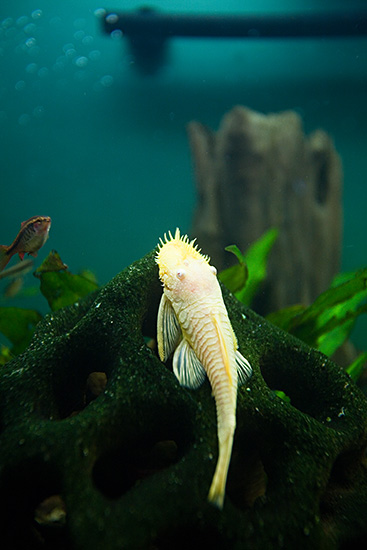
The Bristlenose Pleco gets its name from the fleshy tentacle-like bristles that grow on the snout, especially in mature males. Those bristles are not just for show. They help the fish sense food and may play a role in territorial displays. In the wild, these catfish live in fast-flowing South American streams with rocks, roots, and submerged wood. Replicating that environment in your aquarium is the core of good Bristlenose care. You do not need a massive setup, but you do need the right structure and stable water.
This guide walks through the exact steps to keep Bristlenose Plecos healthy for years. You will learn about tank size, water parameters, feeding, driftwood, compatible tank mates, and routine maintenance. I will also flag the mistakes that commonly shorten their lifespan. Whether you are setting up a new tank or adding a Bristlenose to an existing community, the details here will help you avoid trouble.
A well cared for Bristlenose Pleco can live 5 to 10 years. That is a long commitment for a small fish. The good news is that once the setup is correct, they are relatively hardy and peaceful. Follow the steps below and you will build a tank where a Bristlenose Pleco can thrive, not just survive. Use this guide alongside trusted references from Aqueon and Aquarium Co-Op as you plan your setup.
What You’ll Need
- 20 gallon long aquarium or larger
- Aquarium heater and thermometer
- Filter rated for the tank
- Driftwood
- API water test kit
- Sinking algae wafers
- Caves or PVC pipes
How Do You Care for Bristlenose Plecos?
- Set up a 20 to 30 gallon tank with driftwood and hiding spots
Start with the right tank size. A single adult Bristlenose Pleco reaches 4 to 6 inches and produces a heavy bioload. The minimum is a 20 gallon long tank, but a 30 gallon tank gives more room for territory and waste dilution. For a small group of one male and two females, use a 40 gallon breeder or larger. Avoid the common mistake of putting one in a 10 gallon tank. The small tank will foul quickly and stunt the fish’s long-term health. If you are shopping for a setup, review best beginner fish tanks for options that suit bottom dwellers.
Then build the aquascape around their needs. Bristlenose Plecos are nocturnal and want hiding spots. Use smooth rocks, caves, PVC pipes, and broad-leaf plants. Driftwood is not optional decoration. It provides fiber that aids digestion, which we cover in a later step. A sandy or smooth gravel substrate protects the fish’s barbels and belly. Sharp gravel can cause mouth infections. For planted setups, pick hardy species like Java fern and Anubias that tolerate scraping.
Rinse all hardscape before adding it to the tank. Boil or soak driftwood to remove tannins and make it sink. Place caves away from strong current so the pleco can rest. This step connects to water quality because a properly sized tank and clean decor make stable parameters easier to maintain.

- Keep water at 72 to 80 degrees Fahrenheit and pH between 6.5 and 7.5
Keep water temperature between 72 and 80 degrees Fahrenheit. A midpoint of 76 degrees is comfortable for most Bristlenose Plecos. Use a reliable heater and a separate thermometer to verify the actual temperature. Sudden shifts stress the fish and invite ich. Liquid test kits are more accurate than strips for monitoring ammonia, nitrite, nitrate, and pH. Check the API Freshwater Master Test Kit on Amazon gives you the core tests in one box.
Aim for a pH between 6.5 and 7.5 and general hardness between 4 and 12 dGH. Bristlenose Plecos tolerate a range, but stability matters more than hitting an exact number. If your tap water is very hard or alkaline, use driftwood or Indian almond leaves to slowly soften it. Avoid chemicals that cause rapid swings. For safe methods, read our guide on lowering pH if needed. Aqueon notes that consistent temperature and pH keep a fish’s slime coat healthy and reduce stress. You can read more at Aqueon.
The tank must be fully cycled before adding the pleco. Ammonia and nitrite should always read zero. Nitrate should stay below 20 ppm through regular water changes. If you are new to cycling, review the aquarium nitrogen cycle explained. A heater matched to your tank volume is non-negotiable. Without stable heat, the fish will refuse food and become vulnerable to disease.
- Offer vegetables, algae wafers, and occasional protein
Feed a varied diet. Bristlenose Plecos are grazers, not strict algae eaters. In the aquarium, they need more than leftover food and tank algae. Offer blanched zucchini, cucumber, spinach, and shelled peas. Boil firm vegetables for about one minute so they sink and soften. Remove uneaten vegetables within 24 hours to prevent rot. This gives the fish fiber and plant matter that matches its natural diet.
Use sinking foods as the daily base. High quality algae wafers or spirulina pellets provide balanced nutrition. Check the Hikari Algae Wafers on Amazon is a widely available staple. Feed one or two wafers at night after lights out. That matches the pleco’s nocturnal activity. Remove any uneaten food in the morning before it breaks down.
Add small amounts of protein once or twice a week. Bloodworms, brine shrimp, and gel foods help juveniles grow and keep adults strong. Do not overfeed protein, as too much can cause bloating. Aquarium Co-Op recommends checking the fish’s belly shape. A rounded but not bloated belly means the portion is right. You can read more feeding guidance at Aquarium Co-Op.
Common mistakes include assuming the pleco survives on tank algae alone, feeding only one vegetable without a staple, and leaving food in the tank too long. Rotting food is a top cause of ammonia spikes. Diet and water quality are closely linked, so this step sets up the routine maintenance later.
- Add driftwood for digestion, hiding, and natural behavior
Place real driftwood in the tank. Bristlenose Plecos rasp on wood to ingest lignin and cellulose. That fiber keeps their digestive tract moving. A pleco without driftwood often develops a pale color, poor appetite, and a sunken belly over time. This is a biological need, not just decoration. Use aquarium-safe woods like Malaysian driftwood, Mopani wood, or spider wood. Boil or soak the wood first to remove excess tannins and help it sink.
Wood also grows biofilm after a few weeks in the tank. The pleco grazes on that biofilm for hours, which reduces stress and encourages natural behavior. The tannins released by wood lower pH slightly and create a softer, more natural environment. If you dislike the tea-colored water, pre-soak longer or use activated carbon. The benefits usually outweigh the cosmetic concern.
Unlike the common pleco, Bristlenose Plecos keep the same wood requirement at a small adult size. But the wood still needs smooth surfaces. Sharp edges can injure the pleco’s mouth and barbels. You can also add low-maintenance plants to the wood. See best aquarium plants for beginners for species that attach to driftwood and tolerate pleco rasping. This territory and hiding structure leads directly into compatibility.

- Select calm tank mates and avoid aggressive species
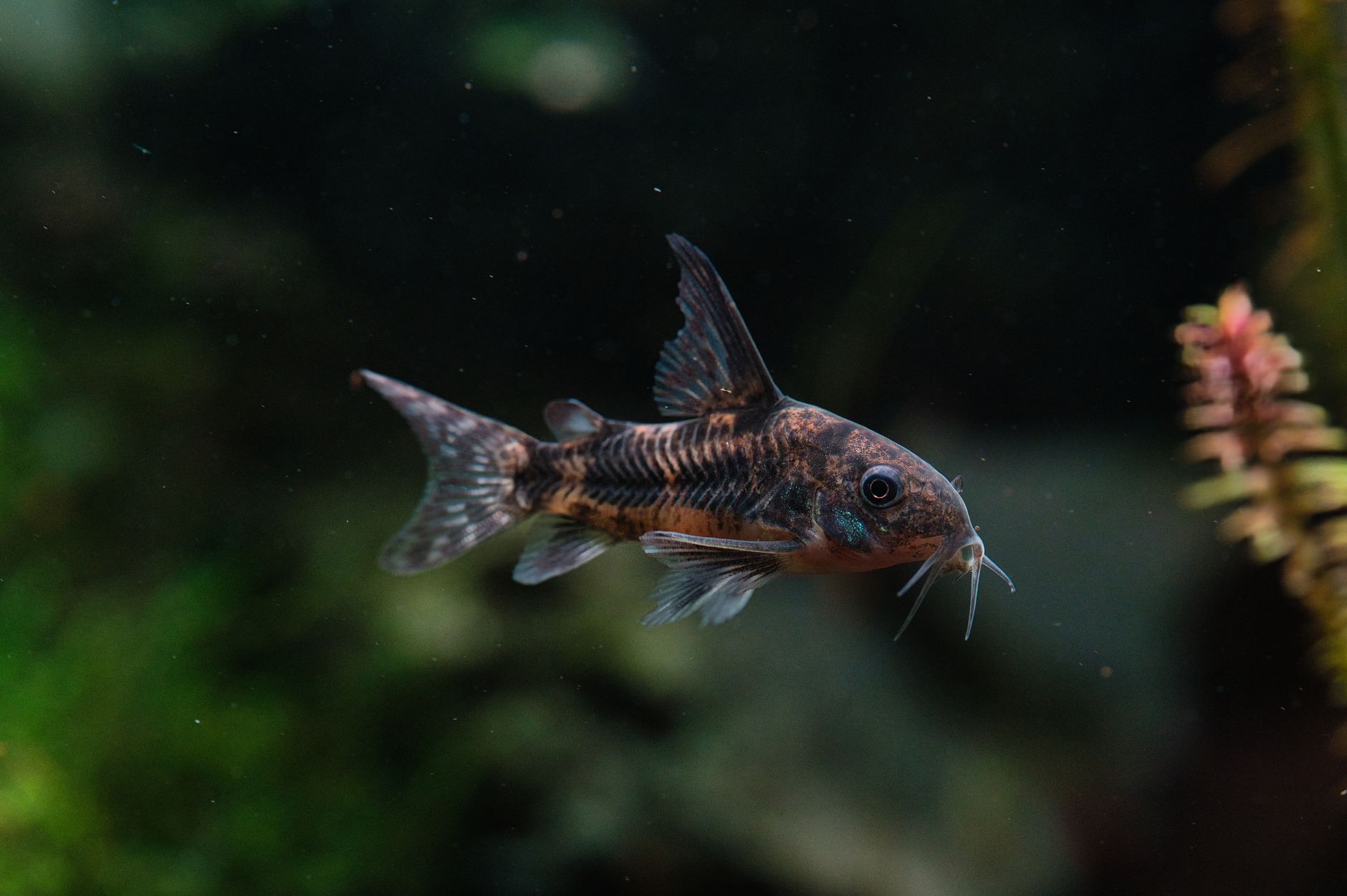
Choose peaceful community fish. Bristlenose Plecos get along with small tetras, rasboras, livebearers, and corydoras. For example, neon tetras share the same warm, soft water and do not bother the pleco. The key is to pick tank mates that stay out of the pleco’s caves and do not nip at its bristles. Fast, nippy fish can stress a slow bottom dweller.
Avoid large aggressive cichlids like Oscars, Jack Dempseys, and red devils. They may attack the pleco or eat all the food before it reaches the bottom. Fin-nipping species such as some barbs are also poor choices. If you want angelfish, it can work in a 40 gallon or larger tank, but avoid aggressive breeding pairs. The pleco needs its own hiding spots to escape any mild chasing.
Keep only one male Bristlenose per tank unless the tank is at least 40 gallons with multiple caves. Males fight over territory. Two females can coexist with enough structure. A 40 gallon breeder holds one male and two females more comfortably. Adult shrimp usually coexist with Bristlenose Plecos, but small shrimp fry may get eaten by accident. Snails are safe.
Compatibility also depends on feeding. Bottom-dwelling tank mates like panda corydoras may compete for sinking food. Feed at night and in multiple spots to ensure the pleco gets its share. This territorial setup flows into the next step.

- Provide multiple caves and learn to sex your plecos
Set up territorial structure. Each Bristlenose Pleco needs its own cave or hiding spot. For one fish, provide at least one cave and a piece of wood. For multiple fish, provide one cave per fish plus one extra. Space them far apart so each fish has a visual boundary. Males guard caves and chase other plecos during feeding. If you see constant chasing, add more structure or separate the fish.
Sexing Bristlenose Plecos is easy after they reach about 2 to 3 inches. Males develop bristles along the center and top of the snout. The bristles may branch and look like small antlers. Females have a smoother snout with few or no bristles, and any bristles are usually just a fringe around the edge. Do not use bristles to sex juveniles, because both sexes look similar.
If a male claims a cave and a female enters, they may spawn. The male guards the eggs in a cave, fanning them until they hatch. Bristlenose Plecos breed readily in home aquariums with good water and food. If you do not want fry, avoid tight caves with flat ceilings. If you do want to breed, add a ceramic pleco cave or a short piece of PVC pipe.
Dense plants like Java fern, Anubias, and Vallisneria break sight lines and reduce stress. They also create more natural territory boundaries. Keep caves accessible for cleaning so waste does not build up. Territory directly affects maintenance, which is the next step.
- Change water weekly and watch for common signs of stress or disease
Change water weekly. Bristlenose Plecos produce a lot of waste for their size. A weekly partial water change of 25 to 30 percent keeps nitrate low and oxygen high. Use a gravel vacuum to remove debris from the bottom, especially around caves and wood. If you are unsure about the schedule, review how often to change aquarium water for a detailed routine. Skipping maintenance leads to ammonia spikes and stress.
Use a filter rated for your tank volume, preferably with extra biological media. Bristlenose Plecos need clean, well-oxygenated water. Rinse filter media in old tank water during water changes. Never rinse it under tap water, because chlorine kills beneficial bacteria. A filter that is too weak will not handle the pleco’s bioload.
Watch for common health issues. Sunken belly often means internal parasites or starvation. White spots and flashing indicate ich, especially after a temperature drop. Torn fins, redness, and clamped fins can signal aggression or poor water quality. If you suspect ich, treat quickly with a species-safe medication. Bristlenose Plecos are scaleless and sensitive to many meds.
Quarantine all new fish and plants before adding them to the main tank. A separate 10 gallon quarantine tank prevents disease outbreaks. During quarantine, observe for parasites and treat if needed. This final step keeps the whole system stable and your Bristlenose healthy for years.
Red Flags & Warnings
- 🚨 Never keep two male Bristlenose Plecos in a tank smaller than 40 gallons. Males fight over caves and can injure or kill each other.
- 🚨 Do not add a Bristlenose Pleco to an uncycled tank. Ammonia and nitrite spikes burn their gills and cause rapid death.
- 🚨 Avoid sharp gravel or rough decorations. Bristlenose Plecos have delicate barbels and mouths that can get infected from abrasions.
- 🚨 Do not rely on tank algae as the only food source. Without vegetables and sinking wafers, the fish will slowly starve.
- 🚨 Be careful with medications containing copper or salt. As scaleless fish, Bristlenose Plecos are sensitive and can be poisoned by standard doses.
- 🚨 Quarantine new fish before adding them to your display tank. Bristlenose Plecos are susceptible to ich and external parasites from new arrivals.
Frequently Asked Questions
What is the minimum tank size for a Bristlenose Pleco?
A single adult Bristlenose Pleco needs at least a 20 gallon long tank. A 30 gallon tank is better because it dilutes waste and gives more territory. For a small group of one male and two females, use a 40 gallon breeder or larger.
Do Bristlenose Plecos eat algae?
Yes, they graze on algae and biofilm, but algae alone is not enough. Feed a varied diet of blanched vegetables, spirulina wafers, and occasional protein. A pleco that only eats tank algae will often develop a sunken belly.
Do Bristlenose Plecos need driftwood?
Yes, driftwood is a digestive requirement. The fish rasps on wood for fiber that helps move food through the gut. Without driftwood, Bristlenose Plecos may lose weight and become stressed.
Can Bristlenose Plecos live with bettas or angelfish?
They usually can live with bettas and angelfish if the tank is large enough and there are hiding spots. Bettas may occasionally flare at the pleco, but physical harm is rare. With angelfish, avoid breeding pairs that become territorial.
How can I tell male and female Bristlenose Plecos apart?
Males develop prominent bristles along the center and top of the snout. Females have a smoother snout with few or no bristles, sometimes just a fringe around the edge. This difference appears around 2 to 3 inches in size.
How long do Bristlenose Plecos live?
With proper care, Bristlenose Plecos can live 5 to 10 years. Stable water parameters, a varied diet, and routine maintenance are key to reaching the upper end of that range.
What Should You Remember?
- Tank size: Provide at least 20 to 30 gallons per adult, larger for groups.
- Water parameters: Keep temperature 72 to 80°F, pH 6.5 to 7.5, and zero ammonia.
- Diet: Feed vegetables, algae wafers, and occasional protein, not just tank algae.
- Driftwood: Add real driftwood for fiber and digestive health.
- Tank mates: Choose peaceful community fish; avoid aggressive cichlids and fin nippers.
- Territory: Provide one cave per fish plus an extra to reduce fighting.
- Maintenance: Change 25 to 30 percent of water weekly and quarantine new fish.
This article is for general information only and is not a substitute for professional veterinary or aquarium specialist advice. Always research the specific needs of your fish and consult an expert before making care decisions.