Betta fish, also called Siamese fighting fish, are among the most popular freshwater species in the aquarium hobby. Their bright colors and flowing fins draw new fishkeepers in. Still, many bettas suffer in tiny bowls and unheated tanks because common advice misses what they actually need. A betta is a tropical fish with specific space, temperature, and diet requirements. Getting the basics right from the start prevents most of the health problems these fish develop. Use these steps before you bring a betta home.
One of the biggest myths is that bettas live happily in small containers because they survive in shallow puddles in the wild. The truth is those puddles are often large, heavily planted rice paddies. The fish may tolerate poor conditions for a while, but that does not mean they thrive. Aqueon’s care guidance stresses that bettas do best in a properly sized, filtered aquarium, not a vase or cup. A stable environment helps your betta stay active, display full color, and live up to five years or more.
Before you add a betta, think about the whole aquarium system. You need a tank, a heater, a gentle filter, and a plan for routine maintenance. If you are new to fishkeeping, read about the best beginner fish tanks to see some solid starter options. Once the setup is ready, you can focus on day-to-day care and compatible tank mates.
What You’ll Need
- 5-gallon or larger tank
- Adjustable heater
- Gentle filter (sponge or hang-on-back with baffle)
- Liquid test kit
- Water conditioner
- Betta pellets and frozen foods
- Thermometer
- Siphon or gravel vacuum
How Do You Care for Betta Fish?
- Choose a Properly Sized Tank
A 5-gallon tank is the smallest I recommend for a single betta. Ten gallons is even better because it gives your fish more room to explore and helps keep water parameters stable. Bowls and 1-gallon kits are not acceptable long-term homes. They cause rapid ammonia buildup and temperature swings. A betta in a tiny container may survive, but it will not thrive. More water volume dilutes waste and gives your heater and filter room to work.
Bettas breathe air from the surface using their labyrinth organ. A tank with a wide footprint matters more than a tall column. A standard 5-gallon or 10-gallon works well. Keep a lid or cover on the tank, but leave a gap for fresh air. The air above the water should stay warm and humid. Fill the tank to about an inch below the rim if the lid is not full.
Set up the tank and cycle it before buying your fish. A fishless cycle takes a few weeks but prevents ammonia and nitrite burns. You can track the process with a liquid test kit. For a full walkthrough, see how to cycle a fish tank. Never rush this step, even if the tank looks clear.
Avoid overstocking even in a larger tank. A 5-gallon holds one betta comfortably, with maybe a few snails or small shrimp. Adding multiple fish to a 5-gallon creates stress and disease risk. If you want a community tank, start with at least 10 or 20 gallons and plan compatibility carefully. The tank size sets the tone for everything else.

- Install and Regulate Heating and Filtration
Bettas are tropical fish and need stable warm water. Keep the temperature between 78-80°F (25.5-26.7°C). Water below 76°F slows their metabolism and weakens the immune system. Water above 82°F can speed up aging and add stress. A reliable adjustable heater is non-negotiable, even in warm rooms. Room temperature is rarely stable enough.
Choose a heater rated for your tank volume. A 25-watt unit usually works for a 5-gallon, and a 50-watt unit works for a 10-gallon. Place the heater near the filter outflow so warm water circulates evenly. Use a separate thermometer to verify the temperature. Heater dials can be off by several degrees. Check the temperature daily at first and then weekly.
Bettas do not like strong currents. Their long fins make swimming in fast water exhausting. A sponge filter or a small hang-on-back filter with adjustable flow works well. You can baffle the outflow with a sponge or a piece of filter media. The filter should run at a gentle flow while still processing waste.
Plants help, but they cannot process all the waste a fish produces on their own. A filter provides a home for the beneficial bacteria that keep ammonia and nitrite at zero. Choose a filter with a low flow rate or a spray bar that disperses current. Rinse filter media in old tank water during water changes, never under the tap.
- Cycle the Tank Before Adding Your Betta
A new tank goes through a process called the nitrogen cycle. Fish waste and uneaten food release ammonia, which is toxic. Beneficial bacteria convert ammonia to nitrite, then to nitrate. Nitrate is less harmful and is removed through water changes. If you add a betta to an uncycled tank, ammonia burns its gills and causes severe stress. This is a top cause of new betta deaths.
The safest method is a fishless cycle. Add a small amount of pure ammonia or fish food to the empty tank and test daily. You will see ammonia rise, then nitrite, then nitrate. The cycle is complete when ammonia and nitrite read 0 ppm and nitrate is present. This can take two to six weeks. Patience here saves your fish from pain later.
You can use a bacterial starter to speed up the process, but it does not instantly cycle a tank. The bacteria still need an ammonia source to establish. Avoid using fish to cycle the tank, because even hardy fish suffer. For a deeper explanation, read aquarium nitrogen cycle explained. Testing during this period is not optional.
Get a liquid test kit that checks ammonia, nitrite, nitrate, and pH. Test strips are quick but less accurate. Check the API Freshwater Master Test Kit on Amazon for a dependable liquid option. Record your numbers daily during cycling and weekly after the tank is established. Good records help you spot trouble before it becomes a disease.

- Set Up Decor and Plants for Security
Bettas do best with places to hide. A bare tank can make a betta feel exposed and stressed. Add live or silk plants, driftwood, and caves. Live plants like java fern, anubias, and floating plants help improve water quality and provide resting spots near the surface. These plants also soften the light and make the tank look more natural.
Avoid sharp plastic plants that can tear delicate fins. Run your finger along any decoration before adding it. If it feels rough, sand it down or replace it. Smooth rocks and betta hammocks are good additions. Bettas often rest on leaves near the top of the tank. A betta hammock gives your fish an easy perch.
If you choose live plants, pick low-light species that do not need CO2 injection. Java moss, anubias, and marimo moss balls are easy. They tolerate betta tank temperatures and gentle flow. For more ideas, browse the best aquarium plants for beginners. Live plants also help absorb some nitrate between water changes.
Leave open swimming space in the front and place cover toward the back and sides. A betta tank should not be crowded, but it should have enough structure to create a territory. Rearrange decorations only if your betta seems overly aggressive or stressed. Otherwise, keep the layout stable so your fish feels at home.
- Feed a Varied, High-Quality Diet
Bettas are carnivores with short digestive tracts. They need a high-protein diet built around quality betta pellets. Feed 4-6 small pellets once or twice per day. Skip one day per week to let the digestive system clear. Overfeeding is one of the most common causes of bloat and swim bladder problems. A hungry betta is healthy.
Choose a pellet or flake made specifically for bettas. Then add variety with frozen or live foods like bloodworms, brine shrimp, and daphnia. Freeze-dried foods are okay as occasional treats, but soak them first. A varied diet improves color and energy. Do not feed only freeze-dried bloodworms; they are low in nutrition.
For a dependable daily pellet, try Check Hikari Betta Bio-Gold on Amazon. Pair it with an occasional frozen treat. Soak dry pellets in tank water for a few minutes before feeding to prevent bloating. This is especially helpful for bettas that gulp air at the surface when eating.
Watch your betta eat. It should finish all food within two minutes. Remove uneaten food with a net or turkey baster to keep water clean. Bettas often beg for food even when full. Do not give in. A consistent feeding schedule with one fasting day per week helps prevent digestive issues.
- Choose Compatible Tank Mates Carefully
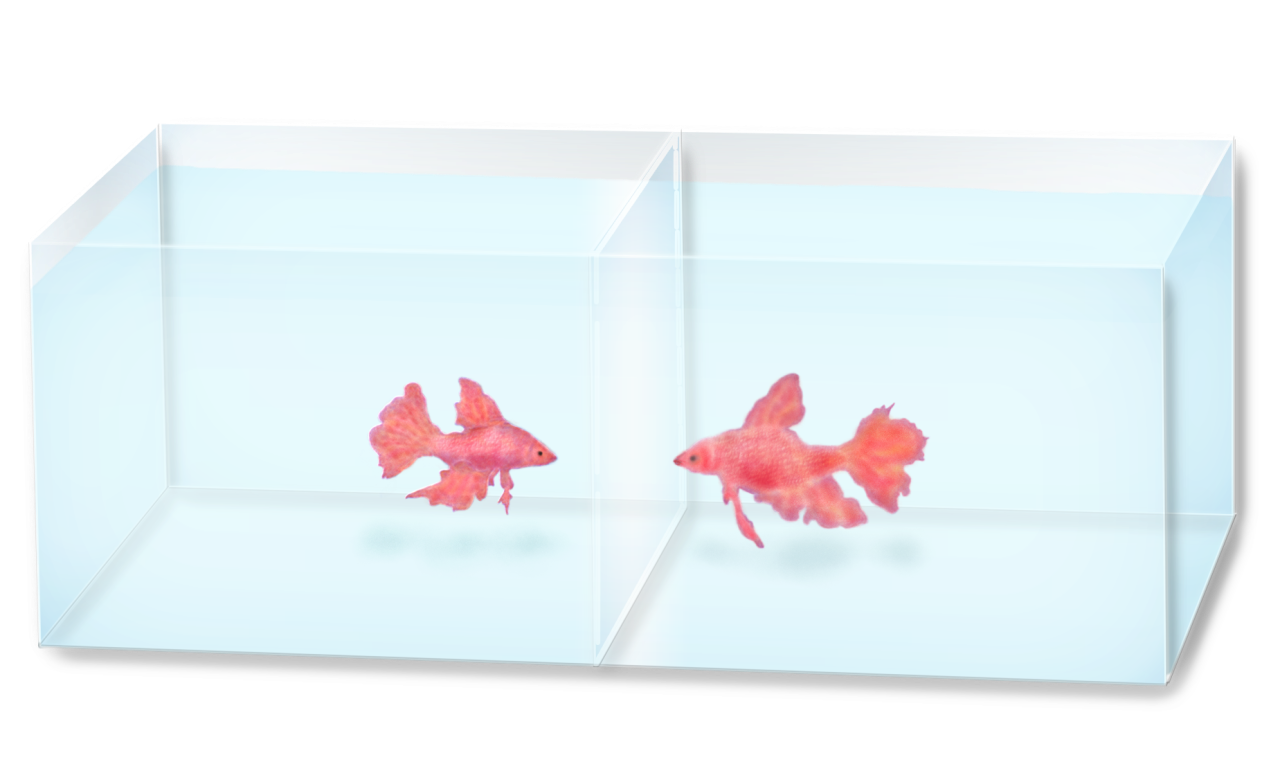
Bettas have individual personalities. Some tolerate tank mates, and some do not. Male bettas are especially territorial and should never be kept with other male bettas. Females can sometimes live in groups called sororities, but those need large, heavily planted tanks and experience. For most keepers, a single betta is best.
In a 10-gallon or larger tank, you can try peaceful, small fish that stay near the bottom or midwater. Good options include pygmy corydoras, small rasboras, and certain snails. Avoid fish with bright colors or flowing fins, because the betta may see them as rivals. Fin nippers like tiger barbs are a bad match. Always quarantine new tank mates before adding them.
Nerite snails are excellent betta companions. They eat algae and do not reproduce in freshwater. Mystery snails also work. Shrimp can be hit or miss. Some bettas ignore cherry shrimp, while others hunt them. Start with a few inexpensive shrimp to test your betta’s temperament. Remove any tank mate that causes stress or injury.
Before adding any fish, research their care needs. For example, dwarf gourami care guide covers another labyrinth fish that can clash with bettas over similar territory habits. According to Aquarium Co-Op, bettas do best with slow-moving, peaceful companions.

- Perform Regular Water Changes and Maintenance
Regular water changes keep nitrate low and replenish minerals. Change 25-30% of the water every week for a 5-gallon betta tank. Use a siphon to vacuum the substrate and remove debris. Always treat tap water with a water conditioner before adding it. Chlorine and chloramine are toxic to fish.
Use a bucket dedicated to aquarium use only. Never use soap or household cleaners on anything that touches tank water. Match the new water temperature to the tank water to avoid shocking your betta. Room temperature water can be several degrees cooler than the tank, so warm it slightly if needed. Slow, small changes are better than sudden large ones.
Check Seachem Prime on Amazon is a concentrated conditioner that neutralizes chlorine, chloramine, and ammonia. Dose it according to the amount of new water, not the whole tank volume, when doing partial changes. Test your source water for pH and hardness so you know what you are working with.
How often you change water depends on tank size, stocking, and plant load. A heavily planted 10-gallon with one betta may need changes every two weeks, but a 5-gallon usually needs weekly. For more on scheduling, read how often to change aquarium water. Keep a log of water test results and water change dates.
- Monitor Health and Watch for Common Diseases
Watch your betta daily for signs of illness. Healthy bettas are alert, active, and eager to eat. Clamped fins, white spots, discolored gills, or a swollen belly are warning signs. Subtle changes in behavior often appear before physical symptoms. The earlier you catch a problem, the easier it is to treat.
Common betta issues include fin rot, ich, and swim bladder disease. Fin rot often follows poor water quality or injury from sharp decor. Ich shows as tiny white spots and can be treated with raised temperature and medication. Swim bladder disease causes floating problems and is often linked to overfeeding or constipation. Good water quality prevents many of these.
Keep a small hospital tank or plastic tub on hand for treatment. A 2.5-gallon container with a heater and gentle aeration works for short-term care. Never treat the main tank with medications unless the label says it is safe for invertebrates and plants. Some medications can crash your biological filter if used incorrectly.
If you notice something wrong, test the water first. Ammonia and nitrite spikes often cause stress that leads to disease. Do a partial water change before adding medication. For ich specifically, raising the temperature gradually to 82°F can help, but always pair heat with water changes and observation.
Red Flags & Warnings
- 🚨 Never keep two male bettas together. They were bred for aggression and will fight until one is badly injured or dead.
- 🚨 Do not place a betta in an uncycled tank. Ammonia and nitrite spikes can burn gills and lead to rapid death.
- 🚨 Avoid sharp plastic plants or rough decorations. They tear long fins and open the door to fin rot and infection.
- 🚨 Do not overfeed your betta. Bloat, constipation, and swim bladder disease often come from too much food, not too little.
- 🚨 Always use a water conditioner when adding tap water. Chlorine and chloramine are toxic and can kill beneficial bacteria.
- 🚨 Do not rely on a bowl heater or room temperature. Bettas need stable water between 78-80°F, and household temperatures are usually too cool or unstable.
Frequently Asked Questions
What is the minimum tank size for a betta fish?
A 5-gallon tank is the minimum I recommend for one betta. Smaller bowls and 1-gallon kits cause rapid waste buildup and temperature swings. A 10-gallon tank is even easier to keep stable and allows more swimming room.
Can betta fish live with other fish?
Yes, but only in a 10-gallon or larger tank with very peaceful tank mates. Good choices include small corydoras, certain rasboras, and snails. Avoid other male bettas, fin nippers, and fish with bright or flowing fins that may trigger aggression.
How often should I feed my betta fish?
Feed 4-6 small betta pellets once or twice per day. Skip one day per week to help prevent digestive issues. Add frozen or live foods like brine shrimp or bloodworms as occasional treats.
What water temperature do bettas need?
Keep the water between 78-80°F (25.5-26.7°C). Use an adjustable heater and a separate thermometer. Temperatures below 76°F weaken the immune system, while temperatures above 82°F cause stress.
Do betta fish need a filter?
Yes, a gentle filter is essential. It houses beneficial bacteria that convert ammonia and nitrite. Bettas dislike strong currents, so use a sponge filter or a baffled hang-on-back filter with adjustable flow.
Can betta fish live in a community tank?
A betta can live in a community tank if the tank is at least 10 gallons, heavily planted, and stocked with calm species. Each betta has a unique personality, so monitor for chasing or stress. Have a backup plan if the betta does not tolerate tank mates.
What Should You Remember?
- Minimum tank size: Use a 5-gallon or larger tank. Bowls are not suitable long-term homes.
- Temperature: Keep water at 78-80°F with a heater and thermometer. Stable warmth prevents stress and disease.
- Diet: Feed 4-6 betta pellets once or twice daily, and fast one day per week. Supplement with frozen foods.
- Filtration: Run a gentle filter to process waste. Bettas need clean water but dislike strong currents.
- Compatibility: Choose peaceful tank mates only in 10 gallons or larger. Avoid other bettas and fin nippers.
- Maintenance: Change 25-30% of the water weekly and always use a water conditioner. Test water regularly.
This article is for general information only and is not a substitute for professional veterinary or aquarium specialist advice. Always research the specific needs of your fish and consult an expert before making care decisions.