Common plecos are one of the most misunderstood fish in the freshwater hobby. They start as small, algae-eating juveniles, but they quickly become 18 to 24 inch waste machines. Many fishkeepers buy them to clean algae in small tanks without knowing their adult needs. This guide covers tank size, diet, and compatibility so you can keep a common pleco healthy for 10 to 15 years. Before adding any large fish, make sure you understand the aquarium nitrogen cycle because plecos produce a heavy bioload.
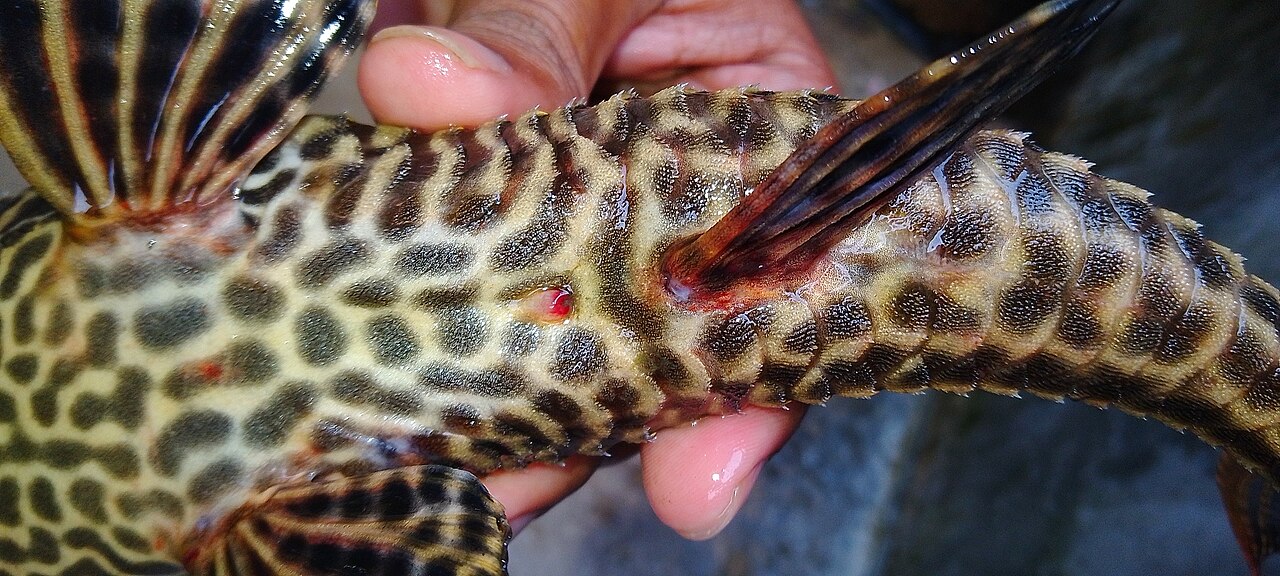
A common pleco, or Hypostomus plecostomus, is often sold under names like suckermouth catfish or pleco. It is not a true algae eater for life. Young plecos graze on algae, but adults rely on a much broader diet. Their armored body and sucker mouth are built for scraping surfaces, not for surviving on waste alone. That misunderstanding leads to stunted growth and early death. Still, with the right setup, a common pleco becomes a fascinating centerpiece for a large aquarium. That setup starts with an honest look at adult size.
Tank size is the first hurdle. A 10 or 20 gallon tank cannot support an adult common pleco. The fish will quickly outgrow those spaces and pollute the water faster than the filter can manage. Mature common plecos need at least 150 gallons, and many experienced keepers use 200 gallons or more. If you do not have space for that, consider a smaller species like the bristlenose pleco instead. That fish stays under 6 inches and fits in much smaller tanks.
This article walks through the exact steps to care for common plecos. You will learn how to choose a tank, set up filtration, feed a healthy diet, and pick safe tank mates. You will also see common red flags that cause problems for new keepers. The goal is to help you plan before you buy, not after the pleco has outgrown your tank. Proper planning saves you money, stress, and fish lives.
What You’ll Need
- 150 gallon or larger aquarium
- Heavy-duty canister filter or sump
- Heater and digital thermometer
- Liquid water test kit
- Driftwood and hiding places
- Sinking algae wafers and vegetables
How Do You Care for Common Plecos?
- Choose a tank that fits an adult common pleco
Start with the adult size. A common pleco can reach 18 to 24 inches in an aquarium, and some wild specimens grow even larger. That means a 55 gallon tank is only a temporary home. The absolute minimum for one adult common pleco is 150 gallons, but a 200 gallon or larger tank is better. The tank should be at least 6 feet long to give the fish room to turn around.
Young common plecos sold in stores are usually 2 to 4 inches long. They grow fast under good care, often adding several inches in the first year. If you start with a 75 gallon tank, be ready to upgrade within two years. This is not a fish for a desktop aquarium or a community 20 gallon. Buying the largest tank you can afford and fit is the most important step.
The footprint matters more than height. Common plecos spend most of their time on the bottom and on surfaces, so a long, wide tank is better than a tall narrow one. Provide open swimming space along the bottom and plenty of surfaces for the pleco to explore. The tank stand must support the weight. A filled 150 gallon aquarium weighs over 1,400 pounds, so place it on a reinforced floor or stand.
Do not treat the pleco as a cleaner fish. It will produce more waste than the algae it removes. A large tank dilutes that waste and gives your filter time to process ammonia and nitrite. This step connects to the next one because a big tank without strong filtration becomes a toxic soup for a fish this size.

- Install heavy-duty filtration and strong water movement
Common plecos are messy eaters and produce a constant stream of solid waste. A standard hang-on-back filter rated for a 75 gallon tank will not keep up with a full-grown pleco. Use a canister filter or a sump system rated for at least twice the tank volume. For a 150 gallon tank, choose a filter that moves 300 to 600 gallons per hour. You can compare options in this best aquarium filters guide.
A canister filter like the Fluval FX6 works well for large pleco tanks because it holds plenty of mechanical and biological media. Mechanical media traps solid waste before it breaks down. Biological media gives nitrifying bacteria a home. That keeps ammonia and nitrite at zero, which is critical for pleco health. Check the Fluval FX6 on Amazon if you want a proven heavy-duty option.
Plecos come from rivers with flowing water, so they appreciate a current. Add a powerhead or wavemaker if your filter return is weak. Good water movement also lifts debris off the bottom and pushes it toward the filter intake. Still, avoid a jet stream that pins the fish against the glass. Aim for moderate flow with calm resting areas behind rocks or wood.
Perform partial water changes weekly even with strong filtration. A 25 to 30 percent water change removes dissolved organics and nitrates that filters cannot remove. This step matters because water quality affects growth, appetite, and disease resistance. The next step focuses on keeping those water parameters stable.
- Maintain stable water parameters and temperature
Common plecos tolerate a wide temperature range from 72 to 86 degrees Fahrenheit. The ideal range is 76 to 80 degrees for most home aquariums. Use a reliable heater rated for your tank size and a digital thermometer to monitor daily. Sudden temperature swings stress plecos and can trigger ich or fin rot. Aqueon’s pleco care guidance recommends stable tropical conditions, and you can review their species notes on Aqueon.
pH should stay between 6.5 and 7.5. Common plecos can adapt to slightly outside this range, but avoid extremes and rapid changes. If your tap water is very hard or alkaline, learn how to lower pH in an aquarium safely. Use a liquid test kit to check pH, ammonia, nitrite, and nitrate every week. Test strips are convenient but less accurate for critical parameters. A liquid kit like Check the API Freshwater Master Test Kit on Amazon is more reliable.
Keep ammonia and nitrite at 0 ppm. Nitrate should stay under 20 ppm. If nitrate climbs, increase water change frequency or improve filtration. Common plecos are hardy, but chronic poor water quality causes stress, fin rot, and a shortened lifespan. The fish may survive in bad water, but it will not thrive.
Aqueon notes that common plecos are nocturnal and may hide during the day. Stable water helps them settle in. When you first add a pleco to a tank, it may refuse food for a few days. Do not panic. Keep parameters steady and offer food at night. The next step covers exactly what to feed.

- Feed a varied omnivorous diet with driftwood
Common plecos are not strict algae eaters. In the wild they graze on algae, biofilm, plant matter, and small invertebrates. A well-fed pet pleco needs algae wafers, blanched vegetables, and occasional meaty foods. Feed one or two sinking wafers at night when the pleco is most active. Remove uneaten food in the morning to protect water quality. Check Hikari Algae Wafers on Amazon for a reliable staple.
Vegetables keep the digestive system moving. Offer zucchini, cucumber, spinach, or shelled peas. Slice the vegetables and blanch them in boiling water for 30 seconds so they sink. Use a vegetable clip or weigh them down with a rock. Replace any uneaten vegetables after 12 hours. Rotate vegetables with algae wafers so the pleco gets a mix of nutrients. Aquarium Co-Op recommends mixing plant foods with occasional meaty treats, and you can read more at Aquarium Co-Op.
Driftwood is not optional for common plecos. They rasp on wood to get fiber, which helps digestion. Wood also grows biofilm that plecos graze on. Place at least one piece of soft driftwood in the tank, like Malaysian driftwood or mopani wood. A pleco without wood may still live, but it often suffers from bloating and poor gut health.
Offer protein once or twice a week. Small amounts of bloodworms, brine shrimp, or sinking shrimp pellets are good options. Do not overdo protein because common plecos are prone to bloat and fatty deposits. If you prefer a smaller algae eater that needs less space, read the bristlenose pleco care guide. This step connects to the next one because feeding and hiding spaces work together to reduce stress and promote natural behavior.
- Create hiding places and provide driftwood
Common plecos are nocturnal and need dark hiding spots to feel secure. Use caves, rock piles, PVC pipes, and large pieces of driftwood. A stressed pleco may spend all day hiding or may become aggressive. Providing several hiding spots lets the fish choose where it feels safest while still showing itself at night.
Driftwood serves two purposes: shelter and food. Choose smooth driftwood without sharp edges that can scratch the pleco’s body. Boil or soak new wood before adding it to remove tannins and help it sink. Some tannins are fine and may even benefit fish, but too many can lower pH and stain the water brown.
Arrange the tank so there are open areas along the glass and shaded retreats near the back. Plecos like to rest on vertical surfaces, so position wood and rocks at different angles. Leave enough space for the fish to turn around comfortably. A cramped layout causes stress and territorial behavior.
Keep hiding places stable. A large pleco can knock over poorly stacked rocks or driftwood. Secure heavy decorations to the tank bottom or use silicone to glue rock structures together. This step matters because a startled pleco can scratch itself or break equipment when it darts for cover.

- Choose compatible tank mates
Common plecos can live with many peaceful large fish, but they are not community fish for small tanks. Good tank mates include silver dollars, tinfoil barbs, large tetras, gouramis, and peaceful cichlids. Avoid fish small enough to fit in the pleco’s mouth. While common plecos are mostly vegetarian, they may eat tiny fish if they can catch them. Silver dollars are a good match, and you can learn more in the silver dollar care guide.
Do not keep common plecos with slow, flat-bodied fish like discus, angelfish, or fancy goldfish. Plecos sometimes rasp on the slime coats of these fish, causing open wounds and infections. If you see a pleco chasing other fish at night, separate them immediately. This behavior is more common when the pleco is underfed or lacks hiding spots.
Large cichlids can work if the tank is big enough and the cichlid is not overly territorial. Oscars and severums often ignore plecos, but an aggressive breeding pair may attack anything in the tank. Always have a backup plan in case the fish do not get along. Watch body language closely during the first few days after adding any new fish.
Stock lightly. A common pleco already adds a huge bioload. Adding too many other fish overloads the filter and causes ammonia spikes. When adding new fish, quarantine them first to avoid introducing disease. This step connects to the final step, which covers ongoing maintenance and monitoring.
- Perform routine maintenance and watch for red flags
A common pleco tank needs weekly attention. Test the water before each water change. Siphon the substrate to remove solid waste, and wipe down the glass if algae builds up. Change 25 to 30 percent of the water every week using a dechlorinator. Large tanks take time, but consistent maintenance prevents most pleco health problems.
Watch for common signs of trouble. Rapid breathing, clamped fins, red streaks, or white spots can indicate poor water quality or disease. A pleco that stops eating or hides constantly may be stressed or sick. If you see symptoms, test the water first, then treat accordingly. For ich, raise the temperature gradually and use a proven medication. Learn more in this how to treat ich in an aquarium guide.
Regular filter cleaning is part of maintenance, but do not replace all media at once. Rinse mechanical media in tank water every few weeks. Replace chemical media as directed. Preserve biological media to keep the nitrogen cycle intact. A filter that stops working for more than a few hours can cause an ammonia spike in a pleco tank.
Keep a log of water parameters, feeding, and water changes. This helps you catch problems early and adjust your routine. Common plecos can live 10 to 15 years with proper care. The effort is worth it when you see a healthy, active fish cruising the tank at night.
Red Flags & Warnings
- 🚨 Never release a common pleco into local waterways. They are invasive in many regions and disrupt native fish populations.
- 🚨 Do not buy a common pleco for a tank smaller than 75 gallons, even as a juvenile. It will outgrow the tank within a year or two.
- 🚨 Avoid keeping common plecos with flat-bodied fish like discus or angelfish. The pleco may rasp their slime coat at night.
- 🚨 Do not feed only algae wafers. A one-sided diet causes bloat, nutritional deficiencies, and a shortened lifespan.
- 🚨 Quarantine new fish and plants before adding them to a pleco tank. New arrivals often carry ich or parasites.
- 🚨 Do not use sharp plastic decorations or rough rocks that can scratch a pleco’s soft belly.
Frequently Asked Questions
How big do common plecos get?
Common plecos can reach 18 to 24 inches in home aquariums. Some wild specimens grow larger. Plan for at least 150 gallons for one adult.
What is the minimum tank size for a common pleco?
The minimum for one adult common pleco is 150 gallons. A 75 gallon tank works only as a temporary grow-out. Bigger tanks are always better.
Do common plecos need driftwood?
Yes. Driftwood provides fiber for digestion and a surface for biofilm. A pleco without wood may develop bloating and poor gut health.
Can common plecos live with goldfish?
It is risky. Goldfish produce heavy waste and prefer cooler water. Plecos may also rasp goldfish slime coats. Keep them in separate tanks.
What do common plecos eat?
Feed algae wafers, blanched vegetables, driftwood, and occasional protein like bloodworms or shrimp pellets. Remove uneaten food each morning.
How long do common plecos live?
With good care, common plecos live 10 to 15 years. Some reach 20 years. Proper tank size, water quality, and diet make the difference.
What Should You Remember?
- Tank size: Provide at least 150 gallons for one adult common pleco. A 75 gallon tank is only temporary.
- Water parameters: Keep temperature between 72 and 86 degrees Fahrenheit and pH between 6.5 and 7.5.
- Filtration: Use a filter rated for at least twice the tank volume and add a powerhead for current.
- Diet: Feed algae wafers, blanched vegetables, driftwood, and occasional protein.
- Tank mates: Choose peaceful large fish. Avoid slow flat-bodied fish that plecos may rasp.
- Maintenance: Change 25 to 30 percent of the water weekly and test for ammonia, nitrite, and nitrate.
This article is for general information only and is not a substitute for professional veterinary or aquarium specialist advice. Always research the specific needs of your fish and consult an expert before making care decisions.