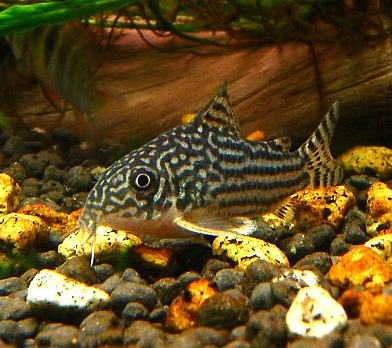
Most new fishkeepers meet Sterbai Corydoras and immediately want a group. This catfish has a creamy body, dark spots, and orange pectoral fin spines. It stays small enough for a modest tank, but it needs specific conditions. The species comes from slow moving waters in South America, so your setup should imitate that. This guide covers tank size, diet, compatibility, and daily care. I recommend checking Aquarium Co-Op for basic catfish care guidance before you buy your first group.
The biggest mistake with Sterbai Corydoras is treating them like scavengers. They do eat leftovers, but they need a real diet and clean water. They also need fine sand, not sharp gravel. A group of six or more helps them feel safe. If you have kept other bottom dwellers, you will recognize the pattern. Still, Sterbai Cory has a calm personality that makes it one of the best community catfish. For a broader look at corydoras behavior, check our Corydoras Catfish Care Guide.
This 2026 guide is written for keepers who want practical steps, not just a care sheet. We will cover parameters, feeding schedules, tank mates, and warning signs. The goal is a stable tank where your corys breed, forage, and live for years. Sterbai Corydoras often reaches 2.5 inches and can live 5 to 10 years with good care. You will need a few pieces of gear, but the setup is not complicated.
What You’ll Need
- 20-gallon long aquarium
- Soft sand substrate
- Adjustable aquarium heater
- Sponge filter or low-flow hang-on-back filter
- Liquid water test kit
- Sinking catfish pellets
- Dechlorinator
- Gravel vacuum
How Do You Keep Sterbai Corydoras?
- Set Up a 20-Gallon Long Tank With Soft Sand
Start with a 20-gallon long tank if you can. Sterbai Corydoras are active bottom dwellers, and a longer footprint gives them more floor space. A 10-gallon can work for a very small group of three, but it is not ideal. A 20-gallon long holds six to eight adults comfortably. The length matters more than height, because these fish spend most of their time on the substrate. If you need help picking a tank, see our list of best beginner fish tanks.
Use soft sand or smooth, fine gravel. Sterbai Corydoras dig through the substrate with their barbels to find food. Sharp gravel can wear those barbels down and lead to infections. Pool filter sand, play sand, or aquarium sand all work. Rinse it well before adding it. Avoid crushed coral unless you want to raise pH, because these fish prefer slightly acidic to neutral water. For species background, Seriously Fish has a detailed profile on Corydoras sterbai.
Add driftwood, rounded rocks, and a few broad leaf plants. Sterbai Corydoras do not need caves, but they like shaded spots where they can rest. Live plants help with water quality, but they are not required. If you choose live plants, start with easy types from our best aquarium plants for beginners. Keep the middle and front of the tank open for foraging.
Stock six or more once the tank is cycled. Sterbai Corydoras is a social fish. In a new tank, a group might hide for a few days. That is normal. Set up the tank, cycle it, and then add the whole group at once. The image below shows how a small shoal should look on a sandy bottom.

- Install Gentle Filtration and Stable Heating
Corydoras do not like strong current, but they need clean water. A sponge filter or a small hang-on-back filter set to low flow works well. The intake should have a pre-filter sponge if you keep fry or very small fish. Add an air stone if you use a canister filter with adjustable flow. For reliable options, see our best aquarium filters 2026. You can Check the aquarium sponge filter on Amazon if you want a simple low-flow option.
Keep water temperature between 75 and 82 degrees Fahrenheit. Sterbai Corydoras tolerate a wider range than some corys, but stable temperature matters more than hitting one number. Use a reliable heater rated for your tank size. A 100-watt heater is usually enough for a 20-gallon long in a normal room. Check the adjustable aquarium heater on Amazon if you need a replacement. Our best aquarium heaters 2026 guide can help you compare.
Avoid placing the tank near windows, vents, or exterior doors. Sudden temperature swings cause stress and make fish prone to ich. A digital thermometer is better than a stick-on strip. Check the temperature during water changes and adjust new water before adding it to the tank.
Once filtration and heating are in place, you can start the nitrogen cycle. Do not add Sterbai Corydoras until the cycle is complete, because they are sensitive to ammonia and nitrite.
- Cycle the Tank Before Adding Sterbai Corydoras
A new tank does not have the bacteria needed to process fish waste. You can cycle with pure ammonia, fish food, or a small number of hardy fish, but the fish-in method is harder on the fish. For a first Sterbai Corydoras tank, use the fishless method. It takes two to six weeks and protects the fish. Our how to cycle a fish tank guide walks through the process.
Ammonia from fish waste is toxic. Beneficial bacteria convert it to nitrite, then to nitrate. Sterbai Corydoras are scaleless, so they react poorly to ammonia and nitrite spikes. Use a liquid test kit to track ammonia, nitrite, and nitrate. When ammonia and nitrite read zero and nitrate stays below 20 ppm, the tank is ready. Learn more in our aquarium nitrogen cycle explained article.
Do not replace all filter media at once. The filter holds most of the beneficial bacteria. Rinse mechanical media in old tank water during water changes. If you must replace a cartridge, run the new one alongside the old one for a few weeks. A cycled tank is the foundation for healthy corys.
Set pH between 6.0 and 7.5 and keep general hardness low to moderate. Sterbai Corydoras can adapt to slightly alkaline water, but they breed more readily in soft, acidic conditions. If your tap water is hard, mix it with reverse osmosis water. If you need to correct pH, read our how to lower pH in aquarium guide. Make changes slowly.

- Maintain Water Parameters and Weekly Changes
Change 25 to 30 percent of the water every week. Sterbai Corydoras produce waste and stir up the substrate, so nitrate can rise faster than you expect. Use a gravel vacuum, but hover it above the sand to avoid sucking sand out. Match new water temperature and treat it with dechlorinator before adding it. See our how often to change aquarium water article for a schedule.
Test the water before each change. Ammonia and nitrite should stay at zero. Nitrate should stay below 20 ppm for long term health. pH can drift between 6.2 and 7.6, but sudden shifts are dangerous. If you need to adjust pH, do it in small steps over several days. Stability is more important than chasing an exact number.
Clean the sponge or filter media once a month. If the flow drops, it is time. Rinse the sponge in a bucket of old tank water, never tap water. Tap water chlorine can kill the beneficial bacteria. Do not deep clean the substrate at the same time as the filter, because that can remove too much bacteria at once.
During water changes, watch your corys. Healthy Sterbai Corydoras will move to the opposite side but stay active. If they gasp at the surface, dart, or breathe heavily, stop and check the water. It usually means a parameter problem or low oxygen. A gentle air stone can help.
- Feed a Sinking, Protein-Rich Diet
Sterbai Corydoras eat from the bottom, so floating flakes will not reach them. Feed high quality sinking pellets or wafers designed for catfish. Choose foods with protein from fish, shrimp, or insect meal. Avoid foods with too much plant filler. You can add Check the sinking catfish pellets on Amazon as a staple. Feed once or twice a day, only as much as the group can eat in three minutes.
Add frozen or live foods once or twice a week. Bloodworms, brine shrimp, daphnia, and blackworms are all good choices. Sterbai Corydoras also eat small worms and insect larvae in the wild. You can drop frozen cubes in a dish or defrost them first. The food should sink, because corys rarely go to the surface for food.
Do not assume your corys will live on leftover flakes. In a peaceful community tank, other fish often eat everything before it reaches the bottom. Target feeding helps. Use a feeding tube or place pellets near the front of the tank after lights out. This ensures each cory gets enough. Thin corys with sunken bellies are often underfed.
Offer a small piece of blanched zucchini or cucumber once a week. Not all corys will eat it, but some do. You can skip one feeding day each week to let the digestive tract clear. Do not fast a growing group for more than one day. Consistent feeding plus clean water leads to good growth and breeding behavior.
- Choose Peaceful Tank Mates
Sterbai Corydoras get along with almost any peaceful community fish. Good tank mates include small tetras, rasboras, danios, dwarf cichlids, and other Corydoras species. They should not share a tank with large cichlids or aggressive bottom dwellers. A calm tank keeps them out of hiding and active during the day. For specific ideas, see our neon tetra care guide and harlequin rasbora care guide.
Avoid medium to large cichlids, oscars, and most loaches that grow large. Some loaches are too boisterous and may outcompete corys for food. Also avoid rough or nippy fish like tiger barbs if you keep a small group. If you want a larger bottom dweller, choose a peaceful pleco like a bristlenose pleco care guide instead. Avoid any fish that can fit the cory in its mouth.
You can mix Sterbai Corydoras with other Corydoras, but do not assume they will school together. Different species may group separately. It is better to keep a larger group of one species than a mixed collection. If you want variety, add panda corydoras or another small cory. Still, each species benefits from having its own kind.
Provide sight breaks with plants, rocks, and driftwood. This reduces competition for food and gives shy fish a place to retreat. Sterbai Corydoras rarely fight, but they may chase each other during spawning. That is normal. The image below shows a peaceful planted community where a cory group can settle in.

- Keep Them in a Group of Six or More
Sterbai Corydoras is a schooling catfish. A group of six is the practical minimum, but eight to ten is better. In a larger group, they forage more naturally, come out more, and show less stress. A lone cory or a pair may hide constantly and refuse to eat. The group effect is especially important in a new tank.
If you want to breed them or just balance the group, look at body shape. Females are broader and slightly larger than males. Males are more slender and may have more color on the fins. It is hard to sex juveniles, so buy a group and let them sort out. A mature female can reach about 2.5 inches.
Quarantine new Sterbai Corydoras for two to four weeks before adding them to the display. This prevents introducing diseases. Use a simple 10-gallon quarantine tank with a sponge filter and heater. Watch for signs of fungus, parasites, or lethargy. If you need help with a sick fish, our how to treat ich in aquarium guide covers one common problem.
When all members are healthy, the group will swim in short bursts and then settle to dig. This is normal scanning behavior. You might see them line up facing the same direction while resting. Sterbai Corydoras are not a midwater fish, so do not expect them to school with tetras. They are bottom schoolers.
- Watch for Barbel Damage and Common Health Issues
The barbels around a Corydoras mouth are sensitive and essential for finding food. Sharp gravel, poor water, or untreated bacterial infections can erode them. If the barbels look short or red, fix the substrate and improve water quality first. Antibiotics are rarely needed if you catch it early. Soft sand and clean water usually allow barbels to heal.
Sterbai Corydoras can get white spot, fungus, and internal parasites. White spot looks like salt grains on the fins and body. Raise temperature slowly to 82 degrees Fahrenheit and treat with a suitable ich medicine. Do not use copper based medications at full dose, because scaleless fish can be sensitive. Always follow label instructions for catfish.
Watch for rapid gill movement, clamped fins, hiding, or refusal to eat. These are often the first signs of water quality issues. Test the water before reaching for medication. In many cases, a large water change and a check of the heater or filter solve the problem. If symptoms continue, consult a fish health reference or local fish store.
The best medicine is prevention. Keep the tank clean, avoid overfeeding, and quarantine new fish. Do not introduce plants or decor from unknown sources without rinsing. A stable, well maintained tank helps your Sterbai Corydoras live 5 to 10 years. For more on basic care, revisit our Corydoras catfish care guide.
Red Flags & Warnings
- 🚨 Do not keep Sterbai Corydoras on sharp gravel. It damages their barbels and causes infections.
- 🚨 Never add fish to an uncycled tank. Ammonia and nitrite spikes can kill scaleless corys quickly.
- 🚨 Avoid strong currents. Sterbai Corydoras need enough flow for oxygen but not a torrent.
- 🚨 Do not rely on leftovers to feed them. Target feeding is required in community tanks.
- 🚨 Quarantine all new fish and plants. A disease outbreak can spread through the group fast.
- 🚨 Keep the water warm but stable. Sudden temperature drops below 72 degrees Fahrenheit stress them.
Frequently Asked Questions
What size tank do Sterbai Corydoras need?
A 20-gallon long is the best starting size for a group of six to eight. A 10-gallon can work temporarily, but it is not ideal. More floor space allows natural foraging and reduces waste buildup.
How many Sterbai Corydoras should I keep together?
Keep at least six. A group of eight to ten is better. They are social bottom dwellers and hide less in larger numbers.
What do Sterbai Corydoras eat?
Feed high quality sinking pellets or wafers as a staple. Add frozen bloodworms, brine shrimp, daphnia, and occasional blanched vegetables. They should not live only on leftovers.
Are Sterbai Corydoras hard to keep?
No, they are hardy once the tank is cycled and the substrate is soft. They need stable water parameters and a good diet. They are a good choice for keepers who can maintain a regular water change schedule.
Can Sterbai Corydoras live with bettas?
Sometimes. Betta fish can be unpredictable, but many peaceful bettas ignore corys. A 20-gallon tank with plants and hiding spots improves the odds. Watch for fin nipping or food competition.
What temperature is best for Sterbai Corydoras?
Keep the water between 75 and 82 degrees Fahrenheit. They tolerate 72 to 84 briefly, but stable temperatures in the 75 to 78 range are ideal for most tanks.
What Should You Remember?
- Tank size: Use a 20-gallon long or larger for a group of six to eight Sterbai Corydoras.
- Substrate: Always choose soft sand or smooth fine gravel to protect their barbels.
- Water: Keep temperature 75-82°F, pH 6.0-7.5, and ammonia and nitrite at zero.
- Diet: Feed sinking pellets daily and add frozen foods once or twice a week.
- Grouping: Keep at least six Sterbai Corydoras together to reduce stress and encourage activity.
- Tank mates: Choose peaceful nano fish and avoid large aggressive species.
- Maintenance: Change 25-30 percent of the water weekly and cycle the tank first.
This article is for general information only and is not a substitute for professional veterinary or aquarium specialist advice. Always research the specific needs of your fish and consult an expert before making care decisions.