Freshwater vs Saltwater Aquarium: Which Is Right for You (2026)

Freshwater vs Saltwater Aquarium: Which Is Right for You (2026)

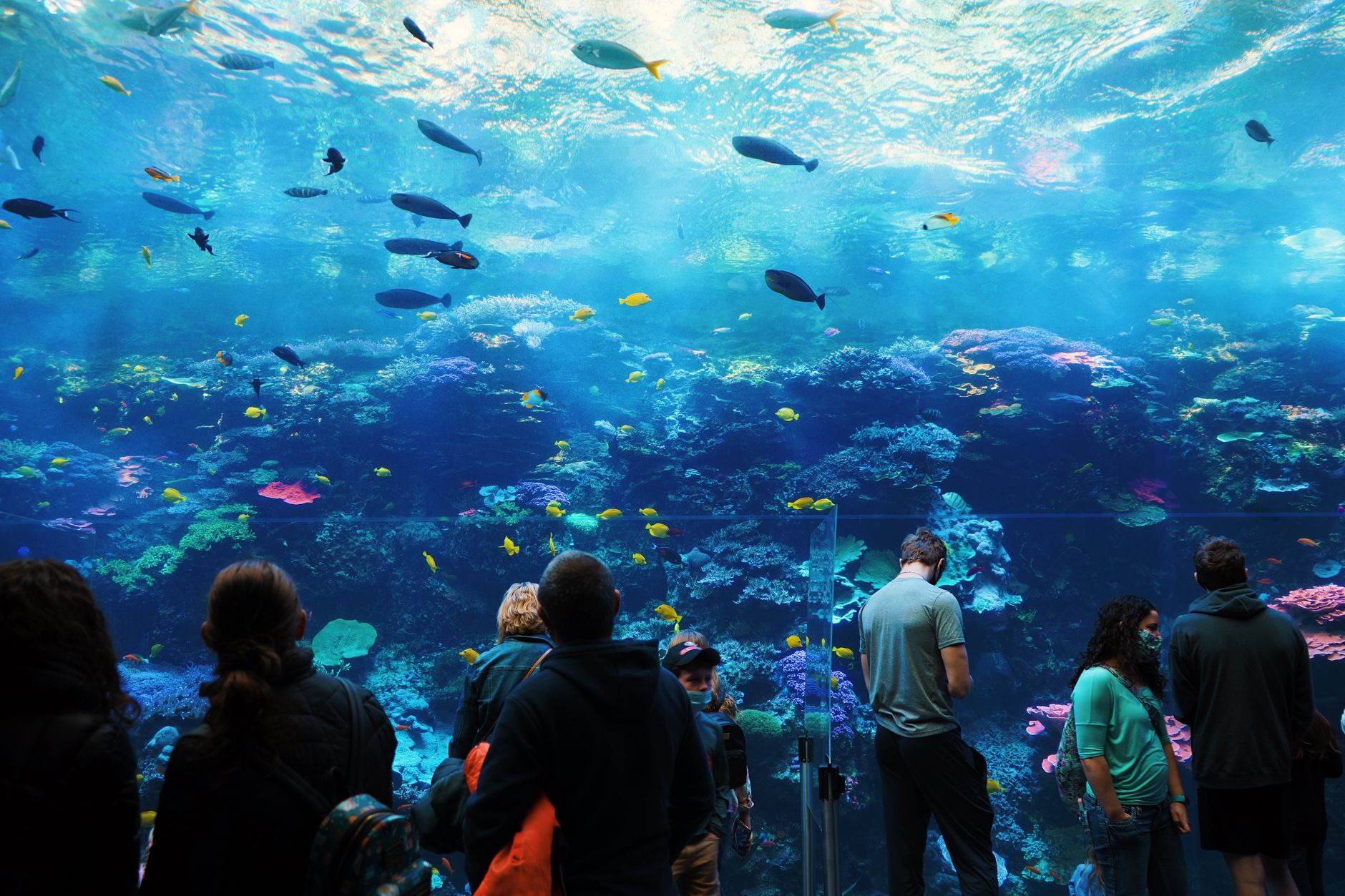
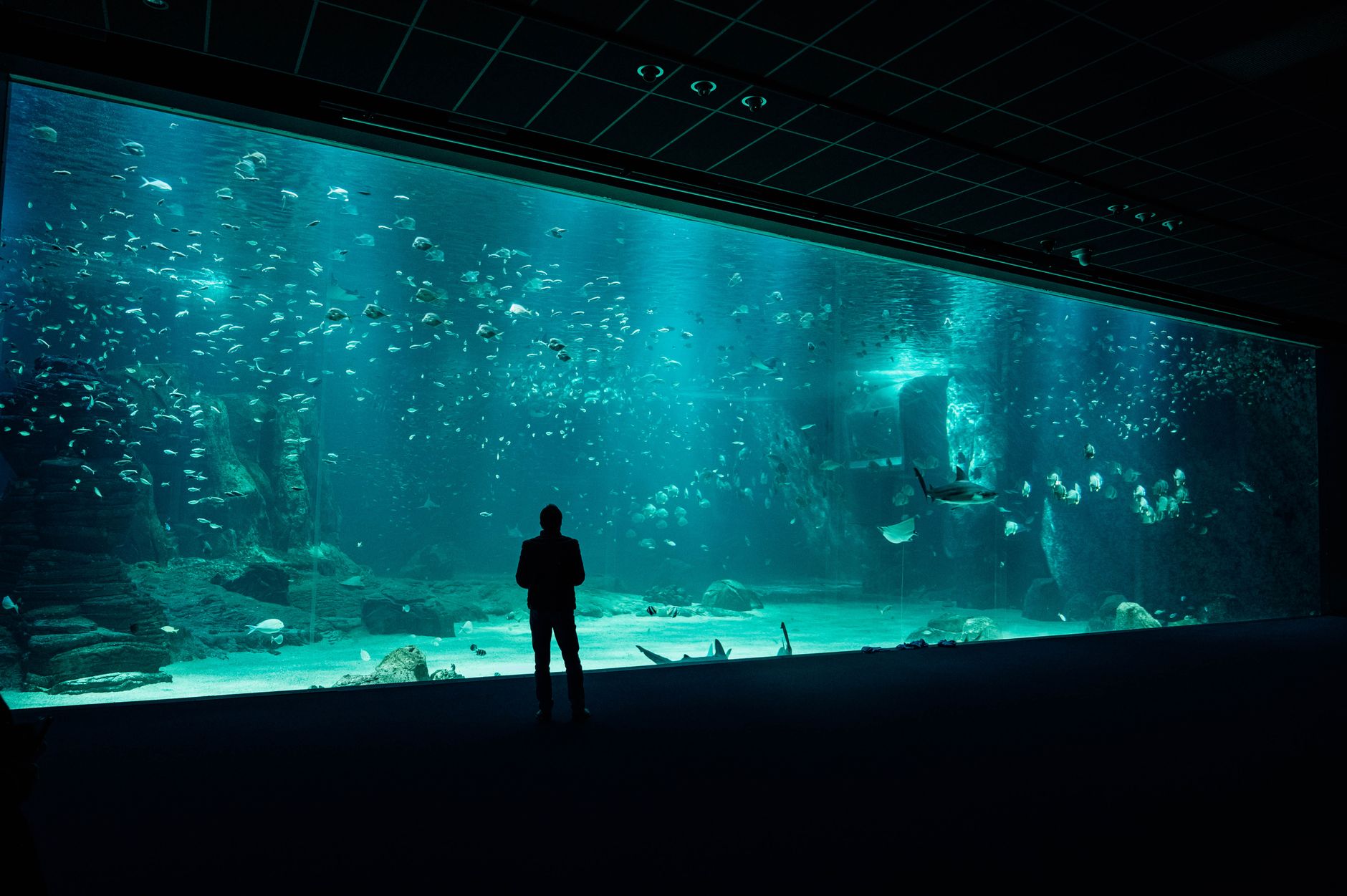
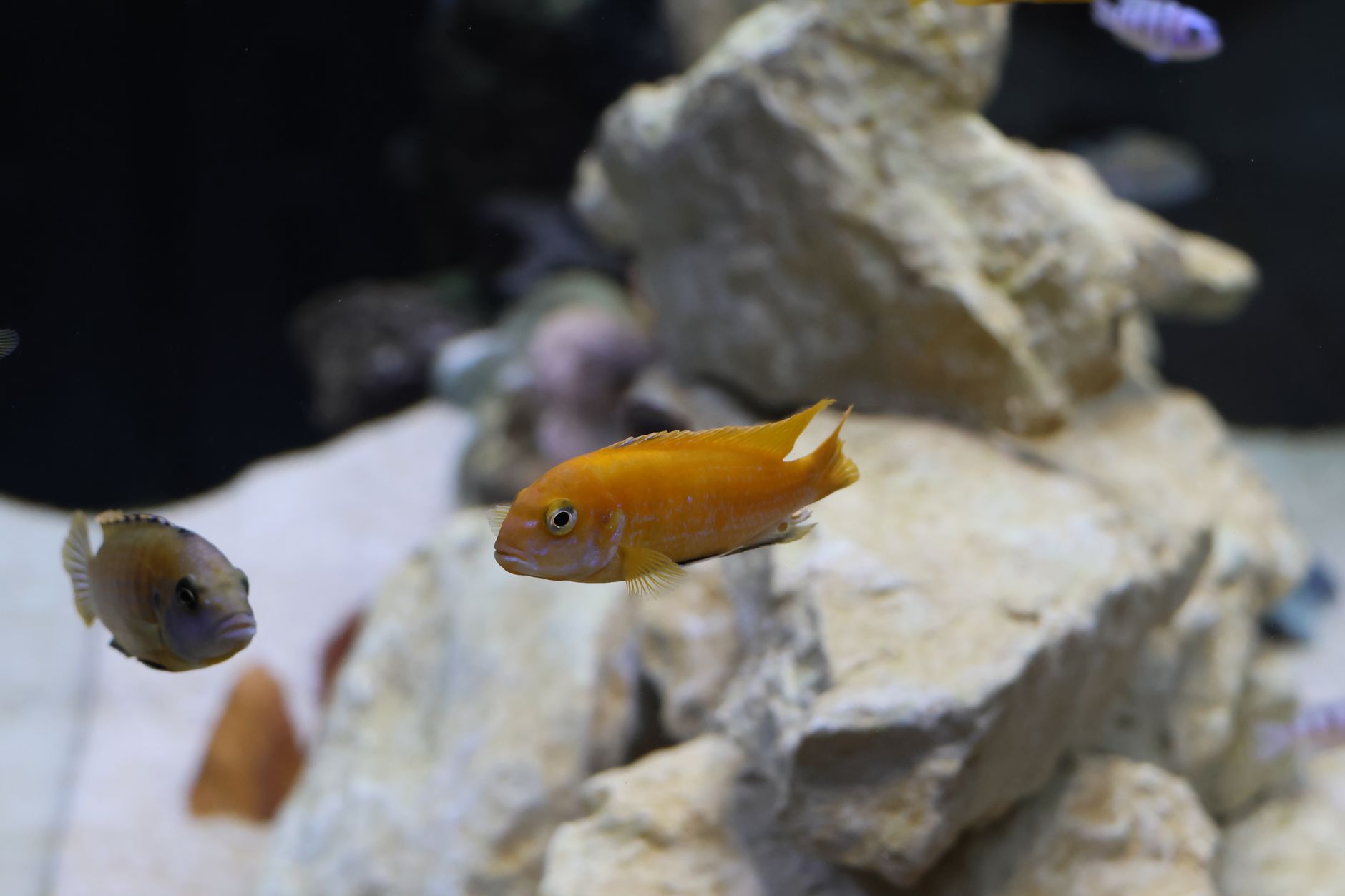
Quick Answer: For most first-time keepers, a freshwater aquarium is the easier and cheaper start. A 20-gallon freshwater tank at 76°F to 80°F with pH 6.8 to 7.6 costs less and forgives beginner mistakes. Saltwater and reef tanks look stunning but need more gear, stable salinity, and patience. Choose freshwater if you want lower maintenance and cost. Choose saltwater if you want marine fish and corals. Freshwater or saltwater? That is the first real fork in the road for a new fishkeeper. In 2026 the aquarium hobby continues to grow, with more keepers setting up tanks at home and looking for a setup that matches their schedule. According to APPA, millions of US households now keep fish, and interest in both freshwater and marine tanks remains steady. I have run both types for years. The choice is not about which tank is objectively better. It is about your budget, your time, and what you want to see when the lights come on. Before you buy, check our aquarium fishkeeping statistics 2026 for a look at where the hobby is heading. ...
September 5, 2026 · 11 min · Jarrod Gravison
The Nitrogen Cycle Explained: How to Cycle a New Fish Tank

The Nitrogen Cycle Explained: How to Cycle a New Fish Tank

Quick Answer: The nitrogen cycle is how beneficial bacteria convert toxic ammonia from fish waste into nitrite and then into less harmful nitrate. Cycling a new tank means growing these bacteria before adding fish. Use a fishless or fish-in method, test the water daily, and add fish only after ammonia and nitrite stay at 0 ppm. Most new tank problems start with invisible water. A fresh aquarium looks clean, but it has no working biological filter. Fish produce ammonia through waste and respiration. Ammonia is toxic even in small amounts. Without beneficial bacteria, ammonia rises fast. This is why new tanks often kill fish within the first two weeks. The solution is not a single water change alone. You must understand the nitrogen cycle. ...

August 15, 2026 · 10 min · Jarrod Gravison
How to Treat Ich in an Aquarium (2026 Step-by-Step Guide)

How to Treat Ich in an Aquarium (2026 Step-by-Step Guide)

Quick Answer: Treat ich by slowly raising water temperature to 82°F (28°C), adding aquarium salt at 1 tablespoon per 5 gallons, and using an ich medication like Ich-X or API Super Ick Cure. Do daily gravel vacs and water changes. Treat the entire tank for at least 5 to 7 days after spots disappear. Ich, also called white spot disease, is one of the most common freshwater fish infections. It is caused by a protozoan parasite named Ichthyophthirius multifiliis. The parasite attaches to a fish’s skin and gills. Small white spots appear that look like grains of salt. Left untreated, ich can kill fish. The infection can spread fast in closed systems. Understanding the aquarium nitrogen cycle helps you see how stress and water quality make fish more vulnerable. A healthy, well-cycled tank gives fish a better chance to fight off parasites. ...

August 15, 2026 · 14 min · Jarrod Gravison
How to Lower pH in an Aquarium: Safe Methods That Work

How to Lower pH in an Aquarium: Safe Methods That Work

Quick Answer: To lower aquarium pH safely, start by testing tap and tank water with a reliable kit. Use gradual methods such as Indian almond leaves, driftwood, peat, reverse osmosis water, or a commercial acid buffer. Target a stable range that matches your fish, not a single perfect number. Large rapid drops can kill fish and damage the nitrogen cycle. Many new fishkeepers test their aquarium water and panic when pH reads 7.8 or 8.0. The first rule is simple: most freshwater fish tolerate a range better than they tolerate sudden change. A stable pH that is slightly high usually beats a rapid drop to the exact number shown in a care sheet. Before you add any product or leaf, learn the safe ways to lower pH in an aquarium and what works long term. The goal is not a single magic number, but a stable range your fish can thrive in. ...

August 15, 2026 · 16 min · Jarrod Gravison
How to Cycle a Fish Tank: Complete Beginner's Guide

How to Cycle a Fish Tank: Complete Beginner's Guide

Quick Answer: To cycle a fish tank, set up equipment, add an ammonia source to 2-3 ppm, and test water daily. Beneficial bacteria convert ammonia to nitrite, then nitrate. The cycle is complete when ammonia and nitrite read 0 ppm with some nitrate, usually after 4-8 weeks. A new fish tank looks ready for fish the moment it is full, but the water is not safe yet. Beneficial bacteria must grow on surfaces such as filter media, gravel, and decorations. Those bacteria process fish waste through the nitrogen cycle. If you skip this stage, ammonia builds up and causes what keepers call new tank syndrome. Start by learning the aquarium nitrogen cycle explained before you buy any fish. ...

August 15, 2026 · 12 min · Jarrod Gravison
Best Beginner Fish Tanks 2026: All-in-One Kits Reviewed

Best Beginner Fish Tanks 2026: All-in-One Kits Reviewed

Quick Answer: The best beginner all-in-one fish tank in 2026 is the Fluval Flex 15 for most new keepers. It includes effective filtration, LED lighting, and a 15-gallon footprint that supports more fish. The Fluval Spec V is best for betta or shrimp desks, and the Aqueon 20-gallon kit is the budget-friendly choice. First tanks fail for one simple reason: mismatched parts. A new fishkeeper buys a rimless glass box, then discovers the filter outflow is too strong, the light cannot grow plants, or the lid does not fit. All-in-one kits remove most of that guesswork. In 2026, the best beginner fish tanks bundle the tank, filter, LED lighting, and often a heater into a single package. We focused on kits under 20 gallons because they fit apartments, desks, and first budgets while still providing stable water chemistry. This guide compares five all-in-one kits that are actually worth your money. We looked at real flow rates, lighting output, and long-term reliability. ...

August 15, 2026 · 14 min · Jarrod Gravison
Aquarium & Fishkeeping Statistics 2026: 42 Key Facts & Data Trends

Aquarium & Fishkeeping Statistics 2026: 42 Key Facts & Data Trends

TL;DR: The global aquarium market should reach about $19.2 billion in 2026, up from roughly $18.4 billion in 2025. Freshwater tanks represent about 88 percent of active setups. New owners increasingly choose 10 to 20 gallon tanks. Average annual hobbyist spending is around $340, with water care and filtration leading repeat purchases. Aquarium keeping is entering 2026 as a stable but changing household hobby. Global market forecasts show modest growth, but the real story is how new owners buy equipment and manage water quality. Many first time buyers now start with a 10 to 20 gallon tank instead of a small bowl. This data roundup covers market size, species preferences, equipment spending, and owner demographics. The estimates below combine published reports from APPA, Grand View Research, IBISWorld, and Packaged Facts. ...

August 15, 2026 · 6 min · Jarrod Gravison
How Often to Change Aquarium Water: Complete Guide

How Often to Change Aquarium Water: Complete Guide

Quick Answer: Change 10% to 25% of aquarium water every 1 to 2 weeks for most freshwater tanks. Lightly stocked planted tanks can go 2 to 4 weeks. Heavily stocked or goldfish tanks need 20% to 30% weekly. Test nitrate and treat tap water first. Most aquarium problems start with old water. Fish waste, uneaten food, and plant debris break down into ammonia. Beneficial bacteria convert ammonia to nitrite and then to nitrate. This process is called the aquarium nitrogen cycle. Nitrate is far less toxic than ammonia, but it still builds up. Water changes remove nitrate and other dissolved wastes. They also replenish minerals and buffers that keep pH stable. No filter can remove everything. This is why water changes are not optional. ...

August 15, 2026 · 10 min · Jarrod Gravison
Goldfish Tank Size Guide: How Much Space Do Goldfish Actually Need?

Goldfish Tank Size Guide: How Much Space Do Goldfish Actually Need?

Quick Answer: A single fancy goldfish needs at least 20 gallons. Each additional fancy adds 10 gallons. A single common or comet goldfish needs 55 to 75 gallons, with 40 more gallons per extra fish. Bowls and 10-gallon tanks are not safe long-term homes. Goldfish are the most misunderstood fish in the aquarium hobby. Pet stores often sell them as easy bowl pets. That image has led many beginners to keep them in tanks that are far too small. A goldfish is not a small, disposable pet. It is a large, active fish that produces a huge amount of waste. The wrong tank size causes health problems and early death. If you are new to goldfish, start with the goldfish care guide before picking a tank. ...

August 15, 2026 · 10 min · Jarrod Gravison
Best Aquarium Plants for Beginners 2026: Top 5 Easy Picks

Best Aquarium Plants for Beginners 2026: Top 5 Easy Picks

Quick Answer: Java fern, Anubias nana, Amazon sword, Vallisneria, and dwarf Sagittaria are the easiest beginner plants. They tolerate low to moderate light, wide temperatures, and minimal CO2. Most need only liquid or root fertilizer and thrive in tanks from 10 gallons up. A first planted tank can fail for one simple reason: the plants never had a chance. Many beginners start with red plants, carpeting stems, or species that demand high light, injected CO2, and daily nutrient dosing. Those plants melt within two weeks. The tank then becomes a source of frustration instead of a living display. This guide fixes that. We selected five aquarium plants that survive real beginner conditions: low to medium light, basic liquid fertilizer, and tap water that may be a little hard or soft. Before adding any plant, make sure the tank is cycled. Our aquarium nitrogen cycle guide explains why plant growth and nitrifying bacteria work together. ...

August 15, 2026 · 11 min · Jarrod Gravison
Best Aquarium Lighting 2026: Top LED Lights for Planted Tanks

Best Aquarium Lighting 2026: Top LED Lights for Planted Tanks

Quick Answer: The best planted tank LED in 2026 is the Fluval Plant 3.0 for its app control and even PAR. Budget buyers should get the Hygger Auto On/Off. High light tanks benefit from the Finnex Planted+ 24/7 ALC. Match the light to tank depth, plant species, and CO2 injection. Light is the engine for every planted tank. Without enough PAR, even easy plants like Java fern and Anubias stall out. Too much light and you feed algae instead of leaves. In 2026, the best planted tank LEDs have moved well past simple white bulbs. You now get app timers, sunrise and sunset ramps, and full spectrum diodes that mimic natural shallow water. When I set up a 20-gallon high at 78°F with pH 6.8 and GH 5, the light choice determined whether my Cryptocoryne grew or melted. This guide ranks the best LED fixtures for freshwater planted tanks after weeks of testing against actual PAR readings and plant response. For new tanks, start with the aquarium nitrogen cycle explained so light and nutrients stay balanced. ...

August 15, 2026 · 12 min · Jarrod Gravison
Best Aquarium Heaters 2026: Top Picks for Every Tank Size

Best Aquarium Heaters 2026: Top Picks for Every Tank Size

Quick Answer: The best aquarium heater for most tanks in 2026 is the Eheim Jager, thanks to its precise thermostat, durable glass, and broad wattage range. For nano tanks, the Cobalt Aquatics Neo-Therm is sleeker; for large tanks, the Hygger Titanium with external controller handles up to 220 gallons safely. A heater is not optional equipment. Most tropical freshwater fish need water held at a steady temperature, and even small swings can crash a cycle or stress fish into disease. Aqueon’s care reference lists 76°F to 82°F as the safe range for many community species, but stability matters more than the exact number. Before you buy, brush up on the aquarium nitrogen cycle because beneficial bacteria slow down when water drops below 70°F. In 2026, the market is full of glass, titanium, and electronic heaters, and picking the wrong wattage still causes most problems. Equally important is choosing a unit that fits your tank volume and stocking. ...

August 15, 2026 · 12 min · Jarrod Gravison
Best Fish for Beginners: 10 Easy Aquarium Species

Best Fish for Beginners: 10 Easy Aquarium Species

Quick Answer: The best fish for beginners include bettas, neon tetras, guppies, platies, zebra danios, harlequin rasboras, corydoras, cherry barbs, dwarf gouramis, and bristlenose plecos. Most need a 10-gallon cycled tank, stable temperature around 72 to 78 degrees Fahrenheit, and weekly water changes. Start with hardy schooling fish and add one species at a time. New fishkeepers often pick fish based on color, then discover the fish needed a 75-gallon tank or aggressive tankmates. That mistake kills more beginner fish than any disease. The best fish for beginners are hardy, tolerate small errors, eat standard food, and fit in common tank sizes. Aqueon’s care reference lists exact temperature and tank size requirements for many species. Keep the nitrogen cycle in mind before adding fish. A cycled tank turns toxic ammonia into safer nitrate. Without it, even the toughest fish will suffer. ...

August 15, 2026 · 15 min · Jarrod Gravison
Best Aquarium Filters 2026: Complete Buyer's Guide

Best Aquarium Filters 2026: Complete Buyer's Guide

Quick Answer: The best aquarium filter for most tanks in 2026 is a hang-on-back or canister sized for at least 4x tank volume per hour. For a 20-gallon freshwater tank, the AquaClear 50 works well. Sponge filters suit breeding and shrimp tanks. Match flow to tank size and bioload. An aquarium filter is the single most important piece of equipment you will buy. It moves water, traps debris, and houses the beneficial bacteria that convert ammonia into nitrite and then nitrate. Without adequate filtration, fish waste accumulates quickly and water quality collapses. If you are new to fishkeeping, start with our aquarium nitrogen cycle guide to understand why biological filtration matters. A good filter does more than clear cloudy water. It creates a stable environment for fish, plants, and invertebrates. In 2026, the best filters balance high flow, quiet operation, and easy maintenance. You should expect a filter to run 24 hours a day, every day, so reliability is non-negotiable. ...

August 15, 2026 · 11 min · Jarrod Gravison
What Is the Aquarium Nitrogen Cycle? A Beginner's Guide

What Is the Aquarium Nitrogen Cycle? A Beginner's Guide

Quick Answer: The aquarium nitrogen cycle converts toxic fish waste ammonia into nitrite and then nitrate. Beneficial bacteria in your filter do this work. A new tank needs 4 to 6 weeks to grow enough bacteria. Test ammonia and nitrite daily. Only add fish when both read zero. Every new aquarium begins as a clean glass box. That clean box becomes a toxic environment within days if you add fish too soon. Fish produce waste constantly. Uneaten food and decaying plant matter add more waste. Bacteria break down that waste into ammonia. Ammonia is invisible, odorless in low concentrations, and highly toxic to fish. In a mature aquarium, beneficial bacteria convert ammonia into safer compounds. A brand new tank has almost none of those bacteria. The process that builds them is the aquarium nitrogen cycle. It is the most important biological process you will manage as a fish keeper. ...

August 14, 2026 · 12 min · Jarrod Gravison