Most aquarium problems start with old water. Fish waste, uneaten food, and plant debris break down into ammonia. Beneficial bacteria convert ammonia to nitrite and then to nitrate. This process is called the aquarium nitrogen cycle. Nitrate is far less toxic than ammonia, but it still builds up. Water changes remove nitrate and other dissolved wastes. They also replenish minerals and buffers that keep pH stable. No filter can remove everything. This is why water changes are not optional.
New fishkeepers often ask for one universal schedule. The answer depends on your tank size, fish load, plants, and feeding habits. A 5 gallon betta tank may need a weekly change. A 20 gallon planted community tank can often go two weeks. Aqueon, a major aquarium brand, suggests a simple starting point. Replace 10% of the water each week or 25% every two to four weeks. You then adjust based on water test results. A one size fits all answer would be misleading.
This guide explains how often to change aquarium water for common setups. You will learn what factors change the schedule. You will see how to test for nitrate and other signs. You will also get a safe step by step process. The goal is not more work. The goal is cleaner water, healthier fish, and fewer emergency problems. Start with a schedule. Then test weekly. Over time you will learn your tank’s rhythm.
| Tank Type | Frequency | Amount | Notes |
|---|---|---|---|
| Lightly stocked planted tank | Every 2 to 4 weeks | 10% to 20% | Let nitrate readings guide you |
| Community freshwater tank | Weekly to every 2 weeks | 20% to 25% | Most common schedule for beginners |
| Goldfish or high waste tank | Weekly | 30% to 50% | Larger fish produce heavy waste loads |
| Betta or small nano tank | Weekly | 20% to 30% | Smaller water volume shifts faster |
| Saltwater reef tank | Every 2 weeks | 10% to 15% | Use RO/DI water and reef salt mix |
Why Do Aquarium Water Changes Matter?

Water changes remove nitrate, dissolved organics, and fish hormones. Fish release growth inhibiting hormones into the water. In the wild, rain and flowing water dilute these hormones. In a closed aquarium, they accumulate. Water changes are the only practical way to remove them. They also remove yellowing compounds called tannins and dissolved proteins. A filter cannot remove these dissolved wastes. Chemical media like activated carbon help but eventually become exhausted.
Water changes also replace minerals that fish and plants use. Calcium, magnesium, and carbonates buffer the water. These minerals prevent sudden pH drops. Over time, biological filtration consumes alkalinity. If you never change water, the pH can crash. This is especially common in heavily stocked tanks. A pH crash kills beneficial bacteria. That can cause an ammonia spike. Regular partial changes keep the water chemistry stable.
The most direct benefit is nitrate control. Nitrate is the end product of the nitrogen cycle fish tank guide. In most freshwater tanks, nitrate should stay below 20 ppm. If your tap water has 0 ppm nitrate, a 25% water change lowers nitrate by about 25%. For example, a 40 ppm reading becomes roughly 30 ppm. That is not dramatic. This is why small frequent changes work better than rare huge changes.
- Removes dissolved fish hormones
- Dilutes nitrate and phosphate
- Replenishes carbonate hardness
- Clears yellowing tannins from the water
How Often Should You Change Aquarium Water in a Freshwater Tank?

A standard community tank does well with a 20% to 25% water change every one to two weeks. Aqueon recommends replacing 10% of the water every week. You can also replace 25% every two to four weeks if the tank is lightly stocked. These numbers are starting points. They work for most tropical community fish. Use a gravel vacuum each time to remove solid waste from the substrate.
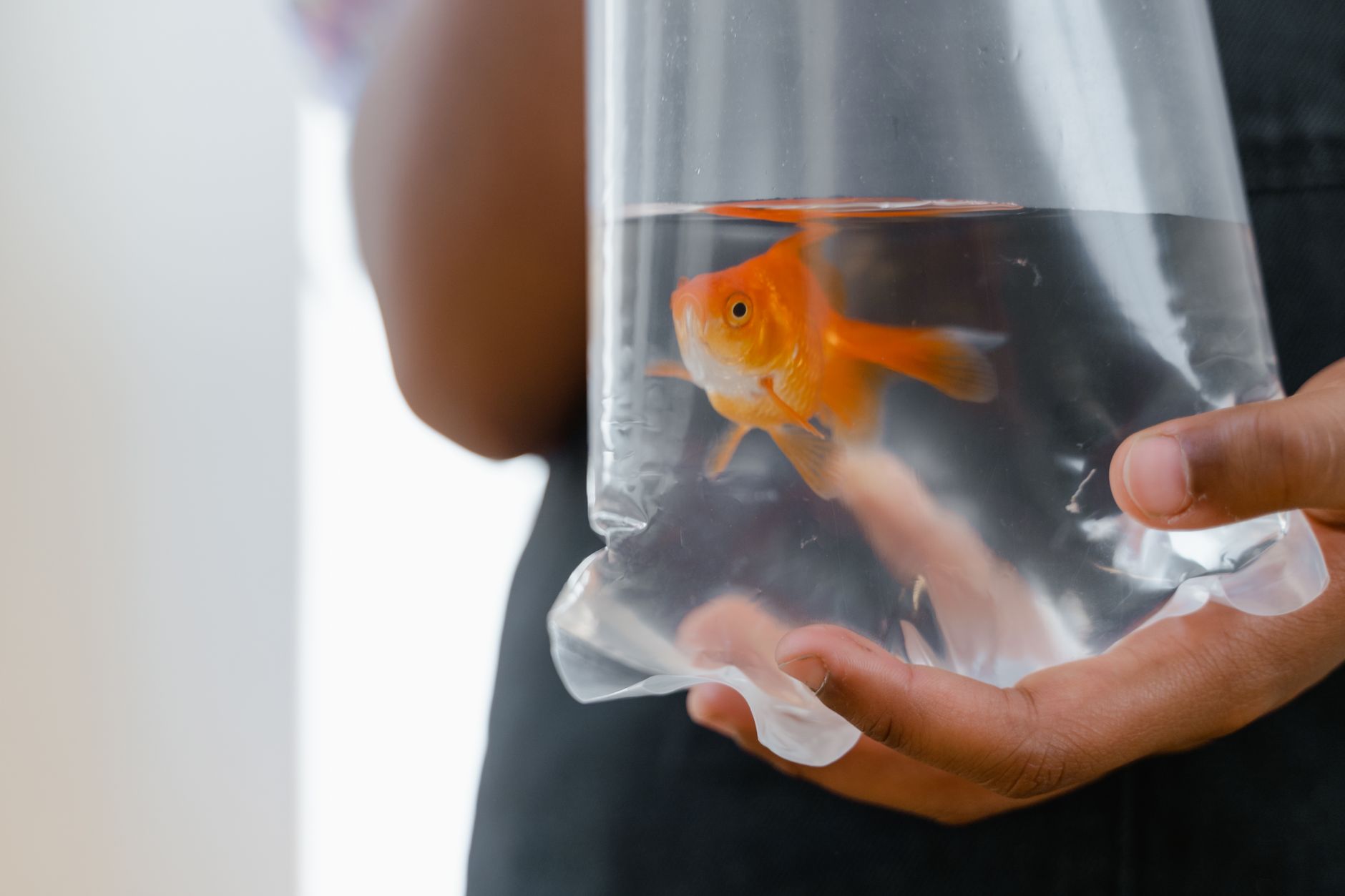
Small tanks under 10 gallons need more frequent changes. A small water volume shifts chemistry faster. A 5 gallon betta tank does best with a 20% to 30% change every week. A goldfish care guide tank needs even more. Goldfish produce heavy waste and grow large. A 30% to 50% weekly water change is common for goldfish tanks. Outdoor koi ponds follow a different schedule based on temperature and feeding.
Heavily stocked African cichlid tanks also need larger weekly changes. Many cichlid keepers change 30% to 50% weekly. The trade off is that big changes can stress fish if not matched for temperature and pH. Smaller changes every few days are often easier on the fish than one massive weekly change. Match the new water to the tank temperature within 1 to 2 degrees. Add a water conditioner before filling.
- Community tank: 20% to 25% every 1 to 2 weeks
- Betta or nano tank: 20% to 30% every week
- Goldfish tank: 30% to 50% every week
- Lightly stocked planted tank: 10% to 20% every 2 to 4 weeks
What Factors Change the Water Change Schedule?
Stocking level is the biggest factor. More fish means more ammonia and nitrate production. A heavily stocked 20 gallon tank may need twice the water change volume of a lightly stocked one. The aquarium fishkeeping statistics 2026 report shows that many beginners overstock their first tank. More fish also means more solid waste. That waste settles in the gravel and rots if not removed.
Filtration and plants change the schedule too. A powerful best aquarium filters 2026 can process more ammonia and nitrite. But no filter removes nitrate. Live plants consume some nitrate and phosphate. Fast growing plants like hornwort, water sprite, and floating plants can reduce the need for water changes. However, plants do not remove fish hormones or replace minerals. So you still need partial water changes.
Feeding habits matter. Overfeeding adds more waste than the fish can produce. If you feed twice a day with frozen foods, expect more nitrate. If you feed sparingly once a day, nitrate builds more slowly. The type of food also matters. High protein foods create more ammonia during breakdown. Test your nitrate weekly for the first two months. Use the results to set your personal schedule.
How Can You Tell When a Water Change Is Needed?

The most accurate method is testing. Use a liquid test kit like the API Freshwater Master Test Kit. Test for nitrate, nitrite, and ammonia at least once a week. If nitrate rises above 20 ppm, change water. If ammonia or nitrite is above 0 ppm, change water immediately. That means your biological filter is not keeping up. You may also need to check how to cycle a fish tank if the tank is new.
Visible signs also tell you. Cloudy water, green water, or a film on the surface often means dissolved organics are high. Fish gasping at the surface can indicate low oxygen or high ammonia. Brown or yellow water comes from tannins and dissolved waste. A bad smell, like rotten eggs or a dirty fishy odor, means you waited too long. Clear water is not always clean water. Ammonia and nitrate are invisible.
Watch fish behavior. Frayed fins, clamped fins, or red gills can indicate poor water quality. Scratching against objects can be a sign of parasites or poor water. If several fish show stress at once, the water is usually the cause. Do not wait until fish become sick. A scheduled routine is better than reacting to visible problems. Test before you assume the water is bad.
What Is the Safest Way to Change Aquarium Water?
Gather your tools first. You need a gravel vacuum, a clean bucket, and a water conditioner. A Python No Spill Clean and Fill connects to a sink and makes larger tanks easier. Use a separate bucket for aquarium water only. Never use soap or household cleaners on aquarium equipment. Even a small residue can harm fish.
Turn off heaters and filters before you start. Siphon water from the gravel, not just the surface. Push the vacuum into the gravel to lift solid waste. Drain the planned amount. For a 20% change on a 20 gallon tank, remove 4 gallons. Do not remove more than 50% in a routine change. Large changes can shock fish and disrupt beneficial bacteria.
Treat tap water before adding it. A conditioner like Seachem Prime neutralizes chlorine, chloramine, and ammonia. Add the conditioner to the bucket or directly to the tank before filling. Match the new water temperature to the tank. Pour gently to avoid disturbing fish and substrate. Aquarium Co-Op recommends filling slowly to reduce stress.
After refilling, turn equipment back on. Check the water level and filter flow. Wait at least 30 minutes, then test the water. This confirms pH and temperature are stable. If you clean the filter, never do it on the same day as a large water change. Clean filter media in removed tank water. This preserves the beneficial bacteria that keep your filter working.
How Do Saltwater and Reef Tank Water Changes Differ?
Saltwater tanks need water changes too, but the reasons are slightly different. In a reef tank, you replace trace elements that corals and coralline algae use. Calcium, alkalinity, and magnesium drop over time. Saltwater fish produce the same nitrogen waste as freshwater fish. However, live rock and deep sand beds can process nitrate. Many reef keepers still change 10% to 15% of the water every two weeks.
Mixing saltwater adds a step. Use reverse osmosis deionized water, not tap water. Tap water contains phosphates and silicates that fuel algae. Mix the salt in a separate container with a small powerhead. Let it mix for 24 hours so the salt fully dissolves. Match salinity to the display tank before adding. A refractometer gives a precise reading. Aim for the same specific gravity as your system.
Fish only saltwater tanks can use a 20% water change every two weeks. Reef tanks with delicate corals may prefer smaller weekly changes of 5% to 10%. Small frequent changes keep parameters more stable. This matters because corals dislike sudden shifts. Always top off evaporated water with freshwater, not saltwater. Salt does not evaporate. Only replace water volume with mixed saltwater during an actual water change.
Frequently Asked Questions
Can I do too many water changes?
Yes. Changing more than 50% of the water daily can stress fish and remove beneficial bacteria if the tank is not fully established. Small frequent changes are safer than rare large ones.
Should I remove fish during a water change?
Usually no. Netting fish causes more stress than changing water around them. Siphon carefully and avoid sudden temperature or pH shifts.
How long until tap water is safe for fish?
Always use a water conditioner to remove chlorine and chloramine instantly. Aging water for 24 hours only removes chlorine, not chloramine, which many tap waters contain.
Do planted tanks need water changes?
Yes. Plants consume some nitrate but they do not remove fish hormones, dissolved organics, or replenish minerals. A monthly 20% water change still helps most planted tanks.
Can I use reverse osmosis water only?
Yes, but you must remineralize it first. Pure reverse osmosis water lacks calcium, magnesium, and carbonates fish need. It can also cause rapid pH swings.
Why is my tank cloudy after a water change?
A bacterial bloom or stirred substrate usually causes cloudiness. It often clears within 24 to 48 hours. If it persists, test ammonia and nitrite levels.
What Should You Remember?
- Change 10% to 25% of water every 1 to 2 weeks for most freshwater tanks.
- Test nitrates weekly so you can adjust the schedule before fish show stress.
- Use a gravel vacuum to remove solid waste from the substrate each time.
- Treat all tap water with a conditioner before adding it to the tank.
- Match temperature and pH of new water to the tank to prevent shock.
- Heavily stocked goldfish or cichlid tanks need larger weekly water changes.
- Never replace filter media and do a huge water change in the same cleaning session.
This article is for general information only and is not a substitute for professional veterinary or aquarium specialist advice. Always research the specific needs of your fish and consult an expert before making care decisions.