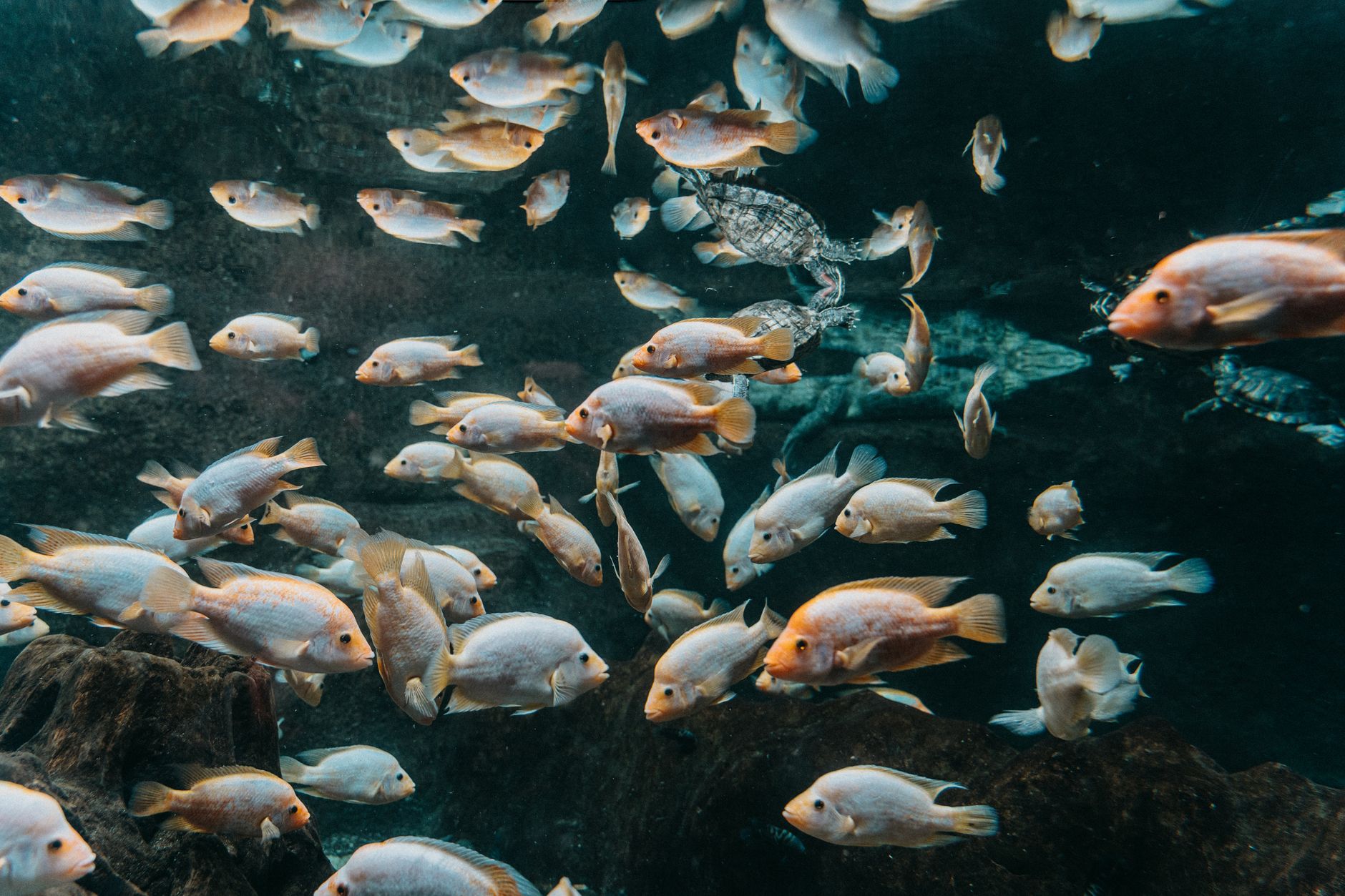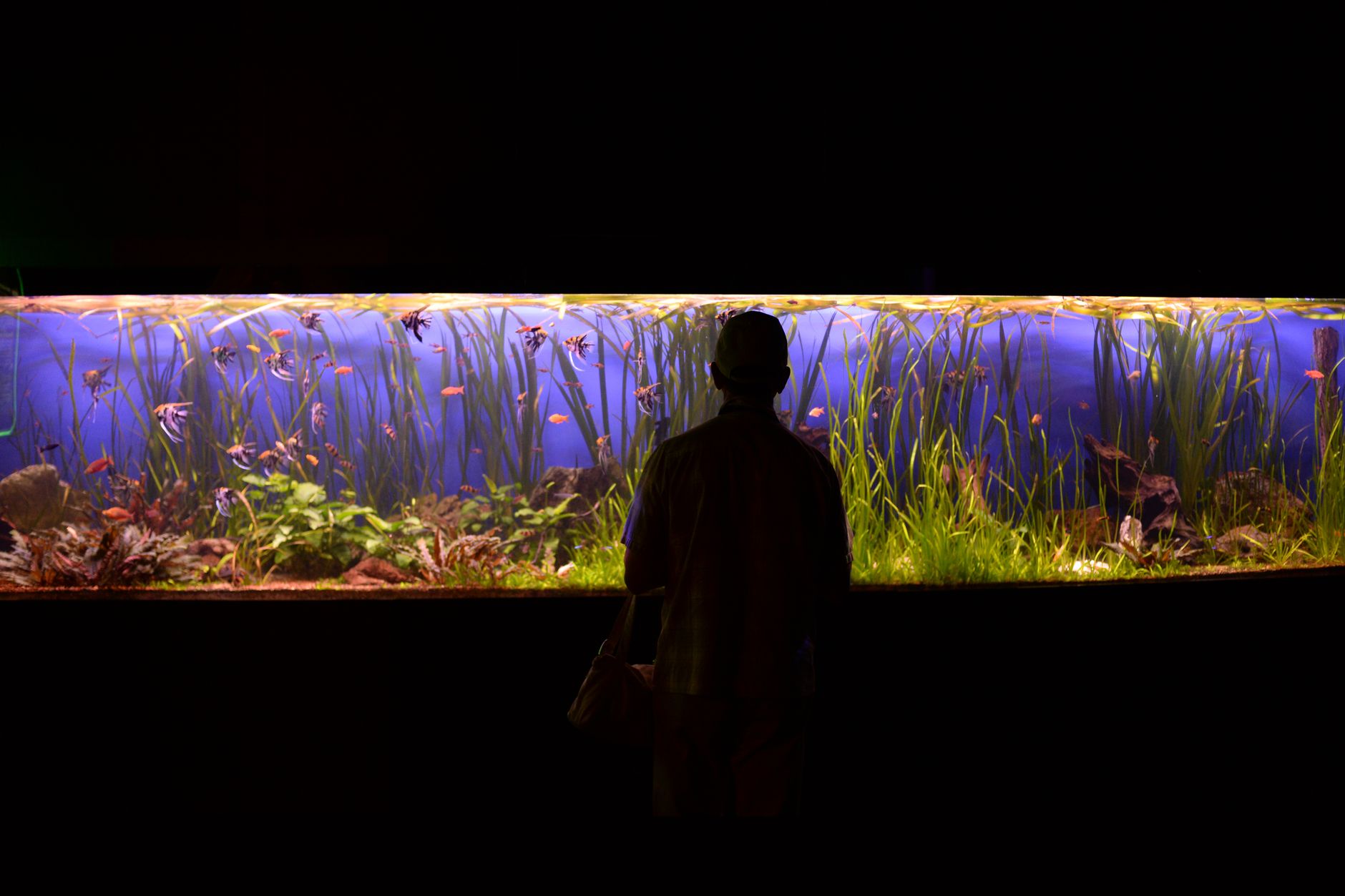
Colorful tropical fish are the reason most people get into freshwater aquariums. A well-chosen group of neon tetras, guppies, or dwarf gouramis can turn a plain glass box into a moving display of blue, red, orange, and silver. But color alone is a terrible way to pick fish. The fish that look best under store lighting may need soft acidic water, a larger tank, or a different temperature than your other fish. Before buying anything, read our aquarium nitrogen cycle guide and plan to cycle the tank for 4 to 6 weeks. That single step prevents most beginner losses.
This comparison focuses on five freshwater species that stay colorful in home aquariums without requiring expert-level water chemistry. I checked tank size, temperature in °F, pH range, adult size in inches, and temperament against SeriouslyFish species profiles and Aqueon’s freshwater fish care. The goal is simple. You should know whether a fish fits a 10-gallon desktop tank or a 20-gallon community setup before you leave the store. I also noted which species tolerate beginner mistakes and which ones punish them. If you are starting from zero, our best fish for beginners list covers the broader starter set.
In 2026, aquarium gear is better and cheaper than it was a decade ago. LED lights, adjustable heaters, and sponge filters make it easier to keep colorful tropical fish in a small apartment. The trade-off is that fish stores stock more species than ever, and labels often skip hardness or adult size. A fish sold as a two-inch juvenile can grow to six inches and eat its tankmates. Use the numbers in this article as a filter, not a suggestion. If a species needs 78°F and pH 6.8, do not drop it into a 72°F goldfish tank and hope for the best.
The five picks below are not the only colorful tropical fish. They are the ones I would recommend to a friend setting up a first or second freshwater tank. Each entry includes a best-for tag, pros, cons, and a clear who-its-for line. The comparison table gives you quick data on tank size, temperature, pH, and adult size. For feeding, quarantine, and medication advice, Aquarium Co-Op’s beginner fish guide is a solid second reference. No fish is perfect. Some are nippy, some hide, and some need groups of six or more. I call those issues out plainly.
How Do the Top Options Compare?
| Species | Best For | Tank Size | Temp (°F) | pH | Adult Size | Starter Gear |
|---|---|---|---|---|---|---|
| Neon Tetra | Beginner community | 20 gal | 72-78 | 6.0-7.0 | 1.5 in | Check price |
| Cardinal Tetra | Soft-water planted | 20 gal | 73-81 | 5.5-6.8 | 2 in | Check price |
| Guppy | Small tanks | 10 gal | 72-82 | 6.8-7.8 | 1.5-2 in | Check price |
| Dwarf Gourami | Peaceful centerpiece | 20 gal | 72-82 | 6.0-7.5 | 3.5 in | Check price |
| Cherry Barb | Hardy planted community | 20 gal | 73-81 | 6.0-7.5 | 2 in | Check price |
Tank sizes are for a healthy group, not one lonely fish. Temperature and pH ranges are captive targets compiled from Aqueon and SeriouslyFish. Always cycle before adding livestock and quarantine new arrivals.
1. Neon Tetra , Best for beginner community tanks
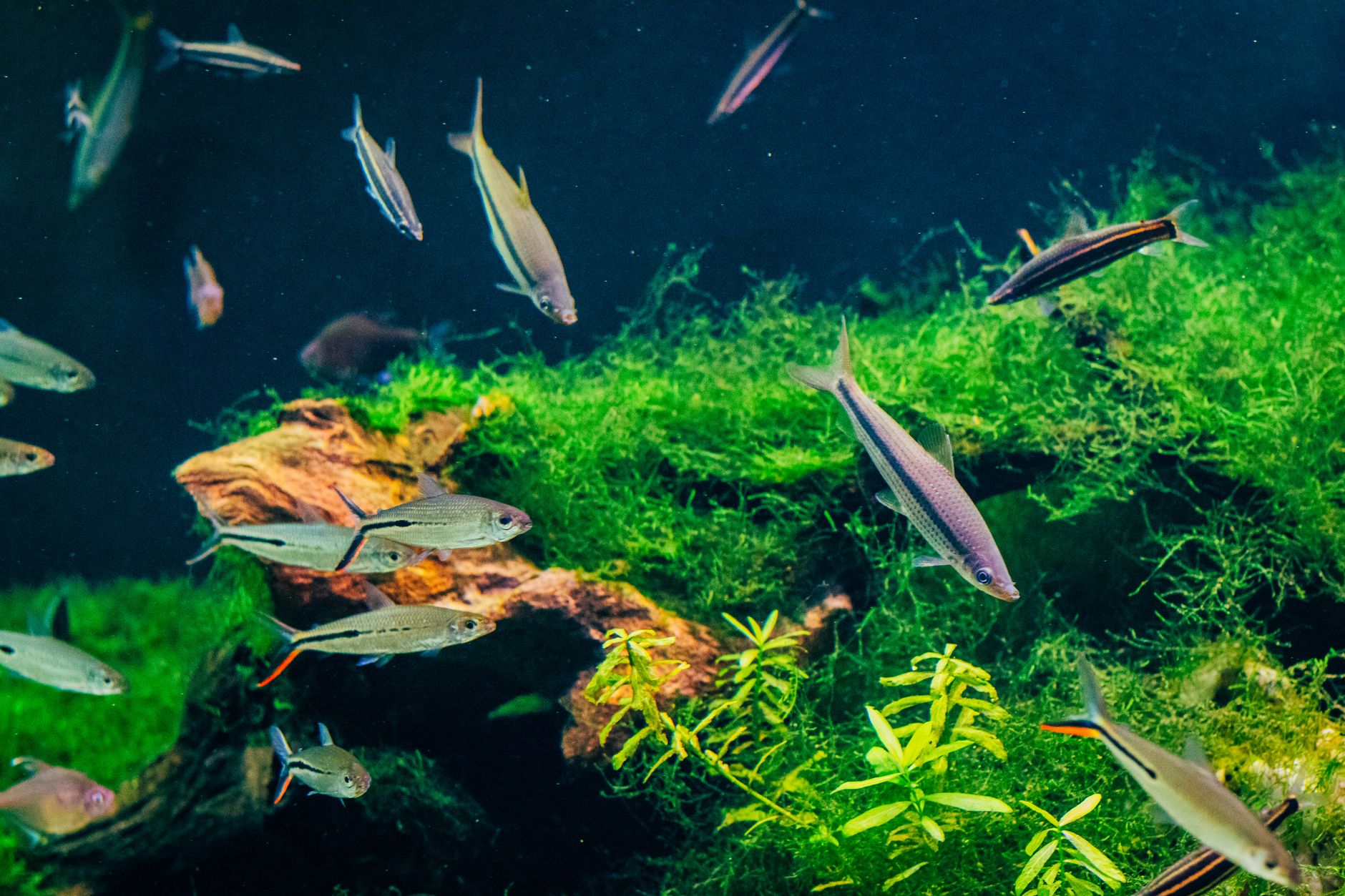
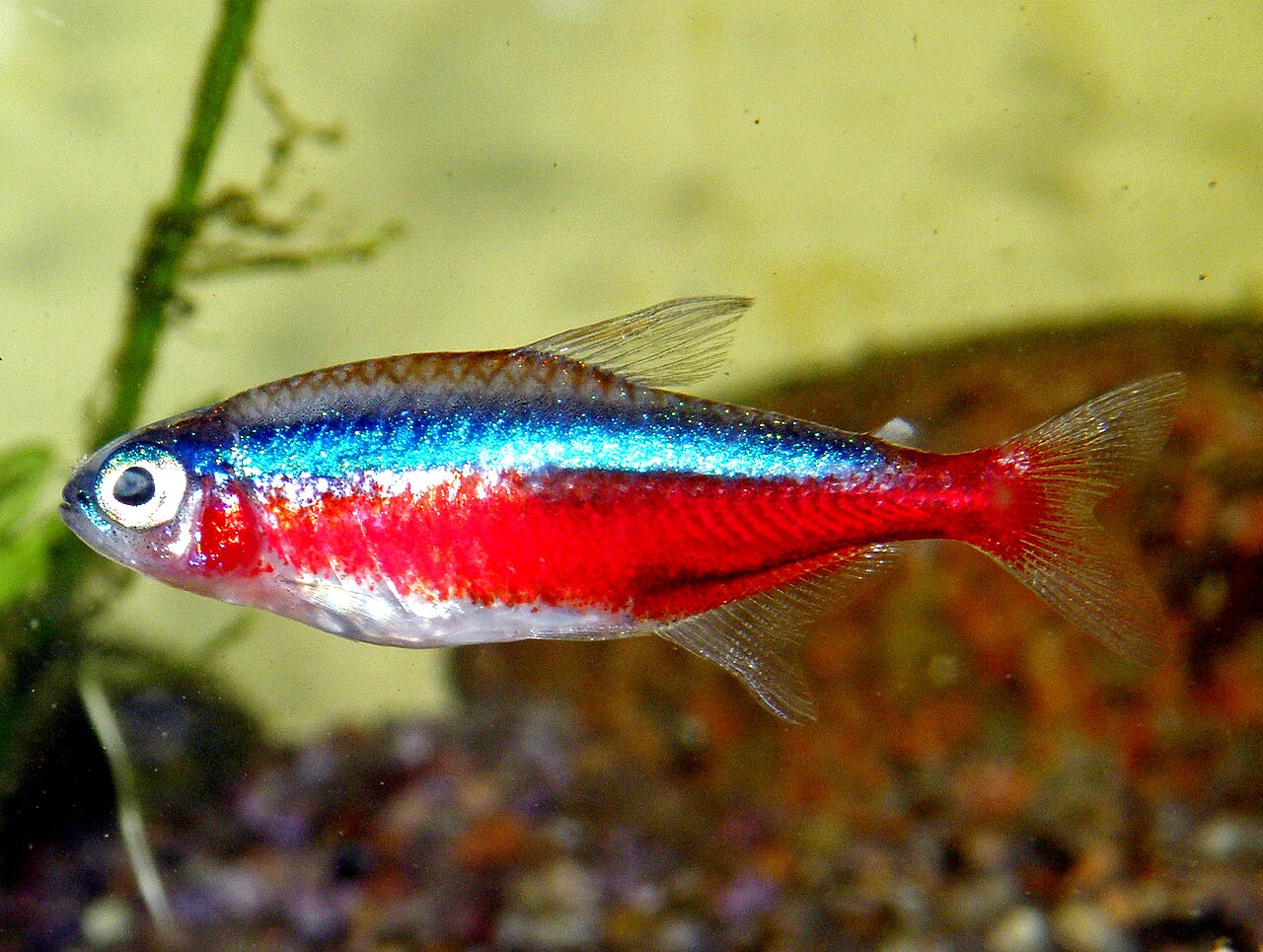
Neon tetras are the default first colorful fish for a reason. A healthy school shows a neon blue stripe and a red rear half that pops against dark substrate and green plants. Adults reach about 1.5 inches, so a group of eight to ten fits a 10-gallon tank on paper. I still recommend a 20-gallon long for beginners. More water volume means stable temperature and fewer ammonia spikes. Keep them at 72-78°F, pH 6.0-7.0, and soft to moderately hard water. See our neon tetra care guide for the full breakdown.
These fish are peaceful, but they are not loners. A single neon tetra often hides and loses color. Six is the minimum, and ten is better. They do well with other small, calm species like cardinal tetras, cherry barbs, and corydoras catfish. Avoid tankmates that can swallow a one-inch fish, including adult angelfish and most cichlids. For water testing, the API Freshwater Master Test Kit is the tool I use before every water change. It measures pH, ammonia, nitrite, and nitrate, which matter more than the label on a bottle.
Neon tetras are not the hardiest fish for a brand-new tank. They prefer a mature, well-filtered aquarium with stable parameters. If your tank is still cycling, wait. If the filter is weak, upgrade. A 20-gallon tank with a gentle filter and a preset heater is close to ideal. They eat small pellets, frozen brine shrimp, and micro worms. Feed twice a day, only what they finish in two minutes. Overfeeding is the fastest way to turn clear water cloudy.
Color can fade if the fish are stressed. Common causes are wrong temperature, high nitrate, bright bare tanks, and aggressive tankmates. Keep nitrate under 20 ppm, use a dark background, and add floating plants if the light is intense. Neon tetra disease is a separate problem with no reliable cure, so quarantine new fish for two to four weeks. Buy from a store that keeps them at the right temperature and does not mix them with nippy species.
Key strengths:
- ✅ Stays small and peaceful, so it fits a 20-gallon community tank without bullying tankmates.
- ✅ Shows strong blue and red color under a basic LED light, even in a low-tech planted tank.
- ✅ Schools tightly in groups of six or more, which creates constant movement in the middle of the tank.
- ✅ Accepts easy foods like micro pellets and frozen brine shrimp.
- ❌ Needs a mature, cycled tank and does poorly in a brand-new setup with unstable water.
- ❌ Can be nipped by tiger barbs, serpae tetras, and other fin nippers.
- ❌ Prone to neon tetra disease, which has no reliable cure once symptoms appear.
Who it’s for: Choose neon tetras if you have a cycled 20-gallon tank and want a peaceful, colorful school that stays small.
2. Cardinal Tetra , Best for soft-water planted tanks
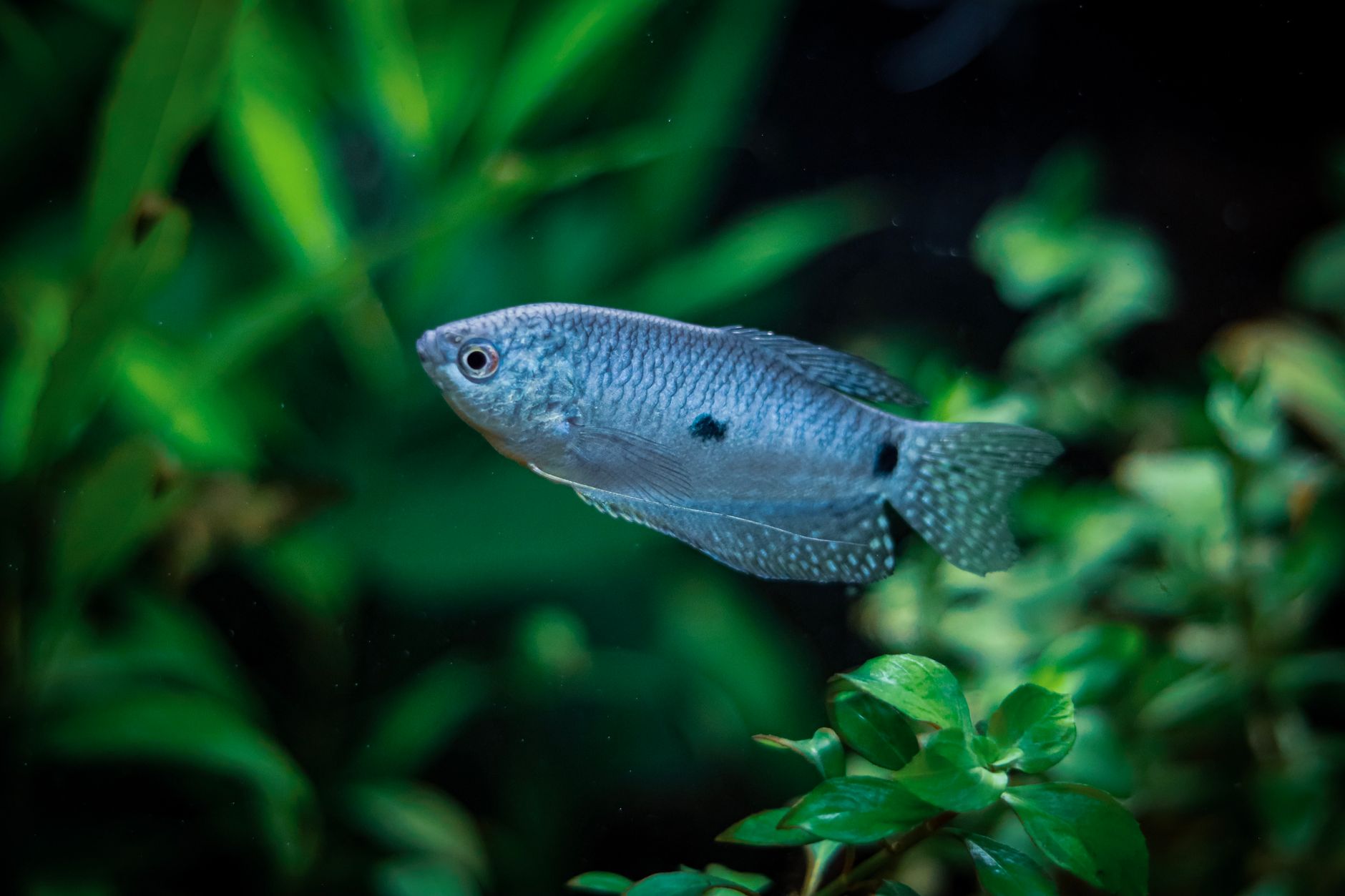
Cardinal tetras look like neon tetras with the red stripe extended the full length of the body. That extra red makes them one of the most colorful freshwater fish under a good LED light. They are also less forgiving. Adults reach about 2 inches, and a group of ten needs a 20-gallon tank at minimum. Temperature should sit between 73-81°F. The pH range is the important part: 5.5-6.8, with soft water. If your tap water is hard and alkaline, you either need to mix in RO water or choose a different fish. Our cardinal tetra care guide explains the water chemistry in detail.
In the wild, cardinal tetras live in shaded blackwater streams with almost no hardness. In an aquarium, that translates to driftwood, leaf litter, and dim lighting. A bare tank with bright white light makes them skittish and washes out their color. They school tightly, so ten to fifteen fish look better than four or five. Tankmates should be equally peaceful. Rasboras, pencilfish, and small catfish work well. Avoid barbs that nip and cichlids that claim territory.
Feeding is easy once they settle. They take micro pellets, frozen daphnia, and baby brine shrimp. The hard part is keeping water clean without stripping the softness. Use a sponge filter or a canister filter with a gentle return. Change 20 to 30 percent of the water weekly with water that matches the tank temperature and pH. If you use tap water, treat it with a conditioner and test after every change. Cardinal tetras are not a fish for hard-water community tanks, and no amount of color will change that.
Key strengths:
- ✅ Shows a full red stripe that makes it one of the most colorful small tetras.
- ✅ Peaceful enough for a community tank with rasboras, pencilfish, and corydoras.
- ✅ Schools well in groups of ten or more and looks best in a planted setup.
- ✅ Accepts frozen and dry foods once it settles into the tank.
- ❌ Needs soft, acidic water at pH 5.5-6.8, which does not match most tap water.
- ❌ Stresses easily in bare tanks with bright light and strong current.
- ❌ Less forgiving than neon tetras during the first few weeks in a new aquarium.
Who it’s for: Choose cardinal tetras if you have soft, acidic water and a planted 20-gallon tank or larger.
3. Guppy , Best for small tanks and constant color
Guppies are the easiest colorful tropical fish to breed and one of the easiest to keep. Males show orange, blue, red, yellow, and black patterns on a body that stays under 2 inches. Females are larger and less colorful, but they often arrive pregnant. A trio can overrun a 10-gallon tank in a few months if you do not plan for fry. Keep them at 72-82°F and pH 6.8-7.8. They handle moderately hard water better than most tetras. Our guppy care guide covers sexing, breeding, and tank setup.
The biggest mistake with guppies is treating them as disposable. They are hardy, but they still need clean water and stable temperature. A 10-gallon tank works for one male and two or three females. A 20-gallon tank gives you more room for fry and fewer water quality swings. Guppies are livebearers, so the females give birth to free-swimming babies. Adults will eat the fry unless you provide dense plants or a separate grow-out tank. Java moss and hornwort work well because they give fry places to hide.
Filtration should be gentle. A sponge filter driven by an air pump is ideal for a small guppy tank because it will not suck up fry. If you need one, check the sponge filter options on Amazon. Feed a mix of flakes, micro pellets, and frozen foods. Guppies are not picky, but variety keeps them colorful and healthy. Avoid overcrowding. Ten guppies in a 10-gallon tank will produce a nitrate problem fast, even if the fish look fine for a week.
Key strengths:
- ✅ Produces constant color and movement in a tank as small as 10 gallons.
- ✅ Hardy and adaptable to a wide temperature range of 72-82°F.
- ✅ Breed easily, which is a plus for keepers who want to raise fry.
- ✅ Accepts almost any food, including flakes, pellets, and frozen options.
- ❌ Breeding can overcrowd a small tank quickly if fry are not managed.
- ❌ Females are much less colorful than males, which surprises some buyers.
- ❌ Long fins make them a target for fin nippers like tiger barbs.
Who it’s for: Choose guppies if you want constant color and movement in a small tank and do not mind managing fry.
4. Dwarf Gourami , Best centerpiece fish for a peaceful community
Dwarf gouramis bring a different shape and color to a community tank. Males show red, blue, orange, and turquoise stripes, and they swim at the middle and top of the tank. Adults reach about 3.5 inches, so a 20-gallon tank is the practical minimum. Temperature should be 72-82°F, with pH 6.0-7.5. They are labyrinth fish, which means they can breathe air at the surface. That helps them survive low-oxygen conditions, but it does not excuse poor filtration. Our dwarf gourami care guide covers tank setup and disease prevention.
These fish are peaceful with small tankmates, but males can fight each other. Keep one male per tank unless you have a large, heavily planted setup with clear territories. Females are less colorful and harder to find in some stores. Dwarf gouramis do well with neon tetras, corydoras, and harlequin rasboras. Avoid fin nippers like tiger barbs and fast swimmers that may outcompete them at feeding time. They prefer slow water, so a filter with a strong current will stress them.
Dwarf gourami iridovirus is a real risk in the hobby. It spreads through some commercial breeding lines and has no cure. Quarantine new fish for at least two weeks and buy from a seller who keeps them individually or in clean systems. Keep the temperature stable with an adjustable heater. A 50-watt heater is enough for a 20-gallon tank, and a controller adds a safety layer. For a reliable option, check the adjustable aquarium heaters on Amazon. Feed floating pellets and frozen foods. Do not let them gulp air at the surface for every meal.
Key strengths:
- ✅ Adds a colorful centerpiece that swims at the middle and top of the tank.
- ✅ Peaceful with small tankmates when kept as a single male.
- ✅ Can breathe air at the surface, which helps in a planted low-flow tank.
- ✅ Accepts floating pellets and frozen foods without much training.
- ❌ Males fight if kept together in a small tank.
- ❌ Dwarf gourami iridovirus is common in the trade and has no cure.
- ❌ Needs slow water and stable temperature, so strong filters are a problem.
Who it’s for: Choose a dwarf gourami if you want a colorful centerpiece fish for a planted 20-gallon community tank.
5. Cherry Barb , Best for a low-maintenance planted community
Cherry barbs are the sleeper pick on this list. Males turn a deep cherry red when they are healthy and courting, while females stay a warm tan with a red stripe. Adults reach about 2 inches, so a group of six fits a 20-gallon tank. Temperature range is 73-81°F, and pH 6.0-7.5. They tolerate a wider range of water hardness than cardinal tetras, which makes them a better choice for tap water that is not soft. The color is not as electric as a neon tetra, but it is more natural and lasts all year.
These barbs are peaceful enough for community tanks, but they are active. Give them a tank with plants, driftwood, and open swimming space. They do well with rasboras, small tetras, and corydoras. Avoid keeping them with long-finned fish like bettas or guppies because cherry barbs may nip at flowing fins. That behavior is worse in groups of two or three. A proper school of six or more spreads aggression and keeps the tank calm.
Cherry barbs are not picky eaters. They take flakes, pellets, and frozen foods. They also graze on soft algae and biofilm, though they will not clean a tank for you. Keep nitrate under 20 ppm and change 25 percent of the water weekly. A 20-gallon long tank with a simple sponge filter and a 50-watt heater is enough. If you want a colorful fish that does not demand RO water or live food, cherry barbs are one of the safest bets. They are also less prone to the viral issues that affect dwarf gouramis.
Key strengths:
- ✅ Hardy and tolerant of a wide range of water hardness and pH.
- ✅ Males show reliable red color without special food or lighting.
- ✅ Peaceful in a group of six or more and active without being aggressive.
- ✅ Eats easy foods and does not need live food to thrive.
- ❌ Can nip at long fins, especially bettas and guppies.
- ❌ Color is less intense than a neon or cardinal tetra.
- ❌ Needs a group of six or more to spread aggression and look natural.
Who it’s for: Choose cherry barbs if you want a hardy, peaceful schooling fish with reliable red color in a 20-gallon planted tank.
Frequently Asked Questions
What are the most colorful tropical fish for beginners?
Neon tetras, guppies, cherry barbs, and dwarf gouramis are the best starting points. All four adapt to a 20-gallon tank and do not require expert water chemistry. Cardinal tetras are colorful too, but they need soft, acidic water.
Can I keep different colorful tropical fish together?
Yes, if their temperature, pH, and size ranges overlap. Neon tetras, cherry barbs, and corydoras catfish mix well. Avoid pairing small tetras with large cichlids or any fish that can fit them in its mouth.
How many colorful tropical fish can I put in a 20-gallon tank?
A 20-gallon tank can hold roughly 12 to 15 inches of adult fish if filtration and water changes are good. That means ten neon tetras plus a dwarf gourami is close to the limit. Add fish slowly and test ammonia and nitrite for two weeks.
Do colorful tropical fish need a heater?
Most do. Neon tetras, cardinal tetras, guppies, and dwarf gouramis need water between 72°F and 82°F. A 50-watt adjustable heater is enough for a 10- to 20-gallon tank in a normal room.
What water parameters do colorful tropical fish need?
Beginner species usually do best at 72-80°F, pH 6.5-7.5, and moderate hardness. Cardinal tetras are the exception and need pH 5.5-6.8 with soft water. Test your tap water before choosing fish.
Why did my colorful fish lose its color?
Stress, wrong temperature, high nitrate, bright bare tanks, and poor diet all fade fish color. Check ammonia, nitrite, and nitrate first. Then raise the temperature only if the species needs it and add plants or a dark background.
What Should You Remember?
- Cycle the tank first for 4 to 6 weeks before adding any colorful tropical fish.
- Match water temperature to the species. Most beginner fish need 72-80°F, not room temperature.
- Choose a 20-gallon tank over a 10-gallon if you want stable water and room for a school.
- Keep schooling fish in groups of at least six. A single tetra often hides and loses color.
- Test pH and hardness before buying cardinal tetras or other soft-water species.
- Quarantine new fish for 2 to 4 weeks to avoid introducing disease to your community.
- Use a gentle filter like a sponge filter in small tanks to protect fry and weak swimmers.
This article is for general information only and is not a substitute for professional veterinary or aquarium specialist advice. Always research the specific needs of your fish and consult an expert before making care decisions.