A 10-gallon tank holding six neon tetras can drift from clear to cloudy in nine days. That is not an equipment failure. It is fish waste, uneaten food, and dead plant matter doing exactly what chemistry says they should do. Fishkeeping remains one of the most popular pet hobbies in the United States, and the 2026 aquarium ownership data shows that most new keepers walk away inside the first year, usually right after a tank turns green or a fish dies. Cleaning is the skill that decides whether a tank survives its first six months. The good news is that freshwater cleaning is not one job. It is five jobs, and they run on different schedules.
Here is the mistake almost everyone makes. New keepers assume cleaning means emptying the tank, scrubbing every surface, and refilling with fresh water. Do that and you crash the bacteria that keep ammonia at zero. The aquarium nitrogen cycle is a living colony of Nitrosomonas and Nitrospira that lives in your filter media and substrate. Kill it with a full water change and hot tap water, and ammonia climbs within 48 hours. So the real question is never how do I clean a fish tank. It is which cleaning method removes the gunk without removing the biology. Every method below answers that differently, and some of them answer it badly.
We compared five freshwater methods on four things: how much water leaves the tank, how long the job takes, what it does to the bacteria colony, and how often you have to repeat it. Session times come from running each method on a 20-gallon and a 75-gallon tank. Water volumes are measured, not guessed. Risk is scored on how easy it is to crash the cycle or stress livestock. A method that takes 10 minutes but wipes out your filter bacteria is worse than one that takes 30 minutes and leaves the colony intact. Frequency matters just as much, and our water change schedule guide covers how stocking level and tank volume change the math.
Numbers keep this honest. A 20-gallon tank at 78°F with pH 6.8 to 7.4 and general hardness of 4 to 8 dGH holds roughly 20 inches of adult fish, which is why a school of 1.5-inch neon tetras works and a pair of 6-inch angelfish does not. A 75-gallon tank with an angelfish pair and a dozen corydoras behaves nothing like a 10-gallon betta tank. Aqueon’s freshwater care reference lists 25 percent weekly water changes as a sensible baseline for lightly stocked tanks and warns against full teardowns without a real reason. That one rule prevents most beginner tank failures.
How Do the Top Options Compare?
| Method | Best For | Session Time | Water Changed | Frequency | Key Gear |
|---|---|---|---|---|---|
| Gravel vacuum water change | Weekly routine | 20-30 min | 20-30% | Weekly | Check price |
| Algae scraping and glass wipe | Clear glass and decor | 10-15 min | 0% | Weekly or as needed | Check price |
| Filter media rinse and impeller clean | Restoring filter flow | 15-20 min | 2-4 gallons | Monthly | Check price |
| Deep clean teardown | Rescues, moves, neglect | 2-4 hours | 50-100% | Every 1-2 years | Check price |
| Automatic water changer | Large tanks and racks | 5-15 min | 10-25% | Daily drip or weekly | Check price |
Session times assume a 20-gallon and a 75-gallon freshwater tank with average stocking. Water volumes are percentages of total tank volume, not fixed gallon amounts. None of these methods replaces testing ammonia, nitrite, nitrate, and pH on a regular schedule.
1. Gravel Vacuum and Partial Water Change , Best for weekly routine maintenance on any stocked freshwater tank
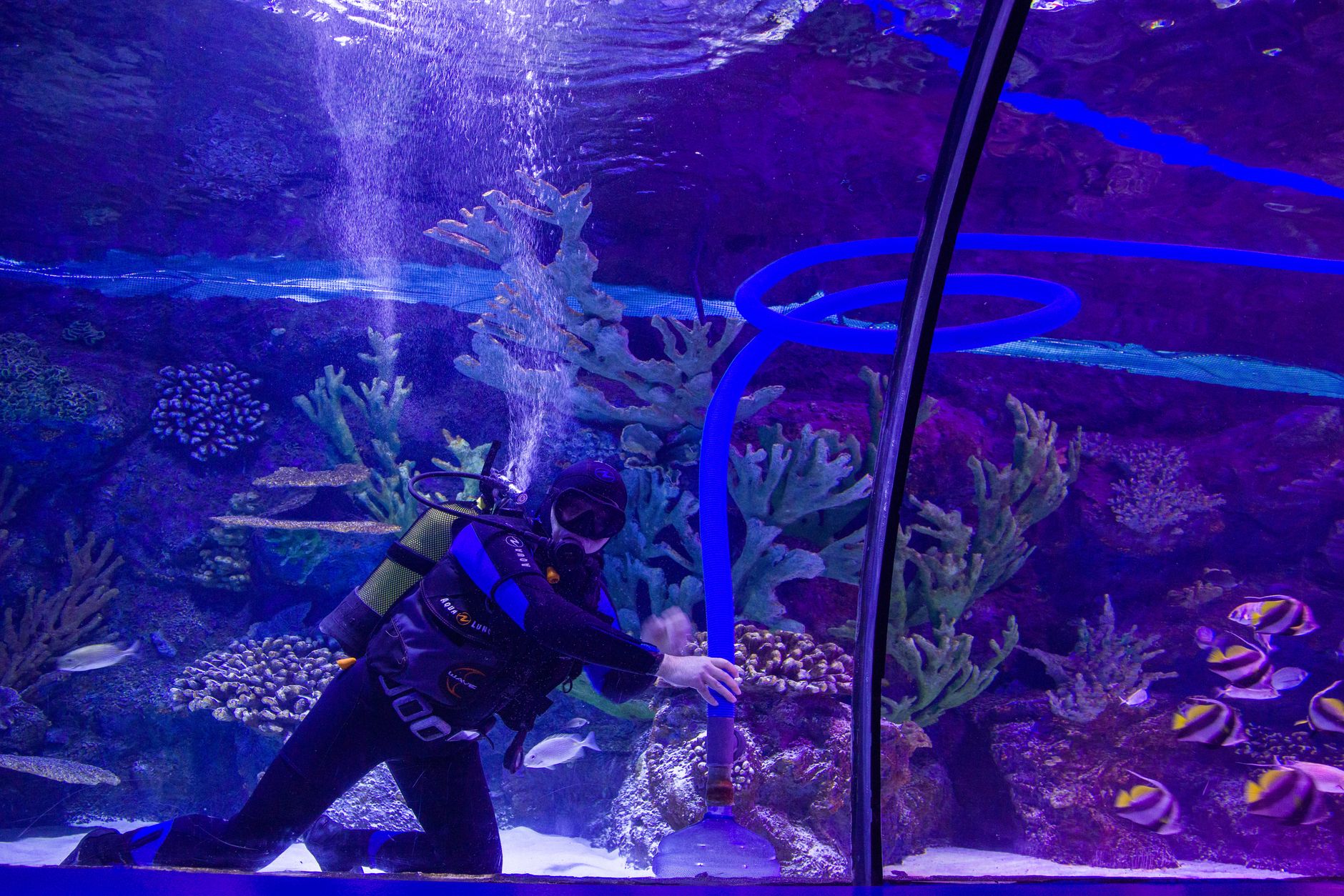
This method does about 90 percent of the work in a freshwater tank. You attach a siphon tube to a length of hose, drop the wide end into the gravel, and let gravity pull water into a bucket while the tube lifts mulm out from between the grains. On a 20-gallon tank, a 25 percent change means roughly 5 gallons out the door. On a 75-gallon tank, that same 25 percent is nearly 19 gallons, so you either use a hose long enough to reach a sink or a changer that runs on tap pressure. Session time on a 20-gallon tank runs 20 to 30 minutes including the refill.
Technique decides whether this helps or hurts. Push the siphon tube straight down into the gravel, hold it there until the water runs clear, then move to the next patch. Skip a patch and you leave a pocket of rotting food under the surface. Match replacement water to tank temperature within 2°F, which on most community tanks means 76 to 80°F. Dose dechlorinator for the full volume of the bucket, not just the top inch, and keep an eye on pH and hardness. A 20-gallon tank at pH 6.8 to 7.4 with 4 to 8 dGH suits neon tetras and corydoras fine, but a full point pH swing during a change will stress every fish in the tank.
The gear is cheap and the payoff is immediate. A basic gravel vacuum siphon kit handles any tank under 55 gallons, and a wide-mouth tube with a flow clamp gives you control on sand. Pair it with a written schedule and you have a routine. In a heavily stocked 20-gallon with six 1.5-inch neon tetras plus a bristlenose pleco, weekly is the honest answer. In a lightly planted 55-gallon with a dozen small fish, every 10 to 14 days holds up fine.
Where it falls short is time and mess. Buckets get heavy, floors get wet, and a 75-gallon tank with a 19-gallon change means three or four trips. It also does nothing for algae on the glass or flow loss in the filter. Treat it as the backbone of the routine, not the whole routine.
Key strengths:
- ✅ Removes solid waste and dissolved waste in the same pass, so one job fixes two problems.
- ✅ Gear costs very little and needs no electricity, plumbing, or installation.
- ✅ Volume scales with stocking: 20 percent on a light tank, 30 to 50 percent on a crowded one.
- ✅ Leaves filter media untouched, so the bacteria colony keeps working the whole time.
- ✅ Works on gravel, sand, and bare-bottom tanks with the right tube width.
- ❌ Buckets get heavy fast on tanks over 55 gallons.
- ❌ Does nothing for algae on the glass or debris trapped inside the filter.
- ❌ Over-vacuuming rooted plants or a deep sand bed can release trapped waste and stress fish.
Who it’s for: Any keeper running a stocked freshwater tank under 55 gallons who wants the cheapest reliable weekly routine.
2. Algae Scraping and Glass Cleaning , Best for keeping glass, decor, and plant leaves clear between water changes
Algae is a light and nutrient problem wearing a cleaning costume. Green spot algae films the front glass, diatoms coat new substrate, and black beard algae clings to filter outlets and slow-growing plant leaves. None of that comes out with a gravel vacuum. You need a scraper, a sponge, and a plan.
Work in this order. Scrape the glass first with a magnetic cleaner or a plastic blade, then wipe decor and plant leaves with a soft sponge. Do it before a water change so the loosened film gets siphoned out instead of settling back onto the substrate. Never use soap or glass cleaner inside or near the tank. A single spray of ammonia-based cleaner on a rag you then dunk in the tank can kill every fish in it, and it takes very little.
A magnetic algae scraper is the right tool for glass, and a plastic blade version is the only safe option on acrylic. Metal razors scratch acrylic permanently, and abrasive pads dull the finish on rimless tanks. For planted tanks, rubber-tipped tweezers let you peel beard algae off anubias leaves without tearing the leaf itself.
The real fix happens upstream. If you scrape every week and the glass fogs again in three days, your aquarium lighting is running too long or your phosphate is high. Cut the photoperiod to 6 to 8 hours, keep the tank out of direct sun, and test nitrate. A 20-gallon tank with nitrate above 40 ppm will grow algae no matter how hard you scrub.
Key strengths:
- ✅ Fixes the problem you can actually see, which makes it the most satisfying job on the list.
- ✅ Takes 10 to 15 minutes and needs almost no equipment.
- ✅ Clearing film off plant leaves improves light penetration and plant growth.
- ✅ A good magnetic scraper lasts years and costs very little to replace.
- ❌ Treats the symptom. Algae returns in days if light duration and nutrient levels stay wrong.
- ❌ Metal blades and abrasive pads scratch acrylic and some glass coatings permanently.
- ❌ Scraping near a filter intake can push loose algae straight into the impeller.
Who it’s for: Keepers with a planted or rimless display tank who care about how the front glass looks every day.
3. Filter Media Rinse and Impeller Cleaning , Best for restoring flow and protecting the bacteria colony
Filters lose flow long before they stop working. Sponge and floss clog with debris, the impeller picks up a film of biofilm, and the intake strainer grows a mat of plant bits. On a canister filter running a 55-gallon tank, a 30 percent flow drop shows up in about four to six weeks. That is when mulm stops reaching the media and starts settling in the tank instead.
The cleaning rule is simple and nonnegotiable. Rinse biological media in a bucket of tank water, never under the tap. Tap water carries chlorine or chloramine that kills the Nitrospira and Nitrosomonas living on the sponge, and those bacteria are the reason ammonia reads zero. Aquarium Co-Op’s filter maintenance guidance says the same thing, and rinsing media in tap water remains the most common beginner mistake in the hobby.
Replace mechanical media on a schedule that matches the filter. Floss gets tossed when it turns brown and mats down, usually every two to four weeks. Sponges get squeezed out monthly and replaced every few months when they stop springing back. Carbon comes out after three to four weeks because it stops adsorbing. If you run a hang-on-back or a canister, our best aquarium filters guide covers which media order keeps flow high without channeling water past the sponges.
Then the impeller. Unplug the filter, pull the impeller cover, and clean the magnet and shaft with a soft brush and warm water. A cracked ceramic shaft is the usual cause of a filter that hums and moves no water. A replacement filter sponge costs far less than a new filter, so keep spares on hand.
The risk here is overcleaning. Rinse everything at once, or swap all the media in one go, and you restart the nitrogen cycle with fish still in the tank. Stagger the work: media one month, impeller the next.
Key strengths:
- ✅ Restores flow, which is the single most important thing a filter needs to work.
- ✅ Quieting a rattling impeller takes 15 minutes once you know your filter model.
- ✅ Extends media life and protects the bacteria colony when everything is rinsed in tank water.
- ✅ Catches worn O-rings, cracked shafts, and loose hoses before the filter stops overnight.
- ❌ Overcleaning can crash the cycle and trigger an ammonia spike within a day.
- ❌ Requires unplugging and partly disassembling the filter, which some keepers put off.
- ❌ Replacement media and impeller parts are a recurring cost.
Who it’s for: Keepers running canister or hang-on-back filters on tanks 20 gallons and up who notice reduced flow or noise.
4. Deep Clean Teardown and Substrate Rinse , Best for rescues, moves, and genuinely neglected tanks
Sometimes a tank needs more than maintenance. A rescue tank bought off a marketplace listing, a 20-gallon that sat unplugged for two weeks, or a tank that has to move across town all need a full breakdown. This is the method where you drain most or all of the water, pull the decor, rinse the substrate, scrub the glass, and start again.
Plan the fish first. Move them to a clean bucket or tub filled with tank water, not new water. Cover it, keep it out of drafts, and hold the temperature steady at 76 to 80°F. A 6-inch angelfish can spend two hours in a 5-gallon bucket without trouble. A 12-inch common pleco cannot, and a redtail catfish that will reach two feet needs a much larger holding container and a much faster plan.
Save the filter media. Put the sponges and ceramic rings in a bag with tank water and keep them wet the entire time. That colony is the difference between a tank that recovers in three days and one that cycles from scratch with fish in it. If the media dries out or gets rinsed under tap water, you have a brand new tank on your hands. Our fish tank cycling guide walks through what to do when that happens.
Rinse substrate in dechlorinated water until the runoff runs clear, scrub hardscape with a soft brush, and wipe the glass with a clean sponge and water only. Refill with temperature-matched, dechlorinated water and run the filter for a few hours before the fish go back in.
Then watch it like a new tank. Test ammonia and nitrite daily for two weeks and change 25 percent of the water whenever either reads above zero. Feed lightly for the first week. Even a well-executed teardown disturbs the bacterial balance, and pH and hardness can shift for days after a full substrate rinse.
Key strengths:
- ✅ The only method that fixes a genuinely neglected, contaminated, or crash-cycled tank.
- ✅ Removes debris trapped deep in the substrate that a gravel vacuum can never reach.
- ✅ Good moment to rescape, replace worn equipment, and check the silicone for cracks.
- ✅ Resets a tank after a disease outbreak or a full course of medication.
- ❌ Two to four hours of work with a real risk of the tank re-cycling afterward.
- ❌ Livestock stress is high because fish sit in a holding container while the tank gets rebuilt.
- ❌ Can wipe out a mature bacteria colony if media dries out or is rinsed in tap water.
- ❌ Best avoided unless there is an actual reason to do it.
Who it’s for: Keepers rescuing a secondhand tank, moving house, or recovering from a disease outbreak that routine cleaning cannot fix.
5. Automatic Water Changer and Drip System , Best for tanks over 55 gallons and multi-tank racks
Automatic water changers split into two types. The first is the sink-fed changer: a hose with a brass faucet adapter that drains the tank by venturi and refills it straight from the tap. The second is a drip or continuous system that adds a small volume of fresh water every hour and overflows the excess to a drain.
For a 75-gallon tank, the sink-fed version cuts a 19-gallon change from four bucket trips to about 10 minutes. You still have to gravel vacuum, but you do it while the hose siphons, and you never carry a bucket again. Drain first, then refill, and dose dechlorinator for the full tank volume before the new water goes in. Match temperature at the faucet as closely as you can, then check the tank with a thermometer and fine-tune the mix.
Drip systems are the better option for keepers running six or more tanks on a rack. A 10 percent daily exchange on a 40-gallon breeder means about 4 gallons a day, which holds nitrate far steadier than a weekly 40 percent dump. The catch is that drip water must be dechlorinated before it enters the tank, usually with a carbon block pre-filter, and the drain has to be reliable. A stuck valve on a drip system will flood a room.
Cost and complexity are real. A sink-fed changer is a modest one-time purchase, and a drip setup costs more once you add the carbon filter, tubing, and a way to handle the drain. Cold tap water in winter can drop tank temperature several degrees during a large refill, so bring it up with the faucet mix and keep a thermometer in the tank while you fill. A 10-gallon betta tank does not need any of this. A 125-gallon community tank absolutely does.
Key strengths:
- ✅ Cuts water change time on a 75-gallon tank from roughly 45 minutes to about 10.
- ✅ No buckets, no lifting, and far less water on the floor.
- ✅ Drip systems hold nitrate steadier than any weekly schedule can.
- ✅ Scales to a rack of tanks without adding daily labor.
- ❌ Costs more up front and needs a nearby sink or a working drain.
- ❌ A failed valve or loose fitting can flood a room or drop tank temperature during a fill.
- ❌ Overkill for tanks under 40 gallons.
Who it’s for: Keepers with tanks over 55 gallons, breeders running multiple tanks, or anyone whose back has already told them the bucket routine is over.
Frequently Asked Questions
How often should I clean a freshwater fish tank?
Most stocked tanks need a 20 to 30 percent water change and a glass wipe once a week. Lightly stocked, heavily planted tanks can go 10 to 14 days between changes. Test nitrate and let the reading set the schedule instead of a calendar.
Can I clean a fish tank without removing the fish?
Yes, and you should. Weekly gravel vacuuming, algae scraping, and filter maintenance all happen with fish still in the tank. Only a full teardown, a move, or a disease treatment requires pulling fish out.
Do I need to empty the whole tank to clean it?
No. A full drain removes water but leaves the bacteria, and it exposes fish to large temperature and pH swings. Full teardowns are for rescues, moves, and contamination, not routine cleaning.
Should I use soap to clean aquarium decorations?
Never. Soap and glass cleaner leave residues that kill fish and filter bacteria at very low concentrations. Scrub decor with a soft brush in warm dechlorinated water, or soak it in a diluted bleach solution and rinse with dechlorinator until no odor remains.
How do I clean a tank after ich?
Treat the fish first, then vacuum the substrate thoroughly because the parasite settles into gravel during its tomont stage. Keep the temperature where the treatment calls for it and finish the full medication schedule.
What is the fastest way to clean a large fish tank?
A sink-fed water changer. It drains and refills a 75-gallon tank in about 10 minutes instead of four bucket trips. Add a magnetic scraper and a pre-filter sponge on the intake and the weekly job drops under 20 minutes.
What Should You Remember?
- Start with the water change: a 20 to 30 percent gravel vacuum every week keeps ammonia and nitrate in check on most stocked tanks.
- Never rinse filter media in tap water: chlorine kills the bacteria that hold ammonia at zero, so use a bucket of tank water instead.
- Scrape before you siphon: cleaning the glass first means loosened algae leaves the tank instead of settling back onto the substrate.
- Match temperature within 2°F: most community tanks sit at 76 to 80°F, and cold refill water shocks fish.
- Save media during a teardown: keep sponges and ceramic rings wet in tank water or the tank restarts its cycle with fish inside it.
- Go automatic above 55 gallons: a sink-fed changer turns a 19-gallon water change into a 10-minute job.
This article is for general information only and is not a substitute for professional veterinary or aquarium specialist advice. Always research the specific needs of your fish and consult an expert before making care decisions.