Cleaner wrasse, Labroides dimidiatus, is one of the most recognizable saltwater fish on the reef. It earns its name by setting up cleaning stations where larger fish stop to have dead skin, mucus, and external parasites removed. That behavior is fascinating to watch, but it also creates a major feeding challenge in home aquariums. Many wild-caught cleaner wrasse arrive stressed and refuse frozen or dry foods. If you plan to keep one, start with a stable aquarium nitrogen cycle and realistic expectations.
Care for cleaner wrasse is not for beginners. Some individuals adapt quickly and eat mysis shrimp within days. Others starve even when the keeper does everything correctly. The species is considered difficult to maintain long term because it often depends on cleaning behavior for food. Still, with a mature tank, careful feeding, and compatible tank mates, some cleaner wrasse thrive for years. This guide covers the setup, diet, and compatibility choices that give the fish its best chance.
Before you buy, understand that cleaner wrasse need more than clean water. They need a well-established system with live rock, peaceful tank mates, and a keeper who can feed them several times a day. This guide walks through each step, from cycling a tank to long-term health monitoring. Use the warnings and FAQ to avoid common mistakes. A thoughtful setup matters more than chasing perfect water chemistry.
What You’ll Need
- 75-gallon or larger saltwater aquarium
- protein skimmer
- live rock
- refractometer
- aquarium water test kit
- quarantine tank
- frozen mysis and brine shrimp
- garlic supplement
How Do You Care for Cleaner Wrasse?
- Understand the cleaner wrasse before buying
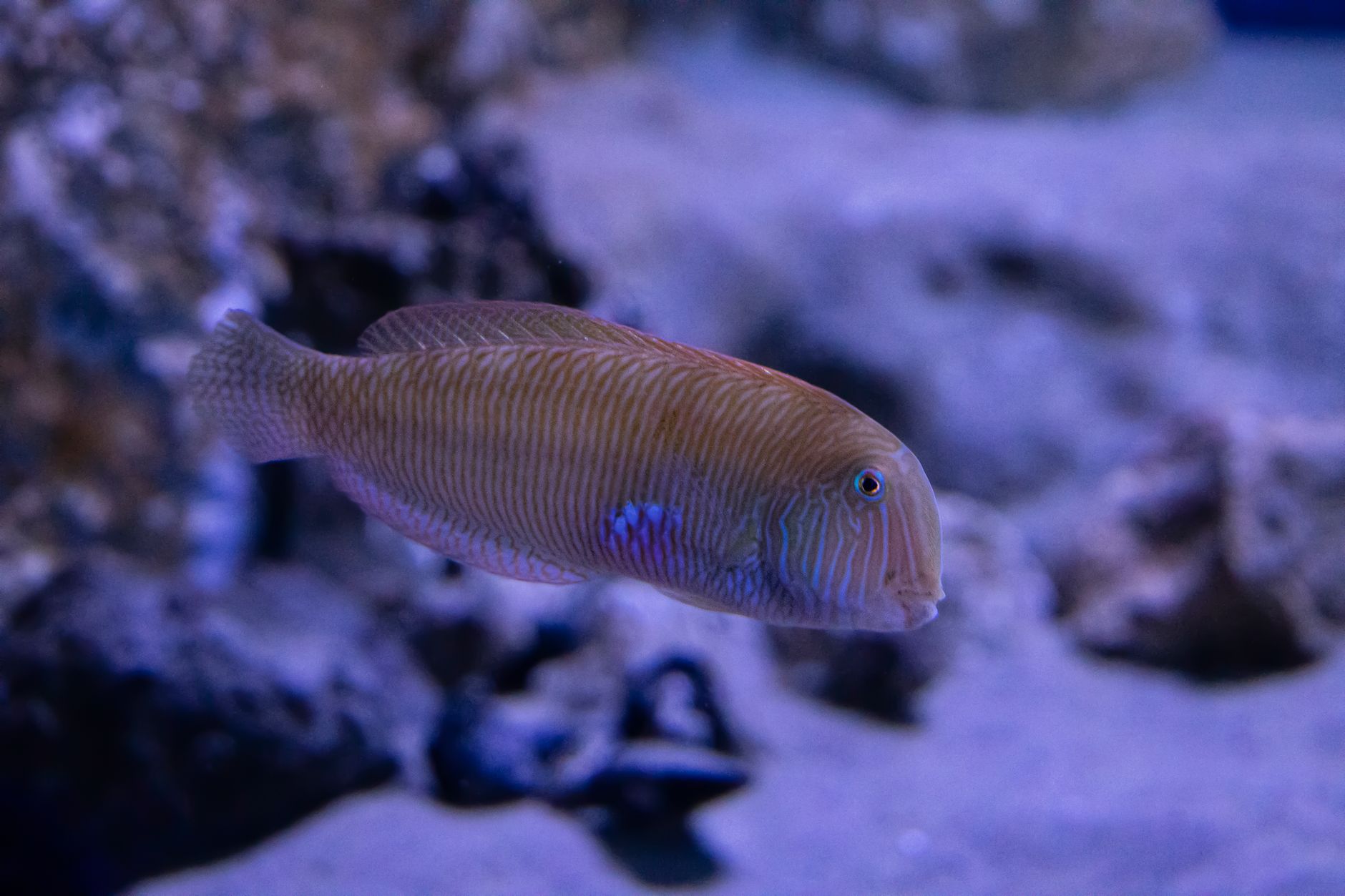
Cleaner wrasse, Labroides dimidiatus, grows to an adult size of about 4 to 5 inches. It has a long body with a prominent black stripe that runs from the snout through the eye to the tail. The back is usually light blue to white, and the tail area often shows yellow. Juveniles look similar but can be more blue. This active fish moves constantly and needs swimming room.
In the wild, a cleaner wrasse establishes a cleaning station on a coral head or rock. It performs a signal dance to attract larger fish, then picks parasites from their gills, mouth, and body. That diet of parasites and dead tissue is hard to replace in captivity. Many wild-caught fish never learn to eat frozen foods. If you want a hardier wrasse with similar color, the six-line wrasse care guide offers a better beginner option.
The most common mistake is buying a cleaner wrasse without watching it eat. A fish that ignores food at the store, hides in a corner, or has a sunken belly is a poor risk. Ask the store to feed frozen mysis or brine shrimp in front of you. Only buy a specimen that actively chases food. This step determines whether you bring home a fish with a real chance or one that will slowly starve.

- Set up a mature tank of at least 75 gallons
Cleaner wrasse need space. A single adult does best in a tank of 75 gallons or larger. Smaller tanks make it hard to keep water parameters stable and do not give the fish enough territory for a cleaning station. A 75-gallon tank also dilutes waste, which matters for a species that is sensitive to water quality. Larger tanks are even better if you plan to keep multiple peaceful fish.
The tank should be fully cycled and mature before the wrasse arrives. How to cycle a fish tank explains the process in detail. Aim for at least six months of stable operation with live rock, sand, and a healthy population of pods. Aqueon saltwater setup guides recommend letting new systems mature before adding sensitive species like cleaner wrasse. This gives the biological filter time to handle the extra feeding load you will add.
Use live rock to create overhangs, caves, and open rock faces for cleaning stations. A good protein skimmer pulls out dissolved organics before they break down. Moderate flow keeps oxygen levels high and carries food to the fish. Avoid sterile aquariums with little rockwork. Cleaner wrasse need structure to feel secure and places to establish territory.
- Keep water parameters stable
Cleaner wrasse tolerate a normal reef range. Keep the water temperature between 76 and 80 degrees Fahrenheit. Aim for pH between 8.1 and 8.4, specific gravity between 1.023 and 1.025, and alkalinity around 8 to 12 dKH. Ammonia and nitrite must stay at zero, and nitrate should stay under 10 ppm. Check these values with a reliable aquarium water test kit.
Stability matters more than hitting a perfect number. According to Aquarium Co-Op, sudden changes cause more stress than a steady value that is slightly off. Use a refractometer to measure salinity instead of a swing-arm hydrometer. Top off evaporated water daily with fresh, dechlorinated water. Small, frequent water changes keep nitrate low without swinging parameters.
If you need to adjust water chemistry, do it slowly. Temperature should be controlled with a quality heater. A sudden drop or spike can cause appetite loss and disease. The same goes for salinity. Never pour salt mix directly into the display with fish present. Mix new saltwater in a separate container and match temperature and specific gravity before the change.

- Acclimate and quarantine the cleaner wrasse
Cleaner wrasse are sensitive to changes in salinity, temperature, and pH. Drip acclimation is the safest way to introduce one to a new tank. Float the bag for 15 minutes to equalize temperature. Then drip tank water into the bag or a bucket at about two to four drops per second for 45 to 60 minutes. This slow transition reduces osmotic shock.
Quarantine is non-negotiable for cleaner wrasse. A separate 10 to 20 gallon quarantine tank lets you observe the fish for parasites such as marine ich or velvet. It also gives you a quiet place to train the fish onto frozen foods before competition from display tank mates. Treat problems in quarantine, not in a reef tank. The guide on how to treat ich in aquarium covers safe protocols.
During acclimation, keep lights dim and avoid chasing the fish with a net. Use a clear container or specimen cup to transfer the wrasse from the bucket to the tank. Never dump bag water into your display. Stress from rough handling often triggers a hunger strike. A calm, dim first day in quarantine can make the difference between a fish that eats and one that wastes away.
- Feed a varied meaty diet
Cleaner wrasse need meaty foods at least two to three times a day. Offer small portions of frozen mysis shrimp, enriched brine shrimp, chopped clam, and cyclops. Feed only what the fish can consume in a few minutes to avoid water quality problems. Target feeding with a pipette helps ensure the wrasse gets its share when faster tank mates are present.
Many wild-caught cleaner wrasse refuse food for the first several days. A garlic supplement can make frozen food more appealing. You can also soak food in a vitamin supplement to support immune health. If the wrasse is not eating on its own, try live adult brine shrimp or blackworms. Some fish start feeding after watching other fish eat. The mandarin fish care guide shows similar techniques for finicky feeders.
Do not rely on the fish cleaning tank mates for its nutrition. Captive fish rarely carry enough external parasites to sustain a cleaner wrasse. Once the fish accepts frozen mysis, gradually introduce high-quality pellets or flakes. Keep variety high, and continue offering meaty foods as the main part of the diet. A cleaner wrasse that eats well holds body weight, has a rounded belly, and stays active throughout the day.
- Choose peaceful and compatible tank mates
Cleaner wrasse are generally peaceful, but they can annoy fish that do not want to be cleaned. Avoid large aggressive predators such as triggerfish, lionfish, groupers, and eels. These fish may injure or eat the wrasse during cleaning attempts. Even smaller aggressive species can be a poor fit if they chase the wrasse away from food.
Good tank mates include small to medium peaceful species. Clownfish, cardinalfish, firefish, royal gramma, and small wrasses usually tolerate cleaning behavior. The clownfish ocellaris care guide is a useful reference for one compatible companion. Avoid fish with similar body shapes that may trigger aggression, and do not keep more than one cleaner wrasse unless you have a very large tank and a proven pair.
The social environment matters because a stressed cleaner wrasse stops eating. Give the fish its own territory with a clear cleaning station. Place aggressive feeders at the opposite end of the tank. If you see the wrasse being chased away from food, add more feeding spots or use a target feeder. A peaceful tank is one of the biggest factors in long-term survival.
- Provide cleaning stations and secure rockwork
Cleaner wrasse feel safest when they have a defined territory. Use live rock to build a prominent cleaning station on one side of the tank. A flat rock, coral head, or ledge works well. The wrasse will use this spot to display and invite other fish for cleaning. Keeping this area open on one side lets the fish swim out and return quickly.
Moderate water flow around the station helps bring food and oxygen. It also gives the fish a reliable current to swim against. At night, cleaner wrasse often sleep in a mucus cocoon inside a rock crevice. Provide small caves and overhangs so the fish can rest without being disturbed. The rockwork also supports pods and other microfauna that the wrasse will pick at between meals.
Avoid moving the rockwork frequently. Cleaner wrasse establish routines and can become stressed when their station disappears. If you need to rearrange the tank, do it slowly and watch for appetite loss. A stable aquascape with plenty of hiding spots gives this active fish a place to retreat and a base to perform its natural cleaning behavior.

- Monitor weight, appetite, and behavior
Cleaner wrasse often hide the early signs of illness. Watch the fish daily for a sunken belly, rapid breathing, clamped fins, or flashing against rocks. A healthy cleaner wrasse is active, alert, and interested in food. Any change in appetite is a warning sign. If the fish stops eating, test the water first. Ammonia, nitrite, or a sudden temperature change often causes appetite loss.
Keep a simple log of feeding response and body condition. If the fish misses meals for two days, try live foods and check for aggression from tank mates. Cleaner wrasse that are constantly harassed may retreat and starve. Move the fish to a quiet quarantine tank if needed. Treat common parasites early to prevent long-term damage.
Long-term success depends on consistency. Feed multiple times a day, perform regular water changes, and avoid sudden changes to the tank. Do not add new fish without quarantine, because cleaner wrasse can catch diseases from newcomers. A stable routine, good water quality, and a varied diet keep the fish healthy for years. Cleaner wrasse are challenging, but keepers who meet those needs often find them to be one of the most interesting fish in a saltwater aquarium.
Red Flags & Warnings
- 🚨 Do not buy a cleaner wrasse to control ich or marine velvet. Cleaner wrasse rarely eliminate the parasite and the fish itself may become infected.
- 🚨 Never keep a cleaner wrasse with aggressive predators. Large triggerfish, lionfish, and eels may eat or injure it during cleaning attempts.
- 🚨 Do not skip quarantine. Cleaner wrasse often arrive with parasites or bacterial infections, and a display tank outbreak is costly.
- 🚨 Avoid buying an emaciated or lethargic cleaner wrasse. A fish that does not eat in the store will likely starve at home.
- 🚨 Do not chase exact pH numbers with harsh chemicals. Rapid parameter swings are more dangerous than a steady, slightly off value.
- 🚨 Never add copper-based medications to a reef tank. Many cleaner wrasse treatments require a separate quarantine tank because copper harms invertebrates and live rock.
Frequently Asked Questions
Are cleaner wrasse reef safe?
Yes, cleaner wrasse usually do not bother corals or large invertebrates. They may pick at small crustaceans but are considered reef safe with caution. They still need regular meaty food.
What size tank do cleaner wrasse need?
A minimum of 75 gallons is recommended for one adult cleaner wrasse. Larger tanks provide more stable water and room for a cleaning station.
What do cleaner wrasse eat?
In the wild they eat parasites and dead tissue. In aquariums offer frozen mysis shrimp, brine shrimp, chopped clam, and blackworms. Feed two to three times daily.
Are cleaner wrasse hard to keep?
Yes. Many wild-caught individuals refuse prepared foods and slowly starve. They are not recommended for beginners or tanks with aggressive fish.
Can cleaner wrasse live with clownfish?
Yes, clownfish are generally peaceful enough to live with cleaner wrasse. Avoid large aggressive species that may harm the wrasse.
Do cleaner wrasse really clean other fish?
Yes, they perform cleaning behavior. But captive fish rarely carry enough external parasites to sustain the wrasse, so you must feed it a varied meaty diet.
What Should You Remember?
- Mature tank: Set up a cycled 75-gallon or larger saltwater tank before adding a cleaner wrasse.
- Stable water: Keep temperature 76-80°F, pH 8.1-8.4, and specific gravity 1.023-1.025.
- Meaty diet: Feed frozen mysis, brine shrimp, and chopped seafood two to three times daily.
- Quarantine first: Use a separate quarantine tank to treat parasites and train feeding.
- Peaceful tank mates: Avoid aggressive fish that may injure or eat the wrasse.
- Do not rely on cleaning: Supplement heavily because captive fish have few external parasites.
- Observation: Watch for weight loss and appetite changes to catch problems early.
This article is for general information only and is not a substitute for professional veterinary or aquarium specialist advice. Always research the specific needs of your fish and consult an expert before making care decisions.