How to Care for Bangaii Cardinalfish: Tank Size, Diet, Compatibility

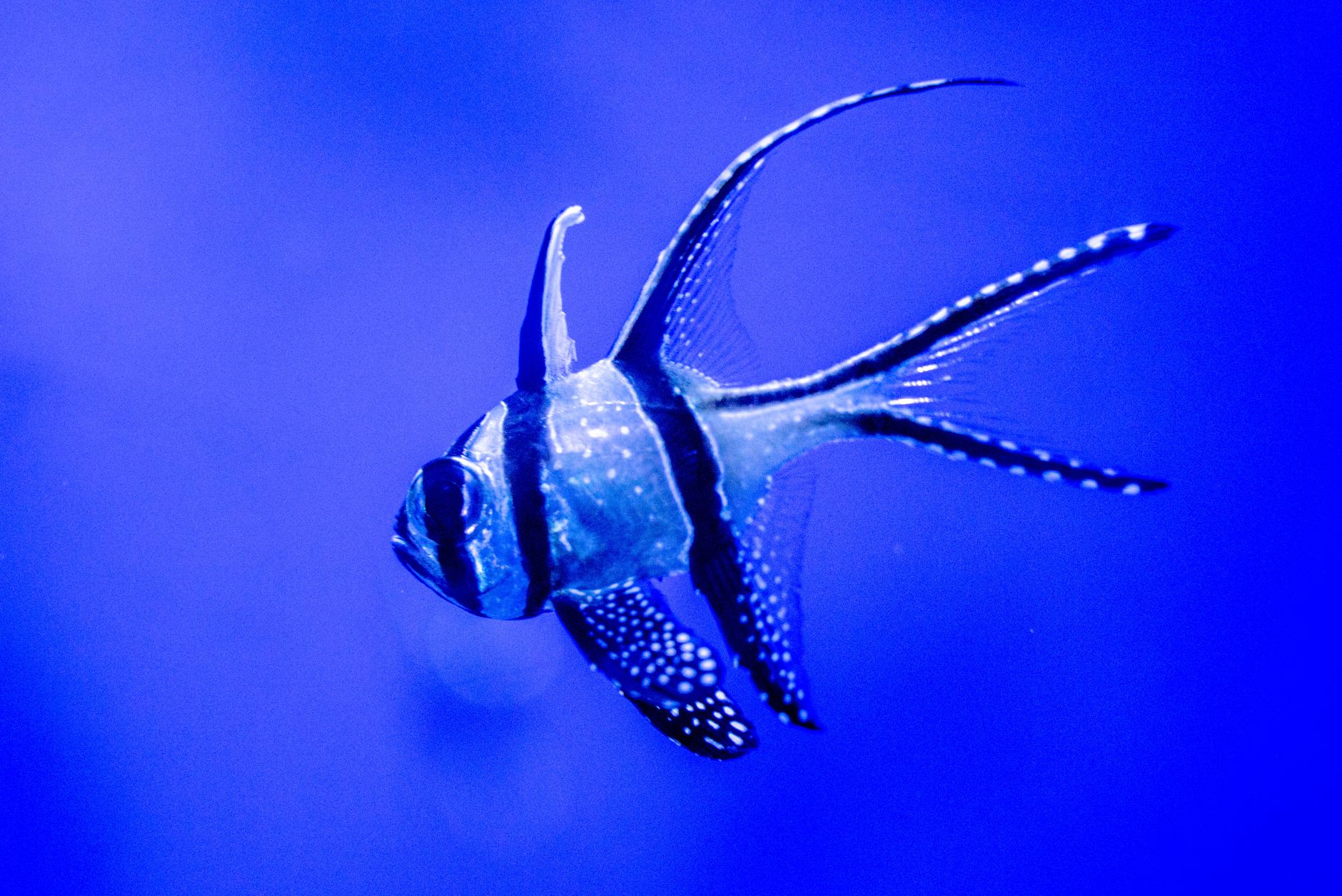
How to Care for Bangaii Cardinalfish: Tank Size, Diet, Compatibility

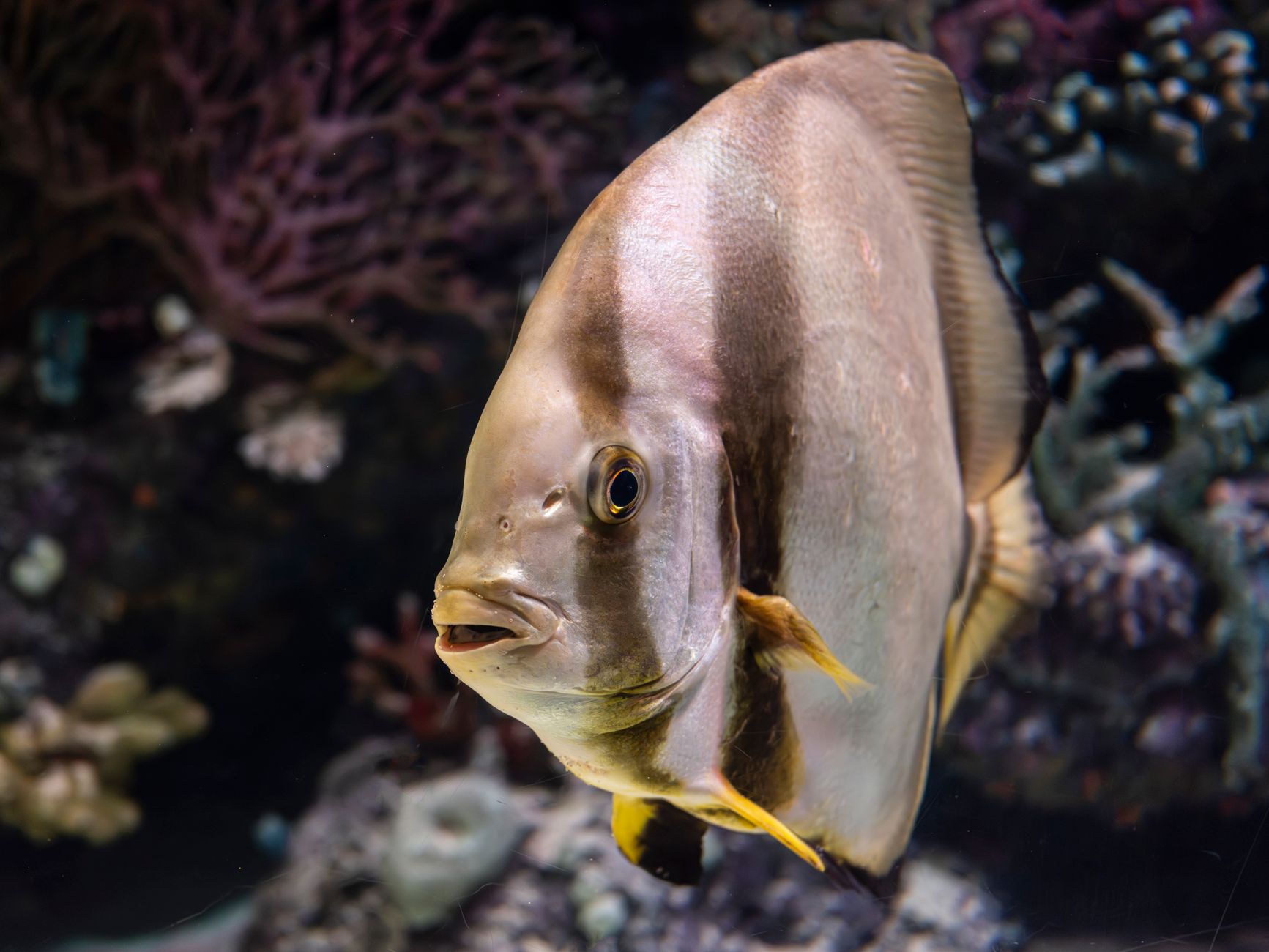
Quick Answer: Bangaii cardinalfish need a 30-gallon or larger tank, stable 78-80°F water, pH 8.1-8.4, and a peaceful community. Feed meaty foods like Mysis shrimp and marine pellets once or twice daily. They are reef safe and do best in pairs or small calm groups. Avoid aggressive tankmates. The Bangaii cardinalfish (Pterapogon kauderni) is one of the most recognizable saltwater fish in the hobby. Its black stripes, tall fins, and slow hovering motion make it a favorite for reef tanks and peaceful fish-only displays. Adult Bangaii cardinalfish reach about 3 inches in length, so they do not need a massive aquarium. Still, they require very stable water conditions and a carefully planned community. This guide will walk through the proper tank size, diet, and compatible tankmates for this beautiful species. ...
August 15, 2026 · 14 min · Jarrod Gravison
How to Care for Lyretail Anthias: Tank Size, Diet, Compatibility

How to Care for Lyretail Anthias: Tank Size, Diet, Compatibility

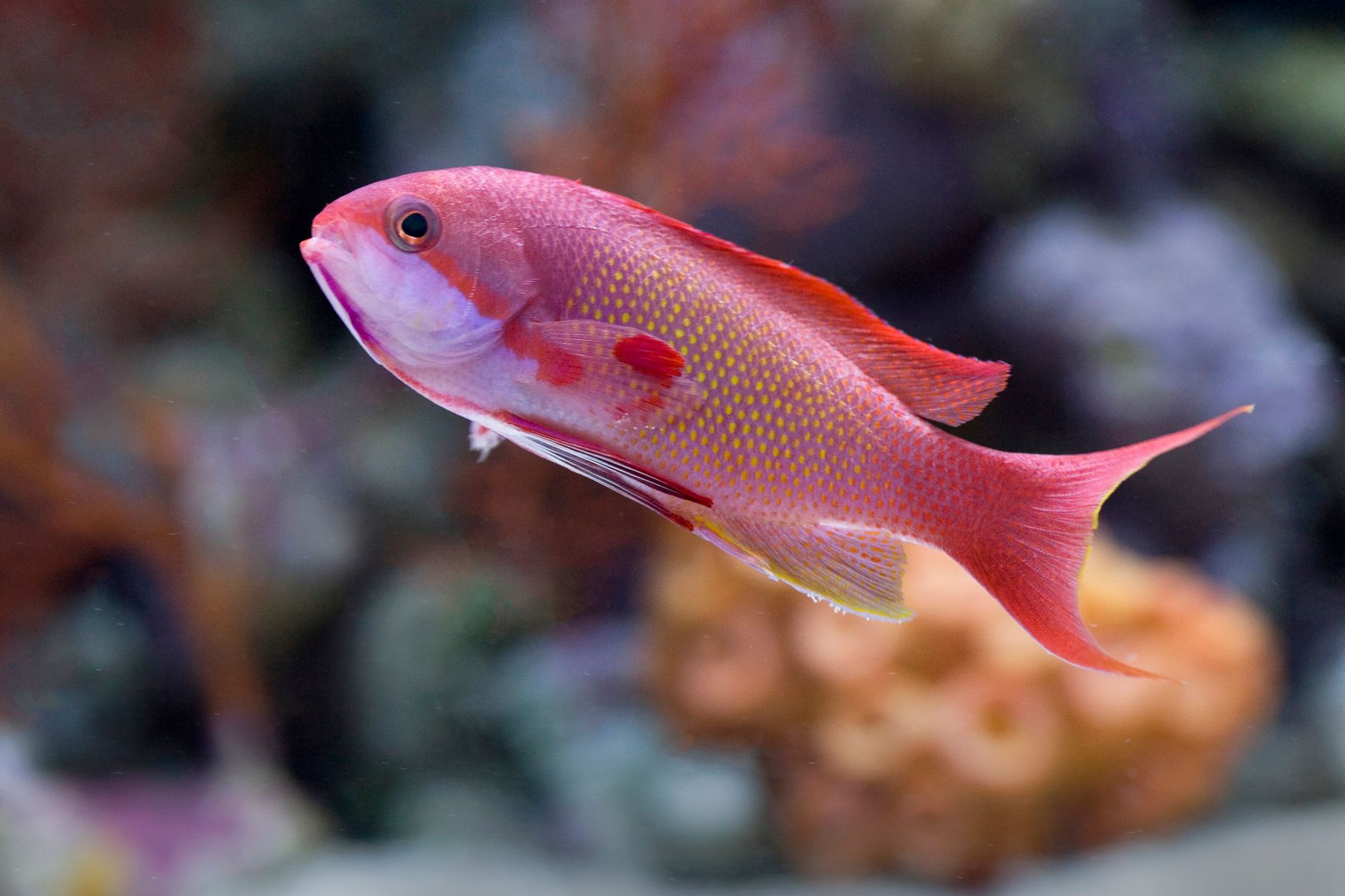
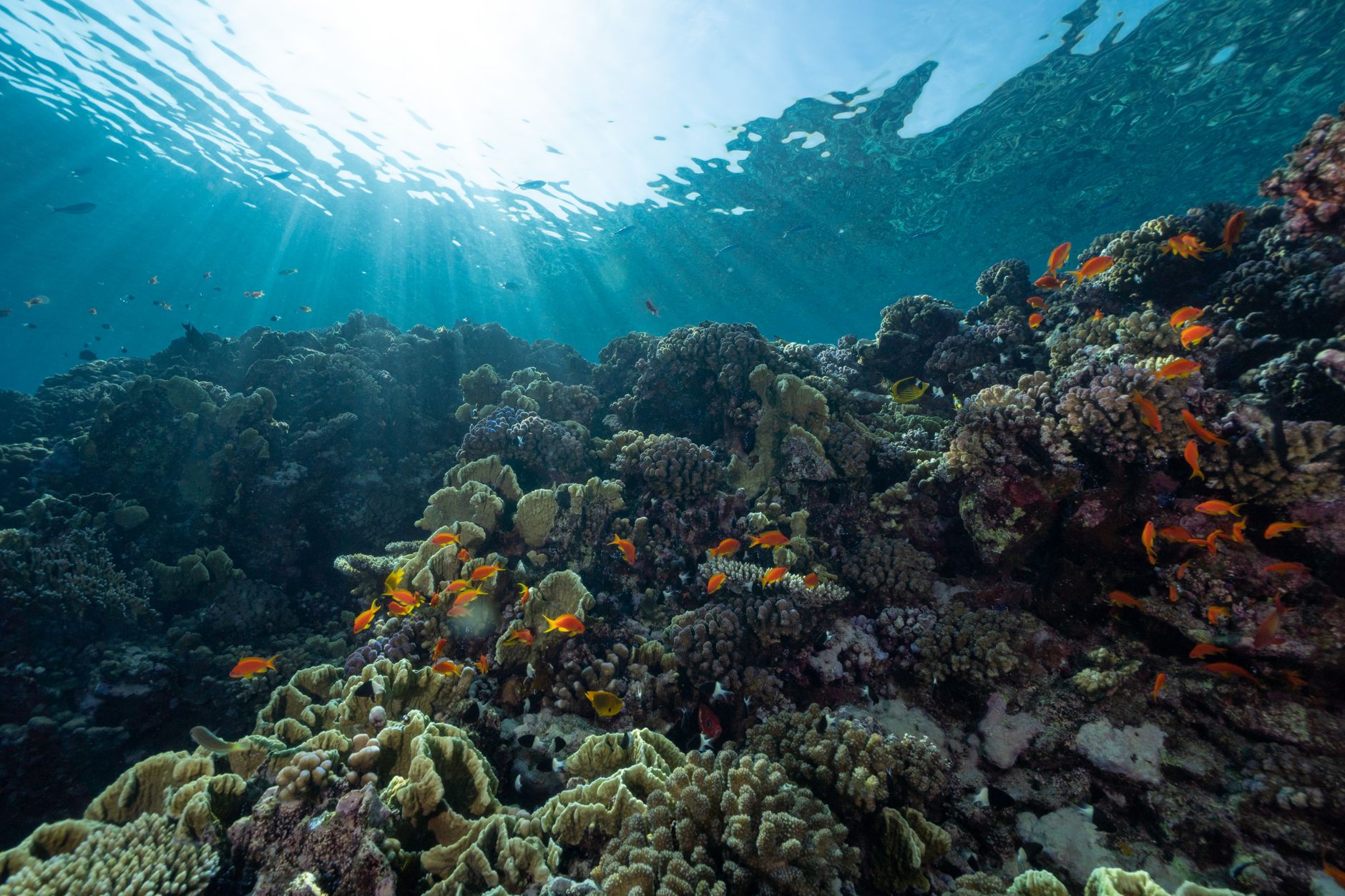
Quick Answer: Lyretail Anthias need at least a 125-gallon tank with one male and several females. Keep temperature 72-78°F, pH 8.1-8.4, and salinity 1.020-1.025. Feed 3-5 small meals daily with varied frozen food. They are reef safe but need a secure lid and a 4-week quarantine. Lyretail Anthias, Pseudanthias squamipinnis, are among the most colorful and active fish you can add to a large saltwater aquarium. The males show vivid pink, orange, and purple hues with a dramatic lyre-shaped tail. Females are typically orange to gold. They are not beginner fish, but they reward experienced keepers with constant motion and social behavior. Before buying one, understand that their needs differ from common clownfish or green chromis. ...

August 15, 2026 · 12 min · Jarrod Gravison
How to Care for African Dwarf Frogs: Tank Size, Diet, Compatibility

How to Care for African Dwarf Frogs: Tank Size, Diet, Compatibility

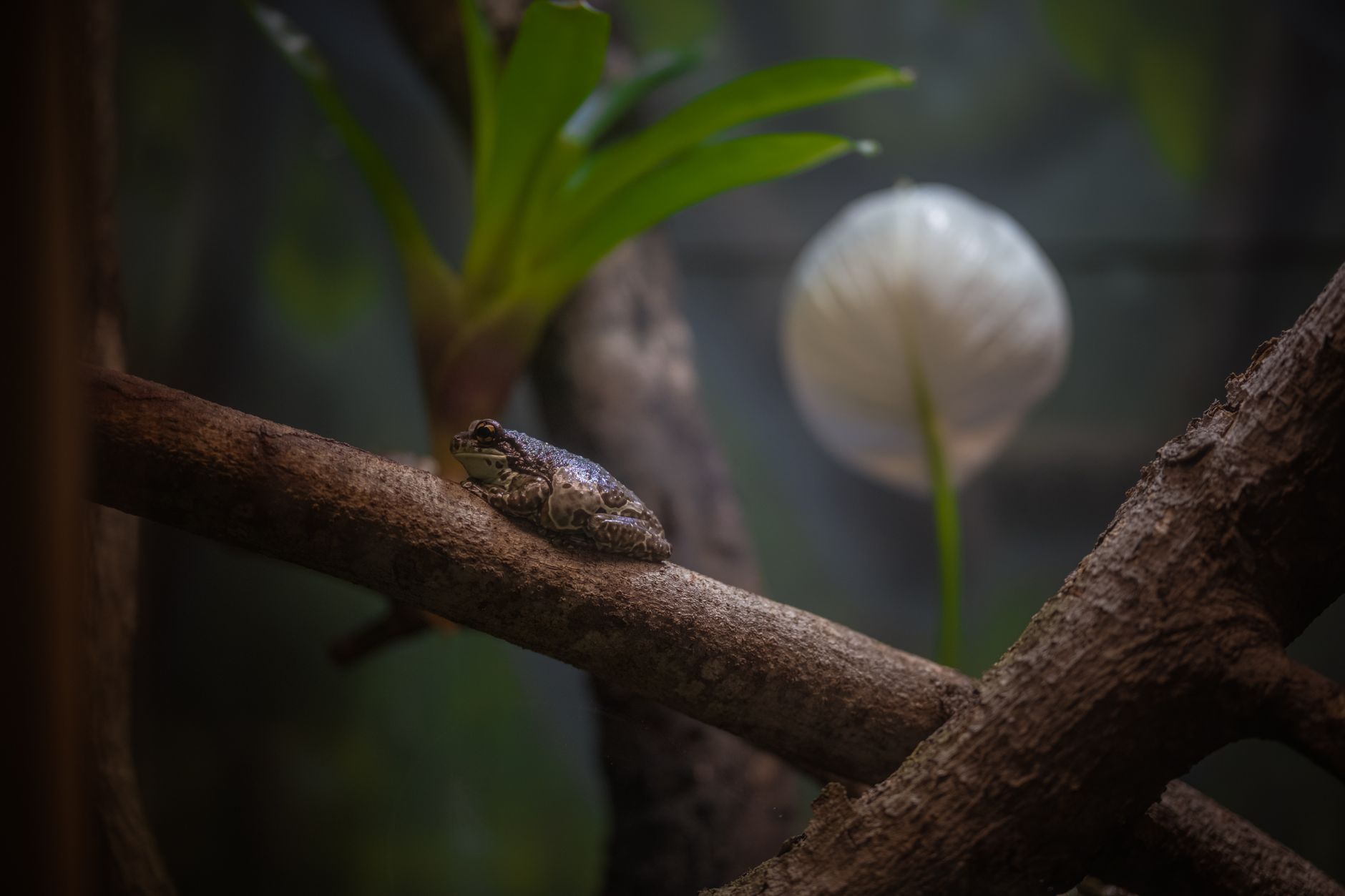
Quick Answer: African dwarf frogs need a 10-gallon or larger tank, water kept at 72-78°F, and a pH between 6.5 and 7.8. Feed sinking protein-rich foods two to three times weekly. Keep them with peaceful nano fish or in a species-only tank. Avoid aggressive or fin-nipping species. African dwarf frogs are small, fully aquatic amphibians that bring quiet activity to a freshwater tank. They grow to about 1.5 to 2.5 inches and can live five years or more with proper care. Many new keepers think they can survive in a tiny bowl. The truth is they need stable water and a cycled tank. Before bringing one home, learn the basics of the aquarium nitrogen cycle explained. A cycled tank prevents toxic ammonia spikes that can kill frogs quickly. ...

August 15, 2026 · 11 min · Jarrod Gravison
Best Fish for Beginners: 10 Easy Aquarium Species

Best Fish for Beginners: 10 Easy Aquarium Species

Quick Answer: The best fish for beginners include bettas, neon tetras, guppies, platies, zebra danios, harlequin rasboras, corydoras, cherry barbs, dwarf gouramis, and bristlenose plecos. Most need a 10-gallon cycled tank, stable temperature around 72 to 78 degrees Fahrenheit, and weekly water changes. Start with hardy schooling fish and add one species at a time. New fishkeepers often pick fish based on color, then discover the fish needed a 75-gallon tank or aggressive tankmates. That mistake kills more beginner fish than any disease. The best fish for beginners are hardy, tolerate small errors, eat standard food, and fit in common tank sizes. Aqueon’s care reference lists exact temperature and tank size requirements for many species. Keep the nitrogen cycle in mind before adding fish. A cycled tank turns toxic ammonia into safer nitrate. Without it, even the toughest fish will suffer. ...

August 15, 2026 · 15 min · Jarrod Gravison
Best Aquarium Filters 2026: Complete Buyer's Guide

Best Aquarium Filters 2026: Complete Buyer's Guide

Quick Answer: The best aquarium filter for most tanks in 2026 is a hang-on-back or canister sized for at least 4x tank volume per hour. For a 20-gallon freshwater tank, the AquaClear 50 works well. Sponge filters suit breeding and shrimp tanks. Match flow to tank size and bioload. An aquarium filter is the single most important piece of equipment you will buy. It moves water, traps debris, and houses the beneficial bacteria that convert ammonia into nitrite and then nitrate. Without adequate filtration, fish waste accumulates quickly and water quality collapses. If you are new to fishkeeping, start with our aquarium nitrogen cycle guide to understand why biological filtration matters. A good filter does more than clear cloudy water. It creates a stable environment for fish, plants, and invertebrates. In 2026, the best filters balance high flow, quiet operation, and easy maintenance. You should expect a filter to run 24 hours a day, every day, so reliability is non-negotiable. ...

August 15, 2026 · 11 min · Jarrod Gravison
Betta splendens betta fish

How to Care for Betta Fish: Tank Size, Diet, and Compatibility

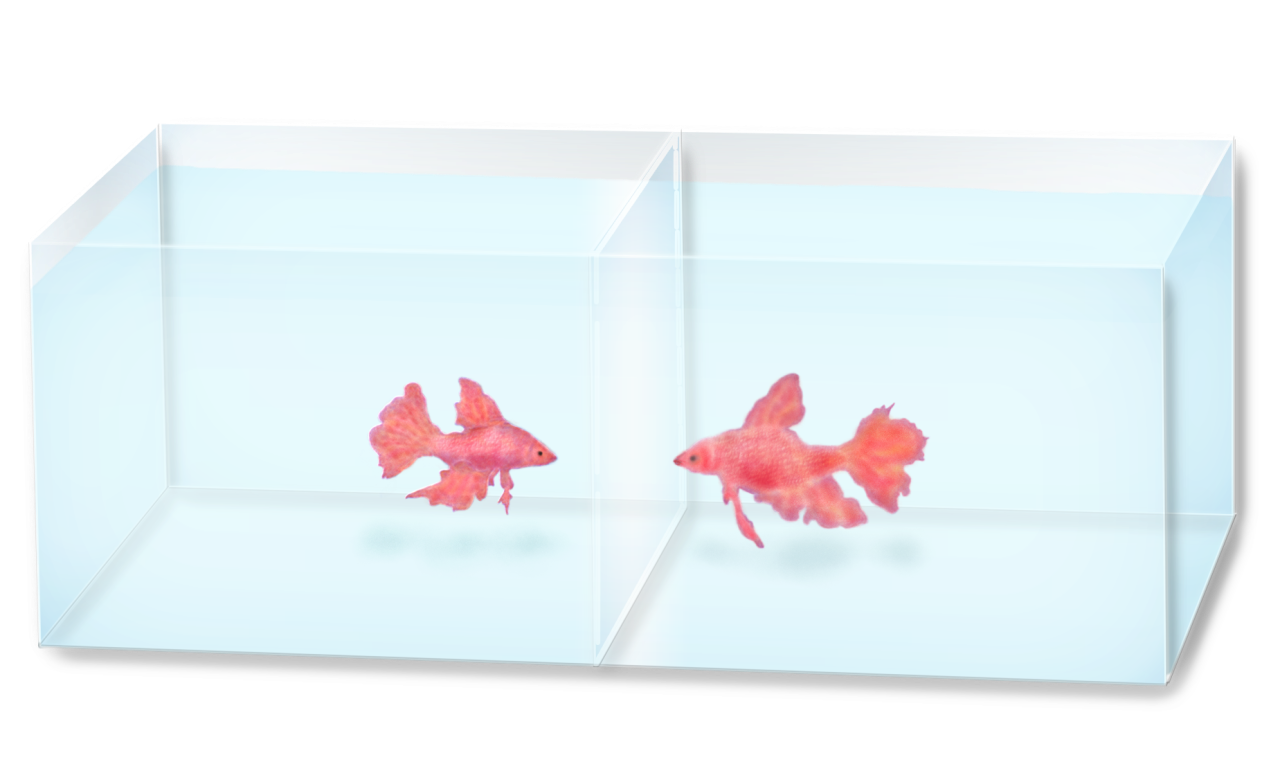
Quick Answer: Betta fish need at least a 5-gallon heated and filtered tank with water kept between 78-80°F (25.5-26.7°C). Feed small high-protein meals daily and choose peaceful tank mates like snails or small, calm fish. Avoid bowls, overfeeding, and aggressive or fin-nipping species. Betta fish, also called Siamese fighting fish, are among the most popular freshwater species in the aquarium hobby. Their bright colors and flowing fins draw new fishkeepers in. Still, many bettas suffer in tiny bowls and unheated tanks because common advice misses what they actually need. A betta is a tropical fish with specific space, temperature, and diet requirements. Getting the basics right from the start prevents most of the health problems these fish develop. Use these steps before you bring a betta home. ...

August 15, 2026 · 13 min · Jarrod Gravison
Pterophyllum scalare angelfish

How to Care for Angelfish: Tank Size, Diet, and Compatibility

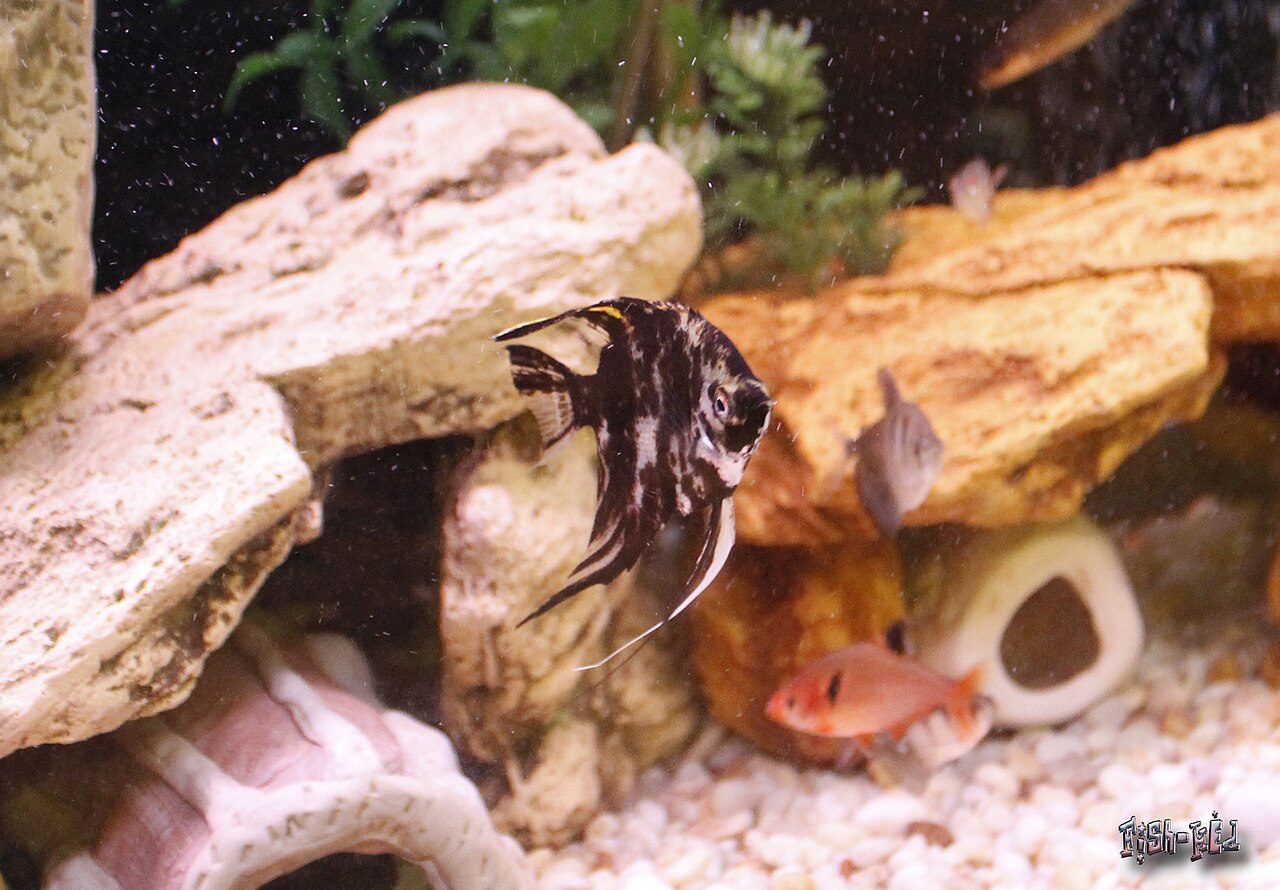
Quick Answer: Care for angelfish by providing at least a 20-gallon tank for a pair, keeping water at 78 to 82 degrees Fahrenheit with a pH of 6.5 to 7.5, feeding a varied omnivore diet, and choosing peaceful tank mates. Cycle the tank first, change 20 to 30 percent of water weekly, and watch for aggression. Angelfish are one of the most recognizable freshwater fish in the hobby. Their tall, triangular bodies and long trailing fins make them stand out in any planted tank. Still, new keepers often underestimate how much space and attention these cichlids need. A pair may look small at the store, but adult angelfish can grow up to 6 inches long and 8 inches tall. Before you bring one home, you need to plan the right environment from day one. Proper care begins with understanding the aquarium nitrogen cycle explained so your tank can handle their waste. ...

August 15, 2026 · 12 min · Jarrod Gravison
How to Care for Silver Dollar Fish: Tank, Diet, Compatibility

How to Care for Silver Dollar Fish: Tank, Diet, Compatibility

Quick Answer: Silver dollars need a 75-gallon tank for a school of five or more. Keep water at 75-82°F with pH 6.0-7.5. Feed mostly plant-based foods like spirulina flakes and blanched zucchini. Choose peaceful, similarly sized tank mates. Provide strong filtration and open swimming space. Silver dollars are one of the most recognizable freshwater fish in the aquarium hobby. Their round, metallic bodies and schooling behavior make them a striking addition to large community tanks. Many fishkeepers buy them as small juveniles without realizing how big they get. This guide covers tank size, diet, and compatibility details you need before you bring them home. Understanding their adult needs will save you from costly setup mistakes and stressed fish. ...

August 14, 2026 · 11 min · Jarrod Gravison
Synchiropus splendidus mandarinfish

How to Care for Mandarin Fish: Tank Size, Diet, and Compatibility (2026)

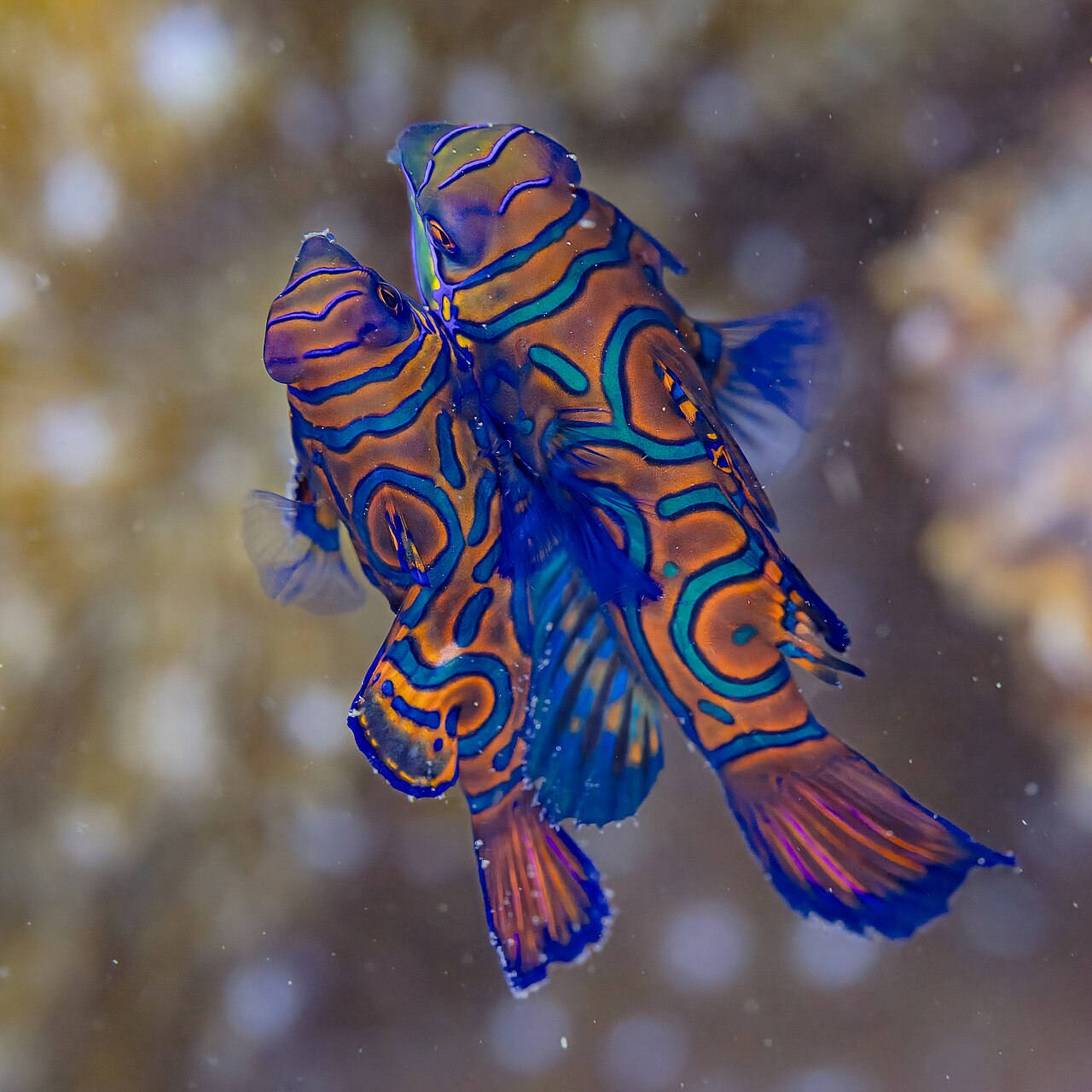
Quick Answer: Mandarin fish need an established tank of at least 75 gallons with a mature copepod population. Keep water at 76-80°F and pH 8.1-8.4. Feed live pods and enriched brine shrimp. Choose peaceful tank mates. Without a refugium and steady live food, this fish will starve. The mandarin fish (Synchiropus splendidus), often called the mandarin dragonet or mandarin goby, is one of the most colorful fish in the saltwater hobby. Its swirling blue, orange, and green patterns stop people mid-stride at aquarium stores. That beauty comes with a strict care requirement. You cannot treat this fish like a typical community fish. A successful mandarin starts weeks or months before you bring one home. ...

August 14, 2026 · 11 min · Jarrod Gravison
How to Care for Flame Hawkfish: Tank Size, Diet, and Compatibility

How to Care for Flame Hawkfish: Tank Size, Diet, and Compatibility

Quick Answer: Flame hawkfish need at least a 30-gallon tank with a secure lid, 72-78°F water, pH 8.1-8.4, and specific gravity 1.020-1.025. Feed them meaty foods like mysis shrimp once or twice daily. Keep them with larger peaceful fish and be cautious with small ornamental shrimp. The flame hawkfish (Neocirrhites armatus) is one of the most recognizable small saltwater fish in the trade. It has a bright red body, a dark stripe through the eye, and dark markings along the dorsal fin. That bold look is why many reef keepers want one. But this fish is more than color. It spends much of its day perched on rockwork, watching the tank like a small hawk. If you are considering a flame hawkfish, you need to understand its behaviors before you buy. For a comparison with a similar species, see our longnose hawkfish care guide. ...

August 14, 2026 · 11 min · Jarrod Gravison
How to Care for Green Spotted Puffer Fish (2026 Guide)

How to Care for Green Spotted Puffer Fish (2026 Guide)

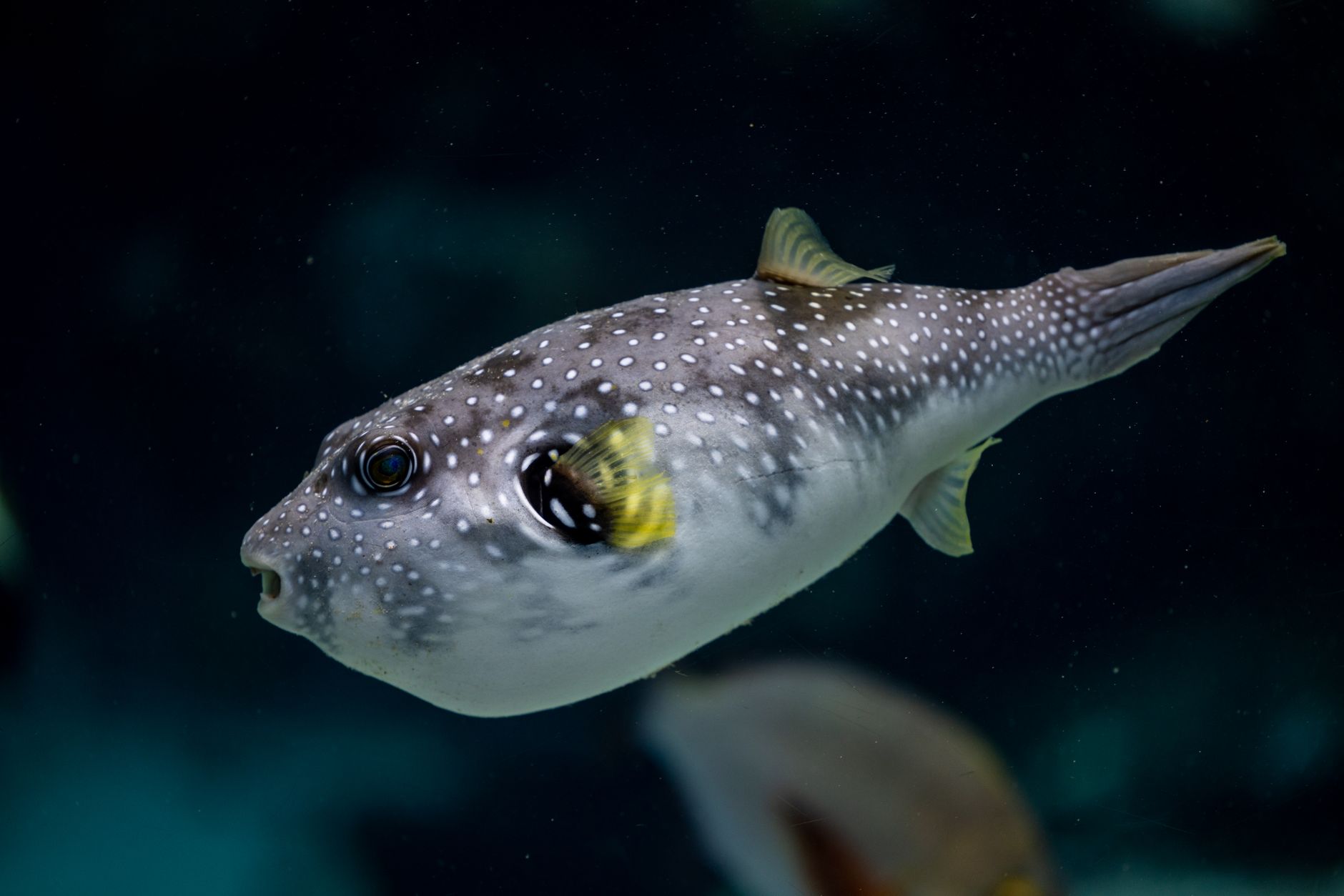
Quick Answer: A green spotted puffer needs at least 30 gallons, brackish water with marine salt, 78-82°F, pH 7.5-8.5, and a shell-heavy meat diet to trim ever-growing teeth. These active, aggressive fish usually do best alone. Start at low salinity and raise it slowly as the fish grows. Green spotted puffers (Dichotomyctere nigroviridis, formerly Tetraodon nigroviridis) look adorable with their bright green spots and expressive eyes. But they are not beginner fish, despite often being sold as freshwater puffers. This guide walks through the exact setup, feeding, and compatibility choices that keep one thriving in 2026. Aqueon lists a 30-gallon minimum, which is a helpful starting point but not the final answer for most keepers. ...

August 14, 2026 · 11 min · Jarrod Gravison
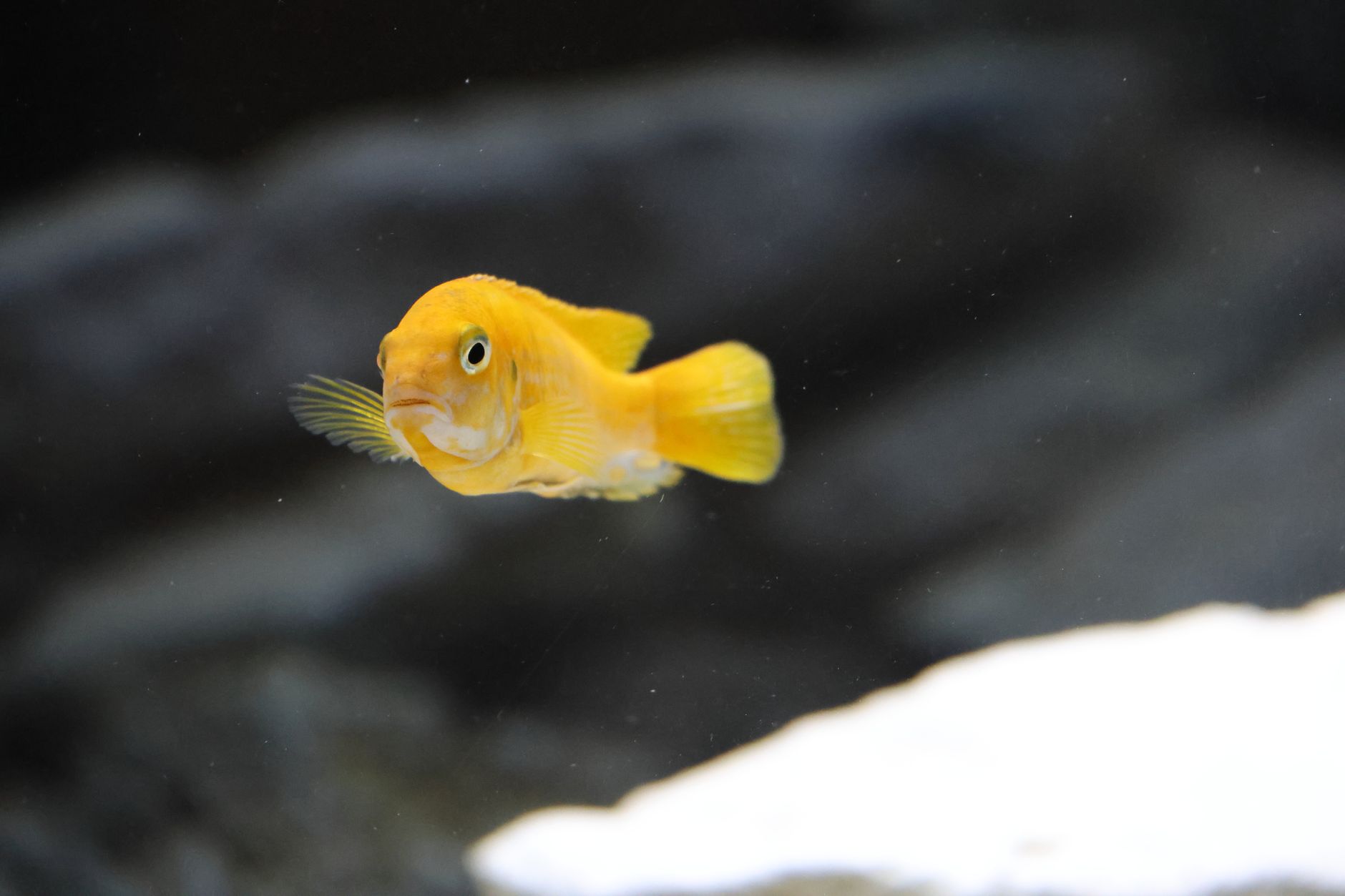
How to Care for Electric Yellow Cichlids: Tank, Diet, Compatibility

How to Care for Electric Yellow Cichlids: Tank, Diet, Compatibility

Quick Answer: Electric yellow cichlids need a 55-gallon or larger tank, 76-82°F water, pH 7.8-8.6, and a diet with plant matter and some protein. Keep them with other mbuna or peaceful African cichlids, not with small community fish. They reach 4-5 inches and need rockwork. Electric yellow cichlids are one of the most recognizable mbuna from Lake Malawi. Their scientific name is Labidochromis caeruleus, but most fishkeepers call them yellow labs. They have bright yellow bodies and black dorsal fin accents. They are relatively peaceful for mbuna, but they still need proper space and structure. According to Aquarium Co-Op, mbuna cichlids do best in groups with lots of rockwork. This guide covers how to set up the right tank. If you are comparing species, see the peacock cichlid care guide for another Malawi option. ...

August 14, 2026 · 11 min · Jarrod Gravison
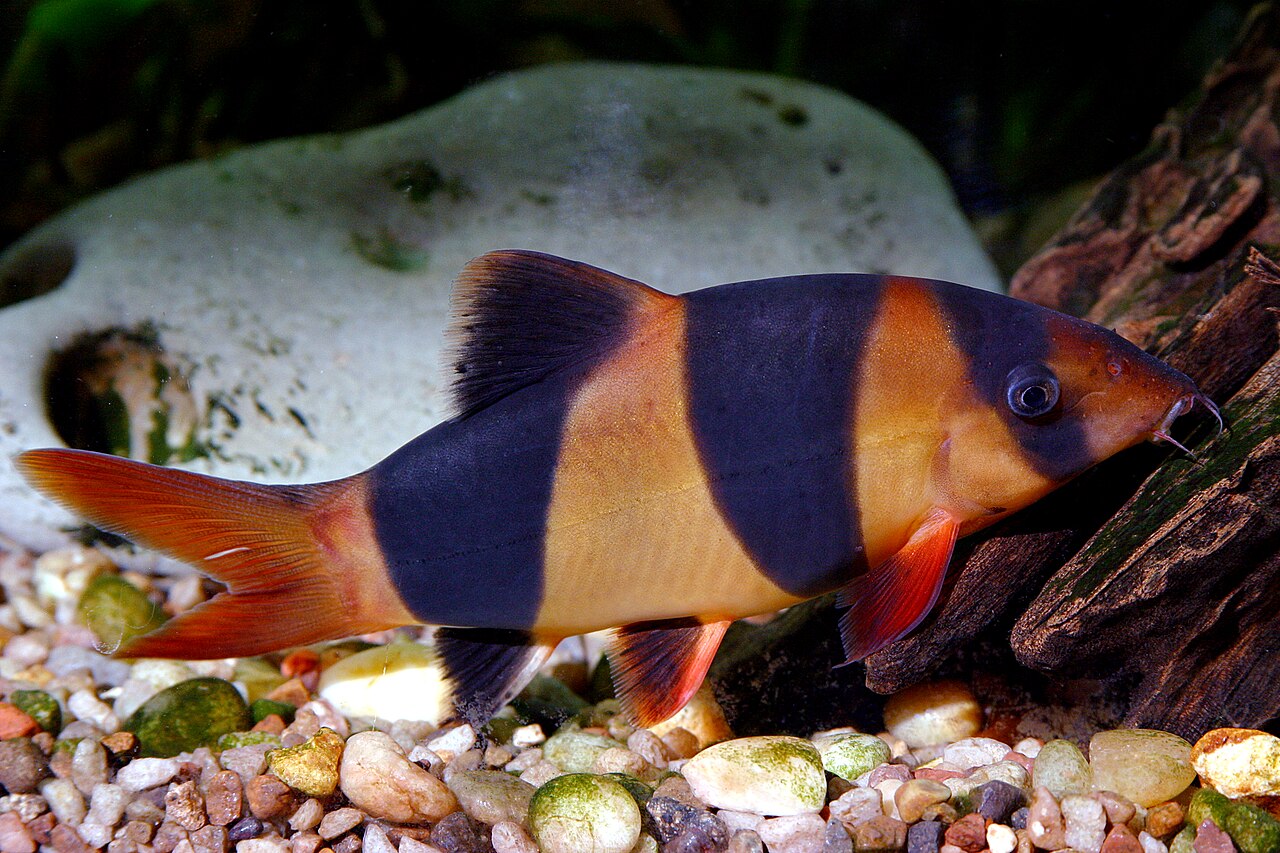
Chromobotia macracanthus clown loach

How to Care for Clown Loaches: Tank Size, Diet, and Compatibility (2026)

Quick Answer: Clown loaches need a 75-gallon or larger tank for a group of at least five. Keep water at 75-86°F with pH 6.0-7.5. Feed them sinking wafers, frozen foods, and snails. They grow to 12 inches and live over 10 years. Clown loaches are among the most recognizable freshwater fish in the hobby. Their bright orange bodies and bold black bands make them stand out in any tank. Despite their popularity, many fishkeepers misunderstand their needs. These fish grow large, live a long time, and demand stable water quality. If you are researching this species before buying, you are already ahead of most new owners. This guide focuses on practical clown loach care for 2026. ...

August 14, 2026 · 12 min · Jarrod Gravison
What Is the Aquarium Nitrogen Cycle? A Beginner's Guide

What Is the Aquarium Nitrogen Cycle? A Beginner's Guide

Quick Answer: The aquarium nitrogen cycle converts toxic fish waste ammonia into nitrite and then nitrate. Beneficial bacteria in your filter do this work. A new tank needs 4 to 6 weeks to grow enough bacteria. Test ammonia and nitrite daily. Only add fish when both read zero. Every new aquarium begins as a clean glass box. That clean box becomes a toxic environment within days if you add fish too soon. Fish produce waste constantly. Uneaten food and decaying plant matter add more waste. Bacteria break down that waste into ammonia. Ammonia is invisible, odorless in low concentrations, and highly toxic to fish. In a mature aquarium, beneficial bacteria convert ammonia into safer compounds. A brand new tank has almost none of those bacteria. The process that builds them is the aquarium nitrogen cycle. It is the most important biological process you will manage as a fish keeper. ...

August 14, 2026 · 12 min · Jarrod Gravison