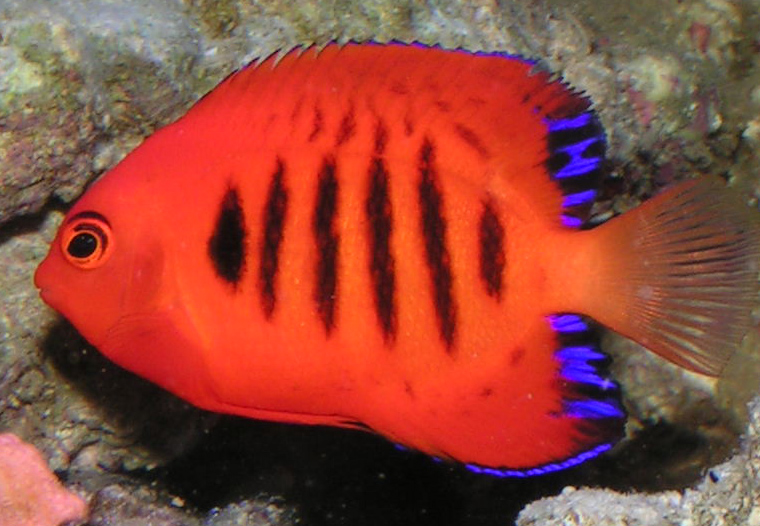
The flame hawkfish (Neocirrhites armatus) is one of the most recognizable small saltwater fish in the trade. It has a bright red body, a dark stripe through the eye, and dark markings along the dorsal fin. That bold look is why many reef keepers want one. But this fish is more than color. It spends much of its day perched on rockwork, watching the tank like a small hawk. If you are considering a flame hawkfish, you need to understand its behaviors before you buy. For a comparison with a similar species, see our longnose hawkfish care guide.
Flame hawkfish are generally hardy, but they are not a set-and-forget fish. They need stable water quality and the right tank structure. They also have a well-known appetite for small crustaceans. That makes them a mixed fit for some reef tanks. Still, many aquarists keep them in reef displays with corals and larger fish without issue. The trick is planning ahead. This guide covers setup, feeding, compatibility, and health so you can avoid common problems.
This 2026 guide uses advice from established aquarium resources. Aqueon points out that marine fish do best with stable temperature and salinity ranges. Aquarium Co-Op repeatedly stresses quarantine and observation for new fish. We also link to our own care guides when you need more detail on tank mates or equipment. By the end, you will know exactly how to keep a flame hawkfish healthy and engaged in your saltwater tank.
What You’ll Need
- 30-gallon or larger saltwater aquarium with secure lid
- Live rock and coral-safe decorations
- Saltwater test kit for ammonia, nitrite, nitrate, pH, and salinity
- Heater and thermometer
- Moderate powerhead or wavemaker
- Quarantine tank with filter and heater
- Meaty frozen foods and marine pellets
How Do You Care for Flame Hawkfish?
- Set Up the Right Tank Size and Aquascape
Start with a 30-gallon tank as the minimum for a single flame hawkfish. An adult flame hawkfish reaches about 3.5 to 4 inches long, but it needs horizontal rock space more than open water. A 40-gallon or larger setup is better if you plan to keep it with other fish. This gives the hawkfish several perching spots and reduces territorial squabbles. If you are still comparing systems, our list of best beginner fish tanks can help you pick a reliable base.
Build the aquascape around live rock caves, ledges, and flat shelves. Flame hawkfish do not patrol the open water like tangs. They prefer to sit on a rock and scan the tank for food. Arrange the rock so there are multiple lines of sight. That way the fish can perch in different areas without constant confrontation. Leave open sand space in the front so you can observe it easily.
Use a dependable heater to hold temperature steady and add a moderate powerhead for flow. Flame hawkfish tolerate a range of current, but they do not like being blasted off their perch. Aim for gentle to moderate movement across the rockwork. I have had good results with Check the Eheim Jager Aquarium Heater on Amazon paired with an adjustable wavemaker. Set up the tank for at least a few weeks to establish the biofilter before adding the fish.

- Lock In Stable Water Parameters
Flame hawkfish need stable saltwater conditions. Keep temperature between 72 and 78 degrees Fahrenheit. Maintain pH between 8.1 and 8.4 and specific gravity from 1.020 to 1.025. Ammonia and nitrite must stay at 0 ppm. Nitrate should stay below 20 ppm. These are not extreme values, but the fish reacts poorly to sudden shifts. Aqueon recommends checking marine parameters regularly because stability prevents stress.
Use a quality saltwater test kit at least once a week for new systems. Check ammonia, nitrite, nitrate, pH, and salinity. This habit catches problems before a fish shows symptoms. A good option is Check the API Saltwater Master Test Kit on Amazon. Understanding the cycle also helps. You can review the aquarium nitrogen cycle explained to see why ammonia spikes are so dangerous.
Acclimate the fish slowly. Float the bag for 15 minutes, then drip water from the tank into the bag for 30 to 45 minutes. This reduces shock from differences in temperature, pH, and salinity. Never pour bag water into the display. After acclimation, use a net or container to transfer the hawkfish.
- Add a Secure Lid and Moderate Water Flow
Flame hawkfish are excellent jumpers. They often stay low, but a sudden light flash or a net entering the water can send them straight up. Use a tight-fitting lid or a mesh screen top. Any gap around equipment is enough for a 4-inch fish to slip through. Check the lid daily if you have an auto feeder or external filters.
Moderate water flow works best. Hawkfish do not need reef-crest surge, and they are not built for constant high-speed swimming. Place the powerhead so current moves across the rock ledges, not directly at the favorite perch. A steady but moderate current helps deliver food particles and keeps detritus suspended long enough for filtration.
Good filtration and surface agitation support oxygen exchange. A hang-on-back filter, canister filter, or sump all work as long as it is sized for the tank. If you need a comparison, our rundown of best aquarium filters 2026 explains different options. Keep the lid clean because salt creep and moisture can block gas exchange over time.
- Feed a Meaty, Varied Diet
Flame hawkfish are carnivorous ambush predators. Offer meaty foods like mysis shrimp, enriched brine shrimp, chopped krill, and small pieces of squid. Feed small amounts once or twice daily. A good prepared food can make feeding easier. Check the Omega One Marine Pellets on Amazon contains quality marine ingredients and sinks slowly.
Variety matters. Do not feed only one frozen item. Rotate between mysis, brine, chopped seafood, and high-quality marine pellets. This prevents nutritional gaps and keeps the fish interested. You can also soak frozen food in a vitamin supplement once or twice a week. Remove any uneaten food after a few minutes to keep nitrates from creeping up.
Watch the fish eat. A healthy flame hawkfish should dart out for food and return to its perch. If it ignores food for more than a day, check water parameters and look for signs of disease. Overfeeding is common, so start with a small pinch and add more only if it finishes everything. Excess food breaks down quickly in saltwater, which connects directly to your how often to change aquarium water routine.

- Choose Compatible Tank Mates Carefully
Choose tank mates that are large enough not to be eaten and peaceful enough not to terrorize the hawkfish. Good options include clownfish, larger gobies, dwarf angels, and some wrasses. Ocellaris clownfish are a popular match because they use the water column differently and rarely bother a perched hawkfish.
Be cautious with small, slow fish like tiny gobies, nano fish, and shrimp. A flame hawkfish may see them as food. Ornamental shrimp and small crabs are especially risky. Even well-fed hawkfish often hunt these invertebrates. If you want shrimp, accept that they may disappear. This is a key part of planning a mixed reef.
Give the hawkfish several perches so it does not have to compete for the best rock. Similar perching species can clash if space is tight. The tank should have enough visual barriers. Introduce new fish carefully and watch the first 48 hours. If the hawkfish chases constantly, you may need to rearrange rock to break up territory.
- Quarantine and Introduce the Hawkfish Safely
Quarantine is not optional for saltwater fish. A flame hawkfish can carry marine ich or flukes even when it looks healthy. Set up a separate quarantine tank with a heater, a sponge filter, and some PVC pipe for hiding. Keep the fish there for 2 to 4 weeks. This protects your display and gives the new arrival time to recover from shipping stress.
Acclimate the hawkfish to quarantine water using a slow drip. Start with a 15-minute temperature float, then drip for 30 to 45 minutes. Match salinity between the bag and the quarantine tank as closely as possible. During quarantine, observe the fish daily. Treat any disease before it enters the display. Signs of marine ich include white spots, scratching, and rapid breathing.
When it is time to move the fish to the display, acclimate again. Use a net to transfer it, and avoid adding quarantine water to the main tank. Introduce the fish after lights out if possible. This reduces initial aggression from existing fish. Keep the room lighting low for the first day and offer a small feeding the next morning.
- Watch for Common Health Issues
Learn the signs of common health issues. Marine ich (Cryptocaryon) shows up as white spots on the body and fins. Fish may scratch against rocks, breathe fast, or stop eating. Flukes can cause similar scratching and cloudy eyes. Bacterial infections may appear as red streaks or frayed fins. Catching these early gives you the best chance of treatment.
Do not treat a reef display with copper or many common medications. Copper kills invertebrates and beneficial bacteria. Move sick fish to a quarantine system before medicating. Freshwater dips can provide temporary relief for some external parasites, but they are stressful and not a cure. Always research the specific treatment before using it. You can review how to treat ich in aquarium for detailed options.
Prevention is better than treatment. Keep water quality high, avoid overstocking, and do not introduce fish without quarantine. A stressed fish is more likely to get sick. Test the water weekly and watch the hawkfish during feeding. Consistent care from day one removes most of the causes behind disease outbreaks.
- Maintain Water Quality and Tank Upkeep
Change 10 to 20 percent of the water every one to two weeks. This dilutes nitrate, replenishes trace elements, and removes dissolved organics. Use a gravel vacuum to clean small areas of sand without disrupting the whole bed. New saltwater should match the display temperature and salinity before you add it.
Clean filter media in old tank water, not tap water. Chlorine and chloramine in tap water kill the bacteria that process ammonia and nitrite. Rinse mechanical media once a month or when flow slows. Replace chemical media as directed. Do not overclean, because a stable biofilter is what keeps ammonia and nitrite at 0.
Take five minutes each day to watch the hawkfish. Note its breathing rate, color, and appetite. Daily observation helps you notice problems before they become serious. Feed only what it can consume in a few minutes. This daily routine ties together every other step in this guide.
Red Flags & Warnings
- 🚨 Do not add a flame hawkfish to an uncovered tank. These fish jump when startled, and even a small gap can let them out.
- 🚨 Keep them away from small ornamental shrimp and tiny crabs. A flame hawkfish will likely eat them, no matter how well fed it is.
- 🚨 Avoid pairing with fast, aggressive wrasse or larger predatory fish that may harass or eat the hawkfish.
- 🚨 Quarantine before adding. Flame hawkfish can arrive with marine ich or flukes even when they look clean.
- 🚨 Do not chase exact water parameter values at the cost of stability. Rapid swings are more harmful than holding a steady 1.024 instead of 1.025.
- 🚨 Never use copper-based medications in a display tank with invertebrates. Treat sick hawkfish in a separate quarantine system.
Frequently Asked Questions
What size tank does a flame hawkfish need?
A minimum of 30 gallons is recommended for a single flame hawkfish. A 40-gallon or larger tank is better if you want to keep it with other fish. The fish needs rock perches and visual barriers more than open swimming room.
Are flame hawkfish reef safe?
They usually do not bother corals, but they may eat small shrimp and crabs. Many people keep them in reef tanks with caution around ornamental invertebrates. If you want shrimp, understand that the hawkfish may see them as food.
What do flame hawkfish eat?
They are carnivorous and do best with meaty foods like mysis shrimp, brine shrimp, chopped krill, and marine pellets. Feed small portions once or twice daily. Variety helps prevent nutritional gaps.
Can flame hawkfish live with clownfish?
Yes. Clownfish and flame hawkfish usually ignore each other because they use different parts of the tank. Make sure the aquarium is at least 30 gallons and has enough rock structure to break up sight lines.
How long do flame hawkfish live?
With good care, flame hawkfish can live 5 to 10 years. Stable water quality and a varied meaty diet support a full lifespan. Avoiding stress and disease also plays a big role.
Do flame hawkfish jump?
Yes. They are strong jumpers when startled. A tight-fitting lid or mesh screen top is essential to prevent them from leaving the tank.
What Should You Remember?
- Minimum tank size: Provide at least 30 gallons with a secure lid and multiple rock perches.
- Water parameters: Keep temperature 72-78°F, pH 8.1-8.4, and specific gravity 1.020-1.025.
- Diet: Offer meaty foods such as mysis shrimp and marine pellets once or twice daily.
- Compatibility: Avoid small shrimp and crabs, and choose larger peaceful tank mates.
- Quarantine: Always quarantine flame hawkfish for 2-4 weeks before adding them to your display.
- Water quality: Maintain 0 ammonia, 0 nitrite, and nitrate below 20 ppm through regular maintenance.
- Observation: Watch for rapid breathing, white spots, or loss of appetite, and treat early.
This article is for general information only and is not a substitute for professional veterinary or aquarium specialist advice. Always research the specific needs of your fish and consult an expert before making care decisions.