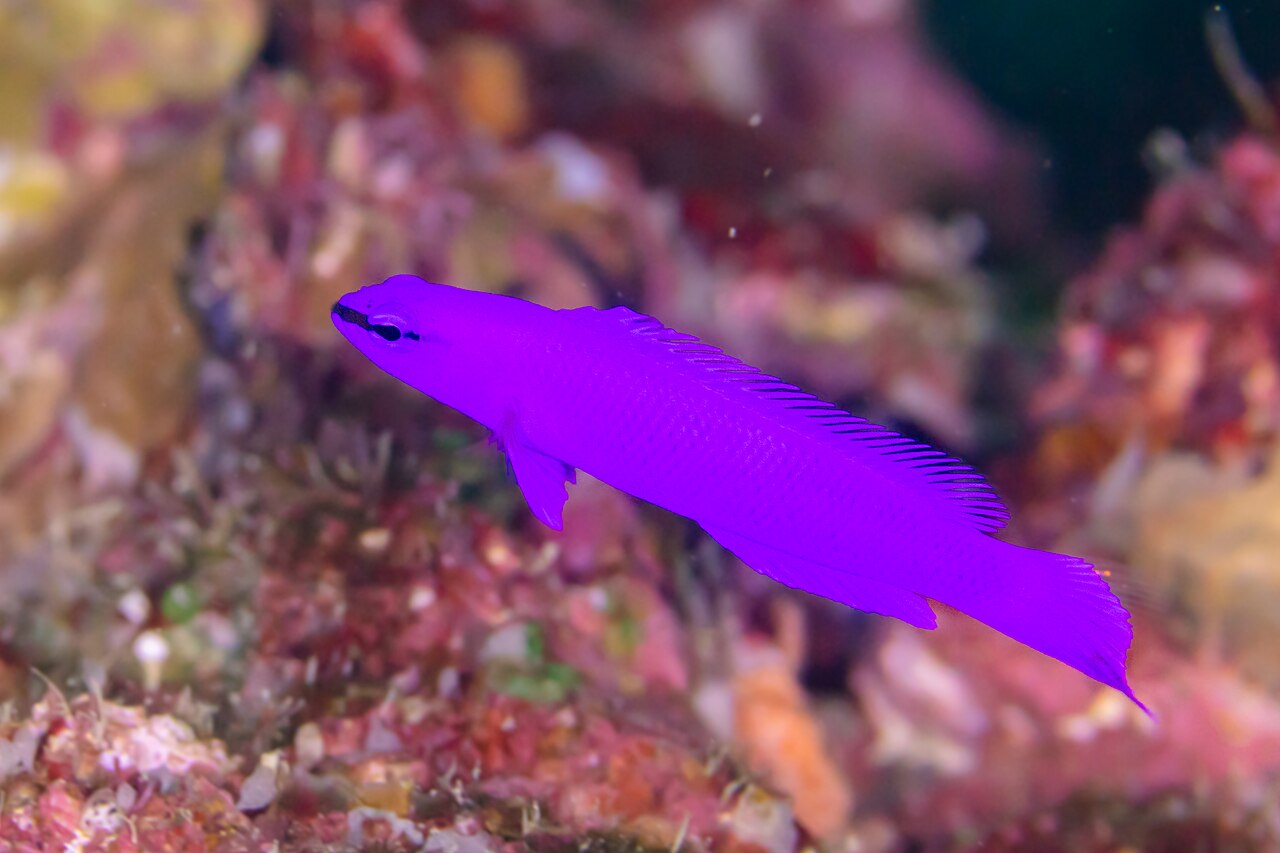
Lyretail Anthias, Pseudanthias squamipinnis, are among the most colorful and active fish you can add to a large saltwater aquarium. The males show vivid pink, orange, and purple hues with a dramatic lyre-shaped tail. Females are typically orange to gold. They are not beginner fish, but they reward experienced keepers with constant motion and social behavior. Before buying one, understand that their needs differ from common clownfish or green chromis.
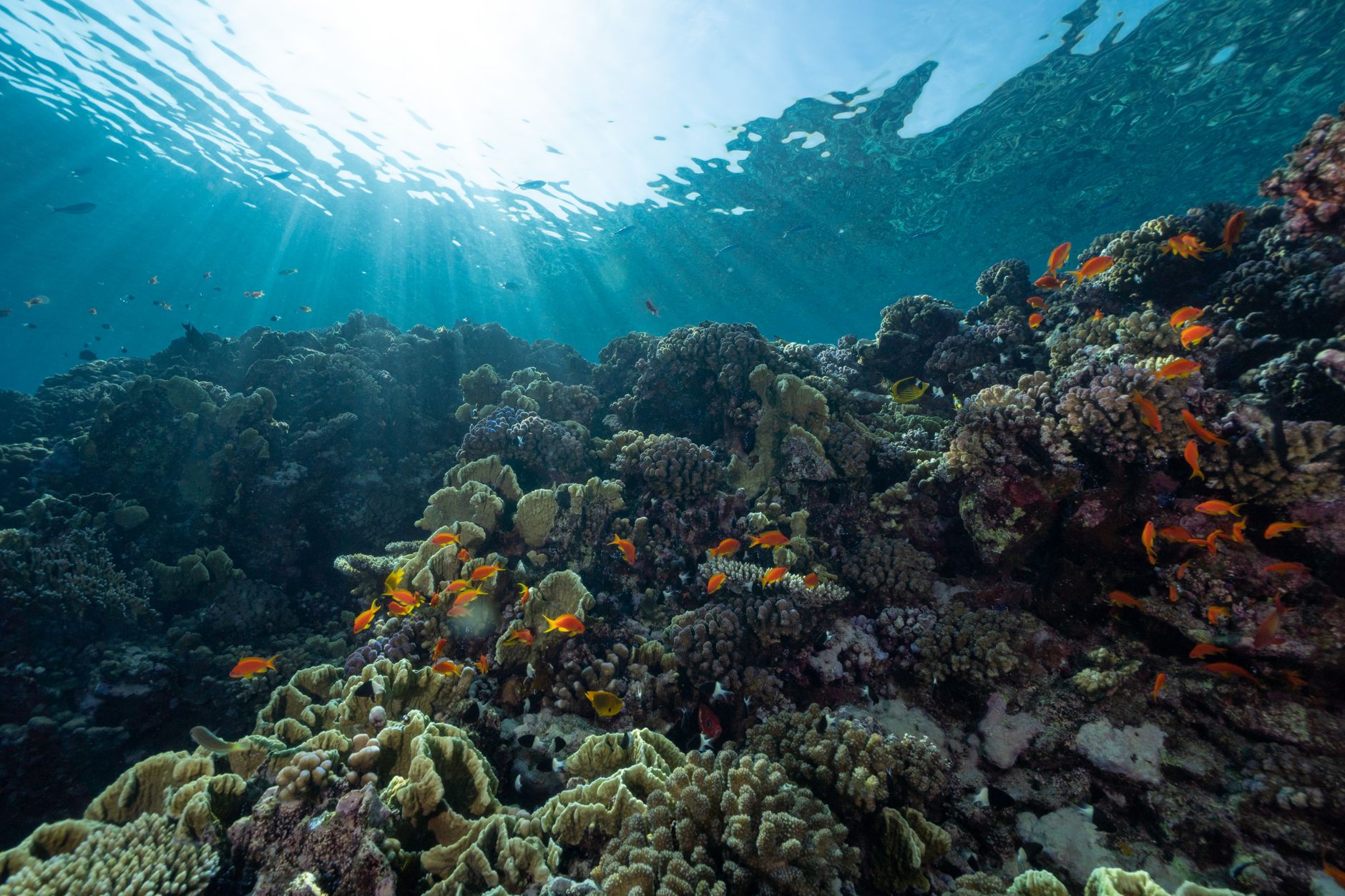
A common mistake is treating Lyretail Anthias like typical peaceful community fish. They need a large, mature system with stable water parameters, heavy feeding, and a structured social group. In the wild, they form harems over reef slopes. Recreating that social setup prevents fighting and starvation. This guide covers tank size, diet, compatibility, and maintenance.
The minimum tank size for a functional group is 125 gallons. A single female can survive in smaller tanks, but that misses the point of keeping anthias. Males can reach 5 inches and need swimming room. Groups of one male and multiple females behave more naturally. You also need robust filtration and protein skimming because you will feed this fish several times daily.
This care guide draws on established saltwater aquarium practices from Aqueon and Aquarium Co-Op. It includes specific data points for temperature, pH, tank size, and feeding. Use it alongside the aquarium nitrogen cycle explained to build a stable environment. Proper preparation prevents the two most common failures: aggression and nutritional decline. If you follow the steps below, you can keep a thriving anthias harem for years.
What You’ll Need
- 125-gallon aquarium
- Live rock and sand
- Protein skimmer
- Wavemaker or powerhead
- Heater and thermometer
- Refractometer or hydrometer
- Test kits for pH, ammonia, nitrite, nitrate
- Quarantine tank (20 gallons)
How Do You Care for Lyretail Anthias?
- Set Up a Large, Mature Aquarium
Start with a tank no smaller than 125 gallons. Lyretail Anthias are open-water planktivores that need horizontal swimming space. A standard 125-gallon tank measures 6 feet long. That length lets a harem spread out and reduces territorial squabbles. Smaller tanks force males to chase females into corners and cause stress. Some keepers try 75 gallons for a singleton, but this fish does best in a group.
Add plenty of live rock with caves, overhangs, and broken sight lines. Females need hiding spots when the male gets pushy. Build stable structures so rockfalls cannot trap fish. Cured live rock also boosts biological filtration and gives pods a home. Pods are tiny crustaceans that anthias pick at during the day. They help bridge the gap between meals.
Let the tank mature for several months before adding anthias. A new tank cannot support the microfauna and stable chemistry these fish demand. Read how to cycle a fish tank and the aquarium nitrogen cycle explained before you add any fish. A mature tank with copepods and amphipods gives newly added anthias tiny natural snacks. This reduces the chance of a stressed fish refusing food.
Include a protein skimmer and strong circulation from the start. Lyretail Anthias come from reef slopes with constant current. A skimmer removes dissolved waste from heavy feedings. Powerheads should move water at 20 to 40 times the tank volume per hour. Position pumps so there are calmer zones near rockwork for resting.

- Lock In Water Parameters and Flow
Keep temperature at 72 to 78 degrees Fahrenheit. Wild Lyretail Anthias live on Indo-Pacific reefs where the water stays warm but not hot. Use a reliable heater and a digital thermometer. Stable temperatures prevent stress and disease. Aqueon’s saltwater aquarium resources note that sudden shifts in temperature weaken marine fish. Programmable heaters can help avoid swings.
Maintain specific gravity between 1.020 and 1.025. Keep pH between 8.1 and 8.4. Alkalinity should sit between 8 and 12 dKH. These are not optional ranges. If pH drops below 8.0 or salinity swings, anthias often stop eating and become listless. Use a refractometer instead of a swing-arm hydrometer for accurate salinity checks. Check the API Saltwater Master Test Kit on Amazon for weekly pH, ammonia, nitrite, and nitrate tests.
Flow should be strong but not chaotic. Aim for 20 to 40 times the display volume per hour. Use a wavemaker or multiple powerheads to create alternating current. Anthias dart into the current to catch food. But they also need low-flow zones behind rocks to rest. If the fish are constantly fighting the current, dial back the pumps.
Choose dependable gear. The best aquarium heaters 2026 and best aquarium filters 2026 guides cover equipment that works in marine systems. Aquarium Co-Op fishkeeping guides explain why stability matters more than exact numbers. Use RO/DI water and a quality salt mix for every water change.
- Build a Harem with One Male and Multiple Females
Build a harem with one male and multiple females. Lyretail Anthias are protogynous hermaphrodites. This means the dominant female can turn into a male if the resident male dies. In the ocean, a male controls a group of females. In an aquarium, the same social structure reduces constant chasing. Never keep two males in a standard 125-gallon tank. They will fight until one is killed.
Add females first. This lets them establish hiding spots and feeding routines without a male present. Once the females are settled, add the male last. A male added first often becomes overly aggressive and may kill newcomer females. If a female transitions to male and you already have a male, remove one male. The catch is that sex changes can happen in as little as a few weeks.
For a 125-gallon tank, stock one male and four to six females. A 180-gallon tank can support one male and eight to ten females. More females spread out the male’s attention. A single female often changes sex and becomes a male. That can be fine, but a lone anthias is more skittish and harder to feed.
Quarantine every new anthias before it enters the display. A separate 20-gallon long tank works well. Treat for flukes and internal worms if you see signs. Anthias often arrive thin and stressed from shipping. Use how to treat ich in aquarium if white spots appear during quarantine. Never skip this step.

- Feed Small, Frequent Meals
Feed small meals three to five times per day. Lyretail Anthias have a very fast metabolism. In the wild, they eat zooplankton from the water column almost constantly. In a closed aquarium, one large feeding per day often leads to slow starvation. Smaller frequent meals also prevent water quality crashes. If you work away from home, use an automatic feeder for pellet drops during the day.
Offer a varied diet. Frozen mysis, brine shrimp, cyclops, and calanus are excellent options. Quality dry foods help provide balanced nutrition. Check the Reef Nutrition TDO Chroma Boost pellets on Amazon work well for anthias once they accept dry food. Check the Hikari Marine S pellets on Amazon are another solid daily option. Wean wild-caught fish onto pellets over two weeks.
Feed only what disappears in about two minutes. Overfeeding raises nitrate and phosphate. Use a turkey baster or pipette to target shy females. This keeps the male from eating everything. Some females will hide during feeding at first. Target feeding helps them learn to come out.
Automatic feeders can help on busy days. Program them to drop small pellet doses two or three times. Use sinking or slow-release pellets. Frozen food should still be fed when you are home. Heavy feeding requires strong nutrient export. Pair your feeding schedule with best aquarium filters 2026 and a good protein skimmer.

- Choose Compatible Tank Mates
Choose peaceful tank mates. Lyretail Anthias are not aggressive toward most fish, but they are easily outcompeted. Avoid large, fast, or mean fish like triggers, large angelfish, groupers, and puffers. These species will chase anthias away from food. Anthias that hide all day often weaken and die. Still, you can keep them with many reef community fish.
Good tank mates include clownfish, green chromis, bangaii cardinalfish, royal gramma, and peaceful wrasses such as the flasher wrasse. These fish have similar peaceful temperaments. They do not compete aggressively for planktonic food. Clownfish may defend a territory, but a large tank gives anthias plenty of open water.
Do not mix multiple anthias species in a 125-gallon tank. Lyretail Anthias can bully smaller anthias species. If you want to keep another anthias species, use a 250-gallon or larger system. Plan rockwork so each group has separate areas. Even then, watch for cross-species chasing.
Invertebrates are generally safe. Lyretail Anthias do not eat corals, clams, or most adult ornamental shrimp. They may eat tiny shrimp larvae, but that is rare. They are considered reef safe. Cleaner shrimp and small hermit crabs can live with them without issue.
- Quarantine and Watch for Health Issues
Quarantine every new Lyretail Anthias for at least four weeks. Use a 20-gallon long tank with PVC pipe hides and a sponge filter. Anthias commonly arrive with flukes, internal worms, or bacterial infections. Quarantine lets you treat without harming corals or invertebrates. Treat with praziquantel for flukes if needed. Some keepers also use metronidazole for internal parasites.
Watch for rapid breathing, red sores, white patches, or a fish that refuses food. Uronema is a common and often deadly infection in anthias. It appears as red or white lesions and can kill fast. Treat with formalin or chloroquine phosphate under veterinary guidance. This is not a disease to treat casually with herbal remedies.
Avoid stress from poor water quality or aggressive tankmates. Stress opens the door to ich and other parasites. If white spots appear, use how to treat ich in aquarium as a starting point. Keep oxygen levels high during any treatment. Raise flow or add an air stone to keep dissolved oxygen up.
Acclimate new arrivals slowly. Drip acclimate over 45 to 60 minutes. Temperature and salinity shock can kill anthias within days. After quarantine, add the fish to the display during dim lighting. Feed the tank well that day so established fish are less focused on the newcomer.
- Maintain Water Quality with a Strict Routine
Test nitrate and phosphate weekly. Heavy feeding raises nutrients quickly. Use a protein skimmer, a refugium, or biopellets to export waste. Keep nitrate below 20 ppm. Phosphate should stay below 0.05 ppm if you keep corals. Higher nutrients encourage algae and can stress anthias. Regular testing tells you when to adjust feeding or maintenance.
Change 10 to 20 percent of the water every two weeks. Use how often to change aquarium water to set a schedule. Match temperature and salinity before adding new water. Use RO/DI water and a quality salt mix. Large water changes make up for the heavy feeding anthias require.
Clean filter socks and the skimmer cup on a regular schedule. Vacuum the sand bed lightly. Do not disturb deep sand beds too much at once. Watch for cyanobacteria or hair algae. If algae appears, reduce feeding slightly, increase flow, and check phosphate. A refugium with macroalgae also helps.
Observe the fish daily. Count all females at feeding time. A missing female might be hiding, bullied, or dead. Remove any dead fish immediately. This prevents ammonia spikes and disease. If one female is always hiding, consider moving her to a different tank or adding more rock hides.
Red Flags & Warnings
- 🚨 Never place a single male with another male in a tank under 180 gallons. They will fight until one is killed.
- 🚨 Do not add Lyretail Anthias to a newly cycled tank. An immature system lacks the microfauna and stable chemistry they need.
- 🚨 Avoid feeding once a day. These fish have a fast metabolism and can starve even when they look active.
- 🚨 Do not skip quarantine. Anthias frequently arrive with flukes, uronema, or internal worms.
- 🚨 Watch for jumping. Lyretail Anthias are easily startled and will leap from an open tank. Use a tight-fitting lid.
- 🚨 Never use tap water without RO/DI treatment. Chlorine, chloramine, and heavy metals stress reef fish.
Frequently Asked Questions
What size tank does a Lyretail Anthias need?
A 125-gallon tank or larger is best for a harem. A single female might survive in a 75-gallon, but they do better in groups and larger tanks reduce aggression.
How many Lyretail Anthias can I keep together?
Keep one male and at least four to six females in a 125-gallon tank. A 180-gallon tank can support one male and eight to ten females. Never keep two males unless the tank is extremely large.
How often should I feed Lyretail Anthias?
Feed three to five small meals per day. Offer frozen mysis, brine shrimp, cyclops, and quality pellets. Small frequent meals match their natural zooplankton feeding.
Are Lyretail Anthias reef safe?
Yes. They do not nip corals or clams. They may eat tiny ornamental crustaceans but generally leave adult shrimp and corals alone.
Do Lyretail Anthias jump?
Yes. They are skittish and can jump when startled or chased. Use a tight-fitting lid or mesh screen.
Can a female Lyretail Anthias turn into a male?
Yes. Lyretail Anthias are protogynous hermaphrodites. If the male dies, the largest dominant female will change sex and take his place.
What Should You Remember?
- Tank volume: Provide 125 gallons minimum for one male and a group of females.
- Water parameters: Keep temperature 72-78°F, pH 8.1-8.4, and salinity 1.020-1.025.
- Harem structure: Stock one male with several females; not two males.
- Feeding frequency: Offer 3-5 small meals daily.
- Reef safety: Lyretail Anthias are reef safe and invertebrate friendly.
- Quarantine: Always quarantine new arrivals for at least 4 weeks.
- Maintenance: Perform 10-20% water changes every two weeks.
This article is for general information only and is not a substitute for professional veterinary or aquarium specialist advice. Always research the specific needs of your fish and consult an expert before making care decisions.