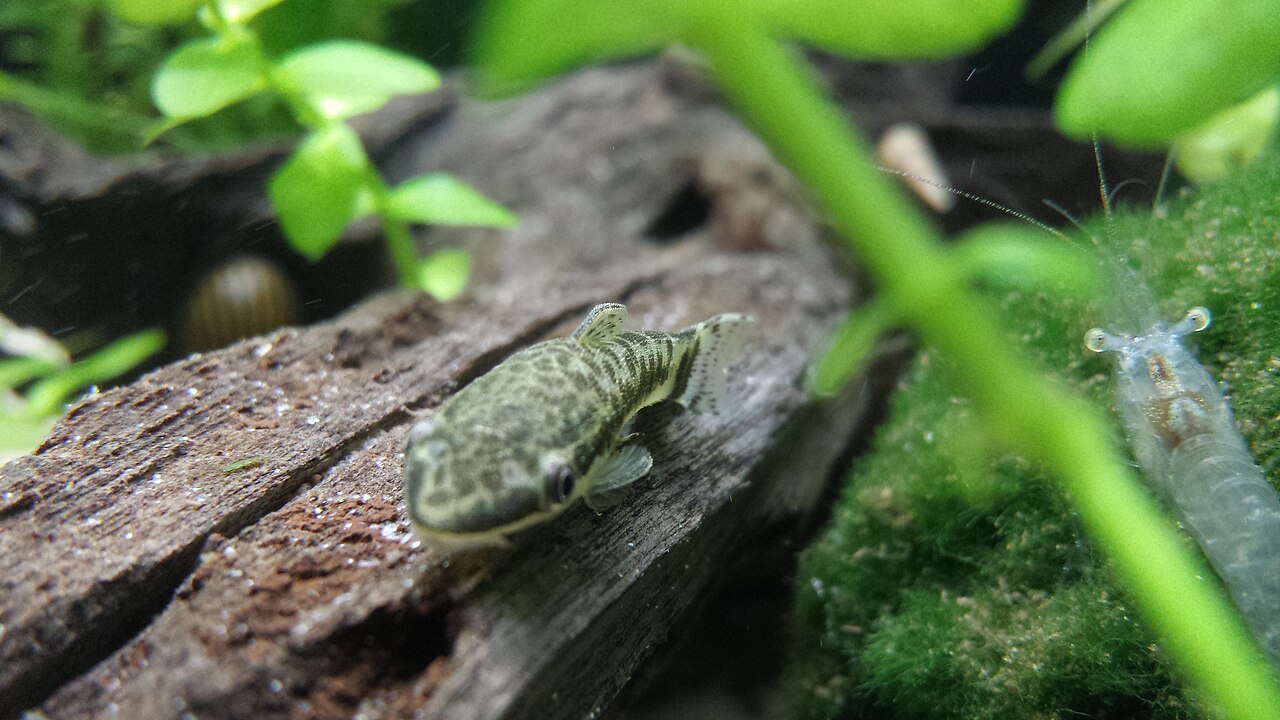
The kuhli loach is one of the most entertaining freshwater fish you can keep. Its eel-like body, striped pattern, and constant wiggling make it a favorite for planted community tanks. Still, many new fishkeepers make the mistake of treating kuhli loaches like typical bottom feeders. They are not. These fish need specific tank conditions, soft substrate, and a secure group to show their true personality. Before you bring a group home, you need to understand how to set up the aquarium correctly. Learn the basics in our guide to beginner fish tanks.
Kuhli loaches (Pangio kuhlii) come from slow-moving streams and peat swamps in Southeast Asia. Their natural habitat is full of leaf litter, tangled roots, and shaded hiding places. Because of that, they have specific care requirements. Water temperature, pH, and hardness matter a lot. Aqueon recommends keeping kuhli loaches in a well-established tank with stable parameters. If you have never kept a freshwater tropical tank, start with our aquarium nitrogen cycle guide to avoid deadly ammonia spikes.
One common myth is that kuhli loaches are shy and boring. In reality, a healthy group in the right setup becomes active, especially at dawn and dusk. They will zip around the tank, search for food, and sometimes glass surf. The catch is that they only behave this way when they feel safe. That means the right tank size, hiding spots, and compatible tank mates are non-negotiable. For a broader look at peaceful community fish, see our best fish for beginners list.
This guide covers everything you need to know to keep kuhli loaches healthy in 2026. You will learn about tank size, water parameters, diet, and choosing the right companions. We also cover common mistakes that lead to sick or stressed loaches. By the end, you will know exactly how to build a proper home for these fascinating fish.
What You’ll Need
- 20-gallon long aquarium
- Aquarium heater (adjustable)
- Gentle filter with pre-filter sponge
- Soft sand substrate
- API Freshwater Master Test Kit
- Hiding spots (driftwood, caves, plants)
- Sinking pellets and frozen foods
- Quarantine tank (10 gallons)
How Do You Care for Kuhli Loaches?
- Set Up a 20-Gallon Long Tank with Soft Sand Substrate
Start with the right aquarium size. A 20-gallon long tank is the minimum for a group of five to six kuhli loaches. The long footprint gives more bottom area, which is where loaches spend most of their time. A standard 20-gallon high tank is not ideal because it reduces floor space. If you can afford a larger tank, go bigger. A 30-gallon or 40-gallon breeder tank works even better and allows for a larger group.
Substrate choice is critical. Kuhli loaches have scale-less skin and sensitive barbels. Sharp gravel causes cuts, infections, and stress. Use soft sand or very smooth fine gravel. Pool filter sand or aquarium-specific sand works well. Avoid crushed coral or aragonite unless you need to raise pH. Kuhli loaches prefer soft, slightly acidic water, so choose an inert sand. A good option is CaribSea Super Naturals Aquarium Sand.
Add plenty of hiding spots before you add fish. Kuhli loaches need caves, driftwood, and dense plants. They will burrow, so plants with strong roots like java fern and anubias are good choices. Floating plants also help dim the light. Remember, a stressed loach hides constantly. The more cover you provide, the more you will actually see them. You can learn more about easy plants in our beginner aquarium plants guide.

- Cycle the Tank Fully Before Adding Kuhli Loaches
Kuhli loaches are sensitive to ammonia and nitrite. A new tank must be fully cycled before you add any. Cycling establishes beneficial bacteria that convert toxic ammonia into less harmful nitrate. This process usually takes four to six weeks. You can speed it up with live nitrifying bacteria products or by borrowing filter media from an established tank.
Use a reliable test kit to monitor the cycle. The API Freshwater Master Test Kit is a standard choice. You need to see ammonia and nitrite stay at zero while nitrate rises. Only then is the tank safe for loaches. If you add fish too early, they may show red gills, gasping, or sudden death. For a detailed walkthrough, read our guide on how to cycle a fish tank.
Do not rely on fish-in cycling. Some pet stores recommend using hardy fish like danios to cycle a tank. That practice stresses the fish and often leads to disease. Kuhli loaches are even more sensitive than danios. A fishless cycle is the safest method. You can find links to suitable ammonia sources online. Aqueon also recommends a fishless cycle for all new freshwater aquariums.
- Choose Peaceful, Mid-Level Tank Mates
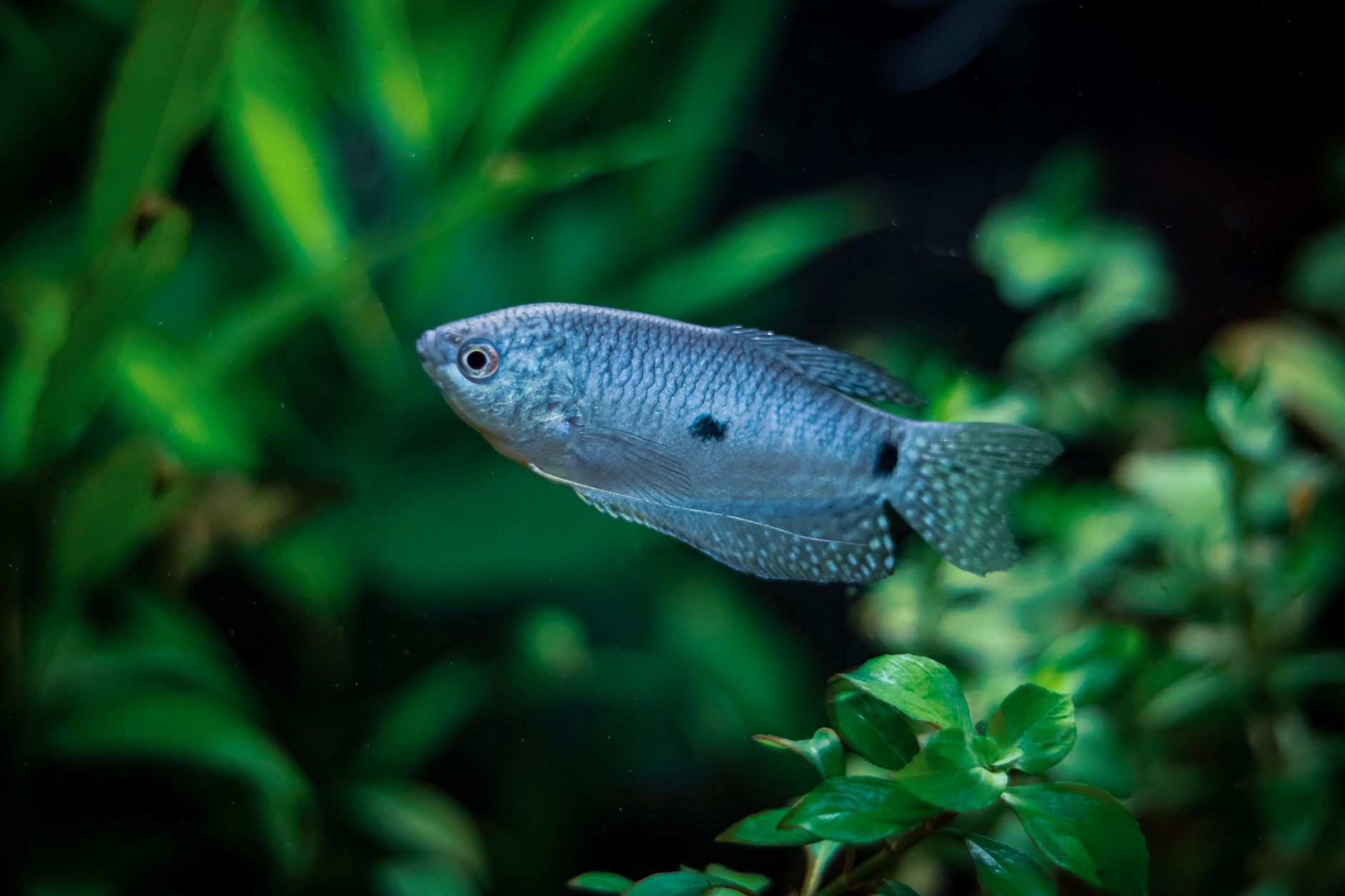
Kuhli loaches are extremely peaceful. They will not harm other fish. But aggressive or nippy fish will stress them. Avoid cichlids, large barbs, and many loaches that are boisterous. Good tank mates include small tetras, rasboras, dwarf gouramis, and corydoras catfish. For a full list of compatible species, see our corydoras care guide and neon tetra care guide.
Think about tank levels. Kuhli loaches stay on the bottom. Mid and upper level fish create less competition. Harlequin rasboras, ember tetras, and celestial pearl danios are excellent choices. Avoid bottom-dwelling fish that are territorial, like many plecos, unless the tank is very large. Even then, watch for aggression. A 20-gallon long is too small for a common pleco.
Do not keep kuhli loaches with large snails? Actually, snails are fine. But avoid aggressive shrimp like crayfish. Small snails like nerites are peaceful and help clean algae. For more community tank ideas, check our harlequin rasbora care guide.
- Maintain Stable Water Parameters
Kuhli loaches prefer warm, soft, slightly acidic water. Aim for a temperature range of 73-86°F (23-30°C). A reliable heater is essential. The Eheim Jager Aquarium Heater is a popular choice for reliability. pH should stay between 6.0 and 7.5. Hardness should be soft to moderate, around 2-10 dGH.
Sudden changes in water parameters are more dangerous than slightly off values. Always acclimate new loaches slowly using the drip method. When doing water changes, match the new water temperature and pH closely. Large pH swings cause stress and can lead to disease. Seriously Fish recommends a well-oxygenated tank with gentle water flow.
Test your water weekly. Use a liquid test kit, not test strips, for accuracy. If your tap water is very hard or alkaline, consider mixing with RO water or using botanicals like Indian almond leaves to lower pH naturally. For more on lowering pH safely, see our how to lower pH in aquarium guide.

- Feed a Varied Diet with Sinking Foods
Kuhli loaches are omnivores. In the wild, they sift through leaf litter for insect larvae, small crustaceans, and plant matter. In the aquarium, offer a mix of sinking pellets, frozen foods, and occasional live treats. Good dry foods include sinking wafers, micro pellets, and catfish pellets. Look for ingredients with whole fish or shrimp listed first.
Frozen foods are essential for conditioning. Bloodworms, brine shrimp, daphnia, and tubifex are all accepted. Feed frozen foods two or three times per week. Live blackworms or whiteworms are a special treat that triggers natural foraging behavior. Avoid overfeeding. Kuhli loaches will eat until they look bloated. A general rule is to feed only what they can consume in three to five minutes.
Because kuhli loaches are nocturnal, feed them after lights out. This prevents faster mid-water fish from eating all the food. If you notice loaches coming out during the day to eat, that is a good sign. It means they feel safe. You can buy quality sinking foods like Hikari Sinking Wafers. Rotate brands and types for a complete diet.
- Provide Hiding Spots and Dim Lighting
Kuhli loaches need many places to hide. Without cover, they become stressed, hide in the corner, and may refuse to eat. Use driftwood, caves, coconut shells, PVC pipe pieces, and dense plants. Natural decor is best. Mopani wood and spider wood work well. Soak new wood to remove tannins and to make it sink.
Live plants help a lot. Java fern, anubias, cryptocoryne, and vallisneria are easy options. They provide shade and surface area for biofilm. Floating plants like frogbit or water lettuce dim the light, which loaches appreciate. If you use artificial plants, choose silk instead of plastic. Plastic plants have sharp edges that can scratch loaches.
Kuhli loaches will also burrow into leaf litter. Adding Indian almond leaves or oak leaves gives them a natural substrate to sift through. The leaves release tannins that slightly lower pH and have antibacterial properties. For more on creating a natural setup, see our best aquarium plants for beginners.

- Perform Regular Water Changes and Maintenance
Kuhli loaches are sensitive to deteriorating water quality. Weekly water changes of 25-30% are recommended. Use a gravel vacuum to remove waste from the substrate. But be careful not to suck up a burrowed loach. Move slowly and watch for movement. Many keepers use a pre-filter sponge on the intake to prevent loaches from getting injured.
Rinse filter media in old tank water, never tap water. Tap water contains chlorine or chloramine that kills beneficial bacteria. Replace mechanical filter pads as needed, but leave biological media alone. A good canister or hang-on-back filter with adjustable flow is best. Kuhli loaches do not like strong currents. Aim for gentle to moderate flow.
Keep a regular maintenance schedule. Test nitrates before each water change. If nitrates climb above 20-40 ppm, increase water change frequency. Consistency prevents stress. Aqueon recommends a regular maintenance routine for all freshwater tanks. For more on water change frequency, see our how often to change aquarium water guide.
- Quarantine New Fish Before Adding to the Main Tank
Quarantine is not optional. New fish often carry parasites or bacterial infections. A separate 10-gallon quarantine tank is enough for a group of kuhli loaches. Observe them for two to four weeks. Treat any signs of disease before introducing them to the main display. This protects your existing fish and prevents outbreaks.
Set up the quarantine tank with a sponge filter, heater, and bare bottom or minimal sand. A bare bottom makes it easier to see waste and any parasites. Add a few PVC pipe hides to reduce stress. Feed lightly and perform small water changes daily if needed. Do not use medications unless you identify a specific problem.
Kuhli loaches are scaleless fish. Many common medications, especially those containing copper or formalin, can be harmful. Use medications labeled safe for scaleless fish or use half doses. Always research before treating. For common diseases like ich, see our how to treat ich in aquarium guide. Aquarium Co-Op has a helpful video series on quarantine protocols.
Red Flags & Warnings
- 🚨 Never use sharp gravel as substrate. Kuhli loaches have delicate barbels and scale-less skin that easily cut and infect.
- 🚨 Do not keep a single kuhli loach. They need groups of 5 or more. Solo loaches become stressed, hide constantly, and may stop eating.
- 🚨 Avoid aggressive tank mates like large cichlids, tiger barbs, or red-tailed sharks. They will nip fins and stress the loaches.
- 🚨 Never add kuhli loaches to an uncycled tank. Ammonia and nitrite spikes cause rapid health decline and death.
- 🚨 Be careful with medications. Kuhli loaches are scaleless and sensitive to copper and formalin. Use only treatments safe for scaleless fish or half doses.
- 🚨 Do not use strong powerheads or high-flow filters. Kuhli loaches come from slow-moving water and struggle in strong currents.
Frequently Asked Questions
How many kuhli loaches should I keep together?
Keep at least 5-6 kuhli loaches together. They are social fish that feel secure in groups. A single loach often hides constantly and may stop eating. A larger group spreads out activity and reduces stress.
Will kuhli loaches eat shrimp?
Kuhli loaches may eat very small baby shrimp, but adult cherry shrimp are usually safe. They are not aggressive hunters. Provide dense moss or plant cover so shrimp can hide if needed.
Do kuhli loaches bury themselves in sand?
Yes, kuhli loaches often burrow into soft sand or fine gravel. They may disappear for days. This is normal behavior. Use smooth, fine substrate to prevent scratches on their delicate skin.
What is the best substrate for kuhli loaches?
Use soft sand or very smooth fine gravel. Kuhli loaches have sensitive barbels and scale-less skin. Sharp or coarse gravel can cause cuts and infections. Sand also lets them dig and burrow naturally.
Are kuhli loaches good for a beginner aquarium?
Yes, kuhli loaches are hardy and peaceful, but they need stable water parameters and a well-established tank. A beginner should cycle the tank fully and provide soft substrate and hiding spots before adding loaches.
How long do kuhli loaches live?
With proper care, kuhli loaches can live 8 to 10 years in captivity. Stable water quality, a varied diet, and low stress from compatible tank mates all contribute to a long lifespan.
What Should You Remember?
- Tank size: 20-gallon long tank minimum for a group of 5-6 kuhli loaches.
- Water parameters: 73-86°F (23-30°C), pH 6.0-7.5, soft to moderate hardness.
- Substrate: Use soft sand or very smooth fine gravel to protect their barbels.
- Diet: Feed sinking pellets, frozen bloodworms, brine shrimp, and occasional blanched vegetables.
- Compatibility: Choose peaceful, non-aggressive tank mates that occupy mid and upper levels.
- Hiding spots: Provide caves, driftwood, leaf litter, and dense plants to reduce stress.
- Group size: Never keep a single kuhli loach. Always keep a group of 5 or more.
This article is for general information only and is not a substitute for professional veterinary or aquarium specialist advice. Always research the specific needs of your fish and consult an expert before making care decisions.