Zebra danios are some of the most active and forgiving freshwater fish you can keep. They tolerate a wide range of conditions, but that does not mean you should skip the basics. Many first-time keepers choose them because they are hardy, yet they still suffer in uncycled tanks or cramped bowls. This guide covers tank size, diet, compatibility, and more. For a quick overview of other beginner-friendly species, check our best fish for beginners article. A well-run zebra danio tank will reward you with nonstop movement and easy care.
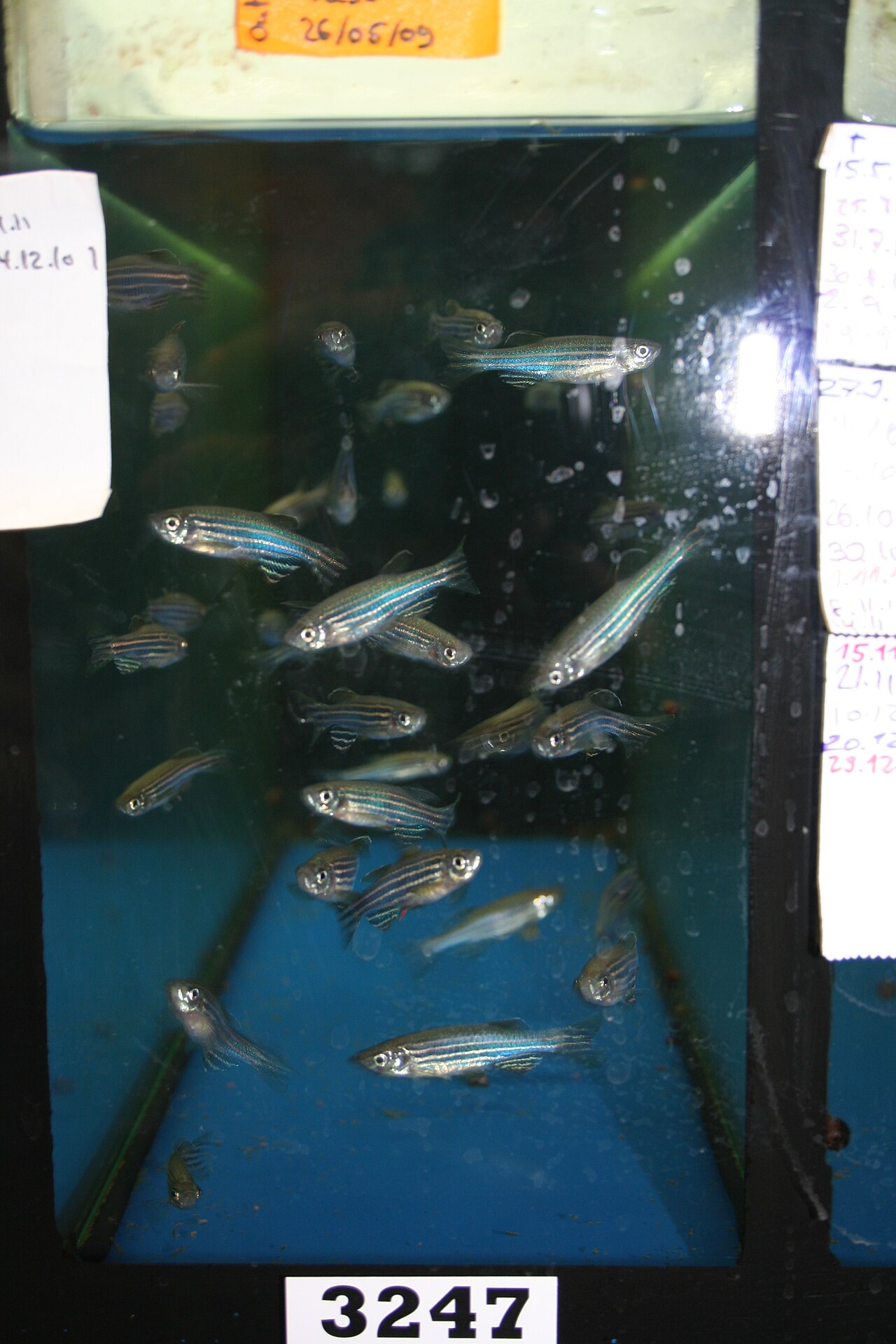
Zebra danios (Danio rerio) come from streams and rice paddies in South Asia. Their natural habitat has moderate water flow, plenty of plants, and temperatures that swing seasonally. According to the species profile at Seriously Fish, adult zebra danios usually reach 2 to 2.5 inches long. They are a shoaling species, which means they need to live in groups of at least six to feel secure. A lone zebra danio becomes stressed, hides, and may stop eating.
Many people think of zebra danios as starter fish that can live in a small tank with no heater. That is a myth. With proper care, these fish can live three to five years. A proper setup also makes them more active and colorful. The steps below explain how to set up the tank, choose tank mates, feed them well, and keep the water clean. You will also find links to related guides on cycling, filtration, and disease treatment.
What You’ll Need
- 20-gallon long aquarium
- Tight-fitting lid
- Hang-on-back or canister filter
- Aquarium heater with thermostat
- Thermometer
- API Freshwater Master Test Kit
- Water conditioner
- Gravel vacuum
- Micro pellets and frozen foods
How Do You Care for Zebra Danios?
- Choose a 20-gallon long tank or larger.
Zebra danios are not demanding about tank height, but they need horizontal swimming room. A 20-gallon long tank is the minimum I recommend for a school of six to eight danios. The standard 20-gallon long measures 30 inches by 12 inches by 12 inches. That footprint gives them enough stretch to sprint across the tank. A taller, narrower tank creates dead zones and forces them to turn constantly. If you plan to keep a larger group or add other species, start with a 29-gallon or 40-gallon breeder.
One common mistake is keeping zebra danios in a 5-gallon or 10-gallon tank. These fish are small, but they are not sedentary. In a small tank, they may become nippy or stressed. Stress leads to suppressed immune systems and disease outbreaks. For a first-time setup, a 20-gallon long is also easier to stabilize than a tiny tank. Larger water volumes dilute waste and temperature swings. You can read more about starting tanks in our best beginner fish tanks guide.
Another factor is the lid. Zebra danios are known jumpers, especially when startled. A tight-fitting lid or mesh cover is essential. Even a small gap near the filter or heater can let a fish escape. I have lost danios by leaving a corner open for a feeding hole. Use a glass or screen lid that covers the entire top. This also reduces evaporation and keeps dust out.
When selecting a tank, think about future compatibility. A 20-gallon long allows you to add small tetras, rasboras, or corydoras later. Overstocking happens quickly if you choose a small footprint. The general rule for danios is to provide at least 2 gallons per fish, but more space is always better. I recommend starting with a 20-gallon long even if you only want danios. It is the most affordable size that provides healthy swimming area.

- Set up water parameters and decor.
Zebra danios are adaptable, but they do best in stable conditions. Keep the water temperature between 64°F and 75°F (18°C to 24°C). This is lower than many tropical community tanks. A reliable heater with a thermostat helps prevent nighttime drops. For colder rooms, set the heater to 72°F. For warmer rooms, you may not need a heater at all, but I prefer one for consistency. The pH should stay between 6.5 and 7.5, and hardness between 5 and 12 dGH.
Filtration should provide moderate flow. Zebra danios come from flowing streams, so they enjoy swimming against a current. A hang-on-back filter or a small canister filter works well. You do not need strong powerheads. Aim for a filter rated for at least twice the tank volume per hour. For a 20-gallon long, choose a filter rated for 40 gallons per hour or more. Our guide to best aquarium filters 2026 lists solid options. Make sure the intake has a sponge or pre-filter to protect small fish.
Decor should include live or silk plants along the back and sides. Leave an open swim lane in the front middle. Zebra danios do not hide much, but they appreciate breaks in line of sight. Driftwood and smooth rocks add natural structure. Avoid sharp plastic plants that can tear fins. A dark substrate makes their stripes stand out. You can also add floating plants to diffuse light. The goal is a simple open layout with some cover. This reduces stress and encourages natural shoaling.
Lighting is not a major concern. A standard LED light on a timer works fine. Keep it on for 8 to 10 hours per day to prevent algae. Use a water test kit to monitor ammonia, nitrite, nitrate, and pH. The API Freshwater Master Test Kit is a reliable liquid test kit. You will need it during cycling and regular maintenance. Set up the tank with dechlorinated water, then move on to cycling.
- Cycle the tank completely before adding fish.
Never add zebra danios to an uncycled tank. They are hardy, but ammonia and nitrite spikes still damage their gills. Cycling establishes beneficial bacteria that convert ammonia to nitrite and then to nitrate. This process takes four to six weeks if done from scratch. You can speed it up with bottled bacteria or filter media from an established tank. For a step-by-step method, see our guide on how to cycle a fish tank.
To cycle a tank, add a source of ammonia, such as pure ammonia or fish food. Test the water daily. You will see ammonia rise, then nitrite, and finally nitrate. When ammonia and nitrite read 0 ppm and nitrate is under 20 ppm, the cycle is complete. During cycling, keep the filter running and the heater set. Do not do large water changes unless ammonia or nitrite exceed 4 ppm. A small partial change can protect the bacteria.
Some people use zebra danios as cycling fish because they are tough. I do not recommend this. Even if they survive, they suffer burns and stress. The safer method is fishless cycling. It takes the same time and avoids animal cruelty. If you already have danios in an uncycled tank, do daily 25% water changes and add a bacterial starter. Test twice a day and use a water conditioner that detoxifies ammonia.
After the cycle completes, add fish slowly. Start with the school of zebra danios. Add six to eight at once so they feel secure. Do not dump the bag water into the tank. Float the bag for 15 minutes, then add tank water to the bag every five minutes. After 30 minutes, net the fish out and release them. This drip acclimation reduces shock. Turn off the tank lights for a few hours after adding fish.

- Choose peaceful tank mates.
Zebra danios are active but generally peaceful. They do best with other small, fast-moving fish that can keep up. Good tank mates include harlequin rasboras, cardinal tetras, and corydoras catfish. Avoid slow, long-finned fish like bettas or fancy guppies. Danios may nip at trailing fins because they mistake them for food or competition.
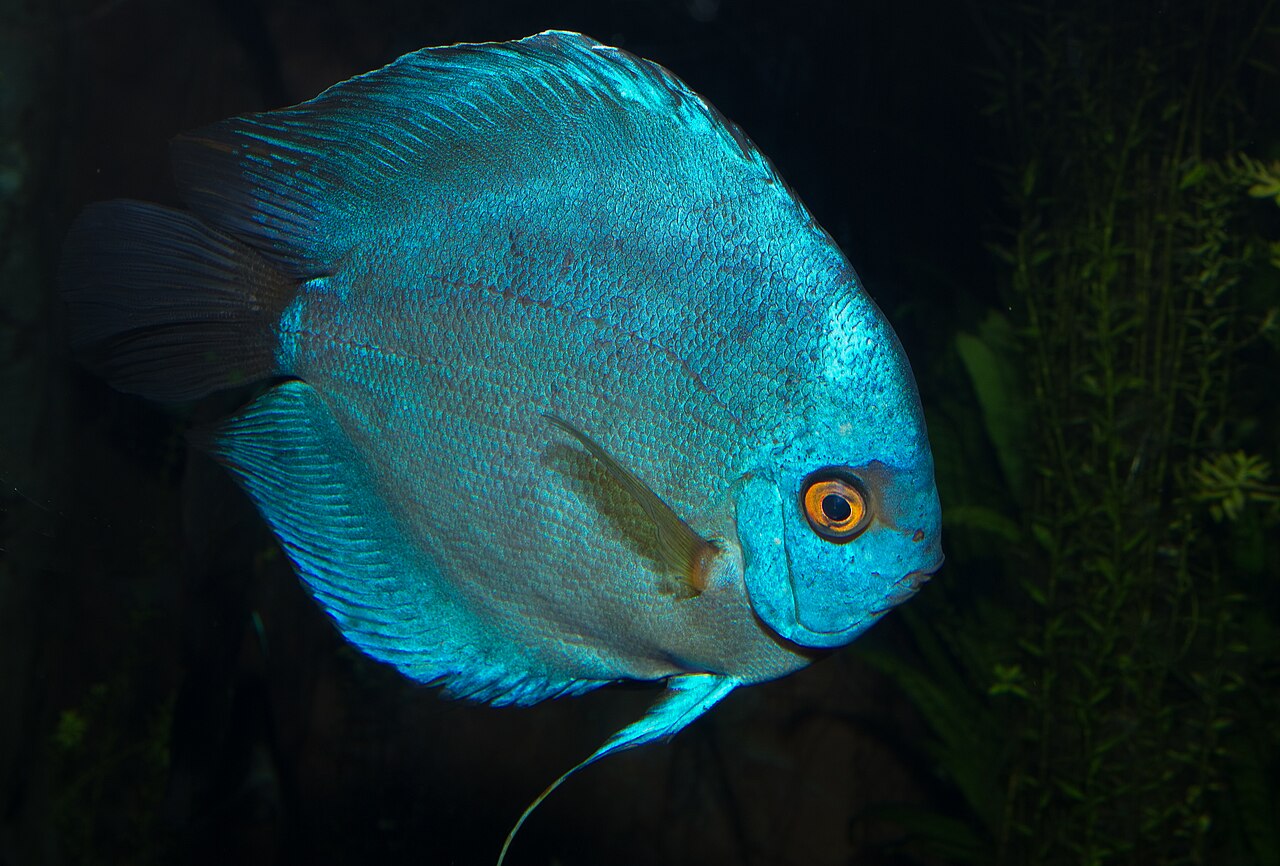
Temperature compatibility is important. Many tetras and rasboras prefer warmer water, while zebra danios do best in the low 70s°F. Harlequin rasboras and white cloud mountain minnows tolerate cooler temps. Corydoras do well in the mid 70s. If you keep the tank at 72°F to 74°F, you have a good middle ground. Do not combine zebra danios with fish that need 80°F or higher, like discus or rams.
School size matters. Zebra danios should be kept in groups of at least six. Larger schools of 10 to 12 produce more natural behavior and less nipping. The same applies to many tank mates. Keep tetras and rasboras in groups of six or more. Bottom dwellers like corydoras need groups of four to six. Overcrowding can happen quickly in a 20-gallon long. Stick to one school of danios, one school of midwater fish, and one group of bottom dwellers.
Avoid aggressive or predatory species. Cichlids, larger barbs, and angelfish can harass or eat zebra danios. Also avoid slow swimmers like fancy goldfish, which prefer cool water but produce too much waste. The Aquarium Co-Op guide on zebra danios notes that they are best kept with similarly active community fish. If in doubt, choose species that occupy different water levels and swim at similar speeds.
- Feed a varied, high-quality diet.
Zebra danios are omnivores and not picky eaters. In the wild, they eat small insects, crustaceans, and plant matter. In the aquarium, a high-quality micro pellet or flake food forms the base. Choose a food with whole fish or shrimp as the first ingredient. Avoid foods with lots of fillers like wheat. I feed Hikari Micro Pellets as a daily staple. They sink slowly and are small enough for danio mouths.
Variety prevents nutritional deficiencies. Offer frozen or live foods two to three times per week. Daphnia, brine shrimp, and bloodworms are excellent choices. You can also feed blanched vegetables like zucchini or spinach occasionally. Break the food into tiny pieces. Zebra danios feed from the surface and midwater. They rarely pick food off the bottom, so avoid overfeeding sinking foods that rot in the substrate.
Feed small amounts twice a day. Only offer what they can eat in two minutes. Overfeeding is the most common cause of poor water quality in danio tanks. Uneaten food breaks down into ammonia. If you see food falling to the bottom untouched, you are feeding too much. A good rule is to feed one small pinch per six fish, then watch. You can always add a little more. Remove any leftovers after five minutes with a net or siphon.
During the first week, new zebra danios may be shy eaters. Offer tiny amounts and observe. Some danios take a few days to adjust. You can soak dry food in tank water for a minute before feeding. This softens it and makes it easier to eat. If your danios ignore one food, try another. They will usually accept most commercial foods. Consistent feeding times also help them learn a routine.

- Maintain water quality with weekly changes.
Regular water changes are the backbone of zebra danio health. Change 25% to 30% of the water every week. Use a gravel vacuum to remove uneaten food, fish waste, and debris from the substrate. This prevents nitrate buildup and keeps the water clear. Our guide on how often to change aquarium water explains the routine in detail. Consistency matters more than perfection.
Always treat tap water with a water conditioner before adding it to the tank. Chlorine and chloramines harm fish and beneficial bacteria. Match the new water temperature to the tank water. A difference of more than a couple degrees can shock the fish. Fill a bucket, add conditioner, and let it reach room temperature. Then add it slowly. For a 20-gallon tank, a 5-gallon bucket is about right for a 25% change.
Test the water weekly for ammonia, nitrite, nitrate, and pH. In a cycled tank, ammonia and nitrite should always read 0 ppm. Nitrate should stay below 20 ppm. If nitrate climbs above 40 ppm, increase water change frequency or volume. pH should remain stable. Sudden pH swings stress fish more than the actual value. If your tap water has very different pH, mix it with reverse osmosis water or use a buffering substrate.
Clean the filter media monthly, but never with tap water. Rinse sponge or bio media in old tank water. Tap water kills beneficial bacteria. Replace mechanical media only when it falls apart. Also check the heater and lid for damage. A broken heater can cook the tank, and a cracked lid can let fish jump. Perform these checks during your weekly water change. A small maintenance routine prevents big problems later.
- Recognize and treat common health issues.
Zebra danios are relatively disease-resistant, but they can still get sick. The most common issue is ich, a parasite that causes white spots on the body and fins. It often appears after stress or sudden temperature drops. Quarantine new fish before adding them to the main tank. If you see ich, raise the temperature gradually to 82°F and treat with a commercial ich medication. For more details, see how to treat ich in aquarium.
Fin rot is another common problem, usually caused by poor water quality or injury. It shows as ragged, discolored fins. The first step is to improve water quality with daily small water changes. Add a broad-spectrum antibacterial medication if it does not improve. Avoid using medications with copper if you have shrimp or snails. Always remove carbon from the filter during treatment, as it removes medications.
Watch for signs of stress: clamped fins, rapid breathing, loss of color, or hiding. These can indicate ammonia spikes, bullying, or incorrect temperature. Test the water immediately. If ammonia or nitrite is above 0, do a 50% water change and add a detoxifier. Check for aggression among tank mates. Zebra danios can become nippy if the school is too small or the tank is cramped. Adding more danios or upgrading to a larger tank often fixes the problem.
Quarantine any new fish for two to four weeks before adding them to the display tank. A simple 10-gallon quarantine tank with a sponge filter works well. This prevents introducing parasites and diseases. During quarantine, observe for white spots, fungus, or erratic swimming. Treat any issues before the fish joins the main tank. A little patience here saves you from treating the entire tank later.
Red Flags & Warnings
- 🚨 Never keep zebra danios in a tank smaller than 10 gallons for even a temporary setup. A 20-gallon long is the practical minimum for a proper school.
- 🚨 Do not use fish to cycle your tank. Ammonia and nitrite burns cause permanent gill damage, even in hardy species like danios.
- 🚨 Always cover the tank completely. Zebra danios are jumpers and will escape through any gap, especially during feeding or maintenance.
- 🚨 Avoid keeping zebra danios with long-finned or slow-moving fish. They often nip at fins, which leads to stress and infection.
- 🚨 Quarantine new fish before adding them to your zebra danio tank. Many diseases show up days or weeks after purchase.
- 🚨 Do not skip weekly water changes. Nitrate accumulates quickly in active tanks, and danios are sensitive to long-term poor water quality.
Frequently Asked Questions
What is the minimum tank size for zebra danios?
A 20-gallon long tank is the minimum I recommend for a school of six to eight. A 10-gallon can work temporarily but leads to stress and nipping. The long footprint provides horizontal swimming space.
What temperature do zebra danios need?
Keep the water between 64°F and 75°F. They prefer cooler water than many tropical fish. A heater set to 72°F works well for most community tanks.
How many zebra danios should be kept together?
Keep at least six zebra danios together. A school of eight to twelve is even better. Larger groups reduce aggression and show more natural behavior.
Can zebra danios live with bettas?
It is not recommended. Zebra danios are fast and may nip at a betta’s long fins. Bettas also prefer warmer, calmer water. This combination usually leads to stress for both species.
What do zebra danios eat?
They eat high-quality micro pellets or flakes as a staple. Offer frozen or live foods like daphnia or brine shrimp two to three times per week. Feed small amounts twice daily.
How long do zebra danios live?
With good care, zebra danios live three to five years. Proper diet, clean water, and adequate space extend their lifespan. Poor water quality shortens it significantly.
What Should You Remember?
- Tank size: Provide a 20-gallon long tank minimum for a school of six to eight danios.
- Water parameters: Keep temperature between 64 and 75 degrees Fahrenheit and pH between 6.5 and 7.5.
- Schooling: Always keep at least six zebra danios together to reduce stress and nipping.
- Cycling: Cycle the tank fully before adding fish to avoid ammonia and nitrite poisoning.
- Tank mates: Choose peaceful, fast-swimming species like rasboras, tetras, and corydoras.
- Diet: Feed a varied diet of micro pellets, frozen foods, and occasional vegetables.
- Maintenance: Perform 25% to 30% weekly water changes and test water parameters regularly.
This article is for general information only and is not a substitute for professional veterinary or aquarium specialist advice. Always research the specific needs of your fish and consult an expert before making care decisions.