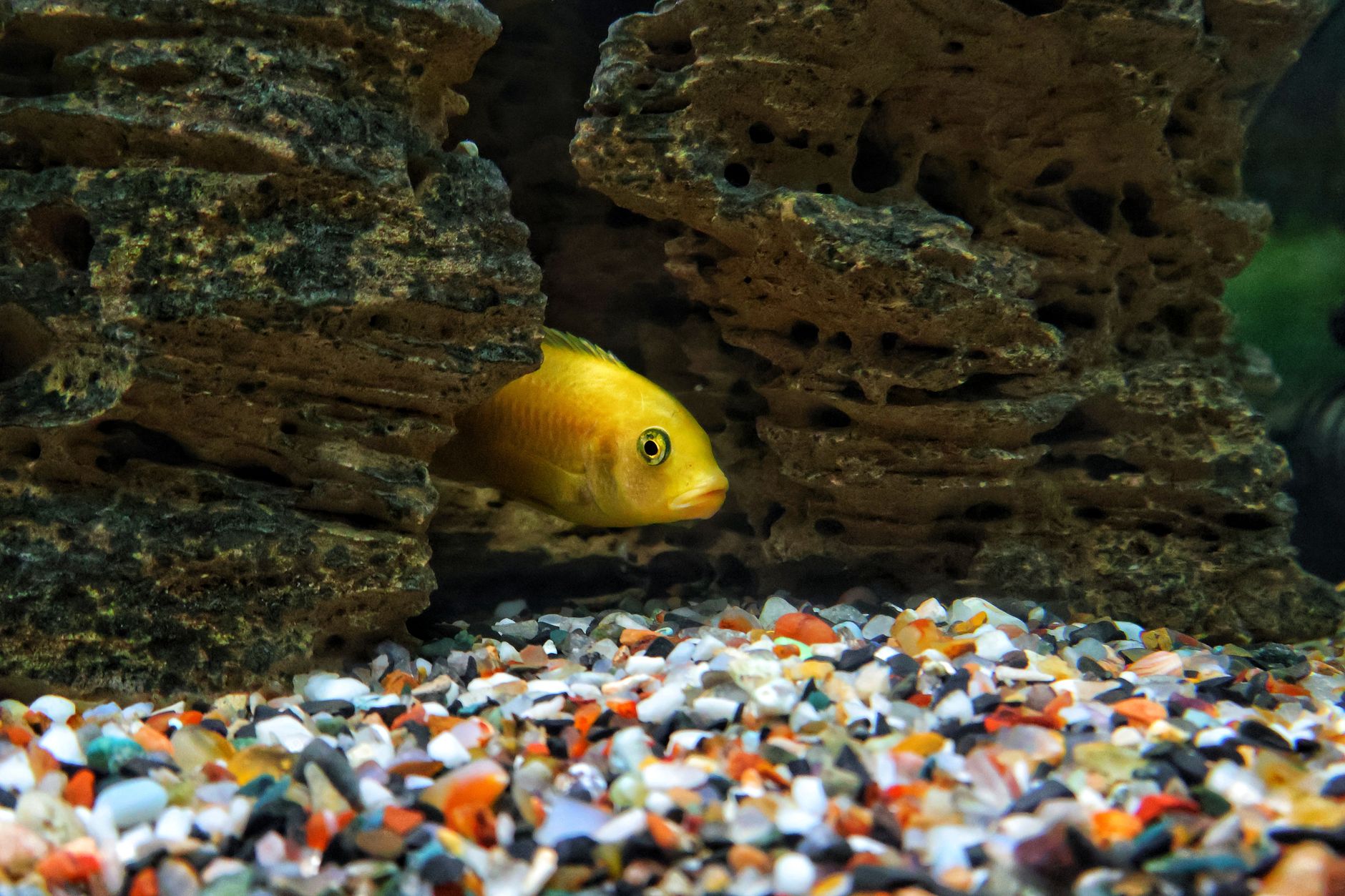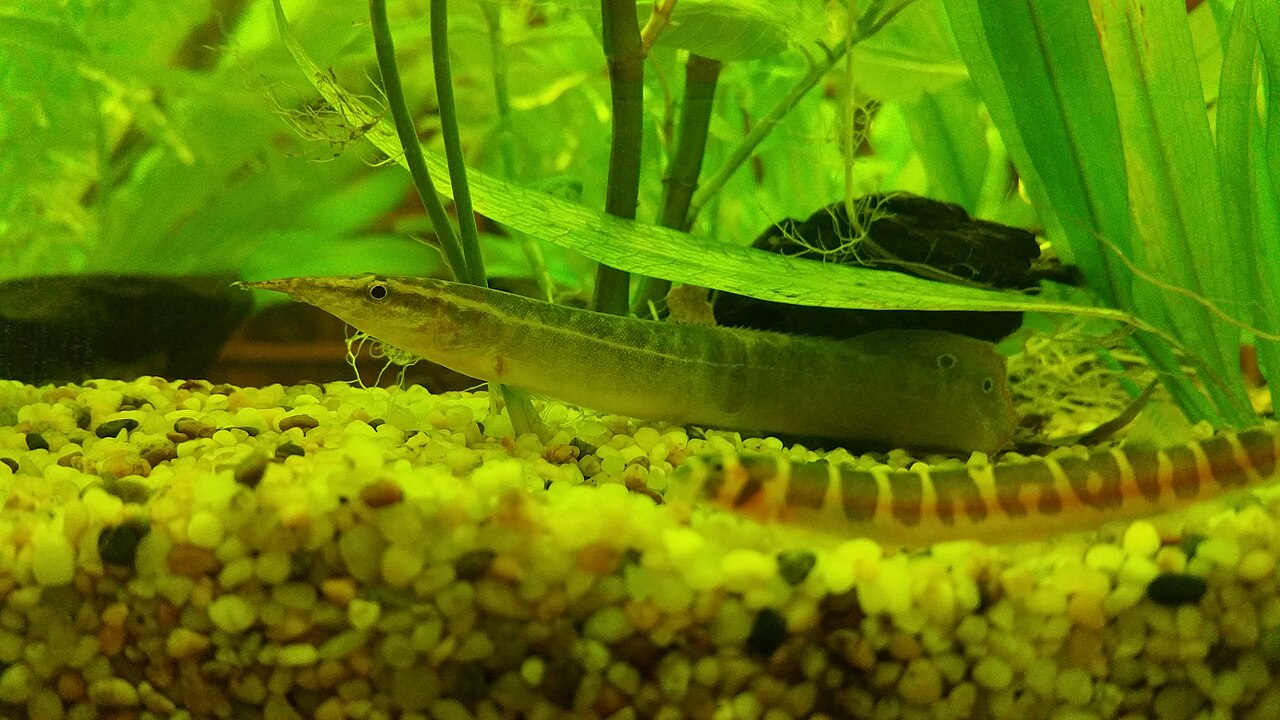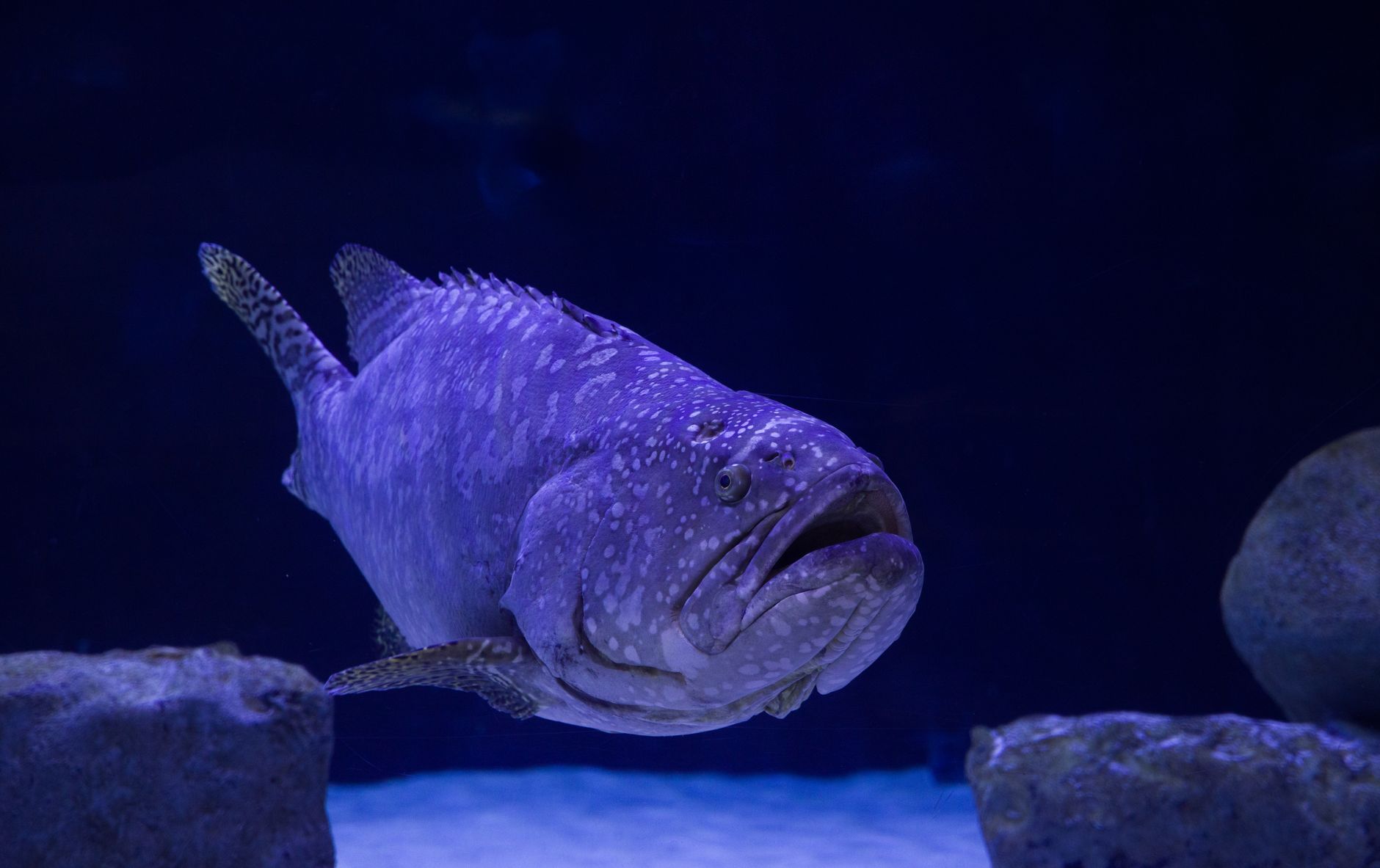
Most people start small. A 10-gallon kit, a betta, a plastic plant. Then they walk past a display tank with an oscar in it and the plan changes. Big fish aquariums are a different hobby wearing the same clothes. The fish get long, the waste load triples, and a filter rated for 75 gallons stops being optional. A single adult oscar produces more ammonia in a week than a dozen neon tetras do in a month. That math drives every decision that follows: tank volume, filter turnover, water change frequency, and whether your floor can carry the weight. If you have not cycled a tank before, read our aquarium nitrogen cycle guide first, because a big tank fails big.
The good news is that equipment caught up. Large canister filters now move 900 gallons per hour without costing a fortune, and a 125-gallon tank with a stand is within reach for most hobbyists who were once stuck at 55 gallons. Aqueon’s aquarium care reference lists dimensions and volume for every standard size they sell, which matters when you are working out whether a six-foot tank fits through the door frame. Our own guide to the best aquarium filters breaks down what turnover rate you actually need for a heavy bioload. Short version: four to six times the tank volume per hour, minimum, and higher if you keep cichlids or catfish.
This comparison covers five realistic routes into big fish keeping, ranked by the tank you need and the fish you end up with. Two are cichlid tanks. One is a community tank that looks calm and eats like a herd of cattle. Two involve fish that will outgrow almost anything you can put them in. Every entry lists minimum gallons, adult size in inches, temperature range, and the honest downsides, including the ones sellers skip. If a setup needs an indoor pond, the entry says so. If the fish will eat its tankmates, the entry says that too.
One thing to settle before you buy anything: the floor. A 180-gallon glass tank with water, substrate, and stand runs over a ton. That is roughly 2,000 pounds spread across maybe 12 square feet. Standard wood-frame floors handle that if the tank sits perpendicular to the joists and near a load-bearing wall. A second-floor apartment is a different conversation entirely. Measure twice, then measure the doorway. Budget for a water change system too, because hauling buckets to a 125-gallon tank is a hobby all its own, and not a fun one.
How Do the Top Options Compare?
| Setup | Minimum Tank | Adult Size | Filtration | Check price |
|---|---|---|---|---|
| 75-gallon oscar tank | 75 gallons | 12 to 14 inches | Fluval FX4 canister | Check price |
| 125-gallon silver dollar community | 125 gallons | 6 inches (silver dollar) | Fluval FX6 canister | Check price |
| 180-gallon frontosa colony | 180 gallons | 12 to 14 inches | OASE BioMaster Thermo 850 | Check price |
| 250-gallon silver arowana | 250 to 300 gallons | 30 to 36 inches | Marineland Magniflow 360 plus sump | Check price |
| 300-gallon redtail catfish | 300 gallons or indoor pond | 36 to 48 inches | Penn Plax Cascade 1500 plus sump | Check price |
Tank sizes above are minimums for one adult fish, or for the group sizes described in each section. Temperature ranges across all five setups fall between 75 and 82 degrees Fahrenheit except for frontosa, which prefer 76 to 79. Filtration figures assume total turnover of four to six times the tank volume per hour. Water hardness matters most for the frontosa setup and least for the catfish setup. Any tank over 125 gallons should be checked against your floor before purchase.
1. The 75-Gallon Oscar Tank , Best First Big Fish Setup
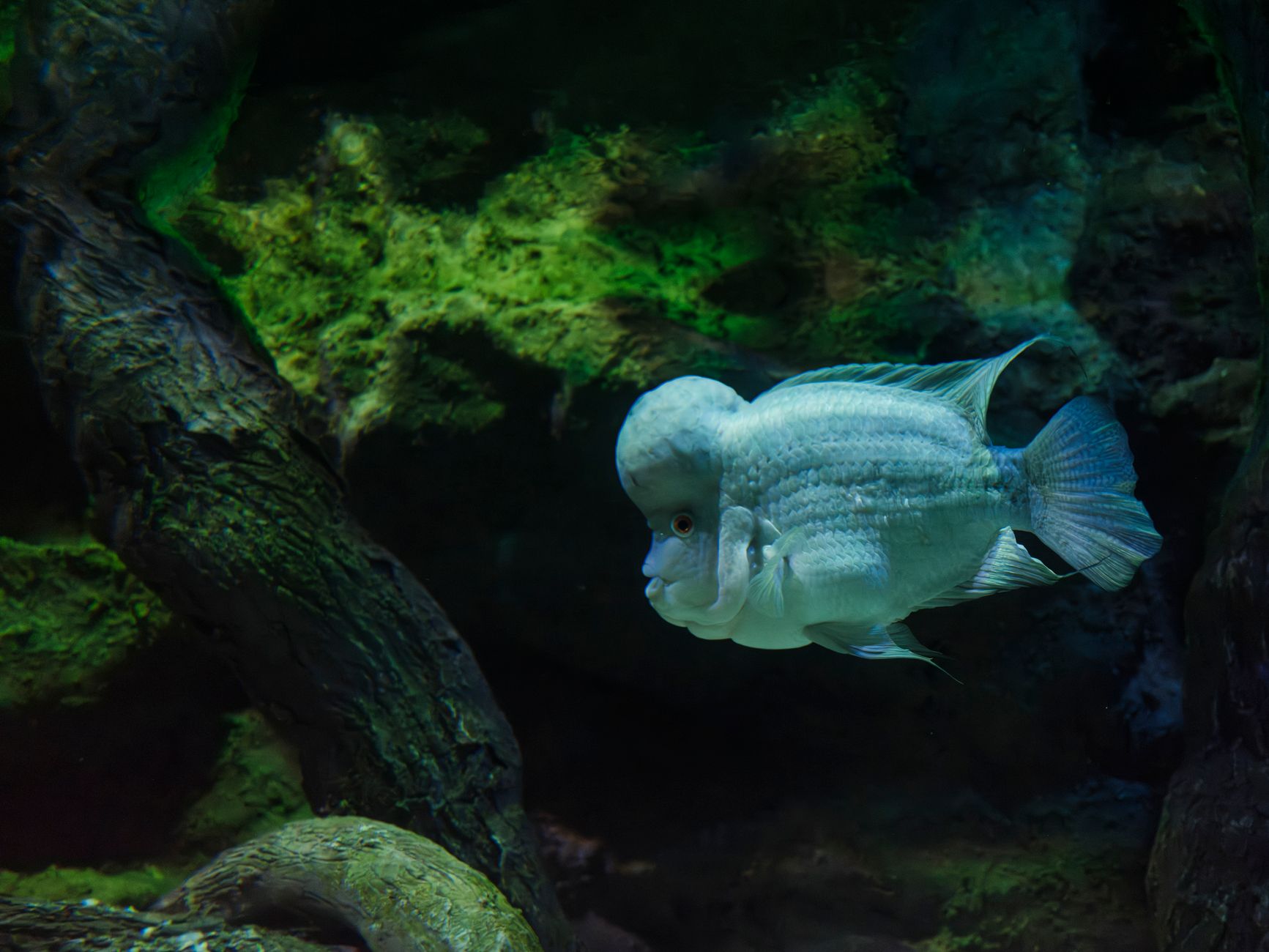
The oscar is the gateway fish. It recognizes its owner, begs at the glass, and reaches 12 to 14 inches within two years. One adult needs a 75-gallon tank, nothing smaller. Water sits at 76 to 82 degrees Fahrenheit with pH 6.5 to 7.5 and general hardness of 5 to 15 dGH, according to Seriously Fish, which publishes species-by-species minimum tank sizes. Our oscar care guide walks through diet and tankmate selection in more detail. Short version: one oscar, one 75-gallon tank, and a sand substrate they will redecorate every single day.
Oscars eat like they are being paid to. Two large meals a day of pellets plus the occasional earthworm or frozen shrimp is normal for an adult. That food becomes waste, and waste becomes ammonia. Filtration is where most oscar tanks go wrong. A single Fluval FX4 canister moves enough water for one oscar with room to spare, and a second unit is cheap insurance on a 90 or 125-gallon tank. Pair it with an API Freshwater Master Test Kit and check ammonia and nitrite twice a week for the first two months.
Tankmates are a gamble. Oscars will eat anything that fits in their mouth, and that mouth is bigger than it looks. Silver dollars and large plecos usually work. Guppies, small tetras, and anything shiny and moving will not. Oscars also dig. Plants get uprooted, so keep the aquascape simple: sand, driftwood, and a few rocks they can shove around. Plan on a 50 percent water change every week to keep nitrates in check. Skip a week and you will see it in the water.
Key strengths:
- ✅ Fits a standard 75-gallon tank, so there is no custom build and no reinforced floor
- ✅ Recognizes its owner and interacts at the glass, which most community fish never do
- ✅ Hardy and forgiving across a 76 to 82 degree temperature range
- ✅ One fish means one bioload to plan for, which keeps filtration math simple
- ✅ Widely available as captive-bred stock and inexpensive compared to true monster fish
- ❌ Produces a heavy waste load that demands weekly 50 percent water changes
- ❌ Eats any tankmate that fits in its mouth, which limits stocking to a very short list
- ❌ Digs up substrate and uproots plants, so a heavily planted tank will not survive
Who it’s for: Someone with room for a 75-gallon tank who wants one interactive, personable fish rather than a community.
2. The 125-Gallon Silver Dollar Community , Best Big Peaceful Community Tank
Not every big tank has to hold a predator. A 125-gallon community with silver dollars and clown loaches looks calm from across the room and still counts as a big fish aquarium. Silver dollars reach 6 inches and must be kept in groups of five or more, so the tank fills fast. Clown loaches grow to 12 inches and live for decades. Temperature runs 75 to 82 degrees Fahrenheit, pH 6.0 to 7.5, and the water should stay soft to moderately hard. Our silver dollar care guide covers schooling numbers and diet in detail.
The appeal here is movement. A school of silver dollars drifting through a six-foot tank is the closest freshwater gets to a reef display. Clown loaches add color and personality along the bottom, and they will wipe out a pest snail problem in a week. The catch is that both species are skittish and both are shoaling fish. Six silver dollars is a minimum, not a maximum. Buy them young and add the whole group at once so no single fish gets bullied into a corner.
Filtration on a 125 runs a large canister or two mid-size canisters in parallel. Test weekly, and change 30 to 40 percent of the water every seven to ten days to hold nitrates down. A hose-based water changer saves your back at this volume. Lighting matters less than people assume, since both species prefer dimmer conditions and will hide under bright light. Java fern, anubias, and floating plants all survive here because neither fish eats them.
Key strengths:
- ✅ Six-foot swimming length suits shoaling fish that need horizontal room to behave naturally
- ✅ Silver dollars and clown loaches are peaceful, so no bite wounds and no torn fins
- ✅ Both species are long-lived, with clown loaches regularly passing 20 years in good conditions
- ✅ Plant-friendly tank that accepts Java fern, anubias, and floating plants without being eaten
- ✅ Large water volume absorbs a stocking mistake far better than a 40-gallon tank
- ❌ Silver dollars eat soft-leafed plants and will strip a tank overnight if you get it wrong
- ❌ Skittish fish that panic and dash into the glass when someone walks past
- ❌ Clown loaches grow slowly and cost real money at the size where they look impressive
Who it’s for: Keepers who want a big, active, peaceful tank and are willing to buy six or more of each schooling species.
3. The 180-Gallon Frontosa Colony , Best Big African Cichlid Setup
Frontosa are the opposite of an oscar in every way that matters. They come from Lake Tanganyika, they want hard alkaline water at pH 8.0 to 9.0 with 10 to 20 dGH, and they sit almost motionless for hours at a time. Temperature stays at 76 to 79 degrees Fahrenheit. Males reach 12 to 14 inches, females stay slightly smaller. A colony of one male and four to six females needs a 180-gallon tank with a six-foot footprint. Anything shorter and the subdominant males get beaten into a corner and stay there.
Aquascaping is rock, sand, and nothing else. Frontosa do not eat plants, and plants do not survive the water chemistry anyway. Build caves with stacked rock so each fish holds its own territory, and leave open sand in front for viewing. Sand needs to be fine and smooth because these fish sift it constantly through their gills. A crushed coral or aragonite substrate buffers pH and hardness without any chemical additives, which is one less thing to dose every week.
Filtration on 180 gallons sits in a different tier. Two large canisters, or one canister plus a sump, plus a powerhead to stop dead spots forming behind the rockwork. Frontosa are slow growers that reach full size in three to four years, and a group of six produces a moderate bioload rather than a heavy one. A 30 percent water change every week with a buffer to hold pH steady is the routine. Test carbonate hardness monthly, because a slow pH slide stresses the whole colony before you notice it.
Key strengths:
- ✅ Hardy, long-lived cichlid that regularly reaches 15 years in captivity
- ✅ Calm temperament lets you keep a real colony instead of one show fish in isolation
- ✅ Alkaline water requirement means no CO2 equipment and no plant fertilizer dosing
- ✅ Six-foot footprint gives each fish a territory and cuts down on chasing
- ✅ Captive-bred stock is widely available and settles into aquarium life quickly
- ❌ A 180-gallon tank, stand, and filtration is a serious upfront commitment in money and floor space
- ❌ Females are drab silver and blue, so a colony looks less colorful than a peacock cichlid tank
- ❌ Slow growth means waiting years before the fish reach full display size
Who it’s for: Cichlid keepers with space for a six-foot tank who want a quiet, long-term colony rather than constant action.
4. The 250-Gallon Silver Arowana Setup , Best Monster Fish for a Dedicated Keeper
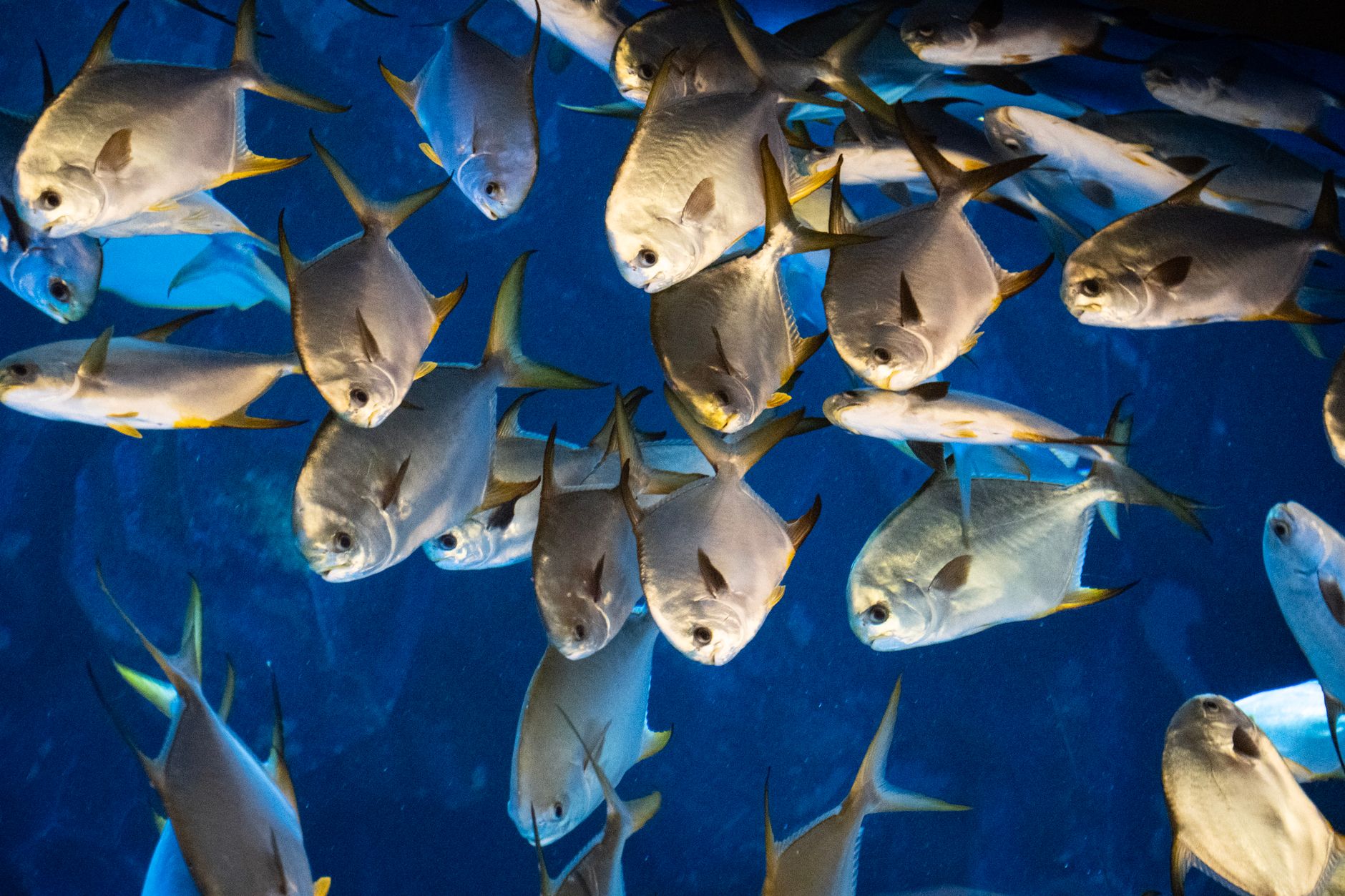
The silver arowana is the fish that ends the hobby for a lot of people, in both senses of the word. It reaches 30 to 36 inches in captivity and needs a tank of 250 to 300 gallons with a footprint of at least 8 feet by 3 feet. Water runs 75 to 82 degrees Fahrenheit, pH 6.0 to 7.5, and soft to moderately hard. Our silver arowana care guide covers growth rates in detail. Plan on roughly a foot of growth in the first year, then slower gains after that.
Arowanas are surface fish. They cruise the top two inches of the tank and strike anything that touches the water. That means a locked, weighted lid with no exceptions. An arowana jumps when startled, and a 30-inch fish on the floor is not a rescue, it is a cleanup. Keep the tank covered, keep the water level a few inches below the rim, and seal every gap around filter pipes and cords. This is the single most common way people lose these fish.
Heating a 250-gallon tank is the hidden cost nobody mentions at the store. Two Eheim Jager heaters rated at 300 watts each will hold 78 degrees in a normally heated room. In a cold basement you need more. Filtration should move the full water volume four to six times per hour, and arowanas eat whole fish, insects, and large pellets, all of which produce waste. A sump makes maintenance simple. A pair of large canisters makes it work.
Key strengths:
- ✅ Showpiece fish with metallic scales that draw attention the moment someone walks in
- ✅ Surface-dwelling behavior leaves the lower tank open for bottom feeders and plecos
- ✅ Accepts a wide temperature range and adapts to most treated tap water
- ✅ Lifespan of 15 to 20 years with stable conditions and a locked lid
- ✅ Takes large pellets, which is far cheaper than a live-food-only predator diet
- ❌ Needs 250 gallons minimum, which almost always means a custom tank or indoor pond
- ❌ Jumps with enough force to break a glass lid and land on the floor
- ❌ Eats any fish that fits in its very large mouth, including tankmates you liked
Who it’s for: Experienced keepers who can dedicate a custom 8-foot tank and a locked lid to a single fish.
5. The 300-Gallon Redtail Catfish Build , Best for True Giants Only
This is the deep end. A redtail catfish reaches 36 to 48 inches and eats anything it can swallow, including tankmates, gravel, and the occasional piece of filter media that falls in. Water sits at 75 to 82 degrees Fahrenheit, pH 6.0 to 7.5, and hardness is not critical. The honest recommendation for one adult is 300 gallons minimum, and an indoor pond is better. Our redtail catfish care guide goes through the growth curve. They grow fast when fed well, and starving one to slow it down is not a kindness.
Feeding is a monthly bill, not a daily scoop. Adult redtails eat whole tilapia, shrimp, and large pellets, and they should be fed two or three times a week rather than daily. Overfeeding a fish that size fouls 300 gallons within days. Filtration needs to move the entire volume four times an hour at minimum, and two large canisters plus a sump is the standard approach for a tank this size. Anything less and you are fighting ammonia forever.
Water changes on a tank this size are a plumbing project. A Python No Spill Clean and Fill or a permanent drain line saves an hour per session. Aquarium Co-Op publishes water change guidance that applies at any tank size: change enough water, often enough, to keep nitrates under 40 ppm. On a well-fed 300-gallon with a big catfish, that means 50 percent weekly. Budget for the water bill and the floor reinforcement before you buy the fish.
Key strengths:
- ✅ One of the few freshwater fish that genuinely looks like a monster at full size
- ✅ Hardy and tolerant of a wide range of water chemistry once settled in
- ✅ Eats large prepared foods, so no live feeder colonies are required
- ✅ Grows fast, which means visible progress within the first year
- ✅ Thick skin and armored body resist most common external infections
- ❌ Needs 300 gallons or an indoor pond, plus a floor that can carry the weight
- ❌ Will eat every tankmate it can fit in its mouth, so it usually lives alone
- ❌ Enormous waste load that drives weekly 50 percent water changes and high water bills
- ❌ Often sold at 3 inches and abandoned at 20 inches, which is why rescues exist
Who it’s for: Keepers who already run a large tank, own their home, and want one giant fish and nothing else.
Frequently Asked Questions
What is the minimum tank size for a big fish aquarium?
It depends on the species, but 75 gallons is the practical entry point. An oscar needs 75 gallons, a silver dollar school needs 125, a frontosa colony needs 180, and a silver arowana or redtail catfish needs 250 to 300 gallons as a single adult.
Can an oscar live in a 55-gallon tank?
Not comfortably as an adult. A 55-gallon works for a juvenile for the first six months, but a 12 to 14 inch oscar is cramped in that space and the waste load overwhelms most filters rated for it. Plan on 75 gallons minimum, and a 90 or 125 is better.
What temperature should a big freshwater tank run?
Most large freshwater fish sit between 75 and 82 degrees Fahrenheit. Frontosa prefer the cooler end at 76 to 79, while oscars and redtail catfish do well at 78 to 80. A stable temperature matters more than hitting one exact number.
What filter do I need for a 150-gallon aquarium?
Look for total turnover of four to six times the tank volume per hour, so 600 to 900 gallons per hour. Two large canister filters running in parallel beat one oversized unit because you can clean them on alternating weeks without wiping out your bacteria colony.
How often should I change water in a large tank?
Weekly for anything with a heavy bioload. A 30 to 40 percent change every seven days suits a peaceful community tank, while oscars and catfish usually need 50 percent. Keep nitrates under 40 ppm before each change.
Do big fish aquariums need a sump?
Not always, but a sump helps above 180 gallons. It hides equipment, adds water volume, and handles a heavy waste load better than canisters can. Below 150 gallons, two large canisters do the job with less plumbing and less risk of a leak.
What Should You Remember?
- 75 gallons is the floor for a single large cichlid, and 125 gallons is the floor for a shoal of silver dollars.
- Match the tank to adult size, not the fish you see in the store, because oscars and arowanas add inches every month.
- Aim for 4 to 6 times the tank volume in filter turnover per hour, and go higher with cichlids or catfish.
- A 180-gallon tank weighs over a ton once water and substrate are in it, so check the floor before you check the fish.
- Weekly water changes of 30 to 50 percent are the single biggest factor in keeping large fish healthy long term.
- A locked, weighted lid is mandatory for arowanas and any other surface fish that jumps when startled.
- Buy captive-bred stock when you can, because wild-caught monster fish arrive stressed and often carrying parasites.
This article is for general information only and is not a substitute for professional veterinary or aquarium specialist advice. Always research the specific needs of your fish and consult an expert before making care decisions.