Every freshwater tank grows algae. That is not a failure, it is a sign the tank is alive and processing light and nutrients. The trouble starts when algae outpaces the animals and plants that consume it, and you end up scraping green film off the glass every weekend. A cleanup crew buys you time, but it cannot rescue a tank that gets nine hours of light and one water change a month. Before you buy anything with fins, read our aquarium nitrogen cycle guide so you understand what the algae is actually feeding on.
Purchase data backs this up. Algae eaters are one of the most returned groups of fish in the hobby because buyers pick them for the wrong tank. A common pleco sold as a two-inch juvenile can pass 18 inches and outgrow a 55-gallon within a couple of years. A Siamese algae eater bought to clean a 10-gallon desktop tank spends the rest of its life hungry and nipping at tankmates. Getting your water change schedule right matters more than which fish you buy, because fresh water removes the nitrate that feeds the bloom in the first place.
We compared six species on the numbers that decide whether they work in your setup: minimum tank volume in gallons, comfortable temperature range in Fahrenheit, pH, water hardness, and adult size in inches. Tank sizes run from 5 gallons for a single nerite snail up to 30 gallons for a bristlenose pleco or a group of Siamese algae eaters. Aquarium Co-Op publishes husbandry notes and stocking guidance that informed several of these ranges, and we cross-checked every figure against Seriously Fish species profiles, which remain the most careful source for wild-type care data.
One warning before the list. No fish, shrimp, or snail eats every type of algae. Nerites and otos clean soft green film and diatoms. Siamese algae eaters tackle black beard algae that nothing else will touch. Bristlenose plecos rasp green spot algae off wood and rock, and American flagfish graze hair algae. Aqueon recommends matching any cleanup crew to the tank’s existing bioload rather than simply adding more animals, and that advice holds here. Guess wrong and you end up with a fat fish and a green tank.
How Do the Top Options Compare?
| Algae Eater | Best For | Min Tank Size | Temp Range | Adult Size | Gear Pick |
|---|---|---|---|---|---|
| Otocinclus catfish | Planted tanks, 20-29 gallons | 20 gallons | 72-79°F | 1.5-2 inches | Check price |
| Bristlenose pleco | Glass and wood, 30+ gallons | 30 gallons | 74-80°F | 4-6 inches | Check price |
| Siamese algae eater | Black beard algae | 30 gallons | 75-79°F | 5-6 inches | Check price |
| Amano shrimp | Nano planted tanks | 10 gallons | 70-78°F | 2 inches | Check price |
| Nerite snail | Glass and hardscape film | 5 gallons | 72-78°F | 1 inch | Check price |
| American flagfish | Hair algae in cool water | 29 gallons | 68-75°F | 2.5-3 inches | Check price |
Tank sizes are minimums for one adult or a small group, not a comfortable long-term home for a mixed community. Temperature and pH values are stable long-term ranges, not the extremes an animal can survive for a few days. Verify every parameter against a current species profile before buying, and never add a cleanup crew to a tank that is still cycling.
1. Otocinclus Catfish , Best for Planted Nano and Mid-Size Tanks
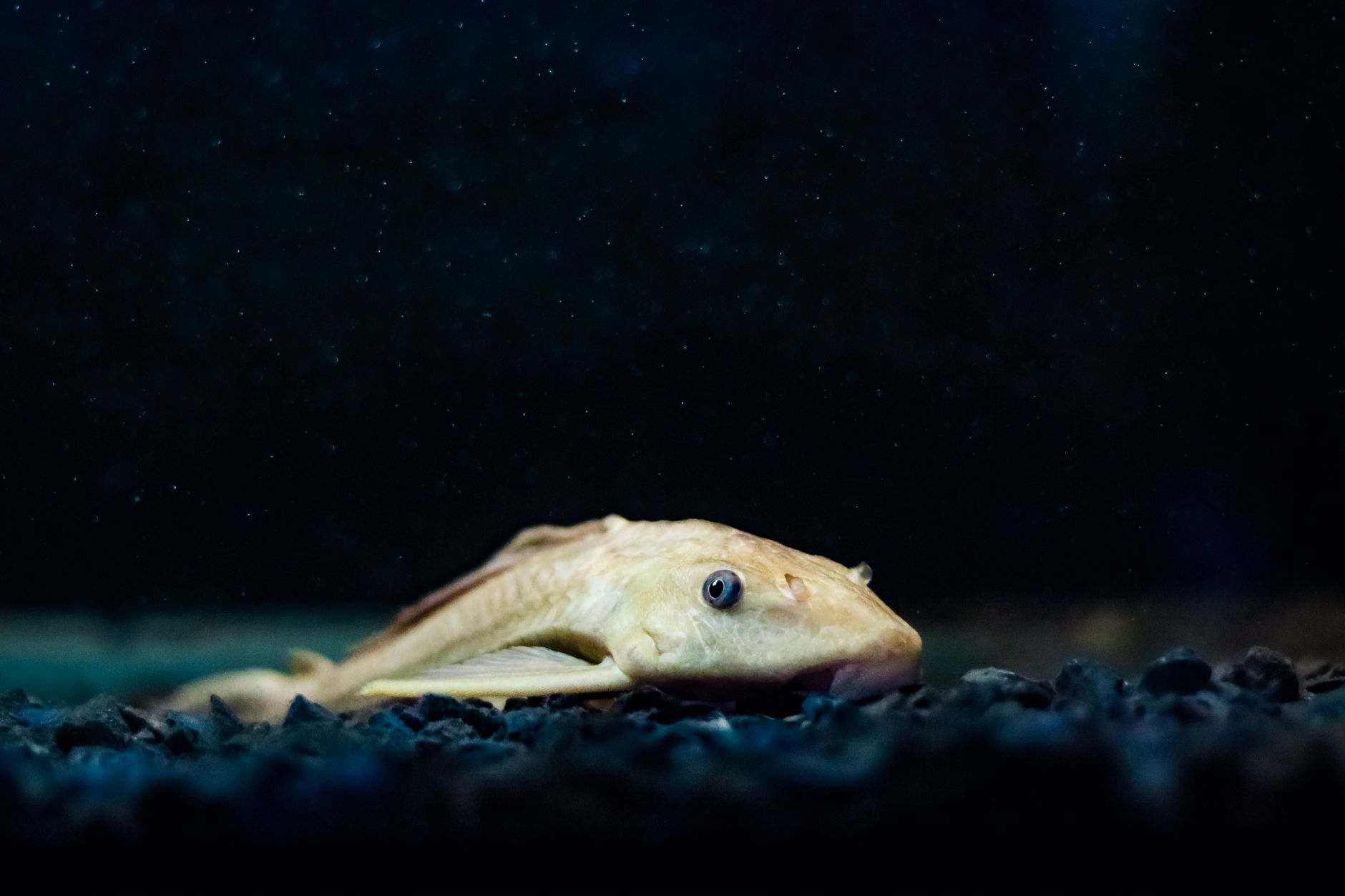
Otocinclus are the smallest algae eaters on this list and the safest for a planted tank. Adults top out around 2 inches, and a group of six will graze sword plant leaves for hours without leaving a single bite mark. They specialize in soft green film, brown diatoms, and the biofilm that coats driftwood. Nearly all otos are wild-caught, and many arrive at the store already thin and half-starved, which is why so many die inside the first two weeks. Our otocinclus catfish care guide covers the drip acclimation and quarantine routine that gets them past that window.
Setup matters more than food. Otos need a tank that has been running at least three months so there is biofilm to graze, a temperature between 72 and 79°F, pH 6.5 to 7.5, and soft to moderately hard water. A 20-gallon long tank with a sponge filter and dense planting is close to ideal. They will not touch black beard algae, they will not scrape green spot algae off glass, and they will not survive in a brand-new setup no matter how much you feed them.
Keep a backup food source ready. Drop in a sinking wafer or a slice of blanched zucchini two or three times a week if the glass looks clean. Check the Hikari algae wafers on Amazon if you want a wafer that holds together long enough for a group of six to feed. In a 20-gallon tank they will clear a diatom bloom in about two weeks, then need that supplemental food to stay fat.
Key strengths:
- ✅ Smallest option here: adults reach 1.5 to 2 inches, so a group of six fits comfortably in 20 gallons.
- ✅ Plant-safe grazer that lifts soft green film off leaves without damaging the leaf surface.
- ✅ Peaceful in community tanks and completely ignores shrimp, snails, and small rasboras.
- ✅ Works fast on brown diatom blooms, often clearing a new tank in about two weeks.
- ❌ Almost always wild-caught and often arrives malnourished, so losses in the first month are common.
- ❌ Won’t touch black beard, green spot, or hair algae.
- ❌ Needs a mature tank with biofilm, which rules out anything set up in the last three months.
Who it’s for: Pick otos if you run a mature, densely planted tank between 20 and 29 gallons and want an eater that never nibbles a leaf.
2. Bristlenose Pleco , Best for Glass, Rock, and Driftwood in 30 Gallons or More
Bristlenose plecos are the sensible alternative to the common pleco. They stop at 4 to 6 inches, live 10 to 15 years, and spend most of their waking hours rasping green spot algae and brown film off glass, rock, and driftwood. A common pleco, by contrast, grows past 18 inches and quits eating algae once it reaches adulthood. That single size difference is why bristlenose plecos outsell everything else in the pleco aisle.
Care parameters are forgiving. A bristlenose wants 30 gallons minimum, 74 to 80°F, pH 6.5 to 7.5, and moderately hard water. Driftwood is not optional. They graze its surface for biofilm and need the fiber in their diet, and a tank without wood often ends up with a pleco sulking behind the filter. Our bristlenose pleco care guide covers wood, caves, and the spawning behavior that surprises a lot of first-time owners.
Feed them vegetables. Zucchini, cucumber, and sinking wafers keep a bristlenose busy and stop it from rasping at plant stems. One adult in a 40-gallon tank will keep the glass clean without help. Two males in the same tank will fight over caves, so plan for one male and one or two females if you want more than one. Check the API Freshwater Master Test Kit on Amazon if you are still testing with strips, because plecos are sensitive to nitrate buildup.
Key strengths:
- ✅ Hardy and long-lived, with a 10 to 15 year lifespan in a well-maintained tank.
- ✅ Clears green spot algae and brown film off glass, rock, and wood faster than any fish on this list.
- ✅ Stays manageable at 4 to 6 inches, unlike common plecos that pass 18 inches.
- ✅ Breeds readily in captivity, so tank-raised stock is easy to find and usually healthier than wild imports.
- ❌ Needs driftwood in the tank, which adds cost and clutter.
- ❌ Produces a heavy bioload for its size and demands strong filtration plus weekly water changes.
- ❌ Males can be territorial over caves, and adults hide for most of the day.
Who it’s for: Get a bristlenose if you keep a 30-gallon or larger tank with wood and rock and want a pleco that will not outgrow the glass box.
3. Siamese Algae Eater , Best for Black Beard Algae
Siamese algae eaters are the only fish here that reliably eat black beard algae, the tough red-black tufts that grow along plant edges, filter intakes, and driftwood. A group of three in a 30-gallon tank will strip an outbreak back over a few weeks. Nothing else in the freshwater hobby comes close, which is why this species commands a premium and why misidentified fish are so common.
Identify them carefully. Crossocheilus oblongus has a horizontal black stripe running the full length of the body, clear fins, and a slim build. Flying foxes have a stripe that stops before the tail and a dark edge on the dorsal fin, and they eat far less algae. Chinese algae eaters look similar as juveniles and turn aggressive as adults, often latching onto the slime coat of flat-bodied tankmates. Buy only from a store that labels the species correctly and shows you the fish.
Parameters are straightforward: 30 gallons minimum, 75 to 79°F, pH 6.5 to 7.5, and soft to moderately hard water. Adults reach 5 to 6 inches and are fast, active swimmers that jump when spooked, so a tight lid is not optional. They will also take prepared food and grow lazy if you feed the tank heavily, which is the main reason a working SAE stops working. Three of them in a 40-gallon tank should handle most outbreaks. Check the Seachem Prime on Amazon for water changes, since these fish react badly to chlorine spikes during large changes.
Key strengths:
- ✅ The single most effective fish for black beard algae in the freshwater hobby.
- ✅ Peaceful in groups and mixes well with tetras, rasboras, and corydoras.
- ✅ Active and interesting to watch, with tight schooling behavior in groups of three or more.
- ✅ Fast working, with visible progress on black beard inside two to three weeks.
- ❌ Frequently mislabeled, and flying foxes and Chinese algae eaters are sold in its place.
- ❌ Needs 30 gallons and a group of three or more, so it is not an option for small tanks.
- ❌ Ignores green spot algae and drops hair algae once it learns to take prepared food.
Who it’s for: Buy Siamese algae eaters if you have a 30-gallon or larger tank with a black beard algae problem and a source for correctly identified stock.
4. Amano Shrimp , Best for Nano Tanks and Delicate Plants
Amano shrimp are the best algae eaters for a tank under 20 gallons. They stay around 2 inches, climb moss and carpeting plants without damaging them, and eat soft green film, thread algae, and young hair algae. A group of six in a 10-gallon planted tank keeps leaves and hardscape noticeably cleaner, and they will not bother a single fish. Pair them with the plants in our best aquarium plants for beginners guide and you get a tank that mostly maintains itself.
The catch is that they do not breed in freshwater. Females carry eggs, but the larvae need brackish water to develop, so you buy your stock once and keep it. That also means every Amano in the trade is wild-caught or pond-raised, and the price reflects the shipping losses behind it. Acclimate them by drip for at least an hour. They are sensitive to sudden shifts in pH and temperature, and a rushed introduction usually ends with shrimp on the substrate the next morning.
Filtration should be shrimp-safe. A sponge filter, or any filter fitted with a pre-filter sponge, keeps shrimp out of the intake, and the sponge itself becomes a grazing surface over time. Keep the tank at 70 to 78°F with pH 6.5 to 7.5, and never dose copper-based medication, which kills shrimp at label strength. Check the Aquarium Co-Op sponge filter on Amazon if you need a shrimp-safe filter for a nano tank.
Key strengths:
- ✅ Small enough for a 10-gallon tank and safe with any fish that will not eat them.
- ✅ Graze moss, carpeting plants, and hardscape without tearing plant tissue.
- ✅ Work best in groups, so six shrimp cover far more surface area than one pleco.
- ✅ No breeding in freshwater means no population explosion to manage later.
- ❌ Will not breed in freshwater, so every loss costs you a replacement.
- ❌ Sensitive to copper, rapid temperature swings, and sloppy acclimation.
- ❌ Become food for angelfish, large gouramis, and any tankmate with a big enough mouth.
Who it’s for: Choose Amano shrimp for a 10 to 20-gallon planted tank where you need gentle algae control that never touches a leaf.
5. Nerite Snail , Best for Glass and Hardscape Film
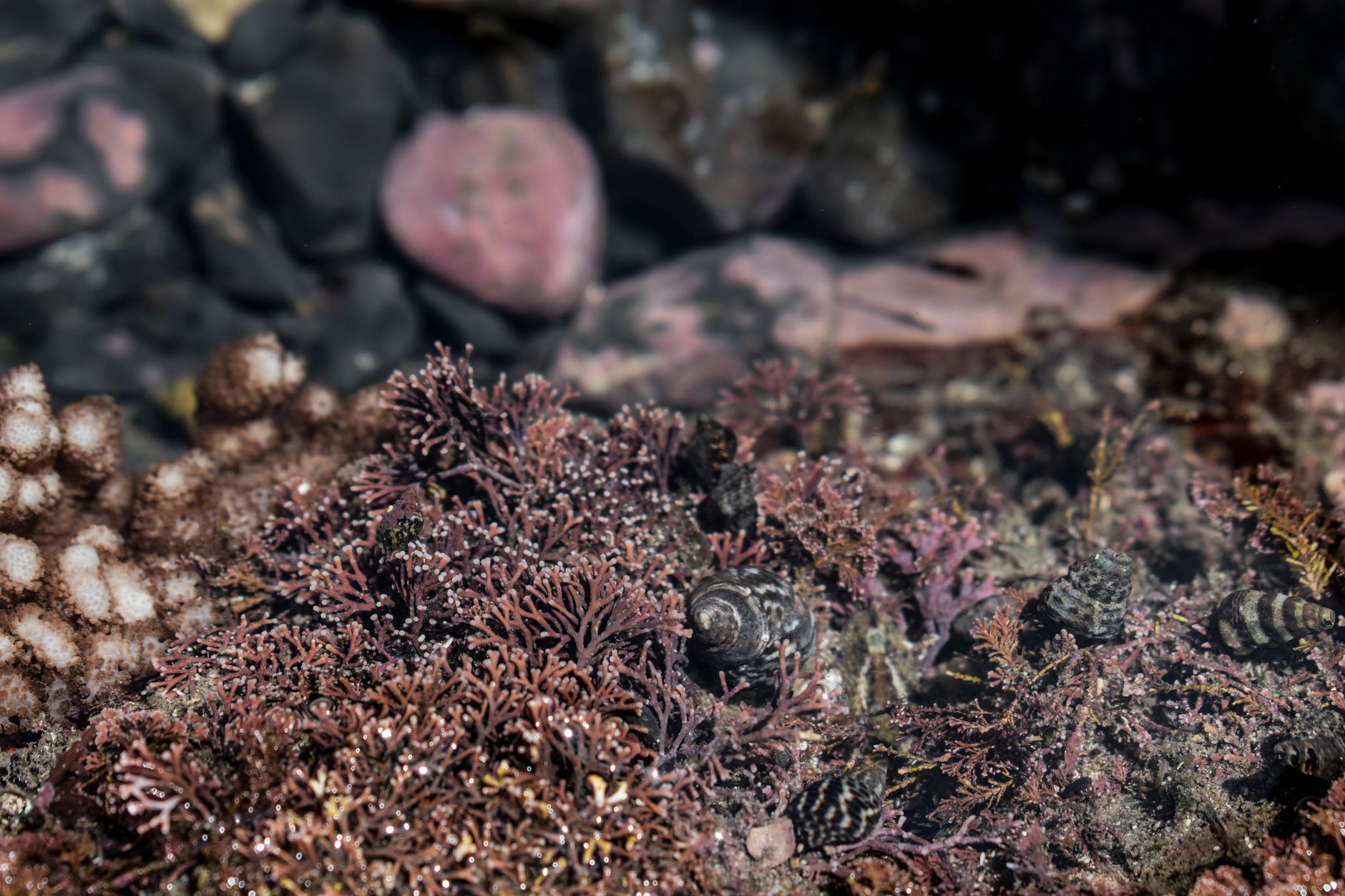
Nerite snails are the most efficient grazers per inch of body on this list. They cruise the glass, the filter housing, and every rock in the tank, scraping green film and diatoms down to a clean surface. A single nerite in a 5-gallon tank will keep the front glass clear for weeks. They reach about 1 inch, live for years in the right water, and never stop working.
The water has to be hard enough. Nerites need pH 7.0 to 8.0 and moderate to hard water with available calcium, otherwise the shell pits and erodes over time. A temperature of 72 to 78°F suits most tropical setups. They will not reproduce in freshwater, which is the main reason people pick them over ramshorn or bladder snails. Females still lay small white egg capsules on driftwood and rock. Those eggs never hatch, and they are stubborn to scrape, so expect some white speckling on wood.
One real downside: nerites are escape artists. They climb out of open tanks and dry out on the floor. If you keep pea puffers, skip snails entirely, because a pea puffer will eat a nerite within a day. A lid and a piece of cuttlebone tucked into the filter are the two cheap additions that keep nerites healthy. Check the cuttlebone for birds on Amazon and break off a small chunk for calcium.
Key strengths:
- ✅ Cleans glass and hardscape better than any fish here, inch for inch.
- ✅ Cannot overpopulate a tank because the larvae need brackish water to develop.
- ✅ Long-lived, often five years or more in hard, stable water.
- ✅ Fits a 5-gallon tank, which rules out almost every fish on this list.
- ❌ Needs hard water with calcium or the shell erodes and pits.
- ❌ Females leave white egg capsules glued to wood and rock.
- ❌ Climbs out of open tanks and dies on the floor.
Who it’s for: Pick a nerite if you want glass-cleaning power in a small tank and can keep the water hard and the lid closed.
6. American Flagfish , Best for Hair Algae in Cooler Tanks
American flagfish are a Florida native that eats hair algae, blanket weed, and the fuzzy green strands that wrap around slow-growing plants. They are one of the very few fish that will take hair algae as a staple rather than a snack. Adults reach 2.5 to 3 inches, and a trio works well in a 29-gallon tank with dense planting.
Temperature is the tradeoff. Flagfish prefer 68 to 75°F, which is cooler than most tropical community setups. They tolerate pH 6.5 to 8.0 and a wide hardness range, so water chemistry is rarely the problem. Tankmates are. Males defend a territory during spawning season and will chase and nip fish with long fins, including bettas, guppies, and angelfish. A pair or trio in a species tank with plenty of plants works far better than dropping one into a general community.
Feed a varied diet even while hair algae is present, because they will strip a tank clean and then start looking at softer plant growth. Frozen bloodworms, brine shrimp, and a quality flake keep them in condition. Check the Hikari frozen bloodworms on Amazon if your local store does not stock them. Keep the tank at 68 to 75°F and you can skip the heater entirely in a room that stays warm.
Key strengths:
- ✅ One of the few fish that actually eats hair algae and blanket weed.
- ✅ Tolerates a wide pH range from 6.5 to 8.0 with no hardness fuss.
- ✅ Stays small at 2.5 to 3 inches, so a 29-gallon tank is plenty for a trio.
- ✅ Adapts to unheated rooms in the 68 to 72°F range, which saves on equipment.
- ❌ Males are territorial and nip long-finned tankmates like bettas and guppies.
- ❌ Prefers cooler water than most tropical community fish.
- ❌ Will graze soft plant growth once hair algae runs out.
Who it’s for: Get flagfish if you keep a cool-water species tank with a hair algae problem and no long-finned tankmates.
Frequently Asked Questions
What is the best algae eater for a 10-gallon tank?
Amano shrimp and nerite snails. Both stay small, add very little to the bioload, and clean glass, plants, and hardscape without bothering fish. Otocinclus need at least 20 gallons because they do best in groups of six.
Do algae eaters really eat algae?
Yes, but only the types they evolved to graze. Otos and nerites eat soft green film and diatoms. Siamese algae eaters eat black beard algae. Bristlenose plecos scrape green spot algae off hard surfaces. None of them will fix an algae problem caused by too much light or too much nitrate.
Will otocinclus eat black beard algae?
No. Otocinclus graze soft film and biofilm only, and they ignore the tough red-black tufts. Black beard algae needs a Siamese algae eater, and even then you usually have to shorten the light period and improve flow to keep it from returning.
How many algae eaters should I add to a 20-gallon tank?
Either four to six otocinclus or six Amano shrimp, not both at once. Adding more animals to fight algae increases waste, which feeds the next bloom. Get the stocking level right first and let the cleanup crew stay small.
Can I keep a pleco in a 10-gallon tank?
Not a bristlenose pleco, which needs at least 30 gallons and produces a heavy bioload. A single nerite snail or a small group of Amano shrimp is a far better fit for a 10-gallon tank.
Why is my algae eater ignoring the algae?
Two common reasons. It may be filling up on the prepared food you drop in, or your tank has the wrong algae type. A bristlenose pleco will not touch hair algae, and an Amano shrimp will not eat black beard algae. Cut back feeding and identify which algae you actually have.
What Should You Remember?
- Match the eater to the algae. Nerites and otos clear soft green film, while only Siamese algae eaters reliably eat black beard algae.
- Respect minimum tank size. Otocinclus need 20 gallons, bristlenose plecos need 30, and common plecos outgrow almost every home tank.
- Temperature decides tankmates. American flagfish want 68 to 75°F, which rules out most tropical community fish.
- Buy the gear before the fish. A shrimp-safe sponge filter, a liquid test kit, and a light timer prevent more algae than any animal will.
- Algae eaters are not a fix for imbalance. Shorten the photoperiod and stay on top of water changes first, then add the crew.
- Quarantine every new arrival. Wild-caught otos and Siamese algae eaters often arrive thin and carrying parasites.
This article is for general information only and is not a substitute for professional veterinary or aquarium specialist advice. Always research the specific needs of your fish and consult an expert before making care decisions.