Red Sea built its reputation in saltwater. The Reefer tanks, the ReefLED fixtures, the ReefMat fleece roller, and the salt mixes were all designed for a system running near 35 ppt salinity with stony coral on the rock. So when a freshwater keeper asks which of it is worth buying, the honest answer is: some of it, and not the pieces you would expect. Glass holds freshwater exactly as well as it holds saltwater. So does a cabinet, a return pump, and a fleece roller. The consumables, though, are built around reef chemistry and do nothing useful in a tank sitting at pH 7.0 with 6 dGH. If you are still cycling, read our aquarium nitrogen cycle guide before you spend a dollar on hardware.
The framework for this comparison is simple. A piece of Red Sea gear earns a freshwater recommendation only if every wet part is safe for plants and community fish, if replacement parts and media are actually orderable, and if a freshwater-specific product is not doing the same job better for less money. Take the Reefer 250. The display holds about 54 gallons and the sump adds roughly 11 more, so you are running a 65-gallon system with a hidden heater and a chamber full of biological media. Aqueon’s freshwater setup reference lists 75 to 80 degrees Fahrenheit as the comfort range for most tropical community fish, and a Reefer holds that range without any help from reef plumbing.
There is a practical reason this question keeps coming up in 2026. Reefers get sold. People leave the hobby, list a two-year-old system on a local marketplace, and a beginner with a planted tank spots a rimless 65-gallon setup with a cabinet for less than a new 55-gallon kit. That is a real opportunity. It is also how people end up with an expensive coral-spectrum light they cannot use and a protein skimmer that makes noise and nothing else. If you are starting from zero instead, our beginner tank picks cover the simpler path.
One more thing before the gear. Hardware does not fix stocking math. A 65-gallon system does not mean 65 gallons of fish. Angelfish reach 6 inches and want vertical room. Discus sit at 82 degrees with a pH near 6.5 and water in the 4 to 8 dGH range, which is a genuinely different setup from a 78-degree community tank. The equipment in this guide is inert. It moves water, holds light, and catches particles. Your fish decide whether the system works.
How Do the Top Options Compare?
| Red Sea gear | Best for | Freshwater verdict | Price check |
|---|---|---|---|
| Reefer 170 / 250 / 350 G2+ tanks | Keepers who want a real sump | Buy | Check price |
| Reefer MAX G2+ complete systems | One-box buyers | Buy only if you wanted the bundled pump and light | Check price |
| ReefLED 50 / 90 / 160 | Low-light planted tanks | Buy used only | Check price |
| ReefMat 500 / 1200 roller filter | Heavily stocked sump systems | Buy | Check price |
| ReefRun 7000 return pump | 75 to 150 gallon sump systems | Buy | Check price |
| Salt, Reef Foundation, Reef Energy, skimmers | Saltwater tanks only | Skip | Not applicable |
Verdicts assume a planted or community freshwater tank between 20 and 150 gallons running at 75 to 80°F with a pH between 6.5 and 7.5. Red Sea does not publish freshwater ratings for any of this equipment, so treat each recommendation as a keeper’s judgment call rather than a manufacturer claim. Confirm current pricing and availability before you commit, and check that spare parts and media are in stock in your region.
1. Red Sea Reefer 170, 250, and 350 G2+ Tanks , Best for keepers who want a real sump under a freshwater tank
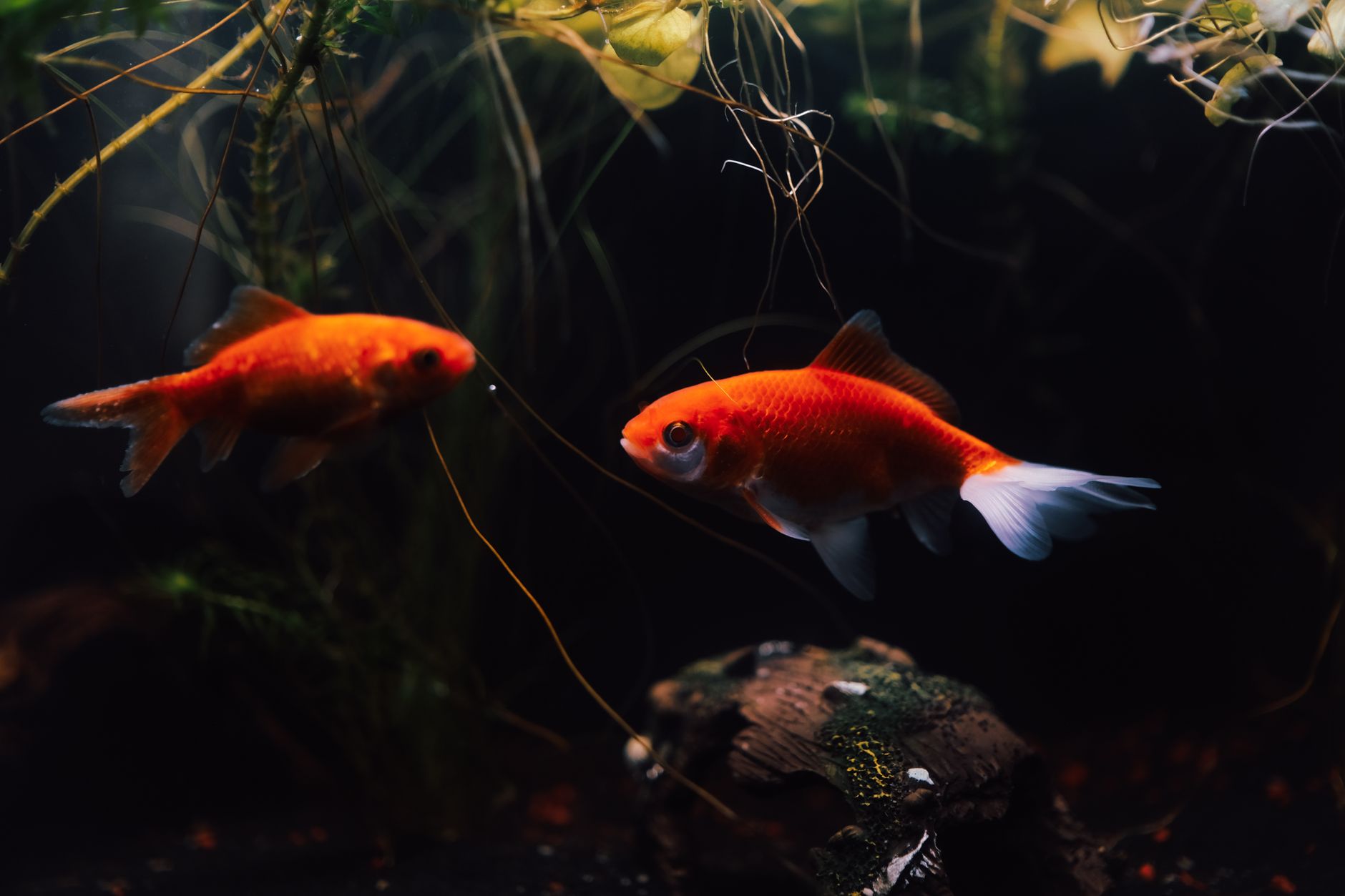
The Reefer is the one Red Sea product line that makes complete sense for freshwater. You get rimless low-iron glass, a sealed cabinet, an internal overflow with a weir, a sump, and a plumbing kit. Nothing in that list cares about salinity. The base Reefer ships as hardware only, so you supply the return pump, heater, and light yourself. That is a feature rather than a gap, because it means you are not paying for a reef-spectrum fixture you will replace in six months. Check the Red Sea Reefer 250 on Amazon if you want to see what the base system includes.
Sump filtration is the real prize. A Reefer 250 gives you roughly 11 gallons of sump volume under a 54-gallon display, for about 65 gallons of total system water. That space swallows a roller mat, a large block of biological media, and a heater you never have to look at again. Planted keepers can run pothos or a refugium chamber and pull nitrate down without a single chemical. For discus, the stability matters. Our discus care guide lays out the 82°F, pH 6.5, and 4 to 8 dGH targets that a big sump makes far easier to hold steady through the week.
The catch is the overflow. A Reefer’s weir pulls a thin sheet of water over the lip and down a standpipe, and small livestock follow it. Cherry shrimp, fry, and small bottom dwellers will end up in the sump. You need a guard, and you need to check it weekly. The standpipe can also gurgle until you tune it, which usually means adding a durso or adjusting a gate valve. Buy a Reefer because you want a sump under a rimless tank. If you just want a 55-gallon with a hang-on filter, the money goes further elsewhere.
Key strengths:
- ✅ Real sump volume: roughly 11 gallons of filtration under a 54-gallon display.
- ✅ Rimless low-iron glass and a sealed cabinet that look like furniture, not equipment.
- ✅ Ships as hardware only, so you pick a freshwater light and heater instead of paying for reef gear.
- ✅ Room in the sump for a roller mat, media blocks, and a heater you never see.
- ✅ Refugium space for pothos or floating plants that strip nitrate from the water.
- ❌ The overflow swallows shrimp, fry, and small fish unless you add a guard.
- ❌ Priced well above a comparable freshwater kit with a canister filter.
- ❌ Cabinet interior is sized for a sump and plumbing, not for shelves of test kits.
Who it’s for: Choose a Reefer if you want sump filtration and a rimless display with hidden equipment, and you accept the price and the overflow maintenance.
2. Red Sea Reefer MAX G2+ Complete Systems , Best for one-box buyers who already want the bundled pump and light
The MAX versions bundle the same Reefer tank and cabinet with a ReefLED light, a ReefRun return pump, a protein skimmer, and on the larger sizes a ReefMat roller filter. For a reef tank that is tidy. For freshwater, the skimmer is dead weight from the moment it is unboxed. Protein skimmers depend on foam fractionation, which needs salinity and the right surface chemistry. A freshwater tank does not provide it. You will run the skimmer for a month, listen to it hiss, look at an empty cup, and switch it off for good.
Strip the skimmer out and the bundle is a tank plus a light plus a pump. Whether that saves money depends entirely on whether you would have bought those two items anyway. Planning a low-tech planted tank with a 6500K fixture and a canister filter? Then you would not, and you are now storing an expensive coral-spectrum light in a closet. Planning a sump system with app control and feed mode? Then the bundle gets closer to fair value, and the pump alone justifies part of the cost.
The plumbing is identical to the base Reefer, so maintenance follows the same routine. Shut the return pump, drain the overflow section, refill the sump, restart. A sump does not reduce how often you change water. It just makes the job less messy. One thing the bundle does not include is a heater, so budget for one sized to your total water volume rather than your display volume. A 65-gallon system needs a heater rated for 65 gallons, not 54.
Key strengths:
- ✅ One purchase covers tank, cabinet, sump, light, pump, and plumbing.
- ✅ The ReefRun return pump is a genuinely good controllable DC unit.
- ✅ Sump and plumbing match the base Reefer, so freshwater setups work the same way.
- ✅ Larger sizes include a ReefMat, which is the most useful piece in the bundle for freshwater.
- ❌ The included protein skimmer does nothing in a freshwater tank.
- ❌ The bundled ReefLED is a reef-spectrum fixture, not a planted-tank light.
- ❌ You pay bundle pricing for equipment you may replace within a year.
Who it’s for: Buy a MAX only if the bundled pump and light are what you already wanted, and treat the skimmer as a spare part.
3. Red Sea ReefLED 50, 90, and 160 , Best for low-light planted tanks on a used-light budget
ReefLED fixtures are 50, 90, and 160-watt LED units with app control through the ReefBeat app, a mostly blue-white spectrum, and a mounting arm in the box. They grow plants. Java fern, anubias, cryptocorynes, and most mosses will be fine under a ReefLED 50 turned down to 40 percent over a 20-gallon tank. The problem is that you are paying for coral features. The presets are built around a blue-heavy output in the 14,000K range, not the 6,500K white most planted keepers actually want.
Output is not the issue. A ReefLED 90 over a 24-inch tank delivers more PAR at the substrate than many freshwater fixtures costing more. The issue is color rendering and spectrum balance. Red plants look muddy under it. Green plants pick up a blue tint. Algae does not care either way, and a blue-heavy spectrum at high intensity grows algae quickly if you are not injecting CO2.
If you already own one, run it. Drop intensity to about 50 percent, set a 7-hour photoperiod, and watch for green spot algae on the glass. If you are buying new for a planted tank, spend the money on a light built for plants instead. Our 2026 aquarium lighting comparison covers fixtures that hit 6,500K with programmable ramps and cost less than a ReefLED 90.
Key strengths:
- ✅ High PAR output per watt, more than enough for low and medium light plants.
- ✅ App control with dimming, ramps, and moonlight settings.
- ✅ Mounting arm included in the box, no separate bracket purchase.
- ✅ Runs quiet at reduced intensity, which is where you will keep it.
- ❌ Blue-heavy spectrum tuned for coral rather than for plant color.
- ❌ Expensive per watt compared with dedicated planted LEDs.
- ❌ App-only control, so there is no dial or switch on the fixture itself.
Who it’s for: Buy one only if you found it used or you specifically want reef-grade output turned down over a low-light planted tank.
4. Red Sea ReefMat 500 and 1200 Roller Filters , Best for heavily stocked freshwater tanks that hate maintenance
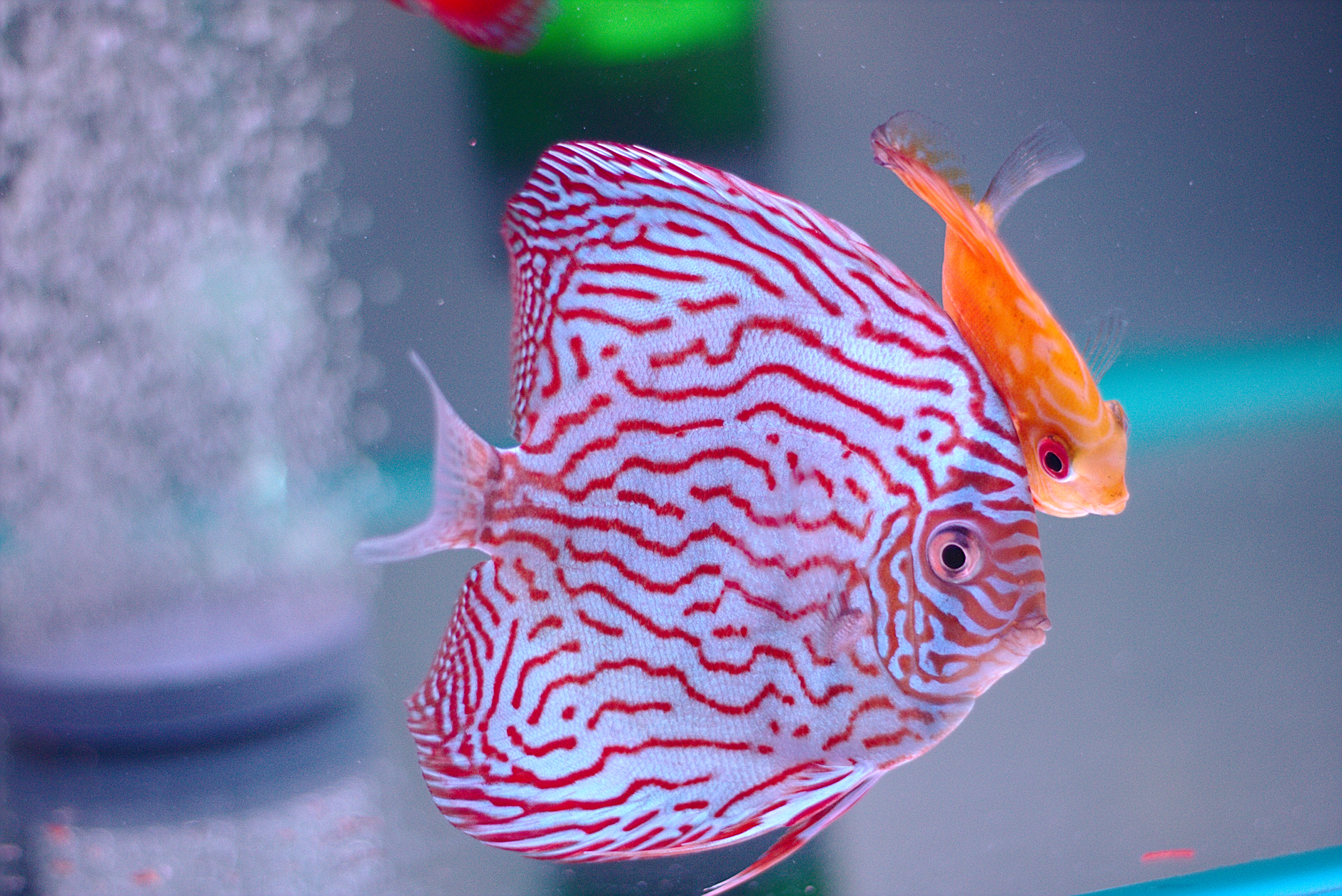
This is the sleeper pick, and most freshwater keepers have never considered it. A ReefMat feeds water through a roll of fleece, senses when the fleece clogs, and advances it automatically. It catches particles far smaller than a filter sock will hold, and it does it without you rinsing anything in a sink. The 500 is rated for systems up to roughly 130 gallons. The 1200 handles tanks up to about 300 gallons.
In freshwater the effect is immediate and slightly absurd. Water clears to the point where people think the tank is empty. Nitrate climbs more slowly because decaying particles are pulled out before they break down. On a cichlid tank with messy eaters, or a goldfish setup, this beats every sponge and pad combination you can build. Aquarium Co-Op’s filter guidance makes the same point from the other direction: match filtration to bioload rather than to tank volume.
The cost is consumable media. A roll lasts several weeks to a couple of months depending on stocking, and that recurring spend is the entire trade. It also needs about 6 inches of width in a sump chamber plus a power outlet, and the optical sensor can foul over time. For a lightly stocked 20-gallon community tank this is overkill. For a 75-gallon tank full of large fish it is the single best upgrade you can make. Check the Red Sea ReefMat 500 on Amazon to see the chamber dimensions before you plan a sump layout. It pairs naturally with a sensible water change schedule rather than replacing one.
Key strengths:
- ✅ Removes fine particulates that filter socks and pads pass straight through.
- ✅ Automatic roll advance eliminates the worst part of weekly maintenance.
- ✅ Slows nitrate accumulation by pulling debris out of the water column.
- ✅ Fits standard sump chambers on most Reefer and non-Red Sea systems.
- ✅ Rated for systems up to about 130 gallons for the 500 and about 300 for the 1200.
- ❌ Ongoing fleece costs add up over a year of use.
- ❌ Needs roughly 6 inches of sump width and a nearby power outlet.
- ❌ Overkill on lightly stocked small tanks and unusable without a sump.
Who it’s for: Get a ReefMat if you run a sump, stock heavily, and would rather buy media than rinse filter socks.
5. Red Sea ReefRun 7000 Return Pump , Best for sump systems in the 75 to 150 gallon range
The ReefRun 7000 is a controllable DC return pump rated around 7,000 liters per hour. In a 75-gallon freshwater sump system that is more headroom than you need, and that is fine. DC pumps run cooler and quieter when you dial them back. Drop it to 60 percent and you get near-silent operation plus a feed mode you can trigger from the app before you drop food in the tank.
Freshwater keepers rarely think about return pumps until they buy a sump. Then it matters. A DC pump lets you tune flow to what the overflow can actually handle, which kills the gurgle problem at the source. It also lets you slow flow through a refugium chamber so plants and pothos get contact time with the water. Our aquarium filter comparison covers canister alternatives if a sump is not in your plan.
The honest downside is app dependency and price. Plenty of inexpensive AC pumps move water for a decade with nothing but a switch and a cord. The ReefRun earns its cost if you want controllable flow, feed mode, and dry-run protection. If you just want water moving from the sump back to the display, buy the cheap pump and put the difference into your light or your test kit.
Key strengths:
- ✅ Controllable DC flow lets you match the pump to the overflow’s real capacity.
- ✅ Quiet at reduced speed, with feed mode and dry-run protection.
- ✅ Enough headroom for tanks from 75 to 150 gallons without buying twice.
- ✅ Behaves identically in freshwater and saltwater, so resale value holds.
- ❌ Costs several times what a basic AC return pump costs.
- ❌ App-only control with no physical speed dial on the unit.
- ❌ Pointless if you run a canister filter instead of a sump.
Who it’s for: Choose the ReefRun if you have a sump, want quiet controllable flow, and do not mind controlling it from a phone.
6. Red Sea Salt, Reef Foundation, Reef Energy, and Protein Skimmers , Best left on the shelf for freshwater tanks
This is the list that costs people money. Red Sea Salt is blended to mix at 35 ppt salinity and hold alkalinity near 8 dKH with calcium and magnesium at reef levels. You cannot use it in a freshwater tank at any dose. Reef Foundation A, B, and C are calcium, carbonate, and magnesium supplements built for stony coral growth. Reef Energy is an amino acid and vitamin blend for coral feeding. None of them have a role in a tank running at pH 7.0 and 6 dGH with a heater set to 78°F.
Protein skimmers belong on the same list. Foam fractionation depends on salinity and surface chemistry that freshwater does not provide in useful amounts. Freshwater skimmers exist, but they are weak compared with a roller mat or even a decent sponge block. Meanwhile, every dollar spent on reef consumables is a dollar not spent on what a freshwater tank actually needs: a quality test kit, a fertilizer regimen, and filtration matched to your fish load.
Seriously Fish’s species profiles are a good reality check here. Look up almost any freshwater fish and you will see parameters in the 6.5 to 7.5 pH range, 2 to 12 dGH, and 72 to 80 degrees Fahrenheit. Reef supplements push in the opposite direction on every one of those numbers. What belongs in your cart instead is a freshwater master test kit, a planted fertilizer, and a spare heater. Check the API Freshwater Master Test Kit on Amazon before you spend anything on reef chemistry you cannot use.
Key strengths:
- ✅ Recognizing these as saltwater-only saves real money on a freshwater build.
- ✅ The same budget buys a freshwater master test kit and a planted fertilizer.
- ✅ Skipping the skimmer leaves more room in the sump for media and a heater.
- ✅ Freshwater parameters sit far from reef targets, so the mismatch is easy to spot.
- ❌ Reef-branded packaging makes these products look like general aquarium supplies.
- ❌ Anyone who bought a MAX bundle already owns a skimmer they cannot use.
- ❌ The supplements hold resale value poorly once opened.
Who it’s for: Skip all of it unless you also run a saltwater tank, in which case buy it for that tank instead.
Frequently Asked Questions
Can you use a Red Sea Reefer for a freshwater tank?
Yes. The glass, cabinet, overflow, sump, and plumbing are all water-agnostic. You just have to supply a freshwater light and heater and leave the protein skimmer out of the build.
Is Red Sea Salt safe for freshwater fish?
No. It is blended to mix at roughly 35 ppt salinity and would injure or kill freshwater fish at any dose. It also buffers pH upward, which is the opposite of what most community tanks want.
Will a ReefLED grow freshwater plants?
It will grow low and medium light plants like Java fern, anubias, and cryptocorynes. The spectrum is blue heavy and tuned for coral, so plant color looks off and you pay for reef features you will not use.
Do protein skimmers work in freshwater aquariums?
Not effectively. Foam fractionation depends on salinity and surface chemistry that freshwater does not provide. Use a roller filter, filter socks, or sponge media instead.
How large is a Red Sea Reefer 250?
About 54 gallons in the display plus roughly 11 gallons in the sump, for a total system volume near 65 gallons. Size your heater and pump for the total volume, not the display.
What freshwater gear should replace a Red Sea MAX bundle?
A 6500K planted LED, a canister filter or a DC return pump, a heater sized to total water volume, and a freshwater master test kit. That covers everything a community or planted tank actually needs.
What Should You Remember?
- Buy the tank, skip the chemistry. Reefer glass, cabinets, sumps, and plumbing work in freshwater, but Red Sea salt and reef supplements do not.
- The ReefMat is the standout pick. A fleece roller pulls fine particles that socks and pads pass straight through.
- Budget the light separately. ReefLED fixtures run a coral spectrum, so a dedicated planted fixture usually wins.
- Match the pump to the overflow. The ReefRun 7000 runs quiet and controllable in a 75 to 150 gallon sump system.
- Hold 75 to 80°F for most community fish. Aqueon’s freshwater reference lists that range for tropical species.
- Skip the skimmer. Protein skimmers need salt to foam, so in freshwater they run all day and produce nothing.
This article is for general information only and is not a substitute for professional veterinary or aquarium specialist advice. Always research the specific needs of your fish and consult an expert before making care decisions.