Where you buy fish matters as much as which fish you buy. A store that quarantines new arrivals and runs separate filtration on every tank will hand you a healthy neon tetra that eats the same day. A store that keeps a dozen bettas in bare, unheated cups will hand you ich and a dead fish by Thursday. Our 2026 fishkeeping statistics roundup shows freshwater keepers now make up most of the new hobbyists entering the trade, which means the retail landscape has tilted hard toward big-box chains and online sellers. That shift is convenient, and it is also where most beginners get burned.
This comparison looks at six places to buy fish and gear: local fish stores, Aquarium Co-Op, LiveAquaria, big-box pet chains, online gear retailers, and independent breeders and clubs. Each channel gets judged on livestock quality, dry goods selection, live arrival guarantees, and how much work you have to do to avoid a bad purchase. No dollar figures appear anywhere in this guide. Prices move weekly, and a number printed here would be wrong by the time you read it. Check current pricing at the link before you commit.
Equipment quality and livestock quality are the same conversation, not two separate ones. A neon tetra needs a 20-gallon tank at 72°F to 78°F, pH 6.0 to 7.0, and soft water in the 2 to 8 dGH range, and it tops out around 1.2 inches as an adult. A betta wants a 5-gallon minimum at a steady 78°F with pH 6.8 to 7.4. Aqueon’s fish care reference publishes temperature and tank-size ranges for the common species, and those ranges tell you what gear to buy before you ever choose a store.
One rule sits above every recommendation below. No fish survives a store trip if your tank has not finished cycling, so work through our how to cycle a fish tank walkthrough before you bring anything alive home. After that, treat livestock and dry goods as two separate shopping trips. You will spend less money and lose fewer fish.
How Do the Top Options Compare?
| Retailer | Best For | Livestock Quality | Live Arrival Guarantee | Popular Gear Pick |
|---|---|---|---|---|
| Local fish store | Hands-on inspection before you pay | Excellent, if you inspect | Store policy, often 24 to 48 hours | Water test kit and food, priced at the counter |
| Aquarium Co-Op | Plants, medications, and straight advice | No livestock sold | Not applicable | Check price on Easy Green fertilizer |
| LiveAquaria | Saltwater and hard-to-find species | Very good | 14-day guarantee with photo proof | Quarantine tank starter gear |
| PetSmart and Petco | Same-day basics and starter kits | Mixed, store by store | Short return window, usually 14 days | Check price on the API Master Test Kit |
| Amazon and Chewy | Equipment prices and fast shipping | No livestock | Not applicable | Check price on the AquaClear 50 filter |
| Breeders and fish clubs | Show-quality lines and rarities | Excellent | Seller by seller, read the terms | Sponge filter for the quarantine tank |
Live arrival guarantees are only as good as their paperwork. Most require photos inside a set window, several require someone home at delivery, and nearly all exclude shipping charges from any refund. Return policies at chain stores also vary by location, so ask at the counter instead of assuming. No prices are listed anywhere in this guide because they change constantly. Follow the Check price links for current numbers.
1. Local Fish Store , Best for inspecting livestock before you pay
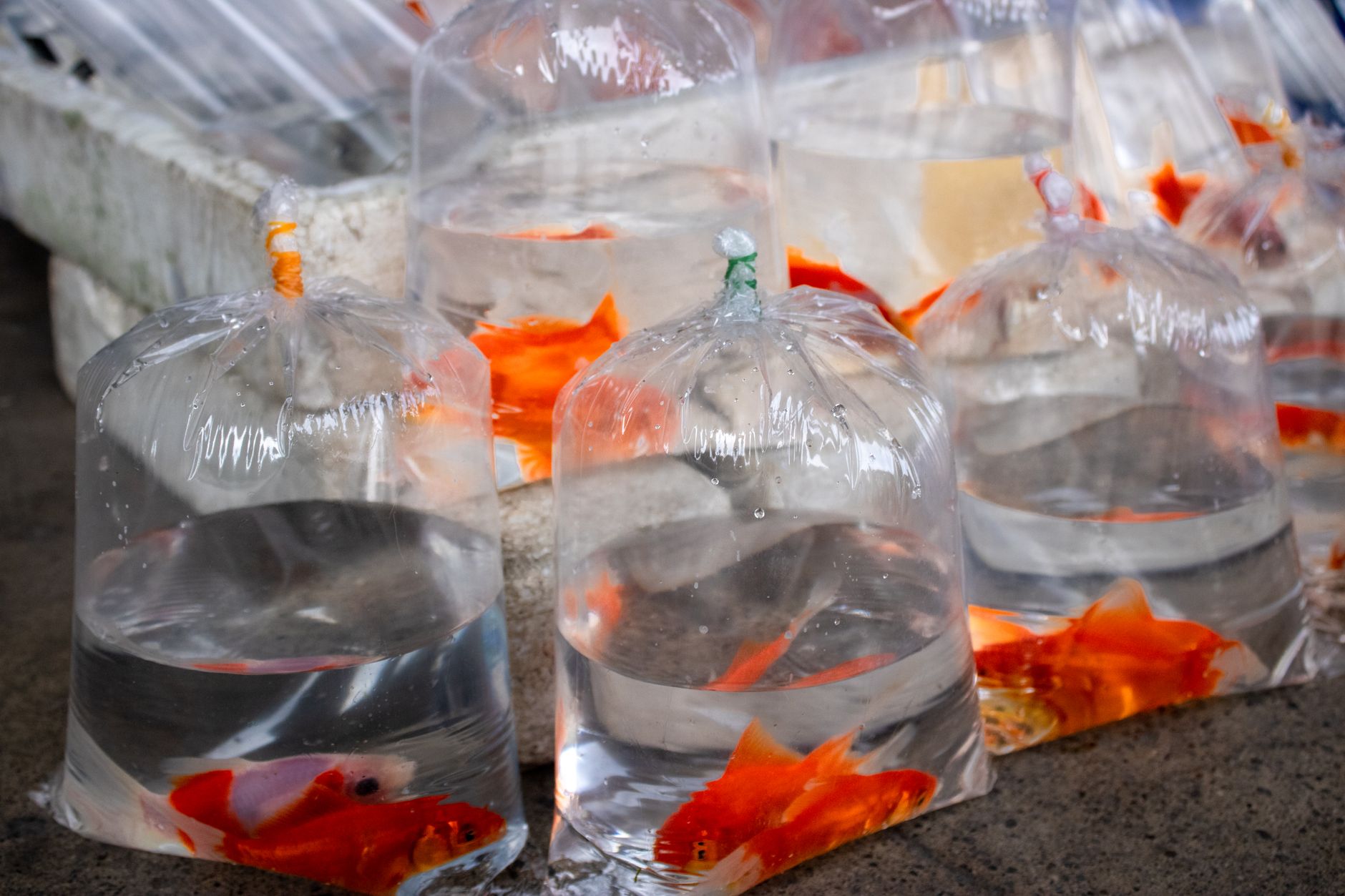
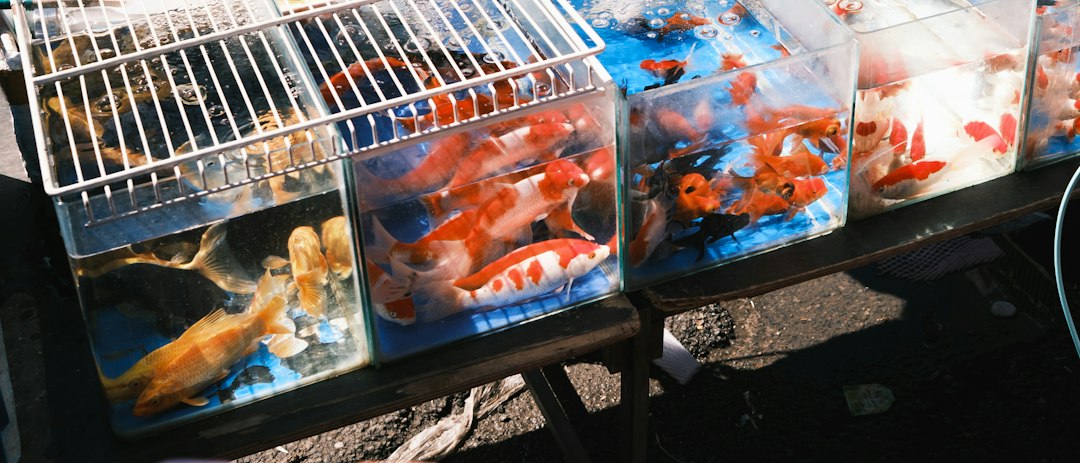
Local shops win on one thing no website can copy: you see the animal before money changes hands. Watch a fish swim for two full minutes. Clamped fins, labored gill movement, or a tank with cloudy water means walk away, no matter how good the deal looks. A store that runs separate filtration on every tank and holds new arrivals for two weeks is worth driving past three closer shops to reach.
Selection is the tradeoff. Most neighborhood shops stock the same ten or twelve freshwater species: guppies, platies, molly variants, neon tetras, a corydoras tank, and one betta shelf. If you want a specific apistogramma or a line-bred strain, expect a special order, which means buying a fish you never see until it arrives in a bag on the counter. Dry goods carry counter markup, so a filter or heater bought at the register usually costs more than the identical model shipped to your door.
Ask what the shop’s water runs before you buy. A neon tetra wants a 20-gallon tank at 72°F to 78°F, pH 6.0 to 7.0, and soft water around 2 to 8 dGH, and it stays under 1.5 inches as an adult. If the store keeps everything at pH 7.8 in very hard water, your tank and their tank are not the same environment, and slow drip acclimation matters far more than the ten-minute drive. Seriously Fish publishes species profiles with those exact ranges for nearly every fish sold in the trade.
Staff knowledge is the wild card. A shop where three employees keep planted tanks at home will steer you away from a common pleco in a 20-gallon tank. A shop staffed by seasonal hires will sell you anything.
Key strengths:
- ✅ Inspection beats any product photo: you can watch a fish swim, eat, and hold its fins before you commit.
- ✅ Employees who keep fish at home warn you away from species that wreck a community tank.
- ✅ No shipping stress and no live arrival paperwork to argue about.
- ✅ Water parameters are available on request, which makes acclimation planning straightforward.
- ✅ Most shops will hold livestock for you while a new tank finishes cycling.
- ❌ Many shops share water between tanks, so one sick fish can infect an entire wall.
- ❌ Dry goods carry counter markup that online retailers undercut by a wide margin.
- ❌ Rare species are almost always special orders, which means paying for a fish you have not seen.
Who it’s for: Choose a local shop when you want to see the fish in person, need it today, or want a store that will hold livestock until your tank cycles.
2. Aquarium Co-Op , Best for plants, medications, and straight-talking gear advice
Aquarium Co-Op started as a walk-in store in Edmonds, Washington, and turned into the most useful free fishkeeping library on the internet. Their guides and product pages cover everything from treating columnaris to why running carbon in a planted tank wastes money. They do not sell livestock online, which removes the entire question of live arrival guarantees from the transaction.
The product line is narrow and practical. Easy Green liquid fertilizer, the Med Trio quarantine pack, sponge filters, air pumps, and a handful of foods cover most of what a freshwater keeper actually needs. If you want a showpiece line-bred fish, this is the wrong store. If you want the medication that clears ich instead of the bottle with the nicest label, it is the right one. Check the Aquarium Co-Op Easy Green fertilizer on Amazon if you run a planted tank and cannot find it locally.
Their sponge filter and air pump pairing is a common pick for quarantine setups. A sponge holds nitrifying bacteria, costs almost nothing to run, and never sucks up a weakened fish the way a power filter intake can. Seed it from your main tank and a 10-gallon quarantine tank at 78°F can support fish within a day. Start from scratch and you are looking at three to six weeks before anything living should go in, which is exactly what the aquarium nitrogen cycle explained covers in detail.
The tradeoff is range. Fertilizer, medication, sponges, and food are the focus. If you need a 75-gallon tank, a canister filter, or a specific LED fixture, you are shopping somewhere else.
Key strengths:
- ✅ Free care guides written by staff who actually breed and quarantine fish.
- ✅ Medication packs solve common diseases without guesswork about dosing.
- ✅ Sponge filters and air pumps are ideal for quarantine and breeding tanks.
- ✅ No livestock sales means no shipping losses and no guarantee disputes.
- ✅ Fertilizer and food ship well, so orders arrive in good condition.
- ❌ No fish, which is the main reason most people visit a store.
- ❌ Narrow hardware selection, with no large tanks or canister filters.
- ❌ Popular items go out of stock, so plan around restock timing.
Who it’s for: Pick Aquarium Co-Op when you need medication, fertilizer, or a sponge filter, and when you want advice that comes from people who keep fish rather than people who sell them.
3. LiveAquaria , Best for saltwater livestock and species nobody local stocks
LiveAquaria is the largest online livestock seller in the hobby and the default choice for saltwater keepers. Their Divers Den section lists individually photographed specimens with the exact holding conditions and feeding notes, which is more information than most local stores can give you on a fish sitting in a tank three feet away. Freshwater selection is thinner but still covers cichlids, oddballs, and schooling fish that no neighborhood shop carries.
The guarantee is the selling point. Most orders carry a 14-day live arrival policy, which is longer than the short return window at chain stores. It does require photo documentation, and it does require you to be home when the box lands. Miss the delivery and the coverage can vanish, so schedule shipping for a day someone will actually be there.
Saltwater buyers should check parameters before choosing anything. An ocellaris clownfish needs roughly 20 gallons at 76°F to 78°F, pH 8.1 to 8.4, and a specific gravity of 1.020 to 1.025, and it reaches about 3 inches as an adult. Those numbers are not negotiable, and a fish shipped into a tank that sits outside them will be dead inside a week no matter how good the seller is.
The downside is cost per fish. Shipping a box of eight tetras carries the same handling and freight cost as shipping a single fish, which pushes the effective price of common species well above local retail. Use LiveAquaria for what you cannot find locally, not for guppies.
Key strengths:
- ✅ Largest livestock catalog in the hobby, especially for saltwater.
- ✅ Individually photographed specimens in the Divers Den listings.
- ✅ 14-day live arrival guarantee with clear documentation rules.
- ✅ Detailed husbandry notes on tank size, diet, and temperament.
- ✅ Overnight shipping with heat or cold packs matched to the season.
- ❌ Shipping cost per fish is high, so common species are better bought locally.
- ❌ Guarantee requires photos and a delivery signature, which rules out some work schedules.
- ❌ Livestock ships blind, so you cannot inspect behavior before buying.
Who it’s for: Use LiveAquaria when you need a specific saltwater fish or a freshwater species that no store within driving distance stocks.
4. PetSmart and Petco , Best for same-day basics and starter kits
The two big chains are where most people buy their first tank, and that is not a bad thing. A 10-gallon or 20-gallon kit with a lid, light, and filter is available the same afternoon, and the return policy is simple if a seam leaks. Food, conditioner, nets, and gravel are always in stock. When your heater dies on a Sunday night in January, this is the store that is open.
Livestock is where the chains fall apart. Most locations run central filtration that links dozens of tanks, so a single infected shipment spreads across the entire wall before anyone notices. Stock rotates fast, employees rarely know which fish arrived this morning, and bettas often sit in unheated cups. Inspect everything. If a tank has multiple fish with clamped fins, that store is not selling you a healthy animal, whatever the price tag says.
On the gear side, kits are the weak point. The included filter is usually rated below the tank’s real bioload, and the heater is often undersized. A 20-gallon tank in a 68°F room needs roughly 50 to 100 watts to hold a steady 78°F, and kit heaters frequently fall at the low end. Read our best aquarium filters for 2026 picks before you assume the box contains what you need.
One accessory is genuinely worth buying here. A liquid test kit measures ammonia, nitrite, nitrate, and pH, and no strip test comes close for accuracy. Keep one on the shelf from day one.
Key strengths:
- ✅ Same-day availability for tanks, food, conditioners, and nets.
- ✅ Simple return policy on dry goods and a short window on fish.
- ✅ Starter kits get a beginner into the hobby for a modest outlay.
- ✅ Liquid test kits and common medications are usually in stock.
- ✅ Store credit and rewards programs soften the cost of repeat purchases.
- ❌ Shared filtration spreads disease across the entire livestock wall.
- ❌ Included filters and heaters are typically undersized for the tank.
- ❌ Staff advice ranges from excellent to actively wrong, depending on the store.
Who it’s for: Shop the chains when you need something today, when a tank fails on a weekend, or when you want a starter kit and plan to upgrade the filter yourself.
5. Amazon and Chewy , Best for equipment prices and hard-to-find parts
For dry goods, online retailers are hard to beat. Filters, heaters, lighting, test kits, substrate, and food all ship to your door, usually for less than counter pricing, and reviews from other keepers tell you which models fail in year two. Amazon carries everything from a cheap air pump to a full canister filter, and Chewy bundles food and consumables into repeat orders that save trips.
The catch is that nobody is checking your tank. A filter rated for 20 gallons is rated on flow, not on bioload, and a heavily stocked cichlid tank will overwhelm it. Match the filter to the fish, not to the number on the box. Heaters deserve the same scrutiny. A 20-gallon tank needs roughly 50 to 100 watts to hold 78°F against a 68°F room, and buying a 25-watt unit because it was cheapest guarantees temperature swings. Our best aquarium heaters for 2026 roundup covers sizing in more detail.
Counterfeit and gray-market gear is a real risk on marketplace listings. Buy from the brand’s official storefront or a seller with a long history, and check that the listing names the manufacturer. A dirt-cheap canister filter with no brand name is a leak waiting to happen on your carpet.
Stock spares. A spare heater, a spare air pump, and a spare filter impeller cost little and prevent the kind of overnight failure that kills a tank. Check price on the AquaClear 50 if you want a filter with a media basket you can customize, which is a better long-term buy than a sealed cartridge unit.
Key strengths:
- ✅ Lowest pricing on filters, heaters, lighting, and consumables.
- ✅ Huge selection, including parts and media that local stores do not stock.
- ✅ Review history reveals which models fail early and which last.
- ✅ Subscribe-and-save options cut the cost of food and conditioner.
- ✅ Fast shipping means a replacement heater can arrive before the weekend.
- ❌ No livestock, so a fish purchase still requires a store or breeder.
- ❌ Marketplace sellers occasionally ship counterfeit or gray-market gear.
- ❌ Nobody checks your stocking level, so undersized equipment is easy to buy by accident.
Who it’s for: Buy from Amazon or Chewy when you know the exact model you want and want it cheaper, or when a local store does not carry the part.
6. Breeders and Fish Clubs , Best for show-quality lines, rare species, and honest advice
The best fish in the hobby rarely come from a store. Local breeders and aquarium club auctions sell line-bred guppies, wild-type livebearers, cichlid strains, and rare catfish that never appear on a retail shelf. The person selling them spawned them, raised the fry, and knows exactly what water they were raised in, which is more information than any retailer provides.
Prices are often lower than retail for common species and higher for genuinely rare ones, which is fair. You are paying for genetics and health, not for a markup on a wholesale bag. Club auctions move fast, so bring a cooler, bags, and a plan for quarantining whatever you win. A seller who offers to hold your purchase while you set up a tank is a seller worth returning to.
Ask the breeder for the parameters the fish was raised in. If a strain of apistogramma was spawned at pH 6.2 and 80°F, do not drop it into hard tap water at pH 7.6 and expect it to thrive. Most breeders will tell you honestly whether their water matches yours, and the honest ones will talk you out of a purchase that will not work.
Quarantine applies here as much as anywhere. Even a healthy breeder fish carries new bacteria into your system, and a 10-gallon tank at 78°F with a sponge filter for two to four weeks costs almost nothing. Treat club auctions as a source of excellent stock that still needs the same 30 days of caution as anything shipped in a box.
Key strengths:
- ✅ Show-quality lines and color strains that retail stores never stock.
- ✅ Breeders know the exact water parameters the fish was raised in.
- ✅ Wild-type and rare species show up regularly at club auctions.
- ✅ Direct contact with the seller makes follow-up questions easy.
- ✅ Local pickup avoids shipping stress entirely.
- ❌ No formal live arrival guarantee, so a bad purchase is on you.
- ❌ Stock is unpredictable and tied to the auction or spawn calendar.
- ❌ New keepers can overpay for a fish they are not ready to keep.
Who it’s for: Go to breeders and clubs when you want a specific strain, a rare species, or advice from someone who has actually spawned the fish in front of you.
Frequently Asked Questions
Is it safe to buy fish online?
Yes, if the seller ships overnight and offers a live arrival guarantee. Reputable sellers pack fish in oxygen-filled bags with heat or cold packs depending on the season. The bigger risk is what happens after arrival, so quarantine every shipped fish in a separate tank for two to four weeks before it meets your main stock.
Where should I buy my first aquarium?
Buy the tank, lid, and stand locally if you can, because glass is expensive to ship and you can inspect the silicone seals in person. Buy the filter, heater, and water test kit online where the same models usually cost less. Starter kits from big-box chains are fine for the tank itself, but the included filters are often undersized.
Why do fish from big-box stores sometimes arrive sick?
Many chain stores run a central filtration system that links dozens of tanks. One infected shipment can spread through the entire wall in days. Staff also have limited time to spot early symptoms. Inspect every fish for clamped fins and rapid gill movement, and ask when the last shipment landed.
Do I really need to quarantine new fish?
Yes. A 10-gallon quarantine tank at 78°F with a seeded sponge filter costs very little and prevents the most common disaster in the hobby, which is wiping out a stocked display tank with ich or a bacterial infection. Two to four weeks of observation is the standard window most sellers and clubs recommend.
Is livestock or gear cheaper online?
Gear is almost always cheaper online, especially filters, heaters, and lighting. Livestock is a different calculation. Shipping adds cost per fish, and a single box of eight tetras carries the same handling risk as a box of one. Local stores win on livestock for most common species.
What does a live arrival guarantee actually cover?
Most guarantees cover fish that arrive dead or die within a short window, often 14 days for the larger online sellers. Nearly all require photos of the dead fish in the bag or tank, and some require you to be home for delivery. Read the terms before you order, since shipping costs are frequently excluded from refunds.
What Should You Remember?
- Inspect before you buy: Watch a fish swim for two full minutes and walk away from any tank with clamped fins, cloudy water, or gasping fish.
- Split your purchases: Buy livestock from a local store or breeder, and buy filters, heaters, and lighting from whichever online retailer is cheapest.
- Match the water, not the label: A neon tetra needs 20 gallons at 72°F to 78°F with pH 6.0 to 7.0 and 2 to 8 dGH, so ask what the store’s systems actually run.
- Quarantine everything: A 10-gallon tank at 78°F with a sponge filter protects your display tank from every new arrival.
- Read the guarantee: Live arrival coverage almost always requires photos and a delivery window, and shipping fees are rarely refunded.
- Skip undersized kits: Most starter kits ship with a filter rated below the tank’s real bioload, so budget for an upgrade.
- Use clubs for rarities: Local breeders and fish clubs beat any retailer on show-quality lines, rare species, and honest advice.
This article is for general information only and is not a substitute for professional veterinary or aquarium specialist advice. Always research the specific needs of your fish and consult an expert before making care decisions.