Freshwater or saltwater? That is the first real fork in the road for a new fishkeeper. In 2026 the aquarium hobby continues to grow, with more keepers setting up tanks at home and looking for a setup that matches their schedule. According to APPA, millions of US households now keep fish, and interest in both freshwater and marine tanks remains steady. I have run both types for years. The choice is not about which tank is objectively better. It is about your budget, your time, and what you want to see when the lights come on. Before you buy, check our aquarium fishkeeping statistics 2026 for a look at where the hobby is heading.
Freshwater tanks are usually the default recommendation. A beginner can run a simple 20-gallon community tank with a hang-on-back filter, a heater, and gravel. Water changes are straightforward, and many freshwater fish tolerate some mistakes. Saltwater tanks demand stricter control of salinity, alkalinity, calcium, and temperature. When saltwater works, it looks like a window into a reef. When it fails, it fails with expensive coral and stressed fish. This guide compares both paths using real 2026 prices and stocking norms. Aqueon’s care reference lists exact temperature and tank-size requirements for many freshwater and marine species. Aquarium Co-Op’s freshwater guide is another practical starting point.
Before any fish goes into a tank, the nitrogen cycle must be established. That means growing enough beneficial bacteria to convert ammonia to nitrite and then nitrate. This is non-negotiable for every aquarium. Freshwater tanks cycle faster with hardy fish or fishless ammonia. Saltwater tanks benefit from live rock and longer curing periods. If you skip the cycle, you will lose fish. I have made that mistake. A test kit is more important than any decoration. Read our aquarium nitrogen cycle explained before you start. You can cycle with fishless ammonia in a freshwater tank or with live rock in saltwater.
Your first decision should be based on time, space, and money. A 10-gallon freshwater tank can work for a betta or shrimp. A 10-gallon saltwater tank is much less stable because small volumes swing quickly. Most first-time keepers do best with a 20-gallon long freshwater tank or a 40-gallon breeder. Saltwater beginners should consider a 40-gallon or larger system. If you live in an apartment with limited floor space, freshwater is easier. If you have a dedicated fish room and budget, a reef tank is possible. We cover beginner-friendly hardware in best beginner fish tanks.
How Do the Top Options Compare?
| Setup Type | Best For | Water Parameters | Initial Cost | Maintenance |
|---|---|---|---|---|
| Freshwater Community Tank | Beginners and families | 68-82°F, pH 6.5-8.0, 0 ppm ammonia/nitrite | Check freshwater starter kits | Weekly 20-30% water changes |
| Planted Freshwater Tank | Aquascapers and shrimp keepers | 72-80°F, pH 6.0-7.5, soft to moderate hardness | Check planted aquarium lighting | Weekly trimming plus 25% water changes |
| Saltwater Fish-Only Tank | Marine fish fans on a budget | 76-80°F, pH 8.0-8.4, salinity 1.020-1.025 | Check saltwater starter kits | Biweekly 20% water changes plus salt mixing |
| FOWLR Tank | Hobbyists adding live rock | 76-80°F, pH 8.1-8.4, alkalinity 8-12 dKH | Check live rock and protein skimmers | Weekly testing plus 20% water changes |
| Reef Tank | Coral and invert keepers | 74-80°F, pH 8.0-8.4, calcium 420-450 ppm | Check reef aquarium lighting | Daily dosing, weekly 10-15% water changes |
Prices are starting ranges for hardware only. Livestock, live rock, and corals add cost. Always cycle before adding fish.
1. Freshwater Community Aquarium , Best for first-time fishkeepers

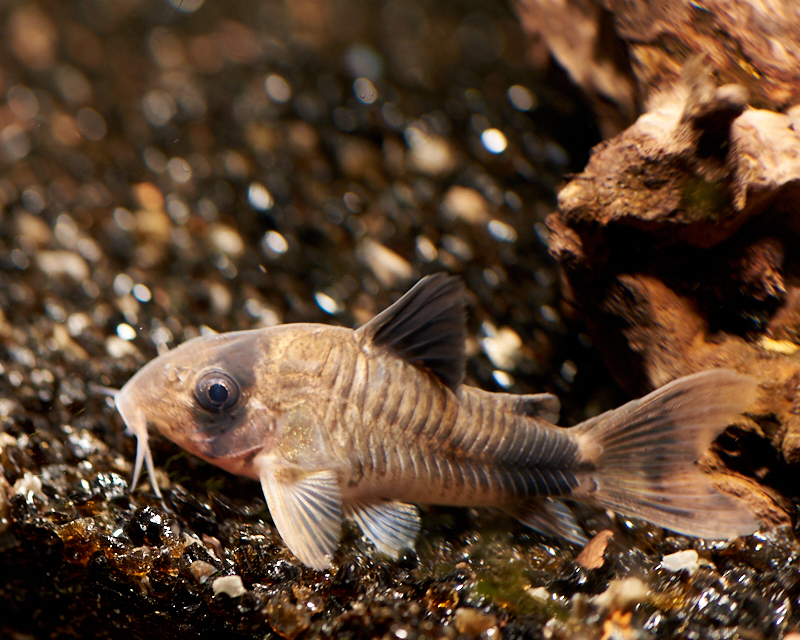
A freshwater community tank is the most forgiving way to start. A standard 20-gallon long tank with a heater set to 76°F to 80°F and pH between 6.8 and 7.6 can house schooling fish like harlequin rasboras, platies, and corydoras. Many common species stay under 3 inches, so a 20-gallon tank gives you room for a small group without overstocking. I start beginners here because water changes are simple. You siphon out 20 to 30 percent weekly, match the new water temperature, and add dechlorinator.
Setup costs are lower than saltwater. A basic 20-gallon kit may include a filter, heater, and LED light. You do not need a protein skimmer, powerhead, or refractometer. But do not assume it is zero work. Ammonia and nitrite still kill fish, especially in an uncycled tank. Follow best fish for beginners to pick hardy species. Avoid goldfish in a 20-gallon unless you plan to upgrade, because common goldfish can reach 12 inches or more and need much larger quarters.
The downside is that freshwater tanks can look ordinary if you do not scape them. You can add driftwood, rocks, and easy plants to create depth. The fish are active, but there is no coral movement. If you want bright marine colors, this setup may feel limited.
Key strengths:
- ✅ Lower startup and equipment costs
- ✅ Forgives small beginner mistakes
- ✅ Wide range of hardy community fish
- ✅ No salinity or refractometer monitoring
- ❌ Less dramatic color than many marine fish
- ❌ Can look plain without aquascaping
- ❌ Some beginner fish grow larger than expected
Who it’s for: Choose a freshwater community tank if you want a lower-cost, lower-maintenance first aquarium.
2. Planted Freshwater Aquarium , Best for aquascapers and plant lovers
A planted freshwater tank keeps the same basic water chemistry as a community tank but adds light and nutrients. A typical setup runs at 72°F to 80°F with pH 6.0 to 7.5 and soft to moderate hardness. Plants like java fern, anubias, and crypts tolerate a range. More demanding carpeting plants need better lighting and CO2. We cover beginner choices in best aquarium plants for beginners.
The appeal is a self-sustaining look. Healthy plants absorb nitrate and can reduce water change frequency, but they also add trimming, dosing, and algae management. A 10-gallon planted tank with a quality LED works well for shrimp or a betta. A 40-gallon breeder gives you room for a school of rummy-nose tetras. You need nutrient-rich substrate and liquid fertilizer. Some aquarists use root tabs.
Downsides include algae and CO2 cost. High light without CO2 often leads to green hair algae. You may spend more time scraping glass than enjoying fish. But a low-tech planted tank with dim light and easy plants is still manageable.
Key strengths:
- ✅ Can look like a natural underwater garden
- ✅ Healthy plants help control nitrate
- ✅ Many low-light plants are beginner friendly
- ✅ No salt mixing required
- ❌ High light can trigger algae outbreaks
- ❌ CO2 injection adds cost and complexity
- ❌ Plant trimming adds weekly maintenance
Who it’s for: Choose a planted freshwater tank if you enjoy plants, aquascaping, and building a planted habitat.
3. Saltwater Fish-Only Aquarium , Best for marine fish without corals
A saltwater fish-only tank is the simplest way to keep marine fish. You need a reliable heater set to 76°F to 80°F, pH 8.0 to 8.4, and specific gravity between 1.020 and 1.025. A 40-gallon breeder is a realistic minimum for many common marine fish. Smaller tanks swing too fast. You will also need a refractometer or hydrometer, marine salt mix, and an RODI unit or access to purified water.
Stocking options include clownfish, chromis, dwarf angelfish, and some wrasses. Many marine fish are territorial. A 40-gallon tank may only hold a small group. For example, a pair of ocellaris clownfish can live in a 20-gallon tank, but a dwarf angelfish needs 55 gallons or more. LiveAquaria’s marine fish profiles give minimum tank sizes and compatibility.
Maintenance is more involved than freshwater. You must mix saltwater 24 hours before water changes and check salinity every time. Evaporation raises salinity. You top off with fresh water daily. A quality filter is essential. Add a protein skimmer if you plan to keep larger or messier marine fish.
Key strengths:
- ✅ Marine fish colors and behaviors are striking
- ✅ No special coral lighting required
- ✅ Can start with a 40-gallon system
- ✅ Wide variety of clownfish, wrasses, and dwarf angels
- ❌ Mixing saltwater adds weekly prep time
- ❌ Marine fish are more sensitive to ammonia and nitrite
- ❌ Evaporation requires daily freshwater top-offs
Who it’s for: Choose a saltwater fish-only tank if you want marine fish without the complexity of corals.
4. FOWLR (Fish Only With Live Rock) Aquarium , Best for natural biological filtration
FOWLR stands for fish only with live rock. The live rock is the centerpiece. It provides hiding places and biological filtration. A standard FOWLR setup uses 1 to 2 pounds of live rock per gallon. For a 55-gallon tank, that means 55 to 110 pounds. Water parameters are similar to a fish-only marine tank: 76°F to 80°F, pH 8.1 to 8.4, and alkalinity 8 to 12 dKH.
The advantage is natural nitrate control. Bacteria and microfauna living in live rock help process waste. You still need a protein skimmer. That is not optional for most FOWLR tanks. A 55-gallon FOWLR with a quality skimmer can house a dwarf angelfish, a few chromis, and a clownfish pair. But live rock can carry pests like bristle worms, aiptasia, or mantis shrimp. Quarantine and curing are essential.
Cost goes up because live rock is not cheap. Dry rock is cheaper but takes longer to cycle. You will also need stronger flow. A powerhead rated for 10 to 20 times tank volume per hour is normal. This setup is a bridge between simple marine tanks and full reef tanks.
Key strengths:
- ✅ Live rock adds natural filtration and hiding spots
- ✅ Supports more fish than a bare marine tank
- ✅ Creates a more natural marine environment
- ✅ Good stepping stone to a reef tank
- ❌ Live rock is expensive and may carry pests
- ❌ Protein skimmer and powerhead required
- ❌ Curing or cycling live rock takes longer
Who it’s for: Choose FOWLR if you want live rock filtration but do not plan to keep corals yet.
5. Reef Aquarium , Best for corals and advanced keepers

A reef tank is the most demanding setup in this comparison. It houses corals, anemones, and reef-safe fish. Water chemistry is precise. You need pH 8.0 to 8.4, temperature 74°F to 80°F, calcium 420 to 450 ppm, alkalinity 8 to 12 dKH, magnesium 1300 to 1350 ppm, and salinity 1.025. A 40-gallon breeder is a common starting point, but stability improves with a 75-gallon or larger system.
Lighting is the biggest equipment difference. Corals need strong LED lighting with the right spectrum. A budget light may grow soft corals, but SPS corals often need a high-end fixture. Compare options in best aquarium lighting 2026.
Maintenance is daily or weekly. You test calcium, alkalinity, magnesium, phosphate, and nitrate. You dose two-part or run a calcium reactor. Water changes of 10 to 15 percent weekly are common. If power fails, a reef tank crashes faster than any freshwater tank. Keep battery backups and a generator plan. The reward is unmatched. A healthy reef is a living art piece.
Key strengths:
- ✅ Can keep corals, anemones, and reef fish
- ✅ Stunning colors and movement
- ✅ High-end equipment gives precise control
- ✅ Huge community of reef keepers
- ❌ Very high startup and ongoing costs
- ❌ Requires daily or weekly parameter testing
- ❌ Small mistakes can kill expensive corals
Who it’s for: Choose a reef tank if you want corals and have the time and budget for precise care.
Frequently Asked Questions
Is saltwater harder than freshwater?
Yes. Saltwater requires salinity control, more testing, and stable parameters. A 20-gallon freshwater tank is easier than a 20-gallon saltwater tank because freshwater fish tolerate more fluctuation.
What tank size should a beginner choose?
For freshwater, a 20-gallon long or 40-gallon breeder works well. For saltwater, start with a 40-gallon breeder or larger. Bigger water volume means more stability.
How much does a saltwater setup cost?
A basic 40-gallon saltwater fish-only setup usually costs more than a freshwater setup. Expect to pay for a tank, skimmer, powerhead, heater, salt mix, RO or purified water, and live or dry rock. Reef lighting adds more.
Can I convert a freshwater tank to saltwater?
Some equipment may work, but you need to clean the tank thoroughly and replace or supplement filtration. A used freshwater tank can be converted if it has no copper residue. You will need marine salt, a refractometer, and more flow.
Do saltwater tanks need live rock?
Not always. A fish-only marine tank can run with dry rock or bio-media. Live rock adds natural filtration and looks more realistic, but it is optional.
Which is cheaper long term?
Freshwater is generally cheaper. Water changes do not require salt mix, and equipment is simpler. Saltwater adds salt, RODI water, more electricity for pumps and lights, and often more supplements.
What Should You Remember?
- Start with freshwater if you are new to fishkeeping and want lower startup costs.
- Budget more for saltwater because skimmers, powerheads, salt, and live rock add up.
- Match tank size to fish needs, not just the room where the tank sits.
- Cycle every tank before adding fish, whether freshwater or saltwater.
- Use a refractometer for saltwater salinity checks; never guess specific gravity.
- Choose a 40-gallon breeder or larger for marine fish stability.
- Choose reef lighting carefully if you plan to keep corals.
This article is for general information only and is not a substitute for professional veterinary or aquarium specialist advice. Always research the specific needs of your fish and consult an expert before making care decisions.