A sick fish usually gives you a warning before it dies. Clamped fins, rapid breathing, flashing against objects, or hiding are early signs that something is off in your tank. Most freshwater fish diseases do not appear randomly. They start when water quality drops, temperature swings, or new livestock brings a pathogen into a stable system. Before you reach for a bottle of medication, understand your water parameters. A fully cycled tank with low ammonia and nitrites prevents the stress that weakens a fish’s immune system. Our aquarium nitrogen cycle guide walks through the cycle step by step. Without that foundation, treating disease becomes guesswork.
This comparison covers five common freshwater fish diseases: ich, fin rot, columnaris, dropsy, and swim bladder disorder. The symptoms overlap enough that misdiagnosis is common. Ich looks like salt spots. Fin rot looks like torn fins. Columnaris looks like cotton patches. Dropsy looks like a pinecone. Swim bladder disorder looks like unstable swimming. The wrong cure can make things worse. For example, raising the temperature helps ich but speeds up columnaris. If you suspect ich, read our dedicated how to treat ich in aquarium guide before dosing. Correct diagnosis matters more than speed.
We compared each disease on visible symptoms, underlying cause, treatment approach, and likelihood of recovery. The guidance follows standard fishkeeping references from Aqueon and Aquarium Co-Op, two sources that focus on practical aquarium care. Tank size and water chemistry matter in treatment. A 10-gallon quarantine tank with a heater and sponge filter gives you a controlled place to medicate without harming plants or invertebrates in your display tank. Most treatments also work better when you increase water changes. Check our how often to change aquarium water article for weekly maintenance rates.
Water temperature determines how fast some pathogens reproduce. Ich stops reproducing at 82°F. Columnaris thrives in warm, low-oxygen water and can kill in 24 to 48 hours. A reliable heater keeps the temperature steady during treatment. Sudden drops of 2°F or more stress fish and suppress immunity. We list dependable models in our best aquarium heaters for 2026 review. Treat the tank, not just the fish. Remove carbon from filters because it strips many medications, and always finish the full course even if symptoms fade.
How Do the Top Options Compare?
| Disease | Key Symptom | Primary Treatment | Medication Cost |
|---|---|---|---|
| Ich | White salt-like spots on fins and body | Raise temp to 82°F, use malachite green or formalin | Check the API Super Ick Cure on Amazon |
| Fin Rot | Ragged, decaying fins with red or white edges | Improve water quality, use antibacterial med like Melafix | Check the API Melafix on Amazon |
| Columnaris | White or gray cottony patches on mouth or back | Lower temp, dose Kanaplex and aquarium salt | Check the Seachem Kanaplex on Amazon |
| Dropsy | Pinecone-like raised scales and bloating | Epsom salt, antibiotic, often poor prognosis | Check the API E.M. Erythromycin on Amazon |
| Swim Bladder Disorder | Floating, sinking, or inability to stay level | Fast 2-3 days, feed peas, Epsom salt bath | Check the API Aquarium Salt on Amazon |
Prices are links to Amazon search results for medication. Always use a quarantine tank when possible and follow label directions.
1. Ich (White Spot Disease) , Best for Treating Early Salt-Like Spots
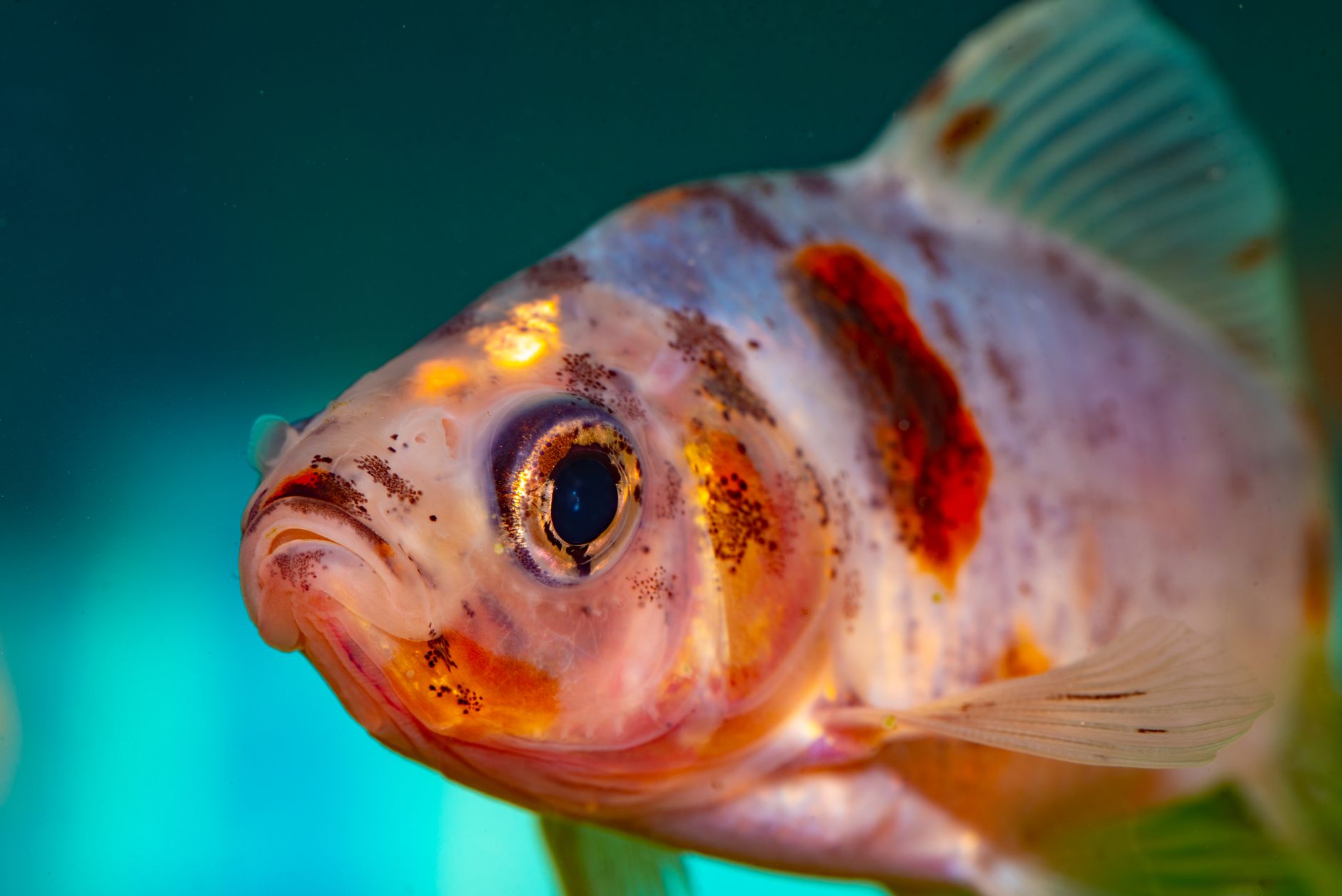
Ichthyophthirius multifiliis causes the white spots. It burrows into the fish’s skin and gills. The spots look like salt grains. Fins clamp, and fish may scratch on objects. Aqueon’s disease reference lists it as the most common aquarium parasite. Spots appear after stress or because new fish brought it in.
The parasite has three stages. The trophont sits under the fish’s skin. The tomont falls to the substrate and multiplies. The free-swimming theront seeks a host. Medication only works on the theront stage. This is why you must dose for several days. Raise the temperature to 82°F to speed the life cycle. Then dose. A 10-gallon quarantine tank makes treatment cheaper.
Use a product like API Super Ick Cure with malachite green and formalin. Check the API Super Ick Cure on Amazon. Increase aeration, because heat lowers oxygen. Do not stop early. After the spots disappear, keep treating for three days. Vacuum the substrate to remove tomonts.
Key strengths:
- ✅ Clear salt-grain spots make ich easy to identify early
- ✅ Responds well to 82°F heat plus malachite green or formalin
- ✅ Treatable in a 10-gallon quarantine tank
- ✅ Medications widely available and inexpensive
- ❌ Only kills the free-swimming theront stage
- ❌ Will reoccur if the main tank is not cleaned
- ❌ Raising heat can harm some cool-water species
Who it’s for: Keepers who catch white spots early and can maintain steady 82°F heat during treatment.
2. Fin Rot , Best for Ragged Fins from Poor Water Quality
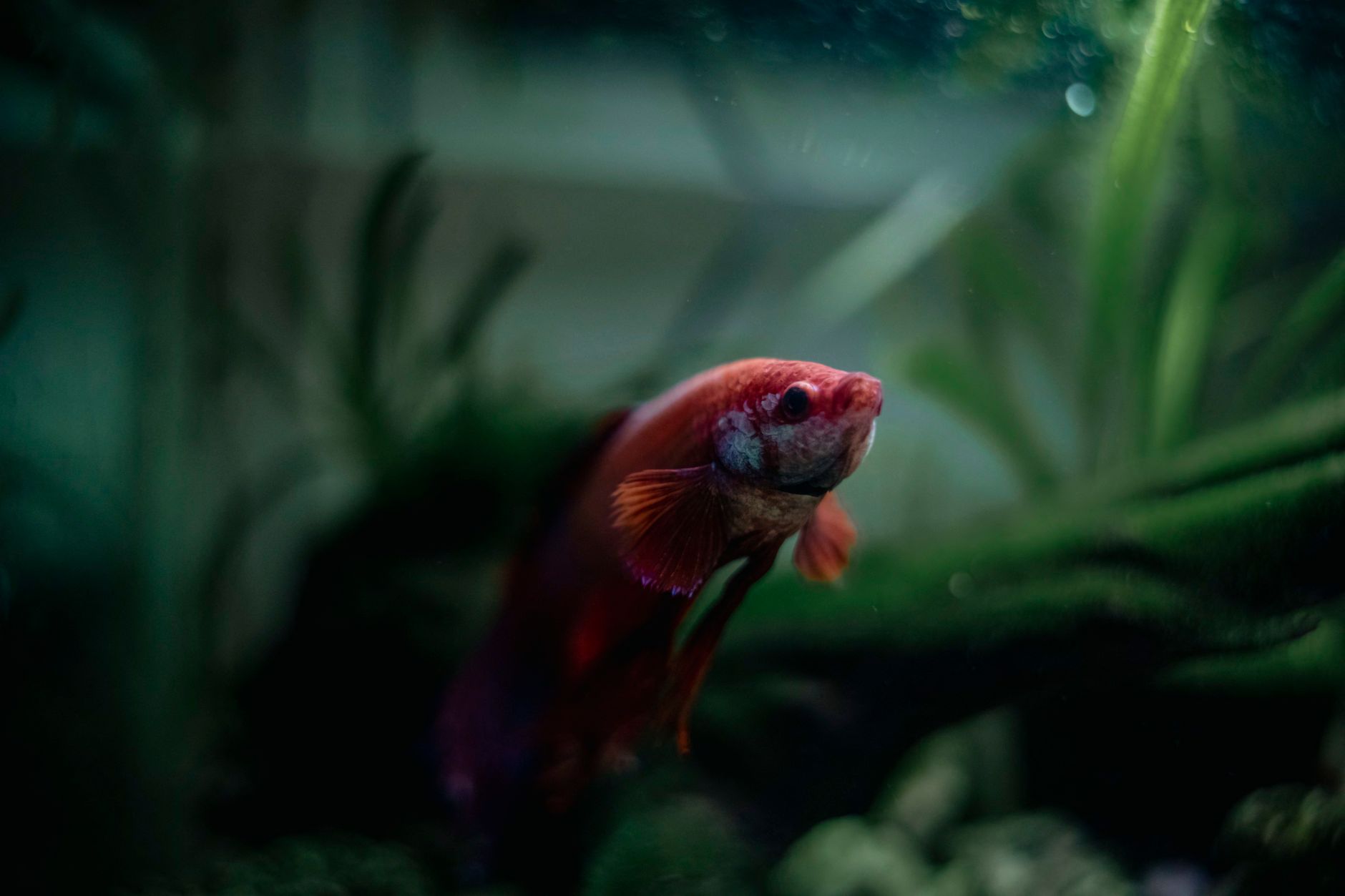
Fin rot is usually bacterial, sometimes fungal. It starts when poor water quality stresses the fish. Ammonia burns fin edges, then bacteria invade. Fins look ragged, split, or discolored. Red or white edges are common. If left, it eats the fin down to the body. Aquarium Co-Op’s fin rot guide stresses that you must fix the water before or while treating. Do daily partial water changes of 25% for a 20-gallon tank at a pH around 6.8 to 7.2. A good filter removes waste. See our best aquarium filters for 2026 for options.
Treatment depends on severity. Early cases often heal with clean water alone. Moderate to severe cases need antibacterial meds. API Melafix works for mild bacterial fin rot. Check the API Melafix on Amazon. For stubborn infections, use erythromycin or kanamycin. Remove carbon from the filter because it absorbs medication.
Do not use tea tree oil products as a cure-all. They may help mild cases but do not replace antibiotics for advanced fin rot. Keep the temperature stable between 76°F and 80°F for most tropical fish. If the aquarium is overstocked, separate affected fish into a 10-gallon hospital tank. Watch for improvement within five days. If the rot progresses to the body, the fish rarely recovers.
Key strengths:
- ✅ Mild fin rot clears with clean water and reduced stocking
- ✅ Antibacterial meds are easy to find and dose
- ✅ Visible fin regrowth shows progress within a week
- ✅ Works well with quarantine and filter maintenance
- ❌ Advanced fin rot can kill fish or cause permanent fin loss
- ❌ Water quality issues must be fixed, otherwise it returns
- ❌ Overuse of mild remedies delays proper antibiotics
Who it’s for: Keepers with fish showing early ragged fins and who can commit to frequent water changes.
3. Columnaris , Best for Cotton-Like Mouth or Saddleback Lesions
Columnaris is caused by Flavobacterium columnare, a bacterial infection often mistaken for fungus. It creates white or gray cotton-like patches around the mouth, gills, back, or fins. A saddleback lesion across the dorsal area is a classic sign. It spreads fast and can kill within 48 hours. Unlike ich, warmer water makes it worse. Keep the temperature around 75°F and increase oxygen. High nitrites or organic waste trigger outbreaks. A fully cycled tank is essential. Review how to cycle a fish tank if your tank is new or crashed.
Treatment should start the same day you see symptoms. Seachem Kanaplex is one of the better antibiotics for columnaris. Check the Seachem Kanaplex on Amazon. Dose according to the label and combine with aquarium salt at 1 teaspoon per 5 gallons for mild support. In a 20-gallon quarantine tank, add 4 teaspoons of aquarium salt. Do not use salt with scaleless fish like loaches at full strength. Betta and livebearers tolerate it better.
Columnaris is gram-negative, so choose antibiotics labeled for gram-negative bacteria. Early treatment gives moderate success. If the mouth is already eroded or the fish stops eating, the prognosis is poor. Remove severe cases from community tanks. Good filtration and low waste are the best prevention. Increase surface agitation to raise oxygen, because columnaris bacteria thrive in low-oxygen water.
Key strengths:
- ✅ Early cottony patches are recognizable before organ damage
- ✅ Kanaplex and salt can stop early bacterial spread
- ✅ Lowering the temperature slows the pathogen
- ✅ Preventable with regular water changes and good filtration
- ❌ Very fast progression, can kill within 48 hours
- ❌ Often confused with fungus, which delays correct treatment
- ❌ Sensitive species may not tolerate recommended salt levels
Who it’s for: Keepers who notice cotton-like growth near the mouth or back and can begin antibiotics immediately.
4. Dropsy , Best for Pinecone-Scale Swelling and Organ Failure
Dropsy is not a disease by itself. It is a symptom of fluid accumulation and organ failure, often from a gram-negative bacterial infection. Scales stand out from the body like a pinecone, the belly swells, and the fish may stop eating. Fluid retention points to kidney failure. By the time pinecone scales appear, the damage is usually severe. A 10-gallon hospital tank with a stable 78°F and pH near 7.0 supports treatment. Keep water pristine through daily changes. See our water change guide for proper rates.
Early treatment gives a small chance. Use Epsom salt at 1 to 3 teaspoons per 5 gallons to draw out fluid. Epsom salt is not the same as aquarium salt, so read the label. Add an antibiotic like API E.M. Erythromycin for the underlying bacterial infection. Check the API E.M. Erythromycin on Amazon. Do not raise the temperature dramatically because a stressed fish with organ failure cannot handle extra demand.
Most fish with full pinecone scaling die within days or weeks. Some recover if caught at the very first sign of swelling. Focus on prevention. Avoid overfeeding, keep nitrates low, and quarantine new fish for four weeks. Dropsy can be contagious if the bacterial infection is virulent, but many cases are opportunistic. Euthanasia with clove oil may be the kindest option when the fish cannot stay upright or breathe.
Key strengths:
- ✅ Pinecone scales are unmistakable, so diagnosis is fast
- ✅ Epsom salt helps reduce fluid pressure and discomfort
- ✅ Early antibiotic treatment can work in mild cases
- ✅ Quarantine reduces spread to other fish
- ❌ Low survival rate once scales fully protrude
- ❌ Often indicates irreversible organ damage
- ❌ Not a single disease, so the root cause may remain unknown
Who it’s for: Keepers who catch early bloating before full pinecone scaling and are prepared for a low success rate.
5. Swim Bladder Disorder , Best for Buoyancy and Swimming Issues
Swim bladder disorder affects buoyancy. Fish may float head up or down, sink to the bottom, or struggle to stay level. The swim bladder is a gas-filled organ that controls buoyancy. Overfeeding, constipation, bacterial infection, or a physical injury can impair it. Fancy goldfish and bettas are prone because of their body shapes.
The disorder is common after overfeeding. A fish that gulps floating flakes also swallows air, which can distend the gut and press against the swim bladder. Start treatment by fasting the fish for two to three days. Then feed a deshelled, blanched pea once a day. The pea acts as a mild laxative. Keep the hospital tank at 78°F in a 10-gallon setup. A heater matters because temperature swings make swimming worse.
Epsom salt baths draw out fluid and reduce constipation. Use 1 teaspoon per gallon in a separate container for 10 to 15 minutes, once daily. For longer-term buoyancy problems, add API Aquarium Salt to the hospital tank at 1 tablespoon per 5 gallons. Check the API Aquarium Salt on Amazon. If a bacterial infection is suspected and water quality is good, follow with a broad-spectrum antibiotic. But most non-bacterial cases resolve with fasting and better feeding.
Habit changes prevent recurrence. Soak pellets before feeding. Feed sinking foods instead of floating flakes. Do not overfeed. A fish’s stomach is about the size of its eye. If a fish remains stuck at the surface, lower the water level so it can stay submerged and avoid skin damage. For fancy goldfish with compressed bodies, swim bladder issues may be chronic. Some fish live for months with the condition if you adjust feeding and provide resting places near the surface.
Key strengths:
- ✅ Fasting and peas fix many non-bacterial cases in days
- ✅ Epsom salt baths are cheap and low risk
- ✅ Adjusting feeding often prevents repeat problems
- ✅ Works well in a 10-gallon hospital tank
- ❌ Chronic in fancy goldfish and some bettas
- ❌ Bacterial or physical causes may not respond to home care
- ❌ Symptoms overlap with dropsy, so monitor for swelling
Who it’s for: Keepers whose fish has buoyancy trouble after feeding and no pinecone scales or cottony patches.
Frequently Asked Questions
How do I know if my fish has ich or columnaris?
Ich looks like tiny round white dots, like salt grains. Columnaris looks like flat white or gray cottony patches, often on the mouth or back. Ich treatment uses heat, while columnaris gets worse with heat.
Can I treat fish disease in my main display tank?
You can, but it is safer to use a quarantine tank. Many medications kill plants, shrimp, snails, or beneficial bacteria. A 10-gallon hospital tank with a heater and sponge filter is ideal.
Do I need to remove carbon from my filter during treatment?
Yes. Activated carbon absorbs many medications. Remove it before dosing. Leave mechanical and biological media in place.
What temperature should I use when treating ich?
Raise the temperature to 82°F to speed the ich life cycle. This only works if the fish tolerate warm water. Do not raise heat for columnaris or dropsy.
How often should I change water during disease treatment?
Daily 25% water changes are common. Match temperature and dechlorinate. Vacuum the substrate to remove pathogens and waste.
Is aquarium salt safe for all freshwater fish?
No. Scaleless fish, like loaches and some catfish, can be sensitive. Use half dose or skip salt. Bettas and livebearers tolerate it better.
What Should You Remember?
- Early diagnosis: Look for salt-like spots, ragged fins, cotton patches, or pinecone scales before dosing.
- Quarantine: Use a 10-gallon hospital tank to protect plants, shrimp, and healthy fish.
- Water quality: Most diseases start with ammonia, nitrite, or nitrate stress, so test weekly.
- Temperature: Raise to 82°F for ich, but keep columnaris and dropsy tanks cooler.
- Medication: Remove carbon, follow full doses, and do not mix meds unless labeled safe.
- Prevention: Quarantine new fish for four weeks and avoid overfeeding.
This article is for general information only and is not a substitute for professional veterinary or aquarium specialist advice. Always research the specific needs of your fish and consult an expert before making care decisions.