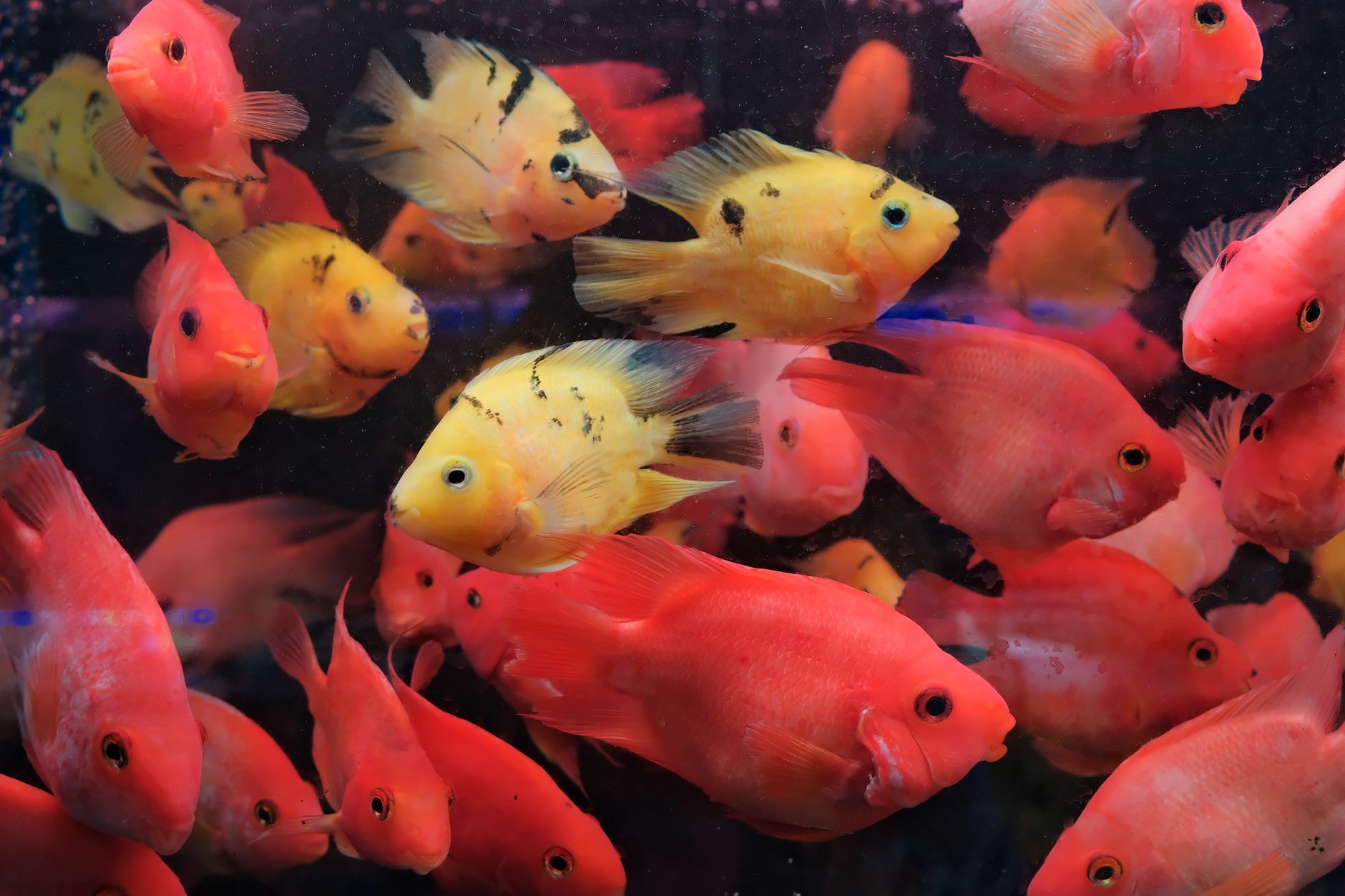
Popularity can be tricky. Ask ten fishkeepers what the most popular pet fish is and you will get ten overlapping answers. But a few species appear again and again in local fish stores, online communities, and first-time aquarium setups. Our list focuses on freshwater fish that are widely available, beginner-friendly, and proven in home aquariums. We looked at sales data, hobbyist surveys, and care guides to identify the five species you are most likely to see in a neighborhood fish shop. Before buying anything, understand that popularity does not equal zero maintenance. Every fish on this list still needs a cycled tank and consistent water changes. If this is your first tank, read our aquarium fishkeeping statistics 2026 to see how many households keep freshwater fish.
Why trust this comparison? We cross-referenced care guidance from Aqueon’s species care reference with real hobbyist experience. We prioritized fish that tolerate a moderate range of conditions, accept prepared foods, and fit common tank sizes under 40 gallons. We also considered compatibility, bioload, and long-term adult size. A fish that looks cute at two inches can outgrow a small tank within a year. That is why each entry lists minimum tank sizes, temperature, pH, and adult length. You will not find monster fish or saltwater-only species here. This is a freshwater roundup for people who want a tank that will actually thrive.
Starting with the right setup matters more than picking the perfect fish. The aquarium nitrogen cycle explained guide breaks down how beneficial bacteria convert ammonia into nitrate. Without that cycle, even the hardiest guppy can die from ammonia poisoning. We mention this because many new keepers buy popular fish first and then learn about cycling later. The order should be reversed. Set up the tank, add a dechlorinator, run the filter, and feed the cycle with an ammonia source. Only then add fish slowly. This approach saves money and heartbreak. A cycled tank makes every popular fish on this list far more likely to thrive.
You will notice we did not include goldfish in the main comparison. Yes, goldfish are popular, but they are often kept incorrectly in bowls. They need large tanks, produce heavy waste, and prefer cooler water than most tropical community fish. We are comparing tropical freshwater community species that can share similar heaters and filters. If you want a coldwater fish, check our goldfish care guide before buying. For everyone else, the five fish below are the most popular pet fish in freshwater aquariums right now. They range from beginner-proof guppies to the more demanding angelfish.
How Do the Top Options Compare?
| Fish | Best For | Min Tank Size | Water Temp | pH Range | Adult Size | Starter Gear Cost |
|---|---|---|---|---|---|---|
| Betta Fish (Betta splendens) | Small tanks and solo displays | 5 gallons | 78-80°F | 6.8-7.5 | 2.5-3 inches | 5-gallon kit |
| Guppy (Poecilia reticulata) | Beginner community tanks | 10 gallons | 74-82°F | 7.0-8.0 | 1.5-2.5 inches | 10-gallon starter kit |
| Neon Tetra (Paracheirodon innesi) | Planted community schools | 10 gallons | 70-81°F | 6.0-7.0 | 1.2-1.5 inches | 20-gallon LED kit |
| Corydoras Catfish (Corydoras spp.) | Peaceful bottom cleanup | 20 gallons | 72-78°F | 6.0-8.0 | 1.5-3 inches | 20-gallon long kit |
| Angelfish (Pterophyllum scalare) | Tall centerpiece aquariums | 29 gallons | 76-82°F | 6.5-7.5 | 6 inches body, 8+ tall | 29-gallon tank |
Starter Gear Cost links show typical aquarium kit prices, not live fish. Aquarium kits usually include a tank, filter, and light. You will still need a heater and a water test kit. Always cycle the tank before adding fish.
1. Betta Fish (Betta splendens) , Best for Small Tanks and Solo Displays

Betta splendens is probably the most recognizable freshwater fish in the trade. Males bring long flowing fins and intense red, blue, or purple coloration. Females are shorter-finned but can still show good color. Bettas are popular because they can live in a 5-gallon tank, which fits on a desk or shelf. That said, a 5-gallon tank is the floor, not a suggestion. In anything smaller, water quality swings fast and the fish suffers. A consistent 78 to 80°F water temperature matters more than most people think. Bettas are tropical fish, not decoration.
One mistake new keepers make is buying a bowl and expecting success. Bowls lack filtration and stable heat. Instead, use a small tank with a gentle filter and an adjustable heater. A 5-gallon aquarium kit usually includes a filter, lid, and LED light. You will still need a heater because many kits do not include one. Bettas prefer a pH between 6.8 and 7.5, but they tolerate moderate hardness. Keep one male per tank. Males will fight to the death. Females can sometimes live in groups of four to six, but a solo betta is less risky for beginners. Read the full betta fish care guide before adding one.
Bettas are not as hardy as their reputation suggests. They need clean water and a cycled tank. They breathe from the surface with a labyrinth organ, but that does not mean ammonia is safe. Aquarium Co-Op’s betta husbandry guidance reminds keepers that a filtered, heated tank prevents fin rot and stress. Adult size usually lands between 2.5 and 3 inches. A 5-gallon tank can work long term, but a 10-gallon gives more swimming room and more stable parameters. Feed high-protein betta pellets two to four pellets twice daily, and remove uneaten food. These fish are interactive and will learn to recognize you at feeding time.
Key strengths:
- ✅ Bright, long-fin color varieties make an immediate display
- ✅ Thrives in a 5-gallon tank, perfect for small spaces
- ✅ Accepts pellet and frozen foods easily
- ✅ Does not require a school or group
- ✅ Interactive and responsive to owners
- ❌ Males cannot be kept together
- ❌ Needs a heater and gentle filter, not a bowl
- ❌ Poor water quality leads quickly to fin rot and stress
Who it’s for: Someone with limited space who wants a single, colorful, low-bioload fish and is willing to maintain a small heated tank.
2. Guppy (Poecilia reticulata) , Best for Beginners and Community Color
Guppies are the classic starter fish. They are small, active, and produce a steady stream of fry. A 10-gallon tank is the minimum for a small group. Aim for 74 to 82°F, with a pH between 7.0 and 8.0. Hard water is fine. In fact, guppies do better in moderately hard water than in soft, acidic conditions. Adult males reach about 1.5 to 2 inches, while females can hit 2.5 inches. Males are the showy ones, with large tails in orange, blue, green, and mosaic patterns. Females are larger and plainer but still have a subtle flash.
Guppies are livebearers. That means a single pregnant female can populate a tank quickly. If you do not want fry, keep males only. A group of five to seven males will give you nonstop movement and color without the population explosion. A 10-gallon starter kit with a sponge filter or hang-on-back filter works well. Avoid strong flow because guppies are not powerful swimmers. Feed crushed flakes or micro pellets once or twice a day. They also accept brine shrimp and daphnia.
The downside is that guppies from big-box stores are sometimes heavily inbred and can be fragile during the first two weeks. Buy from a local breeder if possible. Quarantine new fish to avoid introducing camallanus worms or ich. Keep the tank cycled and change 25 percent of the water weekly. Because guppies are so common, some keepers overlook their care. That is a mistake. Healthy guppies should live two years or more and should constantly explore the upper third of the tank. They mix well with peaceful fish like corydoras and small tetras, but avoid fin-nipping tankmates.
Key strengths:
- ✅ Extremely beginner-friendly and forgiving
- ✅ Tremendous color variety, especially in males
- ✅ Peaceful in community tanks
- ✅ Accepts almost any prepared food
- ✅ Active swimmers at the top of the tank
- ❌ Can overpopulate if males and females are kept together
- ❌ Store-bought strains may be weak or inbred
- ❌ Fry require hiding places if you keep both sexes
Who it’s for: A beginner who wants an active, colorful community fish and does not mind managing livebearer breeding.
3. Neon Tetra (Paracheirodon innesi) , Best for Planted Community Schools

Neon tetras are the most popular schooling fish in freshwater aquariums. A horizontal blue stripe and a red lower body make them instantly recognizable in a planted tank. They need a group of at least six, but ten is better. A 10-gallon tank can work for a small school, though 20 gallons gives them more room. They do best between 70 and 81°F. The pH should stay on the acidic side, between 6.0 and 7.0. Adult size is just 1.2 to 1.5 inches, so these fish add color without adding much bioload.
Neons appreciate soft, slightly acidic water and live plants. Floating plants or a shaded corner help them feel secure. Bright open water can make them skittish. A 20-gallon LED aquarium kit with low to medium lighting and easy plants like java fern works well. Seriously Fish’s species profile notes that wild-type water parameters are soft and acidic. If your tap water is hard and alkaline, consider mixing with reverse osmosis water or choosing a different tetra. Sudden pH swings stress neons more than gradual levels.
Neon tetras are peaceful but not bulletproof. They can be sensitive during the first month, especially if the tank is not fully cycled. Add them only to an established tank with stable parameters. Feed micro pellets, crushed flakes, and occasional frozen baby brine shrimp. Keep them with peaceful fish. Avoid angelfish unless the angelfish are small and the school is large, because adult angelfish may eat neons. For tankmates, small rasboras, corydoras, and dwarf shrimp work. The full neon tetra care guide has more detailed advice.
Key strengths:
- ✅ Striking blue and red coloration in a tiny package
- ✅ Peaceful schooling behavior creates movement
- ✅ Low bioload in a 20-gallon tank
- ✅ Does well in planted tanks
- ✅ Readily available and affordable
- ❌ Requires a school of six or more to feel secure
- ❌ Sensitive to ammonia and nitrite spikes
- ❌ May be eaten by large fish like adult angelfish
Who it’s for: A hobbyist with a planted, peaceful community tank who wants a colorful schooling fish.
4. Corydoras Catfish (Corydoras spp.) , Best Bottom Cleanup for Peaceful Tanks
Corydoras catfish are the most popular bottom dwellers for freshwater community tanks. There are over 160 species, but bronze corydoras, panda corydoras, and sterbai corydoras show up most often in stores. They have armored plates, whisker-like barbels, and a constant habit of sifting through substrate. A single cory will not do much. They need a group of at least six. Minimum tank size is 20 gallons for most species. They prefer 72 to 78°F and a pH between 6.0 and 8.0 depending on species. Adult size ranges from 1.5 to 3 inches.
Corydoras are not a substitute for cleaning the tank. They eat leftover food and some algae, but they still produce waste. They need sinking pellets, algae wafers, and occasional frozen bloodworms. Use a soft sand substrate, not sharp gravel, because barbels can wear down. A 20-gallon long aquarium kit gives them more floor space than a tall tank. Add hiding spots like driftwood and broad-leaf plants. They will dart to the surface for air occasionally, which is normal for this family.
These fish are peaceful to the point of being shy. They do not compete well with aggressive eaters. If you keep them with fast tetras or barbs, target-feed the corydoras after the lights dim. Many care guides list corydoras as a good community addition when kept in numbers. Watch for barbel infections caused by rough substrate or high ammonia. Weekly water changes of 25 to 30 percent keep the bottom of the tank clean. You will know your corydoras are happy when they rest together on the sand and zip to the surface during water changes.
Key strengths:
- ✅ Peaceful and compatible with most small community fish
- ✅ Helps clean uneaten food from the substrate
- ✅ Many species and color patterns available
- ✅ Entertaining group behavior when kept in schools
- ✅ Does not need a large tank if given floor space
- ❌ Must be kept in groups of six or more
- ❌ Requires soft sand substrate to protect barbels
- ❌ Does not replace proper tank maintenance
Who it’s for: A peaceful community tank owner who wants an active bottom-dwelling school and can provide soft substrate.
5. Angelfish (Pterophyllum scalare) , Best Tall Centerpiece Fish for Larger Tanks
Angelfish are popular because they look like classic tropical fish. Long, triangular fins and bold black or silver patterns make them a centerpiece. They are cichlids, which means they have more attitude than tetras or guppies. Minimum tank size is 29 gallons for a single angelfish or a bonded pair. Water should stay between 76 and 82°F with a pH from 6.5 to 7.5. Adult body size is about 6 inches across, but the tall fins can reach 8 inches or more. That vertical height is why a taller tank matters.
Once you understand their temperament, angelfish are manageable. They are predators by nature. Small fish like neon tetras can become food, especially at night. Keep them with fish too large to swallow, such as larger rasboras, corydoras, or medium tetras. A 29-gallon aquarium kit with live plants and a vertical layout suits them. Driftwood and broad leaves give them surfaces to guard when they spawn. Feed a mix of cichlid pellets, flake food, and frozen foods like brine shrimp and bloodworms.
Angelfish can live for a decade with good care. They can also become territorial, especially when paired and guarding eggs. For that reason, keep either one or a proven pair, not a random group. They grow fast. A juvenile that is only a quarter-sized fish will outgrow a 10-gallon tank in months. See the angelfish care guide for growth expectations and tankmate options. If you can commit to a 29-gallon or larger heated tank, angelfish offer a level of personality that small tetras cannot match. This is the fish for hobbyists ready to move beyond beginner stocking.
Key strengths:
- ✅ Striking centerpiece appearance with tall fins
- ✅ Long lifespan with proper care
- ✅ High intelligence and strong personality
- ✅ Available in many color varieties
- ✅ Pairs can breed in home aquariums
- ❌ Needs a 29-gallon or larger tank
- ❌ Will eat small fish like neon tetras
- ❌ Can become territorial during breeding
Who it’s for: An intermediate keeper with a taller 29-gallon or larger tank who wants a long-lived cichlid centerpiece.
Frequently Asked Questions
What is the most popular pet fish for beginners?
Guppies and bettas are the most common starter fish. Guppies do well in 10-gallon community tanks, while bettas are perfect for a 5-gallon solo setup. Both need cycled, heated water.
How many neon tetras should I keep together?
Keep at least six, but ten or more is better. A larger school reduces stress and shows natural schooling behavior.
Can betta fish live with guppies?
It depends. Male bettas may attack male guppies with long colorful tails, mistaking them for rivals. A heavily planted 20-gallon tank with a calm betta might work, but it is risky.
Do corydoras catfish clean the tank?
They eat leftover food and some algae, but they do not replace water changes or gravel vacuuming. You still need weekly maintenance.
What size tank do angelfish need?
A single angelfish needs at least 29 gallons, with a taller tank preferred. A pair needs the same footprint, but small fish may be eaten.
Do I need a heater for these fish?
Yes. All five species are tropical and need a stable temperature between 72 and 82°F, depending on species. A heater is essential.
What Should You Remember?
- Popularity does not replace cycling: Every fish on this list needs a fully cycled aquarium before introduction.
- Tank floor values: Bettas need 5 gallons, guppies 10, neons 10 to 20, corydoras 20, and angelfish 29 or more.
- Schooling species: Neon tetras and corydoras must be kept in groups of six or more.
- Temperature ranges: Most tropical species thrive between 72 and 82°F, but check each species.
- Livebearer control: Guppies breed quickly, so keep males only if you do not want fry.
- Predator risk: Adult angelfish will eat small tetras like neons.
- Gear first: Start with a heater, filter, and test kit, then add fish.
This article is for general information only and is not a substitute for professional veterinary or aquarium specialist advice. Always research the specific needs of your fish and consult an expert before making care decisions.