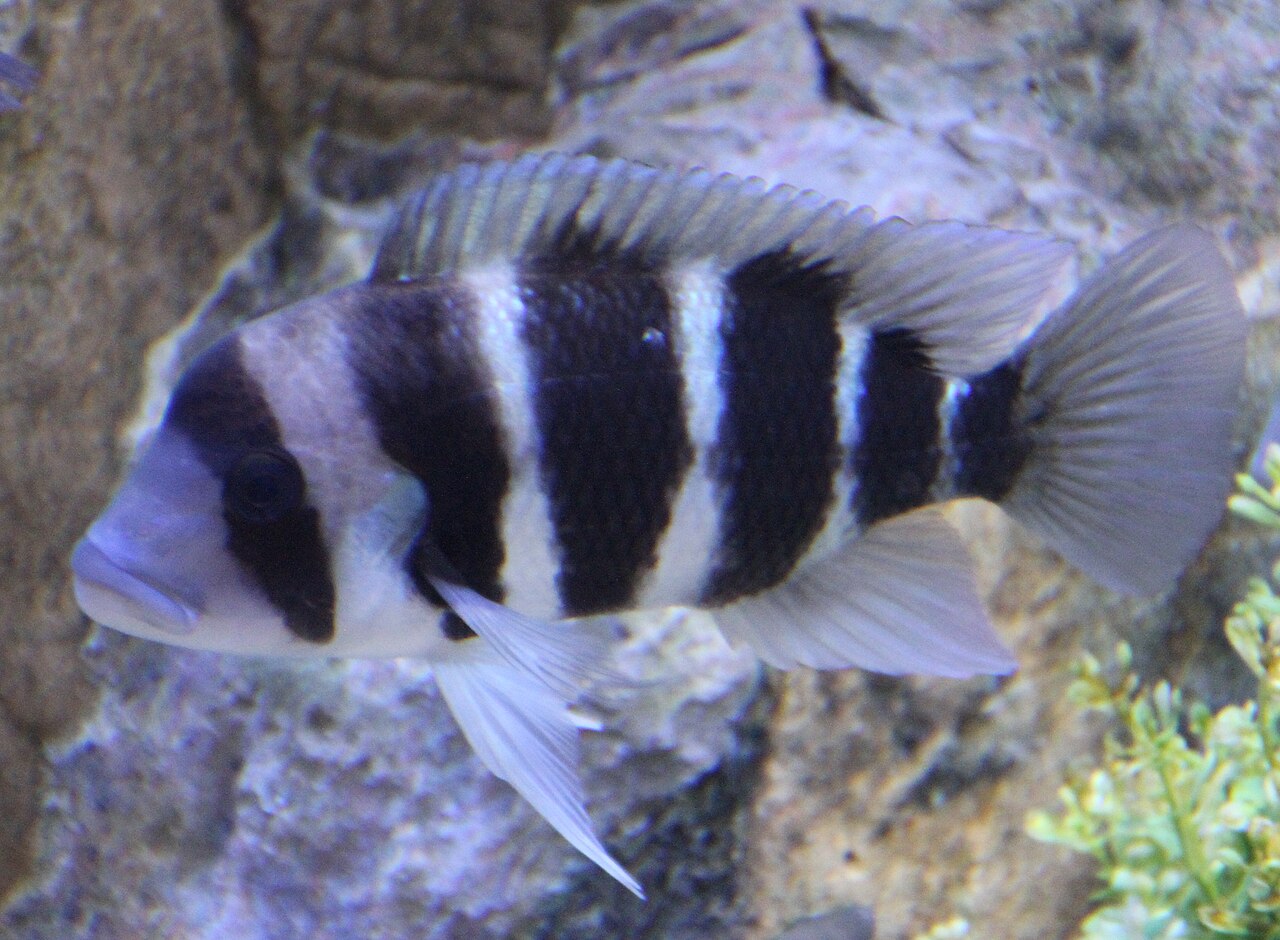
Frontosa cichlids, sometimes called Cyphotilapia frontosa, are slow-moving predators from Lake Tanganyika in East Africa. They can reach 12 to 14 inches in length and live well over 15 years. That longevity makes them a commitment, not a starter fish. Before you set up a tank, understand the nitrogen cycle and the bioload these large cichlids create. The aquarium nitrogen cycle will keep ammonia and nitrite from poisoning a new frontosa. This guide is for keepers who already have some aquarium experience.
Most frontosa problems come down to three care areas: tank size, diet, and compatibility. A 55-gallon tank that works for mbuna will not work for an adult frontosa group. These fish need horizontal swimming room and stable hard water. They also need a social structure built around one male and several females. This guide breaks down exactly what to buy, how to stock, and how to feed them so they stay healthy for years.
Frontosa have a unique body shape with a distinctive hump on the head, especially in males. They are not hyperactive like many African cichlids. Instead, they hang near rock piles and wait for food. That calm behavior makes them easier to watch, but it also means fast, aggressive tank mates can stress them. Choose tank mates that match their pace. Slow water flow, dim lighting, and open sand patches help them feel secure.
Below you will find eight steps that cover everything from tank setup to long-term health. Each step includes the specific numbers and habits that matter. Follow them in order when you are starting a new frontosa tank. Even if you have kept other cichlids, do not skip the water chemistry step. Frontosa are less forgiving of soft, acidic water than many Central American cichlids. The payoff is a calm, long-lived display fish with real presence.
What You’ll Need
- 125+ gallon aquarium with a six-foot footprint
- Canister filter or sump rated for at least two times tank volume
- Heater and reliable thermometer
- Aragonite sand or crushed coral substrate
- Liquid water test kit for pH, ammonia, nitrite, and nitrate
- Rockwork and caves for territories
- High-quality cichlid pellets and vegetable foods
How Do You Care for Frontosa Cichlids?
- Start with a six-foot tank of at least 125 gallons
Frontosa cichlids are not nano fish. A full-grown male can reach 12 to 14 inches, and females usually reach 10 to 12 inches. The minimum practical tank size for a small group is 125 gallons with a footprint of 72 inches by 18 inches. A 75-gallon tank may work for a single juvenile for a short time, but it is not a permanent home. Aquarium Co-Op’s frontosa care notes stress that these fish need a long, wide tank rather than a tall one.
Set up the tank with a sandy substrate and large rock piles. Frontosa do not dig heavily, so you can build stable caves from slate or smooth river rock. Use silicone to secure large rocks if they are stacked high. The fish need caves to retreat into, but they also need open water near the bottom for feeding. Leave the upper half of the tank open because frontosa spend most of their time in the lower and middle zones.
Filtration must handle the waste of large cichlids. Use a canister filter or sump rated for at least twice the tank volume per hour. The best aquarium filters for large tanks include options that can handle high flow without creating a whirlpool. Keep the flow moderate. Frontosa do not like being blasted against the glass. Add a heater and a reliable thermometer before you add fish.

- Lock in hard, alkaline Lake Tanganyika water chemistry
Lake Tanganyika water is hard and alkaline. Frontosa do best at a pH between 8.0 and 9.0, with general hardness from 10 to 20 dGH and carbonate hardness around 8 to 12 dKH. Temperature should stay between 76 and 80 degrees Fahrenheit. Use a liquid test kit, not test strips, to confirm these numbers. Aqueon’s cichlid care guidance also lists stable pH as more important than chasing an exact value.
Cycle the tank fully before adding frontosa. How to cycle a fish tank explains the ammonia-to-nitrite-to-nitrate process. High pH makes ammonia more toxic, so a small spike can kill fish quickly. Add ammonia to 2 ppm and wait until it converts to nitrate within 24 hours. Only then should you stock the tank.
To keep pH and hardness stable, use aragonite sand or crushed coral as part of the substrate. These materials slowly dissolve and buffer the water. Avoid driftwood and peat, which lower pH. If your tap water is very soft, you may need to mix in a Tanganyika salt buffer or use crushed coral in the filter. Test pH before every water change and match the new water to the tank.
- Choose tank mates from Tanganyika, not mbuna
Frontosa are less aggressive than many African cichlids, but they are still predators. They will eat small fish that fit in their mouths, such as neon tetras or guppies. Good tank mates are medium to large Tanganyikan species that share the same water chemistry. Options include Cyprichromis sardine cichlids, Julidochromis rock dwellers, and Synodontis catfish. A bristlenose pleco care guide can help if you want an algae eater, but make sure the pleco can handle hard water.
Avoid mbuna from Lake Malawi. Mbuna are fast, aggressive, and often eat a more plant-heavy diet. They will outcompete frontosa for food and stress them with constant activity. Also avoid peacock cichlids and other Malawi haps, which have similar size but different social behavior. The mismatch usually ends with torn fins and hidden frontosa.
Stock the tank slowly. Add the least aggressive species first, then introduce frontosa when the tank is stable. If you plan to keep only frontosa, still arrange the group so one male has multiple females. We will cover that structure later in the guide.

- Feed a frontosa-appropriate diet without overdoing protein
In the wild, frontosa eat fish, crustaceans, and insect larvae. In captivity, they do well on high-quality cichlid pellets as the staple. Offer a pellet size that fits their mouth, and soak dry pellets for a few minutes before feeding. Soaking prevents air from swelling the gut, which can contribute to bloat. Check New Life Spectrum Cichlid Formula on Amazon for a widely used staple.
Add vegetable matter two or three times a week. Blanched spinach, shelled peas, and spirulina flakes help keep digestion moving. Avoid mammal meat such as beef heart, chicken, or feeder goldfish. These foods are too fatty and can trigger bloat. Flash-frozen mysis shrimp, krill, and cyclops are fine as occasional treats.
Feed adult frontosa once per day. Juveniles under four inches can eat twice per day in smaller portions. Give only what the fish can finish in about two minutes. Remove uneaten food so it does not rot in the rockwork. A consistent feeding schedule also reduces aggression because the fish learn when food arrives.
- Set up the right social group with one male and multiple females
Frontosa males are territorial toward other males. In an average 125 to 180 gallon tank, keep one male with three to five females. A larger tank of 200 gallons or more may support two males if there are enough line-of-sight breaks and females. Do not keep an all-male frontosa group unless you can provide a very large system with visual barriers.
When you add new frontosa, rearrange the rockwork first. This removes established territories and gives newcomers a chance to settle. Add smaller females at the same time rather than one at a time. A single new female may be chased relentlessly by an established group. Watch for a dominant female as well. The hierarchy is not only male-driven.
Size matters. Avoid adding a three-inch juvenile to an adult group. The adults may see it as an intruder or food. Grow out juveniles to at least five or six inches before introducing them. If aggression becomes constant, remove the victim to a separate tank until you can rework the hardscape.
- Change water weekly and clean around their rockwork
Large cichlids produce a lot of waste. Change 25 to 30 percent of the water every week. How often to change aquarium water explains why regular changes are safer than large monthly changes. Use a gravel vacuum to remove uneaten food and fish waste from the substrate. Pay extra attention to the areas around rock piles and caves.
Match new water to the tank temperature and pH before adding it. Use a water conditioner to remove chlorine or chloramine. If your tap water is softer than the tank, add a Tanganyika buffer to the new water in a separate bucket or barrel. Adding hard water directly to a soft tap water replacement can cause a sudden pH shift.
Clean the filter media once a month, but do not replace all of it at once. Rinse mechanical media in old tank water. Biological media should stay wet and only be lightly rinsed if clogged. This preserves the beneficial bacteria that process ammonia. A sudden loss of those bacteria can cause a lethal ammonia spike in a high pH frontosa tank.

- Quarantine new fish and watch for bloat
Quarantine every new fish for at least four weeks in a separate tank. Frontosa are expensive, and introducing one sick or parasite-carrying fish can wipe out a whole group. Use the same water parameters as the display tank. During quarantine, observe for white spots, ragged fins, rapid breathing, or loss of appetite. How to treat ich in aquarium covers a common parasite you may see in new imports.
Bloat is the most feared frontosa health issue. Early signs include a swollen belly, loss of appetite, stringy white feces, and hiding more than usual. Bloat can be triggered by stress, sudden diet change, or high-protein foods. If you suspect bloat, stop feeding for two or three days and check water parameters. Epsom salt at one teaspoon per ten gallons can sometimes help as a short-term treatment, but consult a fish veterinarian for severe cases.
Also watch for mechanical damage from fights. Torn fins usually heal with clean water, but open wounds can become infected. If one fish is constantly harassed, remove it. Stress suppresses the immune system and makes every disease worse. A quiet hospital tank with dim light and stable water gives a beaten fish a chance to recover.
- Plan for slow growth and a long lifespan
Frontosa grow slowly compared to many cichlids. A juvenile may add less than an inch per year once it passes four or five inches. That slow growth can fool keepers into thinking a 75-gallon tank will last longer than it does. Plan the adult tank size from the start. You do not want to rehome a 12-inch fish because you ran out of space.
Frontosa commonly live 15 to 20 years in well-maintained aquariums. That is longer than most dogs. Before buying a group, think about long-term housing and the cost of food, water, and electricity. The initial purchase is only a small part of the total cost. A large canister filter, heater, and quality foods add up over two decades.
If you keep water parameters stable and avoid overfeeding, frontosa are relatively hardy. They may eventually breed in a large species tank. Females mouthbrood the eggs and fry, and successful spawns usually happen after the group has been stable for a couple of years. Breeding is a sign that the social structure and water chemistry are on point. For most keepers, though, the reward is simply watching these calm giants cruise the rockwork.
Red Flags & Warnings
- 🚨 Do not buy a frontosa for a 55-gallon tank. Juveniles may fit, but adult frontosa need a six-foot, 125-gallon or larger aquarium.
- 🚨 Never keep frontosa with mbuna or other fast Malawi cichlids. The activity and aggression will stress them and cause feeding problems.
- 🚨 Avoid feeder goldfish, beef heart, and mammal meat. These foods are too fatty and raise the risk of bloat.
- 🚨 High pH makes ammonia more toxic. Test ammonia and nitrite weekly in a new frontosa tank, especially after adding fish.
- 🚨 Quarantine new frontosa for four weeks. Do not add a newly purchased fish directly to your established group.
- 🚨 Do not keep multiple males in a small tank. One male with several females is the safest social structure.
Frequently Asked Questions
What size tank do frontosa cichlids need?
A small group needs at least a 125-gallon tank with a six-foot footprint. A single adult may live in a 75-gallon for a short time, but frontosa do best in groups and need length to establish territories.
Are frontosa cichlids aggressive?
They are relatively peaceful for cichlids but can be territorial with their own kind. Males may fight other males, and adults may eat small fish. Keep one male with several females and choose tank mates that are too large to swallow.
What water parameters do frontosa cichlids need?
Keep pH between 8.0 and 9.0, temperature 76 to 80 degrees Fahrenheit, and hardness between 10 and 20 dGH. Use aragonite sand or crushed coral to buffer the water and test regularly.
Can frontosa cichlids live with other African cichlids?
Yes, but choose peaceful Tanganyikan species such as Cyprichromis, Julidochromis, or Synodontis catfish. Avoid mbuna and other Malawi cichlids because their activity and diet needs do not match.
What do frontosa cichlids eat?
Feed high-quality cichlid pellets as the staple, soaked before feeding. Add blanched vegetables and occasional frozen mysis shrimp or krill. Avoid fatty foods like beef heart and feeder fish.
How fast do frontosa cichlids grow?
They grow slowly, often less than an inch per year after the juvenile stage. Plan for adult size from the beginning and avoid the temptation to keep them in a small tank because they look small now.
What Should You Remember?
- Tank size: Start with at least 125 gallons and a six-foot footprint for a small frontosa group.
- Water chemistry: Keep pH 8.0-9.0, temperature 76-80°F, and hard water with stable buffering.
- Diet: Feed soaked cichlid pellets plus veggie matter, and avoid fatty mammal meat.
- Compatibility: Choose peaceful Tanganyikan fish and avoid mbuna or small tetras.
- Social structure: Keep one male with three to five females to reduce fighting.
- Maintenance: Change 25-30 percent of water weekly and test ammonia at high pH.
- Longevity: Plan for a fish that can live 15 to 20 years and reach 12 to 14 inches.
This article is for general information only and is not a substitute for professional veterinary or aquarium specialist advice. Always research the specific needs of your fish and consult an expert before making care decisions.