Quick Answer
The Otocinclus Catfish is a intermediate-level freshwater fish needing at least a 10-gallon tank, 72-79°F water, and pH 6.0-7.5. Otocinclus Catfishs require consistent water quality and some experience to keep successfully.
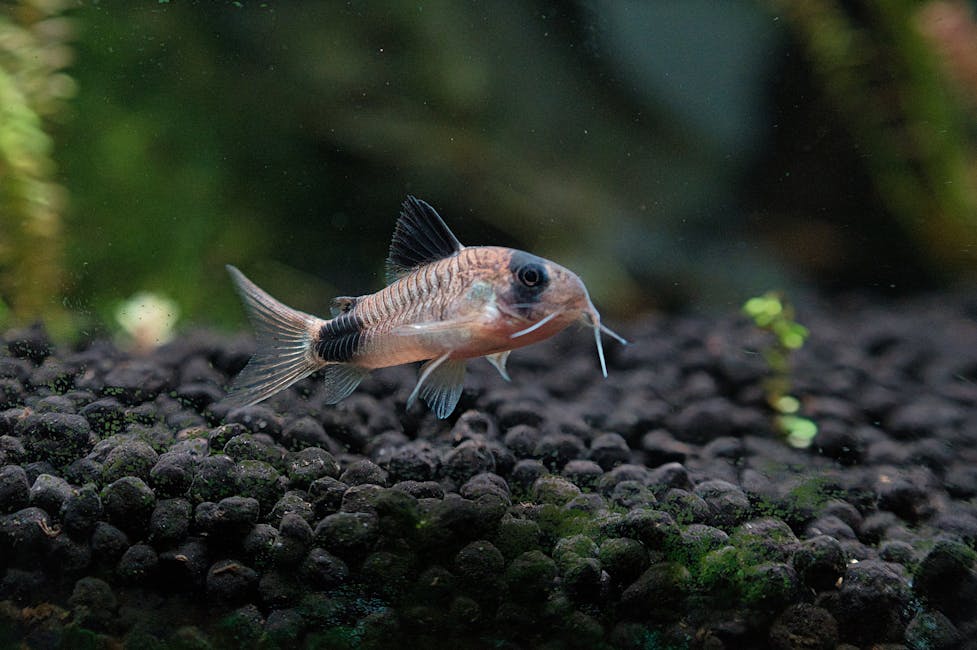
Otocinclus Catfish Overview
The Otocinclus Catfish (Otocinclus vittatus) is a rewarding species suited to aquarists with some experience, native to South America. As a freshwater herbivore, this species has earned its place as a staple in community tanks, species-only setups, and planted aquariums worldwide. Known for its docile temperament, the Otocinclus Catfish fits well in peaceful community tanks. With proper care and appropriate water conditions, Otocinclus Catfishs can live for several years and become a rewarding centerpiece — or supporting cast — of your aquarium.
According to FishBase's species profile, the Otocinclus vittatus is widely distributed across South America and has been selectively bred in captivity for decades, resulting in a robust trade fish that typically adapts well to aquarium conditions. That said, replicating natural water parameters as closely as possible always produces the healthiest fish.
Tank Requirements
The Otocinclus Catfish requires a 10-gallon nano tank or larger. Crowding this species into too-small quarters leads to stress, aggression, and disease — the most common cause of failure with this fish. Budget for a small hang-on-back (HOB) filter or sponge filter to keep the water clean and well-oxygenated.
- Minimum Tank Size: 10 gallons
- Temperature: 72-79°F (ideal: ~75°F)
- pH: 6.0-7.5 To lower pH toward the 6.0-7.5 range, consider RO/DI water, driftwood, or Indian almond leaves. See our guide on how to lower pH in your aquarium.
- Filtration: A small hang-on-back (hob) filter or sponge filter
A fine to medium-grain substrate is appropriate for most specimens, with some species preferring sand or smooth gravel. Once your tank is fully cycled, perform 20–30% water changes weekly to maintain stable parameters. Stability matters more than hitting exact numbers — sudden swings cause far more harm than gradual drift.
Diet & Feeding
The Otocinclus Catfish is a plant-based feeder that grazes throughout the day in its natural habitat. Spirulina flakes, algae wafers, blanched zucchini, cucumber, and nori (dried seaweed sheets) are all excellent choices for this species.
Offer small amounts 2–3 times daily. Herbivores have faster digestive systems and benefit from frequent small meals. The Otocinclus Catfish is a natural algae cleaner. While it will graze on tank algae, don't rely on this exclusively — supplement with algae wafers and vegetables.
Compatibility & Tank Mates
The Otocinclus Catfish is one of the most peaceful fish you can keep, rarely bothering tank mates. It thrives in community settings with other non-aggressive species.
Good tank mate options from our database include African Dwarf Frog, Black Phantom Tetra, and Bolivian Ram. Avoid pairing Otocinclus Catfishs with aggressive or much larger fish that may bully or eat them.
Common Health Issues
The Otocinclus Catfish is susceptible to disease when conditions are suboptimal, but no aquarium fish is immune to illness. Prevention through clean water and a varied diet is always better than treatment. For detailed species-specific health notes, SeriouslyFish has an excellent care sheet for the Otocinclus Catfish.
Ich (White Spot Disease)
The most common freshwater disease — small white spots on fins and body. Raise temperature to 82–86°F and treat with API Super Ich Cure. See our full guide on treating ich.
Fin Rot
Bacterial deterioration of fin tissue, usually caused by poor water quality. Improve water changes, remove organic waste, and treat with Kanaplex or Maracyn if severe.
Velvet (Oodinium)
A parasitic infection causing a gold-dust shimmer on the body. More subtle than ich but equally dangerous. Treat with copper-based medication in a quarantine tank.
Recommended Products
Frequently Asked Questions
What size tank does a Otocinclus Catfish need?
The Otocinclus Catfish requires a minimum of 10 gallons. Smaller tanks cause stress, reduce lifespan, and increase disease susceptibility. If you can afford a larger tank, always go bigger — fish generally thrive with extra space.
What do Otocinclus Catfishs eat?
The Otocinclus Catfish is a herbivore. Offer spirulina flakes, algae wafers, blanched vegetables (zucchini, cucumber), and nori sheets. Feed small amounts 2–3 times daily to match their continuous grazing habits.
What water temperature and pH does the Otocinclus Catfish need?
Maintain water temperature between 72-79°F and pH between 6.0-7.5. Use a reliable aquarium thermometer and test your water weekly. Stability is more important than hitting exact numbers — sudden parameter swings are more dangerous than gradual drift.
What fish can live with a Otocinclus Catfish?
The Otocinclus Catfish can coexist with African Dwarf Frog, Black Phantom Tetra, Bolivian Ram, among others with similar temperament and water requirements. Avoid pairing with aggressive fin-nippers or much larger predators.
Is the Otocinclus Catfish suitable for intermediate aquarists?
Yes — the Otocinclus Catfish is a good step up for aquarists moving beyond beginner species. It requires more consistent water quality and some knowledge of the nitrogen cycle, but rewards careful keeping with impressive behavior and appearance.
Get weekly guides from AquariumLab
No spam. Unsubscribe anytime.