Key Takeaway
The global ornamental fish market was valued at $6.41 billion in 2026 and is projected to nearly double to $12.61 billion by 2033. Around 9.6 million US households own freshwater fish, making fish the third most popular pet in America. The hobby surged during the pandemic and continues to grow — driven by aquascaping, social media, and a new generation of hobbyists investing in premium equipment.

The aquarium hobby is bigger than most people realize. Whether you're a casual fishkeeper running a beginner tank, a serious aquascaper maintaining a planted Dutch layout, or a marine enthusiast with a full reef system — you're part of a global industry worth billions. This page compiles 42 verified statistics drawn from industry reports, market research firms, and government data sources to give you the most complete picture of aquarium and fishkeeping in 2026.
We update this page annually. All statistics are sourced and dated. Where ranges exist across research firms, we note the variation so you can draw your own conclusions.
Section 1Global Ornamental Fish Market
The ornamental fish industry — fish sold for aquariums rather than food — is one of the fastest-growing segments of the global pet economy. Multiple research firms track this market, and while their exact numbers vary, the trend is consistent: rapid, sustained growth.
Global ornamental fish market value in 2024
Source: Straits Research, 2024
Projected market value by 2033
Source: Straits Research, 2024
Projected CAGR 2026–2033 (ornamental fish)
Source: Straits Research, 2024
Stat #1: The global ornamental fish market was valued at $6.41 billion in 2024, rising to an estimated $6.92 billion in 2025, according to Straits Research.
Stat #2: Grand View Research estimates the market at $5.88 billion in 2022, projecting growth to $11.30 billion by 2030 at a CAGR of 8.5%. The variance between research firms reflects different segmentation methodologies, but all point to the same trend: robust, long-term expansion.
Stat #3: IMARC Group puts the 2024 market at $6.7 billion with a projected reach of $12.0 billion by 2033 (CAGR 6.78%).
Stat #4: When combining fish, live corals, invertebrates, and all aquatic life sold for display purposes, the total global aquarium market (including equipment) was estimated at $14.63 billion in 2024 — projected to hit $25.47 billion by 2033 at a CAGR of 7.18%, according to EconMarket Research.
Why This Market Keeps Growing
Three structural forces drive continuous aquarium market growth: (1) rising disposable income in Asia-Pacific creating millions of new hobbyists, (2) the pandemic-era boom in home-based leisure that permanently retained a large share of new keepers, and (3) social media — particularly YouTube and Instagram aquascaping communities — which have turned the hobby into a visually-driven aspirational lifestyle.
Section 2US Household Ownership Statistics
The United States is one of the world's largest markets for ornamental fish. The American Pet Products Association (APPA) tracks pet ownership through its National Pet Owners Survey (NPOS), the most authoritative source on US pet demographics.
US households owning freshwater fish (2026–2025)
Source: APPA 2024–2025 NPOS
US households owning saltwater fish (2024–2025)
Source: APPA 2024–2025 NPOS
Percentage of US households that own fish
Source: APPA 2024 Fish & Reptile Report
Stat #5: According to the APPA's 2024–2025 National Pet Owners Survey, 9.6 million US households own freshwater fish — the most recent official figure available.
Stat #6: 1.9 million US households own saltwater fish, per the same 2024–2025 NPOS survey. Saltwater ownership is lower in raw numbers but represents a highly engaged, high-spend segment of the market.
Stat #7: 8% of all US households own fish, according to APPA's dedicated 2024 Fish and Reptile Owner Insight Report — a comprehensive 200-page analysis of ownership demographics and behavior.
Stat #8: Fish rank as the third most popular pet in America, behind dogs (68 million households) and cats (49 million households), per the 2024–2025 NPOS.
Stat #9: Approximately 158 million pet fish were kept in US homes in 2023, according to data cited by Grand View Research, sourced from the Florida Department of Agriculture and Consumer Services.
Stat #10: 77% of saltwater fish owners plan to purchase new fish within the next 12 months, compared to 55% of freshwater fish owners, indicating particularly strong repurchase intent in the marine segment. (APPA 2024 Fish & Reptile Insight Report)
Stat #11: A majority of fish owners whose pets pass away choose to replace them with new fish, rather than exiting the hobby — a key driver of consistent market demand. (APPA 2024)
Section 3Freshwater vs. Saltwater Breakdown
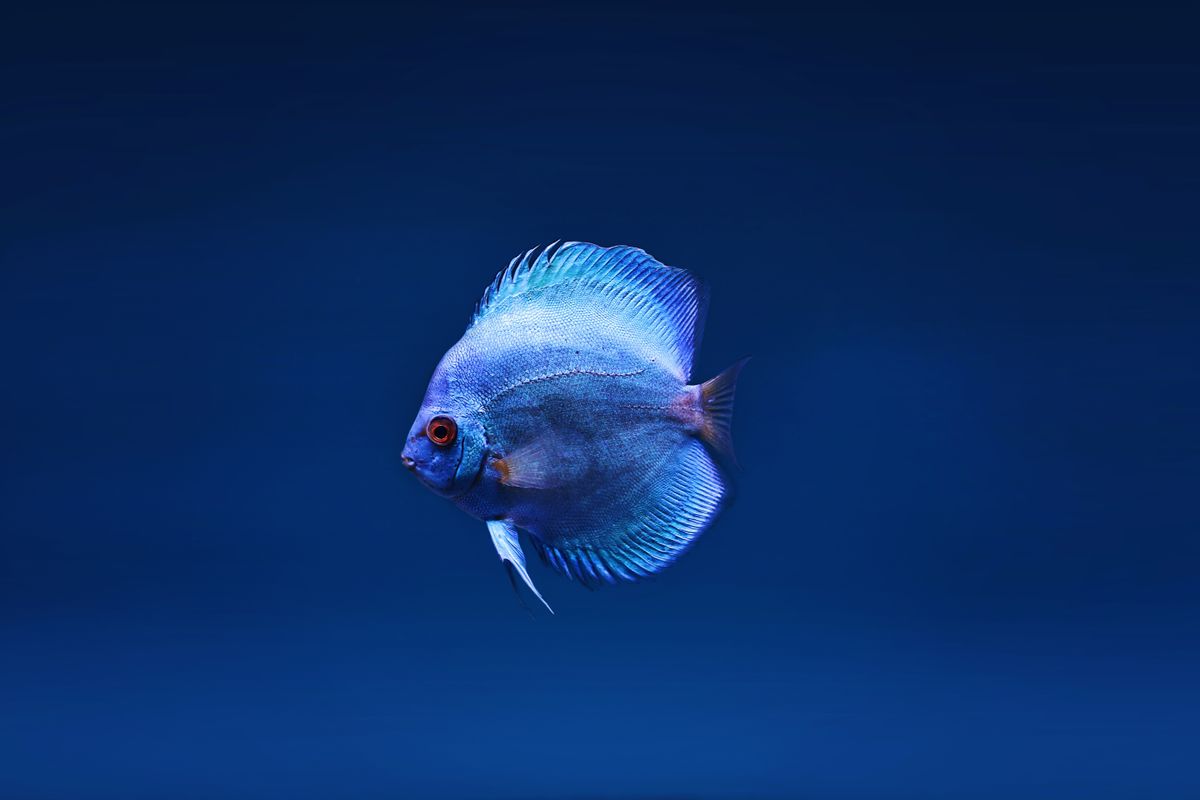
Discus fish are among the most prized freshwater species — demanding but rewarding to keep.
Freshwater aquariums dominate the hobby in volume, but saltwater tanks command a premium in spending and engagement. Understanding the split helps explain where the industry's growth is concentrated.
Stat #12: Approximately 80% of aquarium hobbyists opt for freshwater setups, while saltwater variants account for about 20%, according to Global Growth Insights market analysis.
Stat #13: Tropical freshwater fish dominate the ornamental species market with a 52.1% market share in 2024, driven by their vibrant colors, lower maintenance requirements, lower purchase price, and adaptability to smaller tanks. (Straits Research, 2024)
Stat #14: The reef aquarium market — covering saltwater tanks with live corals, anemones, and marine invertebrates — was valued at $5.85 billion in 2024, according to SkyQuestt. This is projected to grow to $13.46 billion by 2033 at a CAGR of 9.7%.
Stat #15: Grand View Research's earlier estimate placed the reef aquarium market at $4.9 billion in 2020, projected to reach $11.0 billion by 2028 at a CAGR of 10.7% — one of the fastest growth rates in the pet industry.
Stat #16: An estimated 50 million coral reef animals — including fish, corals, and invertebrates — are sold annually to approximately 2 million hobbyists worldwide, according to data cited in the Journal of Conservation Letters. The US, Indonesia, and the Philippines are the dominant players in this trade.
Stat #17: Saltwater aquariums typically cost 3–10× more to set up and maintain than comparable freshwater tanks, which partially explains why marine hobbyists show higher annual spend despite lower overall household counts.
If you're considering a freshwater-first approach, our guide to the best aquarium filters for 2026 covers the top filtration options at every price point — an essential component whether you're running a planted community tank or a cichlid setup.
Section 4Aquarium Equipment & Accessories Market
The fish themselves are only part of the story. The equipment market — filters, heaters, lighting, tanks, substrates, dosing systems, and accessories — represents a massive and rapidly evolving segment. This is where hobbyists spend the bulk of their money over a tank's lifetime.
Global aquarium equipment market (2026)
Source: Research & Markets, 2025
Projected equipment market by 2030
Source: Research & Markets, 2025
Equipment market CAGR 2025–2030
Source: Research & Markets, 2025
Stat #18: The global aquarium equipment market grew from $4.92 billion in 2026 to an estimated $5.21 billion in 2025, and is expected to reach $6.87 billion by 2030 at a CAGR of 5.72%. (Research & Markets)
Stat #19: The global aquarium accessories market (a slightly different segmentation covering consumables and add-on products) reached $4.9 billion in 2024 and is projected to grow to $7.3 billion by 2033 at a CAGR of 4.15%. (IMARC Group)
Stat #20: Intel Market Research values the combined aquarium market at $6.63 billion in 2025, projected to grow to $8.70 billion by 2032 at a CAGR of 4.8%.
Stat #21: LED lighting has become the dominant technology for both planted freshwater tanks and reef systems, largely replacing fluorescent and metal halide options over the past decade. Premium LED reef fixtures from brands like Radion and Orphek can cost $500–$3,000+ per unit, reflecting the high-value nature of the segment. Our guide to the best aquarium lighting for 2026 breaks down the top options at every price tier.
Stat #22: Filtration remains the single most critical equipment category in the aquarium hobby. Canister filters, sump systems, and protein skimmers for marine tanks represent a large share of recurring hobbyist spend. See our roundup of top aquarium heaters for 2026 and our complete filter guide for pairing recommendations.
Stat #23: Online aquarium sales have grown substantially as a share of total retail, with hobbyists increasingly purchasing specialty equipment, live fish, and corals directly from dedicated e-commerce retailers and breeders — rather than through traditional big-box pet stores.
Section 5Production, Trade & Imports
Ornamental fish reach hobbyists through a complex global supply chain spanning wild collection, aquaculture operations, wholesalers, and retail. Understanding where fish come from illuminates both the industry's scale and its sustainability challenges.
Stat #24: Florida produces approximately 45% of all ornamental fish sold in the United States, making it the country's dominant aquaculture hub for the hobby. (Industry Research / USDA)
Stat #25: Florida's 109 registered aquaculture operations produced over 57 million ornamental fish in 2023, spanning hundreds of species from guppies and tetras to cichlids and koi. (Industry Research, 2024)
Stat #26: The United States is one of the largest importers of ornamental fish globally, supplementing domestic Florida production with fish sourced from Southeast Asia (particularly Singapore, Thailand, Malaysia, and Indonesia), China, Sri Lanka, and Brazil. (Market.us, 2024)
Stat #27: North America holds the largest regional market share in the global ornamental fish market, driven by high discretionary spending, well-developed retail infrastructure, and strong hobbyist culture. Europe follows with a 16.3% market share in 2023. (Market.us, 2024)
Stat #28: The Asia-Pacific region is the world's dominant exporter of ornamental fish, home to key species origin countries and major breeding operations for popular species including betta fish, koi, discus, and most freshwater tropicals.
Stat #29: Household ownership accounts for approximately 69% of ornamental fish consumption, while commercial uses — public aquariums, restaurants, hotels, and ornamental display installations — account for the remaining 31%. (Industry Research Biz, 2024)
Stat #30: Feng shui cultural practices across Asia-Pacific, particularly in China, Taiwan, Hong Kong, and Southeast Asia, drive significant demand for goldfish, koi, and arowana — with prized specimens occasionally selling for thousands of dollars in premium markets.
Section 6Hobby Growth Trends & COVID Impact
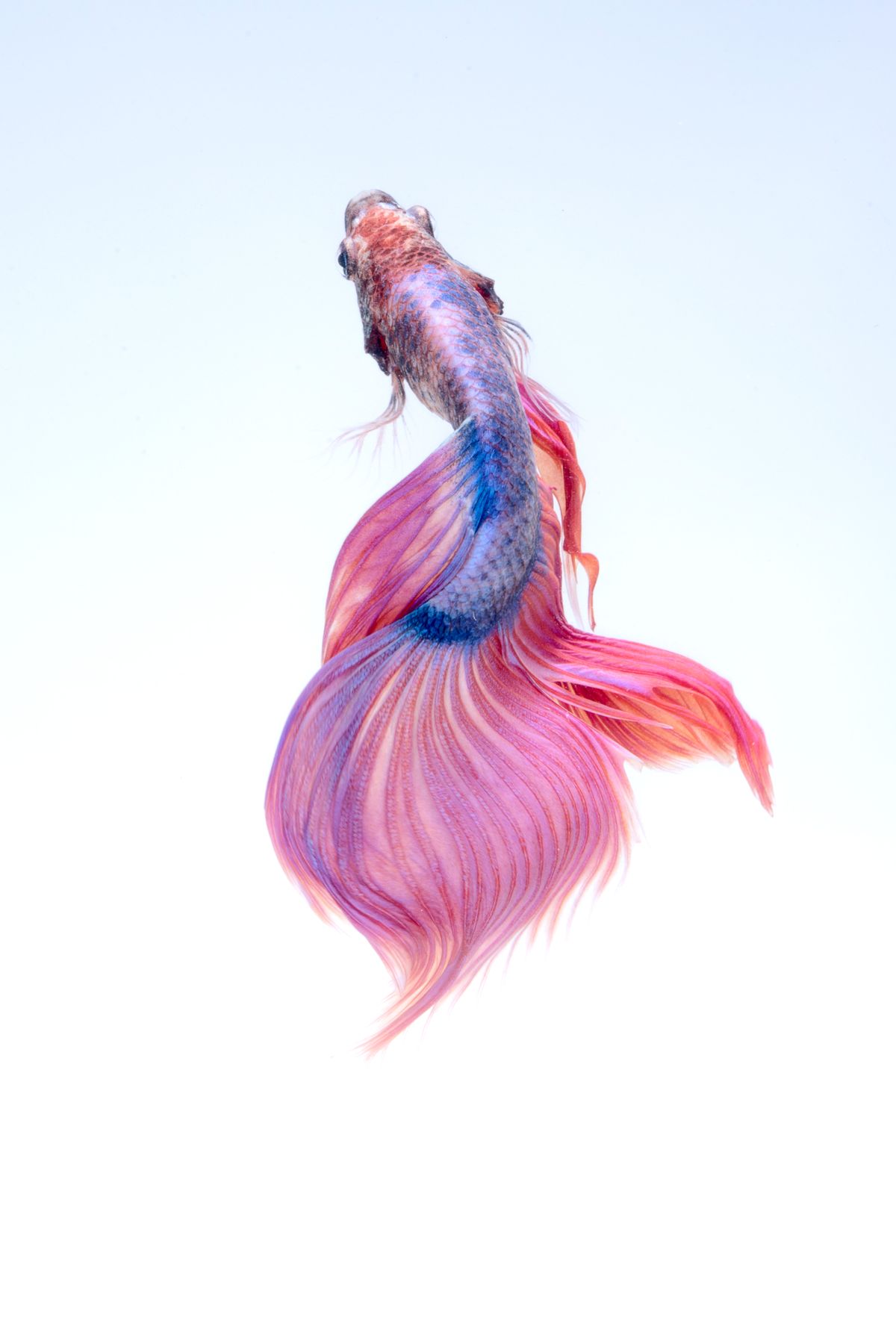
Betta fish are consistently among the best-selling aquarium fish globally — iconic, hardy, and visually striking.
The aquarium hobby has experienced two distinct growth phases in recent years: a pandemic-driven surge in 2020–2021, and a sustained elevated baseline as a meaningful share of those new hobbyists remain engaged.
Stat #31: The pandemic significantly accelerated ornamental fish ownership, as lockdowns prompted millions of households to pursue home-based hobbies. Multiple market reports (Fortune Business Insights, Grand View Research, Intel Market Research) identify 2020–2021 as an inflection point for the industry.
Stat #32: The APPA's 2021–2022 National Pet Owners Survey recorded 11.8 million US households with freshwater fish and 2.9 million with saltwater fish — a notable increase from the 2019–2020 figures of 11.5 million freshwater and 1.6 million saltwater households.
Stat #33: The combined global aquarium market is expected to grow from approximately $14.63 billion in 2026 to $25.47 billion by 2033 — representing near-doubling in under a decade. (EconMarket Research)
Stat #34: An earlier projection estimated the global aquarium market reaching $21.15 billion by 2027, reflecting approximately 7% annual growth from 2021. (Multiple market research sources cited in industry analyses)
Stat #35: Aquascaping — the art of creating underwater landscapes using live plants, rocks, wood, and carefully chosen fish — has emerged as a major growth driver, attracting both hobbyists and competitive artists. The annual International Aquatic Plants Layout Contest (IAPLC) draws thousands of submissions globally.
Stat #36: YouTube channels dedicated to aquascaping, reef keeping, and fishkeeping maintenance have collectively accumulated hundreds of millions of views, with creators like The King of DIY, Foo the Flowerhorn, and MD Fish Tanks building audiences in the millions. This digital ecosystem serves as both hobby education and product discovery.
Understanding the aquarium nitrogen cycle remains the #1 knowledge gap for new hobbyists — a key factor in early tank failures that drive churn from the hobby. Retailers and manufacturers increasingly invest in educational content to retain new entrants. Similarly, choosing the right starter aquarium plants dramatically improves new keeper success rates by providing natural filtration and cover.
Section 7Popular Species & Keeping Preferences
Certain species consistently dominate sales charts year over year. Understanding which fish are most popular helps explain retail trends, breeding economics, and where the hobby's new entrants typically begin.
| Category | Top Species / Trends | Notes |
|---|---|---|
| Most Popular Freshwater Fish | Betta, Goldfish, Neon Tetra, Guppy, Molly, Platy, Angelfish | Widely available, affordable, beginner-friendly |
| Most Popular Saltwater Fish | Clownfish, Damselfish, Chromis, Tangs, Royal Gramma | Clownfish demand surged post-Finding Nemo (2003) |
| Premium / Collector Freshwater | Discus, Arowana, Flowerhorn, Fancy Goldfish, Rare Plecos | Can command $50–$5,000+ per specimen |
| Premium Marine / Reef | Mandarin Fish, Rare Angelfish, SPS/LPS Corals | High care requirements drive high spend |
| Rising Trends | Nano fish (Chili Rasbora, Ember Tetra), Wild-type Betta, Native species | Driven by smaller tanks and conservation awareness |
Stat #37: Betta fish (Betta splendens) are consistently among the world's top-selling aquarium fish. The Asia-Pacific region — particularly Thailand — dominates global betta production, with the country formally recognizing the betta fish as a national symbol.
Stat #38: Clownfish (Amphiprioninae) became one of the most recognized marine fish globally following the release of Finding Nemo in 2003, and remain perennial bestsellers in the saltwater hobby. Captive-bred clownfish now account for a growing share of the trade, reducing wild collection pressure.
Stat #39: The demand for captive-bred fish and sustainably sourced corals is growing among hobbyists, driven by environmental awareness and improved captive breeding technology. Captive-bred specimens typically command a price premium but offer better disease resistance and adaptation to aquarium conditions.
Stat #40: Nano aquariums — tanks under 20 gallons — have grown significantly as a product category, driven by apartment living, desk-sized setups, and the increasing availability of nano-appropriate species. The best beginner fish tanks increasingly include small all-in-one systems marketed to this segment.
Section 8Historical US Ownership Data (APPA Timeline)
The APPA's National Pet Owners Survey has tracked US fish ownership since at least 2011, providing a rare multi-decade longitudinal view of the hobby's trajectory. The data reveals clear cyclical patterns and the lasting impact of the pandemic surge.
| Survey Year | Freshwater Fish Households | Saltwater Fish Households |
|---|---|---|
| 2011–2012 | 11.9 million | 0.7 million |
| 2013–2014 | 14.3 million (peak) | 1.8 million |
| 2015–2016 | 12.3 million | 1.3 million |
| 2017–2018 | 12.5 million | 2.5 million |
| 2019–2020 | 11.5 million | 1.6 million |
| 2021–2022 | 11.8 million | 2.9 million (post-pandemic peak) |
| 2023–2026 | 11.1 million | 2.2 million |
| 2024–2026 | 9.6 million | 1.9 million |
Source: APPA National Pet Owners Survey, archived at Insurance Information Institute (III.org). All figures in millions of US households.
Stat #41: The historic peak for US freshwater fish ownership was recorded in the 2013–2014 NPOS at 14.3 million households. The current 2024–2025 figure of 9.6 million represents a 33% decline from that peak, though the dollar value of the hobby has grown substantially over the same period — reflecting the trend toward higher-value setups and premium purchases per hobbyist.
Stat #42: Despite year-to-year fluctuations in household counts, the total dollar value of the ornamental fish market has grown continuously since 2011, indicating that spending per hobbyist has increased significantly — with today's keeper spending more on equipment, live rock, lighting, and specialty fish than their counterparts a decade ago.
What the Historical Data Tells Us
The number of households keeping fish fluctuates, but the total market value keeps growing. This tells us the modern aquarium hobby is moving up-market: fewer casual keepers, but more serious hobbyists investing in premium equipment, specialty livestock, and high-quality setups. The pandemic drew in a wave of new entrants; many stayed and graduated to more complex systems — driving the equipment and marine market numbers seen today.
Sources & MethodologyHow We Compiled These Statistics
All statistics on this page are sourced from published market research reports, peer-reviewed data, or government-affiliated surveys. Where multiple research firms report the same metric with different values (common in market sizing), we present the most credible range rather than picking a single number.
Primary sources used:
- American Pet Products Association (APPA) — National Pet Owners Survey 2024–2025 & Fish/Reptile Insight Report 2024
- Grand View Research — Ornamental Fish Market Report
- Straits Research — Ornamental Fish Market 2024–2033
- IMARC Group — Ornamental Fish & Aquarium Accessories Market
- Grand View Research — Reef Aquarium Market Report
- SkyQuestt — Reef Aquarium Market 2024–2033
- Research & Markets — Aquarium Equipment Market 2025–2030
- Insurance Information Institute — APPA NPOS Historical Tables
- Grand View Research — US Ornamental Fish Market Report
- EconMarket Research — Global Aquarium Market Report 2024
- Market.us — Ornamental Fish Market Analysis 2024
- Industry Research Biz — Ornamental Fish Market Global Forecast
Statistics are subject to revision as new survey data is published. This page will be updated annually with the latest available figures. Last updated: April 2026.
Frequently Asked Questions
How big is the global ornamental fish market in 2026?
The global ornamental fish market was valued at $6.41 billion in 2024 and is projected to reach $12.61 billion by 2033, growing at a CAGR of 7.8% (Straits Research). When combined with aquarium equipment, live corals, and invertebrates, the total global aquarium market was estimated at $14.63 billion in 2024 — projected to reach $25.47 billion by 2033.
How many US households own fish?
According to the APPA's 2024–2025 National Pet Owners Survey, 9.6 million US households own freshwater fish and 1.9 million own saltwater fish. Fish rank as the third most popular pet in America, behind dogs and cats. Around 8% of all US households keep fish.
Is freshwater or saltwater fishkeeping more popular?
Freshwater aquariums dominate the hobby, with approximately 80% of hobbyists choosing freshwater setups versus 20% for saltwater. Tropical freshwater fish hold a 52.1% market share by species category (Straits Research, 2024). However, saltwater and reef aquariums — valued at $5.85 billion in 2024 — account for the fastest market growth at a CAGR of 9.7% and the highest per-hobbyist spending.
What is the most popular aquarium fish?
Betta fish (Betta splendens) are consistently among the world's top-selling aquarium fish, particularly in the US and Asia-Pacific. For saltwater tanks, clownfish became globally iconic following Finding Nemo (2003) and remain perennial bestsellers. In freshwater, neon tetras, guppies, and goldfish round out the top sellers globally.
Did the COVID-19 pandemic affect the aquarium hobby?
Yes, significantly. The APPA's 2021–2022 NPOS recorded 11.8 million US freshwater fish households and 2.9 million saltwater households — a notable increase from 2019–2020 figures. Lockdowns drove millions toward home-based hobbies, and aquariums were a major beneficiary. While household counts have since moderated, the total dollar value of the hobby continued growing as new entrants upgraded to more complex, higher-value setups.
Get weekly guides from AquariumLab
No spam. Unsubscribe anytime.